

Free Hazarajat Travel Guide & Mobile App
Explore Hazarajat with free travel guides. Discover regional history, expert tips, proposed trips, and audio guides on web or mobile app.


Explore Hazarajat’s high valleys, Hazara heritage, Bamyan archaeology and Band-e Amir landscapes through Afghanistan’s central mountain region.
Read more about Hazarajat
When is the best time to visit Hazarajat?
Best: June–August · 20–22°C| Month | High (°C) | Rainfall (mm) |
|---|---|---|
| January | 0 | 20 |
| February | 2 | 25 |
| March | 7 | 30 |
| April | 12 | 35 |
| May | 16 | 40 |
| June (best) | 20 | 30 |
| July (best) | 22 | 25 |
| August (best) | 21 | 25 |
| September | 17 | 30 |
| October | 12 | 35 |
| November | 7 | 30 |
| December | 2 | 25 |
Getting to and around Hazarajat
How to get there
Transportation
Top city travel guides in Hazarajat
The cities of Hazarajat, and the easiest places to base yourself.
-

-


Swipe for more cities
Destinations in Hazarajat
Resorts, valleys and scenic spots worth a trip of their own.
-

-


Swipe for more destinations
Best attractions in Hazarajat
Hazarajat’s attractions are primarily archaeological, cultural and environmental rather than urban or commercial. Bamyan Valley contains the rock-cut niches of the sixth-century Buddha statues, monastic caves and the remains of a historic landscape that linked Buddhist Central Asia with South Asia. The nearby ruins of Shahr-e Zohak occupy a dramatic fortified position above the valley and convey the strategic importance of medieval Bamyan. Band-e Amir National Park is the region’s major natural attraction, with a series of mineral-rich blue lakes separated by limestone and travertine formations. The wider highlands offer stark plateaux, irrigated fields, mountain passes and remote valleys, although access is difficult and facilities are sparse. Daykundi provides a less visited landscape of orchards, dry hills and high settlements around Nili, but it is not equipped for conventional tourism. Archaeological sites require conservation-sensitive conduct, and current security, access permissions and official restrictions should be checked before considering any journey.
-
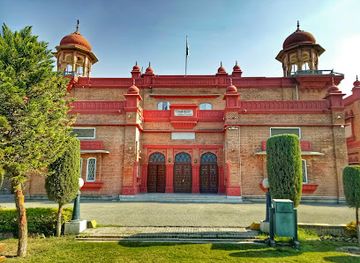
Peshawar Museum
Explore millennia of history and art at the Peshawar Museum, home to a world-renowned Gandhara art collection and cultural treasures.
-
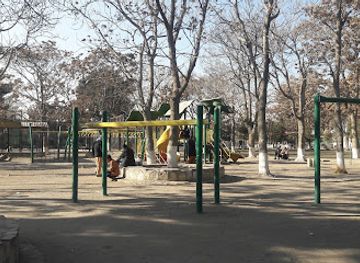
Shahr-e Naw Park
A green escape in Kabul's heart, Shahr-e Naw Park offers tranquility, recreation, and a glimpse into Afghan community and culture.
-
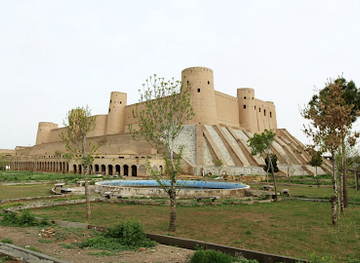
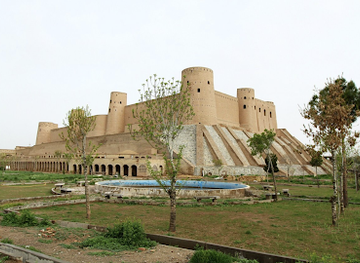
Herat Citadel
Explore the ancient walls of Herat Citadel, a historic fortress dating back to Alexander the Great, offering stunning views and a glimpse into Afghanistan's past.
-
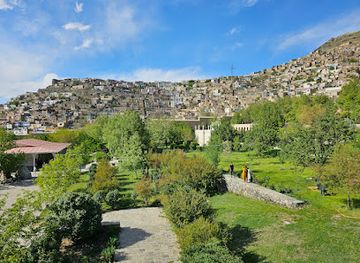
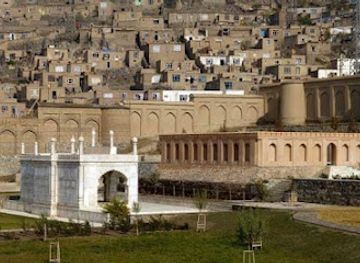
Babur Garden
Discover Kabul's Mughal heritage at Bagh-e Babur: a serene garden oasis with historic tombs, stunning architecture, and panoramic city views.
Best landmarks in Hazarajat
The Buddha niches of Bamyan are Hazarajat’s most recognisable landmarks. Although the monumental statues were destroyed in 2001, their vast cliff openings, surviving fragments and surrounding cave complexes remain a powerful archaeological and cultural site. Shahr-e Zohak, often called the Red City, is another defining landmark: its fortified ruins rise above the approach to Bamyan and illustrate how medieval settlements used steep terrain for defence and control of movement through the valley. Band-e Amir’s chain of blue lakes forms the region’s principal natural landmark, with sharply defined water basins and pale mineral terraces set against high mountain scenery. Bamyan’s agricultural valley, cliff line and archaeological remains together create a landscape of unusual historical density. These places are fragile and politically sensitive, so visitors must follow current heritage instructions, avoid touching or climbing ruins and establish whether access is permitted before travelling.
-
Historical place
Herat Citadel
Explore the ancient Herat Citadel, a majestic fortress with roots stretching back to Alexander the Great, offering panoramic views and a glimpse into Afghan history.
-
Park
Babur Garden
Explore Kabul's historic Babur Garden: a serene Mughal-era oasis, final resting place of Emperor Babur, and a testament to Afghan cultural heritage.
-
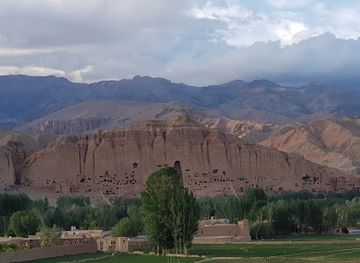
National park
Band-e-Amir National Park
Discover Afghanistan's first national park, a breathtaking landscape of turquoise lakes and dramatic canyons in the heart of the Hindu Kush.
-
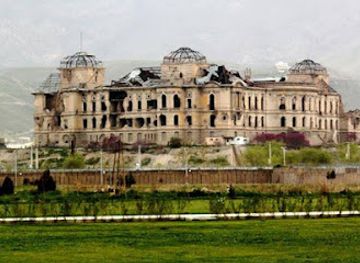
Castle
DarulAman Palace
Explore Darul Aman Palace in Kabul: A neoclassical masterpiece reborn, symbolizing Afghanistan's enduring spirit and rich history. A journey through time awaits.
Explore Hazarajat on the map
Plan your trip on one map. See where the top cities, national parks and sights are, and book hotels and experiences in a few clicks.
Best hotels in Hazarajat
Best restaurants in Hazarajat
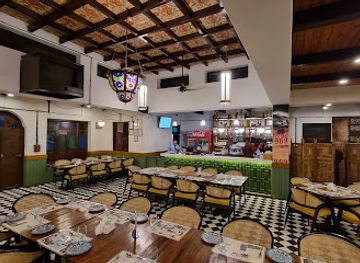
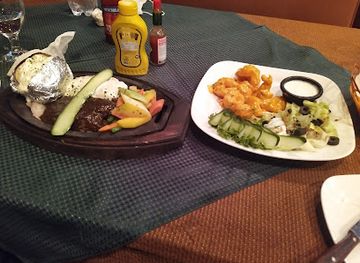
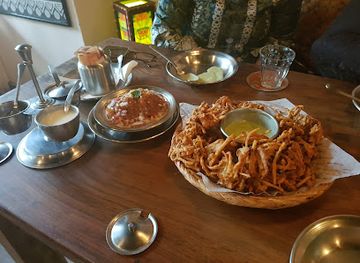
Hazarajat has no developed international dining scene, and food is generally encountered in family homes, modest local eateries, tea houses and small guesthouses rather than dedicated destination restaurants. Meals commonly centre on naan, rice, soups, beans, yoghurt, dairy products, meat and seasonal vegetables, with dried fruits and nuts reflecting the region’s cold climate and orchard economies. In Bamyan, visitors may find a wider choice of simple Afghan dishes, while smaller settlements offer fewer provisions and less predictable supply. Green or black tea is an important part of hospitality, and meals are often shared communally. Travellers should not assume that dietary alternatives, refrigeration or reliable bottled water will be available. Alcohol is prohibited under Afghan law, and visitors should respect Islamic customs concerning food, fasting and mealtimes. Local produce and home cooking reveal more about Hazarajat’s food culture than any formal restaurant ranking.
-
Fast Food
Howdy Islamabad
Experience the best of fast food at Howdy Islamabad, where delicious chicken wings and burgers meet a fun cowboy-themed ambiance.
-
Restaurant
1969 Restaurant
Discover exquisite Pakistani cuisine at 1969 Restaurant in Islamabad - where tradition meets modern elegance.
-
Steak
Ox & Grill Steakhouse
Experience fine dining at Ox & Grill Steakhouse in Islamabad - where premium steaks meet exceptional service.
-
Restaurant
Khoka Khola
Discover authentic Pakistani cuisine in Islamabad at Khoka Khola, where tradition meets taste in a cozy setting.

Best bars in Hazarajat
Hazarajat does not have a conventional bar or nightclub culture. Alcohol is prohibited under Afghan law, and evening social life generally centres on family visits, tea drinking, conversation and community gatherings rather than commercial nightlife. Bamyan town has had a small number of modest guesthouses and cafés serving visitors and aid workers, but opening arrangements and the wider operating environment can change quickly. In rural Daykundi and the high valleys, evening facilities are particularly limited, and darkness, weather, poor roads and security concerns make unnecessary movement inadvisable. Visitors should not seek out alcohol or nightlife venues, and should observe local expectations around gender, dress, photography and public behaviour. Cultural encounters are best approached through appropriate daytime visits arranged with trusted local contacts rather than through entertainment assumptions imported from larger international destinations.
-
Bar
حمام حاجي مير احمد
Explore the rich cultural heritage and relaxation at Kabul's historic Hamam Haji Mir Ahmad, a unique traditional bathhouse experience.
-
Bar
Gahfoory Bar
Experience the vibrant culture of Kunduz at Gahfoory Bar, where locals gather for drinks and camaraderie in a friendly atmosphere.
-
Ziarat
Discover the vibrant nightlife of Ziarat, a unique club in Afghanistan blending music, dance, and traditional hospitality for an unforgettable experience.
-
Asian
Abrisham Restaurant
Experience the authentic tastes of Asia at Abrisham Restaurant in Kabul, where culinary passion meets cultural richness.
Best nightclubs in Hazarajat
Hazarajat does not have a conventional bar or nightclub culture. Alcohol is prohibited under Afghan law, and evening social life generally centres on family visits, tea drinking, conversation and community gatherings rather than commercial nightlife. Bamyan town has had a small number of modest guesthouses and cafés serving visitors and aid workers, but opening arrangements and the wider operating environment can change quickly. In rural Daykundi and the high valleys, evening facilities are particularly limited, and darkness, weather, poor roads and security concerns make unnecessary movement inadvisable. Visitors should not seek out alcohol or nightlife venues, and should observe local expectations around gender, dress, photography and public behaviour. Cultural encounters are best approached through appropriate daytime visits arranged with trusted local contacts rather than through entertainment assumptions imported from larger international destinations.
-
Bar
هرات افغانستان
Experience the vibrant nightlife of Herat, Afghanistan, where tradition meets modernity in lively nightclubs.
-
Bar
حمام حاجي مير احمد
Experience the unique ambiance of حمام حاجي مير احمد, a captivating bar in Kabul offering a taste of Afghan hospitality and culture.
-
Night club
Ziarat
Experience the vibrant nightlife of Ziarat, where music, dance, and Afghan culture come together in an unforgettable setting.
-
Sports club
iCue Snooker & Cafe
Experience the thrill of snooker at iCue Snooker & Cafe in Kabul, where sports meet socializing in a vibrant atmosphere.


Best shops in Hazarajat
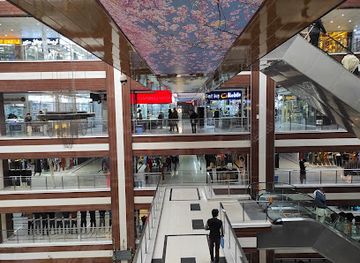
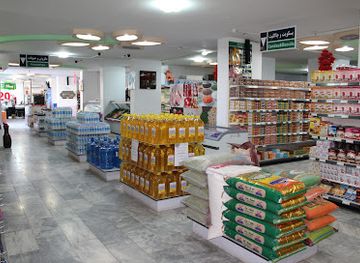
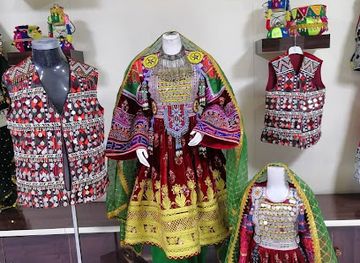
Shopping in Hazarajat is practical and small-scale rather than centred on major retail districts. Bamyan town has the broadest selection of everyday goods, while markets in Daykundi and smaller settlements serve local agricultural and household needs. Visitors may encounter dried fruit, nuts, dairy products, local textiles, woollen goods and handmade items, but availability varies by season and transport conditions. Traditional Hazara foods and regional produce can be more meaningful purchases than generic souvenirs, provided that customs and import rules allow them to be taken abroad. There is no dependable luxury-shopping infrastructure, and card payments may not be accepted. Bargaining can occur in informal markets, but it should be conducted politely and without turning ordinary sellers into touristic spectacles. Avoid buying archaeological objects, old coins or artefacts, since removing cultural property from Afghanistan may be illegal and contributes to the loss of the region’s heritage.
-
Shopping mall
Dawoodzai Shopping Mall
Discover the lively Dawoodzai Shopping Mall in Kabul, where shopping meets culture and culinary delights await every visitor.
-
Shopping mall
CHA Ofice
Discover the CHA Office in Kabul, a vibrant shopping mall and supermarket where local culture and everyday life come alive.
-
Clothing store
Naaz Boutique Afghani dresses store
Explore the beauty of traditional Afghani dresses at Naaz Boutique, where culture meets craftsmanship in every stitch.
-
Shopping mall
Ayouby Market, ایوبی تجارتی مارکیت
Experience the vibrant atmosphere of Ayouby Market in Kandahar, a shopping paradise showcasing authentic Afghan culture and craftsmanship.
Get your free copy of our complete guide to Hazarajat, delivered straight to you.
Everything on this page, from attractions and restaurants to essentials and local phrases, in one PDF you can read offline, print or share.
Already have an account? Sign in
Your Hazarajat guide is ready.
We'll send it to · Not you? Sign out

Getting your guide ready…
We are putting together a fresh copy of the Hazarajat guide. This can take up to a minute.
This can take a few moments. If your browser asks, choose Allow so the download can start. You'll find the guide in your Downloads folder.
Nothing happened? Download it again
Sorry, the guide is taking longer than usual. Please try again in a minute, or get it by email instead.
Hazarajat essentials
Currency and Payment
Safety
Emergency Situations
Do's and Don'ts
Local Tips
From Eve
Local phrases worth knowing
You don't need to get them perfect. A few words go a long way, and locals appreciate the effort.
Basics
| English | Local | Say it |
|---|---|---|
| Hello | سلام | [Salam] |
| Goodbye | خداحافظ | [Khuda hafiz] |
| Yes | بله | [Bale] |
| No | نه | [Na] |
| Please/You’re welcome | لطفا/خوش آمدید | [Lotfan/Khosh amadid] |
| Thank you | تشکر | [Tashakkor] |
| Excuse me/Sorry | ببخشید | [Bebakhshid] |
| How are you? | چطور هستید؟ | [Chetor hastid?] |
| Fine. And you? | خوبم. شما چطورید؟ | [Khobam. Shoma chetorid?] |
| Do you speak English? | آیا شما انگلیسی صحبت میکنید؟ | [Aya shoma engilisi sohbat mikonid?] |
| I don't understand | من نمیفهمم | [Man nemifahmam] |
Eating & Drinking
| English | Local | Say it |
|---|---|---|
| I'd like to see the menu, please | لطفا منوی را ببینم | [Lotfan menu ra bebinam] |
| I don't eat meat | من گوشت نمیخورم | [Man gosht nemikhoram] |
| Cheers! | به سلامتی! | [Be salamati!] |
| I would like to pay, please | لطفا میخواهم پرداخت کنم | [Lotfan mikhaham pardakht konam] |
Emergencies
| English | Local | Say it |
|---|---|---|
| Help! | کمک! | [Komak!] |
| Go away! | برو برو! | [Boro boro!] |
| Call the Police! | پلیس را صدا کنید! | [Polis ra seda konid!] |
| Call a doctor! | دکتر را صدا کنید! | [Doktor ra seda konid!] |
| I'm lost | من گم شدهام | [Man gom shode-am] |
| I'm ill | من بیمار هستم | [Man bimar hastam] |
Shopping
| English | Local | Say it |
|---|---|---|
| I'd like to buy... | من میخواهم بخرم... | [Man mikhaham bekharam...] |
| I'm just looking | من فقط نگاه میکنم | [Man faghat negah mikonam] |
| How much is it? | قیمتش چقدر است؟ | [Gheymatash chaghar ast?] |
| That's too expensive | این خیلی گران است | [In kheili gheran ast] |
| Can you lower the price? | آیا میتوانید قیمت را پایین بیاورید؟ | [Aya mitavanid gheymat ra paein biavarid?] |
Time & Numbers
| English | Local | Say it |
|---|---|---|
| What time is it? | ساعت چند است؟ | [Saat chand ast?] |
| It's one o'clock | ساعت یک است | [Saat yek ast] |
| Half past (10) | نیم ساعت (۱۰) | [Nim saat (10)] |
| Morning | صبح | [Sobh] |
| Afternoon | بعد از ظهر | [Bad az zuhr] |
| Evening | عصر | [Asr] |
| Yesterday | دیروز | [Dirooz] |
| Today | امروز | [Emrooz] |
| Tomorrow | فردا | [Farda] |
| 1 | یک | [Yek] |
| 2 | دو | [Do] |
| 3 | سه | [Se] |
| 4 | چهار | [Chahar] |
| 5 | پنج | [Panj] |
| 6 | شش | [Shesh] |
| 7 | هفت | [Haft] |
| 8 | هشت | [Hasht] |
| 9 | نه | [Noh] |
| 10 | ده | [Dah] |
Transport & Directions
| English | Local | Say it |
|---|---|---|
| Where's a/the...? | کجا است ...؟ | [Koja ast ...?] |
| What's the address? | آدرس چیست؟ | [Address chist?] |
| Can you show me (on the map)? | آیا میتوانید به من نشان بدهید (روی نقشه)؟ | [Aya mitavanid be man neshan bedahid (ruye naqsha)?] |
| When's the next (bus)? | کی (اتوبوس) بعدی است؟ | [Ki (otobus) ba'di ast?] |
| A ticket (to ....) | یک بلیط (به ....) | [Yek belit (be ...)] |
History of Hazarajat
Prehistoric Settlement and Ancient Mountain Routes
The valleys of central Afghanistan have supported human settlement for millennia, although the archaeological record is uneven and many sites remain insufficiently studied. Hazarajat’s passes connected the central highlands with northern Afghanistan, the Kabul region and routes leading towards the Iranian plateau and South Asia. Agriculture developed in irrigated valley bottoms, while upland communities relied on herding and seasonal movement. These geographical links help explain why the Bamyan basin later became a significant cultural and commercial stopping point despite its difficult terrain.
Bamyan’s Buddhist Centuries
From late antiquity into the early medieval period, Bamyan developed as a major Buddhist centre associated with routes across the Hindu Kush. Monasteries occupied caves in the valley cliffs, and two colossal Buddha figures were carved into the rock, traditionally dated to the sixth century. Murals, sculptures and monastic spaces reflected artistic influences travelling between Central Asia, Gandhara and the wider Buddhist world. Although the statues were destroyed in 2001, the niches, caves and surviving archaeological remains continue to demonstrate Bamyan’s international importance before the spread of Islam in the region.
Islamisation and the Medieval Highlands
Islam gradually became established across central Afghanistan through changing political relationships, trade and religious networks. Bamyan and neighbouring highlands were incorporated into the spheres of successive Islamic dynasties, while local political authority remained difficult to control in the mountains. The ruined settlement known as Shahr-e Zohak, east of Bamyan, reflects the strategic importance of fortified sites overlooking routes and river valleys. Accounts of the Mongol invasions in the thirteenth century describe severe destruction in Bamyan, an event that entered the region’s historical memory and left lasting archaeological traces.
Formation of Hazara Identity
Hazara identity developed over centuries through the interaction of central Asian, Persianate and local highland communities. The region’s inhabitants have commonly spoken Hazaragi, a form of Dari containing vocabulary and influences associated with the wider history of the central Asian highlands. Religious affiliation, kinship, shared experiences and attachment to the mountain homeland all contributed to a distinct collective identity. The boundaries of Hazarajat were never fixed like those of a modern province, and the term has consequently carried geographical, cultural and historical meanings that overlap but are not identical.
Conquest and Marginalisation in the Late Nineteenth Century
During the reign of Amir Abdur Rahman Khan in the 1890s, the Afghan state forcibly incorporated much of Hazarajat after prolonged resistance. Military campaigns, confiscation of land, displacement and enslavement imposed heavy costs on Hazara communities, while sectarian discrimination reinforced their political marginalisation. The period also altered patterns of landholding and migration across central Afghanistan. Memories of these campaigns remain central to Hazara historical consciousness and help explain the community’s later emphasis on education, political representation and protection from persecution.
War, Development and Cultural Loss in the Twentieth Century
Hazarajat experienced political exclusion and repeated conflict during the twentieth century, including the Soviet war and the civil wars that followed. Bamyan became an important centre under the Hizb-e Wahdat movement during the 1990s, while roads, schools and public services remained limited across much of the highlands. In 2001, the Taliban destroyed Bamyan’s giant Buddha statues after their international significance had long been recognised. The destruction became a global symbol of cultural loss and of the vulnerability of Afghanistan’s archaeological heritage during war.
Post-2001 Institutions and the Taliban’s Return
After 2001, Bamyan received international attention for reconstruction, heritage conservation, education and tourism initiatives, and Band-e Amir was designated Afghanistan’s first national park in 2019. Development remained uneven, and Hazara communities continued to face insecurity and targeted attacks in different parts of the country. The Taliban’s return to national power in 2021 brought renewed uncertainty over rights, representation, archaeological management and access. Conditions, regulations and security can change rapidly, making current official guidance essential for anyone considering travel or research.
Hazarajat in Photos
Browse through our photo collection highlighting the charm and character of the destination.
Neighbouring regions of Hazarajat
The closest regions to Hazarajat, if you have time for more than one.
-

-

-

-

-


Swipe for more regions
Explore more

Explore more of Afghanistan
Discover Afghanistan's rich history, stunning landscapes, and diverse cultures. From ancient cities to breathtaking nature, this Central Asian gem offers a unique travel experience.
Explore Afghanistan