

Appalachian Mountains, Alabama Travel Guide
Explore the tranquil beauty and rich heritage of Alabama's Appalachian Mountains, where nature and culture blend seamlessly into an unforgettable experience.
Nestled in the northeastern corner of Alabama, the Appalachian Mountains offer a serene escape for nature lovers and adventure seekers alike. This majestic range is known for its lush forests, rolling hills, and stunning vistas that stretch as far as the eye can see. Whether you're an avid hiker, a wildlife enthusiast, or simply someone looking to unwind in nature, the Appalachian Mountains provide the perfect backdrop for a memorable getaway. The region is home to several state parks, including Cheaha State Park, which boasts the highest point in Alabama. Here, you can explore numerous hiking trails, enjoy scenic overlooks, and even camp under the stars. The park's diverse terrain, from dense woodlands to rocky outcrops, offers a variety of activities for visitors of all ages and skill levels. In addition to its natural beauty, the Appalachian Mountains in Alabama are rich in cultural history. The area is dotted with charming small towns where you can experience Southern hospitality and learn about the region's heritage. Don't miss the chance to visit local museums, enjoy traditional Southern cuisine, and participate in community events that celebrate the unique Appalachian culture.

Know before you go
Hi, I'm Eve. Here are a few practical things to know before exploring Appalachian Mountains.
- Visit Cheaha State Park for the best hiking trails and scenic views.
- Bring layers of clothing, as the weather can change quickly in the mountains.
- Explore the small towns in the region for a taste of local culture and cuisine.
- Check the park schedules for guided tours and special events.
- Don't forget your camera; the panoramic views are perfect for photography.
Top City Travel Guides in Appalachian Mountains
The cities of Appalachian Mountains, and the easiest places to base yourself.


Destinations in Appalachian Mountains
Resorts, valleys and scenic spots worth a trip of their own.


Explore Appalachian Mountains: Things to Do, Places to Eat, Hotels & More
Handpicked recommendations for top attractions, local dining, accommodations, and more

Top Attractions & Sightseeing in Appalachian Mountains
Top-rated picks
Best Attractions

Talladega National Forest
Discover Alabama's natural beauty in Talladega National Forest: hiking, camping, scenic drives, and abundant wildlife await!

Monte Sano State Park
Discover Huntsville's mountain retreat: hiking, biking, camping, and history await at Monte Sano State Park, the 'Mountain of Health'.

Cathedral Caverns State Park
Discover Alabama's underground wonderland: Cathedral Caverns State Park, a natural masterpiece of geological wonders and historical significance.

Bankhead National Forest
Explore Alabama's Bankhead National Forest: Waterfalls, wilderness, and outdoor adventures await in this natural paradise.

Best landmarks in Appalachian Mountains
Top-rated picks
Best Landmarks

USS ALABAMA Battleship Memorial Park
Explore the decks of the USS Alabama battleship and the USS Drum submarine, and discover a vast collection of historic aircraft and military equipment at this Mobile, Alabama memorial park.
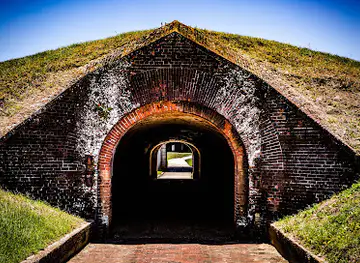
Fort Morgan State Historic Site
Explore centuries of history and stunning coastal views at Fort Morgan State Historic Site, guarding Mobile Bay since 1834.

McWane Science Center
Explore interactive exhibits, an aquarium, and an IMAX Dome Theater at Birmingham's premier science destination.

Talladega National Forest
Explore Alabama's Talladega National Forest: Hiking, camping, scenic drives, and natural beauty in the Appalachian foothills.

Best restaurants in Appalachian Mountains
Top-rated picks
Best Restaurants

Top O' The River
Experience Southern hospitality at Top O' The River in Guntersville - where fresh seafood meets stunning lakeside views.

Top O' the River
Discover Gadsden's culinary gem with riverfront views and mouthwatering seafood at Top O' the River - where Southern hospitality meets delicious flavors.

Rattlesnake Saloon
Discover Rattlesnake Saloon: A cave-dining experience in Tuscumbia, AL serving delicious burgers and vibrant local culture.

Blue Ridge Mountains
Explore the breathtaking beauty of the Blue Ridge Mountains with stunning vistas, diverse wildlife, and countless outdoor adventures waiting for you.

Best bars in Appalachian Mountains
Top-rated picks
Best Bars

Pirate's Bar And Grill
Experience the flavors of coastal Alabama at Pirate's Bar And Grill, where fresh seafood meets a laid-back beach atmosphere.

Perfect Note
Discover Perfect Note: a lively bar and restaurant in Hoover, AL, known for its delicious food and unforgettable live music experiences.
![Carrigan's Public House [21+ Only]](https://media.evendo.com/locations-resized/BarImages/360x263/644d7971-295a-4cff-9f19-affe86af28b1?type=webp)
Carrigan's Public House [21+ Only]
Discover the culinary delights of Carrigan's Public House, a premier gastropub in Birmingham, AL with an extensive craft beer selection.

Wildwood Tavern
Discover Wildwood Tavern, a vibrant gastropub in Florence, AL, offering delicious American cuisine and a lively atmosphere perfect for any occasion.

Best nightclubs in Appalachian Mountains
Top-rated picks
Best Nightclubs

The Quest Club
Experience the vibrant energy of Birmingham's LGBTQ+ scene at The Quest Club, where nightlife meets inclusivity and entertainment.

Ok Corral
Discover the energetic nightlife of Ok Corral, Huntsville's premier dance club, where music and fun unite for an unforgettable evening.

Platinum of Birmingham
Discover the exhilarating nightlife of Birmingham at Platinum, the city's hottest night club, where music, dance, and fun converge.

Rhythm & Brews
Discover the heart of Tuscaloosa's nightlife at Rhythm & Brews, where live music meets a vibrant bar scene for an unforgettable experience.

Best shops in Appalachian Mountains
Top-rated picks
Best Shops

Bridge Street Town Centre
Explore Bridge Street Town Centre: Huntsville's premier shopping, dining, and entertainment destination for the whole family.

Tanger Outlets Foley
Discover unbeatable deals and an extensive selection of top brands at Tanger Outlets Foley, the ultimate shopping destination in Alabama.

Riverchase Galleria
Experience the ultimate shopping and dining adventure at Riverchase Galleria in Hoover, Alabama, where style meets southern hospitality.

The Shops of Grand River
Discover an exceptional shopping experience at The Shops of Grand River, where brand-name outlets meet delightful dining in a vibrant outdoor setting.

Explore Appalachian Mountains on the Map
A handpicked selection of must-see spots in Appalachian Mountains, mapped for you.
Appalachian Mountains Essentials
-
The Appalachian Mountains in Alabama are accessible from several major cities. The nearest major airport is Birmingham-Shuttlesworth International Airport, located in Birmingham, Alabama. From Birmingham, you can rent a car or take a bus to various entry points of the Appalachian region. The region is also accessible by car via major highways such as I-20, I-59, and I-65. For those preferring rail travel, Amtrak services are available to Birmingham, from where you can continue your journey by road.
-
Once in the Appalachian Mountains, transportation options include renting a car, which provides the most flexibility for exploring the region. Local taxi services and ride-sharing apps like Uber and Lyft are available in larger towns. For more remote areas, consider renting an all-terrain vehicle. While public transportation is limited, some areas have local bus services. Hiking and biking are popular ways to explore the natural beauty of the region.
-
The official currency in Alabama is the US Dollar (USD). Credit cards are widely accepted in hotels, restaurants, and shops. However, it is advisable to carry some cash, especially when visiting rural areas or small towns where card payment may not be accepted. ATMs are available in most towns, but ensure you have enough cash before venturing into more remote areas of the Appalachian Mountains.
-
The Appalachian Mountains in Alabama are generally safe for tourists. However, standard safety precautions should be taken. Avoid walking alone at night in unfamiliar areas and keep valuables secure. While there are no specific high-crime areas targeting tourists, it's best to stay vigilant, especially in larger towns. Be aware of wildlife and follow safety guidelines when hiking or camping.
-
In case of emergency, dial 911 for immediate assistance. Medical facilities and police stations are available in larger towns such as Birmingham and Gadsden. It is advisable to have travel insurance that covers medical emergencies. For minor health issues, there are pharmacies in most towns. When hiking or exploring remote areas, carry a first aid kit and inform someone of your plans.
-
Fashion: Do wear comfortable, weather-appropriate clothing and sturdy hiking boots if you plan to explore trails. Avoid wearing flashy jewelry. Religion: Do respect local religious customs and traditions. When visiting churches, dress modestly. Public Transport: Do be courteous to other passengers and give up your seat to elderly or disabled individuals. Don’t be loud or disruptive. Greetings: Do greet people with a friendly 'Hello' or 'Hi'. A handshake is also common. Eating & Drinking: Do try local Southern cuisine and accept food offerings graciously. Don’t leave a tip at fast food restaurants; however, tipping 15-20% in sit-down restaurants is customary.
-
To experience the Appalachian Mountains in Alabama like a local, visit farmers' markets for fresh produce and homemade goods. Engage with locals to learn about the region's history and culture. Don't miss the scenic drives along the Talladega Scenic Byway and the Cheaha Mountain, the highest point in Alabama. Participate in local festivals and events to immerse yourself in the community. Hiking trails such as the Pinhoti Trail offer stunning views and a chance to connect with nature.
When is the best time to visit Appalachian Mountains?
Useful Local Phrases for Appalachian Mountains
You don't need to speak the language perfectly. Even learning a few simple words can make conversations warmer—and locals usually appreciate the effort.
— Eve

Here are the phrases I use most often in Appalachian Mountains. Try a few—you'll be surprised how far they go! 😊
❤️
-
- HelloHowdy
[Hau-dee] - GoodbyeSee ya later
[See ya lay-tur] - YesYup
[Yup] - NoNaw
[Naw] - Please/You're welcomePlease/No problem
[Pleez/No prob-lum] - Thank youThank ya
[Thank ya] - Excuse me/SorryExcuse me/Sorry 'bout that
[Ex-cuze me/Sor-ree 'bout that] - How are you?How ya doin'?
[How ya doin'?] - Fine. And you?I’m good. And you?
[I’m guud. An' you?] - Do you speak English?Ya speakin' English?
[Ya speakin' Ing-lish?] - I don't understandI ain't followin'
[I ain't fol-lin']
- HelloHowdy
-
- I'd like to see the menu, pleaseCan I see the menu, please?
[Can I see the men-yoo, pleez?] - I don't eat meatI don't eat no meat
[I don't eet no meet] - Cheers!Cheers!
[Cheers!] - I would like to pay, pleaseI’d like to settle up, please
[I’d laik to set-l up, pleez]
- I'd like to see the menu, pleaseCan I see the menu, please?
-
- Help!Help!
[Help!] - Go away!Git outta here!
[Git outta here!] - Call the Police!Call the law!
[Call the law!] - Call a doctor!Call a doc!
[Call a doc!] - I'm lostI’m lost
[I’m lost] - I'm illI ain't feelin' well
[I ain't feelin' wel]
- Help!Help!
-
- I'd like to buy...I wanna buy...
[I wanna buy...] - I'm just lookingJust lookin'
[Just lookin'] - How much is it?How much fer that?
[How much fer that?] - That's too expensiveThat’s too pricey
[That’s too pry-cee] - Can you lower the price?Can ya bring down the price?
[Can ya bring down the pryce?]
- I'd like to buy...I wanna buy...
-
- What time is it?What time is it?
[What time is it?] - It's one o'clockIt's one o'clock
[It's one o'clock] - Half past (10)Half past ten
[Half past ten] - MorningMornin'
[Mornin'] - AfternoonAfternoon
[Af-ter-noon] - EveningEvenin'
[Eve-ning] - YesterdayYest'day
[Yest'day] - TodayToday
[To-day] - TomorrowTomorra'
[Tomor-rah] - 1One
[Wun] - 2Two
[Too] - 3Three
[Three] - 4Four
[For] - 5Five
[Fiv] - 6Six
[Six] - 7Seven
[Sev-en] - 8Eight
[Ayt] - 9Nine
[Nin] - 10Ten
[Ten]
- What time is it?What time is it?
-
- Where's a/the...?Where's the...?
[Where's the...?] - What's the address?What's the address?
[What's the ad-dress?] - Can you show me (on the map)?Can ya show me on the map?
[Can ya show me on the map?] - When's the next (bus)?When's the next bus?
[When's the next bus?] - A ticket (to ....)A ticket to...
[A ticket to...]
- Where's a/the...?Where's the...?
History of Appalachian Mountains
-
The Appalachian Mountains in Alabama have a rich history that dates back thousands of years, long before European settlers arrived. Native American tribes, such as the Cherokee and Creek, originally inhabited these lands. They thrived in the region, utilizing its natural resources for hunting, fishing, and agriculture. The mountains provided a natural barrier and sanctuary, contributing to the development of unique cultures and traditions.
-
The first European explorers arrived in the Appalachian region of Alabama in the 16th century. Spanish explorers, including Hernando de Soto, traversed the area in search of gold and other riches. By the 18th century, European settlers, predominantly of Scots-Irish descent, began to establish permanent settlements. These settlers brought with them their own customs, languages, and farming practices, significantly influencing the cultural landscape of the region.
-
During the American Civil War, the Appalachian Mountains in Alabama played a strategic role. The rugged terrain provided natural defenses and made it difficult for large-scale military campaigns to take place. However, the region saw skirmishes and smaller battles as both Union and Confederate forces sought control over key transportation routes and resources. The local population was deeply divided, with some supporting the Confederacy and others the Union cause.
-
Following the Civil War, the Appalachian region of Alabama experienced significant industrialization. The discovery of coal and other minerals led to the establishment of numerous mines and railroads, transforming the local economy. Towns like Birmingham grew rapidly, becoming centers of industry and commerce. However, this period also brought challenges, including labor disputes and environmental degradation, which left a lasting impact on the landscape and communities.
-
The Great Depression of the 1930s had a profound effect on the Appalachian region. In response to the economic crisis, the federal government established the Tennessee Valley Authority (TVA) to provide jobs, electricity, and flood control. The TVA built dams and power plants, significantly altering the natural environment and providing much-needed infrastructure. This era of development helped modernize the region and improve the quality of life for many residents.
-
The Appalachian Mountains in Alabama are not only rich in history but also in cultural heritage. The region is known for its music, particularly bluegrass and folk, as well as its traditional crafts such as quilting and pottery. Efforts to preserve this heritage are ongoing, with numerous festivals, museums, and cultural centers dedicated to showcasing the unique traditions and stories of the Appalachian people. These initiatives aim to keep the region's history alive for future generations.
Neighbouring Regions of Appalachian Mountains
The closest regions to Appalachian Mountains, if you have time for more than one.


Your all‑in‑one travel companion app
Explore expert travel guides, compare and book tours, experiences, hotels, and more—all from the palm of your hand. Download now for seamless trip planning wherever your wanderlust takes you.


Explore More of Alabama

Looking beyond Appalachian Mountains? Discover Alabama for broader travel guides, local hot-spots, and regional highlights.
Explore AlabamaAppalachian Mountains in Photos
Browse through our photo collection highlighting the charm and character of the destination.





The Enchanting Appalachian Mountains of Alabama
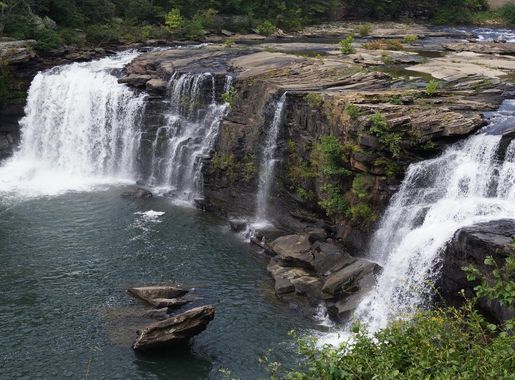
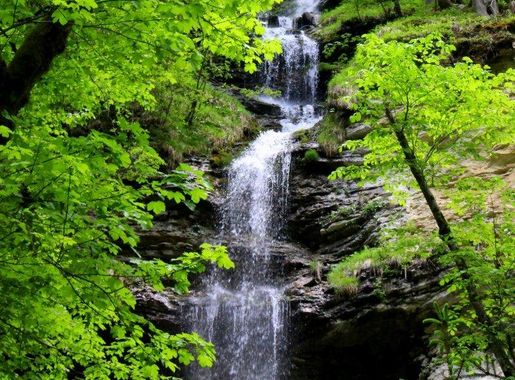
Nestled in the northeastern corner of Alabama, the Appalachian Mountains offer a serene escape for nature lovers and adventure seekers alike. This majestic range is known for its lush forests, rolling hills, and stunning vistas that stretch as far as the eye can see. Whether you're an avid hiker, a wildlife enthusiast, or simply someone looking to unwind in nature, the Appalachian Mountains provide the perfect backdrop for a memorable getaway. The region is home to several state parks, including Cheaha State Park, which boasts the highest point in Alabama. Here, you can explore numerous hiking trails, enjoy scenic overlooks, and even camp under the stars. The park's diverse terrain, from dense woodlands to rocky outcrops, offers a variety of activities for visitors of all ages and skill levels. In addition to its natural beauty, the Appalachian Mountains in Alabama are rich in cultural history. The area is dotted with charming small towns where you can experience Southern hospitality and learn about the region's heritage. Don't miss the chance to visit local museums, enjoy traditional Southern cuisine, and participate in community events that celebrate the unique Appalachian culture.