

Free Auburn Travel Guide & Mobile App
Plan your Auburn trip with Evendo. Get free guides to top attractions, restaurants, hotels, and bars. Web access or download the mobile app.


Auburn, Alabama blends Southern college-town spirit with historic streets, Auburn University traditions, museums, gardens and adventures at Chewacla State Park.
A University Town with Deep Roots
Auburn is a compact city in east-central Alabama whose identity is closely tied to Auburn University, one of the American South’s major public universities. The campus shapes the rhythm of local life, from the autumn excitement surrounding college football to the tree-lined streets and independent businesses around downtown. Yet Auburn is more than a university setting: its history reaches back to the Creek homeland of the region and to the settlement founded by Judge John Harper in 1836.Read more about Auburn
Downtown Traditions and Cultural Life
Woodlands, Lakes and Outdoor Space
When is the best time to visit Auburn?
Best: April–May, October · 23–28°C| Month | High (°C) | Rainfall (mm) |
|---|---|---|
| January | 12 | 114 |
| February | 14 | 121 |
| March | 19 | 142 |
| April (best) | 23 | 109 |
| May (best) | 28 | 110 |
| June | 32 | 129 |
| July | 34 | 151 |
| August | 33 | 123 |
| September | 31 | 108 |
| October (best) | 24 | 87 |
| November | 19 | 110 |
| December | 14 | 118 |
Getting to and around Auburn
How to get there
Transportation
Best attractions in Auburn
Auburn’s attractions combine university culture, local history and accessible outdoor recreation. Toomer’s Corner, the traditional meeting point of Magnolia Avenue and College Street, introduces the city’s public life and its deep Auburn University loyalties. On campus, the Jule Collins Smith Museum of Fine Art presents changing exhibitions and a permanent collection in a contemporary setting, while the Donald E. Davis Arboretum offers trails through plant communities characteristic of Alabama’s Coastal Plain and Piedmont. The Southeastern Raptor Center provides education about birds of prey and conservation, subject to its visitor programme. Chewacla State Park, just south of Auburn, extends the experience into woodland, with a lake, hiking routes, picnic areas and historic-mill remains. Downtown’s independent shops, restaurants and cafés provide a more leisurely contrast to the university’s formal spaces, and the campus itself rewards exploration for its tree-lined paths, athletic traditions and long-established academic buildings.
-
Tourist attraction
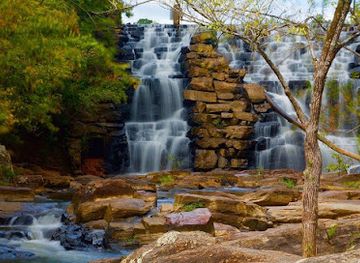
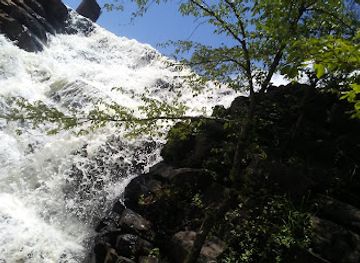
Chewacla State Park
Discover natural beauty and outdoor adventure at Chewacla State Park, offering hiking, biking, swimming, and historic charm near Auburn, Alabama.
19 min drive · 6.4 km from city centre
-
Tourist attraction
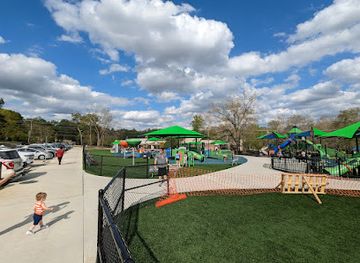
Town Creek Park
Escape to nature in the heart of Auburn at Town Creek Park, offering trails, a tranquil pond, and community events.
9 min drive · 2.9 km from city centre
-
Tourist attraction
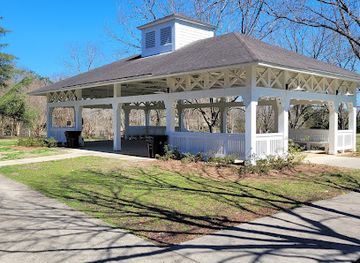
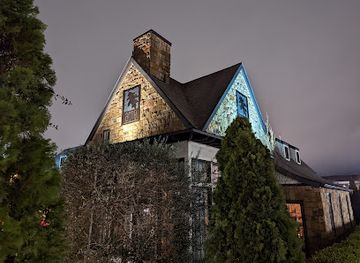
Kiesel Park
Explore Auburn's largest park: scenic trails, historic house, dog park, and community events in a beautiful natural setting.
19 min drive · 6.5 km from city centre
-
Tourist attraction
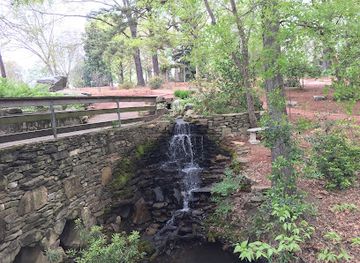
Donald E. Davis Arboretum
Discover Alabama's natural beauty at Auburn University's Donald E. Davis Arboretum, a living museum of native plants and ecosystems.
5 min drive · 1.5 km from city centre
Best landmarks in Auburn
Auburn’s most recognisable landmarks are closely linked to education, civic tradition and collegiate identity. Toomer’s Corner marks the symbolic gateway between downtown and Auburn University, while Samford Hall, with its clock tower, is one of the campus’s best-known architectural features. Langdon Hall, built in the nineteenth century, reflects the university’s earlier history and remains an important historic campus building. Auburn Arena represents the modern prominence of university athletics, whereas Jordan-Hare Stadium is the city’s defining sporting landmark and the setting for major Auburn football home games. The Auburn University Chapel is associated with the campus’s older architectural landscape, and the Old Main and Samford Hall area preserves visual reminders of the institution’s development from a nineteenth-century college into a comprehensive university. Together these sites explain why Auburn’s built identity is inseparable from its academic and sporting history.
-
Stadium
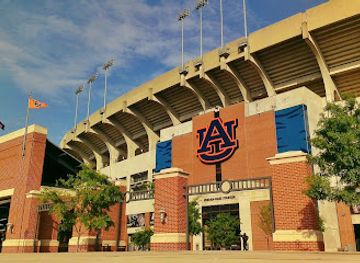
Jordan-Hare Stadium
Experience the electrifying atmosphere of Jordan-Hare Stadium, home of the Auburn Tigers, where tradition and passion collide in a historic landmark of college football.
14 min walk · 1.2 km from city centre
-
State park
Chewacla State Park
Discover Auburn's natural beauty at Chewacla State Park: hiking, biking, swimming, and historic charm await in this 696-acre oasis.
19 min drive · 6.4 km from city centre
-
Southern
Acre
Experience Southern cuisine redefined at Acre, Auburn. Fresh, local ingredients crafted into innovative dishes with a focus on sustainability and community.
3 min walk · 0.2 km from city centre
-
Arena
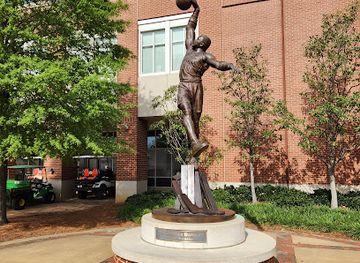
Neville Arena
Experience the thrill of Auburn Tigers athletics at this state-of-the-art arena, home to basketball, gymnastics, volleyball, and community events.
17 min walk · 1.4 km from city centre
Explore Auburn on the map
Plan your Auburn trip on one map. See where the top attractions, landmarks, restaurants, bars and hotels are, find what's near where you're staying, and book hotels and experiences in a few clicks.
Best hotels in Auburn
Best restaurants in Auburn
Auburn’s dining scene reflects both Alabama foodways and the demands of a large university community. Southern staples such as fried chicken, barbecue, catfish, biscuits, greens and pecan-based desserts appear alongside burgers, international cuisines and contemporary American menus. Downtown Auburn and the streets around the university contain the greatest concentration of cafés, casual restaurants and places suited to pre- or post-game gatherings, while nearby Opelika adds another established dining area within the wider local community. Breakfast cafés and bakeries are useful for experiencing the relaxed morning rhythm of a Southern college town, and food associated with Auburn football culture often carries a strong sense of local tradition. Menus change regularly, but ingredients and cooking styles connected with Alabama agriculture—corn, beans, greens, poultry and freshwater fish—remain an important part of the regional table.
-
Restaurant
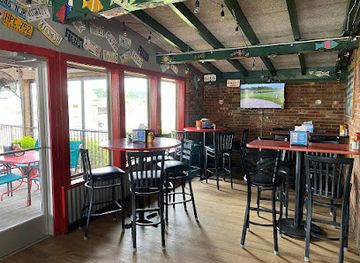
Niffer's Place Auburn
Savor delicious burgers and Southern hospitality at Niffer's Place Auburn - a must-visit culinary destination in Alabama.
8 min drive · 2.5 km from city centre
-
American
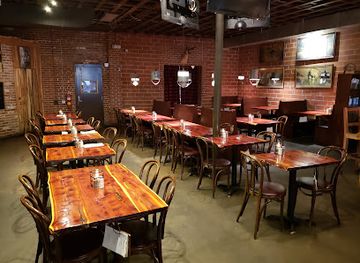
THE HOUND
Experience American comfort food at The Hound in Auburn - where flavor meets Southern hospitality.
3 min walk · 0.2 km from city centre
-
American
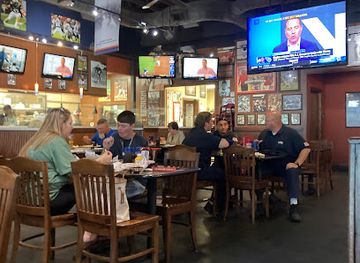
Baumhower's Victory Grille
Experience the best American cuisine at Baumhower's Victory Grille in Auburn—home of legendary chicken wings and vibrant sports culture.
15 min drive · 4.9 km from city centre
-
Buffet
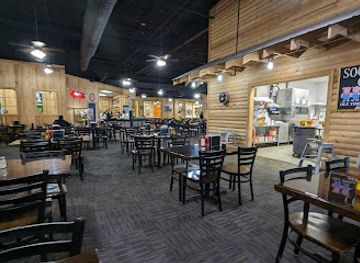
Ole Times Country Buffet & Bar-B-Que
Discover the heart of Southern cuisine at Ole Times Country Buffet & Bar-B-Que in Auburn – where every meal feels like home.
11 min drive · 3.7 km from city centre
Best bars in Auburn
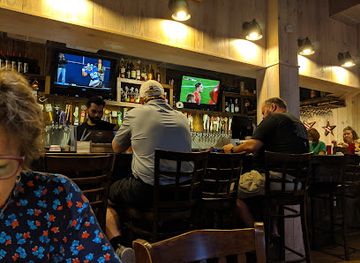
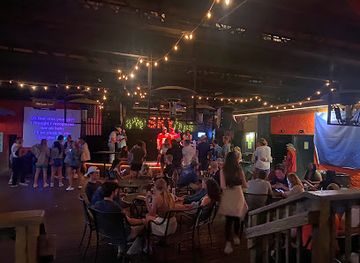
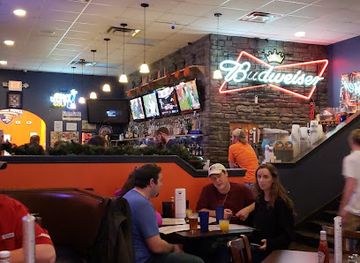
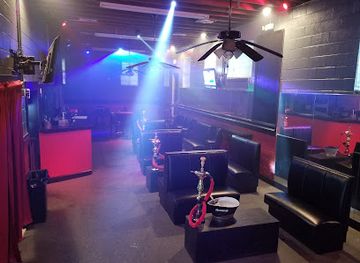
Auburn’s evening life is shaped by its university population, with the greatest activity concentrated downtown and near the campus. Bars and casual late-night venues cater to students and American football crowds, while restaurants, cafés and locally oriented gathering places offer quieter alternatives. The city does not have the scale or variety of a major metropolitan nightlife district, but it can become exceptionally busy around Auburn University sporting events, when live broadcasts, music and informal celebrations fill central streets. Visitors should expect an age-conscious drinking culture governed by US licensing laws and should carry valid identification where required. Opelika, close by, provides additional restaurants, bars and cultural events in a more historic small-city setting, while evening performances and university arts programming offer non-club options when scheduled.
-
American
THE HOUND
Experience the best of Southern hospitality and American cuisine at The Hound in Auburn, AL - a delightful dining destination for all.
3 min walk · 0.2 km from city centre
-
Bar
Acre
Discover Acre in Auburn, Alabama, where inventive cocktails and delicious Southern cuisine create an unforgettable dining experience.
3 min walk · 0.2 km from city centre
-
American
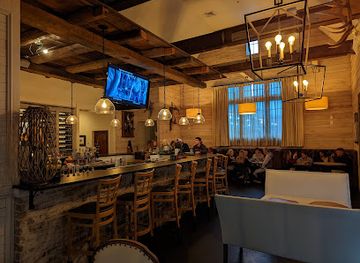
Auburn Draft House
Experience the best of American cuisine and craft beer at Auburn Draft House, a vibrant restaurant and beer hall in Alabama.
4 min walk · 0.4 km from city centre
-
Bar
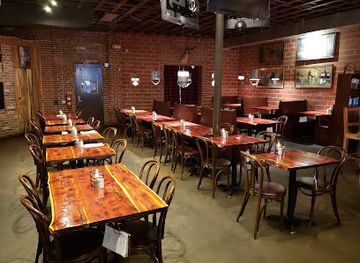
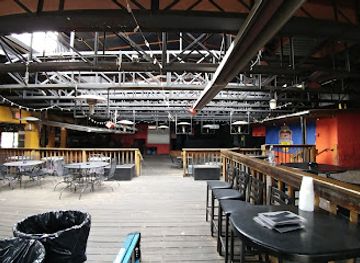
Skybar Café
Experience Auburn's nightlife at Skybar Café, a vibrant bar and night club offering great drinks, music, and unforgettable entertainment.
5 min walk · 0.4 km from city centre
Best nightclubs in Auburn
Auburn’s evening life is shaped by its university population, with the greatest activity concentrated downtown and near the campus. Bars and casual late-night venues cater to students and American football crowds, while restaurants, cafés and locally oriented gathering places offer quieter alternatives. The city does not have the scale or variety of a major metropolitan nightlife district, but it can become exceptionally busy around Auburn University sporting events, when live broadcasts, music and informal celebrations fill central streets. Visitors should expect an age-conscious drinking culture governed by US licensing laws and should carry valid identification where required. Opelika, close by, provides additional restaurants, bars and cultural events in a more historic small-city setting, while evening performances and university arts programming offer non-club options when scheduled.
-
American
Auburn Draft House
Experience the essence of Auburn at Auburn Draft House, where American cuisine meets a vibrant craft beer culture in a lively atmosphere.
4 min walk · 0.4 km from city centre
-
Night club
Skybar Café
Experience the vibrant nightlife at Skybar Café, Auburn’s premier night club and bar, offering delicious cocktails and live music in a lively atmosphere.
5 min walk · 0.4 km from city centre
-
Grill
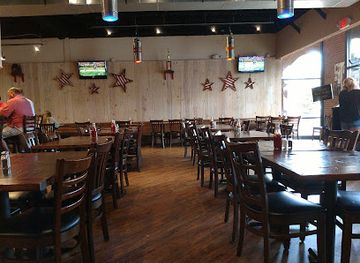
Halftime Sports Bar
Discover the vibrant atmosphere at Halftime Sports Bar in Auburn, where delicious grill fare meets an exhilarating sports experience.
3 min walk · 0.2 km from city centre
-
Lounge
The End Zone Bar Grill & Lounge
Experience the ultimate blend of sports, food, and fun at The End Zone Bar Grill & Lounge in Auburn, Alabama.
30 min drive · 10 km from city centre
Best shops in Auburn
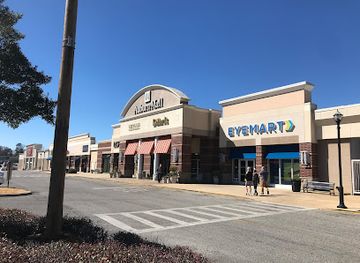
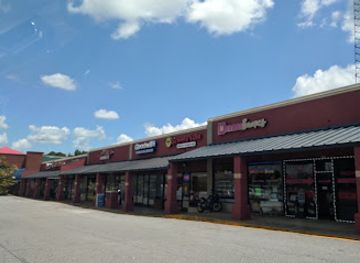
Shopping in Auburn centres on downtown streets, university-oriented retailers and larger commercial areas along the city’s main roads. Around Toomer’s Corner and the central campus, visitors find Auburn University apparel, gifts, books and locally branded merchandise, while independent boutiques offer clothing, accessories and home goods. The city’s commercial retail concentration includes Tiger Town, a major shopping and dining area with national chains and everyday services. Food-minded visitors can look for Alabama-produced goods, including sauces, preserves, pecans and other regional specialities, though availability varies by shop and season. Downtown provides a more walkable experience, with small businesses interspersed among restaurants and cafés; larger retail districts are easier to reach by car. Shopping is particularly event-driven during university sporting weekends, when team colours and local collegiate culture become highly visible throughout the city.
-
Shopping mall
Auburn Mall
Discover a shopper's delight at Auburn Mall, Alabama's premier shopping destination featuring diverse stores, dining, and family-friendly amenities.
11 min drive · 3.7 km from city centre
-
Shopping mall
Tiger Crossing Shopping Center
Explore the dynamic shopping experience at Tiger Crossing Shopping Center in Auburn, Alabama, where local charm meets retail variety.
12 min drive · 4.1 km from city centre
-
Department store
Dillard's
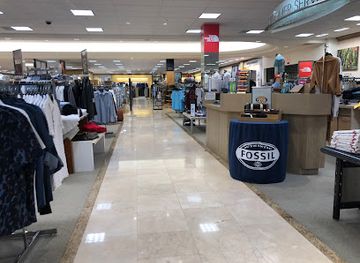
Explore the ultimate shopping experience at Dillard's in Auburn, Alabama, featuring clothing, cosmetics, and home goods for the whole family.
11 min drive · 3.6 km from city centre
-
Shopping mall
Glenndean Shopping Center
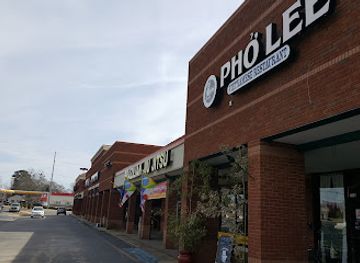
Explore Glenndean Shopping Center: Your ultimate shopping destination in Auburn, Alabama, offering diverse shops and delightful dining options.
17 min walk · 1.4 km from city centre
Get your free copy of our complete guide to Auburn, delivered straight to you.
Everything on this page, from attractions and restaurants to essentials and local phrases, in one PDF you can read offline, print or share.
Already have an account? Sign in
Your Auburn guide is ready.
We'll send it to · Not you? Sign out

Getting your guide ready…
We are putting together a fresh copy of the Auburn guide. This can take up to a minute.
This can take a few moments. If your browser asks, choose Allow so the download can start. You'll find the guide in your Downloads folder.
Nothing happened? Download it again
Sorry, the guide is taking longer than usual. Please try again in a minute, or get it by email instead.
Auburn essentials
Currency and Payment
Safety
Emergency Situations
Do's and Don'ts
Local Tips
From Eve
Local phrases worth knowing
You don't need to get them perfect. A few words go a long way, and locals appreciate the effort.
Basics
| English | Local | Say it |
|---|---|---|
| Hello | Hey y'all | [Hey y'all] |
| Goodbye | See ya later | [See ya later] |
| Yes | Yep | [Yep] |
| No | Nah | [Nah] |
| Please/You're welcome | Please/You're welcome | [Please/You're welcome] |
| Thank you | Thank ya | [Thank ya] |
| Excuse me/Sorry | Excuse me/Sorry | [Excuse me/Sorry] |
| How are you? | How y'all doin'? | [How y'all doin'] |
| Fine. And you? | Fine. And you? | [Fine. And you?] |
| Do you speak English? | Ya speak English? | [Ya speak English?] |
| I don't understand | I don't get it | [I don't get it] |
Eating & Drinking
| English | Local | Say it |
|---|---|---|
| I'd like to see the menu, please | Can I see the menu, please | [Can I see the menu, please] |
| I don't eat meat | I don't eat meat | [I don't eat meat] |
| Cheers! | Cheers! | [Cheers!] |
| I would like to pay, please | I'd like to pay, please | [I'd like to pay, please] |
Emergencies
| English | Local | Say it |
|---|---|---|
| Help! | Help! | [Help!] |
| Go away! | Git! | [Git!] |
| Call the Police! | Call the Po-lice! | [Call the Po-lice!] |
| Call a doctor! | Call a doc! | [Call a doc!] |
| I'm lost | I'm lost | [I'm lost] |
| I'm ill | I'm sick | [I'm sick] |
Shopping
| English | Local | Say it |
|---|---|---|
| I'd like to buy... | I wanna buy... | [I wanna buy...] |
| I'm just looking | Just lookin' | [Just lookin'] |
| How much is it? | How much is this? | [How much is this?] |
| That's too expensive | That's too much | [That's too much] |
| Can you lower the price? | Can ya lower the price? | [Can ya lower the price?] |
Time & Numbers
| English | Local | Say it |
|---|---|---|
| What time is it? | What time is it? | [What time is it?] |
| It's one o'clock | It's one o'clock | [It's one o'clock] |
| Half past (10) | Half past (10) | [Half past (10)] |
| Morning | Mornin' | [Mornin'] |
| Afternoon | Afternoon | [Afternoon] |
| Evening | Evenin' | [Evenin'] |
| Yesterday | Yesterday | [Yesterday] |
| Today | Today | [Today] |
| Tomorrow | Tomorrow | [Tomorrow] |
| 1 | 1 | [1] |
| 2 | 2 | [2] |
| 3 | 3 | [3] |
| 4 | 4 | [4] |
| 5 | 5 | [5] |
| 6 | 6 | [6] |
| 7 | 7 | [7] |
| 8 | 8 | [8] |
| 9 | 9 | [9] |
| 10 | 10 | [10] |
Transport & Directions
| English | Local | Say it |
|---|---|---|
| Where's a/the...? | Where's a/the...? | [Where's a/the...?] |
| What's the address? | What's the address? | [What's the address?] |
| Can you show me (on the map)? | Can you show me (on the map)? | [Can you show me (on the map)?] |
| When's the next (bus)? | When's the next (bus)? | [When's the next (bus)?] |
| A ticket (to ....) | A ticket (to ....) | [A ticket (to ....)] |
History of Auburn
Creek Homeland and Early Settlement
Before Auburn’s foundation, the surrounding region formed part of the homeland of the Muscogee, often known in historical sources as the Creek. The area was transformed during the forced removal of Native peoples and the rapid expansion of white settlement in Alabama during the 1830s. Auburn was founded in 1836 by Judge John Harper, who named the settlement after the village celebrated in Oliver Goldsmith’s poem "The Deserted Village". Its location in what became Lee County reflected the agricultural and commercial growth of east-central Alabama. The town was incorporated in 1839, and its early development followed the familiar pattern of a Southern settlement shaped by surrounding farms, local trade and the movement of families into newly opened lands.
The First College in Auburn
Education became central to Auburn’s identity when the East Alabama Male College opened in 1856 under Methodist affiliation. The institution gave the small town a cultural and intellectual focus that distinguished it from many neighbouring agricultural communities. The American Civil War interrupted its progress, and the college closed during the conflict. After the war, the devastated regional economy and changing educational priorities created pressure for a new direction. In 1872, the Methodist church transferred the institution to the state, establishing a foundation for its later development as a public college. The surviving college tradition remains essential to understanding why Auburn grew around an academic campus rather than solely as a county-market town.
Land-Grant Education Arrives
A major transformation came in 1878, when the institution became the Agricultural and Mechanical College of Alabama under the federal land-grant system. Its mission expanded beyond classical education to agriculture, engineering and practical scientific instruction, reflecting the needs of a state rebuilding after the Civil War. The college helped connect Auburn with new ideas about agricultural improvement, industrial technology and public education. Its growing campus also influenced the town’s physical development, drawing students, teachers and workers while creating demand for housing, shops and services. The land-grant heritage continues to shape Auburn University’s academic character and its long-standing links with Alabama agriculture and engineering.
From Polytechnic Institute to University
The institution was renamed the Alabama Polytechnic Institute in 1899, signalling an increased emphasis on technical and professional education. During the early twentieth century, Auburn expanded its programmes and campus facilities as Alabama modernised and demand grew for trained engineers, teachers, agricultural specialists and administrators. Women were admitted as students in the late nineteenth century, although the institution’s development remained shaped by the social inequalities of the era. The campus became an increasingly influential presence in Lee County, while Auburn’s commercial centre developed around the needs of a growing academic community. Architectural remnants, established quadrangles and long-standing campus traditions offer visible connections with this period of expansion.
Auburn University and Modern Identity
The institution adopted the name Auburn University in 1960, reflecting its broader academic scope and national ambitions. The post-war decades brought substantial enrolment growth, new research and professional programmes, and a deeper connection between the university and the city’s public identity. Auburn also became widely known for its intercollegiate athletics, particularly American football, which transformed autumn weekends and helped carry the city’s name far beyond Alabama. The modern city combines this university influence with a historic downtown, expanding residential districts, cultural institutions and protected outdoor spaces. Its present character is therefore the product of several layers: Indigenous displacement and settlement, land-grant education, technological development, civic growth and enduring collegiate tradition.
Auburn in Photos
Browse through our photo collection highlighting the charm and character of the destination.
Cities near Auburn
The closest cities to Auburn, if you have time for more than one stop.
-

-

-

-

-


Swipe for more cities
Explore more

Explore more of Alabama
Discover Alabama: A Southern state rich in history, culture, and natural beauty, offering unforgettable experiences from vibrant cities to serene beaches and majestic mountains.
Explore Alabama