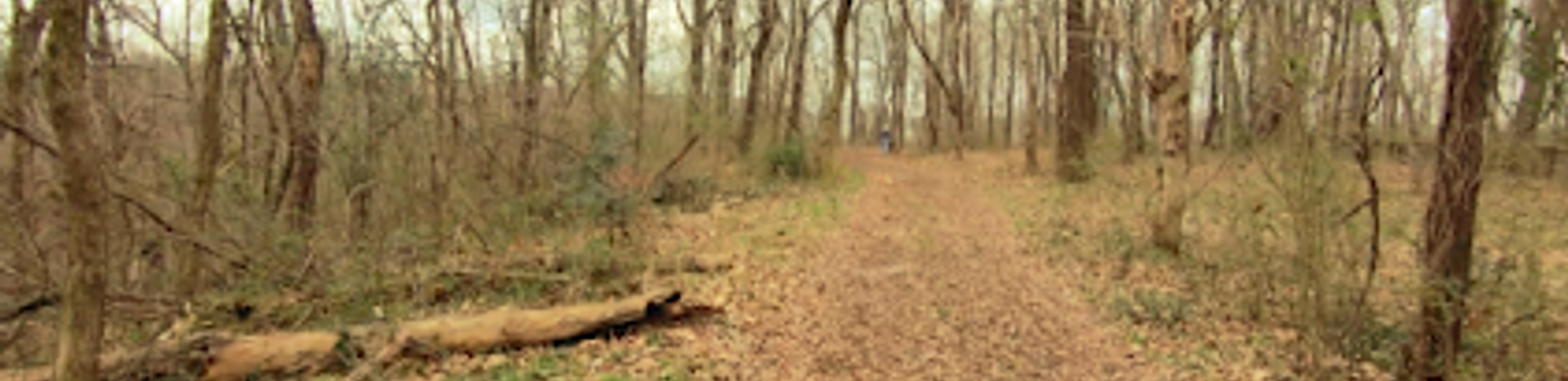
Tuscumbia Landing: Gateway to the Shoals
Explore Tuscumbia Landing: A historic port on the Tennessee River, pivotal in 19th-century commerce and a poignant Trail of Tears site.
Tuscumbia Landing, a historic port in Sheffield, Alabama, played a crucial role in 19th-century transportation and commerce. It served as a vital link connecting the region to major waterways and is also a poignant reminder of the Trail of Tears [3, 4, 6].
A brief summary to Tuscumbia Landing
- 141 Blackwell Rd, Sheffield, Alabama, 35660, US
Local tips
- Wear comfortable shoes, as the terrain can be uneven [8].
- Bring water and sunscreen, especially during warmer months, as shade is limited [8].
- Read the interpretive signs to learn about the history and significance of the landing [8].

Getting There
-
Walking
From the Ritz Theatre in downtown Sheffield, walk west on W 3rd Street towards Alabama Avenue. Turn left onto Alabama Avenue and walk south to W 20th Avenue. Turn right onto W 20th Avenue and walk west until you reach Blackwell Road. Turn left onto Blackwell Road and follow it to Tuscumbia Landing. The walk is approximately 1.5 miles [8]. There are no fees associated with walking to the site.
-
Driving
From downtown Sheffield, head west on W 20th Avenue. Turn left onto Blackwell Road. Continue on Blackwell Road until you reach Tuscumbia Landing at the end of the road [8]. Limited parking is available near the site. Parking is free.
Discover more about Tuscumbia Landing
Iconic landmarks you can’t miss

Tuscumbia Landing
0.0 km
Explore the historical charm of Tuscumbia Landing in Sheffield, Alabama, where scenic beauty meets rich cultural heritage along the Tennessee River.
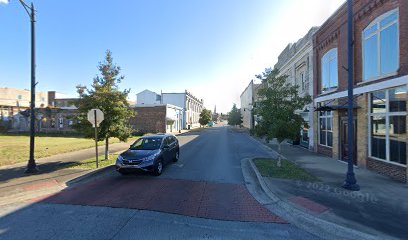
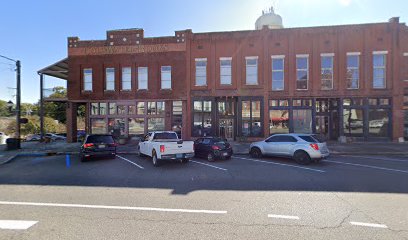
Sheffield Downtown Commercial Historic District
2.4 km
Explore Sheffield, Alabama's historic heart: A captivating blend of late 19th and early 20th-century architecture and commercial heritage.
Tuscumbia Historic District
2.7 km
Explore the historical gems of Tuscumbia Historic District, where charming architecture meets vibrant local culture in Alabama.
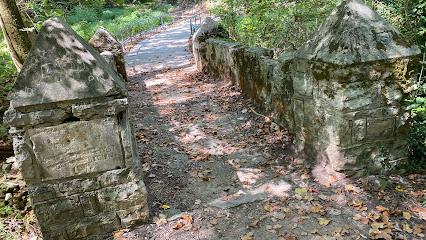
Old Stone Bridge
3.0 km
Discover the timeless charm of Sheffield's Old Stone Bridge, a picturesque landmark offering history and scenic beauty in a tranquil setting.
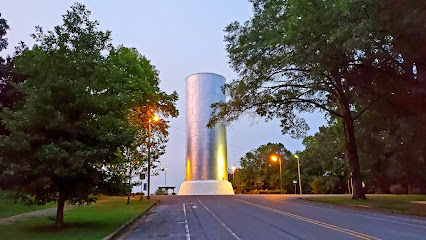
Sheffield Standpipe
3.4 km
Explore the Sheffield Standpipe, a historic landmark that showcases Alabama's engineering heritage and offers a unique glimpse into the past.
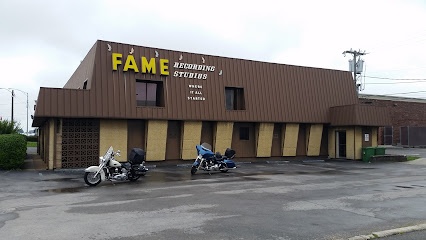
Fame Recording Studios
5.2 km
Experience the soulful sounds of Muscle Shoals at FAME Recording Studios, where music history comes alive. Tours available!
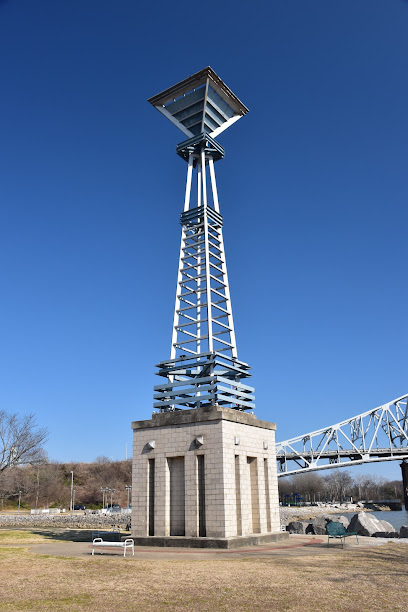
McFarland Lighthouse
5.9 km
A charming landmark in McFarland Park offering beautiful views of the Tennessee River in Florence, Alabama.
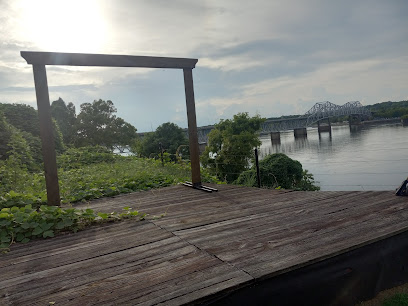
Old Railroad Bridge Historic Marker
6.1 km
Explore the Old Railroad Bridge Historic Marker in Sheffield, Alabama, where history meets nature in a captivating landscape.
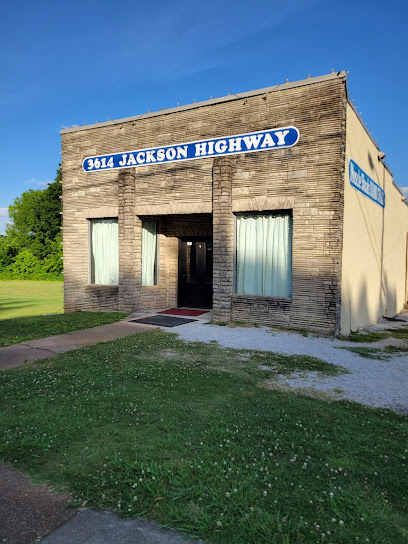
The Rolling Stones in the Shoals in 1969 Historic Marker
6.9 km
Explore the historic landmark commemorating The Rolling Stones' legendary performance in 1969, a must-visit for music and history enthusiasts in Florence, Alabama.
Locust Street Historic District
7.0 km
Discover the rich history and charming architecture of Locust Street Historic District in Florence, Alabama, a must-visit for history enthusiasts and casual travelers alike.
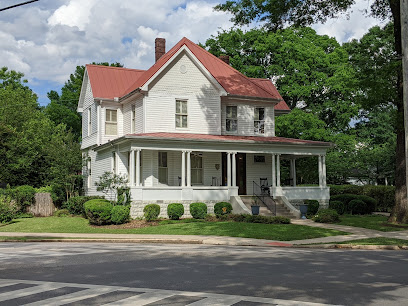
Wood Avenue Historic District
7.2 km
Explore the Wood Avenue Historic District, a stunning neighborhood in Florence, Alabama, rich in history and architectural beauty.
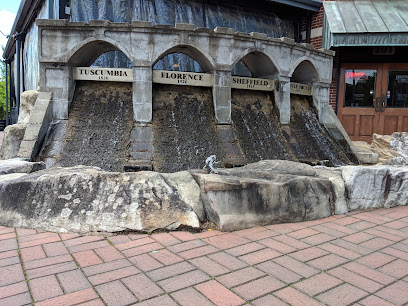
Shoals-Wilson Dam Fountain
7.2 km
Explore the Shoals-Wilson Dam Fountain in Florence, AL, a beautiful historical landmark showcasing the region's rich heritage and stunning architecture.
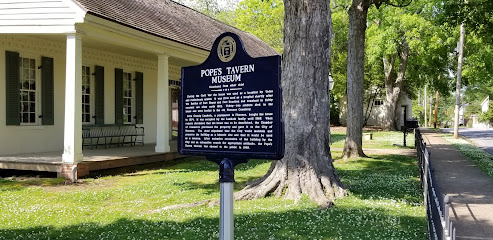
Pope's Tavern Museum
7.4 km
Explore the captivating history of Florence, Alabama at Pope's Tavern Museum, where past and present come alive through engaging exhibits.
Sannoner Historic District
7.5 km
Explore Florence's past in the Sannoner Historic District, where stunning architecture and rich history come together on tree-lined streets.
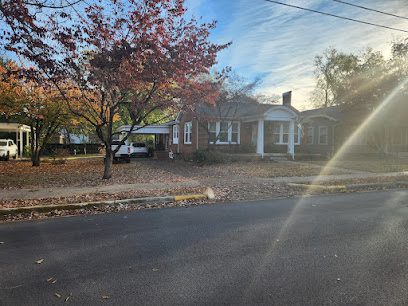
Walnut Street Historic District
7.7 km
Explore Florence, Alabama's past through the Walnut Street Historic District's diverse architecture and stories of prominent figures from the city's vibrant history.
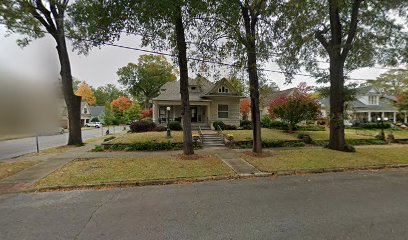
Unmissable attractions to see

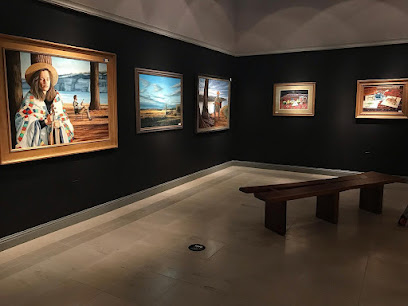
Tennessee Valley Museum of Art
2.1 km
Discover diverse art exhibitions, prehistoric artifacts, and community programs at the Tennessee Valley Museum of Art in Tuscumbia, Alabama.
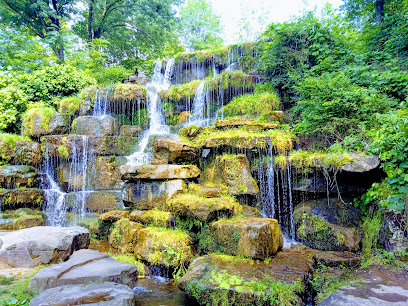
Tuscumbia Spring Park
2.9 km
Discover natural beauty and historical charm at Tuscumbia Spring Park, home to Coldwater Falls and family-friendly fun in downtown Tuscumbia.
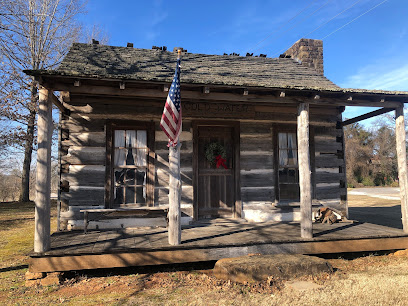
Coldwater Stagecoach Stop
2.9 km
Experience Alabama's frontier history at the Coldwater Stagecoach Stop, a preserved 19th-century cabin in Tuscumbia.
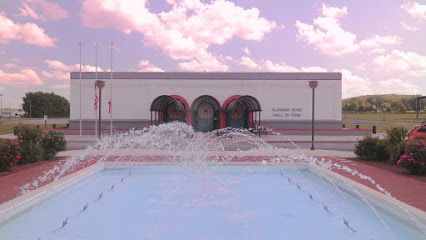
Alabama Music Hall of Fame
4.3 km
Celebrate Alabama's rich musical heritage at the Hall of Fame, honoring legends like Hank Williams, Nat King Cole, and Alabama.
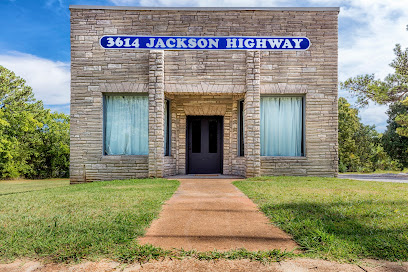
Muscle Shoals Sound Studios
4.9 km
Step into music history at Muscle Shoals Sound Studio, where legends created the iconic 'Muscle Shoals sound' in Sheffield, Alabama.
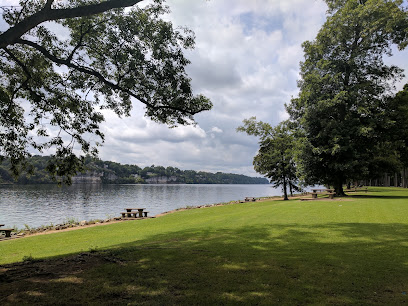
McFarland Park
5.7 km
Discover scenic beauty & recreation at McFarland Park in Florence, AL – a historic riverside destination with events, camping, & family fun!
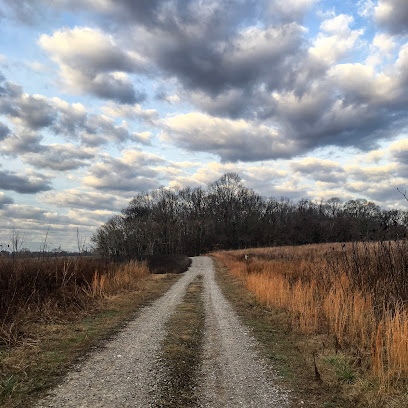
Key Cave National Wildlife Refuge
5.8 km
Discover Alabama's natural beauty at Key Cave National Wildlife Refuge, a sanctuary for endangered species and unique cave ecosystems.
Old Railroad Bridge
6.2 km
Walk across history on Alabama's oldest bridge site, offering scenic views and a peaceful escape on the Tennessee River.
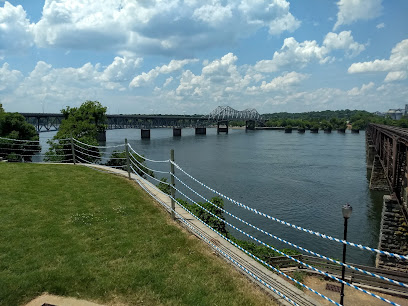
Frank Lloyd Wright - Rosenbaum House Museum
6.2 km
Discover Frank Lloyd Wright's Usonian masterpiece in Florence, Alabama: a unique architectural experience open for public tours.
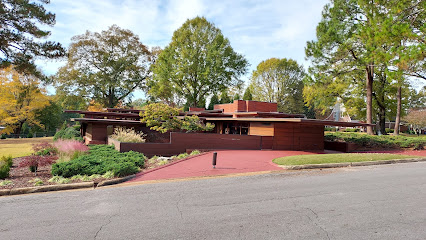
W C Handy Museum
6.2 km
Explore the life and music of the 'Father of the Blues' at his birthplace museum in Florence, Alabama.
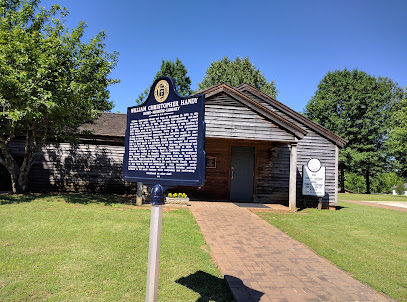
Florence Indian Mound and Museum
6.6 km
Explore ancient Native American history and culture at the Florence Indian Mound, the Tennessee Valley's largest earthen mound and museum.
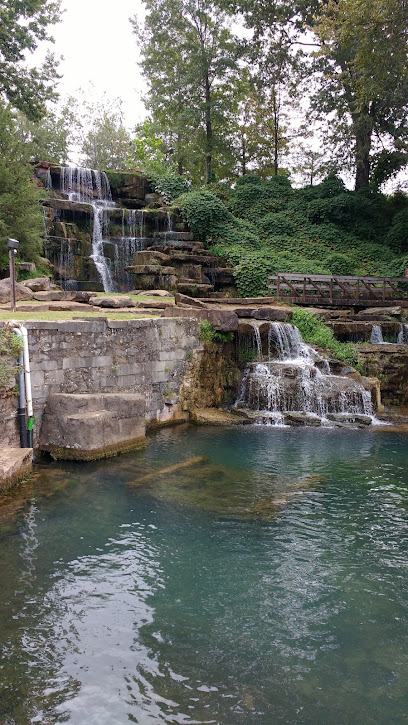
Kennedy - Douglass Center For The Arts
7.4 km
Explore art and history in three beautiful, historic homes at the Kennedy-Douglass Center for the Arts in Florence, Alabama.
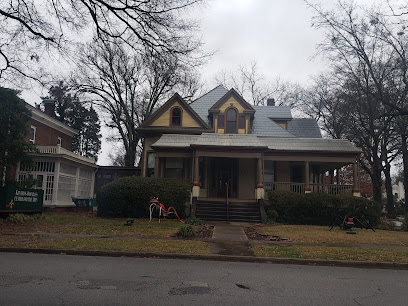
Wilson Dam Waterfall
10.1 km
Discover the beauty of Wilson Dam Waterfall in Muscle Shoals: a natural oasis with hiking trails and historical significance.
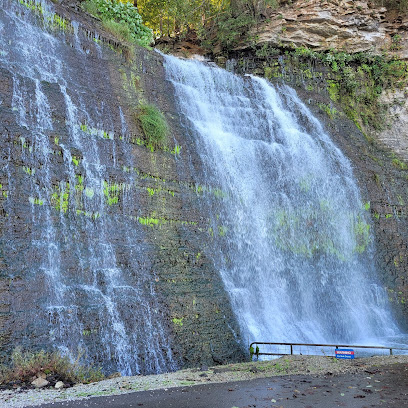
River Heritage Park
10.5 km
Discover scenic views, family fun, and local history at River Heritage Park in Florence, Alabama, on the banks of the Tennessee River.
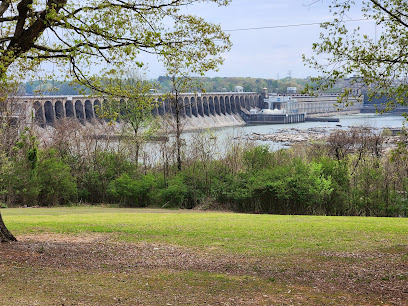
Forks of Cypress
10.7 km
Discover the haunting beauty and historical significance of the Forks of Cypress, a former cotton plantation in Florence, Alabama.
Essential places to dine

Inez's Drive Inn
46.9 km
Experience authentic American cuisine at Inez's Drive Inn in Tishomingo - where every meal feels like home.
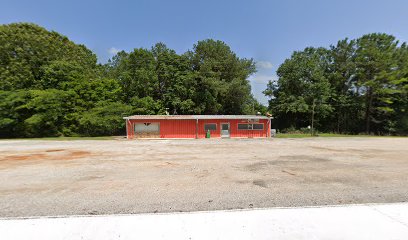
Dos Amigos Mexican Restaurant
48.3 km
Experience the rich flavors of Mexico at Dos Amigos Mexican Restaurant in Tishomingo – where every meal is a fiesta!
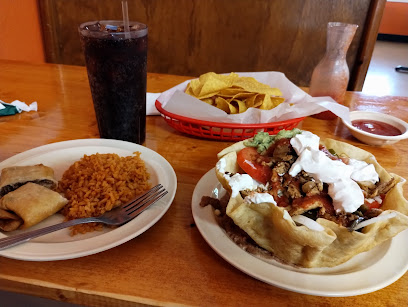
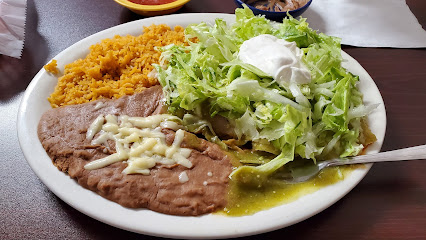
Viva La Casita
48.3 km
Savor authentic Mexican cuisine at Viva La Casita in Tishomingo - where vibrant flavors meet warm hospitality.
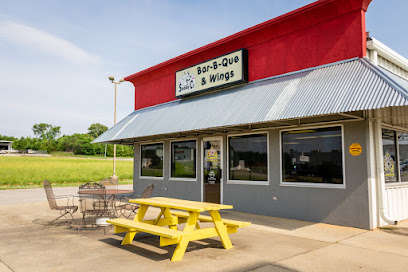
Smokey C's Bar-B-Que & Wings
62.8 km
Experience the authentic taste of Southern barbecue at Smokey C's Bar-B-Que & Wings in Decatur, AL – where flavor meets hospitality.
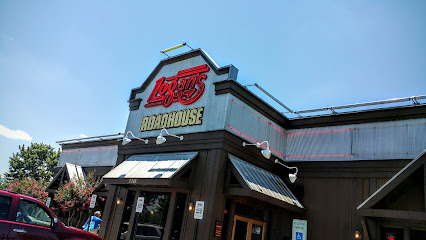
Logan's Roadhouse
66.0 km
Experience hearty American cuisine at Logan's Roadhouse in Decatur – where every meal feels like home!
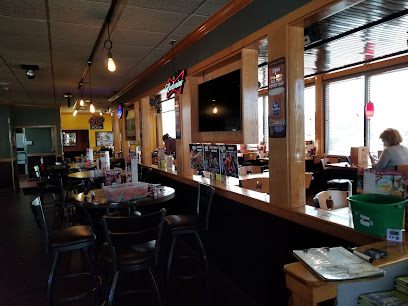
Applebee's Grill + Bar
67.0 km
Experience American cuisine at its best at Applebee's Grill + Bar in Decatur - where flavor meets family-friendly fun!
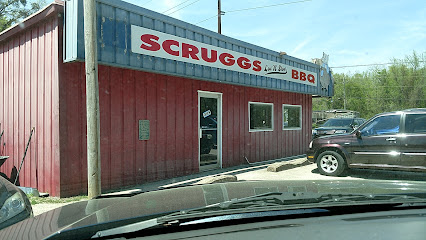
Scruggs BBQ
67.3 km
Experience authentic Southern barbecue at Scruggs BBQ in Decatur - where flavor meets tradition.
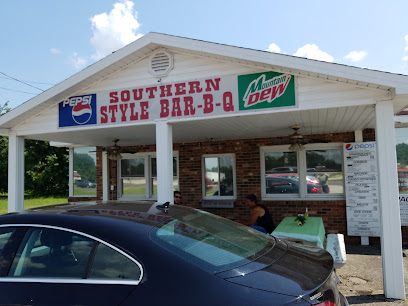
Southern Style Barbeque
67.4 km
Experience authentic Southern barbeque at its finest in Decatur; savor smoky flavors and hearty dishes made with love.
Chick-fil-A
67.6 km
Savor the flavors of Southern hospitality at Chick-fil-A in Decatur - where every meal is made with care.
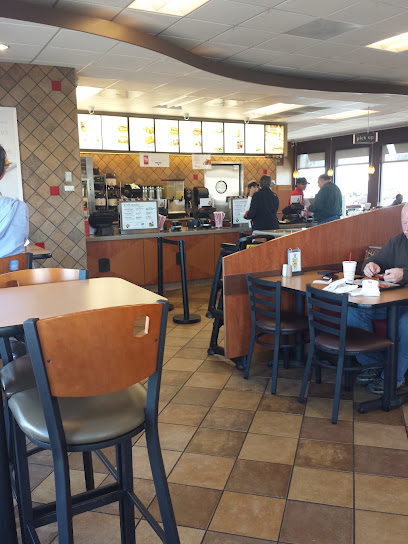
Nash Barbeque
67.8 km
Discover the rich flavors of Southern barbecue at Nash Barbeque in Decatur, Alabama – where every bite tells a story.
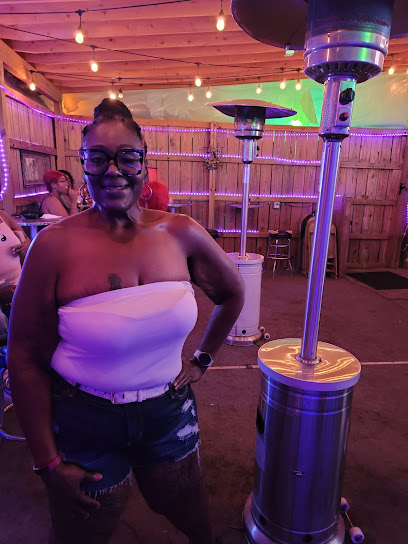
Serrano's Mexican
68.2 km
Discover the rich flavors of Mexico at Serrano's Mexican in Decatur – where every meal is a fiesta!
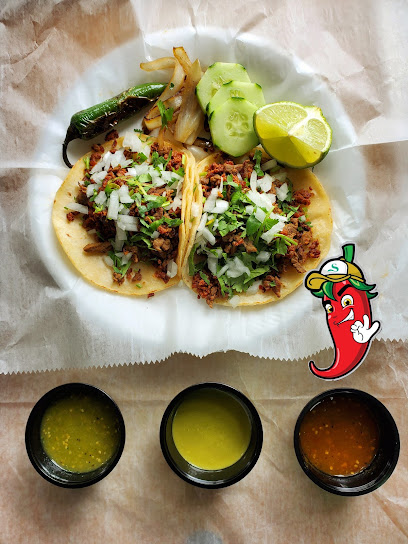
L Patron Mexican Grill and Cantina
68.4 km
Savor authentic Mexican cuisine at L Patron Mexican Grill and Cantina in Decatur – where every meal is a festive celebration of flavor!
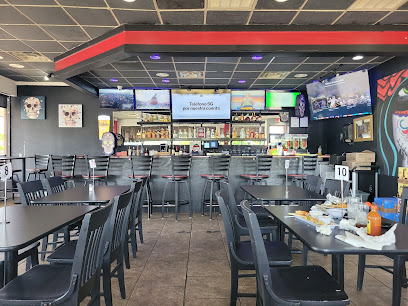
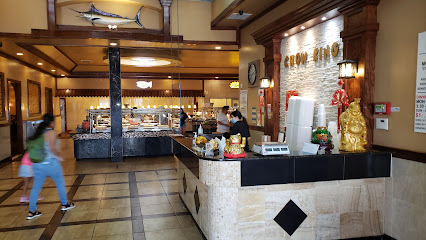
Chow King Grill & Buffet
68.9 km
Savor an all-you-can-eat adventure at Chow King Grill & Buffet in Decatur - where diverse cuisines meet affordability!
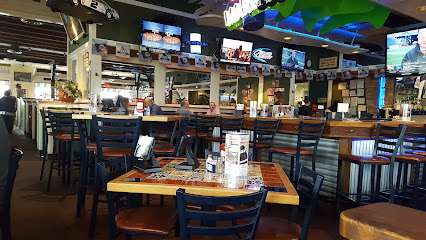
Chili's Grill & Bar
68.9 km
Experience vibrant American and Tex-Mex cuisine at Chili's Grill & Bar in Decatur - perfect for families and casual gatherings.
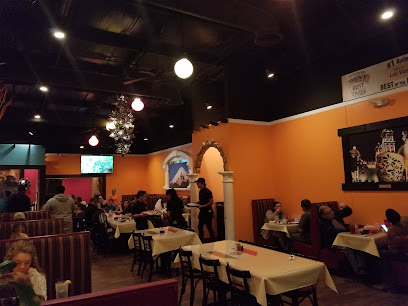
Las Vias - 1000 Beltline Rd Ste. Q
69.1 km
Experience authentic Mexican flavors at Las Vias in Decatur, Alabama – where every dish tells a story.
Markets, malls and hidden boutiques

Basse Trading Company
2.7 km
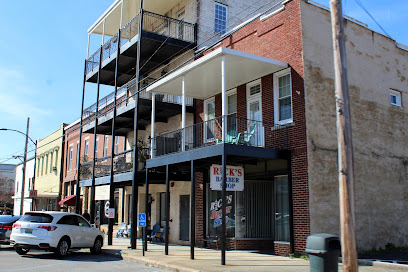
Explore Basse Trading Company in Tuscumbia, Alabama, where every antique tells a story and treasures await around every corner.
Boutique 72
4.6 km
Explore the eclectic charm of Boutique 72 in Tuscumbia, Alabama, where local artistry meets unique fashion finds.
The Back 40 Boutique
5.1 km
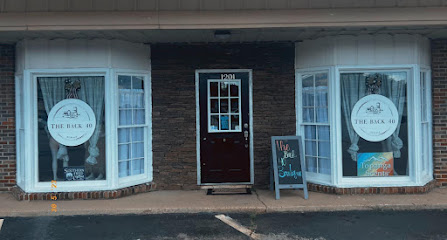
Discover unique gifts and stylish apparel at The Back 40 Boutique in Muscle Shoals, Alabama – a treasure trove of Southern charm and creativity.
Vintage South Marketplace
6.8 km
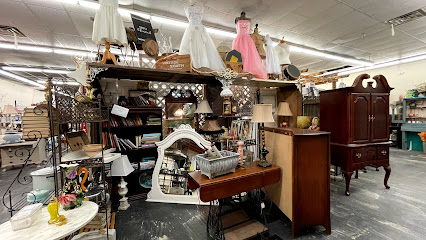
Explore a treasure trove of antiques, boutique finds, and sports memorabilia at Vintage South Marketplace in Muscle Shoals, Alabama.
The Eclectic
7.5 km
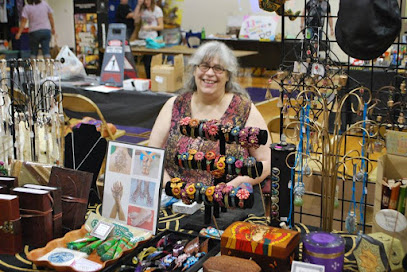
Explore The Eclectic in Florence, Alabama: your go-to boutique for unique gifts, handcrafted items, and delightful finds that capture local charm.
the homestead MERCANTILE
10.3 km
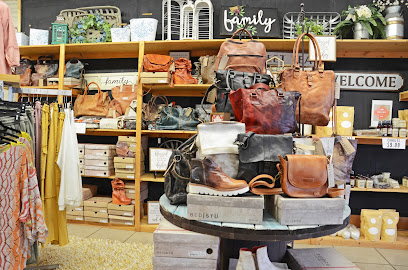
Explore The Homestead Mercantile in Florence, AL for unique gifts, local crafts, and a taste of Southern charm in every corner.
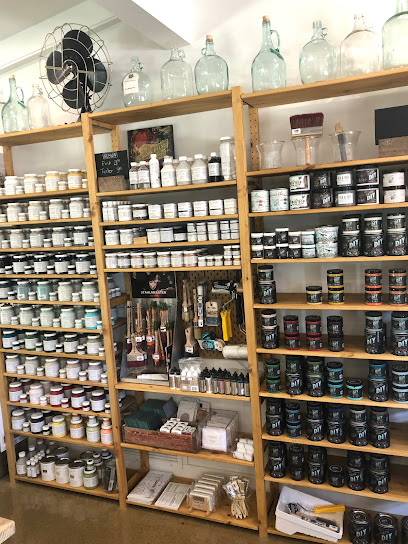
Books-A-Million
12.9 km
Discover a world of books, collectibles, and unique gifts at Books-A-Million in Florence, Alabama, where every visit is an adventure in reading.
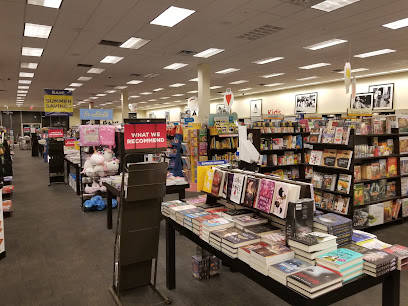
The Emporium of Curiosities and Oddities
23.8 km
Explore the whimsical wonders of The Emporium of Curiosities and Oddities, a unique gift shop in Killen, Alabama for travelers seeking the extraordinary.
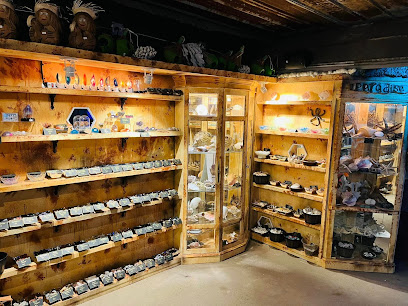
Suzys Boutiques
27.8 km
Explore Suzys Boutiques for an eclectic collection of women's fashion, offering quality brands and stylish finds in Russellville, Alabama.
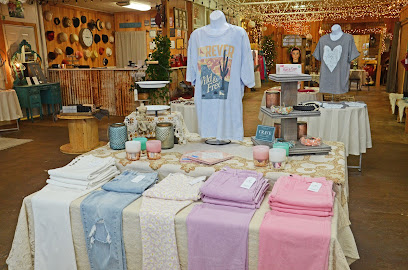
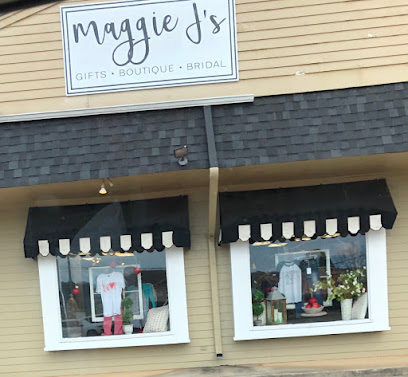
Maggie J's Boutique Clothing
28.5 km
Explore unique styles and local fashion treasures at Maggie J's Boutique Clothing in Russellville, Alabama, perfect for your next wardrobe update.
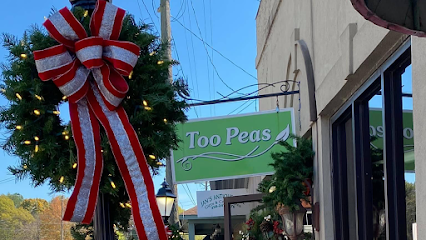
Too Peas
40.1 km
Explore Too Peas Gift Shop in Rogersville, Alabama, for unique finds and local treasures that capture the spirit of the region.
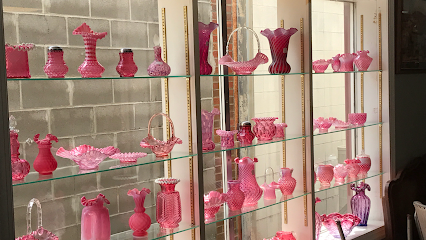
Stephen's Unique Antique Mall
40.2 km
Uncover hidden gems and vintage treasures at Stephen's Unique Antique Mall in Rogersville, Alabama, where every corner tells a story.
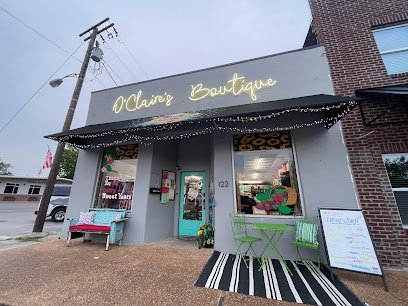
O'Claire's Boutique & Gift Shop
43.3 km
Explore O'Claire's Boutique & Gift Shop in Iuka, Mississippi for unique gifts, local crafts, and stylish apparel that encapsulate Southern charm.
Hodge Antique’s
44.1 km
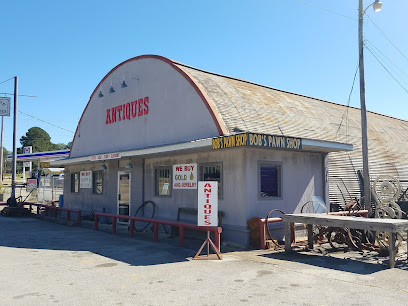
Discover unique antiques and timeless treasures at Hodge Antique’s in Iuka, Mississippi, where history and nostalgia come together.
Just a Kind Word Florist
44.2 km
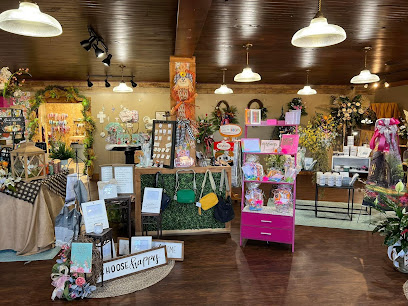
Discover the beauty of fresh flowers and unique arrangements at Just a Kind Word Florist in Iuka, Mississippi.
Essential bars & hidden hideouts

Stell's Sports Grille
6.8 km
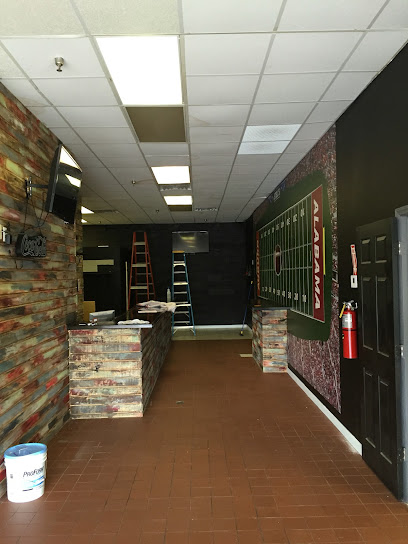
Experience the best of Southern cuisine and sports excitement at Stell's Sports Grille in Muscle Shoals, Alabama.
Rattlesnake Saloon
20.2 km
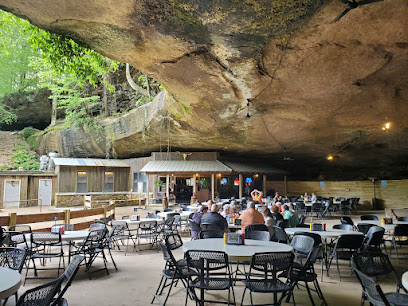
Experience Southern hospitality at Rattlesnake Saloon, where delicious hamburgers meet a lively bar atmosphere in the heart of Alabama.
Frosty Inn
29.6 km
Experience delightful comfort food in a cozy atmosphere at Frosty Inn, a favorite dining spot in Russellville, Alabama.
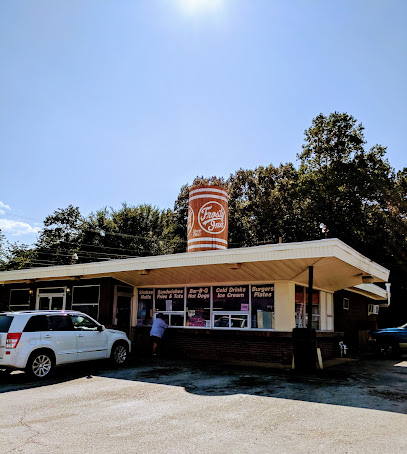
Rancho Mexican Restaurant
30.9 km
Experience the vibrant flavors of Mexico at Rancho Mexican Restaurant, where authentic dishes and a warm atmosphere await every visitor.
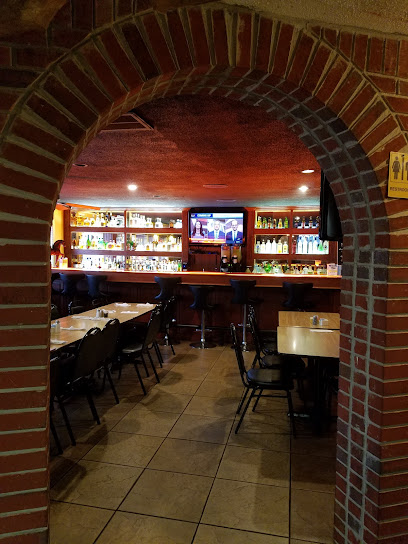
Homestead Cafe
39.0 km
Experience the heart of Southern hospitality at Homestead Cafe, where comfort food meets charming ambiance in Spruce Pine, Alabama.
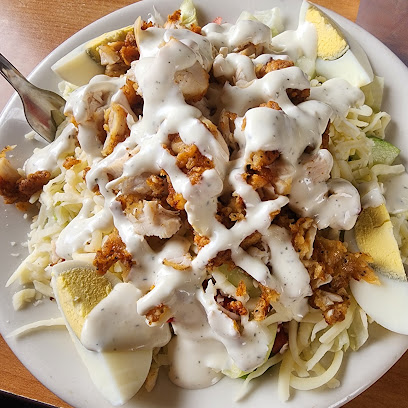
Swisher hotdogs
39.7 km
Experience the true taste of Alabama with customizable hot dogs at Swisher Hotdogs in Spruce Pine, where every bite is a taste of tradition.

B and J Cafe
42.2 km
Discover the heart of Southern cuisine at B and J Cafe in Phil Campbell, Alabama, where comfort food and warm hospitality await.
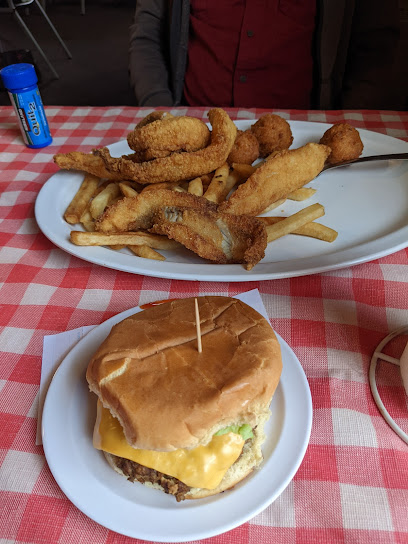
Bear Creek Saloon Guesthouse
42.8 km
Experience Southern hospitality at Bear Creek Saloon Guesthouse, a cozy bed and breakfast in Tishomingo, Mississippi, surrounded by nature and history.
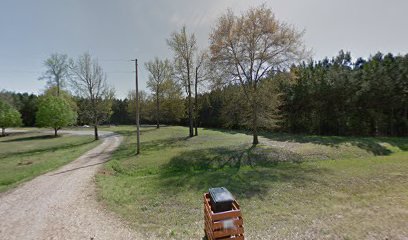
Table 127
43.1 km
Experience authentic Southern cuisine at Table 127 in Iuka, MS, where every meal is a delicious journey into local flavors.
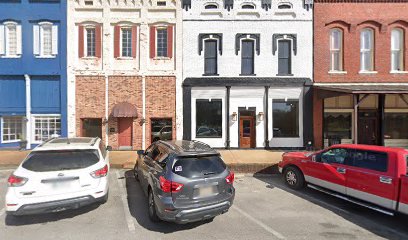
Cream & Sugar Cafe
43.3 km
Discover the charm of Cream & Sugar Cafe in Iuka, MS—where delightful flavors and cozy ambiance meet southern hospitality.
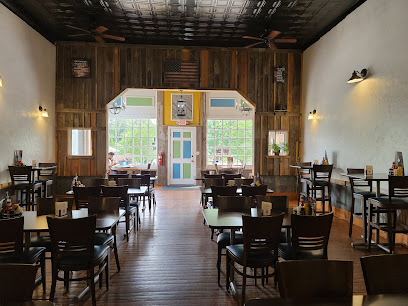
Front Street Snack Bar
43.3 km
Savor delicious snacks at Front Street Snack Bar, Iuka's cozy eatery with a delightful Southern charm and affordable prices.
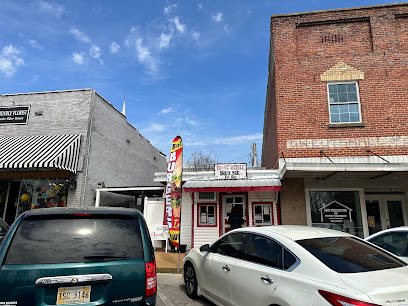
Bian Garden
44.0 km
Experience authentic Chinese cuisine at Bian Garden in Iuka, MS – a culinary gem offering a diverse menu and warm hospitality.
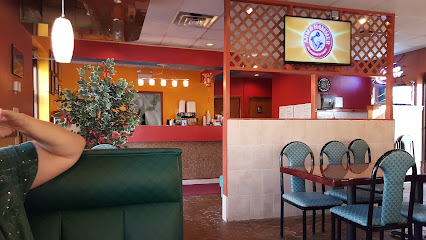
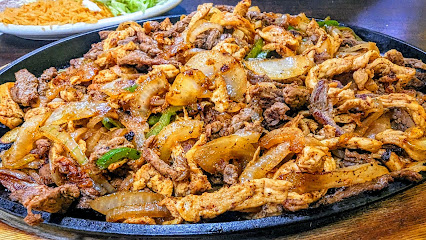
Santa Fe Mexican Grill
44.1 km
Experience authentic Mexican cuisine at Santa Fe Mexican Grill in Iuka, Mississippi, where vibrant flavors and warm hospitality await.
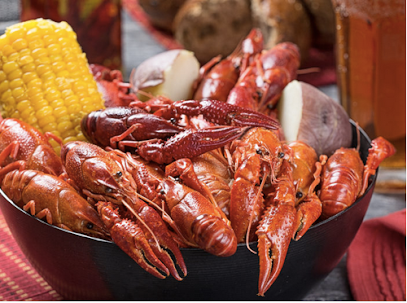
Tri-State Crawfish & Produce
44.1 km
Discover the authentic taste of Mississippi seafood at Tri-State Crawfish & Produce, a local favorite for fresh crawfish and Southern delights.
Chuckwagon Cafe
44.1 km
Discover the flavors of the South at Chuckwagon Cafe, a charming spot in Iuka, Mississippi, serving delicious comfort food with a warm welcome.