Alabama State Capitol, Montgomery Travel Guide
Explore Alabama's rich history and political legacy at the State Capitol in Montgomery, a National Historic Landmark and a witness to pivotal moments.
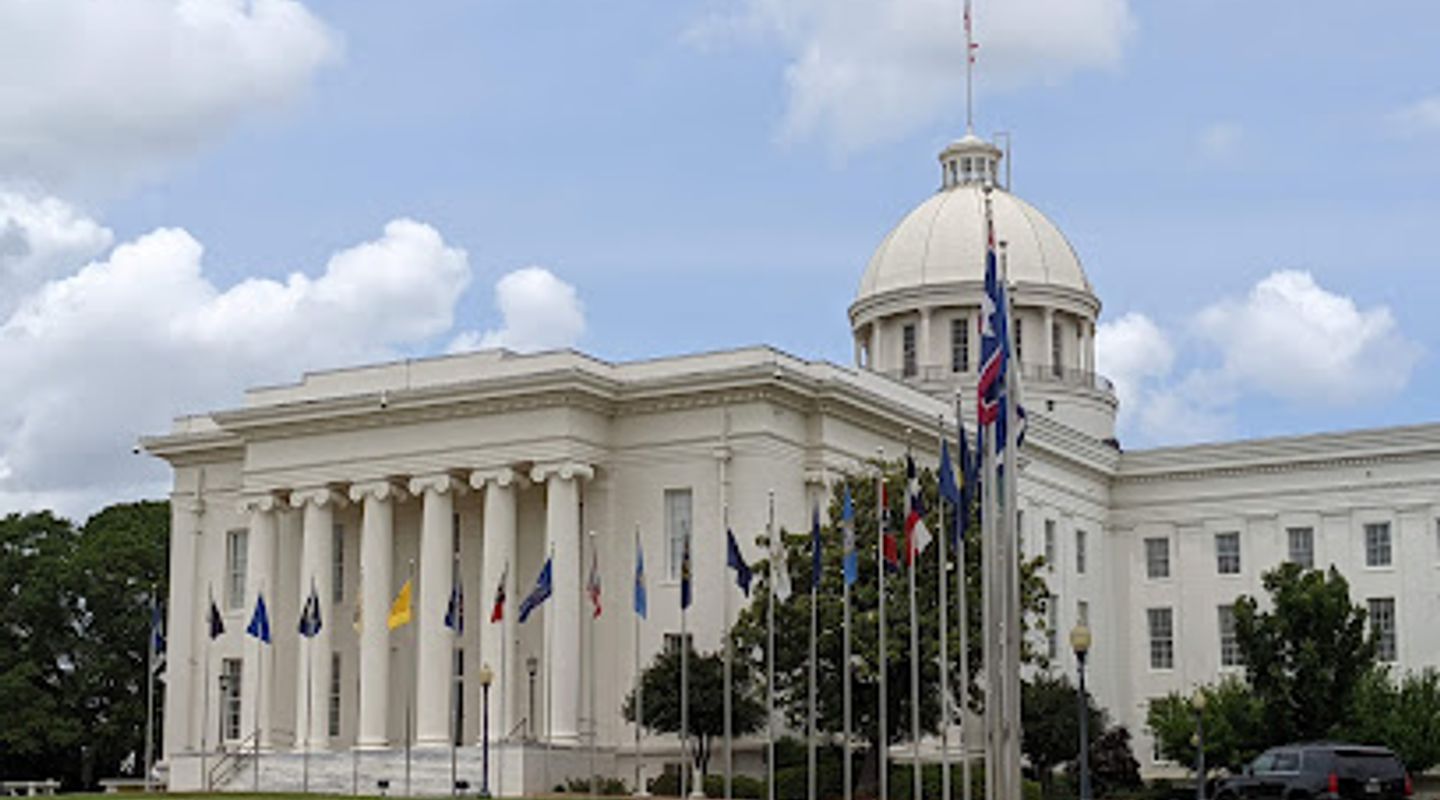
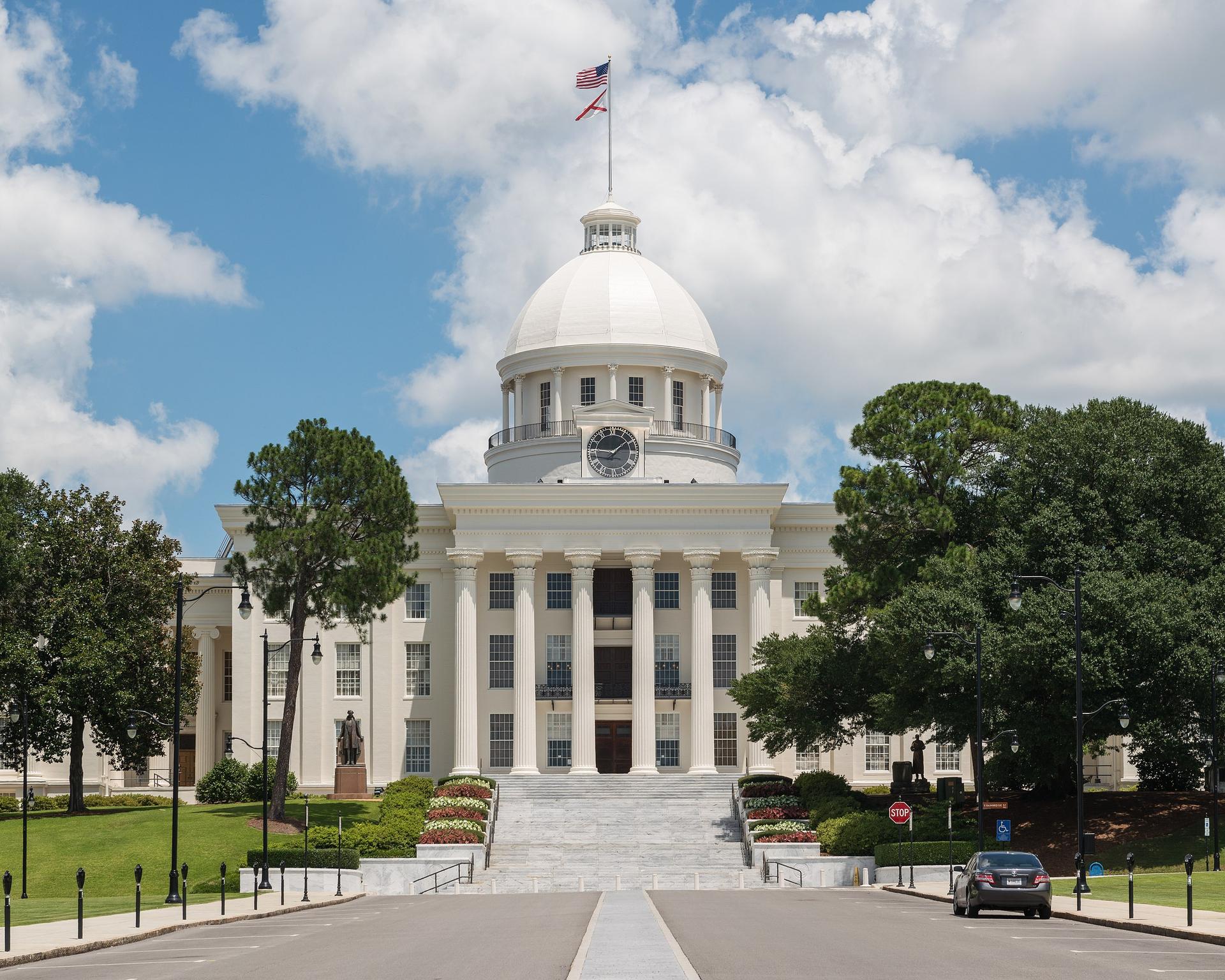
The Alabama State Capitol in Montgomery, a National Historic Landmark, stands as a testament to the state's rich history and political significance. Completed in 1851, it has witnessed pivotal moments, from the birth of the Confederacy to the culmination of the Selma to Montgomery Voting Rights March. Today, it functions as a museum and houses the Governor's office.
A brief summary to Alabama State Capitol
- Montgomery, Alabama, 36104, US
- Click to display
- Click to display
- Monday 9 am-4 pm
- Tuesday 9 am-4 pm
- Wednesday 9 am-4 pm
- Thursday 9 am-4 pm
- Friday 9 am-4 pm

Know before you go
Hi, I'm Eve. Here are a few practical things to know before exploring Alabama State Capitol.
- Take a guided tour to fully appreciate the historical significance of the Capitol. Tours are available Monday through Friday, but reservations are required for groups of 15 or more.
- Explore the grounds surrounding the Capitol, which feature monuments, statues, and gardens.
- Visit the Goat Hill Museum Store inside the Capitol for unique Alabama-made gifts and souvenirs.
- Check out nearby attractions such as the First White House of the Confederacy, the Civil Rights Memorial, and the Museum of Alabama.
Do you manage this location?
Take control to get all the benefits, like improved information, better appearance, and stronger visibility across AI-powered discovery. Learn more about listing your business on Evendo
Activate your presenceOther nearby places you may find interesting
The closest places of the same kind, if this one is not quite what you had in mind.
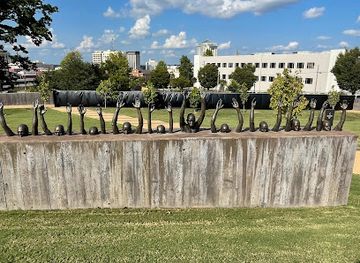


Explore Alabama State Capitol on the Map
A handpicked selection of must-see spots near Alabama State Capitol, mapped for you.
Unlock the Best of Alabama State Capitol
Buy tickets
-
No tickets available
Book tours with entry


Getting There
-
Walking
From downtown Montgomery, including areas around Dexter Avenue King Memorial Baptist Church or the Civil Rights Memorial, the Alabama State Capitol is a short walk uphill. Head east on Dexter Avenue, and you'll see the Capitol building at the top of the hill. The walk is about 0.3 miles and takes approximately 5-10 minutes. Be mindful of the incline as you approach Capitol Hill.
-
Public Transport
Montgomery Transit (MAX) bus routes serve the Alabama State Capitol area. Several bus lines, including routes 1, 2, 4, 5, and 8, have stops within a few blocks of the Capitol. The closest bus stops are typically at Madison & Bainbridge or Bainbridge & Dexter. A single ride fare on MAX is $1.25.
-
Driving
If driving, use the address '600 Dexter Avenue, Montgomery, AL 36104' for GPS navigation. Metered street parking is available around the Capitol, costing approximately $0.50 per hour, with a two-hour limit. Metered parking is free on Saturdays and Sundays. Free parking is also available at Cramton Bowl Stadium or Paterson Field, with a shuttle or a longer walk to the Capitol. From I-65 South (Birmingham, Huntsville, and points North): Take I-65 South to Montgomery. Merge onto I-85 North via Exit 171. Take Exit 1 (Court Street) and continue straight on Arba Street for ½ mile. Turn left on Union Street and merge into far right lane. Continue ¾ mile. See bus unloading directions on reverse. FROM I-65 NORTH (MOBILE AND POINTS SOUTH): Take I-65 North to Montgomery. Merge onto I-85 North via Exit 171.
Discover more about Alabama State Capitol













Your all‑in‑one travel companion app
Explore expert travel guides, compare and book tours, experiences, hotels, and more—all from the palm of your hand. Download now for seamless trip planning wherever your wanderlust takes you.


Explore More of Montgomery
Looking beyond Alabama State Capitol? Discover Montgomery for broader travel guides, local hot-spots, and regional highlights.
Explore Montgomery