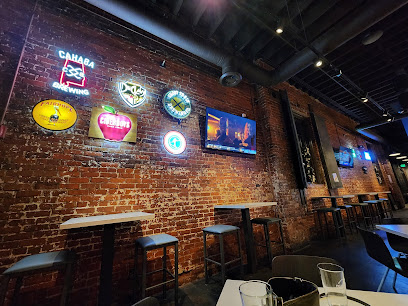
Alabama State University Historic District
Explore a historic district that embodies the legacy of African American education and the pursuit of civil rights at Alabama State University.
The Alabama State University Historic District, a 26-acre area in Montgomery, is a testament to the history of African American education in the United States. Established in 1867, Alabama State University (ASU) was the first state-supported educational institution for African Americans in Alabama. The district features eighteen contributing buildings and one site, primarily in the Colonial Revival style.
A brief summary to Alabama State University Historic District
- University Dr N, Montgomery, Alabama, 36106, US
Local tips
- Check the ASU website for events like concerts, lectures, and athletic competitions to enhance your visit.
- Visit the National Center for the Study of Civil Rights & African American Culture on campus to learn about ASU's role in the Civil Rights Movement.
- Take a guided tour of the campus for deeper insights into the history and significance of the historic district's buildings.

Getting There
-
Walking
From the intersection of University Drive and Carter Hill Road, walk west on University Drive North. The historic district is in the heart of the Alabama State University campus, with the main buildings around Tullibody Drive. Landmarks like Paterson Hall and Bibb Graves Hall are easily visible and accessible within a short walk. The campus is pedestrian-friendly with well-maintained sidewalks and clear signage.
-
Public Transport
The Montgomery Area Transit System (MATS) provides bus service to the Alabama State University area. Check the MATS website or app for the most up-to-date routes and schedules. From downtown Montgomery, take a bus that services the ASU campus. A single ride fare is typically $1.25.
-
Driving
From downtown Montgomery, take South Jackson Street north. Turn left onto Hall Street, then right onto Tullibody Drive. The Alabama State University Historic District will be on your left. Parking is available on campus, but visitors must obtain a temporary permit from the Traffic and Parking Office. Contact the Traffic and Parking Office for visitor parking options. Limited paid parking may be available on campus during gamedays. Parking fees vary.
Discover more about Alabama State University Historic District
Iconic landmarks you can’t miss

Alabama State University Historic District
0.0 km
Explore the Alabama State University Historic District, a vibrant site rich in heritage and architectural beauty in Montgomery, Alabama.
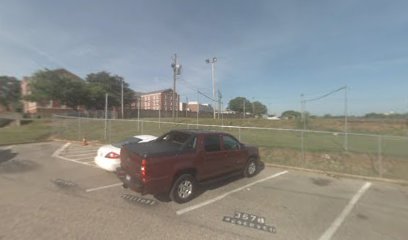
Vintage Year
0.7 km
Montgomery's award-winning fine dining experience since 1984, offering refined American cuisine and an extensive wine selection in a sophisticated setting.
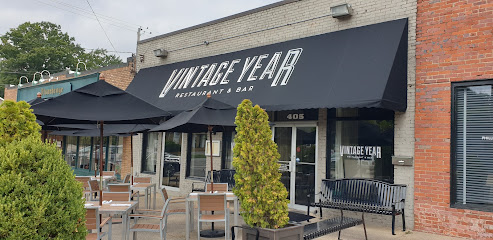
Vintage Cafe
0.7 km
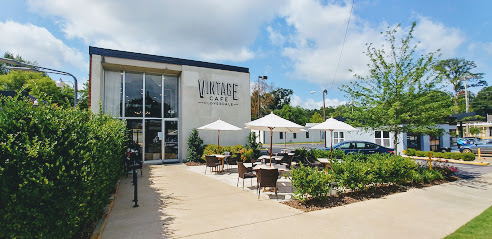
Experience gourmet coffee, fresh meals, and a touch of history at Vintage Cafe in Montgomery's Old Cloverdale neighborhood.
The Jackson-Community House
1.0 km
Discover the Jackson-Community House in Montgomery, a landmark of African American resilience and a hub for civil rights activism.
Alabama Historical Commission
1.3 km
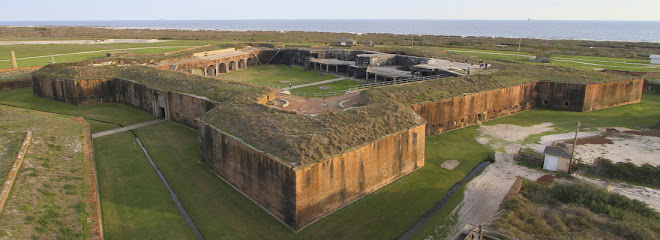
Protecting and promoting Alabama's rich history through preservation, education, and heritage tourism.
LeGrande Park
1.3 km
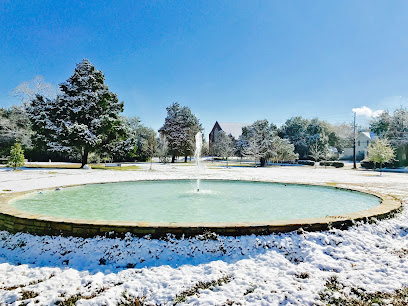
A tranquil green space in Montgomery's Old Cloverdale, perfect for relaxation, picnics, and enjoying the beauty of nature in a historic setting.
Montgomery County Historical
1.3 km
Discover Montgomery County's captivating past through exhibits, archives, and educational programs at the Historical Society.
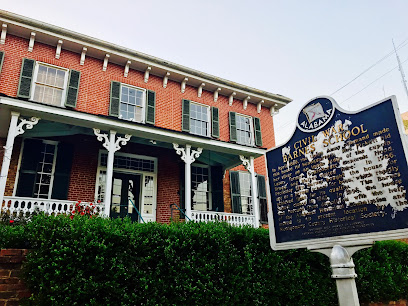
The Cloverdale Playhouse
1.4 km
Experience live theater in a historic setting at The Cloverdale Playhouse, Montgomery's premier community performing arts center.
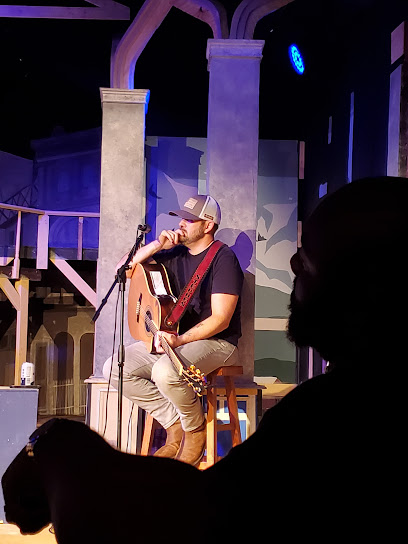
Flame of Freedom
1.5 km
A war memorial on the Alabama State Capitol grounds honoring the state's veterans and their sacrifices for freedom.
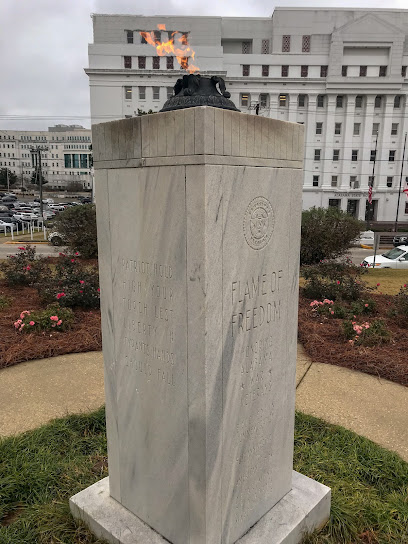
The Dowe Houses
1.5 km
Explore the legacy of the Dowe family through these well-preserved historic homes in the heart of Montgomery, Alabama.
Unmissable attractions to see

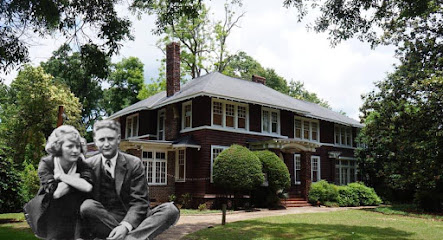
The Scott and Zelda Fitzgerald Museum
0.8 km
Explore the lives and legacies of F. Scott and Zelda Fitzgerald in their former Montgomery home, a unique literary landmark.
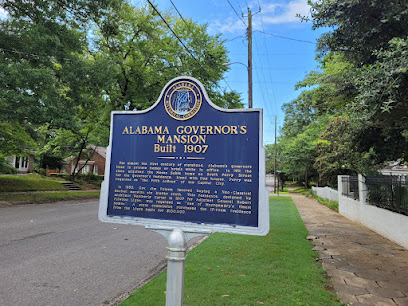
Governor's Mansion
1.0 km
Tour the historic Alabama Governor's Mansion in Montgomery's Garden District, a Neoclassical landmark offering free tours and special events.
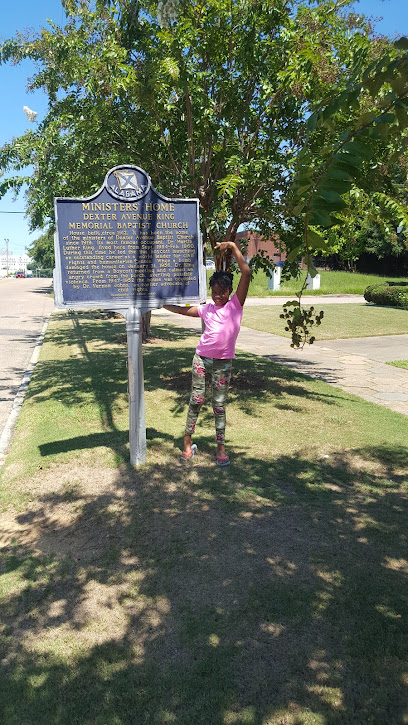
Dexter Parsonage Museum
1.0 km
Visit the Dexter Parsonage Museum in Montgomery, AL, and walk in the footsteps of Dr. Martin Luther King Jr. to experience civil rights history firsthand.
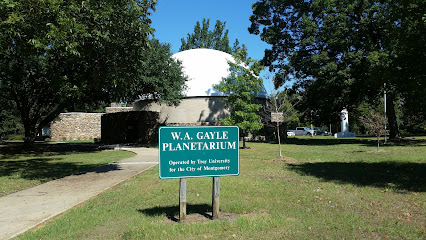
W.A. Gayle Planetarium
1.0 km
Explore the universe at Montgomery's W.A. Gayle Planetarium: immersive shows, exhibits, and educational programs for all ages. A stellar experience awaits!
Oak Park
1.1 km
Discover Montgomery's historic Oak Park: gardens, trails, planetarium, and a legacy of community and civil rights in a 40-acre urban oasis.
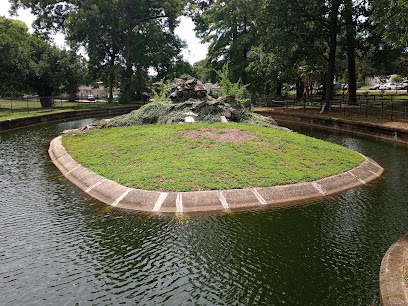
Cloverdale Park
1.1 km
Escape to Cloverdale Park in Montgomery, a historic neighborhood park offering green spaces, community events, and a peaceful retreat.
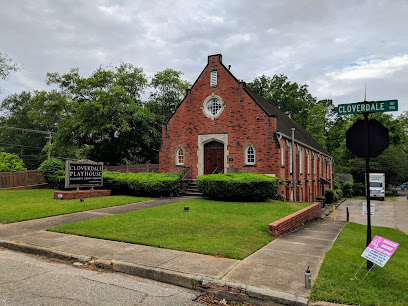
The MOOseum
1.2 km
Explore Alabama's beef cattle industry through interactive exhibits and hands-on learning at The MOOseum in Montgomery. A fun and educational experience for all ages!
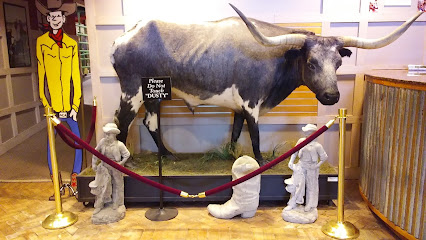
AlabamaMosaic
1.3 km
Explore Alabama's history and culture through digitized collections of photos, documents, and stories at this unique online repository.
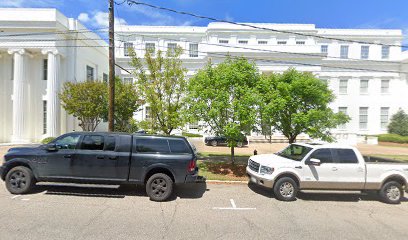
Alabama Department of Archives & History
1.3 km
Explore Alabama's past at the Alabama Department of Archives and History, home to the Museum of Alabama and extensive historical resources.
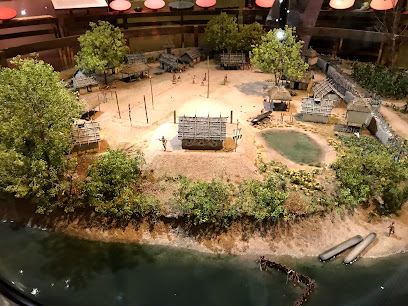
Museum of Alabama
1.3 km
Explore Alabama's captivating history from prehistoric times to the 21st century at the Museum of Alabama in downtown Montgomery. Free admission!
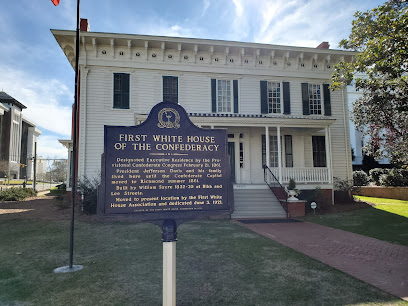
The First White House of the Confederacy
1.4 km
Visit the First White House of the Confederacy in Montgomery, AL, and step back into a pivotal moment in American history.
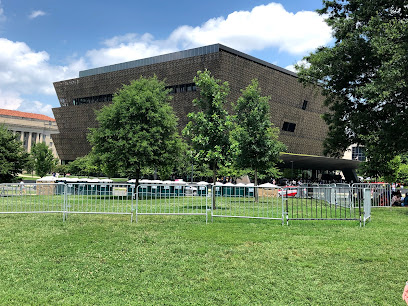
Civil Rights Memorial
1.4 km
Reflect on the heroes and events of the Civil Rights Movement at this moving memorial in Montgomery, Alabama. A testament to the fight for equality and justice.
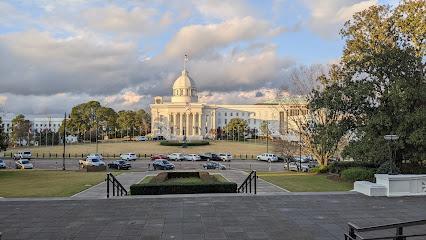
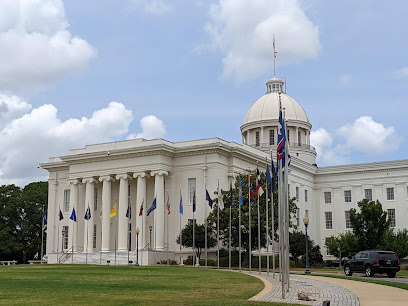
Alabama State Capitol
1.5 km
Explore Alabama's rich history and political legacy at the State Capitol in Montgomery, a National Historic Landmark and a witness to pivotal moments.
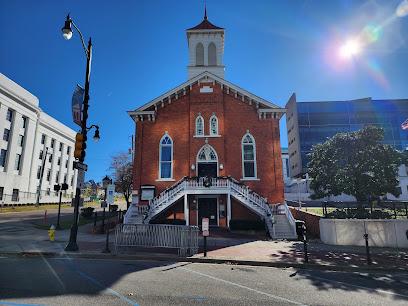
Dexter Avenue King Memorial Baptist Church
1.5 km
Visit the Dexter Avenue King Memorial Baptist Church, a cornerstone of the Civil Rights Movement and the site where Martin Luther King Jr. led change.
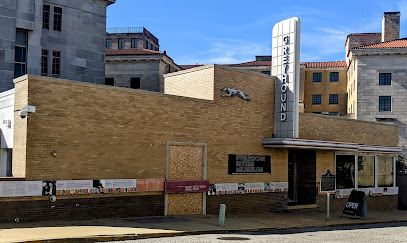
Freedom Rides Museum
1.6 km
Explore the pivotal story of the 1961 Freedom Rides at the Montgomery Greyhound Bus Station, where courage and nonviolent protest changed American history.
Essential places to dine

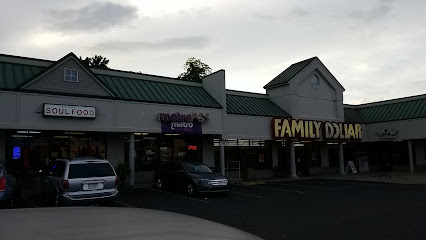
J.W. Beverette's Soul Food
0.3 km
Experience authentic Southern soul food at J.W. Beverette's in Montgomery – where every dish tells a story.
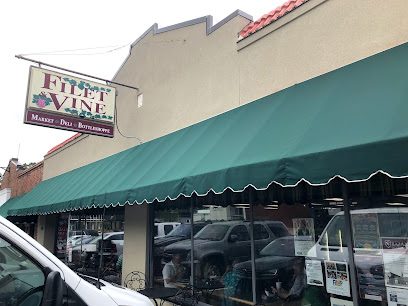
Derk's Filet & Vine
0.6 km
Discover culinary excellence at Derk's Filet & Vine in Montgomery – where gourmet meets convenience in every delicious bite.
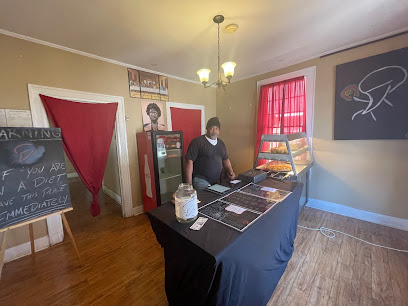
Can a brotha get a slice
0.7 km
Discover Montgomery's culinary gem at 'Can a Brotha Get a Slice', where every pizza tells a delicious story.
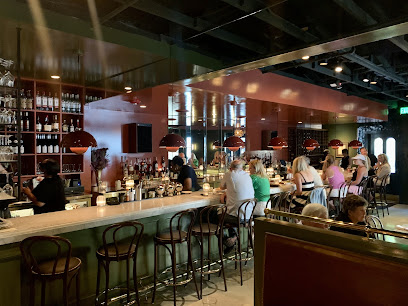
Frenchie's
0.7 km
Discover authentic French cuisine at Frenchie's in Montgomery—where every dish tells a story of tradition and taste.
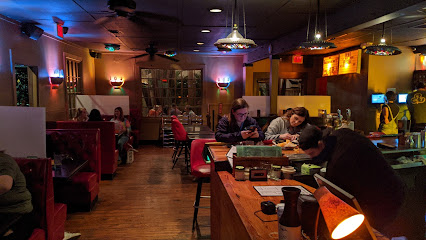
El Rey Burrito Lounge
1.4 km
Discover authentic Mexican flavors at El Rey Burrito Lounge in Montgomery—where every bite tells a story!
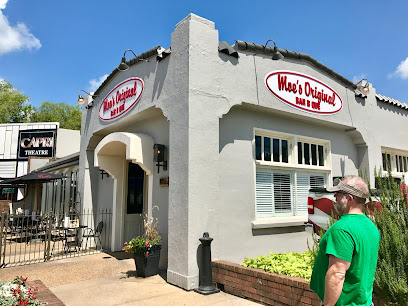
Moe's Original BBQ - Montgomery
1.5 km
Experience authentic Southern barbecue at Moe's Original BBQ in Montgomery—where every bite tells a story of flavor and tradition.
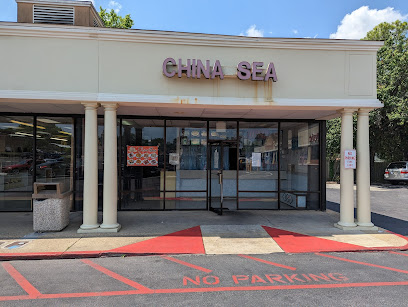
China Sea Kitchen
1.5 km
Savor authentic Chinese cuisine in Montgomery at China Sea Kitchen - where tradition meets taste in every bite.
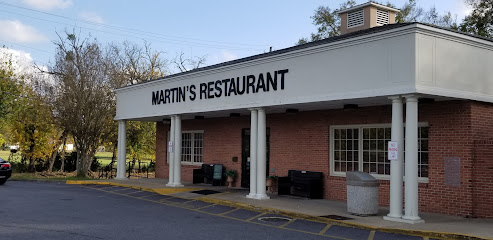
Martin's Restaurant
1.6 km
Experience authentic Southern dining at Martin's Restaurant in Montgomery – where every dish tells a story of tradition and flavor.
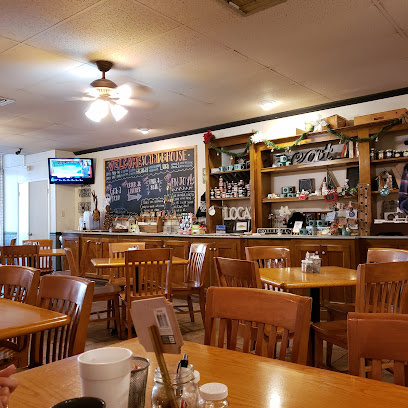
Cahawba House
1.7 km
Experience authentic Southern breakfasts at Cahawba House, where each dish tells a story of tradition and flavor.
Island Delight
1.8 km
Discover authentic Jamaican flavors at Island Delight in Montgomery - where every dish tells a story.
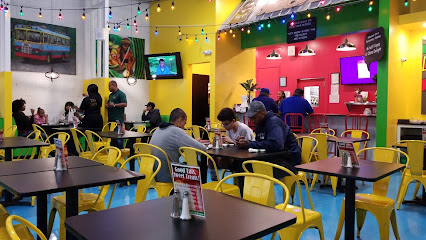
Plant Bae
1.8 km
Discover Plant Bae in Montgomery - where delicious vegan dishes meet sustainable practices in a welcoming atmosphere.
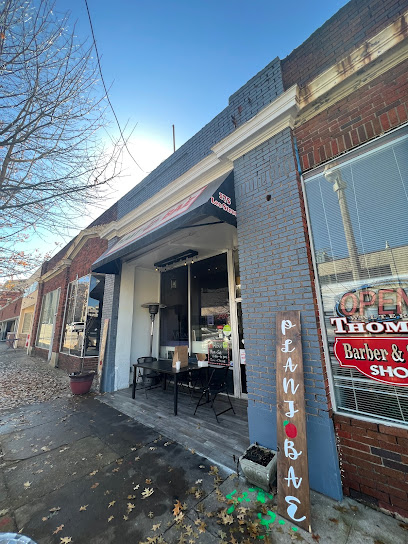
D'Road Cafe
1.9 km
Experience authentic Venezuelan flavors at D'Road Cafe in downtown Montgomery - a must-visit breakfast destination!
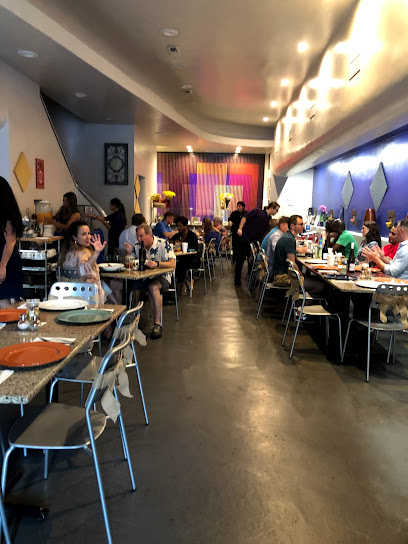
Ravello Ristorante
2.0 km
Experience authentic Italian fine dining at Ravello Ristorante in Montgomery, AL—where exquisite flavors meet elegant ambiance.
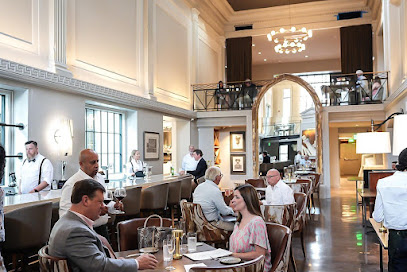
Taste Too
2.0 km
Experience the vibrant flavors of America at Taste Too in Montgomery – where every meal is crafted with passion.
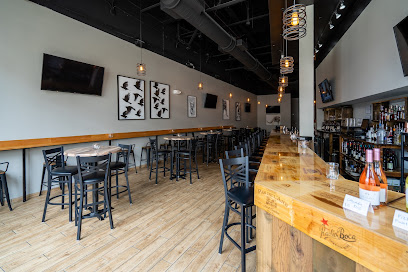
Kinsmith
2.1 km
Experience Southern hospitality at Kinsmith, where diverse flavors meet inviting ambiance in the heart of Montgomery.
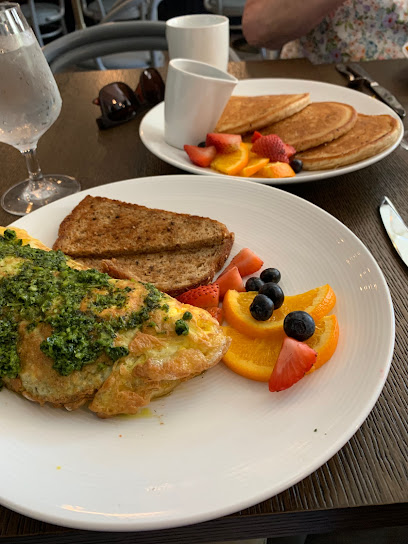
Markets, malls and hidden boutiques

Trenae's Boutique
0.2 km
Explore Trenae's Boutique in Montgomery, AL for unique fashion accessories, clothing, and local artistry that define Southern elegance.
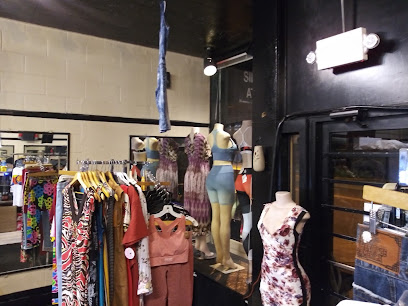
New Hob Nob
0.6 km
Explore Montgomery's New Hob Nob, where unique hats and stylish accessories await every fashion-forward traveler.

Welle Studio
0.6 km
Discover the charm of Welle Studio, a premier boutique in Montgomery, Alabama, offering stylish apparel and accessories for every occasion.
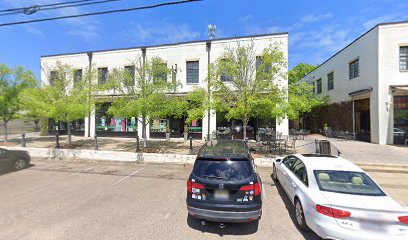
Apropos
0.7 km
Explore a charming boutique in Montgomery, AL, offering unique handcrafted gifts and local art that capture the spirit of the South.
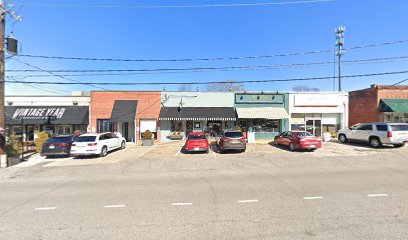
Cottage Collections
0.7 km
Explore Cottage Collections in Montgomery, Alabama for unique antiques and vintage treasures that capture the essence of Southern charm.
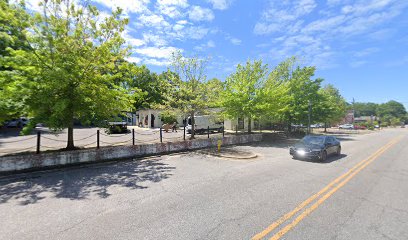
ExVoto
0.7 km
Explore ExVoto, Montgomery's charming boutique for women, offering a unique selection of clothing, handbags, and handcrafted jewelry.
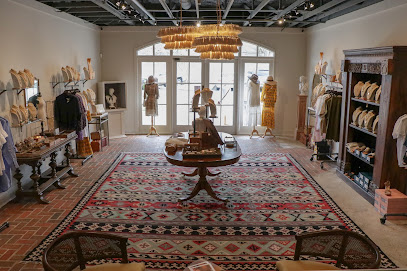
Tours of Montgomery
0.9 km
Discover the heart of Montgomery with unique souvenirs reflecting the rich culture and history of Alabama at Tours of Montgomery.
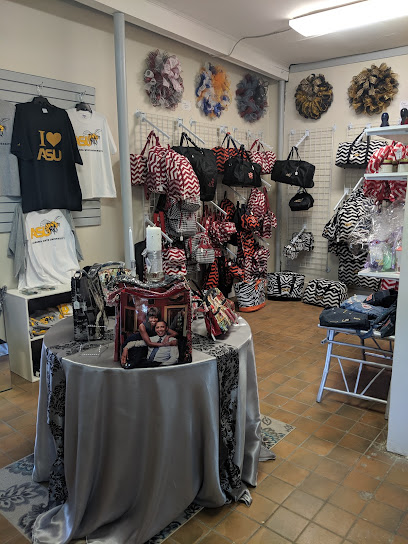
Limitless Options Boutique
1.3 km
Explore Limitless Options Boutique in Montgomery, AL, where unique women's fashion meets Southern charm in a delightful shopping experience.
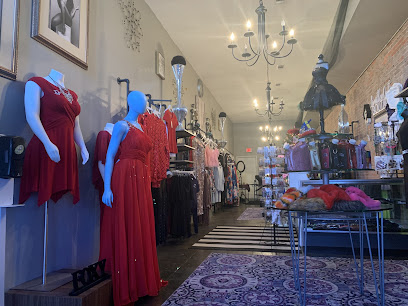
Mystical Treasures Emporium
1.3 km
Explore the enchanting Mystical Treasures Emporium in Montgomery, AL - a treasure trove of unique artifacts and mystical gifts for all.

Alabama Tourism Gift Shop
1.4 km
Explore Alabama's rich culture and history at the Tourism Gift Shop, your go-to destination for unique souvenirs and local treasures.
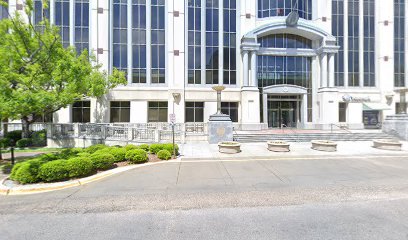
Staying Classy Boutique
1.4 km
Explore Staying Classy Boutique in Montgomery for stylish shoes that blend elegance, comfort, and unique local designs.
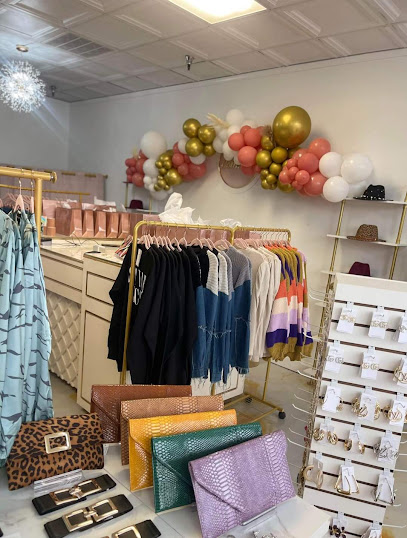
The Collective Boutique
1.4 km
Explore The Collective Boutique: Montgomery's premier destination for unique fashion and local artisan treasures in a charming setting.
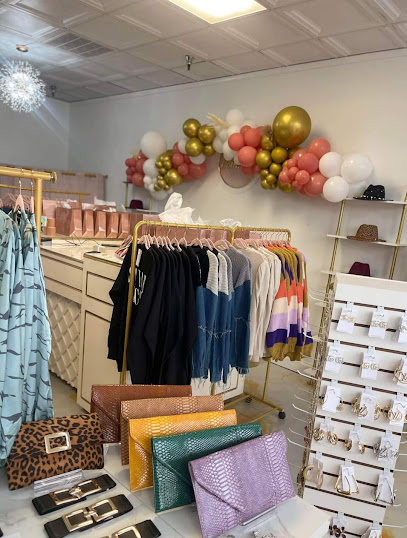
Heaven Jewels Boutique (The Collective)
1.4 km
Discover unique fashion accessories and stylish plus-size clothing at Heaven Jewels Boutique in Montgomery's charming Old Cloverdale district.
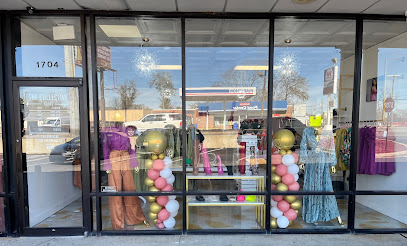
Sparkle In Grace Boutique
1.4 km
Explore Sparkle In Grace Boutique for unique fashion finds and chic accessories in the heart of Montgomery, Alabama's Old Cloverdale.

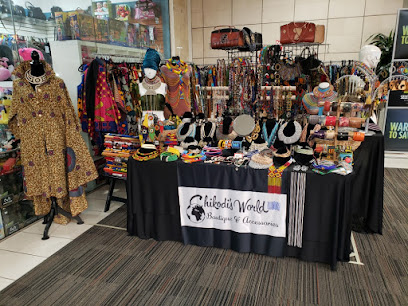
Chikodis World
1.4 km
Discover Chikodis World in Montgomery, Alabama - a boutique that combines fashion, beauty, and personalized service for an unforgettable shopping experience.
Essential bars & hidden hideouts

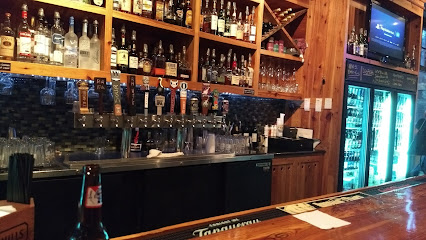
Pine Bar Old Cloverdale
0.6 km
Discover the vibrant atmosphere and delightful drinks at Pine Bar Old Cloverdale, a must-visit bar in Montgomery, Alabama for tourists and locals alike.
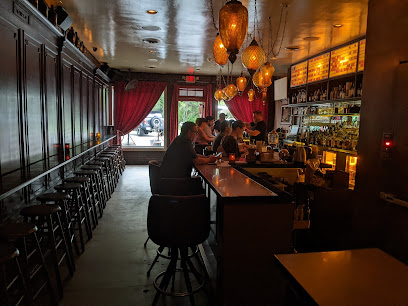
Leroy
1.4 km
Discover Leroy Lounge in Montgomery: A stylish bar with creative cocktails and a vibrant atmosphere perfect for a night out.
Dino's
1.5 km
Experience the best bar food in Montgomery at Dino's, where flavorful dishes and a lively atmosphere meet.
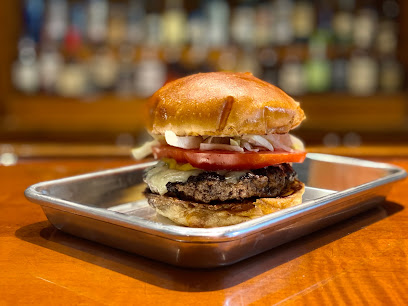
1048 Jazz & Blues
1.5 km
Discover the rhythm of Montgomery at 1048 Jazz & Blues, where live music and a cozy atmosphere create unforgettable nights.
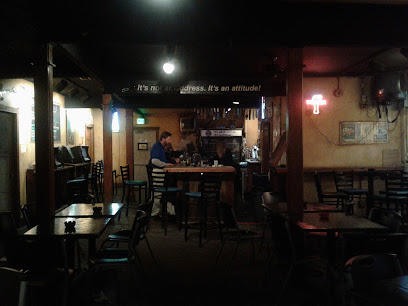
The Statesman
1.7 km
Experience the best of Montgomery's nightlife at The Statesman, where expertly crafted cocktails meet a chic and inviting atmosphere.
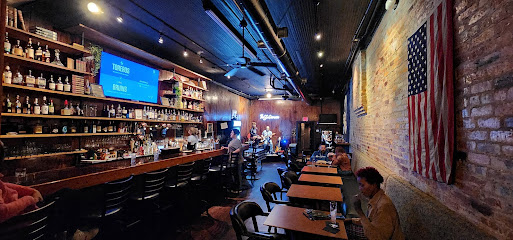
23 Court
1.8 km
Discover the lively atmosphere and craft cocktails of 23 Court, Montgomery's premier bar for socializing and relaxation.
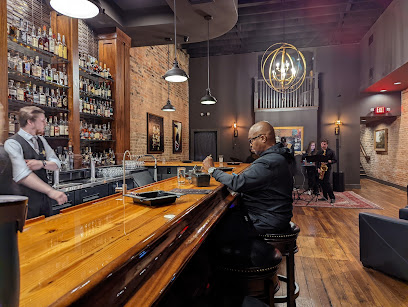
VIP Hookah Lounge
1.9 km
Discover relaxation and vibrant nightlife at VIP Hookah Lounge, Montgomery's premier hookah bar and social hotspot.

Bar Attico
2.0 km
Discover the heart of Montgomery's cocktail culture at Bar Attico, where vibrant drinks meet a lively atmosphere for an unforgettable night out.
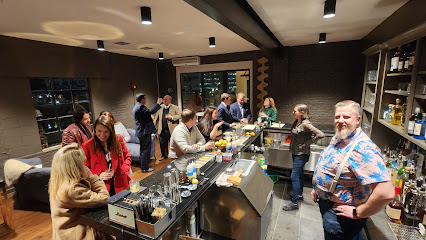
Hilltop Public House
2.0 km
Discover Hilltop Public House in Montgomery: A delightful bar and café offering an array of delicious bagels, coffee, cocktails, and a warm, inviting atmosphere.
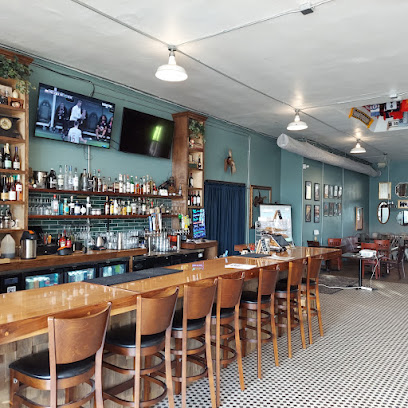
The Alley
2.1 km
Explore The Alley in Montgomery, Alabama, a vibrant entertainment district filled with lively bars, restaurants, and cultural experiences for every tourist.
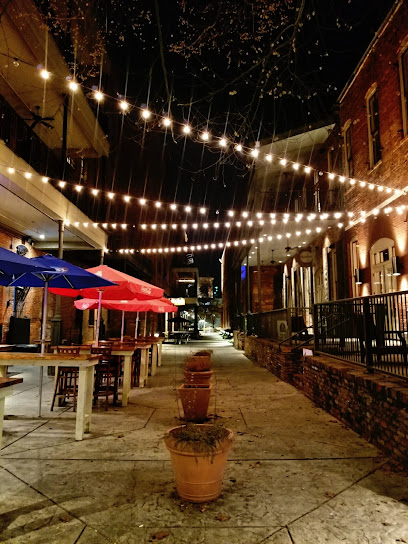
AlleyBAR
2.2 km
Discover AlleyBAR in Montgomery, AL - a lively bar with live music, offering a unique blend of local culture and vibrant nightlife for an unforgettable experience.
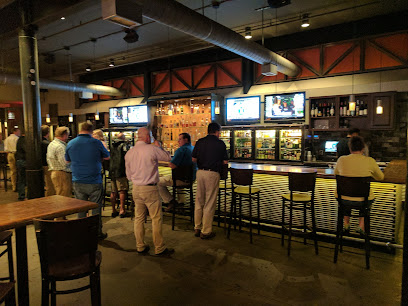
The Exchange Bar
2.2 km
Experience the charm of Montgomery at The Exchange Bar, a stylish lounge offering exquisite cocktails and a vibrant atmosphere for relaxation and socializing.
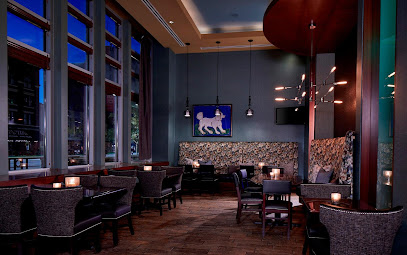
Aviator Bar
2.2 km
Experience Montgomery's vibrant nightlife at Aviator Bar, where craft cocktails and live music create an unforgettable atmosphere.
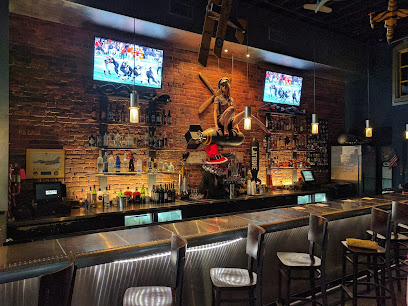
Lower Lounge
2.2 km
Discover Montgomery's Lower Lounge, a chic cocktail bar offering expertly crafted drinks and a vibrant atmosphere for an unforgettable night out.
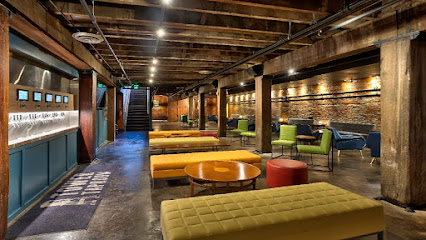
Tower Taproom
2.2 km
Discover Tower Taproom in Montgomery, a vibrant beer hall with an extensive craft beer selection and delicious gourmet burgers perfect for foodies and beer lovers.