

Free River Region Travel Guide & Mobile App
Explore River Region with free travel guides. Discover regional history, expert tips, proposed trips, and audio guides on web or mobile app.


Explore Alabama's River Region for Montgomery's civil-rights history, river landscapes, Southern food, museums and outdoor discoveries around Wetumpka and Prattville.
Read more about River Region
When is the best time to visit River Region?
Best: April–May, October · 26–29°C| Month | High (°C) | Rainfall (mm) |
|---|---|---|
| January | 13 | 105 |
| February | 16 | 110 |
| March | 20 | 130 |
| April (best) | 26 | 110 |
| May (best) | 29 | 100 |
| June | 33 | 110 |
| July | 34 | 130 |
| August | 34 | 130 |
| September | 31 | 110 |
| October (best) | 26 | 90 |
| November | 21 | 105 |
| December | 14 | 110 |
Getting to and around River Region
How to get there
Transportation
Top city travel guides in River Region
The cities of River Region, and the easiest places to base yourself.
-

-

-

-


Swipe for more cities
Destinations in River Region
Resorts, valleys and scenic spots worth a trip of their own.
-

-
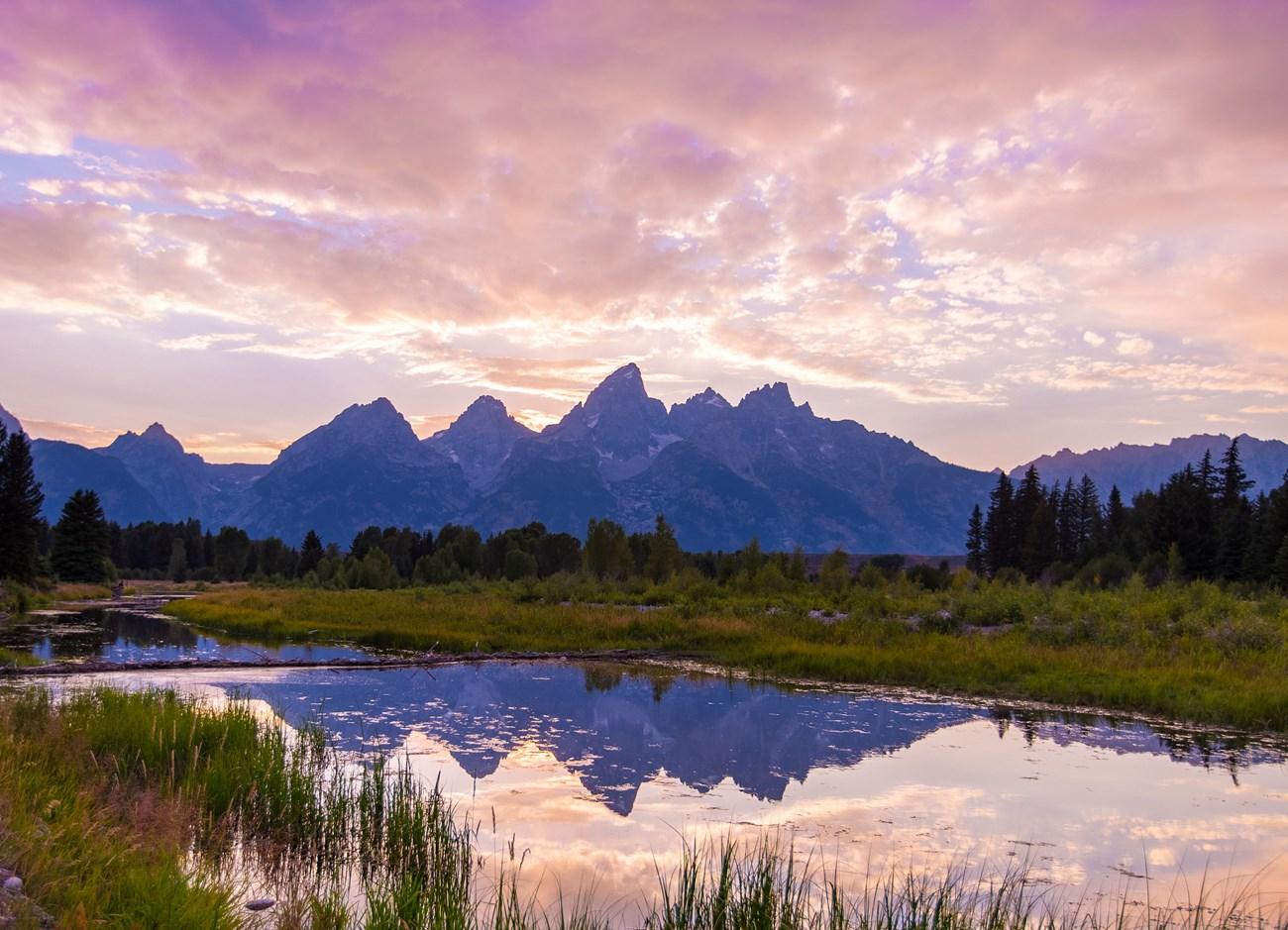 Tuskegee National Forest
 in Alabama offers pine woods, quiet trails, wildlife, fishing and nearby Tuskegee African American heritage sites.

Swipe for more destinations
Best attractions in River Region
The River Region's attractions range from major historical institutions in Montgomery to river landscapes and heritage sites in the surrounding communities. In the capital, the Rosa Parks Museum, the Legacy Museum, the National Memorial for Peace and Justice and the Alabama Department of Archives and History provide different perspectives on slavery, segregation, civil rights and state history. The Montgomery Museum of Fine Arts adds American art and regional cultural programming, while the F. Scott and Zelda Fitzgerald Museum interprets the writers' brief period in the city. Families and sports visitors may also find interest in the Alabama Shakespeare Festival and Montgomery's baseball stadium. North of the capital, Prattville's historic centre and links to cotton-gin manufacturing offer an industrial perspective, while Wetumpka combines outdoor scenery with Fort Toulouse-Fort Jackson State Historic Site. Riverwalk areas, woodland trails and waterways support walking, paddling, fishing and wildlife observation, subject to local conditions. The resulting attraction landscape is historically dense but not confined to museums: it moves from civic memory and African American history to Indigenous heritage, geology, manufacturing and the everyday ecology of central Alabama.
-
Tourist attraction
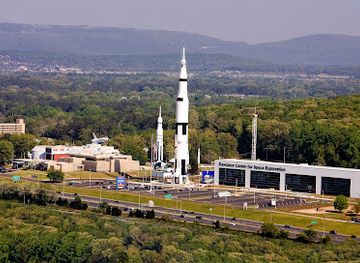
U.S. Space & Rocket Center
Discover the wonders of space at the U.S. Space & Rocket Center: rockets, interactive exhibits, and astronaut training await!
-
Tourist attraction
The Wharf
Experience the excitement of The Wharf in Orange Beach: shopping, dining, concerts, and waterfront fun for the whole family!
-
Tourist attraction
The Legacy Museum
An immersive and unforgettable journey through the history of racial injustice in America, from slavery to mass incarceration, located in Montgomery, AL.
-
Tourist attraction
Lowe Mill ARTS & Entertainment
Explore art, meet artists, and discover unique creations at Lowe Mill ARTS & Entertainment, the South's largest privately-owned arts facility.
Best landmarks in River Region
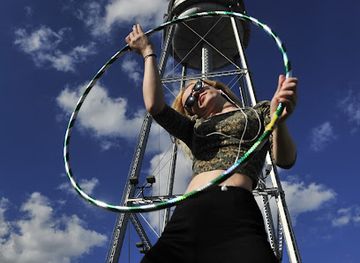
The Alabama State Capitol is the River Region's most important civic landmark, standing on the hill where Alabama's secession convention met and where Jefferson Davis was inaugurated as provisional Confederate president. Nearby Dexter Avenue King Memorial Baptist Church is associated with Martin Luther King Jr and the Montgomery Bus Boycott, while the First White House of the Confederacy represents the city's brief role as the Confederate capital. The National Memorial for Peace and Justice is a modern landmark of remembrance, using architecture and landscape to confront the history of racial terror in the United States. The Alabama River and Montgomery's riverfront form a geographical landmark around which the capital's commerce and settlement developed. In Wetumpka, the Coosa River and the landscape of the Wetumpka impact crater give the town a distinctive geological setting, while Fort Toulouse-Fort Jackson State Historic Site marks the area's colonial, Indigenous and early national history. Prattville's older streets and industrial remains, particularly those associated with Daniel Pratt's manufacturing enterprise, express a different aspect of the region's built heritage.
-
Museum of space history
U.S. Space & Rocket Center
Explore the U.S. Space & Rocket Center in Huntsville, Alabama – a thrilling journey through space history with rockets, exhibits, and interactive experiences.
-
Historical landmark
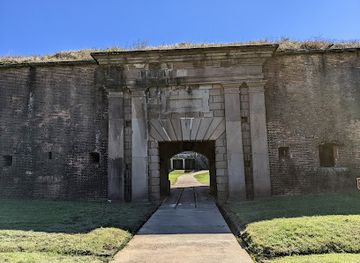
Fort Morgan State Historic Site
Explore a 19th-century fort with a rich history, museum exhibits, and scenic views of Mobile Bay at this Gulf Shores landmark.
-
Tourist attraction
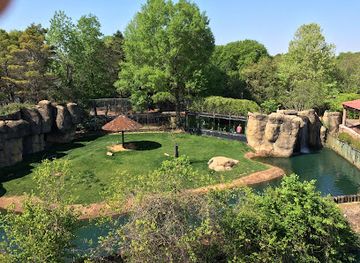
Montgomery Zoo & Mann Wildlife Learning Museum
Explore global wildlife and North American natural history at the Montgomery Zoo & Mann Wildlife Learning Museum, a fun and educational adventure for all ages.
-
Tourist attraction
Talladega National Forest
Explore the breathtaking beauty of Talladega National Forest, Alabama's stunning natural paradise with hiking, camping, and diverse wildlife.


Explore River Region on the map
Plan your trip on one map. See where the top cities, national parks and sights are, and book hotels and experiences in a few clicks.
Best hotels in River Region
Best restaurants in River Region
Dining in the River Region reflects Alabama's wider Southern foodways while drawing on the area's own river, agricultural and urban settings. Montgomery has the broadest range, from cafés and contemporary Southern restaurants to barbecue establishments, soul-food cooking, international menus and restaurants serving locally familiar staples such as fried catfish, chicken, greens, cornbread, biscuits and pecans. Prattville and Wetumpka offer independent cafés, family restaurants, casual grills and traditional Southern meals, with quieter dining scenes than the capital. Seasonal produce and locally made goods appear at farmers' markets and specialist food shops when available. River fish and catfish are common regional references, while Alabama-style barbecue is typically accompanied by sides such as baked beans, slaw and cornbread. Sweet tea, pecan desserts and fruit-based puddings are familiar features of the region's culinary culture. Visitors should distinguish between dishes strongly associated with Alabama and foods shared across the broader American South; the River Region's interest lies in that overlap and in the way historic communities, contemporary chefs and everyday diners keep these traditions in use.
-
Seafood
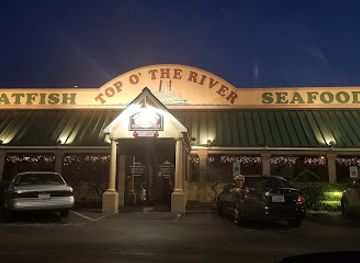
Top O' the River
Experience exquisite seafood dining at Top O' the River in Anniston, AL - where coastal flavors meet southern hospitality.
-
Barbecue
Dreamland BBQ
Experience the authentic taste of Southern barbecue at Dreamland BBQ in Montgomery - where every bite tells a story.
-
Steak
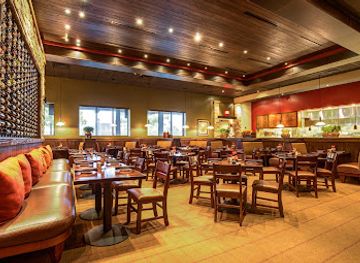
Firebirds Wood Fired Grill
Discover delicious wood-fired steaks and seafood at Firebirds Wood Fired Grill in Montgomery - where every meal is a celebration of flavor.
-
Oyster Bar
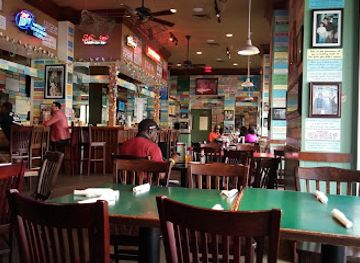
Wintzell's Oyster House
Discover fresh oysters and Southern flavors at Wintzell's Oyster House in Montgomery – an iconic eatery celebrating local culinary traditions.

Best bars in River Region
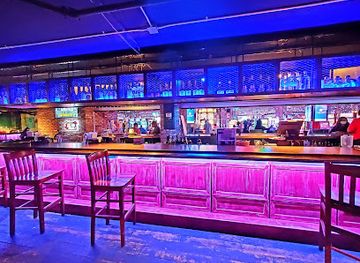
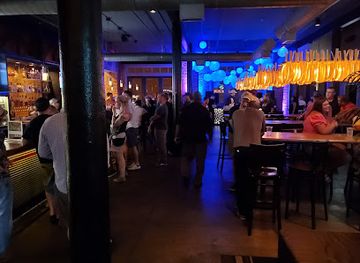
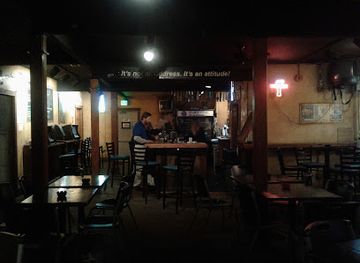
Evening life is concentrated in Montgomery, where central districts offer bars, restaurants, live music, performing-arts events and occasional late-night entertainment. The city's historic streets and riverfront provide more choice than the surrounding towns, although the overall scene is modest compared with larger Alabama cities. Local breweries, cocktail bars and casual pubs sit alongside venues connected with concerts, theatre and sport, while many evenings are built around dining rather than clubbing. Prattville and Wetumpka have a smaller selection of pubs, bars and restaurants, with activity generally ending earlier and varying by day of the week. Rural parts of the River Region are centred on community gatherings, restaurants and traditional bars rather than a formal nightlife district. Check current venue arrangements before travelling, particularly for live performances and seasonal events, and remember that alcohol service, identification requirements and closing times follow Alabama and United States regulations.
-
Bar
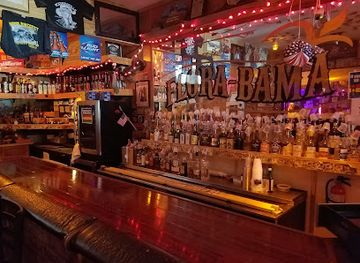
Flora-Bama
Discover the ultimate coastal experience at Flora-Bama, where live music, delicious food, and stunning Gulf views unite for an unforgettable time.
-
Restaurant
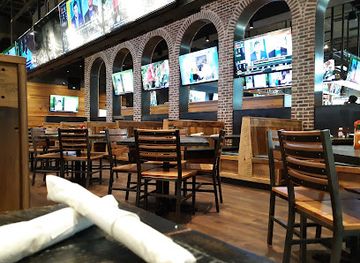
Walk-On's Sports Bistreaux
Discover a vibrant sports bar atmosphere at Walk-On's Sports Bistreaux, where delicious Southern cuisine meets your favorite game day excitement.
-
Grill
BB King's Blues Club
Enjoy authentic Southern barbecue and live blues music at BB King's Blues Club, a vibrant venue in Montgomery showcasing the best of Southern culture.
-
Bar
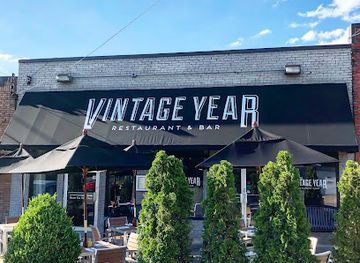
Vintage Year
Discover the exquisite dining experience at Vintage Year, Montgomery's premier bar and fine dining restaurant, with specialty cocktails and a fantastic wine selection.
Best nightclubs in River Region
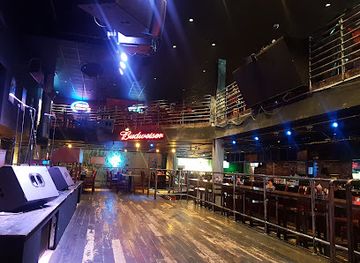
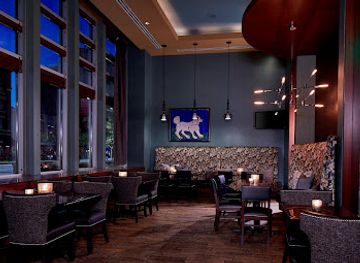
Evening life is concentrated in Montgomery, where central districts offer bars, restaurants, live music, performing-arts events and occasional late-night entertainment. The city's historic streets and riverfront provide more choice than the surrounding towns, although the overall scene is modest compared with larger Alabama cities. Local breweries, cocktail bars and casual pubs sit alongside venues connected with concerts, theatre and sport, while many evenings are built around dining rather than clubbing. Prattville and Wetumpka have a smaller selection of pubs, bars and restaurants, with activity generally ending earlier and varying by day of the week. Rural parts of the River Region are centred on community gatherings, restaurants and traditional bars rather than a formal nightlife district. Check current venue arrangements before travelling, particularly for live performances and seasonal events, and remember that alcohol service, identification requirements and closing times follow Alabama and United States regulations.
-
Grill
BB King's Blues Club
Discover the vibrant fusion of live blues music and delicious Southern barbecue at BB King's Blues Club in Montgomery.
-
Lounge
The Exchange Bar
Experience Montgomery's vibrant nightlife at The Exchange Bar, where sophisticated cocktails and a lively atmosphere await.
-
Bar
AlleyBAR
Experience Montgomery's vibrant nightlife at AlleyBAR, a lively bar and live music venue with great drinks and unforgettable performances.
-
Bar
1048 Jazz & Blues
Experience the vibrant atmosphere of live jazz and blues at 1048 Jazz & Blues, Montgomery's top destination for music lovers and night owls.
Best shops in River Region
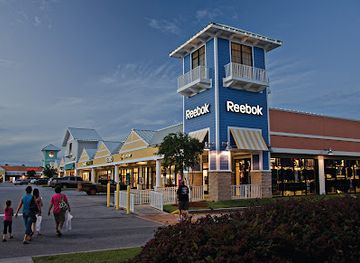
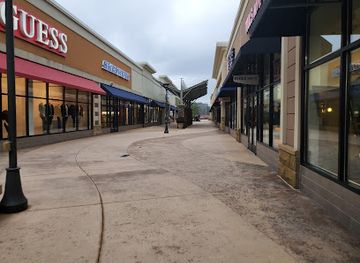
Montgomery provides the River Region's largest concentration of shops, with independent retailers, galleries, boutiques, bookstores and food businesses in and around its historic and central districts, as well as conventional shopping areas beyond the core. Prattville and Wetumpka have smaller town-centre scenes where antique shops, gift shops, craft businesses and local services are more prominent than large-scale retail. Farmers' markets and seasonal produce stalls can be useful for pecans, preserves, baked goods, fruit, vegetables and other Alabama food products, although dates and locations vary. Galleries and craft shops offer paintings, pottery, woodwork, textiles and locally themed gifts, while museum shops are good places to find history books and thoughtful items connected with civil-rights interpretation. Visitors should not expect a continuous luxury-shopping district across the River Region; its retail character is more practical and locally focused, with the strongest sense of place found in independent businesses, market produce, regional foods and arts connected to central Alabama.
-
Outlet mall
Tanger Outlets Foley
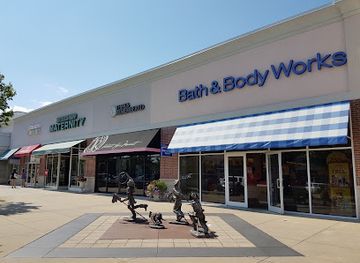
Explore an extensive range of designer and brand-name stores at Tanger Outlets Foley, the ultimate shopping destination in Alabama.
-
Shopping mall
Riverchase Galleria
Experience the ultimate shopping, dining, and entertainment at Riverchase Galleria, Hoover's premier destination for visitors.
-
Outlet mall
The Shops of Grand River
Discover unbeatable deals and a delightful shopping experience at The Shops of Grand River, the premier outlet mall in Leeds, Alabama.
-
Shopping mall
The Shoppes at Eastchase
Discover a dynamic shopping experience at The Shoppes at Eastchase, Montgomery's premier destination for retail, dining, and community events.

Get your free copy of our complete guide to River Region, delivered straight to you.
Everything on this page, from attractions and restaurants to essentials and local phrases, in one PDF you can read offline, print or share.
Already have an account? Sign in
Your River Region guide is ready.
We'll send it to · Not you? Sign out

Getting your guide ready…
We are putting together a fresh copy of the River Region guide. This can take up to a minute.
This can take a few moments. If your browser asks, choose Allow so the download can start. You'll find the guide in your Downloads folder.
Nothing happened? Download it again
Sorry, the guide is taking longer than usual. Please try again in a minute, or get it by email instead.
River Region essentials
Currency and Payment
Safety
Emergency Situations
Do's and Don'ts
Local Tips
From Eve
Local phrases worth knowing
You don't need to get them perfect. A few words go a long way, and locals appreciate the effort.
Basics
| English | Local | Say it |
|---|---|---|
| Hello | Howdy | [Ha-dee] |
| Goodbye | See ya later | [See ya lay-ter] |
| Yes | Yup | [Yup] |
| No | Nah | [Nah] |
| Please/You're welcome | Please/No problem | [Please/No prob-lum] |
| Thank you | Thank ya | [Thank ya] |
| Excuse me/Sorry | Excuse me/Sorry 'bout that | [Ex-cuse me/Sor-ry 'bout that] |
| How are you? | How you doin'? | [How ya doin'?] |
| Fine. And you? | I'm good. How 'bout you? | [I’m good. How 'bout you?] |
| Do you speak English? | You speakin' English? | [Ya speakin' English?] |
| I don't understand | I ain't followin' | [I ain't followin'] |
Eating & Drinking
| English | Local | Say it |
|---|---|---|
| I'd like to see the menu, please | Can I see the menu, please? | [Can I see the menu, please?] |
| I don't eat meat | I don’t eat no meat | [I don’t eat no meat] |
| Cheers! | Cheers! | [Cheers!] |
| I would like to pay, please | Can I get the check, please? | [Can I get the check, please?] |
Emergencies
| English | Local | Say it |
|---|---|---|
| Help! | Help! | [Help!] |
| Go away! | Get on outta here! | [Get on outta here!] |
| Call the Police! | Call the cops! | [Call the cops!] |
| Call a doctor! | Call a doc! | [Call a doc!] |
| I'm lost | I’m lost | [I’m lost] |
| I'm ill | I ain't feelin' good | [I ain't feelin' good] |
Shopping
| English | Local | Say it |
|---|---|---|
| I'd like to buy... | I wanna buy... | [I wanna buy...] |
| I'm just looking | Just lookin' around | [Just lookin' around] |
| How much is it? | How much that cost? | [How much that cost?] |
| That's too expensive | That's too high | [That's too high] |
| Can you lower the price? | Can ya bring it down some? | [Can ya bring it down some?] |
Time & Numbers
| English | Local | Say it |
|---|---|---|
| What time is it? | What time it be? | [What time it be?] |
| It's one o'clock | It's one o'clock | [It's one o'clock] |
| Half past (10) | Half past ten | [Half past ten] |
| Morning | Mornin' | [Mornin'] |
| Afternoon | Afternoon | [Afternoon] |
| Evening | Evenin' | [Evenin'] |
| Yesterday | Yestiddy | [Yestiddy] |
| Today | Today | [Today] |
| Tomorrow | Tomorrah | [Tomorrah] |
| 1 | One | [One] |
| 2 | Two | [Two] |
| 3 | Three | [Three] |
| 4 | Four | [Four] |
| 5 | Five | [Five] |
| 6 | Six | [Six] |
| 7 | Seven | [Seven] |
| 8 | Eight | [Eight] |
| 9 | Nine | [Nine] |
| 10 | Ten | [Ten] |
Transport & Directions
| English | Local | Say it |
|---|---|---|
| Where's a/the...? | Where's the...? | [Where's the...?] |
| What's the address? | What's the address? | [What's the address?] |
| Can you show me (on the map)? | Can ya show me on the map? | [Can ya show me on the map?] |
| When's the next (bus)? | When the next bus come? | [When the next bus come?] |
| A ticket (to ....) | A ticket to ... | [A ticket to ...] |
History of River Region
Indigenous River Communities and the Creek Confederacy
Long before European settlement, the Alabama and Coosa rivers supported Indigenous communities through fishing, farming, trade and transport. The wider area was associated with the Muscogee, or Creek, world, whose towns and political relationships shaped central Alabama. Rivers were important not only as natural resources but also as routes connecting communities across the Southeast. Later colonial and United States expansion disrupted these societies through warfare, land cessions and forced removal. Indigenous history remains a fundamental part of the River Region's story, even where surviving monuments and written records are weighted towards later colonial and American institutions.
Fort Toulouse and the Colonial Frontier
The French established Fort Toulouse near present-day Wetumpka in 1717, at the confluence of the Coosa and Tallapoosa rivers. It formed part of France's effort to build alliances and maintain influence in the interior Southeast, where European powers competed for trade and territory. The fort's location also reflects the importance of Indigenous diplomacy and river travel. The reconstructed site and archaeological interpretation at Fort Toulouse-Fort Jackson State Historic Site help visitors understand this period as a meeting point between Native American societies, French colonial ambitions and the contested frontier of the eighteenth century.
Creek War and Fort Jackson, 1813–1814
The Creek War divided Muscogee communities during a period of intense pressure from the United States and neighbouring settlers. After the Battle of Horseshoe Bend in 1814, Andrew Jackson's forces compelled the cession of large areas of Creek land. Fort Jackson, built near present-day Wetumpka, became the site where the resulting treaty was signed. The treaty transferred an enormous territory to the United States and accelerated the expansion of plantation agriculture. Its legacy is visible in the region's early nineteenth-century political geography and in the displacement of Indigenous peoples from their homelands.
Montgomery, Statehood and the Plantation Economy
Montgomery was incorporated in 1819, the year Alabama entered the Union, and it soon became a significant centre for river commerce, cotton administration and state government. The region's prosperity was built within a plantation economy dependent on the enslavement of African Americans, whose labour produced much of the wealth that shaped its towns, political institutions and domestic architecture. Montgomery became Alabama's permanent capital in 1846, strengthening its role as the state's administrative centre. The Alabama River connected the city to wider commercial networks, while slavery influenced nearly every aspect of social and economic life.
Secession, the Confederacy and the Civil War
In January 1861, Alabama seceded from the United States, and Montgomery hosted the convention that formed the Confederate States of America. Jefferson Davis was inaugurated as the Confederacy's provisional president at the Alabama State Capitol before the Confederate government moved to Richmond, Virginia. Montgomery's political importance during these months makes the capital a major site for understanding the origins of the Civil War, though the conflict's human consequences extended across the surrounding countryside. The war ended slavery, but emancipation did not produce immediate equality or economic security for formerly enslaved people.
Industry and Prattville's Cotton-Gin Heritage
Prattville developed in the nineteenth century around Daniel Pratt's manufacturing enterprise, which produced cotton gins and related machinery. The business linked local industry to the expanding cotton economy while creating a planned industrial settlement beside Autauga Creek. Prattville's surviving historic buildings and interpretive sites illustrate a form of manufacturing history often overshadowed by plantation narratives. The town also demonstrates how waterpower, skilled labour and transport routes contributed to the growth of Alabama communities before and after the Civil War.
The Montgomery Bus Boycott and the Civil-Rights Movement
Montgomery became a decisive setting in the American civil-rights movement after Rosa Parks was arrested in December 1955 for refusing to surrender her bus seat to a white passenger. The ensuing Montgomery Bus Boycott lasted more than a year and helped establish Martin Luther King Jr as a national civil-rights leader. Dexter Avenue King Memorial Baptist Church, the Rosa Parks Museum and other sites across the city interpret the organisation, community leadership and legal challenge behind the boycott. The movement also exposed the broader system of segregation and racial violence that shaped life throughout Alabama.
Civil-Rights Memory and Contemporary Interpretation
In the twenty-first century, Montgomery has expanded the ways it presents the history of slavery, racial terror and civil rights. The Legacy Museum and the National Memorial for Peace and Justice connect local events to national patterns of enslavement, lynching, segregation and mass incarceration. These institutions sit alongside older civic landmarks and movement sites, creating a layered historical landscape rather than a single commemorative narrative. Their presence is part of an ongoing effort to confront difficult history and place African American experiences more centrally within the story of the River Region and the United States.
River Region in Photos
Browse through our photo collection highlighting the charm and character of the destination.
Neighbouring regions of River Region
The closest regions to River Region, if you have time for more than one.
-

-
-

-

-


Swipe for more regions
Explore more

Explore more of Alabama
Discover Alabama: A Southern state rich in history, culture, and natural beauty, offering unforgettable experiences from vibrant cities to serene beaches and majestic mountains.
Explore Alabama