

Free Piedmont Plateau Travel Guide & Mobile App
Explore Piedmont Plateau with free travel guides. Discover regional history, expert tips, proposed trips, and audio guides on web or mobile app.


Explore Alabama’s Piedmont Plateau for Cheaha’s mountain views, Tallapoosa River history, forest trails, reservoirs, racing and welcoming upland towns.
Read more about Piedmont Plateau
Getting to and around Piedmont Plateau
How to get there
Transportation
Top city travel guides in Piedmont Plateau
The cities of Piedmont Plateau, and the easiest places to base yourself.
-

-

-

-

-


Swipe for more cities
Destinations in Piedmont Plateau
Resorts, valleys and scenic spots worth a trip of their own.
-

-

-

-

-
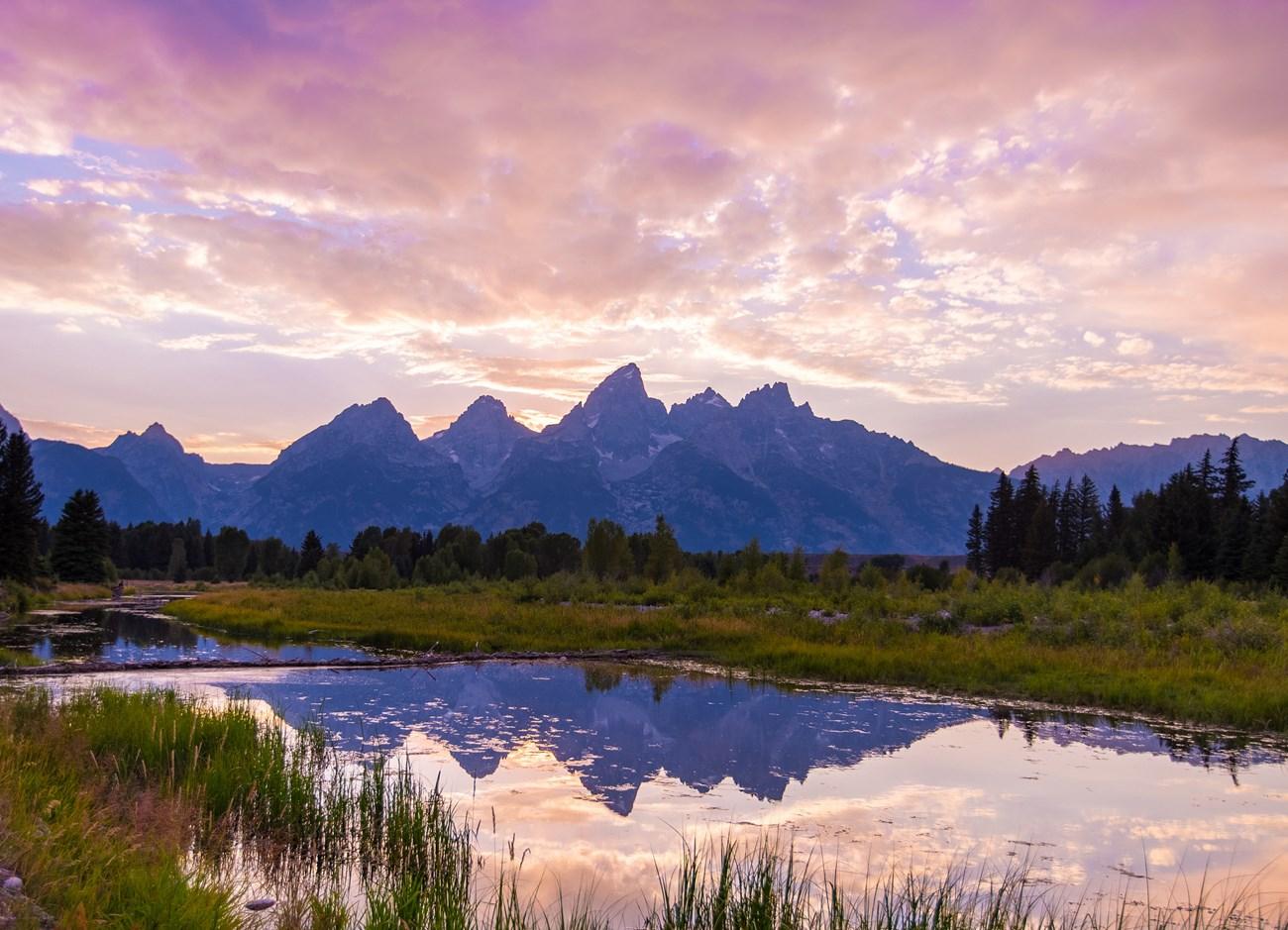 Tuskegee National Forest
 in Alabama offers pine woods, quiet trails, wildlife, fishing and nearby Tuskegee African American heritage sites.
Tuskegee National Forest
Tuskegee National Forest in Alabama offers pine woods, quiet trails, wildlife, fishing and nearby Tuskegee African American heritage sites.


Swipe for more destinations
Best attractions in Piedmont Plateau
The Piedmont Plateau’s attractions combine public landscapes, river history, motor racing and small-town heritage. Cheaha State Park is the principal mountain destination, with trails, overlooks and access to Alabama’s highest summit, while the surrounding Talladega National Forest provides forest roads, camping, hiking and wildlife habitat. At the plateau’s river heart, Horseshoe Bend National Military Park interprets the 1814 Creek War battlefield through trails, exhibits and views of the Tallapoosa River. Lake Martin and nearby reservoirs support boating, fishing, paddling and waterfront recreation, although access varies between public facilities and private shoreline. Talladega Superspeedway offers a very different experience, bringing large racing events to the community of Lincoln. Historic courthouse towns, local museums, churches and surviving industrial landscapes add cultural interest, while Sylacauga’s marble heritage and the region’s former textile centres broaden the story beyond outdoor recreation. Distances are substantial, so attractions are best approached as linked day trips rather than as a compact circuit.
-
Museum of space history
U.S. Space & Rocket Center
Explore the universe at the U.S. Space & Rocket Center in Huntsville, Alabama, home to the world's largest collection of rockets and space artifacts and the renowned Space Camp program.
-
State park
Cheaha State Park
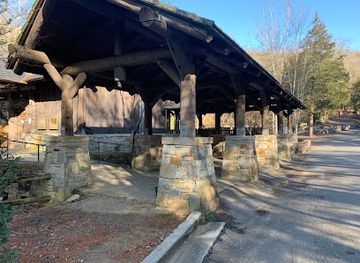
Discover Alabama's highest point at Cheaha State Park: hiking, history, scenic views, and outdoor adventures await in the Talladega National Forest.
-
Nature preserve
Little River Canyon National Preserve
Explore Alabama's deepest canyon: scenic drives, hiking trails, waterfalls, and outdoor adventures await in Little River Canyon National Preserve.
-
State park
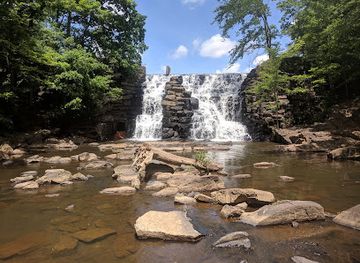
Chewacla State Park
Discover Auburn's natural beauty: hiking, biking, swimming, and history await at Chewacla State Park, a CCC-era treasure.
Best landmarks in Piedmont Plateau
Cheaha Mountain is the Piedmont’s defining natural landmark and Alabama’s highest point, rising above the Talladega mountain country with broad views across forested ridges and valleys. The stonework and elevated setting of Cheaha State Park also reflect the conservation building programmes of the 1930s. Horseshoe Bend on the Tallapoosa River is both a geographical feature and a major historical landmark: the river curves around the battlefield preserved by Horseshoe Bend National Military Park, where the 1814 Creek War battle changed the political future of the Southeast. Talladega’s historic civic core and older churches represent the architecture of a nineteenth-century county town, while the reservoirs of Lake Martin and the Tallapoosa system form some of the region’s most recognisable modern landscapes. Talladega Superspeedway, with its vast oval track and grandstands near Lincoln, is a contemporary landmark associated with Alabama’s motor-racing culture.
-
Museum
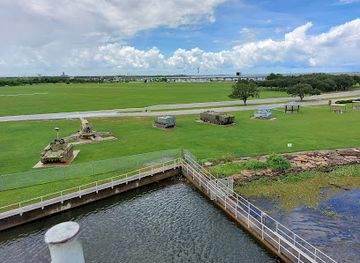
USS ALABAMA Battleship Memorial Park
Explore the historic USS Alabama battleship, USS Drum submarine, and aircraft at this Mobile, Alabama memorial park. A must-see for history buffs!
-
State park
Cathedral Caverns State Park
Discover the breathtaking beauty of Cathedral Caverns State Park, a natural wonder with stunning cave formations and vibrant ecosystems in Alabama.
-
State park
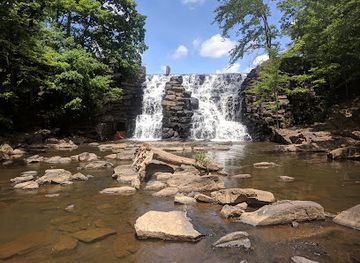
Chewacla State Park
Discover the beauty of Chewacla State Park, a perfect destination for outdoor adventures, serene landscapes, and unforgettable family memories in Alabama.
-
Museum
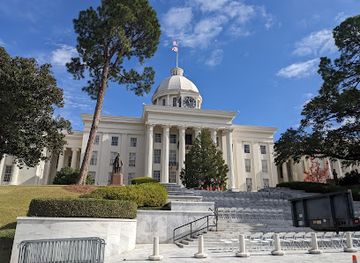
Alabama State Capitol
Explore the Alabama State Capitol, a historic landmark in Montgomery showcasing stunning architecture and rich American history in the heart of Alabama.
Explore Piedmont Plateau on the map
Plan your trip on one map. See where the top cities, national parks and sights are, and book hotels and experiences in a few clicks.
Best hotels in Piedmont Plateau
Best restaurants in Piedmont Plateau
Dining across the Piedmont Plateau is grounded in the broader foodways of the American South, with barbecue, fried or grilled catfish, chicken, cornbread, biscuits, greens, beans and seasonal vegetables appearing in diners, cafés and family restaurants. Lake communities add casual waterfront meals and seafood-oriented menus, while small towns are useful places to find country breakfasts, plate lunches, baked goods and sweet tea. Barbecue styles vary between establishments rather than following one single Piedmont formula, so local recommendations are often more useful than seeking a formal regional dish. Farmers’ markets and roadside stands may offer peaches, tomatoes, corn and other seasonal produce, particularly in warmer months. Around Talladega and Alexander City, visitors will find a mixture of traditional Southern cooking, fast-casual restaurants and contemporary independent venues; rural opening hours can be limited, especially outside standard lunch and dinner periods.
-
Grill
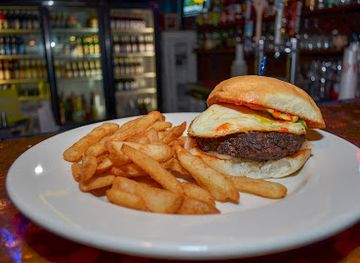
Shell’s Downtown
Discover Southern Charm at Shell’s Downtown - A Premier Grill Experience in Piedmont, Alabama
-
Mexican
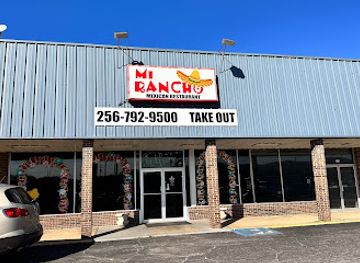
Mi Rancho Mexican Restaurant
Experience authentic Mexican cuisine in Piedmont, Alabama at Mi Rancho Mexican Restaurant—where flavor meets tradition.
-
Buffet
Kirk's Country Kitchen Buffet Restaurant
Discover authentic Southern cuisine at Kirk's Country Kitchen Buffet - where hearty meals meet warm hospitality in Piedmont, Alabama.
-
Restaurant
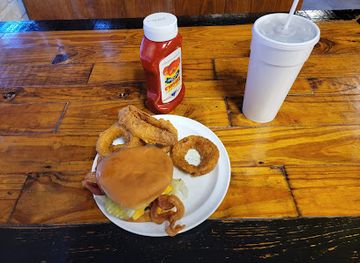
Roadside Grill
Discover delicious American comfort food at Roadside Grill in Piedmont, Alabama – where great taste meets warm hospitality.

Best bars in Piedmont Plateau
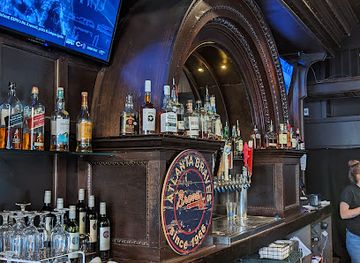
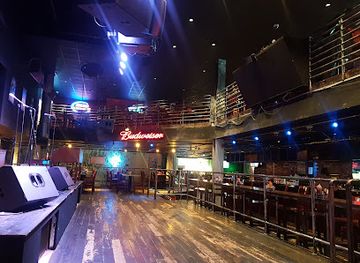
Evening life in the Piedmont Plateau is generally centred on neighbourhood pubs, casual restaurants, sports bars, breweries and live music rather than a large nightclub circuit. Talladega, Alexander City, Sylacauga and other larger towns provide the broadest choice, while lake communities tend towards relaxed dining and seasonal waterfront venues. On major race weekends, Talladega Superspeedway creates a temporary increase in evening activity, with gatherings and entertainment connected to the event, but arrangements vary from year to year. In rural districts, evenings are quieter and may revolve around family restaurants, local music or a drink at an established bar. Visitors should plan transport in advance, particularly around lakes and forest roads, and should not expect late-night services between towns.
-
Seafood
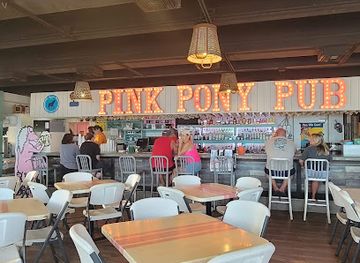
Pink Pony Pub
Discover a seafood lover's paradise at Pink Pony Pub, where fresh flavors meet stunning beachfront views in Gulf Shores, Alabama.
-
Grill
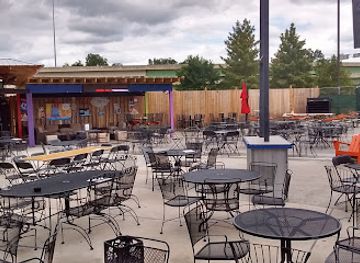
Furniture Factory Bar & Grill
Discover the vibrant atmosphere and mouthwatering dishes at Furniture Factory Bar & Grill, the perfect dining spot in Huntsville, Alabama.
-
Grill
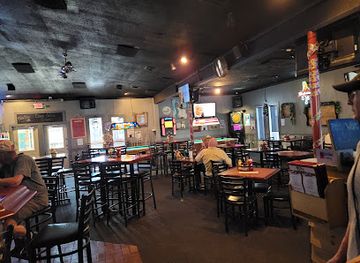
The Cove Bar and Grill
Experience the vibrant flavors of Gulf Shores at The Cove Bar and Grill, where delicious food meets a lively atmosphere.
-
Irish pub
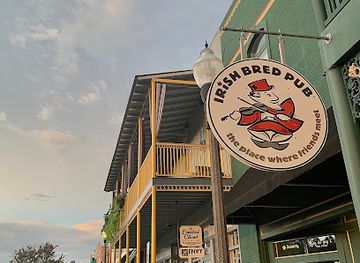
Irish Bred Pub
Experience the vibrant atmosphere of Irish Bred Pub, where authentic Irish cuisine meets Southern hospitality in Opelika, Alabama.
Best nightclubs in Piedmont Plateau
-
Fast Food
Jack's Family Restaurant
Experience the heart of Southern cuisine at Jack's Family Restaurant, where every meal is served with warmth and flavor in Lincoln, Alabama.
-
Live Music
Saturn
Immerse yourself in the dynamic music scene at Saturn, Birmingham's premier live music venue for unforgettable performances and vibrant atmosphere.
-
Irish pub
Irish Bred Pub
Discover the lively spirit of the Irish Bred Pub in Opelika, Alabama, where delicious food, great drinks, and a vibrant atmosphere await every visitor.
-
Grill
BB King's Blues Club
Discover the soulful blend of live blues music and exquisite Southern barbecue at BB King's Blues Club in Montgomery, Alabama.


Best shops in Piedmont Plateau
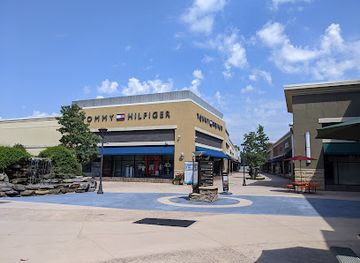
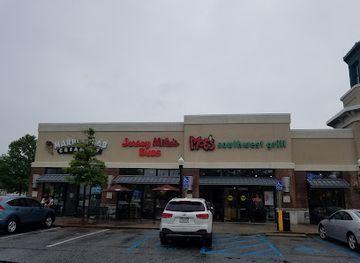
Shopping in the Piedmont Plateau is concentrated in courthouse-town centres, roadside commercial strips, lake communities and seasonal markets rather than large luxury districts. Talladega, Alexander City, Sylacauga, Ashland and Roanoke provide practical shops, independent businesses, antiques, books, gifts and places to buy locally produced food. Around Lake Martin, retail tends to serve boating, outdoor recreation and second-home visitors, with a more seasonal character. Farmers’ markets and roadside stands are good sources of fruit, vegetables, baked goods and preserves when operating, while craft and gallery shops may feature pottery, paintings, woodwork and other work by Alabama makers. Regional souvenirs often relate to Cheaha, the Talladega forests, local Native American and military history, or motor racing. Check opening days before making a special journey, as smaller-town and rural retail hours can be shorter than those in Birmingham or Atlanta.
-
Outlet mall
The Shops of Grand River
Discover unbeatable deals and a delightful shopping experience at The Shops of Grand River, the premier outlet mall in Leeds, Alabama.
-
Shopping mall
Tiger Town Outdoor Shopping Center
Explore Tiger Town Outdoor Shopping Center, Opelika's premier shopping destination with diverse shops, dining, and entertainment for the whole family.
-
Antique store
Angel's Antiques & Flea Mall
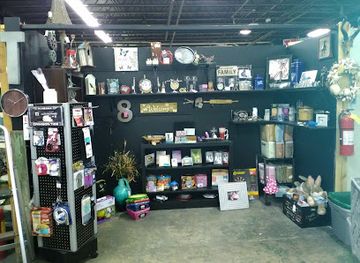
Explore the charm of Angel's Antiques & Flea Mall in Opelika, Alabama - a vintage lover's paradise filled with unique treasures and local crafts.
-
Grocery store
Dollar General Market
Discover the charm of Dollar General Market in Piedmont, Alabama - your go-to grocery destination for fresh produce and everyday essentials.

Get your free copy of our complete guide to Piedmont Plateau, delivered straight to you.
Everything on this page, from attractions and restaurants to essentials and local phrases, in one PDF you can read offline, print or share.
Already have an account? Sign in
Your Piedmont Plateau guide is ready.
We'll send it to · Not you? Sign out

Getting your guide ready…
We are putting together a fresh copy of the Piedmont Plateau guide. This can take up to a minute.
This can take a few moments. If your browser asks, choose Allow so the download can start. You'll find the guide in your Downloads folder.
Nothing happened? Download it again
Sorry, the guide is taking longer than usual. Please try again in a minute, or get it by email instead.
Piedmont Plateau essentials
Currency and Payment
Safety
Emergency Situations
Do's and Don'ts
Local Tips
From Eve
Local phrases worth knowing
You don't need to get them perfect. A few words go a long way, and locals appreciate the effort.
Basics
| English | Local | Say it |
|---|---|---|
| Hello | Howdy | [Ha-dee] |
| Goodbye | See ya later | [See ya lay-ter] |
| Yes | Yup | [Yup] |
| No | Naw | [Naw] |
| Please/You're welcome | No problem | [No prob-lem] |
| Thank you | Thanks a bunch | [Thanks a bunch] |
| Excuse me/Sorry | Pardon me | [Par-don me] |
| How are you? | How y'all doin'? | [How y'all doin'?] |
| Fine. And you? | I'm good. How 'bout you? | [I'm good. How 'bout you?] |
| Do you speak English? | Do y'all speak English? | [Do y'all speak English?] |
| I don't understand | I ain't gettin' it | [I ain't gettin' it] |
Eating & Drinking
| English | Local | Say it |
|---|---|---|
| I'd like to see the menu, please | Can I see the menu, please? | [Can I see the menu, please?] |
| I don't eat meat | I don't eat no meat | [I don't eat no meat] |
| Cheers! | Cheers! | [Cheers!] |
| I would like to pay, please | Could I get the check, please? | [Could I get the check, please?] |
Emergencies
| English | Local | Say it |
|---|---|---|
| Help! | Help! | [Help!] |
| Go away! | Leave me be! | [Leave me be!] |
| Call the Police! | Call the cops! | [Call the cops!] |
| Call a doctor! | Get a doctor! | [Get a doctor!] |
| I'm lost | I'm turned around | [I'm turned around] |
| I'm ill | I ain't feelin' well | [I ain't feelin' well] |
Shopping
| English | Local | Say it |
|---|---|---|
| I'd like to buy... | I wanna buy... | [I wanna buy...] |
| I'm just looking | Just browsin' | [Just browsin'] |
| How much is it? | How much that cost? | [How much that cost?] |
| That's too expensive | That’s too high | [That’s too high] |
| Can you lower the price? | Can ya knock down the price? | [Can ya knock down the price?] |
Time & Numbers
| English | Local | Say it |
|---|---|---|
| What time is it? | What time it be? | [What time it be?] |
| It's one o'clock | It's one o'clock | [It's one o'clock] |
| Half past (10) | Half past ten | [Half past ten] |
| Morning | Mornin' | [Mornin'] |
| Afternoon | Afternoon | [Afternoon] |
| Evening | Evenin' | [Evenin'] |
| Yesterday | Yestiddy | [Yestiddy] |
| Today | Today | [Today] |
| Tomorrow | Tomorra' | [Tomorra'] |
| 1 | One | [One] |
| 2 | Two | [Two] |
| 3 | Three | [Three] |
| 4 | Four | [Four] |
| 5 | Five | [Five] |
| 6 | Six | [Six] |
| 7 | Seven | [Seven] |
| 8 | Eight | [Eight] |
| 9 | Nine | [Nine] |
| 10 | Ten | [Ten] |
Transport & Directions
| English | Local | Say it |
|---|---|---|
| Where's a/the...? | Where's the nearest...? | [Where's the nearest...?] |
| What's the address? | What’s the address? | [What’s the address?] |
| Can you show me (on the map)? | Can you point it out? | [Can you point it out?] |
| When's the next (bus)? | When's the next bus? | [When's the next bus?] |
| A ticket (to ....) | A ticket to ... | [A ticket to ...] |
History of Piedmont Plateau
Indigenous Tallapoosa and Coosa River Landscapes
Long before European-American settlement, the river valleys and uplands of eastern Alabama were occupied and used by Indigenous peoples, including communities later identified with the Muscogee, or Creek, Confederacy and Cherokee networks in the wider region. Rivers supplied transport, fish and fertile places for cultivation, while ridges and forests supported hunting and gathering. The Tallapoosa Valley became especially significant within the political geography of the Creek Confederacy. Although later settlement transformed the landscape, Indigenous place names, archaeological evidence and the preserved setting of Horseshoe Bend continue to connect the modern Piedmont with this earlier history.
The Creek War and Horseshoe Bend, 1814
The Battle of Horseshoe Bend, fought on 27 March 1814 at a fortified bend of the Tallapoosa River near present-day Daviston, was the decisive engagement of the Creek War. United States forces under Andrew Jackson, supported by allied Native American troops including Cherokee and Creek opponents of the Red Stick movement, defeated Red Stick Creek forces led by Menawa. The battle accelerated the loss of Creek lands under the Treaty of Fort Jackson and had lasting consequences for Indigenous communities across the Southeast. Horseshoe Bend National Military Park preserves the battlefield and interprets the conflict within the surrounding river landscape.
Settlement, Cotton and the Growth of Piedmont Towns
After the Creek cessions of the early nineteenth century, settlers moved into the uplands and river valleys, establishing farms, roads and trading communities. Cotton became central to the regional economy, although the Piedmont’s broken terrain and thinner soils encouraged a mixture of agriculture, timbering and small-scale industry rather than the plantation landscapes associated with parts of the Black Belt. Towns such as Talladega, Alexander City, Ashland and Roanoke grew as county seats, market centres and transport points. Their courthouses, churches, commercial blocks and residential streets reflect successive phases of nineteenth- and early twentieth-century development.
Iron, Timber and Textile Industry
The Piedmont’s forests, mineral resources, streams and rail connections supported several industries from the nineteenth century onwards. Ironworking developed in and around the uplands, while timber supplied mills and construction. Waterpower and later electricity encouraged textile production in communities linked to the Tallapoosa and other river systems, including Tallassee at the Piedmont’s western transition. These industries created employment and shaped local settlement patterns, but many traditional mills later contracted or closed as manufacturing changed. Their surviving buildings, mill villages and industrial sites remain important reminders that the region was never solely agricultural.
Railways, Roads and Regional Connections
Railway construction helped connect Piedmont Alabama with Birmingham, Montgomery, Atlanta and wider commercial networks during the late nineteenth and early twentieth centuries. Lines carried cotton, timber, minerals and manufactured goods while enabling market towns to expand. Later, paved highways and the interstate system shifted travel away from some older rail corridors and made the area more accessible to motorists. This transport history helps explain the region’s present layout: older towns often cluster around courthouse squares or former rail routes, while newer commercial development follows major roads linking lakes, mountain parks and industrial centres.
The Civilian Conservation Corps and Public Landscapes
During the 1930s, New Deal conservation programmes left a particularly visible mark on Alabama’s uplands. Civilian Conservation Corps workers helped build roads, trails, fire infrastructure, cabins and other facilities in state parks and national forests. Cheaha State Park, developed during this period, became one of the clearest expressions of the era’s combination of public recreation and landscape conservation. Talladega National Forest likewise reflects the twentieth-century expansion of managed public lands. These projects created much of the visitor infrastructure that still supports hiking, camping and scenic travel in the Piedmont.
Modern Recreation and Motor Racing
In the later twentieth century, recreation became increasingly important to the regional economy alongside manufacturing, forestry and agriculture. Reservoirs such as Lake Martin attracted boating, fishing and second-home development, while Cheaha and the Talladega National Forest gained wider recognition among hikers and campers. Talladega Superspeedway opened in 1969 near Lincoln and established the area as a major venue in American stock-car racing. Together, these developments gave the Piedmont a contemporary identity that combines working landscapes and historic communities with outdoor tourism and large-scale sporting events.
Piedmont Plateau in Photos
Browse through our photo collection highlighting the charm and character of the destination.
Neighbouring regions of Piedmont Plateau
The closest regions to Piedmont Plateau, if you have time for more than one.
-

-

-

-

-


Swipe for more regions
Explore more

Explore more of Alabama
Discover Alabama: A Southern state rich in history, culture, and natural beauty, offering unforgettable experiences from vibrant cities to serene beaches and majestic mountains.
Explore Alabama