

Free Dibra Travel Guide & Mobile App
Explore Dibra with free travel guides. Discover regional history, expert tips, proposed trips, and audio guides on web or mobile app.


Explore Dibra in Albania for Korab's highlands, Lurë's lakes, thermal springs, mountain villages and distinctive northern cuisine.
Read more about Dibra
When is the best time to visit Dibra?
Best: June, August–September · 23–28°C| Month | High (°C) | Rainfall (mm) |
|---|---|---|
| January | 7 | 100 |
| February | 8 | 90 |
| March | 11 | 90 |
| April | 15 | 80 |
| May | 20 | 70 |
| June (best) | 25 | 60 |
| July | 28 | 50 |
| August (best) | 28 | 50 |
| September (best) | 23 | 60 |
| October | 18 | 70 |
| November | 11 | 90 |
| December | 7 | 100 |
Getting to and around Dibra
How to get there
Transportation
Top city travel guides in Dibra
The cities of Dibra, and the easiest places to base yourself.
-

-
-


Swipe for more cities
Destinations in Dibra
Resorts, valleys and scenic spots worth a trip of their own.
-

-

-

-


Swipe for more destinations
Best attractions in Dibra
Dibër's attractions are primarily landscape-based and work best as part of a flexible road-and-walking itinerary. The Lurë-Mali i Dejës National Park is the region's strongest natural draw, combining beech forests, upland meadows and the glacial lakes of Lurë, although access roads and walking conditions vary by season. The Korab range offers Albania's highest mountain terrain and demanding routes for experienced hikers, while the Korab-Koritnik landscape provides a wider setting of ridges, pasture and remote villages. Around Peshkopi, thermal springs offer a more accessible way to experience the area's geology and are traditionally visited for bathing. Bulqizë presents the industrial side of the region through its chromium-mining landscape, while the Mat valley around Burrel and Klos has river scenery, agricultural settlements and historic routes through the interior. Village visits, local guesthouses, seasonal markets and food experiences add cultural depth, but facilities are dispersed and many outdoor activities require advance local guidance.
-
Tourist attraction
Kruja Bazaar
Explore the historic Kruja Bazaar in Albania: a vibrant marketplace with traditional crafts, souvenirs, and a glimpse into the country's rich culture.
-
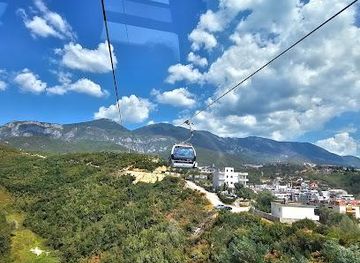
Dajti Ekspres (Stacioni i poshtëm/Lower station)
Experience breathtaking views and thrilling activities atop Dajti Mountain with the Balkans' longest cable car. A Tirana must-see!
-
Tourist attraction
LEZHA
Discover Lezha, Albania: A historic city where Skanderbeg united Albanian princes, offering castles, memorials, and Adriatic beaches.
-
Tourist attraction
Ethnographic Museum of Kruja
Discover Albania's cultural heritage at the Ethnographic Museum of Kruja, showcasing traditional life within a historic Ottoman-era home.



Best landmarks in Dibra
The most recognisable natural landmark in Dibër is Mount Korab, whose summit at 2,764 metres is the highest point in Albania and a defining feature of the eastern skyline. The Lurë lakes are another emblematic site: their glacial origins, forest setting and highland position distinguish them from the county's river valleys, although their appearance changes considerably with season and weather. Peshkopi's thermal springs represent the area's active geological character and remain an important local reference point. In the north-eastern town of Bulqizë, mine workings and the surrounding chromium landscape form a powerful reminder of the industrial history that shaped modern Albania. The Mat valley provides a different visual identity, with Burrel and Klos positioned among lower mountain slopes, cultivated land and routes linking central Albania to the north. Across the region, stone village houses, mosque minarets, rural churches and mountain passes are modest but meaningful markers of Dibër's layered religious, cultural and geographic history.
-
Nature preserve
The Blue Eye
Discover the mesmerizing Blue Eye of Albania, a natural spring with stunning turquoise waters and lush surroundings, perfect for a day trip.
-
Tourist attraction
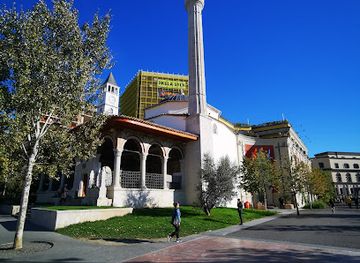
Skanderbeg Square
Discover Skanderbeg Square in Tirana: a vibrant hub where Albania's rich history, culture, and modern life converge in the heart of the capital.
-
Castle
Castle of Gjirokastra
Explore the historic Gjirokastra Castle, a Balkan fortress with stunning views, military history, and cultural significance in the heart of Albania.
-
Castle
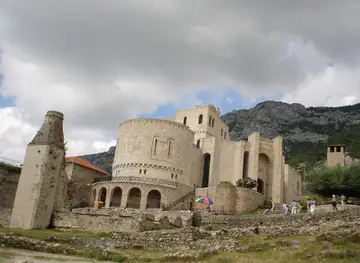
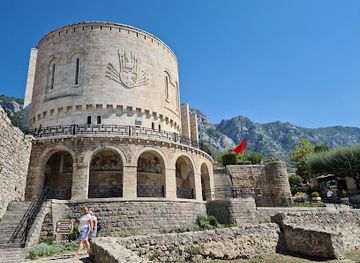
Castle of Kruja
Explore the historic Castle of Kruja, a symbol of Albanian pride, and immerse yourself in the rich culture and stunning views of this ancient fortress.


Explore Dibra on the map
Plan your trip on one map. See where the top cities, national parks and sights are, and book hotels and experiences in a few clicks.
Best hotels in Dibra
Best restaurants in Dibra
Dibër's food reflects mountain agriculture, household preservation and a climate suited to substantial dishes. Jufka, handmade dried pasta traditionally associated with the region, is a local speciality often served with meat, dairy or simple sauces. Cornmeal dishes, yoghurt, fresh cheese, beans, seasonal vegetables and slow-cooked lamb or goat appear in home-style cooking, while fruit from the valleys may be preserved as compote, jam or gliko. Peshkopi has the broadest choice of cafés, grills and restaurants, whereas rural guesthouses often provide the most distinctive meals, frequently using produce from their own gardens or nearby farms. Around Bulqizë and the Mat valley, menus are generally practical and regional rather than elaborate. Visitors should expect straightforward portions, seasonal variation and limited choice in remote villages; arranging meals in advance is wise when staying in mountain communities.
-
Restaurant
Kodra e Kuajve
Discover the flavors of Albania at Kodra e Kuajve - where exquisite dining meets breathtaking coastal views.
-
Italian
Spaghetteria Luli
Experience authentic Italian cuisine at Spaghetteria Luli in Durrës – home of the best homemade pasta in Albania.
-
Restaurant
Veranda Restaurant
Experience authentic Albanian cuisine with breathtaking views at Veranda Restaurant in Qeparo.
-
Restaurant
Pista e Vogël Iliria
Discover authentic Albanian flavors at Pista e Vogël Iliria in Durrës – where every meal is a celebration of local cuisine.


Best bars in Dibra
Dibër does not have a large nightclub circuit, and evening life is concentrated in cafés, restaurants and family-oriented venues in Peshkopi, Burrel, Bulqizë and the larger settlements. Coffee-drinking is an important part of daily social life, while evenings may include local beer, raki or conversation in modest bars rather than late-night clubbing. Peshkopi offers the widest choice of places to meet friends and eat after dark, with activity generally more noticeable at weekends and during warmer months. In rural areas, guesthouses and village restaurants provide a quieter evening centred on food, hospitality and views of the surrounding mountains. Seasonal celebrations and occasional cultural events can add entertainment, but they should be checked locally rather than assumed to follow a fixed visitor calendar.
-
Cocktail bar
Radio bar Tirana
Discover the vibrant nightlife of Tirana at Radio Bar, where creative cocktails and retro decor create an unforgettable experience.
-
Irish pub
New Irish Pub
Discover the heart of Irish culture in Tirana at New Irish Pub, where lively events and delicious food come together for an unforgettable experience.
-
Jazz
Hemingway Bar Tirana
Discover the rhythm of Tirana at Hemingway Bar, a premier jazz club offering live music, creative cocktails, and a vibrant social scene.
-
Bar
Nouvelle Vague Tirana
Experience the vibrant nightlife of Tirana at Nouvelle Vague, where unique cocktails meet a stylish ambiance for an unforgettable evening.


Best nightclubs in Dibra
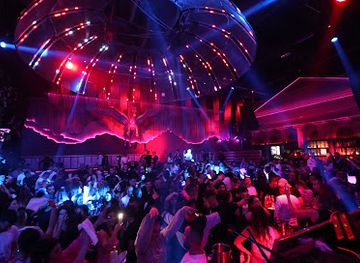
Dibër does not have a large nightclub circuit, and evening life is concentrated in cafés, restaurants and family-oriented venues in Peshkopi, Burrel, Bulqizë and the larger settlements. Coffee-drinking is an important part of daily social life, while evenings may include local beer, raki or conversation in modest bars rather than late-night clubbing. Peshkopi offers the widest choice of places to meet friends and eat after dark, with activity generally more noticeable at weekends and during warmer months. In rural areas, guesthouses and village restaurants provide a quieter evening centred on food, hospitality and views of the surrounding mountains. Seasonal celebrations and occasional cultural events can add entertainment, but they should be checked locally rather than assumed to follow a fixed visitor calendar.
-
Night club
Living Room Antik
Discover the heartbeat of Tirana's nightlife at Living Room Antik, where exceptional cocktails and vibrant ambiance meet.
-
Night club
Cinco Cavalli Premium Club
Discover the nightlife at Cinco Cavalli Premium Club, a top destination in Sauk, Albania, for thrilling music, dancing, and memorable experiences.
-
Night club
Sky Club
Sky Club in Tirana offers breathtaking views, vibrant nightlife, and an electrifying atmosphere, making it the ultimate destination for night owls.
-
Club
Magic Club
Discover the heart of Tirana's nightlife at Magic Club, where unforgettable music and vibrant energy await every night.


Best shops in Dibra
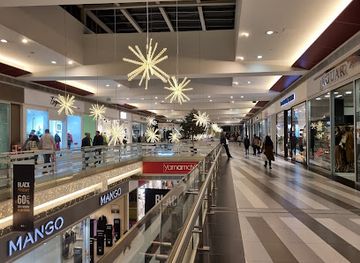
Shopping in Dibër is practical and local rather than centred on large retail complexes. Peshkopi has the widest selection of everyday shops, cafés, market stalls and small specialist retailers, while Burrel, Bulqizë and Klos serve their surrounding valleys. Open markets and village stalls are useful places to look for seasonal fruit, vegetables, honey, mountain herbs, dairy products and preserves, although availability depends on the time of year. Jufka and other locally made food products travel well when properly packaged, and guesthouses may sell or arrange regional produce directly. Traditional textiles, embroidered items and handmade household goods can sometimes be found through local families or craft sellers, but they are not stocked consistently like commercial souvenirs. Ask vendors about ingredients, preparation and storage, and carry cash for smaller purchases, particularly outside the county's main towns.
-
Shopping mall
Toptani
Explore Toptani Shopping Mall in Tirana for a unique blend of shopping, dining, and entertainment in a modern setting.
-
Shopping mall
TEG - Tirana East Gate
Explore Tirana East Gate, a vibrant shopping mall in Albania offering diverse brands, entertainment, and dining options in a modern atmosphere.
-
Shopping mall
QTU - Qendra Tregtare Univers
Explore QTU - the ultimate shopping destination in Tirana for fashion, food, and fun!
-
Shopping mall
Tirana Ring Center
Explore Tirana Ring Center, the ultimate shopping and entertainment destination in Tirana, Albania, featuring diverse brands, dining, and leisure activities.



Get your free copy of our complete guide to Dibra, delivered straight to you.
Everything on this page, from attractions and restaurants to essentials and local phrases, in one PDF you can read offline, print or share.
Already have an account? Sign in
Your Dibra guide is ready.
We'll send it to · Not you? Sign out

Getting your guide ready…
We are putting together a fresh copy of the Dibra guide. This can take up to a minute.
This can take a few moments. If your browser asks, choose Allow so the download can start. You'll find the guide in your Downloads folder.
Nothing happened? Download it again
Sorry, the guide is taking longer than usual. Please try again in a minute, or get it by email instead.
Dibra essentials
Currency and Payment
Safety
Emergency Situations
Do's and Don'ts
Local Tips
From Eve
Local phrases worth knowing
You don't need to get them perfect. A few words go a long way, and locals appreciate the effort.
Basics
| English | Local | Say it |
|---|---|---|
| Hello | Përshëndetje | [Për-shen-de-tje] |
| Goodbye | Mirupafshim | [Mi-ru-paf-shim] |
| Yes | Po | [Po] |
| No | Jo | [Yo] |
| Please/You're welcome | Të lutem/ S'ka përse | [Të lu-tem/ S'ka për-se] |
| Thank you | Faleminderit | [Fa-le-min-de-rit] |
| Excuse me/Sorry | Më falni/ Më vjen keq | [Më fal-ni/ Më vjen keq] |
| How are you? | Si jeni? | [Si ye-ni?] |
| Fine. And you? | Mirë. Edhe ti? | [Mir-ë. Ed-he ti?] |
| Do you speak English? | A flisni anglisht? | [A flis-ni an-glisht?] |
| I don't understand | Nuk kuptoj | [Nuk kup-toj] |
Eating & Drinking
| English | Local | Say it |
|---|---|---|
| I'd like to see the menu, please | Do doja të shihja menunë, ju lutem | [Do do-ja të shi-hja me-nu-në, ju lu-tem] |
| I don't eat meat | Nuk ha mish | [Nuk ha mish] |
| Cheers! | Gëzuar! | [Gë-zu-ar!] |
| I would like to pay, please | Do doja të paguaja, ju lutem | [Do do-ja të pa-gu-a-ja, ju lu-tem] |
Emergencies
| English | Local | Say it |
|---|---|---|
| Help! | Ndihmë! | [Ndi-hmë!] |
| Go away! | Shkoni larg! | [Sh-ko-ni larg!] |
| Call the Police! | Thirrni policinë! | [Thir-rni po-li-ci-në!] |
| Call a doctor! | Thirrni një mjek! | [Thir-rni një mjek!] |
| I'm lost | Jam i humbur | [Jam i hum-bur] |
| I'm ill | Jam i sëmurë | [Jam i së-murë] |
Shopping
| English | Local | Say it |
|---|---|---|
| I'd like to buy... | Do doja të bleja... | [Do do-ja të ble-ja...] |
| I'm just looking | Po shikoj | [Po shi-koj] |
| How much is it? | Sa kushton? | [Sa kushton?] |
| That's too expensive | Kjo është shumë e shtrenjtë | [Kjo është shumë e shtrenjtë] |
| Can you lower the price? | A mund të ulni çmimin? | [A mund të ul-ni ç-mi-n?] |
Time & Numbers
| English | Local | Say it |
|---|---|---|
| What time is it? | Sa është ora? | [Sa është o-ra?] |
| It's one o'clock | Është një orë | [Është një o-rë] |
| Half past (10) | Për gjysmë (10) | [Për gjys-më (10)] |
| Morning | Mëngjes | [Më-ngjes] |
| Afternoon | Pasdite | [Pas-di-te] |
| Evening | Mbrëmje | [Mbrëm-je] |
| Yesterday | Dje | [Dje] |
| Today | Sot | [Sot] |
| Tomorrow | Nesër | [Ne-sër] |
| 1 | Një | [Një] |
| 2 | Dy | [Dy] |
| 3 | Tre | [Tre] |
| 4 | Katër | [Ka-tër] |
| 5 | Pesë | [Pe-së] |
| 6 | Gjashtë | [Gjashtë] |
| 7 | Shtatë | [Shta-të] |
| 8 | Tetë | [Te-të] |
| 9 | Nëntë | [Nën-të] |
| 10 | Dhjetë | [Dhi-e-të] |
Transport & Directions
| English | Local | Say it |
|---|---|---|
| Where's a/the...? | Ku është një/...? | [Ku është një/...?] |
| What's the address? | Cila është adresa? | [Ci-la është a-dre-sa?] |
| Can you show me (on the map)? | A mund të më tregoni (në hartë)? | [A mund të më tre-go-ni (në har-të)?] |
| When's the next (bus)? | Kur është autobusi tjetër? | [Kur është au-to-bu-si tj-etër?] |
| A ticket (to ....) | Një biletë (për ...) | [Një bi-le-të (për ...)] |
History of Dibra
Ancient Illyrian and Dardanian Borderlands
The valleys and mountain corridors of Dibra belonged to the wider contact zone between Illyrian communities to the west and Dardanian and other Balkan populations to the east. Archaeological remains across north-eastern Albania point to prehistoric settlement, fortified hill sites and long-established movement through the Drin and Mat systems. Precise ancient political boundaries are difficult to reconstruct, but the region's position between the Adriatic hinterland and the interior Balkans made it a recurrent zone of exchange, migration and conflict.
Medieval Mountain Lordships and the Rise of Arbër
During the medieval period, Dibra was connected to the political worlds of Arbër, Macedonia and the wider Byzantine and later Serbian spheres. Fortified settlements, religious foundations and routes across the mountains supported local lordships whose authority varied from valley to valley. The region's rugged terrain helped preserve strong local identities while also making it strategically important. Medieval patterns of settlement and pastoral movement continued to influence the villages and routes that visitors encounter today.
The Kastrioti Sphere and Albania's National History
The broader Dibër and Mat area is closely associated with the Kastrioti family and the fifteenth-century resistance led by Gjergj Kastrioti, known as Skanderbeg. His principal political and military centres lay elsewhere, especially at Krujë, but the mountain districts around Mat and Dibër formed part of the northern Albanian world from which the Kastrioti power base emerged. The period remains central to Albanian historical memory, and local landscapes are often interpreted through the region's role in resisting Ottoman expansion.
Ottoman Rule and the Historic Dibra Region
Ottoman rule gradually incorporated Dibra into an administrative and economic system linking the eastern Albanian mountains with Macedonia and the wider empire. The historic region of Dibra extended across what is now the Albania–North Macedonia border, and movement between communities continued despite later political divisions. Islam became influential alongside older Christian traditions, while village agriculture, pastoralism, craft production and seasonal trade shaped daily life. Peshkopi and other valley settlements developed within this mixed religious and commercial environment.
National Awakening and the Border Settlement
During the nineteenth and early twentieth centuries, Albanian-language education, local leadership and resistance to imperial decline contributed to the wider national movement. The political settlement following the Balkan Wars and the creation of Albania left the historic Dibra region divided by an international frontier. This division altered administrative links and travel patterns but did not erase family, cultural and economic connections across the mountains. The border remains an important part of understanding Dibra's geography and identity.
Mining, State Modernisation and Contemporary Dibër
After the establishment of communist rule, the Albanian state expanded roads, public services and industrial activity in the mountain interior. Chromium mining transformed Bulqizë and became one of the defining economic forces of modern Dibër, bringing workers and infrastructure while also leaving a difficult environmental and social legacy. Elsewhere, collective agriculture and state forestry changed rural life. Since the end of communism, migration, remittances, private enterprise, tourism and renewed interest in mountain landscapes have reshaped the region, although many communities remain sparsely populated.
Dibra in Photos
Browse through our photo collection highlighting the charm and character of the destination.
Neighbouring regions of Dibra
The closest regions to Dibra, if you have time for more than one.
-

-

-

-

-


Swipe for more regions
Explore more

Explore more of Albania
Discover Albania: A land of untamed beauty, rich history, and warm hospitality, offering stunning beaches, rugged mountains, and vibrant cities.
Explore Albania