
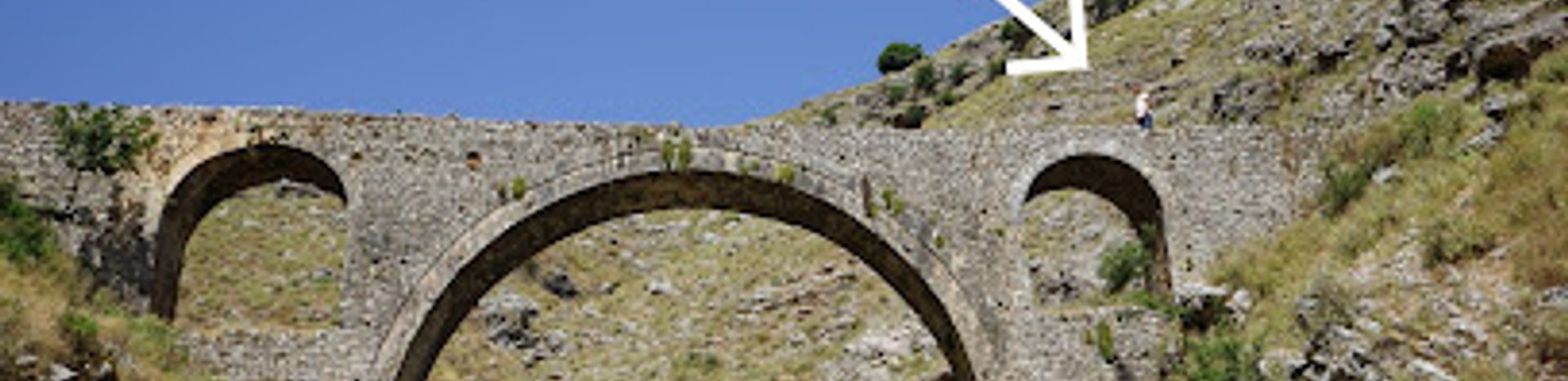
Ali Pasha Bridge: A Testament to Ottoman Engineering
Explore the historic Ali Pasha Bridge in Gjirokaster, a remnant of Ottoman engineering offering scenic views and a glimpse into Albania's past.
The Ali Pasha Bridge in Gjirokaster, Albania, is a remnant of a 19th-century aqueduct system commissioned by Ali Pasha of Tepelena to supply water to Gjirokaster Castle. This historic stone bridge offers a glimpse into the region's Ottoman past and provides stunning views of the surrounding landscape.
A brief summary to Ali Pasha Bridge
- 347J+VM5, Rruga Hito Lekdushi, Gjirokaster, AL
Local tips
- Visit early in the morning or late afternoon to avoid the midday heat, especially during summer months.
- Wear sturdy shoes as the path to the bridge can be steep and rocky.
- Bring water, especially if visiting during the warmer months, as there is little to no shade along the trail.
- Combine your visit with other nearby attractions such as Gjirokaster Castle and the Old Bazaar.

Getting There
-
Walking
From Gjirokaster's Old Town, follow the signs towards the Ali Pasha Bridge or Aquaduct. The walk is approximately 30 minutes and involves a steep uphill climb through the city streets and a final descent to the bridge. The route is along Rruga Hito Lekdushi. There are no entrance fees to access the bridge.
-
Public Transport
Take a local bus from Gjirokaster to the village of Lazarat. The bus ride takes about 30 minutes and costs approximately 100 ALL. From Lazarat, you can walk towards the bridge, which takes about 20 minutes. Alternatively, you can hire a local taxi in Lazarat for a short ride to the bridge, costing around 500 ALL.
-
Driving
If driving from the center of Gjirokaster, head northwest on Rruga Hito Lekdushi. Follow this road for approximately 15 minutes until you reach the Ali Pasha Bridge. There is a small parking area near the bridge. Parking is generally free, but availability may be limited.
Discover more about Ali Pasha Bridge
Iconic landmarks you can’t miss

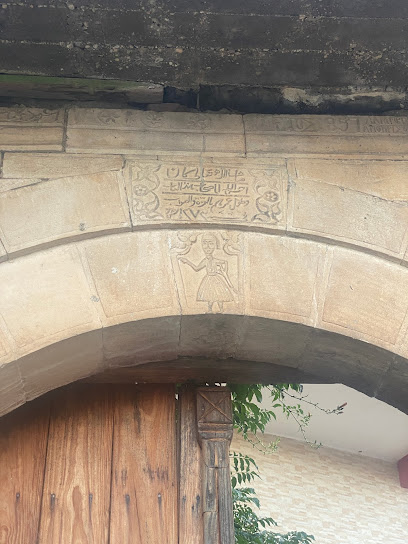
Loloci Gate
0.5 km
Experience the rich history of Loloci Gate, an iconic landmark in Gjirokaster, Albania, where culture and stunning architecture meet.
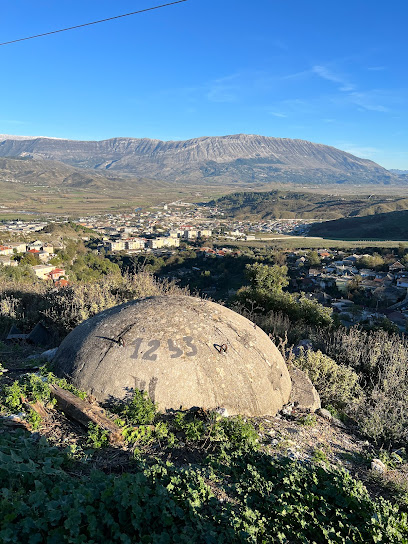
Bunker
0.8 km
Explore the Bunker in Gjirokaster, a historical landmark that unveils the rich and tumultuous history of Albania's communist era.
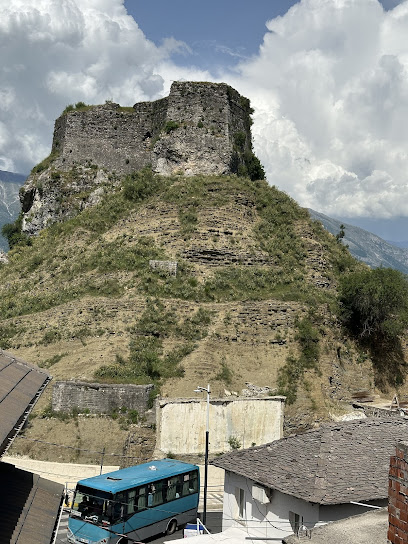
Taverna Lani
0.9 km
Experience authentic Albanian flavors at Taverna Lani in Gjirokastër. Fresh, local ingredients and traditional recipes create an unforgettable dining experience.
Guest House Urat
0.9 km
Discover the charm of Gjirokaster at Guest House Urat, where comfort meets culture in the heart of Albania's UNESCO World Heritage site.

Hotel Bebej Tradicional
0.9 km
Experience authentic Albanian hospitality in the heart of Gjirokastër at Hotel Bebej Tradicional. Comfort and tradition await!
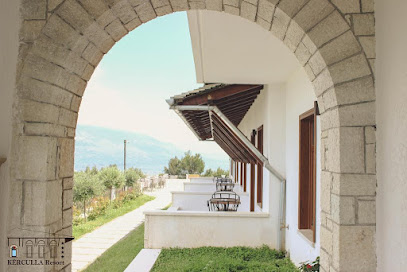
Resort Kerculla
0.9 km
Escape to Resort Kerculla in Gjirokaster: Experience tranquility, explore history, and indulge in Albanian hospitality. Your perfect getaway awaits!
Old town
1.1 km
Explore Gjirokastër's Old Town: a UNESCO-listed 'City of Stone' with Ottoman architecture, a hilltop castle, and a vibrant bazaar.
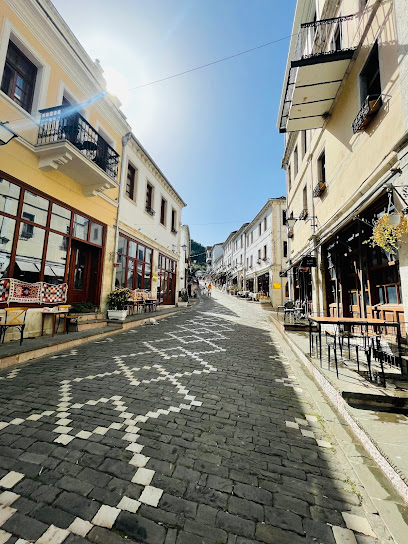
Hotel Old Bazaar 1970
1.1 km
Experience authentic Albanian hospitality in the heart of Gjirokastër's Old Bazaar, a UNESCO World Heritage site steeped in history and culture.
Hotel Old Bazaar 1790
1.1 km
Experience the charm of Gjirokastër at Hotel Old Bazaar 1790: Traditional Ottoman architecture, modern comforts, and a perfect location await!
Bashteja e Teqesë
1.1 km
Explore Bashteja e Teqesë in Gjirokaster: A journey through Albania's rich history, showcasing stunning stonework and panoramic views.
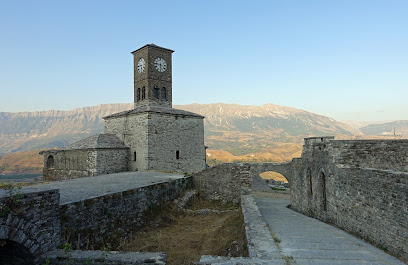
Taverna Murgana
1.1 km
Experience authentic Albanian cuisine in a charming setting with stunning views at Taverna Murgana, Gjirokastër. A culinary gem!
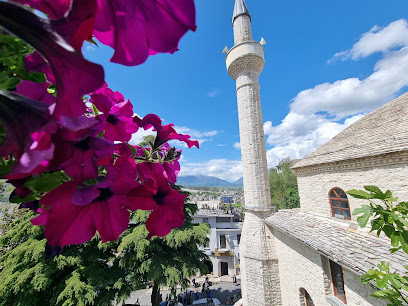
Girokastra
1.2 km
Discover the enchanting charm of Girokastra, a UNESCO World Heritage site showcasing Albania's rich history and stunning Ottoman architecture.
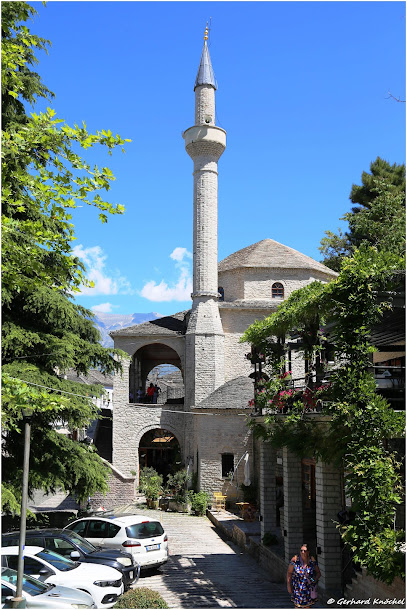
Xhamia e Pazarit
1.2 km
Discover the serene beauty and rich history of Xhamia e Pazarit, an Ottoman-era mosque in the heart of Gjirokastër's Old Bazaar.
Silver Hill Guesthouse
1.2 km
Experience comfort and culture at Silver Hill Guesthouse in Gjirokastër's Old Town, with stunning views and easy access to historic attractions.
Kore Guest House
1.2 km
Experience authentic Albanian hospitality in a historic Gjirokastër guest house with stunning views and a central location for exploring the Stone City.
Unmissable attractions to see

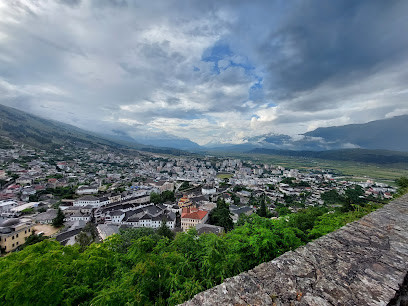
View point
1.0 km
Experience breathtaking panoramic views of Gjirokaster's unique Ottoman architecture and rich history from this must-see vantage point.
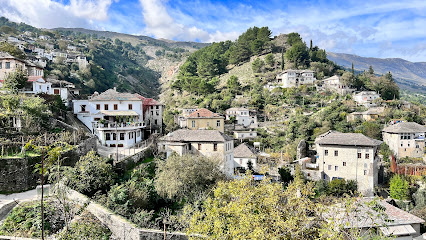
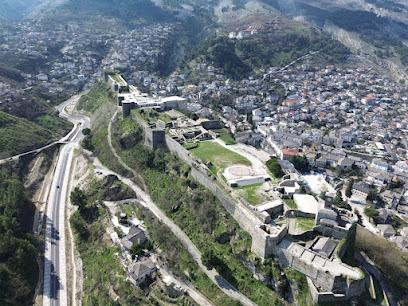
Castle of Gjirokastra
1.1 km
Explore the imposing Castle of Gjirokastra, a Balkan fortress with centuries of Albanian history, museums, and panoramic views of the Drino Valley.
Zekate house & outdoor cozy bar
1.1 km
Explore Zekate House in Gjirokastër: A stunning Ottoman-era tower house offering a glimpse into Albania's rich history and architectural heritage.
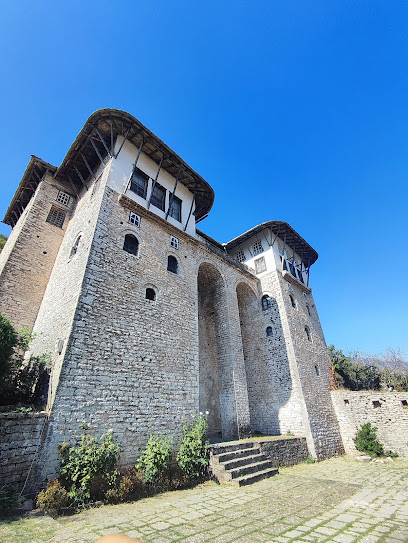
Gjirokastër Museum
1.1 km
Explore Albania's rich history and cultural heritage at the Gjirokastër Museum, nestled within the historic Gjirokastër Castle.
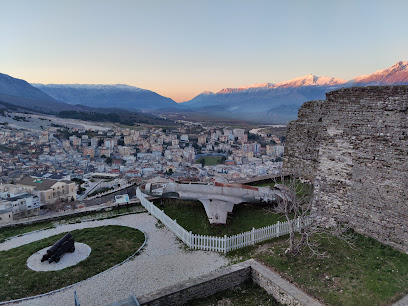
Muzeu i Armëve
1.2 km
Explore the rich military history of Albania at the Museum of Arms in Gjirokaster, showcasing a remarkable collection of artifacts and weaponry.
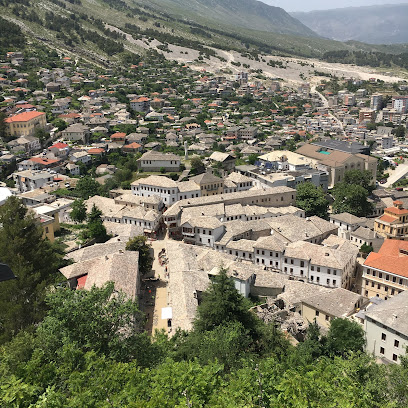
Nostagia Tunnel
1.2 km
Step back in time at Gjirokaster's Nostalgia Tunnel, an immersive museum showcasing the city's rich history and cultural heritage.
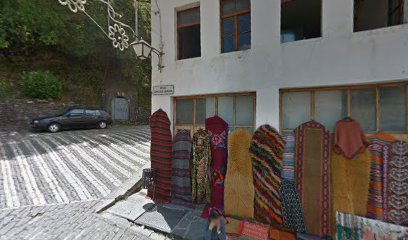
Qafa e Pazarit
1.2 km
Explore Qafa e Pazarit in Gjirokastra: a vibrant historical landmark with artisan shops, Ottoman architecture, and authentic Albanian culture.
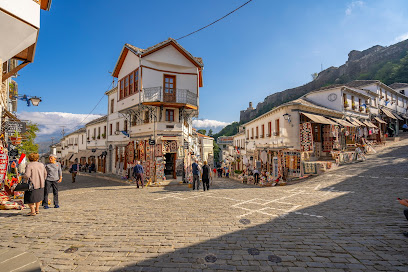
GJIROKASTER, Skënduli House
1.2 km
Explore the rich history and architecture of 19th-century Gjirokastër at the beautifully preserved Skënduli House, an Ottoman-era gem.
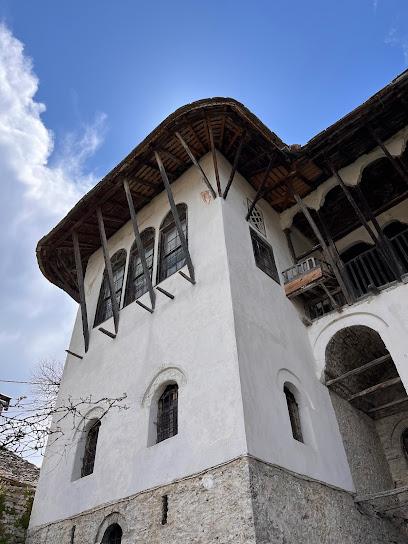
Ethnographic Museum
1.2 km
Explore the Ethnographic Museum in Gjirokastër, Albania, to experience the heart of Albanian cultural heritage and history.
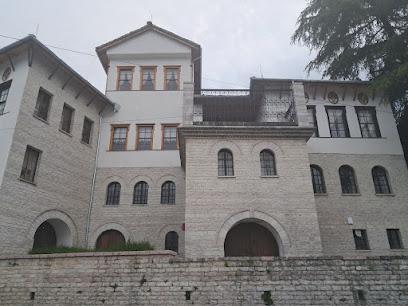
Rruga Sokaku i te Mareve
1.3 km
Explore Gjirokastër, Albania's historic jewel, renowned for its stunning Ottoman architecture, rich culture, and breathtaking mountain scenery.
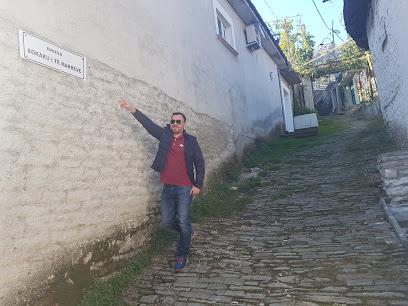
Rruga Palorto
1.3 km
Discover Gjirokastër, Albania - a UNESCO World Heritage site with stunning Ottoman architecture, rich culture, and breathtaking landscapes.
Tunel
1.3 km
Explore Gjirokastra's Cold War Tunnel: An underground glimpse into Albania's communist past and Enver Hoxha's paranoia.
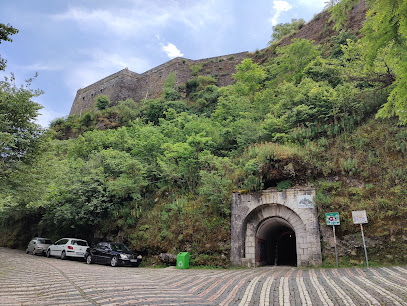
Ismail Kadare's House
1.3 km
Explore the childhood home of Albania's celebrated author, Ismail Kadare, and delve into the world of 'Chronicle in Stone' in Gjirokastër.
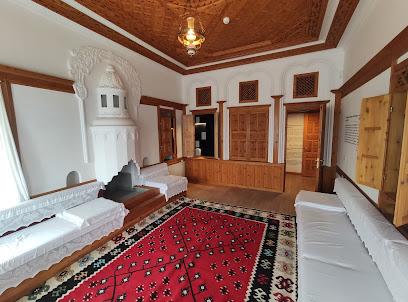
Skena e Festivalit Folklorik Gjirokastër
1.4 km
Experience Albania's vibrant cultural heritage at the Stage of the Folkloric Festival in Gjirokastër, a UNESCO World Heritage city.
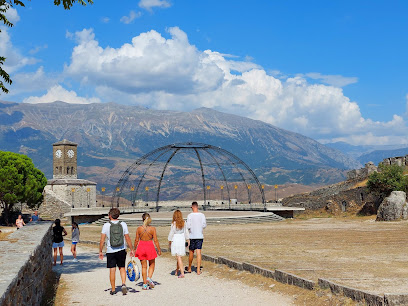
The cold war tunnel
1.4 km
Explore Gjirokastër's Cold War Tunnel: A subterranean journey into Albania's communist past, revealing secrets of a paranoid era.
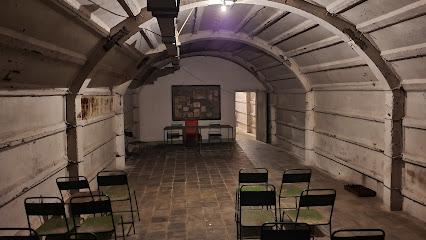
Essential places to dine

Taverna Brahimi
0.8 km
Discover authentic Albanian cuisine at Taverna Brahimi in Gjirokaster – where tradition meets flavor in a cozy atmosphere.
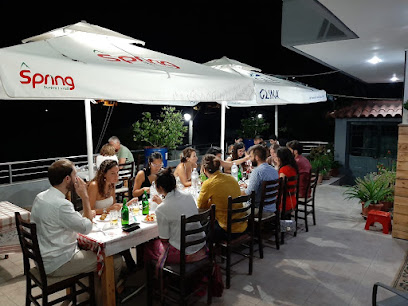
Taverna Tradicionale KARDHASHI
0.9 km
Experience authentic Albanian cuisine in Gjirokastra at Taverna Tradicionale KARDHASHI - where tradition meets flavor.
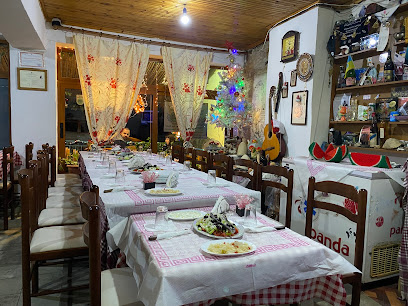
Te Kalaja Restaurant & Rooms
0.9 km
Discover authentic Albanian flavors at Te Kalaja Restaurant & Rooms in Gjirokaster—where great food meets stunning views.
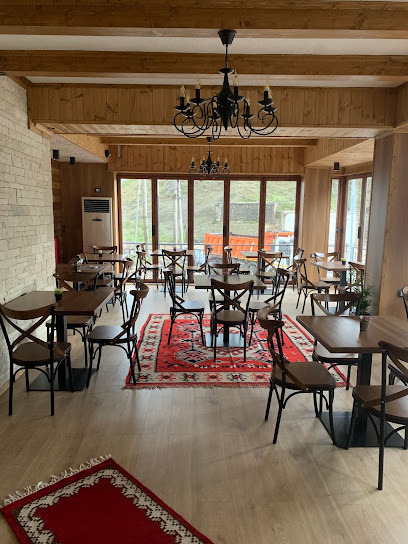
Restorant Tradicional Urat
0.9 km
Experience authentic Albanian flavors at Restorant Tradicional Urat in Gjirokaster - where tradition meets taste in a charming setting.
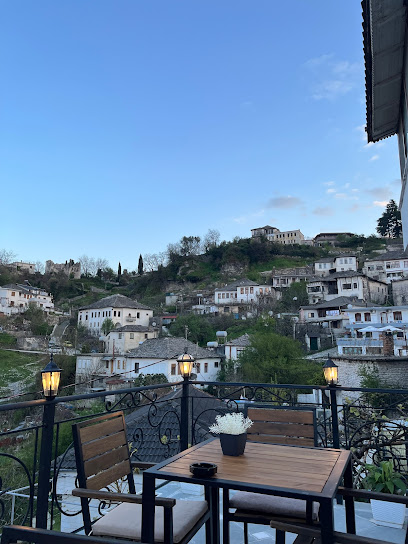
“Castle View” Grill
1.0 km
Experience culinary delights at Castle View Grill while enjoying breathtaking views of Gjirokastra's historic castle.
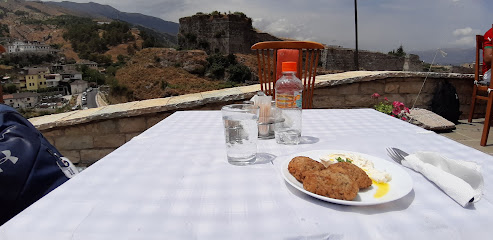
Taverna Panorama Zhuli
1.0 km
Experience authentic Albanian cuisine with breathtaking views at Taverna Panorama Zhuli in Gjirokaster.
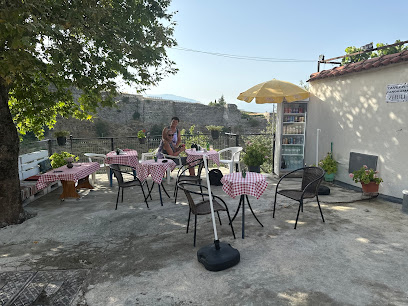
Taverna Kuka
1.1 km
Discover authentic Albanian flavors at Taverna Kuka in Gjirokaster - where tradition meets taste.
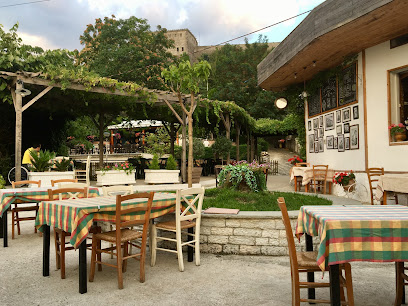
Checkin-Restaurant & Pizzeri
1.1 km
Experience authentic Albanian flavors at Checkin-Restaurant & Pizzeri in picturesque Gjirokaster - a culinary gem not to be missed!
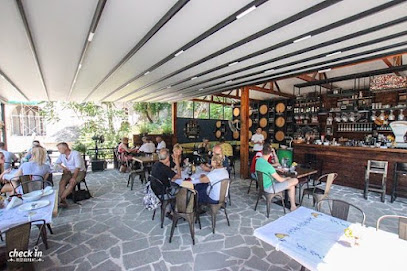
Taverna Tradicionale Sokolli
1.1 km
Experience authentic Albanian cuisine at Taverna Tradicionale Sokolli in Gjirokaster - where tradition meets taste!
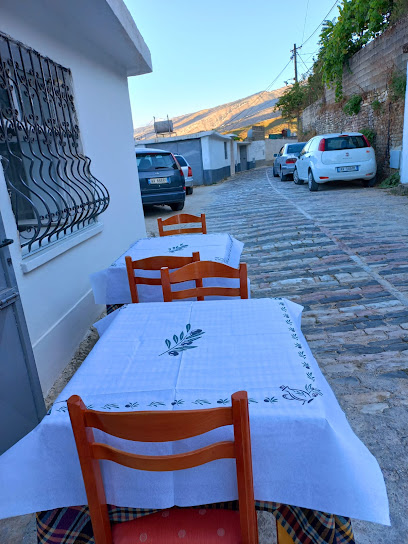
Restorant La Famiglia
1.1 km
Experience authentic Albanian cuisine at Restorant La Famiglia in Gjirokaster – where every dish tells a story.
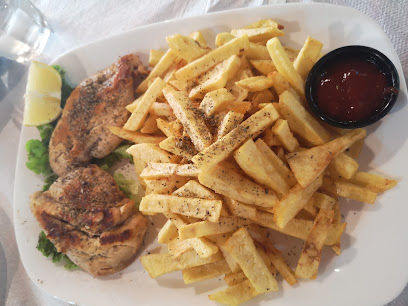
ETNO
1.2 km
Experience authentic Albanian cuisine at ETNO, where traditional flavors meet warm hospitality in beautiful Gjirokastra.
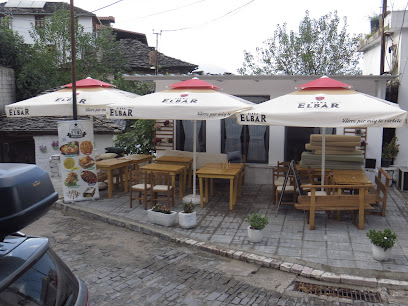
SIMPLE RESTAURANT
1.2 km
Experience the rich flavors of Albania at Simple Restaurant in Gjirokaster - a culinary delight for every traveler.
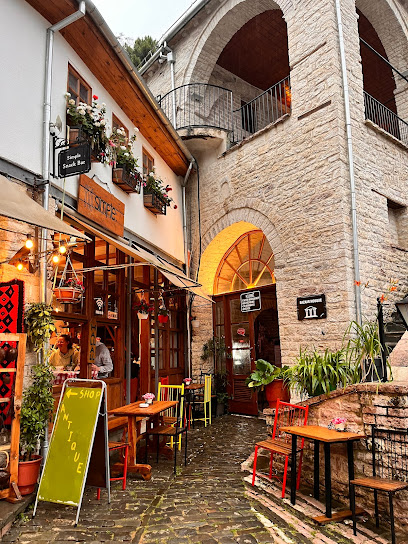
Rumors Restaurant Lounge
1.2 km
Discover exquisite Albanian cuisine at Rumors Restaurant Lounge in Gjirokaster – where tradition meets modern dining.
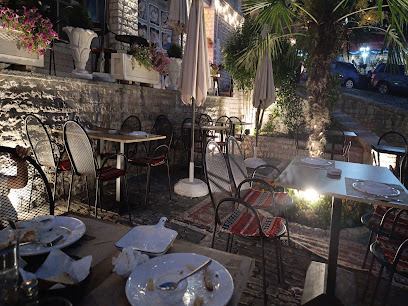
Furra Restaurant & Rooms
1.2 km
Discover authentic Albanian cuisine at Furra Restaurant & Rooms in Gjirokaster – where tradition meets taste in a charming setting.
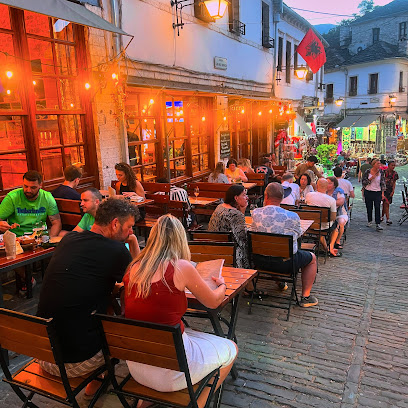
Restaurant Tradicional Odaja
1.2 km
Discover authentic Albanian flavors at Restaurant Tradicional Odaja in Gjirokaster - a culinary gem offering traditional dishes in a welcoming atmosphere.
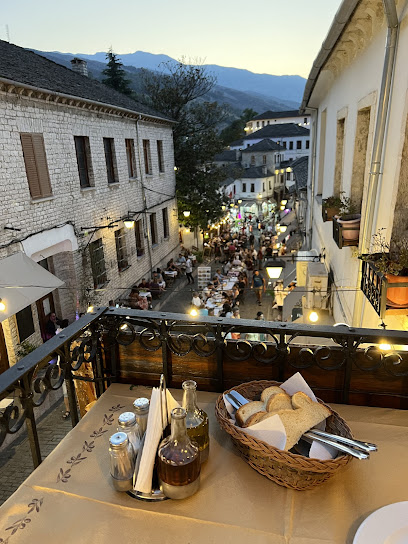
Markets, malls and hidden boutiques

Soni Photo Video
1.1 km
Experience the beauty of Gjirokaster through stunning photography and professional video editing at Soni Photo Video, your local expert in capturing memories.
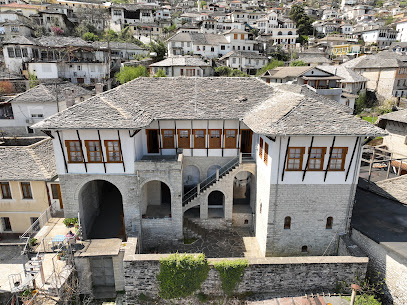
Antigonea 2000
1.1 km
Experience the rich flavors of Albanian baked goods at Antigonea 2000, Gjirokaster's beloved bakery, famed for its artisan pastries and breads.
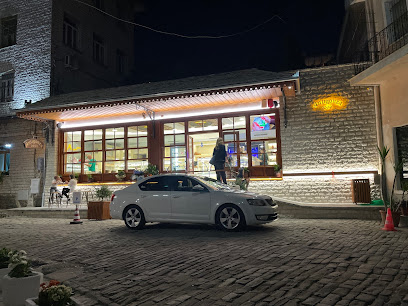
Fast Food Sara
1.2 km
Experience the vibrant flavors of Gjirokaster at Fast Food Sara, where quick bites meet Albanian culinary traditions in a cozy atmosphere.
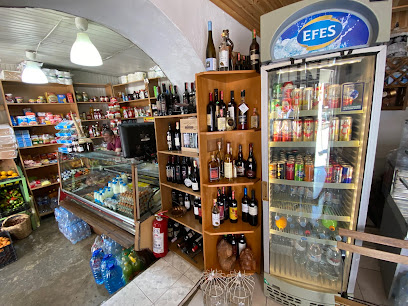
Kodra Sweet hill
1.2 km
Experience the sweetness of Kodra Sweet Hill, a delightful ice cream shop in Gjirokastra, Albania, offering a variety of flavors amidst stunning scenic views.
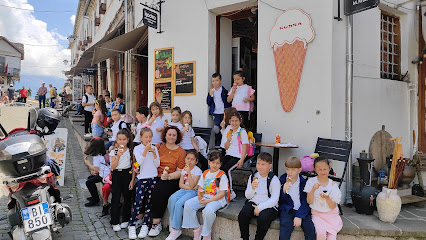
Antique Shop
1.2 km
Explore Gjirokastra's Antique Shop for unique treasures that echo the rich history and culture of Albania, perfect for souvenirs and gifts.
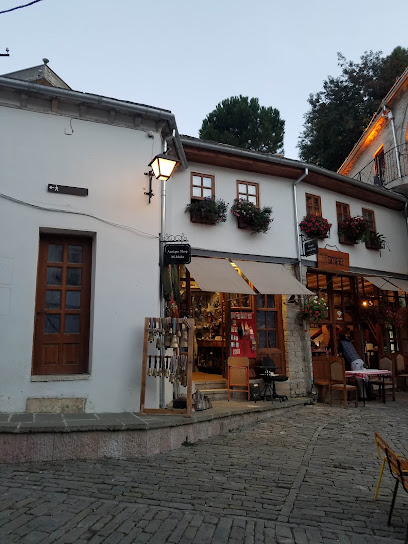
Take a memory
1.2 km
Explore handcrafted treasures at 'Take a Memory' in Gjirokaster, offering unique souvenirs that embody the charm and culture of Albania.
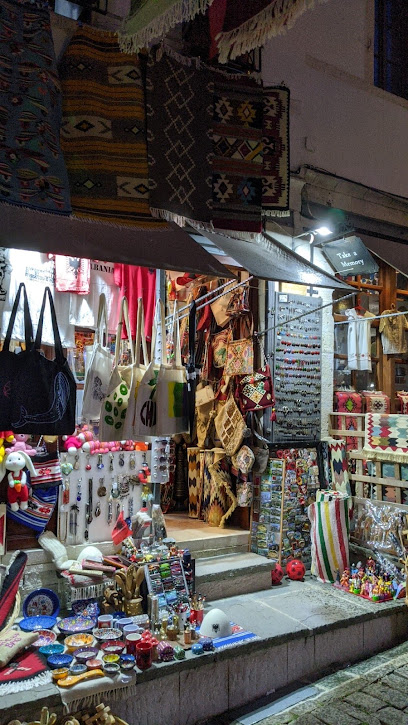
Souvenir Gjirokastra
1.2 km
Explore the charm of Gjirokastra with unique souvenirs that celebrate Albanian culture and craftsmanship.
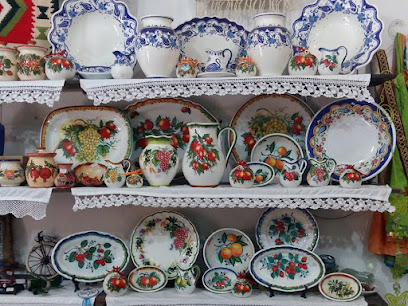
Mozaik Antik Gjirokaster
1.2 km
Explore a treasure trove of history at Mozaik Antik Gjirokaster, where unique antiques and vintage finds await in Albania's UNESCO gem.
Jona Souvenir
1.2 km
Explore Jona Souvenir in Gjirokaster for authentic Albanian crafts and unique treasures that embody the rich culture and heritage of Albania.
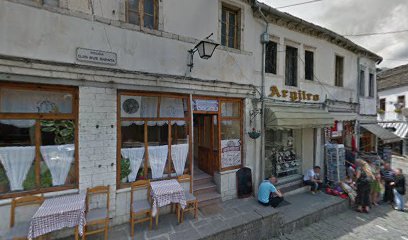
SOUVENIR AL KETA
1.2 km
Discover authentic Albanian crafts and gifts at Souvenir Al Keta, the heart of Gjirokaster's artisanal culture.
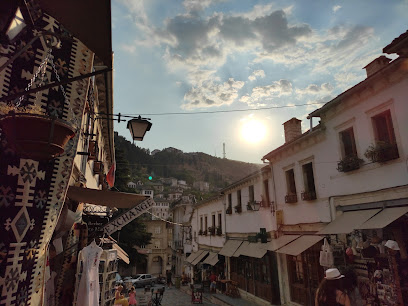
Edua Gjirokaster
1.2 km
Experience the best of Albanian cuisine at Edua Gjirokaster, where healthy dining meets vibrant local culture in a charming setting.
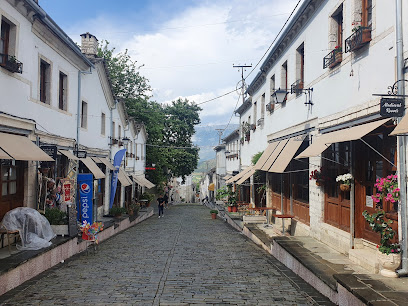
Artisan Shop
1.2 km
Discover authentic Albanian handmade crafts at the Artisan Shop in Gjirokaster, a must-visit destination for unique souvenirs.
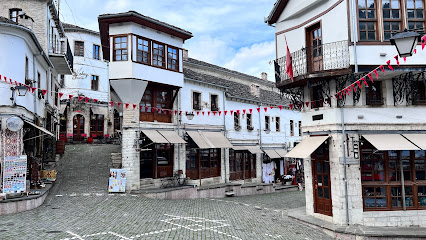
Aquila Liquori A&N GLAUK
1.2 km
Discover the essence of Albanian culture at Aquila Liquori, a family-run liquor store in Gjirokaster offering a selection of local and international beverages.
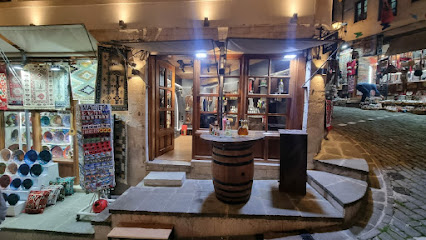
Pirpiri
1.2 km
Explore the rich tradition of Albanian embroidery at Pirpiri in Gjirokaster, where craftsmanship meets culture in every stitch.
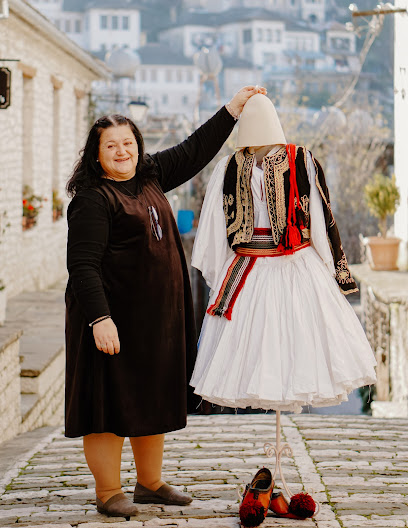
Alma Souvenir
1.2 km
Discover unique gifts and authentic Albanian crafts at Alma Souvenir in Gjirokaster, a perfect stop for memorable souvenirs.
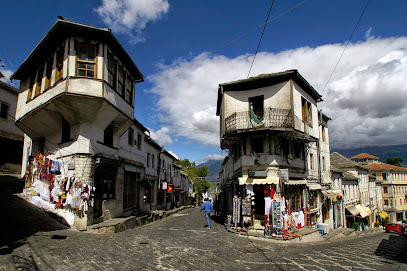
Essential bars & hidden hideouts

Bar cafe çoçoli
1.2 km
Experience the vibrant atmosphere of Bar Cafe Çoçoli in Gjirokaster, where local culture meets delightful refreshments.
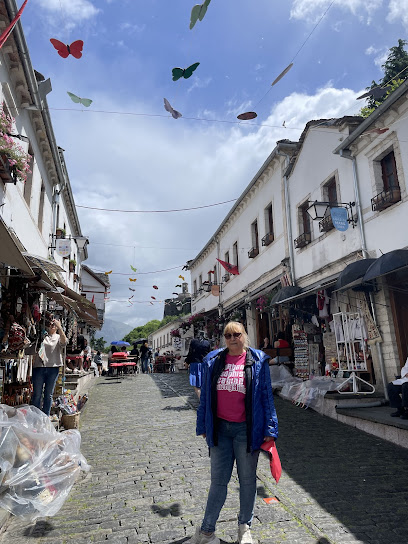
Grey Stone Bar
1.2 km
Experience Gjirokaster's nightlife at Grey Stone Bar, a vibrant spot for drinks, local culture, and unforgettable social moments.
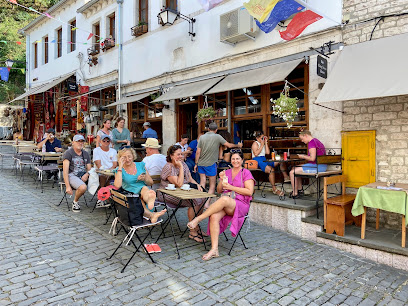
Bar Cafè Kotoni
1.2 km
Discover the vibrant atmosphere of Bar Cafè Kotoni, a must-visit bar in Gjirokaster for relaxing drinks and local charm.
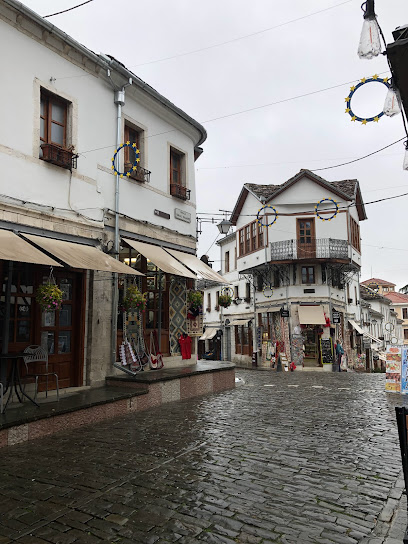
Old Town 13
1.2 km
Experience authentic Albanian flavors at Old Town 13, Gjirokaster's culinary gem offering delicious grilled dishes and a vibrant bar atmosphere.
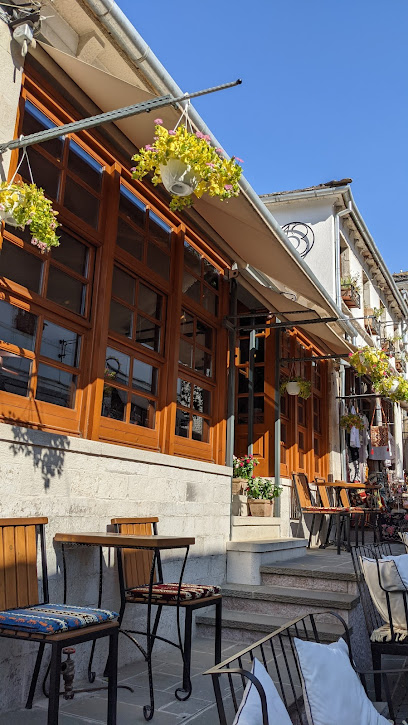
Gallery Irish Pub
1.2 km
Discover the vibrant spirit of Ireland at Gallery Irish Pub in Gjirokaster, where delightful drinks, live music, and warm hospitality await.
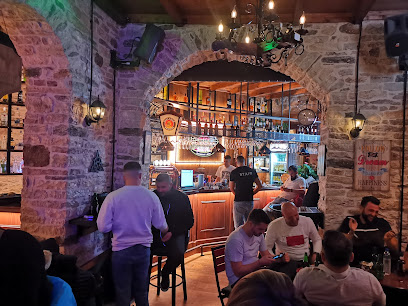
Komiteti Bar - Gjirokastër
1.2 km
Discover the lively Komiteti Bar in Gjirokastër, where traditional charm meets vibrant nightlife in a welcoming atmosphere.
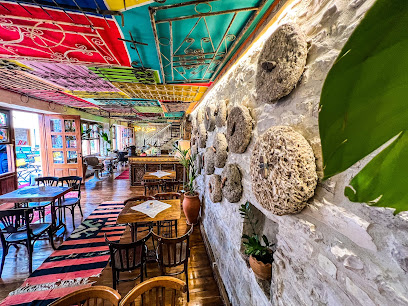
Babameto 2 - Cocktail Bar & Restaurant
1.2 km
Discover Babameto 2 in Gjirokaster, where vibrant cocktails meet delicious cuisine in a lively setting, perfect for all times of the day.
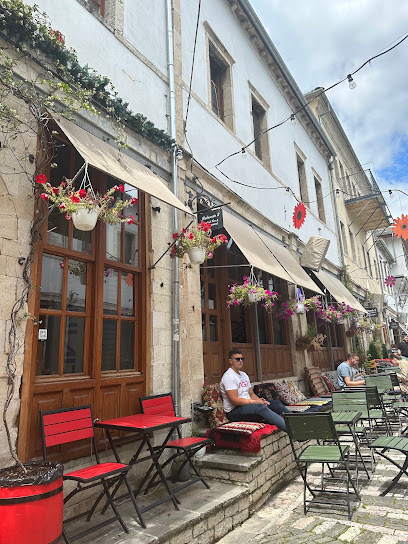
The Black Rose Pub
1.3 km
Experience the authentic taste of Albanian cuisine at The Black Rose Pub, Gjirokaster's top grill and bar destination.
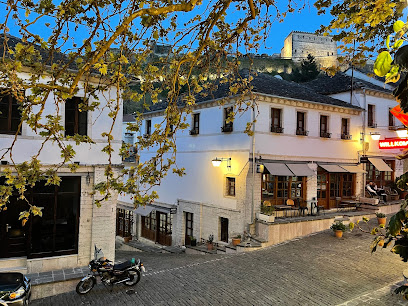
O’clock
1.3 km
Discover the charm of O’clock in Gjirokaster, where refreshing drinks meet a vibrant atmosphere, perfect for unwinding and connecting with friends.
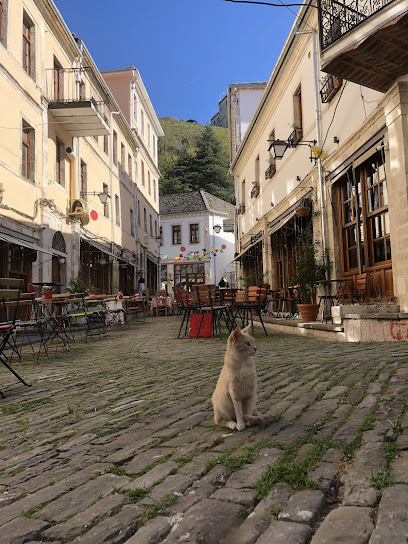
Bukowksi Bar Gjirokaster
1.4 km
Discover the vibrant nightlife at Bukowksi Bar in Gjirokaster, where unique decor meets an extensive drink menu for an unforgettable experience.
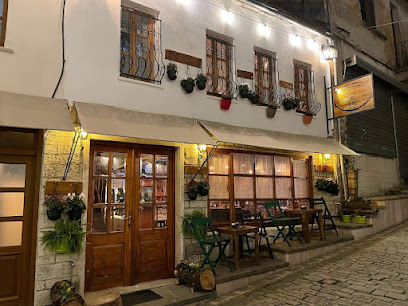
Classic Coffee Bar
1.7 km
Experience the rich flavors of Gjirokaster at Classic Coffee Bar, where every sip of coffee is a journey through Albanian culture.
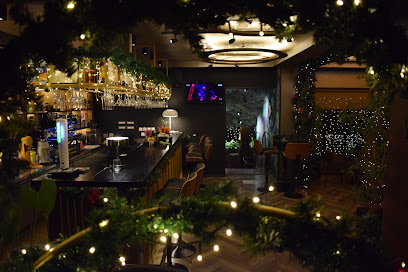
Kastro bar
1.7 km
Experience the vibrant nightlife of Gjirokaster at Kastro Bar, where tradition meets modernity in a cozy atmosphere with exquisite drinks.
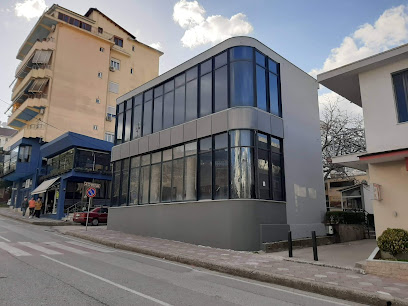
Bar Shtaka
1.8 km
Experience the heart of Gjirokaster at Bar Shtaka, where local flavors and a vibrant atmosphere come together for an unforgettable visit.
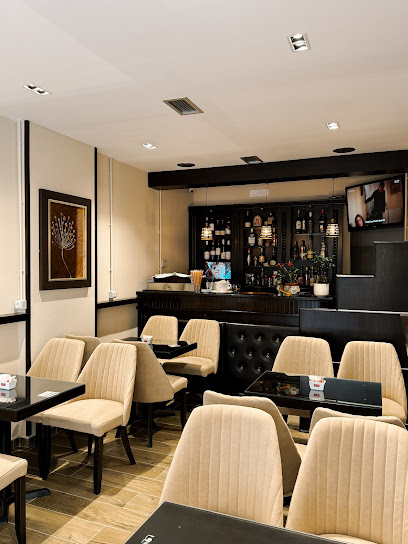
Bar Center
1.8 km
Experience the vibrant atmosphere of Bar Center in Gjirokaster, where friendly service and local flavors await you.
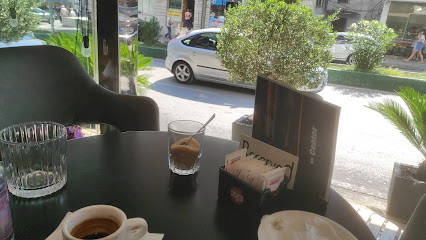
Oazi Bar
2.3 km
Experience the authentic Albanian nightlife at Oazi Bar, a local favorite in Gjirokaster offering delightful drinks and a welcoming atmosphere.
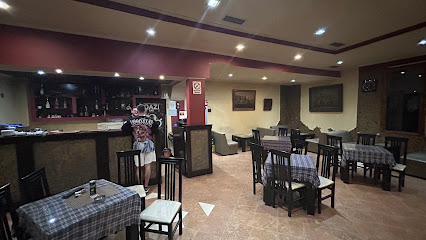
Nightclubs & after hour spots

Mystic Night Club
1.2 km
Dive into the vibrant nightlife of Gjirokastër at Mystic Night Club, where electrifying music and unforgettable experiences await every party-goer.
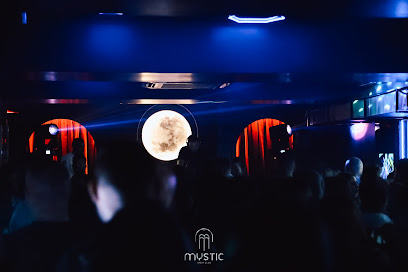
4 Elements Night Clubs ( Strip Club )
23.6 km
Discover the electrifying nightlife at 4 Elements Night Club in Sarandë, where vibrant performances and an unforgettable atmosphere await.
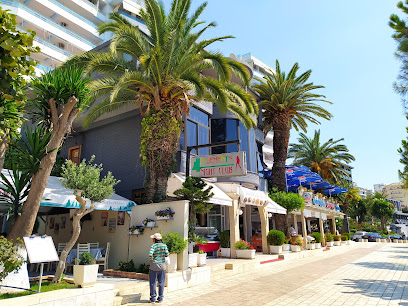
Tipsy drinks and more
23.7 km
Discover the vibrant cocktail culture at Tipsy Drinks and More, where stunning views and expertly crafted drinks create an unforgettable experience in Sarandë.
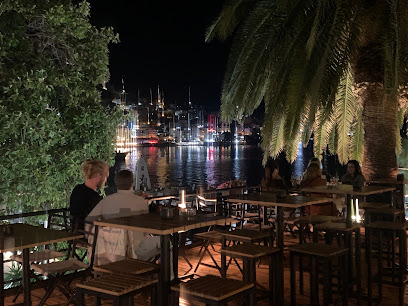
Orange Club Sarande
23.8 km
Experience the electric nightlife of Orange Club Sarande, where music, cocktails, and stunning coastal views create unforgettable memories.
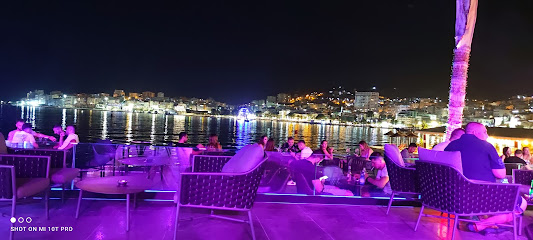
City Lounge
23.8 km
Discover the vibrant atmosphere of City Lounge, Sarandë's premier cocktail bar, where exquisite drinks meet stunning coastal views.
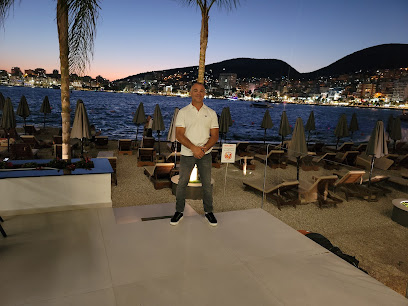
New Space
23.9 km
Experience the vibrant nightlife of Sarandë at New Space, where cocktails, music, and great company create unforgettable moments.
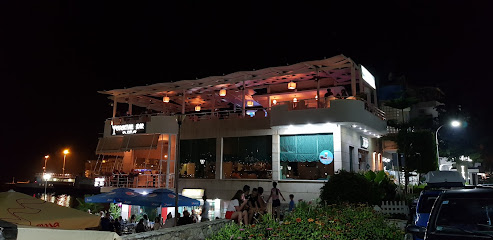
Cocktail Bar Rei
23.9 km
Experience stylish cocktails with stunning sea views at Cocktail Bar Rei in Sarandë, Albania - the perfect spot for relaxation and nightlife.
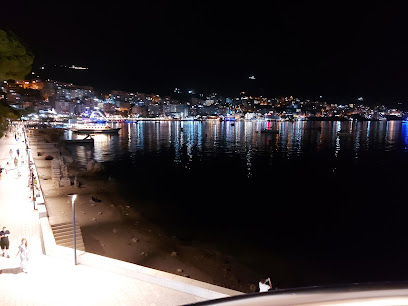
Demi Lounge
23.9 km
Experience the vibrant nightlife of Sarandë at Demi Lounge, a stylish retreat for exquisite cocktails and live music by the beautiful Albanian coast.
Difi Live Music
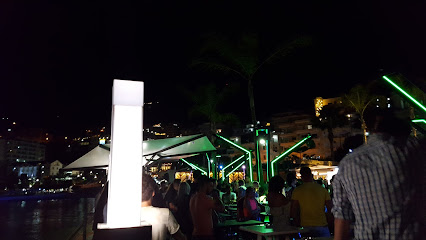
24.0 km
Discover the vibrant nightlife of Sarandë at Difi Live Music, where great music meets an electric atmosphere for an unforgettable experience.
Factory Night Club
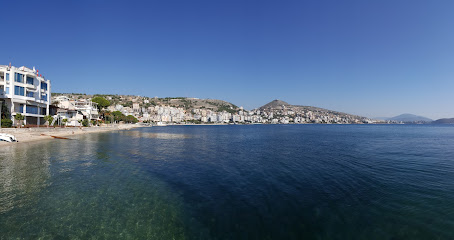
24.5 km
Discover the vibrant Factory Night Club in Sarandë, where unforgettable nights filled with music, dancing, and fun await.
Mango Club
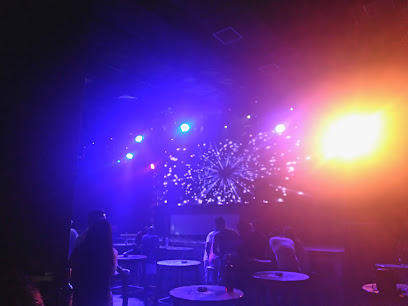
25.3 km
Experience the heartbeat of Sarandë's nightlife at Mango Club, where vibrant energy meets breathtaking views and unforgettable moments.
Nightclub STIL
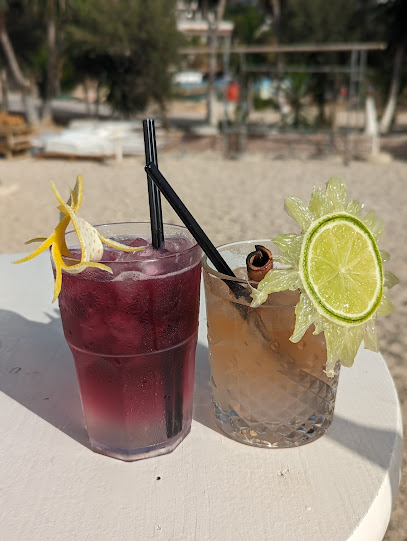
26.6 km
Unleash your spirit at Nightclub STIL, the ultimate nightlife destination in Përmet, Albania, where music and fun collide for an unforgettable evening.
Bar Grand
26.6 km
Discover the charm of Bar Grand, a historic cafe in the heart of Përmet, Albania, where local flavors and warm hospitality await.
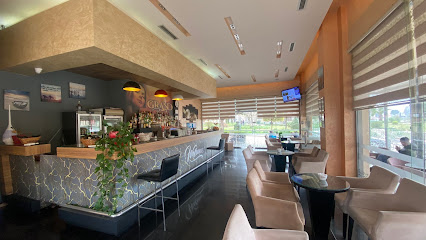
Pallati i Policave
27.0 km
Experience the vibrant nightlife of Albania at Pallati i Policave, a premier night club in Përmet offering music, dancing, and unforgettable moments.
Xub Pasha Tepelena
28.2 km
Discover the vibrant spirit of Tepelenë at Xub Pasha Tepelena, where local culture meets breathtaking views in a lively bar setting.


