Ali Pasha Bridge, Gjirokaster Travel Guide
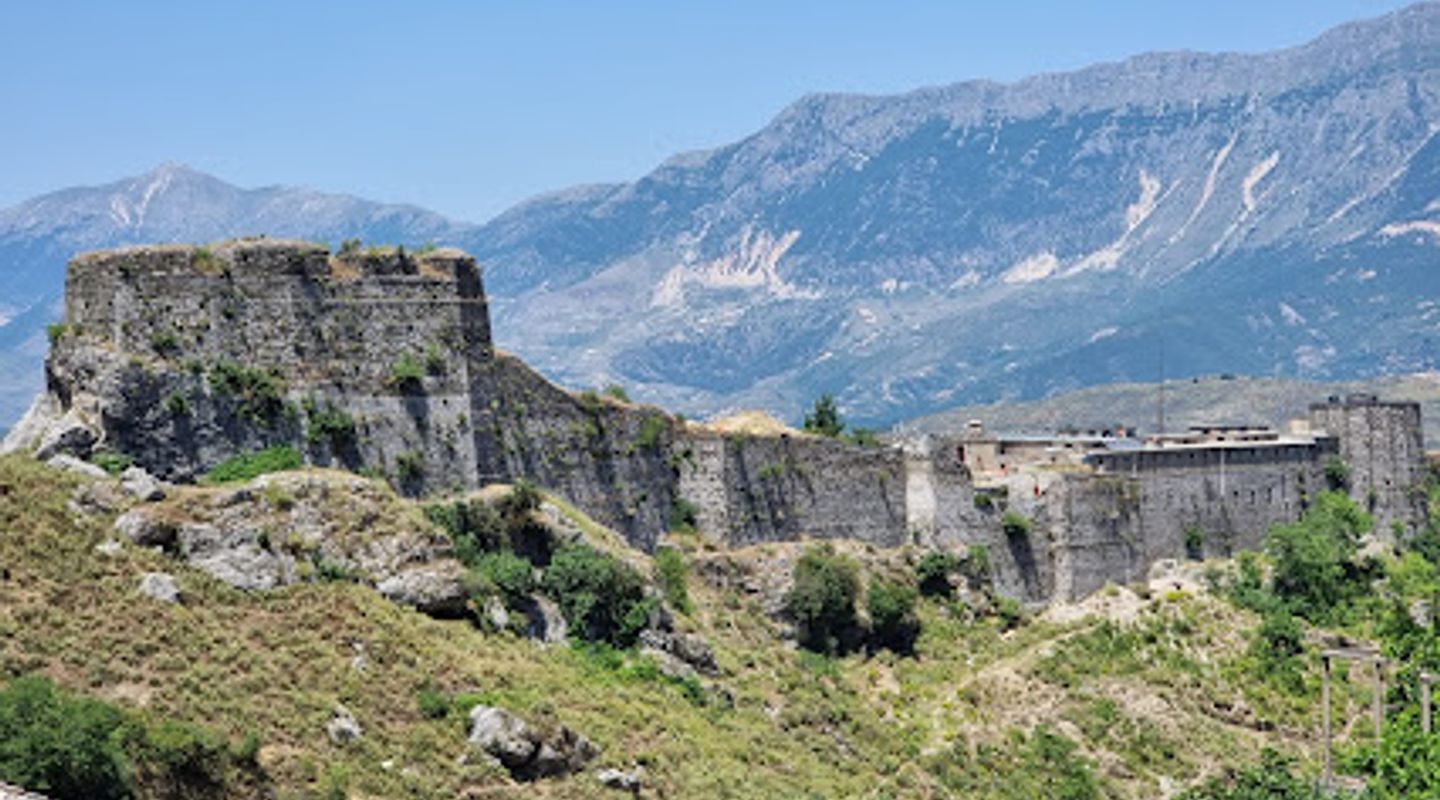
Discover the historic Ali Pasha Bridge in Gjirokaster, a picturesque stone structure with Ottoman-era origins and stunning natural surroundings.
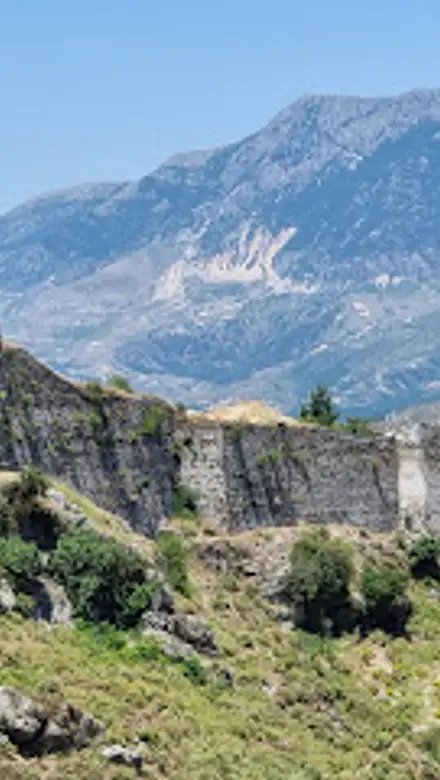
The Ali Pasha Bridge, near Gjirokaster, Albania, is a historic stone bridge that was once part of an aqueduct system commissioned by Ali Pasha in the early 19th century to supply water to Gjirokaster Castle. Today, it stands as a picturesque landmark and a testament to Ottoman-era engineering.
A brief summary to Ali Pasha Bridge
- 347J+VM5, Rruga Hito Lekdushi, Gjirokaster, AL

Know before you go
Hi, I'm Eve. Here are a few practical things to know before exploring Ali Pasha Bridge.
- Wear sturdy shoes for the walk to the bridge, as the trail can be steep and rocky.
- Visit early in the morning or late in the afternoon to avoid the heat, especially during summer.
- Bring water and snacks, as there are no shops or restaurants near the bridge.
Do you manage this location?
Take control to get all the benefits, like improved information, better appearance, and stronger visibility across AI-powered discovery. Learn more about listing your business on Evendo
Activate your presenceOther nearby places you may find interesting
The closest places of the same kind, if this one is not quite what you had in mind.
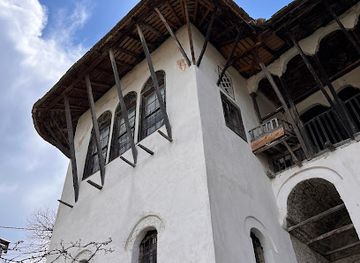
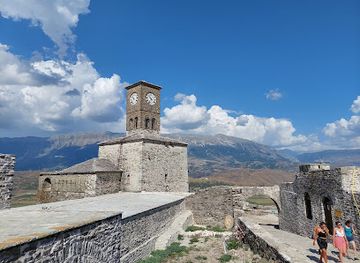
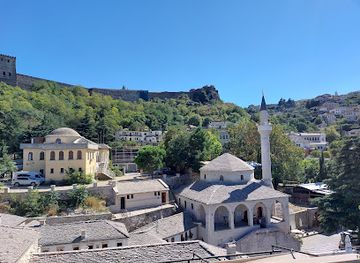
Explore Ali Pasha Bridge on the Map
A handpicked selection of must-see spots near Ali Pasha Bridge, mapped for you.
Unlock the Best of Ali Pasha Bridge
Buy tickets
-
No tickets available
Book tours with entry


Book tours without entry
-
No tours available
Getting There
-
Walking
From Gjirokaster Bazaar, the Ali Pasha Bridge is approximately a 30-minute walk. The route involves walking uphill through a residential district before reaching a lookout over the valley. Follow the paved streets out of the city center, then continue onto the smaller path leading to the bridge. The trail splits; the left side leads to the lower part of the bridge, while the right side goes to the top.
-
Taxi
Taxis are available in Gjirokaster and can take you closer to the trailhead, saving you about 20 minutes of walking. A taxi ride from the city center to the vicinity of the bridge will cost approximately 500-700 ALL. From there, it's a short walk to the bridge.
Discover more about Ali Pasha Bridge













Your all‑in‑one travel companion app
Explore expert travel guides, compare and book tours, experiences, hotels, and more—all from the palm of your hand. Download now for seamless trip planning wherever your wanderlust takes you.


Explore More of Gjirokaster
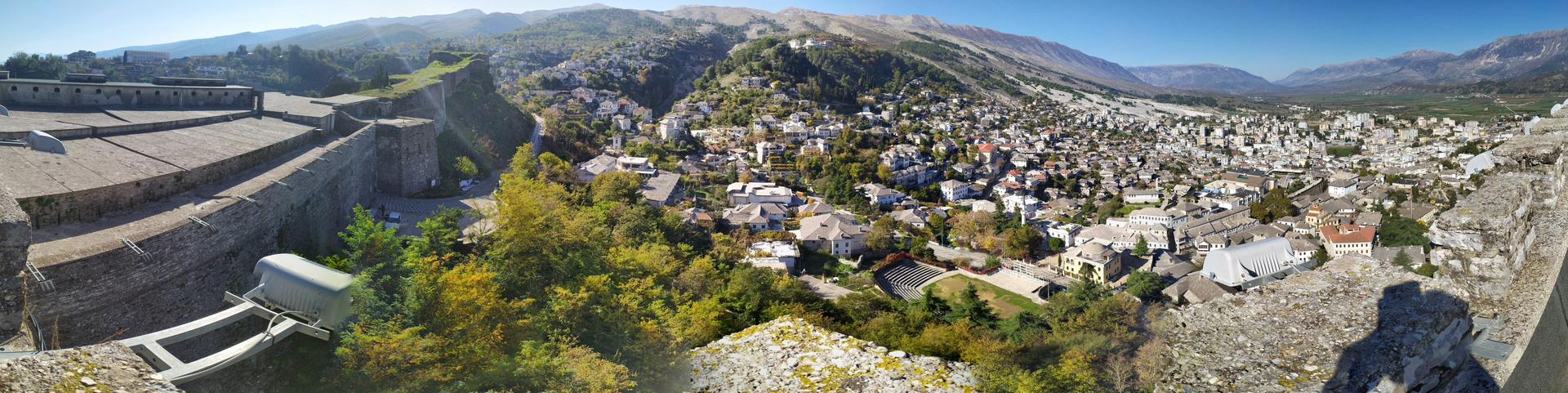
Looking beyond Ali Pasha Bridge? Discover Gjirokaster for broader travel guides, local hot-spots, and regional highlights.
Explore Gjirokaster
Experience the charm of Gjirokastër at Hotel Old Bazaar 1790: Traditional Ottoman architecture, modern comforts, and a perfect location await!
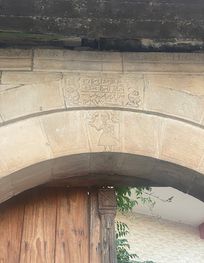
Experience the rich history of Loloci Gate, an iconic landmark in Gjirokaster, Albania, where culture and stunning architecture meet.