Ethnographic Museum, Gjirokaster Travel Guide
Discover traditional Albanian life in a beautifully preserved Ottoman house, showcasing Gjirokastër's rich cultural heritage.
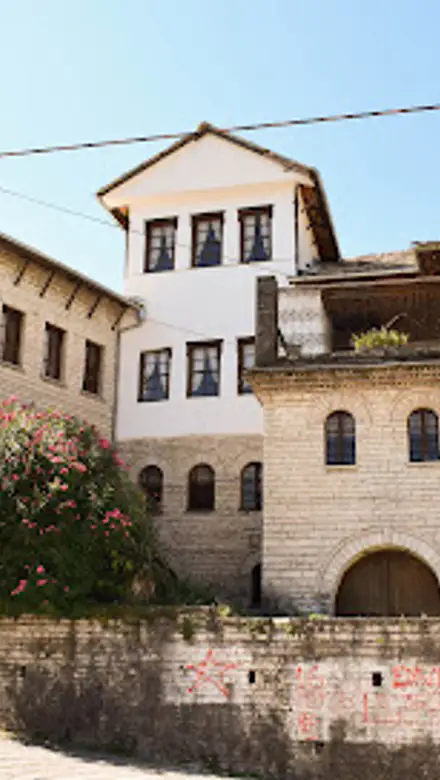
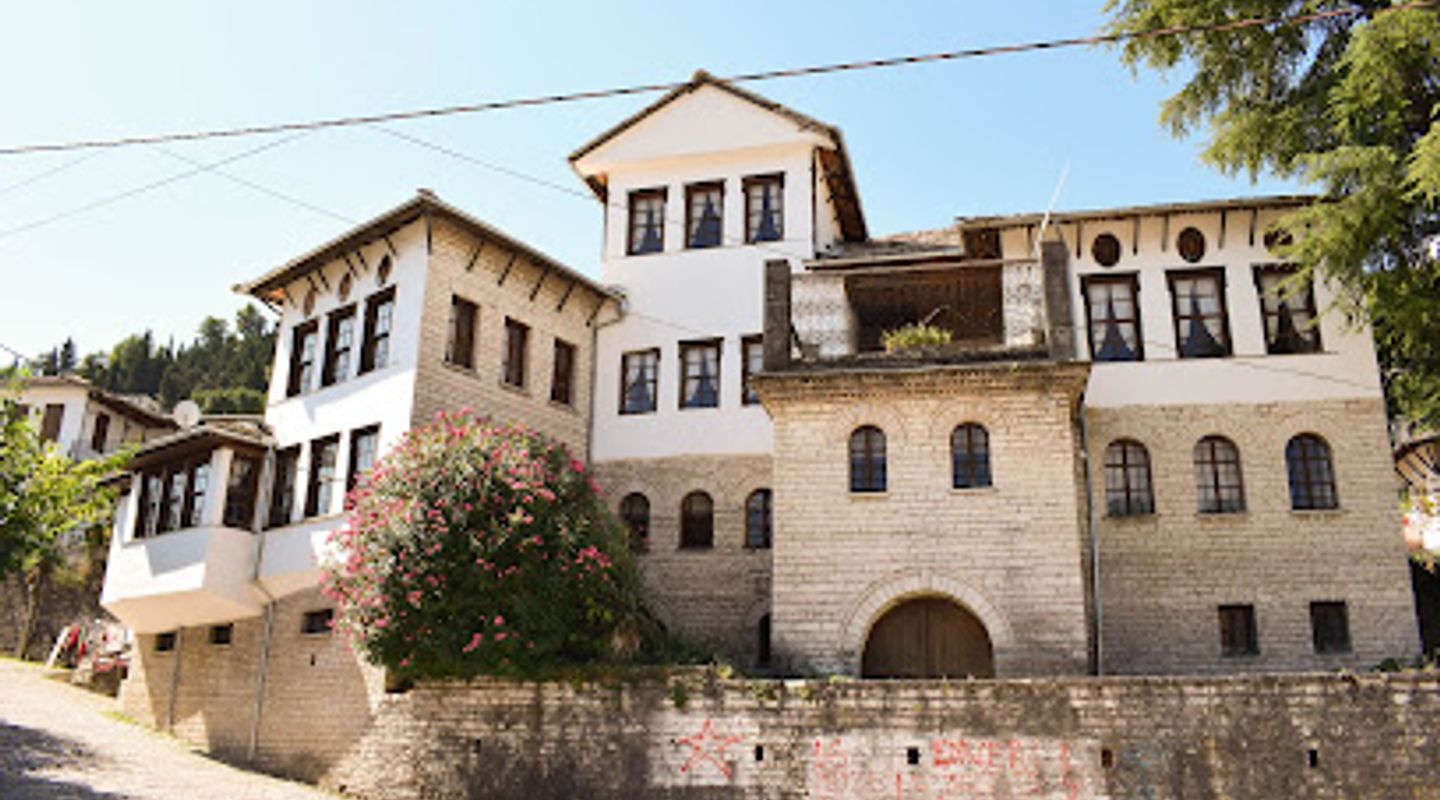
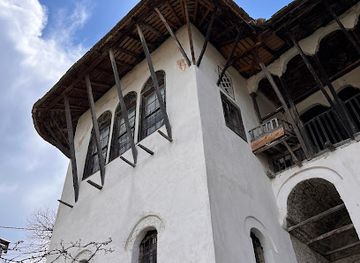
Housed in a traditional Ottoman-era building, the Ethnographic Museum in Gjirokastër offers a captivating glimpse into the lives of the city's 19th-century residents. Exhibits showcase traditional costumes, household items, and cultural artifacts, providing insight into the region's rich heritage.
A brief summary to Ethnographic Museum
- Ethnographic Museum, Gjirokaster, AL
- Click to display
- Monday 9 am-6 pm
- Tuesday 9 am-6 pm
- Wednesday 9 am-6 pm
- Thursday 9 am-6 pm
- Friday 9 am-6 pm
- Saturday 9 am-6 pm
- Sunday 9 am-6 pm

Know before you go
Hi, I'm Eve. Here are a few practical things to know before exploring Ethnographic Museum.
- Visit during the morning hours to avoid crowds and fully appreciate the exhibits.
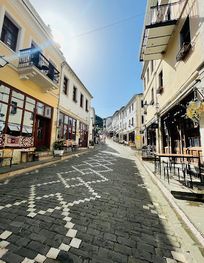
- Explore the Palorto neighborhood, known for its well-preserved Ottoman-era architecture.
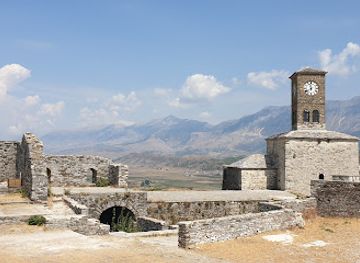
- Combine your visit with a trip to Gjirokastër Castle for panoramic views of the city.
Do you manage this location?
Take control to get all the benefits, like improved information, better appearance, and stronger visibility across AI-powered discovery. Learn more about listing your business on Evendo
Activate your presenceOther nearby places you may find interesting
The closest places of the same kind, if this one is not quite what you had in mind.
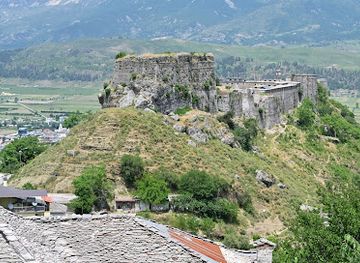
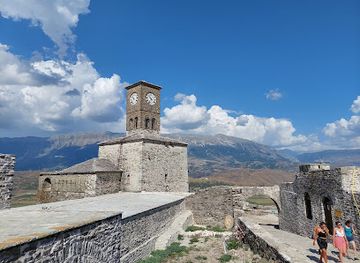
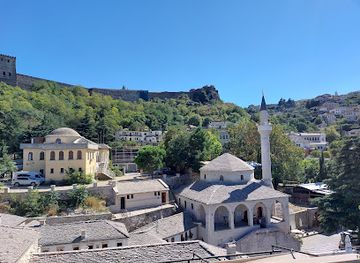
Explore Ethnographic Museum on the Map
A handpicked selection of must-see spots near Ethnographic Museum, mapped for you.
Unlock the Best of Ethnographic Museum
Buy tickets
-
No tickets available
Book tours with entry


Book tours without entry
-
No tours available
Getting There
-
Walking
From the Old Bazaar, walk north along the cobblestone streets towards the Palorto neighborhood. The museum is located in the heart of the district, known for its traditional stone houses. The walk is uphill and takes approximately 5-10 minutes. No costs are associated with this approach.
-
Taxi
Taxis are readily available in Gjirokastër. A short taxi ride from the city center or the bus station to the Ethnographic Museum typically costs around 300-500 Lekë. Taxis can drop you off directly in front of the museum.
-
Public Transport
Gjirokastër has a public bus circuit that connects the old and new town. Check local schedules for the bus route that passes near the Ethnographic Museum. A single fare is approximately 30 Lekë. Be prepared for a short walk from the bus stop to the museum.
Discover more about Ethnographic Museum













Your all‑in‑one travel companion app
Explore expert travel guides, compare and book tours, experiences, hotels, and more—all from the palm of your hand. Download now for seamless trip planning wherever your wanderlust takes you.


Explore More of Gjirokaster
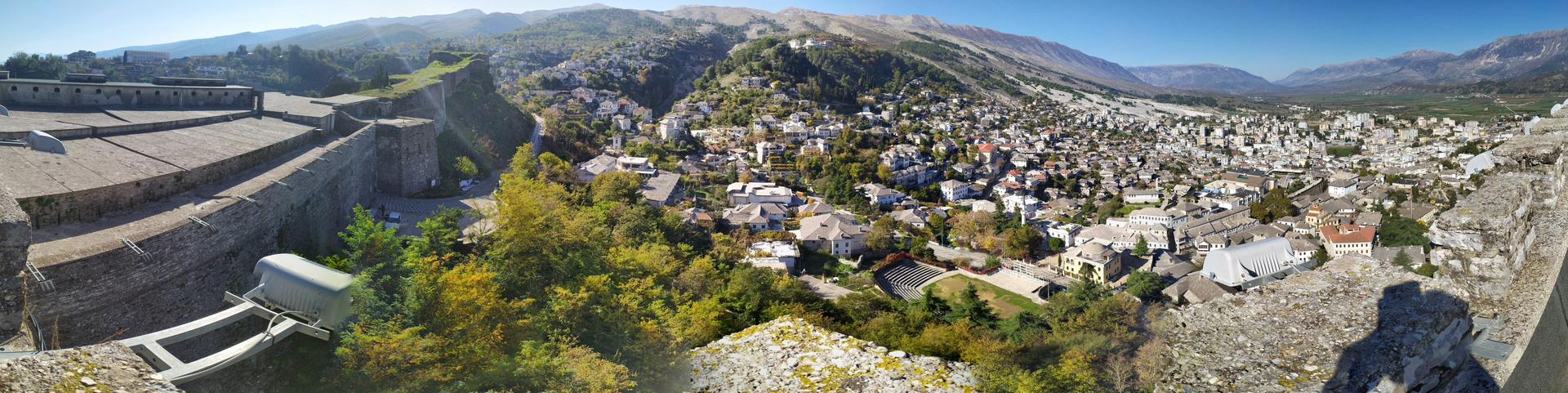
Looking beyond Ethnographic Museum? Discover Gjirokaster for broader travel guides, local hot-spots, and regional highlights.
Explore Gjirokaster