

Mirdita, Albania Travel Guide
Discover Mirdita, Albania's hidden gem, where history, culture, and natural beauty come together to create an unforgettable travel experience.
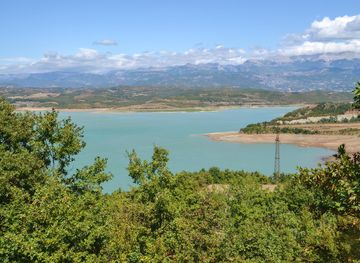
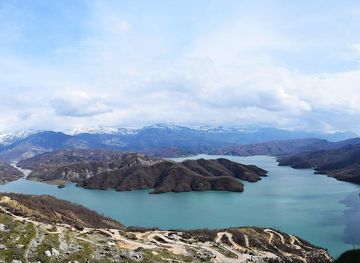
Nestled in the heart of Northern Albania, Mirdita is a region rich with unspoiled natural beauty and cultural heritage. Mirdita offers a unique blend of history, tradition, and stunning landscapes that make it a perfect getaway for those looking to explore the lesser-known parts of Albania. Mirdita is known for its lush green valleys, picturesque mountains, and charming villages. The area is perfect for hiking, with trails that offer breathtaking views and a chance to experience Albania's rural life. One of the highlights of the region is the stunning Orosh Monastery, which dates back to the 18th century and provides a glimpse into the area's rich religious history. In addition to its natural and historical attractions, Mirdita boasts a vibrant local culture. Visitors can enjoy traditional Albanian cuisine in local eateries, where dishes are prepared using fresh, locally-sourced ingredients. Festivals and events are held throughout the year, showcasing local music, dance, and crafts. The warm hospitality of the Mirdita people will make any visitor feel welcome and at home.

Know before you go
Hi, I'm Eve. Here are a few practical things to know before exploring Mirdita.
- Visit in spring or autumn for the best weather and fewer tourists.
- Bring comfortable hiking shoes to fully enjoy the scenic trails.
- Try the local specialty, 'Fli,' a layered pancake-like dish.
- Learn a few basic Albanian phrases to enhance your interaction with locals.
- Check the local event calendar to catch traditional festivals.
Top City Travel Guides in Mirdita
The cities of Mirdita, and the easiest places to base yourself.

Destinations in Mirdita
Resorts, valleys and scenic spots worth a trip of their own.
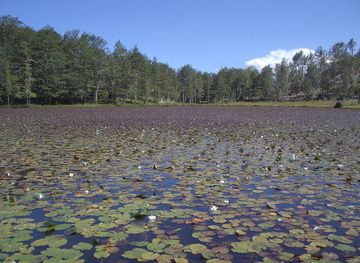

Explore Mirdita: Things to Do, Places to Eat, Hotels & More
Handpicked recommendations for top attractions, local dining, accommodations, and more

Top Attractions & Sightseeing in Mirdita
Top-rated picks
Best Attractions

SHENGJIN
Discover Shëngjin, Albania: Beaches, history, and natural beauty blend in this charming Adriatic coastal town.
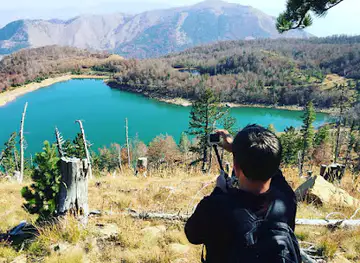
National Park of Lura
Discover Albania's hidden gem: Lura National Park, a breathtaking sanctuary of glacial lakes, lush forests, and diverse wildlife in the Dibër region.

Theth valley viewpoint
Experience the stunning beauty of the Albanian Alps from Theth Valley Viewpoint, a must-see destination in Theth National Park. #Theth #AlbanianAlps

Shpella e Valit, Mirditë
Discover Shpella e Valit in Mirditë, Albania, a natural wonder featuring stunning geological formations and a rich geological history.

Best landmarks in Mirdita
Top-rated picks
Best Landmarks

National Park of Lura
Discover Albania's hidden gem: Lura National Park, a breathtaking landscape of glacial lakes, lush forests, and diverse wildlife.

Shpella e Valit, Mirditë
Discover the natural beauty and geological wonders of Shpella e Valit, one of Albania's largest and most captivating caves, located in the Mirditë region.

Best restaurants in Mirdita
Top-rated picks
Best Restaurants
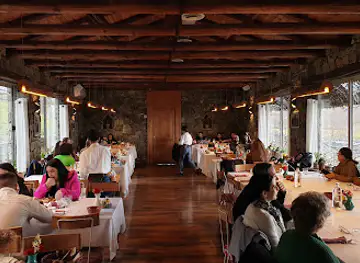
Mrizi i Zanave - Restorant Agroturizëm
Experience authentic Albanian cuisine at Mrizi i Zanave - where tradition meets nature's bounty in every dish.

Oda - Traditional Albanian Restaurant
Experience authentic Albanian flavors at Oda Restaurant in Tirana – where tradition meets taste in every bite.

Rozafa - Fish City
Experience exquisite seafood dining with stunning views at Rozafa - Fish City in Labinot-Fushë, Albania's culinary gem.

Mullixhiu
Experience authentic Albanian cuisine at Mullixhiu in Tirana's beautiful lakeside setting.

Best bars in Mirdita
Top-rated picks
Best Bars

Radio bar Tirana
Discover the lively ambiance and unique cocktails at Radio Bar Tirana, a must-visit cocktail bar in the heart of Albania's capital.

Hemingway Bar Tirana
Discover the vibrant ambiance of Hemingway Bar Tirana, where live jazz music meets an inviting social scene in the heart of Albania.

Colonial Cocktails Academy Tirana
Experience the essence of mixology at Colonial Cocktails Academy in Tirana, where exceptional cocktails meet a vibrant social atmosphere.

LIFT Steak & Rooftop Bar
Discover culinary excellence at LIFT Steak & Rooftop Bar, where gourmet steaks meet breathtaking views in the heart of Tirana.

Best nightclubs in Mirdita
Top-rated picks
Best Nightclubs

Living Room Antik
Discover the heartbeat of Tirana’s nightlife at Living Room Antik, where great beer, music, and dancing come together for an unforgettable experience.

Cinco Cavalli Premium Club
Dive into Albania's vibrant nightlife at Cinco Cavalli Premium Club, where electrifying music and an unforgettable atmosphere await.

Maria Bonita Strip Club ️
Maria Bonita Strip Club: Dive into Tirana's nightlife with thrilling performances and an unforgettable atmosphere.

Sky Club
Experience Tirana's nightlife at Sky Club, the ultimate destination for dancing, cocktails, and breathtaking views of the city skyline.

Best shops in Mirdita
Top-rated picks
Best Shops

Toptani
Explore Toptani Shopping Mall: Tirana's premier destination for shopping, dining, and entertainment in a lively atmosphere.

QTU - Qendra Tregtare Univers
Discover QTU - Qendra Tregtare Univers, the ultimate shopping destination in Tirana with diverse shops, dining, and entertainment options.

Tirana Ring Center
Explore Tirana Ring Center, the ultimate shopping destination in Albania featuring diverse stores, dining, and entertainment options for all ages.

Metropol Center
Explore Metropol Center in Lushnjë, Albania – a vibrant shopping mall offering a mix of local and international brands, dining options, and entertainment.

Explore Mirdita on the Map
A handpicked selection of must-see spots in Mirdita, mapped for you.
Mirdita Essentials
-
Mirdita is located in northern Albania. The nearest major city with an international airport is Tirana, approximately 120 kilometers south of Mirdita. From Tirana International Airport (TIA), you can rent a car or take a bus to Mirdita. The journey by car typically takes around 2 to 2.5 hours via SH1 and SH30. Buses and minibuses (furgons) also operate regularly between Tirana and Mirdita, offering a more economical option.
-
Mirdita is a relatively small region, and many of its attractions are within driving distance. Renting a car is the most convenient way to explore Mirdita and the surrounding areas. Local taxis are available but may not be as prevalent as in larger cities. Public buses and minibuses (furgons) connect Mirdita with nearby towns and villages, offering a cost-effective way to travel. Be sure to check the schedules in advance, as they can be irregular.
-
The official currency in Albania is the Albanian Lek (ALL). Credit cards are accepted in some hotels, restaurants, and larger shops, but it is advisable to carry cash, especially in smaller establishments and rural areas. ATMs are available in the town of Rrëshen, the administrative center of Mirdita, but it is wise to withdraw sufficient cash before traveling to more remote areas.
-
Mirdita is generally a safe destination for tourists. However, like any travel destination, it is advisable to take standard precautions. Avoid walking alone at night in unfamiliar areas and keep an eye on your belongings in crowded places. There are no specific high-crime areas targeting tourists, but it is always best to stay vigilant and aware of your surroundings.
-
In case of emergency, dial 112 for immediate assistance. The local police station and medical facilities are available in Rrëshen. It is recommended to have travel insurance that covers medical emergencies. For minor health issues, there are pharmacies in Rrëshen where you can purchase over-the-counter medications.
-
Fashion: Do dress modestly, especially when visiting religious sites. Avoid wearing revealing clothing. Religion: Do respect local customs and traditions. Always cover your head when entering churches and monasteries. Public Transport: Do be respectful and give up your seat to elderly passengers. Don't eat or drink on public transport. Greetings: Do greet people with a handshake. A slight bow of the head is also a sign of respect. Eating & Drinking: Do try local delicacies and accept food offerings graciously. Don't refuse hospitality, as it is considered impolite.
-
To experience Mirdita like a local, visit the local markets where you can buy fresh produce and traditional Albanian goods. Engage with locals, as they are often friendly and willing to share stories about the region's history and culture. Don’t miss visiting the historic Orosh Castle and the nearby St. Alexander Church. For a unique experience, hike in the surrounding mountains, which offer stunning views and a chance to explore Albania's natural beauty.
When is the best time to visit Mirdita?
Useful Local Phrases for Mirdita
You don't need to speak the language perfectly. Even learning a few simple words can make conversations warmer—and locals usually appreciate the effort.
— Eve

Here are the phrases I use most often in Mirdita. Try a few—you'll be surprised how far they go! 😊
❤️
-
- HelloPërshëndetje
[Për-shën-deh-tee-eh] - GoodbyeMirupafshim
[Mee-roo-pahf-sheem] - YesPo
[Poh] - NoJo
[Yoh] - Please/You're welcomeTë lutem/Faleminderit
[Tuh loo-tem/Fah-leh-meen-deh-reet] - Thank youFaleminderit
[Fah-leh-meen-deh-reet] - Excuse me/SorryMë falni
[Muh fahl-nee] - How are you?Si jeni?
[See yeh-nee] - Fine. And you?Mirë. Edhe ti?
[Meer. Ed-he tee] - Do you speak English?A flisni anglisht?
[Ah flees-nee ahn-gleasht] - I don't understandNuk kuptoj
[Nook koop-toy]
- HelloPërshëndetje
-
- I'd like to see the menu, pleaseDo doja të shoh menunë, ju lutem
[Doh doh-yah tuh shoh men-oo-neh, yoo loo-tem] - I don't eat meatNuk ha mish
[Nook hah meesh] - Cheers!Gëzuar!
[Guh-zoo-ar] - I would like to pay, pleaseDo doja të paguaj, ju lutem
[Doh doh-yah tuh pah-goo-ahy, yoo loo-tem]
- I'd like to see the menu, pleaseDo doja të shoh menunë, ju lutem
-
- Help!Ndihmë!
[Ndee-hmuh] - Go away!Shkoni!
[Sh-koh-nee] - Call the Police!Thirrni policinë!
[Theer-nee poh-lee-cheen-eh] - Call a doctor!Thirrni një mjek!
[Theer-nee nyeh myek] - I'm lostJam i humbur
[Yahm ee hoom-boor] - I'm illJam i sëmurë
[Yahm ee suh-moor]
- Help!Ndihmë!
-
- I'd like to buy...Do doja të blej...
[Doh doh-yah tuh bleh] - I'm just lookingPo shikoj
[Poh shee-koy] - How much is it?Sa kushton?
[Sah koosh-ton] - That's too expensiveKjo është shumë e shtrenjtë
[Kyo esh-tuh shoom eh shtrenjt] - Can you lower the price?A mund të ulni çmimin?
[Ah moond tuh ool-nee chmee-min]
- I'd like to buy...Do doja të blej...
-
- What time is it?Sa është ora?
[Sah esh-tuh oh-rah] - It's one o'clockËshtë një orë
[Ush-tuh nyeh oh-rah] - Half past (10)Pjesë pas (10)
[Pye-seh pahs (deesh)] - MorningMengjes
[Men-jes] - AfternoonPasdite
[Pahs-dee-teh] - EveningMbrëmje
[Mbrehm-yeh] - YesterdayDje
[Jyeh] - TodaySot
[Sot] - TomorrowNesër
[Neh-ser] - 1Një
[Nyeh] - 2Dy
[Dih] - 3Tre
[Tre] - 4Kater
[Kah-ter] - 5Pesë
[Pehs-eh] - 6Gjashtë
[Jah-sht] - 7Shtatë
[Shtaht] - 8Tetë
[Teht] - 9Nëntë
[Nuhn-teh] - 10Dhjetë
[Dhee-eh-t]
- What time is it?Sa është ora?
-
- Where's a/the...?Ku është...?
[Koo esh-tuh] - What's the address?Cila është adresa?
[Tsee-lah esh-tuh ah-dreh-sah] - Can you show me (on the map)?A mund të më tregoni (në hartë)?
[Ah moond tuh muh treh-goh-nee (nuh hahr-tay)] - When's the next (bus)?Kur është autobuzi tjetër?
[Koor esh-tuh ah-oo-boo-zee tee-eht-er] - A ticket (to ....)Një biletë (për....)
[Nyeh bee-leh-tuh (pur....)]
- Where's a/the...?Ku është...?
History of Mirdita
-
The region of Mirdita, located in northern Albania, has a rich and ancient history that dates back to Illyrian times. The Illyrians, who were among the earliest inhabitants of the Balkans, left behind numerous archaeological sites that testify to their presence in the area. Relics such as pottery, tools, and fortifications provide a glimpse into the life of these early settlers.
-
During the medieval period, Mirdita was under the influence of several powerful Albanian families. One of the most notable was the Dukagjini family, who ruled the region from the 14th to the 15th centuries. The Dukagjini were known for their code of laws, the Kanun of Lekë Dukagjini, which played a significant role in the social and legal structures of the area. This period also saw the construction of various fortresses and churches, many of which still stand today.
-
Mirdita came under Ottoman rule in the late 15th century, a period that lasted for over four centuries. Despite the Ottoman influence, the people of Mirdita managed to preserve their distinct cultural and religious identity. The region was known for its resistance to Ottoman control, often rebelling against the authorities. This period also saw the strengthening of the Catholic faith among the Mirditans, as they sought to maintain their traditions in the face of external pressures.
-
In 1921, the Mirdita region briefly declared itself an independent republic, known as the Republic of Mirdita. Led by Marka Gjoni, the Mirditans sought to establish their autonomy from the central Albanian government. Although the republic was short-lived, lasting only a few months, it remains a significant chapter in the history of Mirdita, highlighting the region's strong sense of identity and desire for self-governance.
-
The communist era in Albania, which began after World War II, brought significant changes to Mirdita, as it did to the rest of the country. The communist regime of Enver Hoxha sought to modernize and industrialize the region, leading to the construction of new infrastructure and the establishment of state-owned enterprises. However, the period was also marked by repression, as religious practices were banned, and many traditional customs were suppressed. The legacy of this era is still visible in the region's architecture and social fabric.
-
Mirdita is renowned for its rich cultural heritage and enduring traditions. The region is famous for its folk music, dance, and festivals, which play a vital role in the community's social life. Traditional clothing, with its distinctive patterns and colors, is often worn during celebrations and religious ceremonies. The region's cuisine, characterized by hearty dishes made from locally sourced ingredients, offers a taste of the authentic flavors of northern Albania. Visitors to Mirdita can experience these cultural treasures firsthand, gaining a deeper understanding of the area's unique identity.
Neighbouring Regions of Mirdita
The closest regions to Mirdita, if you have time for more than one.


Your all‑in‑one travel companion app
Explore expert travel guides, compare and book tours, experiences, hotels, and more—all from the palm of your hand. Download now for seamless trip planning wherever your wanderlust takes you.


Explore More of Albania

Looking beyond Mirdita? Discover Albania for broader travel guides, local hot-spots, and regional highlights.
Explore AlbaniaMirdita in Photos
Browse through our photo collection highlighting the charm and character of the destination.


Mirdita: The Hidden Gem of Northern Albania
Nestled in the heart of Northern Albania, Mirdita is a region rich with unspoiled natural beauty and cultural heritage. Mirdita offers a unique blend of history, tradition, and stunning landscapes that make it a perfect getaway for those looking to explore the lesser-known parts of Albania. Mirdita is known for its lush green valleys, picturesque mountains, and charming villages. The area is perfect for hiking, with trails that offer breathtaking views and a chance to experience Albania's rural life. One of the highlights of the region is the stunning Orosh Monastery, which dates back to the 18th century and provides a glimpse into the area's rich religious history. In addition to its natural and historical attractions, Mirdita boasts a vibrant local culture. Visitors can enjoy traditional Albanian cuisine in local eateries, where dishes are prepared using fresh, locally-sourced ingredients. Festivals and events are held throughout the year, showcasing local music, dance, and crafts. The warm hospitality of the Mirdita people will make any visitor feel welcome and at home.