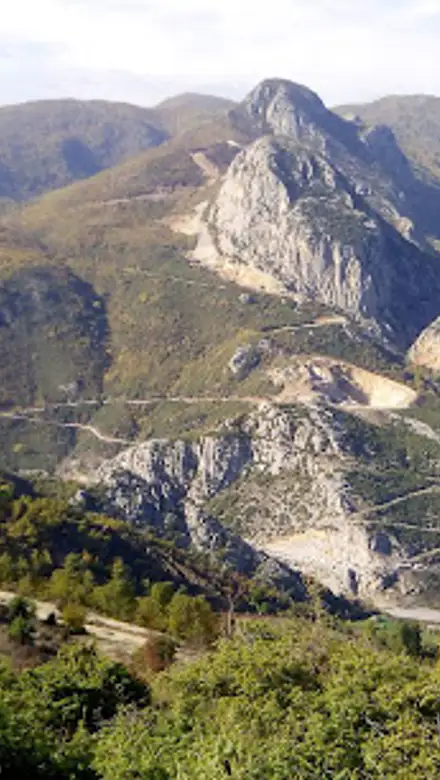
Via Egnatia Travel Guide
Free Guide: Discover the ancient Via Egnatia in Albania, a historic Roman road connecting East and West, offering a glimpse into a rich past.


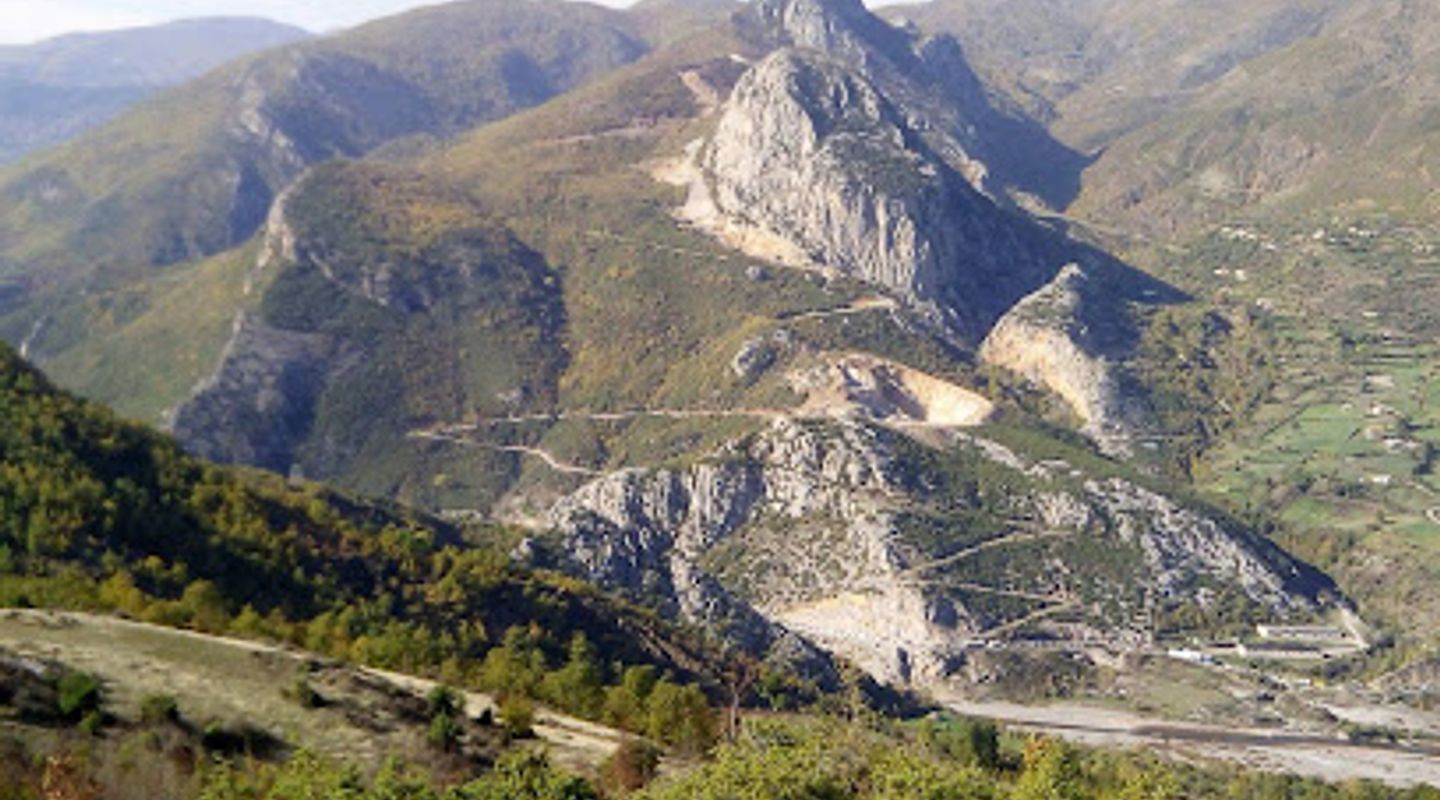
A brief summary of Via Egnatia
Discover the ancient Via Egnatia in Albania, a historic Roman road connecting East and West, offering a glimpse into a rich past.
The Via Egnatia, an ancient Roman road, once connected the Adriatic Sea to Constantinople, traversing what is now Albania. Explore its historical significance and imagine the legions, traders, and travelers who once walked this path.
- Address
- 5743+3GV, Mirakë, Albania
Getting there
Walking
Taxi
Public Transport
Discover more about Via Egnatia
Overview
The Via Egnatia, a remarkable feat of Roman engineering, served as a vital artery connecting the East and West. Constructed in the 2nd century BC, this road linked major ports on the Adriatic Sea with Byzantium (later Constantinople), facilitating trade, military movements, and cultural exchange. In Albania, the Via Egnatia began in Durrës, an important port city, and stretched eastward through the Shkumbin Valley. It passed through significant settlements like Elbasan, continuing towards Lake Ohrid and beyond. The road's construction was commissioned by Gnaeus Egnatius, a Roman proconsul, and it played a crucial role in Roman expansion and control of the Balkans.Today, remnants of the Via Egnatia can still be found in Albania. While some sections have been incorporated into modern roads, other parts remain as archaeological sites, offering a glimpse into the past. Exploring the Via Egnatia provides a unique opportunity to connect with history and appreciate the lasting legacy of the Roman Empire in Albania.
Evendo Review Centre
 Google
Guest reviews
Explore Via Egnatia on the map
A handpicked selection of must-see spots near Via Egnatia, mapped for you.
Get your free copy of our complete guide to Via Egnatia, delivered straight to you.
Everything on this page, from opening hours and how to get there to Eve’s tips and the best time to go, in one PDF you can read offline, print or share.
Already have an account? Sign in
Your Via Egnatia guide is ready.
We'll send it to · Not you? Sign out

Getting your guide ready…
We are putting together a fresh copy of the Via Egnatia guide. This can take up to a minute.
This can take a few moments. If your browser asks, choose Allow so the download can start. You'll find the guide in your Downloads folder.
Nothing happened? Download it again
Sorry, the guide is taking longer than usual. Please try again in a minute, or get it by email instead.
Other nearby places you may find interesting
The closest places of the same kind, if this one is not quite what you had in mind.
-
-
-
-
-


Swipe for more places
More to explore near Via Egnatia

 Best experiences near Via Egnatia
 Best hotels near Via Egnatia
 Best landmarks near Via Egnatia
 Best attractions near Via Egnatia
 Best shops near Via Egnatia
 Best restaurants near Via Egnatia
 Best bars near Via Egnatia
Do you manage this location?
Take control to get all the benefits, like improved information, better appearance, and stronger visibility across AI-powered discovery.
Explore more
Explore more of Librazhd
Discover Librazhd: Albania's hidden gem with stunning landscapes, rich history, and authentic cultural experiences. Perfect for nature lovers, history enthusiasts, and foodies.
Explore Librazhd
Explore more of Albania
Discover Albania: A land of untamed beauty, rich history, and warm hospitality, offering stunning beaches, rugged mountains, and vibrant cities.
Explore Albania