

Free Librazhd Travel Guide & Mobile App
Explore Librazhd with free travel guides. Discover regional history, expert tips, proposed trips, and audio guides on web or mobile app.


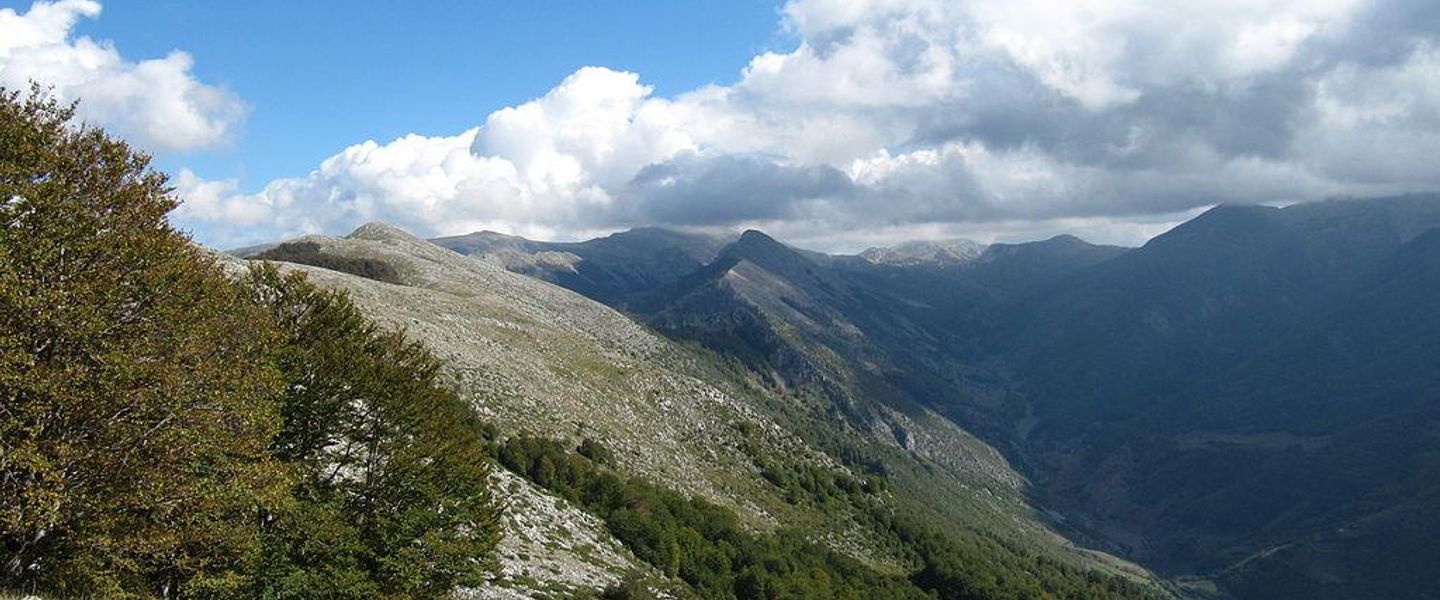


Explore Librazhd in eastern Albania for forested mountains, the Shkumbin Valley, Via Egnatia heritage and access to Shebenik-Jabllanicë National Park.
Read more about Librazhd
When is the best time to visit Librazhd?
Best: June, August–September · 24–28°C| Month | High (°C) | Rainfall (mm) |
|---|---|---|
| January | 5 | 80 |
| February | 9 | 70 |
| March | 14 | 80 |
| April | 17 | 80 |
| May | 22 | 70 |
| June (best) | 26 | 60 |
| July | 29 | 50 |
| August (best) | 28 | 50 |
| September (best) | 24 | 60 |
| October | 17 | 80 |
| November | 11 | 90 |
| December | 6 | 90 |
Getting to and around Librazhd
How to get there
Transportation
Best attractions in Librazhd
Librazhd’s attractions are primarily landscape-based, with cultural history woven through the Shkumbin corridor. Shebenik-Jabllanicë National Park is the central draw, offering beech forests, mountain streams, upland meadows and habitats associated with large mammals and forest birds. It suits hiking, nature observation and photography, although visitors should organise route information and transport before leaving the main valley. The villages and rural districts of Lunik, Polis, Hotolisht, Qukës and Stëblevë provide a slower view of local life, traditional agriculture and mountain architecture. Along the valley, the route of the ancient Via Egnatia gives historical context to a journey that otherwise appears primarily modern. Librazhd town is useful for everyday services and as a starting point rather than as a museum city, while the surrounding roads reveal changing scenery from riverbanks and cultivated slopes to darker forest and high pasture. The municipality also works well for visitors interested in birdwatching, short walks, seasonal produce and low-key rural travel. More ambitious hikes should be undertaken with current local advice, as infrastructure in the park is more limited than in Albania’s heavily promoted mountain areas.
-
Restaurant
Kazerma e Cerenit
Experience Albanian history and cuisine at Kazerma e Cerenit, a unique restaurant and agro-tourism destination transformed from a former army barracks.
-
Mosque
Mosque of Ali Pasha
Explore the historical Mosque of Ali Pasha in Ohrid, a window into the city's Ottoman heritage and architectural legacy.
-
Zoo
Parku Zoologjik i Tiranës
Discover diverse wildlife in a serene setting at Tirana Zoo, a family-friendly destination in Albania's capital.
-
Mosque
King Mosque, Elbasan
Discover Elbasan's Ottoman heritage at the King Mosque, a beautifully preserved 15th-century landmark within the historic Elbasan Castle.



Best landmarks in Librazhd
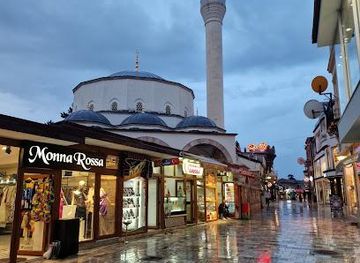
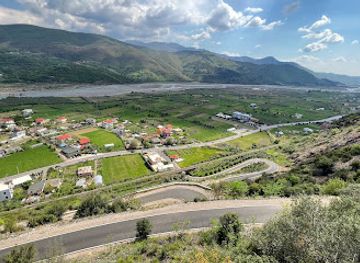
The Shkumbin Valley itself is Librazhd’s defining geographical landmark, a long corridor that has directed settlement, roads and commerce between Albania’s western lowlands and the eastern interior for centuries. Its historical importance is reinforced by the route of the Via Egnatia, the Roman road whose surviving traces and alignment recall the valley’s role in long-distance communication. Shebenik-Jabllanicë National Park provides the municipality’s most significant natural landmark, with extensive beech woodland, rugged ridges and mountain terrain that differs sharply from the cultivated river slopes. The forest landscape forms part of the UNESCO-listed Ancient and Primeval Beech Forests serial property, whose component areas illustrate the ecological history of European beech. In Librazhd town, the principal landmarks are functional rather than monumental: the valley setting, transport routes and civic buildings express its role as a regional centre. The surrounding villages, stone houses, small religious buildings and hillside paths add architectural and cultural interest, but should be approached as living places rather than open-air museum exhibits.
-
Tourist attraction
Skanderbeg Square
Discover Skanderbeg Square in Tirana, Albania: a vibrant hub of history, culture, and modern life, honoring a national hero.
-
Castle
Berat Castle
Explore Berat Castle: A historic Albanian fortress with stunning views, ancient monuments, and a vibrant community within its walls.
-
Castle
Castle of Kruja
Explore Kruja Castle, a symbol of Albanian resistance, with panoramic views, museums, and a vibrant bazaar. A must-see historical landmark.
-
City park
Tirana Park
Escape to Tirana's green heart: a vast park with a lake, gardens, historical sites, and recreational activities for everyone.


Explore Librazhd on the map
Plan your trip on one map. See where the top cities, national parks and sights are, and book hotels and experiences in a few clicks.
Best hotels in Librazhd
Best restaurants in Librazhd
Dining in Librazhd is centred on modest cafés, family-run eateries, roadside restaurants and home-style cooking rather than a large formal restaurant scene. Meals commonly draw on central and eastern Albanian traditions: grilled or baked meats, beans, seasonal vegetables, salads, yoghurt, fresh cheese, cornbread and savoury pies such as byrek. Mountain villages may offer dairy products, honey, preserves and herbs gathered or cultivated locally, though availability depends on season and household production. Along the main road, restaurants tend to serve filling dishes suited to travellers, while Librazhd town offers the broadest choice of cafés and everyday meals. Coffee is an important part of social and travel breaks, and a long café stop is often more typical than a rushed takeaway. Visitors should ask what has been prepared that day, particularly when staying in rural accommodation, and should not assume that every establishment has an English-language menu. Albanian wine, spirits and regional beers may be available, but menus and payment facilities vary considerably outside the town.
-
Restaurant
Bar - Restorant "Gjahtari®"
Discover authentic Albanian flavors at Bar - Restorant 'Gjahtari®', where every meal is a celebration of local cuisine.
-
Restaurant
Kompleksi Nogu
Experience the best of Albanian cuisine and hospitality at Kompleksi Nogu - your gateway to Librazhd's culinary treasures.
-
Restaurant
Lugina Gjelbërt Bar/Restorant
Discover authentic Albanian and Italian cuisine at Lugina Gjelbërt Bar/Restorant in Elbasan - where local flavors meet culinary excellence.
-
Restaurant
Libaro Restaurant & Bar
Discover authentic Albanian flavors at Libaro Restaurant & Bar in Elbasan - where every meal is a celebration of local cuisine.



Best bars in Librazhd
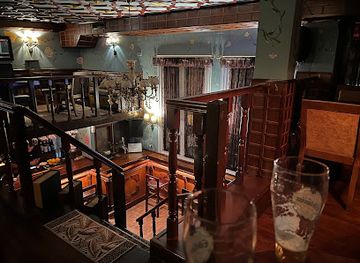
Librazhd has a restrained evening scene shaped by cafés, neighbourhood bars, restaurants and traditional social life rather than a large nightclub industry. In the town, cafés remain the most dependable places for an evening drink, coffee or conversation, with busier periods often following the working day and at weekends. Roadside restaurants and accommodation in the valley may provide a quieter alternative, while rural villages generally offer little organised nightlife beyond local cafés and family gatherings. Visitors should not expect a concentrated club district or late-night entertainment in the mountain areas. Raki, beer and wine are available in appropriate settings, but alcohol is not necessary to participate in local evening culture. Seasonal events, weddings and community celebrations can create livelier occasions, though these are local rather than permanent visitor attractions and should not be assumed to follow a fixed calendar.
-
Restaurant
Libaro Restaurant & Bar
Discover the flavors of Albania at Libaro Restaurant & Bar, where delightful dishes and a welcoming atmosphere await every visitor.
-
Restaurant
Lugina e Pishave
Experience authentic Albanian cuisine at Lugina e Pishave, a must-visit restaurant in Librazhd, known for its delicious dishes and warm hospitality.
-
Restaurant
Bar Restorant Traditional “Jon” Ceku
Experience the flavors of Albania at Bar Restorant Traditional “Jon” Ceku, where authentic dishes and warm hospitality await.
-
Bar
De Baron Lounge Bar
Discover De Baron Lounge Bar in Elbasan, Albania, a stylish bar offering exquisite drinks and a cozy atmosphere perfect for relaxation.


Best nightclubs in Librazhd
Librazhd has a restrained evening scene shaped by cafés, neighbourhood bars, restaurants and traditional social life rather than a large nightclub industry. In the town, cafés remain the most dependable places for an evening drink, coffee or conversation, with busier periods often following the working day and at weekends. Roadside restaurants and accommodation in the valley may provide a quieter alternative, while rural villages generally offer little organised nightlife beyond local cafés and family gatherings. Visitors should not expect a concentrated club district or late-night entertainment in the mountain areas. Raki, beer and wine are available in appropriate settings, but alcohol is not necessary to participate in local evening culture. Seasonal events, weddings and community celebrations can create livelier occasions, though these are local rather than permanent visitor attractions and should not be assumed to follow a fixed calendar.
-
Night club
Living Room Antik
Discover Tirana's nightlife at Living Room Antik - a premier club and beer hall known for its exceptional cocktails and vibrant atmosphere.
-
Night club
Cinco Cavalli Premium Club
Discover the vibrant nightlife at Cinco Cavalli Premium Club, the premier destination for unforgettable evenings in Sauk, Albania.
-
Night club
Sky Club
Experience the vibrant nightlife of Tirana at Sky Club, where stunning city views and electrifying music create unforgettable evenings.
-
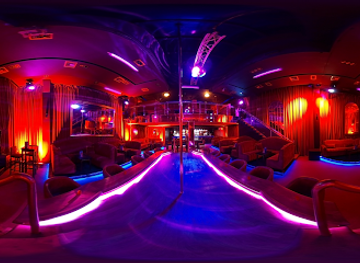
Adult entertainment club
Lust Night Club ( Strip )
Discover the electrifying nightlife at Lust Night Club in Tirana, where captivating performances and vibrant ambiance await every night.


Best shops in Librazhd
Shopping in Librazhd is practical and local, with most activity concentrated in the town’s small shops, cafés, food stores and everyday services rather than specialised retail districts. Visitors can look for Albanian pantry goods such as honey, preserves, mountain herbs, dairy products, olive products brought from lower areas and locally made raki, provided that labelling and transport rules are considered. Small roadside sellers and village households may offer seasonal fruit, vegetables, cheese or honey, but stock and opening arrangements are variable. Traditional woven items, handmade household goods and rural crafts may sometimes be found through local contacts or guesthouses rather than in permanent souvenir shops. The municipality is better suited to buying useful provisions and regional food products than to designer shopping. For a broader selection of books, branded goods, galleries and larger retail outlets, visitors generally need to travel outside Librazhd to Elbasan or another major Albanian town.
-
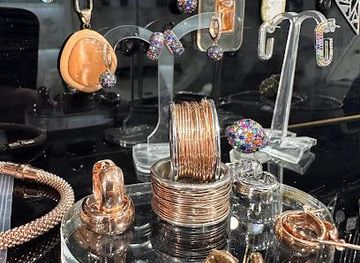
Jewelry store
Chinar - Kame (Ohrid Pearl)
Explore Ohrid's rich heritage through exquisite pearl jewelry and masterful silversmith creations at Chinar - Kame.
-
Jewelry designer
Talevi - Ohrid Pearls
Explore the exquisite designs of Talevi - Ohrid Pearls, where craftsmanship meets beauty in every piece of jewelry.
-
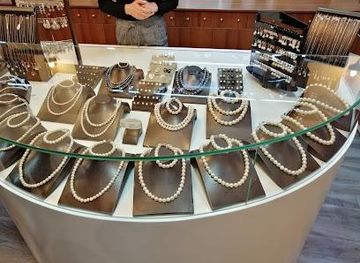
Jewelry store
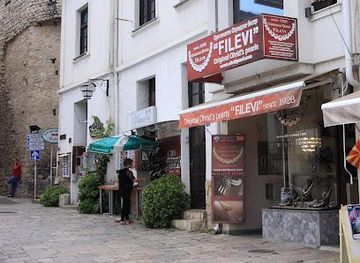
Filevi - Original Ohrid's pearls
Explore the exquisite world of original Ohrid pearls at Filevi, where tradition meets elegance in every piece of jewelry.
-
Jewelry designer
Ohrid Pearls Filevi (Dr. Pavel Filev)
Explore Ohrid Pearls Filevi for exquisite pearl jewelry and authentic Macedonian craftsmanship in the heart of Ohrid.
Get your free copy of our complete guide to Librazhd, delivered straight to you.
Everything on this page, from attractions and restaurants to essentials and local phrases, in one PDF you can read offline, print or share.
Already have an account? Sign in
Your Librazhd guide is ready.
We'll send it to · Not you? Sign out

Getting your guide ready…
We are putting together a fresh copy of the Librazhd guide. This can take up to a minute.
This can take a few moments. If your browser asks, choose Allow so the download can start. You'll find the guide in your Downloads folder.
Nothing happened? Download it again
Sorry, the guide is taking longer than usual. Please try again in a minute, or get it by email instead.
Librazhd essentials
Currency and Payment
Safety
Emergency Situations
Do's and Don'ts
Local Tips
From Eve
Local phrases worth knowing
You don't need to get them perfect. A few words go a long way, and locals appreciate the effort.
Basics
| English | Local | Say it |
|---|---|---|
| Hello | Përshëndetje | [Per-shen-deh-tye] |
| Goodbye | Mirupafshim | [Mee-roo-paf-sheem] |
| Yes | Po | [Poh] |
| No | Jo | [Yoh] |
| Please/You're welcome | Të lutem/Faleminderit | [Te loo-tem/Fah-leh-mind-eerit] |
| Thank you | Faleminderit | [Fah-leh-mind-eerit] |
| Excuse me/Sorry | Më falni | [Meh fal-nee] |
| How are you? | Si jeni? | [See yen-ee?] |
| Fine. And you? | Mirë. Dhe ti? | [Meer. Dhe tee?] |
| Do you speak English? | A flisni anglisht? | [Ah flees-nee an-glisht?] |
| I don't understand | Nuk kuptoj | [Nook koop-toy] |
Eating & Drinking
| English | Local | Say it |
|---|---|---|
| I'd like to see the menu, please | Do doja të shoh menun, të lutem | [Doh doh-yah te shoh men-oon, te loo-tem] |
| I don't eat meat | Nuk ha mish | [Nook hah meesh] |
| Cheers! | Gëzuar! | [Guh-zoo-ar!] |
| I would like to pay, please | Do doja të paguaj, të lutem | [Doh doh-yah te pah-goo-eye, te loo-tem] |
Emergencies
| English | Local | Say it |
|---|---|---|
| Help! | Ndihmë! | [Ndee-muh!] |
| Go away! | Shkonte! | [Shkohn-teh!] |
| Call the Police! | Thirrni policinë! | [Theer-nee poh-lee-chee-neh!] |
| Call a doctor! | Thirrni një doktor! | [Theer-nee nyeh dok-tor!] |
| I'm lost | Jam humbur | [Yahm hoom-boor] |
| I'm ill | Jam i sëmurë | [Yahm ee se-moor-eh] |
Shopping
| English | Local | Say it |
|---|---|---|
| I'd like to buy... | Do doja të blej... | [Doh doh-yah te bleh...] |
| I'm just looking | Po vetëm po shikoj | [Poh vet-em poh shee-koy] |
| How much is it? | Sa kushton? | [Sah koosh-ton?] |
| That's too expensive | Kjo është shumë e shtrenjtë | [Kyo esh-te shum eh shtrenjt] |
| Can you lower the price? | A mund të ulni çmimin? | [Ah moond te ool-nee chmee-min?] |
Time & Numbers
| English | Local | Say it |
|---|---|---|
| What time is it? | Sa është ora? | [Sah esh-te or-ah?] |
| It's one o'clock | Është një orë | [Esh-te nye or-eh] |
| Half past (10) | Gjashtë e pesë | [Gah-sht eh peh-seh] |
| Morning | Mengjes | [Men-jes] |
| Afternoon | Pasdite | [Pahs-dee-teh] |
| Evening | Mbrëmje | [Mbrehm-yeh] |
| Yesterday | Dje | [Dyeh] |
| Today | Sot | [Sot] |
| Tomorrow | Nesër | [Neh-ser] |
| 1 | Një | [Nyee] |
| 2 | Dy | [Dyee] |
| 3 | Tre | [Tre] |
| 4 | Katër | [Kah-ter] |
| 5 | Pesë | [Pe-she] |
| 6 | Gjashtë | [Gah-sht] |
| 7 | Shtatë | [Shta-teh] |
| 8 | Tetë | [Teh-teh] |
| 9 | Nëntë | [Nuhn-teh] |
| 10 | Dhjetë | [Dhee-teh] |
Transport & Directions
| English | Local | Say it |
|---|---|---|
| Where's a/the...? | Ku është një...? | [Koo esh-teh nyeh...?] |
| What's the address? | Cila është adresa? | [Tsee-lah esh-teh ah-dreh-sah?] |
| Can you show me (on the map)? | A mund të më tregoni (në hartë)? | [Ah moond te meh treh-goh-nee (neh hahr-teh)?] |
| When's the next (bus)? | Kur është autobusi tjetër? | [Koor esh-teh ow-toh-boo-see tee-eh-ter?] |
| A ticket (to ....) | Një biletë (për ....) | [Nyee bee-leh-tah (pur ....)] |
History of Librazhd
Illyrian and Early Settlement
The Shkumbin Valley formed a natural east–west corridor long before modern Albania existed. Communities associated with the ancient Illyrian world occupied the wider central and eastern Albanian landscape, using the river valleys and mountain passes for farming, pastoralism and exchange. Archaeological evidence in the broader region points to long continuity of settlement, although the modern municipality is not defined by one large, excavated ancient city. The enduring importance of Librazhd’s geography lies in its position between the Adriatic-facing lowlands and the interior Balkan routes.
The Roman Via Egnatia
Roman engineers developed the Via Egnatia during the second century BC as a major road from the Adriatic ports towards Thessalonica and Byzantium. Its route followed the Shkumbin corridor through the area of present-day Librazhd, making the valley part of one of the ancient Mediterranean world’s important communications networks. The road carried soldiers, officials, merchants and religious travellers, and helped connect inland communities with larger imperial centres. Surviving traces are fragmentary, but the route’s geographical logic remains visible in the modern road and settlement pattern.
Medieval Routes and Religious Landscapes
After the Roman and Byzantine periods, the Shkumbin corridor continued to link communities across the central Balkans. Medieval political control shifted between regional powers, while Christian religious institutions and fortified settlements occupied strategic locations in the valleys and hills. The surrounding mountains supported pastoral economies and dispersed villages, patterns that remained important long after the large imperial roads had declined. Librazhd’s later historical identity therefore grew from a combination of route-based trade, agricultural settlements and mountain mobility rather than from a single medieval capital.
Ottoman Administration and Valley Trade
The region became part of the Ottoman Empire as Ottoman authority expanded across Albania during the late medieval period. Administration, taxation and landholding were reorganised, while the Shkumbin route continued to support movement between the interior and the western lowlands. Farming, livestock raising, forestry and small-scale trade shaped village life in the surrounding hills. Muslim and Christian communities formed part of the region’s varied social landscape, and Ottoman-era influences remain visible in aspects of food, place names, religious architecture and historic settlement patterns.
National Awakening and Modern Transport
During the nineteenth and early twentieth centuries, the Shkumbin valley was affected by the wider Albanian national movement and by growing efforts to develop modern administration, education and transport. Roads and later rail infrastructure reinforced Librazhd’s role as a link between Elbasan and the eastern interior. Under the communist government, forestry, agriculture, mining-related activity and state industry influenced employment and settlement, while movement and economic life were closely managed. These twentieth-century changes established the transport-oriented town that visitors see today.
Post-Communist Change and Protected Landscapes
After the collapse of communism, Librazhd experienced the economic and demographic changes that affected much of rural Albania, including migration, changing land use and a gradual shift towards small-scale tourism. Environmental protection gained greater importance as the biodiversity of the eastern mountains became better recognised. Shebenik-Jabllanicë National Park was established in 2008, and parts of its beech-forest ecosystem were later included in the UNESCO World Heritage serial property for Ancient and Primeval Beech Forests. The park now provides an important framework for conservation and nature-based travel.
Librazhd in Photos
Browse through our photo collection highlighting the charm and character of the destination.
Neighbouring regions of Librazhd
The closest regions to Librazhd, if you have time for more than one.
-
-

-

-

-


Swipe for more regions
Explore more

Explore more of Albania
Discover Albania: A land of untamed beauty, rich history, and warm hospitality, offering stunning beaches, rugged mountains, and vibrant cities.
Explore Albania