

Free Mallakastra Travel Guide & Mobile App
Explore Mallakastra with free travel guides. Discover regional history, expert tips, proposed trips, and audio guides on web or mobile app.


Explore Mallakastër in southern Albania for Byllis’s ancient ruins, olive-covered hills, rural landscapes and the industrial history of Ballsh.
Read more about Mallakastra
When is the best time to visit Mallakastra?
Best: May–June, September · 24–29°C| Month | High (°C) | Rainfall (mm) |
|---|---|---|
| January | 10 | 100 |
| February | 11 | 90 |
| March | 15 | 80 |
| April | 20 | 70 |
| May (best) | 24 | 60 |
| June (best) | 29 | 50 |
| July | 33 | 40 |
| August | 33 | 40 |
| September (best) | 28 | 50 |
| October | 22 | 60 |
| November | 16 | 70 |
| December | 11 | 90 |
Getting to and around Mallakastra
How to get there
Transportation
Top city travel guides in Mallakastra
The cities of Mallakastra, and the easiest places to base yourself.

Swipe for more cities
Best attractions in Mallakastra
Mallakastër’s principal attraction is the archaeological park of Byllis near Hekal, where visitors can explore the remains of an ancient Illyrian and later Roman-era city on a high plateau. Fortification walls, a theatre, basilicas, civic buildings and surviving mosaic work show how the settlement changed over many centuries, while the elevated setting provides broad views across the hill country. The site is best understood as both an archaeological destination and a landscape experience. Beyond Byllis, Mallakastër offers quieter rural attractions: olive groves, pasture, village roads, seasonal streams and viewpoints reached by driving through the hills around Ballsh. The area is suited to visitors interested in photography, archaeology, walking and observing the relationship between agriculture and settlement. Ballsh itself provides a contrasting view of modern Albania through its industrial history and working urban landscape. Facilities are more limited than in Albania’s major tourism centres, so excursions should be planned with transport, water and weather in mind. The region’s appeal lies less in a long list of formal attractions than in the combination of ancient remains, open countryside and a recognisable twentieth-century industrial legacy.
-
Castle
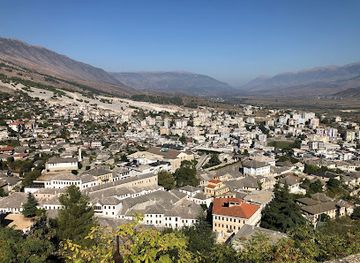
Castle of Gjirokastra
Explore Gjirokastra Castle, a monumental fortress in Albania with centuries of history, stunning views, and unique museums.
-
Castle
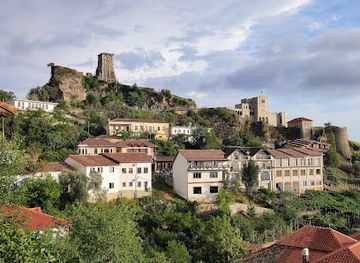
Castle of Kruja
Explore the historic Castle of Kruja, a symbol of Albanian resistance and national pride, offering stunning views and a glimpse into the past.
-
Bridge
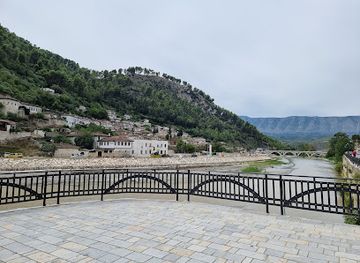
Gorica Bridge
Cross the historic Gorica Bridge in Berat, Albania, for stunning views and a glimpse into the city's rich Ottoman past and cultural heart.
-
Tourist attraction
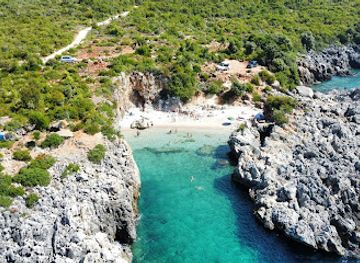
Gjiri i Akuariumit
Discover Gjiri i Akuariumit, a hidden coastal paradise in Himarë with crystal-clear waters, perfect for swimming, snorkeling, and serene relaxation.
Best landmarks in Mallakastra
The archaeological remains of Byllis are Mallakastër’s defining landmark. Positioned near Hekal on an elevated plateau, the site’s substantial walls express the city’s strategic role, while the theatre and public buildings reveal the civic ambitions of the Bylliones. The Late Antique basilicas, including their surviving architectural and decorative elements, mark the later importance of Christianity in the settlement and make Byllis more than a classical ruin. The plateau itself is part of the landmark’s significance: its long views explain the city’s defensive value and connect the archaeological remains with the modern topography of the region. In Ballsh, the oil-processing and industrial landscape provides a very different kind of landmark, representing the twentieth-century transformation of a formerly rural district. Rather than a single monumental structure, it is a network of facilities, roads and urban development that reflects Albania’s industrial history. Across Mallakastër, olive-covered slopes, open hill ridges and the changing edges of the Vjosa basin form important natural reference points, giving the region a distinct visual identity between the coastal plain and southern Albania’s inland valleys.
-
National park
Butrint National Archaeological Park
Discover Butrint National Park: Where ancient civilizations meet stunning natural beauty in Albania's UNESCO World Heritage Site.
-
Nature preserve
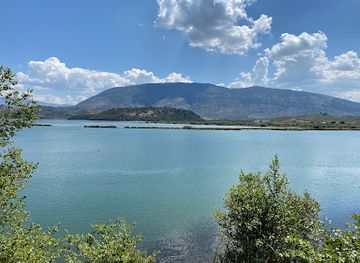
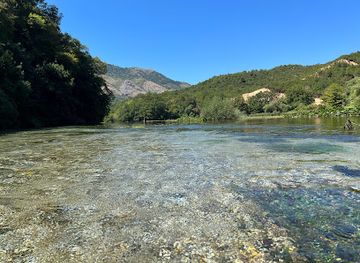
The Blue Eye
Discover the mesmerizing Blue Eye of Albania: a natural spring with crystal-clear waters, lush scenery, and captivating legends.
-
Tourist attraction
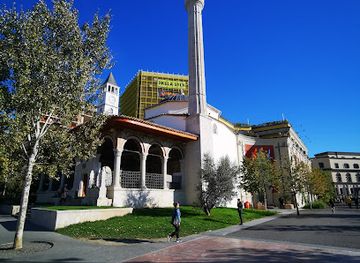
Skanderbeg Square
Discover Albania's heart in Tirana's Skanderbeg Square: a vibrant hub of history, culture, and modern life, surrounded by iconic landmarks.
-
Castle
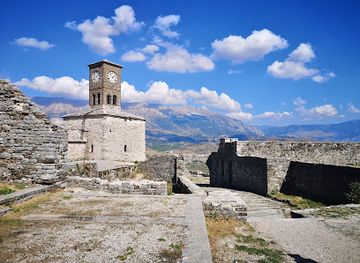
Castle of Gjirokastra
Explore Gjirokastra Castle, a historic Balkan fortress with stunning views, military museums, and a glimpse into Albania's past.
Explore Mallakastra on the map
Plan your trip on one map. See where the top cities, national parks and sights are, and book hotels and experiences in a few clicks.
Best hotels in Mallakastra
Best restaurants in Mallakastra
Dining in Mallakastër is generally informal and closely tied to southern Albanian home cooking rather than a large, specialised restaurant scene. In Ballsh and nearby settlements, visitors may find grilled meat, qofte, byrek, yoghurt-based dishes, seasonal salads, beans, peppers, olives and bread served in simple restaurants or family-run establishments. Olive cultivation is important in the wider landscape, and local oil and preserved produce are useful regional tastes to look for. Meals may be accompanied by Albanian coffee, fruit preserves or raki, although visitors should treat these as optional parts of hospitality rather than obligations. Larger towns outside the region offer greater choice, while rural dining can depend on the day and the establishment’s opening arrangements. Markets, village shops and small food producers are often more reliable places to encounter local ingredients than formal culinary destinations. Ask about available dishes rather than expecting a fixed menu, particularly outside Ballsh, and confirm prices when dining in informal settings.
-
Traditional restaurant
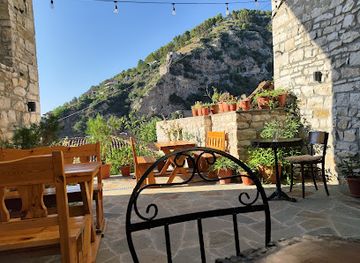
Eni Traditional Food Berat
Discover the heart of Albanian cuisine at Eni Traditional Food in Berat—where every meal tells a story.
-
Restaurant
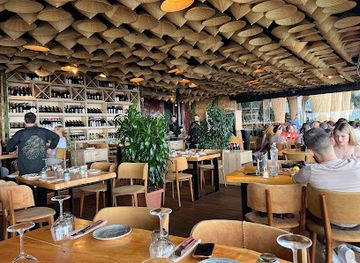
Temi Albanian Food
Experience authentic Albanian cuisine at Temi Albanian Food in Berat - where tradition meets taste.
-
Restaurant
Tradita e Beratit - Hotel & Restaurant
Experience authentic Albanian cuisine and hospitality at Tradita e Beratit - a perfect blend of tradition and comfort in scenic Berat.
-
Restaurant
Kapelet Restaurant
Experience authentic Albanian flavors at Kapelet Restaurant in Shkozë - where every dish tells a story.


Best bars in Mallakastra
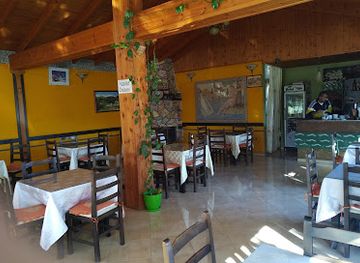
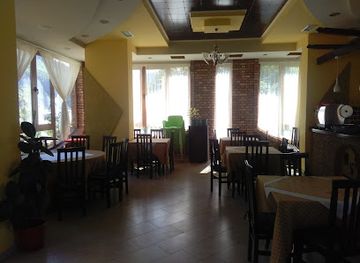
Mallakastër has a modest evening scene centred on Ballsh and the social life of local cafés, restaurants and traditional bars rather than on major nightclubs. Café terraces and small bars are places for conversation, coffee, soft drinks, beer and spirits, while evening activity in villages is quieter and often linked to family restaurants or informal gatherings. Visitors should not expect a concentrated nightlife district or a dependable late-night entertainment programme. The region’s industrial and rural character shapes its after-dark atmosphere, with early evenings often more practical than party-oriented. For live music, larger clubs or a broader choice of venues, visitors generally need to travel to bigger Albanian towns outside Mallakastër. When visiting local bars, dress casually but respectfully, keep noise moderate in residential areas and ask about transport before staying late, since rural taxi and bus options can be limited.
-
Bar
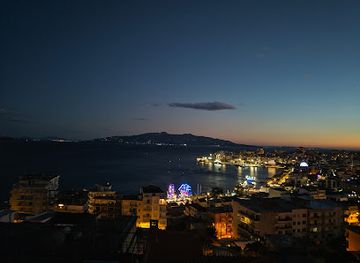
View bar terrace
Experience stunning views and delightful cocktails at the View Bar Terrace in Sarandë, Albania, the perfect spot for relaxation and picturesque sunsets.
-
Bar
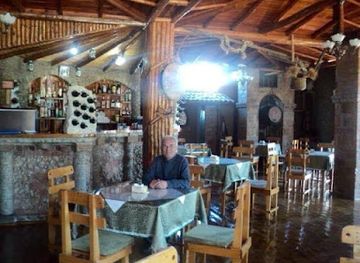
Bar Restaurant Tradita
Discover authentic Albanian flavors at Bar Restaurant Tradita in Ballsh, a cozy bar and restaurant with a vibrant atmosphere.
-
Grill
Bar & Restaurant Fusha
Discover the authentic taste of Albania at Bar & Restaurant Fusha, where grilled delights and warm hospitality await you in Tatoshaj.
-
Bar
Bar HSE Terziu
Experience the vibrant local culture at Bar HSE Terziu, a lively bar in Mirakë, Albania, perfect for relaxation and socializing.
Best nightclubs in Mallakastra
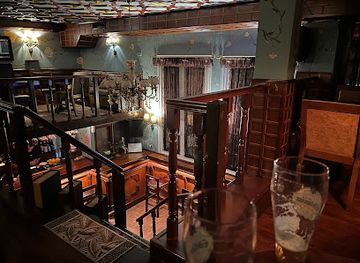
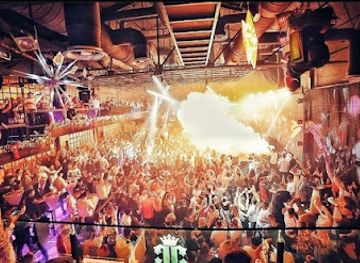
Mallakastër has a modest evening scene centred on Ballsh and the social life of local cafés, restaurants and traditional bars rather than on major nightclubs. Café terraces and small bars are places for conversation, coffee, soft drinks, beer and spirits, while evening activity in villages is quieter and often linked to family restaurants or informal gatherings. Visitors should not expect a concentrated nightlife district or a dependable late-night entertainment programme. The region’s industrial and rural character shapes its after-dark atmosphere, with early evenings often more practical than party-oriented. For live music, larger clubs or a broader choice of venues, visitors generally need to travel to bigger Albanian towns outside Mallakastër. When visiting local bars, dress casually but respectfully, keep noise moderate in residential areas and ask about transport before staying late, since rural taxi and bus options can be limited.
-
Night club
Living Room Antik
Dive into Tirana's vibrant nightlife at Living Room Antik, a top-rated night club and beer hall known for its creative cocktails and lively atmosphere.
-
Night club
Cinco Cavalli Premium Club
Unleash your night at Cinco Cavalli Premium Club, a top nightlife hotspot in Sauk, Albania, where music and vibrant atmosphere collide.
-
Night club
Sky Club
Discover the vibrant nightlife of Tirana at Sky Club, where stunning views meet energetic dance floors and unforgettable experiences.
-
Adult entertainment club
Lust Night Club ( Strip )
Discover the vibrant nightlife at Lust Night Club in Tirana, where electrifying performances and a lively atmosphere await.

Best shops in Mallakastra
Shopping in Mallakastër is practical and local, with Ballsh providing the largest concentration of everyday shops, cafés and services. Visitors are more likely to find small independent businesses and food shops than a dedicated tourist retail quarter or major shopping centre. Look for regional ingredients such as olive oil, olives, honey, preserves and seasonal produce when they are available through local shops or trusted producers. Village cafés and roadside sellers may offer useful opportunities to buy food for an excursion, but quality and availability vary, so packaged goods can be preferable for longer journeys. Craft and souvenir choice is limited compared with Albania’s larger cities, although small gifts connected with Albanian food and rural life are more appropriate to the region than mass-produced items. Market activity can change by settlement and day, so ask locally rather than relying on a fixed weekly schedule. Any archaeological objects offered for sale should be avoided, and visitors should never remove stones or fragments from Byllis or other historic sites.
-
Shopping mall
Toptani
Discover Toptani Shopping Mall in Tirana, where modern shopping meets cultural experiences in a vibrant atmosphere.
-
Shopping mall
Kristal Center
Discover Kristal Center, Tirana's ultimate shopping mall, featuring a mix of shops, restaurants, and entertainment for an unforgettable experience.
-
Shopping mall
Metropol Center
Discover Metropol Center, the ultimate shopping and entertainment destination in Lushnjë, Albania, where every visit is a delightful experience.
-
Consignment shop
ViaAnabel
Explore the unique vintage treasures at ViaAnabel, Tirana’s charming consignment shop offering sustainable fashion and one-of-a-kind finds.

Get your free copy of our complete guide to Mallakastra, delivered straight to you.
Everything on this page, from attractions and restaurants to essentials and local phrases, in one PDF you can read offline, print or share.
Already have an account? Sign in
Your Mallakastra guide is ready.
We'll send it to · Not you? Sign out

Getting your guide ready…
We are putting together a fresh copy of the Mallakastra guide. This can take up to a minute.
This can take a few moments. If your browser asks, choose Allow so the download can start. You'll find the guide in your Downloads folder.
Nothing happened? Download it again
Sorry, the guide is taking longer than usual. Please try again in a minute, or get it by email instead.
Mallakastra essentials
Currency and Payment
Safety
Emergency Situations
Do's and Don'ts
Local Tips
From Eve
Local phrases worth knowing
You don't need to get them perfect. A few words go a long way, and locals appreciate the effort.
Basics
| English | Local | Say it |
|---|---|---|
| Hello | Përshëndetje | [Për-shën-de-tje] |
| Goodbye | Mirupafshim | [Mi-ru-paf-shim] |
| Yes | Po | [Po] |
| No | Jo | [Yo] |
| Please/You're welcome | Të lutem | [Të lu-tem] |
| Thank you | Faleminderit | [Fa-le-min-der-it] |
| Excuse me/Sorry | Më fal | [Më fal] |
| How are you? | Si je? | [Si ye?] |
| Fine. And you? | Mirë. Edhe ti? | [Mir-ë. Ed-he ti?] |
| Do you speak English? | A flet anglisht? | [A flet an-gl-isht?] |
| I don't understand | Nuk kuptoj | [Nuk kup-toj] |
Eating & Drinking
| English | Local | Say it |
|---|---|---|
| I'd like to see the menu, please | Do doja të shihja menunë, të lutem | [Do do-ja të shi-hja me-nu-në, të lu-tem] |
| I don't eat meat | Nuk ha mish | [Nuk ha mish] |
| Cheers! | Gëzuar! | [Gë-zu-ar!] |
| I would like to pay, please | Do doja të paguaja, të lutem | [Do do-ja të pa-gu-a-ja, të lu-tem] |
Emergencies
| English | Local | Say it |
|---|---|---|
| Help! | Ndihmë! | [Ndi-hmë!] |
| Go away! | Shkofsh! | [Shko-fsh!] |
| Call the Police! | Thirr Policinë! | [Thirr Po-li-ci-në!] |
| Call a doctor! | Thirr një doktor! | [Thirr një dok-tor!] |
| I'm lost | Jam i humbur | [Jam i hum-bur] |
| I'm ill | Jam i sëmurë | [Jam i së-mur-ë] |
Shopping
| English | Local | Say it |
|---|---|---|
| I'd like to buy... | Do doja të blija... | [Do do-ja të bli-ja...] |
| I'm just looking | Po shoh vetëm | [Po shoh vet-ëm] |
| How much is it? | Sa kushton? | [Sa kushton?] |
| That's too expensive | Kjo është shumë e shtrenjtë | [Kjo është shumë e shtrenjtë] |
| Can you lower the price? | A mund të ulni çmimin? | [A mund të ul-ni ç-mi-nin?] |
Time & Numbers
| English | Local | Say it |
|---|---|---|
| What time is it? | Sa është ora? | [Sa është o-ra?] |
| It's one o'clock | Është një orë | [Ësh-të një o-rë] |
| Half past (10) | Pjesa e gjysmë (10) | [Pje-sa e gjys-më (10)] |
| Morning | Mëngjes | [Mëng-jes] |
| Afternoon | Pasdite | [Pas-di-te] |
| Evening | Mbrëmje | [Mbrëm-je] |
| Yesterday | Djesh | [Dje-sh] |
| Today | Sot | [Sot] |
| Tomorrow | Nesër | [Ne-sër] |
| 1 | Një | [Një] |
| 2 | Dy | [Dy] |
| 3 | Tre | [Tre] |
| 4 | Katër | [Ka-tër] |
| 5 | Pesë | [Pe-së] |
| 6 | Gjashtë | [Ja-shtë] |
| 7 | Shtatë | [Shta-të] |
| 8 | Tetë | [Te-të] |
| 9 | Nëntë | [Nën-të] |
| 10 | Dhjetë | [Dhje-të] |
Transport & Directions
| English | Local | Say it |
|---|---|---|
| Where's a/the...? | Ku është një/nga...? | [Ku është një/nga...?] |
| What's the address? | Cila është adresa? | [Ci-la është a-dre-sa?] |
| Can you show me (on the map)? | A mund të më tregosh (në hartë)? | [A mund të më tre-gosh (në har-të)?] |
| When's the next (bus)? | Kur është autobusi tjetër? | [Kur është au-to-bu-si tjetër?] |
| A ticket (to ....) | Një biletë (për ....) | [Një bi-le-të (për ....)] |
History of Mallakastra
The Bylliones and the Ancient City of Byllis
Mallakastër’s most important ancient legacy belongs to the Bylliones, an Illyrian community that established Byllis on a naturally strategic plateau near modern Hekal. The city developed as a political and urban centre, with fortifications, civic buildings, a theatre and public spaces demonstrating the organisation of the ancient settlement. Its position overlooking routes through the hills and towards the Vjosa valley gave it military and commercial importance. The surviving remains provide the clearest evidence of the region’s pre-Roman urban culture and remain central to understanding Mallakastër’s place in the ancient western Balkans.
Roman Rule and Regional Integration
Byllis and the surrounding territory became increasingly connected to the Roman world during the Hellenistic and Roman periods. Roman political control brought new administrative relationships, commercial links and architectural influences, while existing local traditions continued within the ancient city. Roads and communications strengthened the relationship between inland settlements, the Adriatic coast and the wider province of Epirus Nova. At Byllis, later construction and altered civic buildings reflect the city’s adaptation to changing political conditions. The Roman period helped shift Mallakastër from a primarily local Illyrian sphere into a region integrated with Mediterranean systems of power and exchange.
Early Christianity and Late Antique Byllis
Christianity became a major force in the region during Late Antiquity, and Byllis developed important ecclesiastical buildings. Its basilicas, often noted for architectural scale and mosaic decoration, show that the settlement remained significant after the classical city had changed politically and economically. The city was also affected by the instability that marked the late Roman and early Byzantine Balkans, including military pressure and changing settlement patterns. Late Antique remains at Byllis are particularly valuable because they reveal how an established urban centre was reshaped by Christian institutions rather than simply abandoned.
Medieval Landscapes and Byzantine Influence
During the medieval centuries, political authority in the wider region shifted among Byzantine, local and later western Balkan powers. Urban life at Byllis declined, while settlement and religious activity became more closely tied to defensible locations, villages and church communities across the hills. Mallakastër occupied a corridor between the coast and the interior, so its history was influenced by movements through southern Albania even when no single authority controlled the area continuously. Medieval remains and local religious traditions form a less monumental but important layer beneath the region’s better-known ancient heritage.
Ottoman Administration and Rural Society
Mallakastër became part of the Ottoman imperial system as Ottoman authority expanded across Albania. The region was administered through the structures of the empire, while village life continued to depend heavily on agriculture, livestock, olive cultivation and local trade. Religious and social identities developed within the diverse environment of southern Albania, and routes linking inland communities with market towns helped sustain the rural economy. The Ottoman period left its mark less through a single dominant monument than through patterns of settlement, land use and cultural exchange that continued into the modern era.
Oil, Industry and the Modern Ballsh District
The twentieth century brought a major transformation as oil exploration and processing became central to the economy of Mallakastër and neighbouring parts of southern Albania. Ballsh emerged as an industrial centre, and the refinery and associated infrastructure shaped employment, migration and the appearance of the district during the communist period. The industrial legacy remains visible alongside farms, olive groves and older villages. Since the end of communist rule, the local economy has faced substantial change, but oil continues to be an important part of Mallakastër’s modern historical identity.
Mallakastra in Photos
Browse through our photo collection highlighting the charm and character of the destination.
Neighbouring regions of Mallakastra
The closest regions to Mallakastra, if you have time for more than one.
-

-

-

-

-


Swipe for more regions
Explore more

Explore more of Albania
Discover Albania: A land of untamed beauty, rich history, and warm hospitality, offering stunning beaches, rugged mountains, and vibrant cities.
Explore Albania