

Free Chelif Plain Travel Guide & Mobile App
Explore Chelif Plain with free travel guides. Discover regional history, expert tips, proposed trips, and audio guides on web or mobile app.


Explore Algeria’s Chelif Plain for river landscapes, farming towns, Roman traces, mountain views and authentic north-western food traditions.
Read more about Chelif Plain
When is the best time to visit Chelif Plain?
Best: April–May, October · 23–27°C| Month | High (°C) | Rainfall (mm) |
|---|---|---|
| January | 16 | 50 |
| February | 18 | 40 |
| March | 20 | 40 |
| April (best) | 23 | 30 |
| May (best) | 27 | 20 |
| June | 32 | 10 |
| July | 36 | 5 |
| August | 35 | 10 |
| September | 31 | 20 |
| October (best) | 26 | 30 |
| November | 20 | 40 |
| December | 17 | 50 |
Getting to and around Chelif Plain
How to get there
Transportation
Best landmarks in Chelif Plain
The most important historic landmark in the Chelif Plain is the archaeological site associated with Castellum Tingitanum at Chlef, which recalls the city’s Roman role within the imperial road and administrative system of North Africa. Its remains are less visually complete than the major Roman monuments at Timgad or Djemila, but they are significant because they anchor Chlef’s long urban history. Modern Chlef itself is also a landmark of reconstruction: the city’s planned post-1980 form embodies the physical consequences of one of Algeria’s most devastating earthquakes. Across the eastern basin, the Ouarsenis and Zaccar massifs create a powerful natural backdrop and help define the relationship between the cultivated plain and its mountain rim. The Chelif River is a geographical landmark rather than a monumental one, forming the basin’s central ecological and agricultural axis. In the west, Relizane’s position within the broad valley illustrates the region’s role as a corridor between inland farming districts and the coastal-facing north-west. Historic mosques, civic buildings and village structures should be viewed in context, since much of the older built fabric was altered by earthquakes, reconstruction and twentieth-century development.
-
 Historical landmark
Martyrs Memorial
A towering monument in Algiers honoring Algeria's independence, with panoramic city views and a poignant reminder of the nation's history.
-
Botanical garden
Botanical Garden Hamma
Discover a world of plants and tranquility at Algiers' historic Botanical Garden Hamma, a verdant escape in the city's heart.
-
Basilica
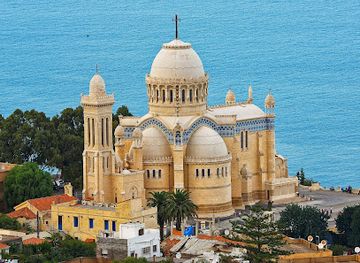
Church of Notre Dame d'Afrique
Discover Algiers' iconic basilica: a symbol of faith, art, and stunning Mediterranean views. A testament to Algeria's rich history and cultural harmony.
-
Historical place
Royal Mausoleum of Mauritania
Discover the Royal Mausoleum of Mauritania: A majestic monument blending Berber, Hellenistic, and Egyptian architecture, offering a glimpse into ancient royal history.


Explore Chelif Plain on the map
Plan your trip on one map. See where the top cities, national parks and sights are, and book hotels and experiences in a few clicks.
Best hotels in Chelif Plain
Best restaurants in Chelif Plain
Dining in the Chelif Plain reflects the food culture of northern Algeria and the produce of an intensively farmed basin. Chlef, Aïn Defla and Relizane offer cafés, family restaurants and grills serving couscous, stews, soups such as chorba, grilled meats, vegetable dishes and savoury pastries. Bread is central to everyday meals, while seasonal fruit, citrus, vegetables, olives and cereals connect local cooking to the surrounding farmland. In rural areas, meals are often simpler and may depend on what is available that day, with hospitality expressed through shared dishes and sweet mint tea or coffee. Markets are useful for seeing regional produce, although visitors should choose food that is freshly prepared and served hot when buying from informal stalls. Coastal seafood is associated more strongly with nearby Ténès and the Mediterranean than with the inland plain, so it should not be presented as the defining cuisine of Chelif towns. Alcohol is available only in some licensed establishments and is not central to the region’s dining culture.
-
Restaurant
مطعم ارابيسك الجزائر & Restaurant Arabesque Alger
Experience authentic Syrian cuisine in Sidi M'Hamed at Restaurant Arabesque Alger – where flavors come alive!
-
Restaurant
Restaurant Signature
Discover authentic Algerian cuisine at Restaurant Signature in El Biar - where every meal tells a story.
-
Country food restaurant
La Palmeraie Restaurant مطعم النخيل
Experience authentic Moroccan cuisine at La Palmeraie Restaurant - a must-visit culinary destination in Dély Ibrahim.
-
Restaurant
El Marssem
Experience authentic Algerian cuisine at El Marssem in Hydra – where tradition meets taste in a vibrant setting.


Best bars in Chelif Plain
Evening life in the Chelif Plain is centred on cafés, family restaurants, tea houses and traditional social spaces rather than a large nightclub circuit. Chlef has the broadest urban choice, with cafés and restaurants that become busier after sunset, while Aïn Defla and Relizane offer a more local and low-key evening rhythm. In smaller towns and villages, evenings commonly revolve around conversation, coffee, tea and food, with limited late-night entertainment. Hotels may provide the most straightforward setting for visitors seeking a quiet drink or organised evening service, but availability varies. Live entertainment and seasonal celebrations may occur during public or cultural events without forming a permanent nightlife calendar. Visitors should dress and behave discreetly, respect family-oriented spaces and avoid assuming that late-night venues operate to European schedules. The region’s evening character is best understood through its cafés and town squares rather than through clubbing.
-
Hotel
Sofitel Algiers Hamma Garden
Experience the essence of luxury and tranquility at Sofitel Algiers Hamma Garden, a premium hotel nestled in the heart of Algiers' botanical beauty.
-
Restaurant
PianoPiano.dz
Discover the vibrant culinary and cultural experience at PianoPiano.dz in El Madania, where exquisite cuisine meets enchanting live music.
-
Hotel
Hotel les Orangers
Discover the heart of Chlef at Hotel les Orangers, where comfort meets local charm in a serene setting.
-
Tapas
Cosmopolitain
Discover the essence of Mediterranean flavors at Cosmopolitain, a vibrant tapas bar in El Madania, Algeria, perfect for food lovers and social gatherings.


Best nightclubs in Chelif Plain
Evening life in the Chelif Plain is centred on cafés, family restaurants, tea houses and traditional social spaces rather than a large nightclub circuit. Chlef has the broadest urban choice, with cafés and restaurants that become busier after sunset, while Aïn Defla and Relizane offer a more local and low-key evening rhythm. In smaller towns and villages, evenings commonly revolve around conversation, coffee, tea and food, with limited late-night entertainment. Hotels may provide the most straightforward setting for visitors seeking a quiet drink or organised evening service, but availability varies. Live entertainment and seasonal celebrations may occur during public or cultural events without forming a permanent nightlife calendar. Visitors should dress and behave discreetly, respect family-oriented spaces and avoid assuming that late-night venues operate to European schedules. The region’s evening character is best understood through its cafés and town squares rather than through clubbing.
-
Bar
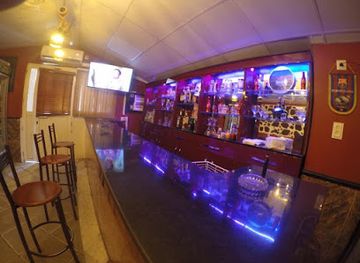
Club gentleman
Discover the vibrant nightlife of Bordj El Kiffan at Club Gentleman, where exquisite grilled delights meet the rhythm of local culture.
-
Night club
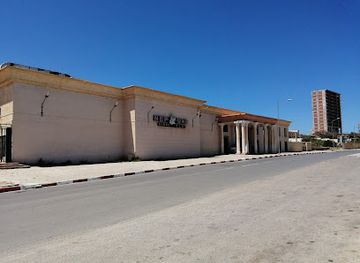
NEPTUNE CLUB
Discover the heart of Algeria's nightlife at Neptune Club, where electrifying music and vibrant crowds create unforgettable memories in Ain El Turk.
-
Disco club
Club Pacha Nightclub
Dive into the electrifying nightlife of El Mouradia at Club Pacha Nightclub, where unforgettable music and vibrant energy await every party lover.
-
Disco club
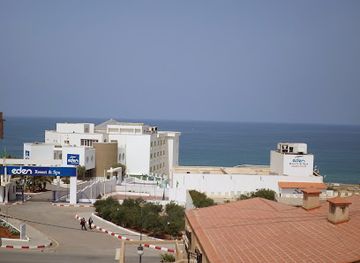
Sun Club House
Discover the exhilarating nightlife of Ain El Turk at Sun Club House, where music, dance, and vibrant culture come alive every night.

Best shops in Chelif Plain
Shopping in the Chelif Plain is primarily practical and market-based, with Chlef, Aïn Defla and Relizane serving as the largest retail centres. Their commercial streets contain clothing shops, household goods, bakeries, cafés and small businesses, while weekly or periodic markets provide a closer view of locally traded fruit, vegetables, grains, olives and livestock. The agricultural character of the region makes edible products the most appropriate souvenirs: seasonal citrus, olive products, dates from suitable supply areas and packaged Algerian sweets are easier to carry than fragile craft goods. Independent shops and market stalls may offer woven items, pottery or traditional clothing, but quality and provenance vary, so buying directly from established artisans or reputable retailers is preferable. Chlef is the most convenient place for a broader selection of everyday goods, whereas smaller towns provide a more local shopping experience. Bargaining may be acceptable in some informal markets but is not appropriate in every shop; observe local practice and agree the price before completing a purchase.
-
Shopping mall
Marina mall
Explore Marina Mall in Bab Ezzouar for an unforgettable shopping and dining experience with family and friends.
-
Hypermarket
City Shop
Discover a world of shopping at City Shop, Chlef’s premier hypermarket featuring local products, fresh produce, and a vibrant atmosphere.
-
Supermarket
Castel market
Explore Castel Market in Chlef for a genuine taste of Algerian culture with fresh produce and local delicacies.
-
Gift shop
El Bahdja jewels & gift shop ( park mall four point by Sheraton)
Discover unique treasures at El Bahdja Jewels & Gift Shop in Setif, where local craftsmanship meets exceptional quality and charm.


Get your free copy of our complete guide to Chelif Plain, delivered straight to you.
Everything on this page, from attractions and restaurants to essentials and local phrases, in one PDF you can read offline, print or share.
Already have an account? Sign in
Your Chelif Plain guide is ready.
We'll send it to · Not you? Sign out

Getting your guide ready…
We are putting together a fresh copy of the Chelif Plain guide. This can take up to a minute.
This can take a few moments. If your browser asks, choose Allow so the download can start. You'll find the guide in your Downloads folder.
Nothing happened? Download it again
Sorry, the guide is taking longer than usual. Please try again in a minute, or get it by email instead.
Chelif Plain essentials
Currency and Payment
Safety
Emergency Situations
Do's and Don'ts
Local Tips
From Eve
Local phrases worth knowing
You don't need to get them perfect. A few words go a long way, and locals appreciate the effort.
Basics
| English | Local | Say it |
|---|---|---|
| Hello | سلام | [Salam] |
| Goodbye | وداعا | [Wada'an] |
| Yes | نعم | [Na'am] |
| No | لا | [La] |
| Please/You're welcome | من فضلك | [Min fadlik] |
| Thank you | شكرا | [Shukran] |
| Excuse me/Sorry | عفوا | [Afwan] |
| How are you? | كيف حالك؟ | [Kayfa halak?] |
| Fine. And you? | بخير. وأنت؟ | [Bikhayr. Wa anta?] |
| Do you speak English? | هل تتحدث الإنجليزية؟ | [Hal tatahaddath al-ingliziya?] |
| I don't understand | لا أفهم | [La afham] |
Eating & Drinking
| English | Local | Say it |
|---|---|---|
| I'd like to see the menu, please | أود رؤية القائمة، من فضلك | [Awad ru'yat al-qaimah, min fadlik] |
| I don't eat meat | لا آكل اللحم | [La akul al-lahm] |
| Cheers! | صحة | [Sihha] |
| I would like to pay, please | أود الدفع، من فضلك | [Awad ad-daf', min fadlik] |
Emergencies
| English | Local | Say it |
|---|---|---|
| Help! | مساعدة! | [Musaa'adah!] |
| Go away! | ابتعد! | [Ibt'id!] |
| Call the Police! | اتصل بالشرطة! | [Ittasil bil-shurta!] |
| Call a doctor! | اتصل بطبيب! | [Ittasil bi-tabeeb!] |
| I'm lost | أنا ضائع | [Ana da'i'] |
| I'm ill | أنا مريض | [Ana marid] |
Shopping
| English | Local | Say it |
|---|---|---|
| I'd like to buy... | أود شراء... | [Awad shirā...] |
| I'm just looking | أنا فقط أنظر | [Ana faqat anzur] |
| How much is it? | كم ثمنه؟ | [Kam thamanuh?] |
| That's too expensive | هذا مكلف جدا | [Hatha mukallaf jidan] |
| Can you lower the price? | هل يمكنك تخفيض السعر؟ | [Hal yumkinuka takhfid as-si'r?] |
Time & Numbers
| English | Local | Say it |
|---|---|---|
| What time is it? | كم الساعة؟ | [Kam as-saa'ah?] |
| It's one o'clock | إنها الساعة الواحدة | [Innaha as-saa'ah al-wahidah] |
| Half past (10) | نصف الساعة العاشرة | [Nisf as-saa'ah al-'ashirah] |
| Morning | صباح | [Sabah] |
| Afternoon | بعد الظهر | [Ba'ad al-zuhur] |
| Evening | مساء | [Masa'] |
| Yesterday | أمس | [Ams] |
| Today | اليوم | [Al-yawm] |
| Tomorrow | غدا | [Ghadan] |
| 1 | واحد | [Wahid] |
| 2 | اثنان | [Ithnan] |
| 3 | ثلاثة | [Thalatha] |
| 4 | أربعة | [Arba'a] |
| 5 | خمسة | [Khamsa] |
| 6 | ستة | [Sitta] |
| 7 | سبعة | [Sab'a] |
| 8 | ثمانية | [Thamaniya] |
| 9 | تسعة | [Tis'a] |
| 10 | عشرة | [Ashara] |
Transport & Directions
| English | Local | Say it |
|---|---|---|
| Where's a/the...? | أين...؟ | [Ayn...?] |
| What's the address? | ما هو العنوان؟ | [Ma huwa al-unwan?] |
| Can you show me (on the map)? | هل يمكنك أن تريني (على الخريطة)؟ | [Hal yumkinuka an turini (ala al-kharita)?] |
| When's the next (bus)? | متى يأتي (الباص) القادم؟ | [Mata yati (al-bas) al-qadim?] |
| A ticket (to ....) | تذكرة (إلى ....) | [Tadhkirah (ila ....)] |
History of Chelif Plain
Prehistoric settlement and the Chelif basin
The Chelif basin has long offered water, cultivable land and routes between the Mediterranean-facing Tell and Algeria’s interior. Archaeological evidence from the wider Chlef and western Tell region demonstrates human occupation extending well before written history, although individual prehistoric sites are not always arranged for public visitation. The river valley’s importance was geographical as much as political: it provided a natural corridor through often rugged northern terrain. Later communities continued to favour the plain’s soils and water sources, establishing the agricultural foundations that still distinguish the region.
Roman Castellum Tingitanum and the ancient valley
Roman power reached the central Chelif during the imperial period, when the settlement known as Castellum Tingitanum occupied the site of present-day Chlef. Its name reflects the administrative geography of Roman North Africa and the settlement’s role in controlling communications and agricultural territory. Roman influence brought roads, taxation and military organisation, although the visible remains in the modern city are fragmentary. The ancient site nevertheless explains why Chlef has historical importance beyond its present-day role as a provincial and commercial centre.
Islamic dynasties and medieval connections
After the Roman and late antique periods, the Chelif basin became part of the changing political and cultural world of Islamic North Africa. Arab and Amazigh communities, religious institutions and successive dynasties connected the plain to inland cities, mountain areas and Mediterranean trade routes. The region was not isolated: agricultural production and movement through the valley tied its settlements to wider networks in the Maghreb. Surviving religious and urban traditions are best understood as part of this long history of interaction rather than as the product of a single medieval dynasty.
Ottoman-era administration and local agriculture
Under Ottoman rule, much of northern Algeria was governed through a combination of provincial authority, local notables and rural communities. The Chelif basin remained valuable for grain cultivation, livestock and movement between coastal and inland areas. Political control could be uneven beyond the main centres, while tribal, village and religious structures continued to shape everyday life. The Ottoman period left fewer monumental traces here than in some Algerian cities, but it forms an important bridge between medieval regional systems and the more intensive administrative and agricultural reorganisation introduced during French colonisation.
French colonisation and the transformation of the plain
French conquest in the nineteenth century brought new administrative boundaries, land policies, roads, rail connections and settlement patterns to the Chelif basin. Colonial agriculture expanded the commercial production of cereals, vines and orchard crops in selected areas, often through the appropriation or restructuring of existing lands. Towns such as Orléansville, the colonial name for present-day Chlef, acquired new civic and military functions. The changes integrated the plain more closely into colonial markets while also producing dispossession, social inequality and resistance, themes central to understanding the region’s modern history.
The 1954 earthquake and the War of Independence
A powerful earthquake struck the Chlef area in 1954, causing extensive destruction shortly before the Algerian War of Independence began. The disaster placed additional pressure on communities already living under colonial rule and affected the region’s buildings and infrastructure. During the war, the Chelif’s roads, settlements and agricultural territory formed part of the wider strategic and social landscape of the conflict. Independence in 1962 brought the region into a new national framework, followed by efforts to expand public services, education and agricultural development.
Modern Chlef and the 1980 earthquake
The most consequential recent disaster in the region was the earthquake of 10 October 1980, centred near El Asnam, the then name of Chlef. It caused very heavy loss of life and widespread destruction, leading to large-scale reconstruction and the city’s renaming as Chlef in 1981. Contemporary Chlef therefore contains a strong post-earthquake imprint, with planned neighbourhoods and modern construction replacing much of the earlier urban fabric. The event remains central to local memory and explains why seismic awareness and resilient building practices are important subjects in the region.
Agricultural development in the contemporary plain
Since independence, the Chelif basin has remained one of northern Algeria’s important agricultural zones, supporting cereals, citrus, vegetables, livestock and other crops according to local water and soil conditions. Dams and irrigation projects have helped regulate water for farming, although drought and recurring water stress remain practical challenges. Towns such as Chlef, Aïn Defla and Relizane have grown as service, education and trading centres for surrounding rural districts. The modern history of the plain is consequently one of continuing agricultural importance alongside urban expansion and changing climate pressures.
Chelif Plain in Photos
Browse through our photo collection highlighting the charm and character of the destination.
Neighbouring regions of Chelif Plain
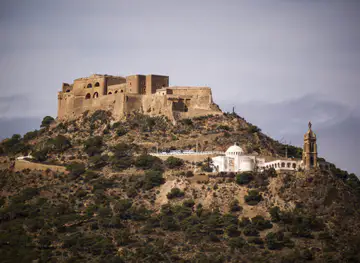
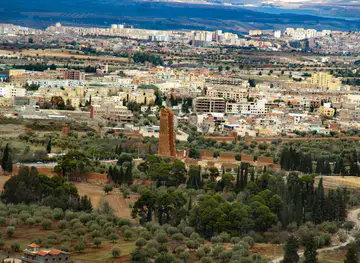
The closest regions to Chelif Plain, if you have time for more than one.
-

-
-
-

-


Swipe for more regions
Explore more
Explore more of Algeria
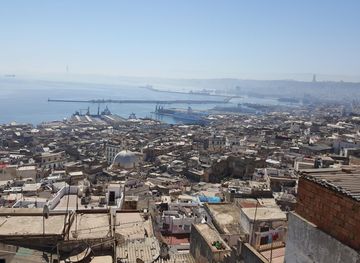
Discover Algeria: A captivating blend of ancient history, stunning landscapes, and vibrant culture. From the Sahara desert to Mediterranean coasts, adventure awaits.
Explore Algeria