

Free Oran Region Travel Guide & Mobile App
Explore Oran Region with free travel guides. Discover regional history, expert tips, proposed trips, and audio guides on web or mobile app.


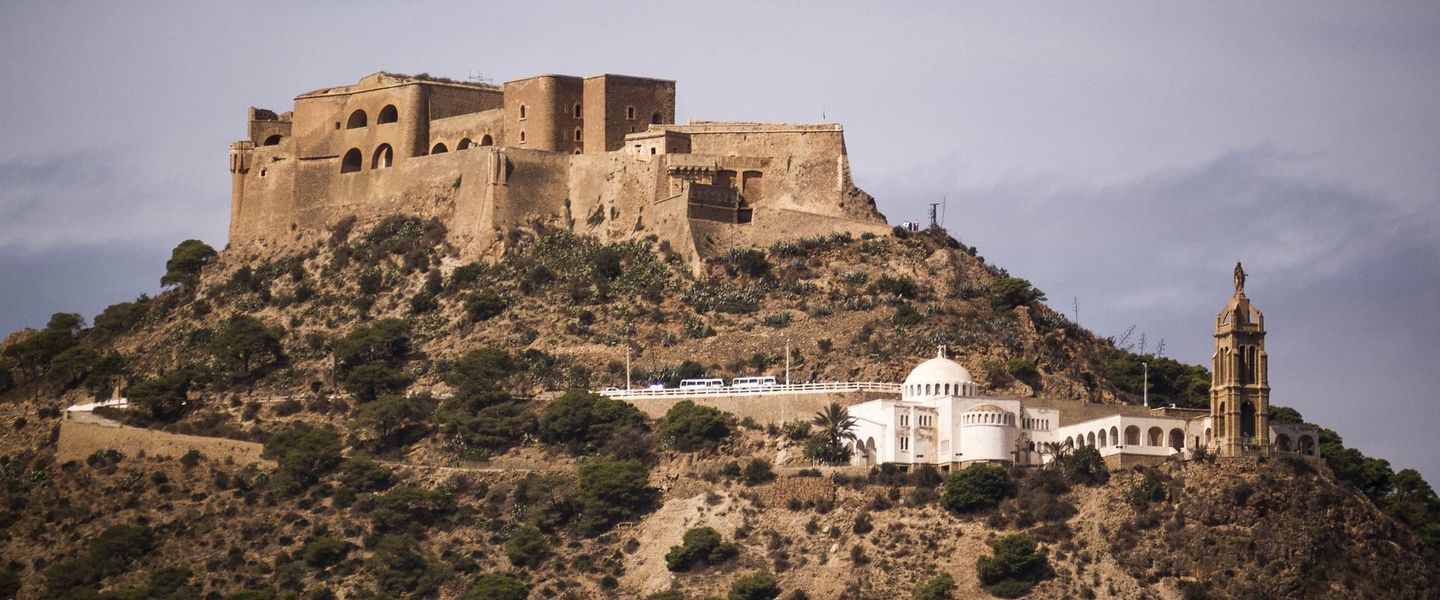


Explore Oran Region for Mediterranean coastlines, Spanish and Ottoman heritage, raï culture, historic harbours and western Algerian cuisine.
Read more about Oran Region
When is the best time to visit Oran Region?
Best: May–June, October · 25–30°C| Month | High (°C) | Rainfall (mm) |
|---|---|---|
| January | 16 | 49 |
| February | 17 | 45 |
| March | 20 | 43 |
| April | 23 | 40 |
| May (best) | 27 | 29 |
| June (best) | 30 | 12 |
| July | 33 | 5 |
| August | 33 | 9 |
| September | 30 | 20 |
| October (best) | 25 | 42 |
| November | 20 | 53 |
| December | 17 | 53 |
Getting to and around Oran Region
How to get there
Transportation
Top city travel guides in Oran Region
The cities of Oran Region, and the easiest places to base yourself.

Swipe for more cities
Destinations in Oran Region
Resorts, valleys and scenic spots worth a trip of their own.

Swipe for more destinations
Best attractions in Oran Region
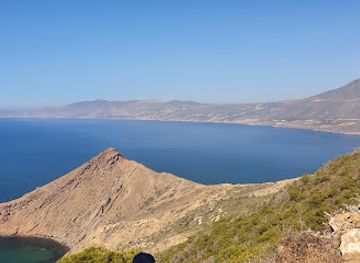
Oran Region’s attractions combine urban heritage, Mediterranean leisure and the working landscapes of a major port. In Oran, the heights of Murdjadjo lead to Fort Santa Cruz and its chapel, with broad views across the city, bay and Mers El Kébir. Central districts offer cultural institutions, historic squares, theatres, libraries and museums, while Sidi El Houari provides a close view of the city’s layered urban past. West of the city, Mers El Kébir and Aïn El Turk bring together naval history, rocky coast, sandy beaches and summer resort life. Eastwards, Arzew and Bethioua reveal a different Oran Region, where port and energy infrastructure sit near older maritime settlements and the archaeological remains of Roman Portus Magnus. The region also offers opportunities for coastal walks, swimming in suitable conditions, photography and excursions into the Murdjadjo and surrounding countryside. Because some industrial and military areas have restricted access, visitors should follow local signs and guidance rather than treating every shoreline or harbour as an open attraction.
-
Tourist attraction
Fort of Santa Cruz
Explore Oran's iconic Fort of Santa Cruz: a historic fortress with stunning panoramic views of the city and the Mediterranean Sea.
-
Tourist attraction
Oran sea front
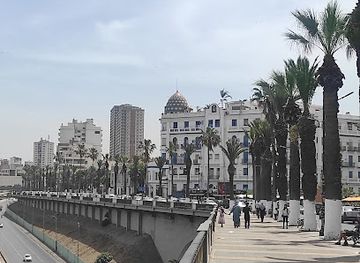
Experience the vibrant Oran Sea Front: stunning views, local culture, and delicious cuisine along Algeria's Mediterranean coast.
-
Amusement park
Dream paradise park Oran
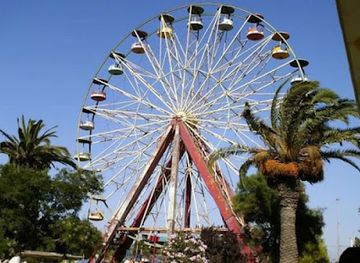
Experience thrilling rides and joyful moments at Oran's Dream Paradise Park, the perfect destination for family fun and unforgettable adventures!
-
Tourist attraction
Canastel Forest
Escape to Canastel Forest in Oran: Hike scenic trails, picnic amidst lush greenery, and discover breathtaking coastal views. A natural oasis awaits!


Best landmarks in Oran Region
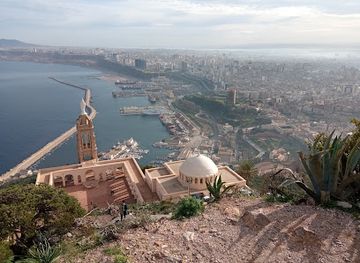
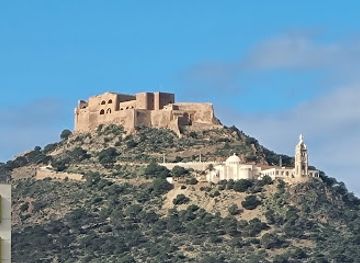
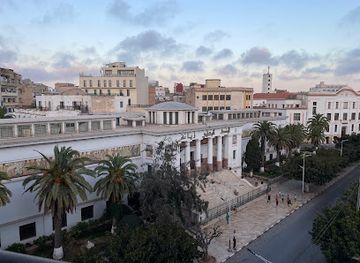
Fort Santa Cruz is Oran Region’s defining landmark, occupying a high position on Murdjadjo above the city and the Gulf of Mers El Kébir. Together with the Chapel of Santa Cruz and other defensive works on the heights, it records the strategic importance of Oran during the Spanish period and offers the region’s most commanding urban panorama. Below, Sidi El Houari preserves the city’s oldest urban layers, with Ottoman, Spanish and French influences visible in its streets, religious buildings and surviving structures. In the centre, Place du 1er Novembre forms a civic focus, while the former Sacred Heart Cathedral, now a library, represents the scale of colonial public architecture. The former Great Synagogue, today the Abdallah Ibn Salam Mosque, reflects the city’s changing communities and religious history. At the eastern end of the region, the archaeological remains of Roman Portus Magnus near Bethioua mark an earlier maritime landscape, while Mers El Kébir’s sheltered harbour remains a powerful geographical and historical landmark in its own right.
-
Fortress
Fort of Santa Cruz
Explore Oran's iconic Fort of Santa Cruz: a historic fortress with panoramic views and a glimpse into Algeria's rich past.
-
Tourist attraction
Oran sea front
Experience the vibrant heart of Oran along its Mediterranean Sea Front, a scenic promenade blending culture, cuisine, and coastal charm.
-
National forest
Canastel Forest
Escape to Canastel Forest in Oran: Hike scenic trails, enjoy tranquil picnics, and discover breathtaking coastal views in Algeria's natural haven.
-
Museum
Ahmed Zabana National Museum
Explore Algeria's history and culture at the Ahmed Zabana National Museum in Oran, featuring artifacts, art, and natural history exhibits.
Explore Oran Region on the map
Plan your trip on one map. See where the top cities, national parks and sights are, and book hotels and experiences in a few clicks.
Best hotels in Oran Region
Best restaurants in Oran Region
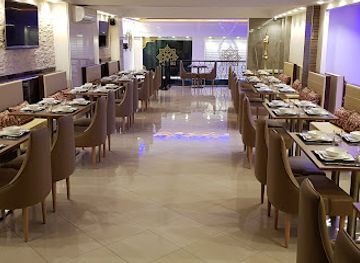
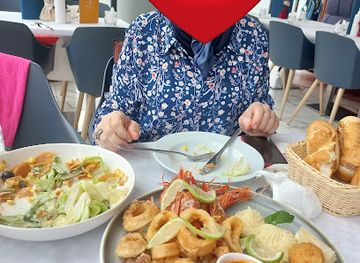
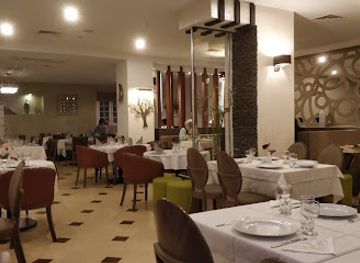
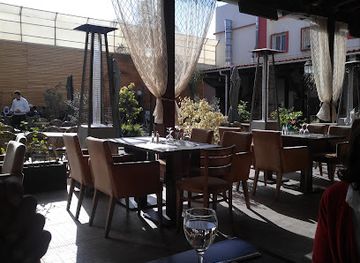
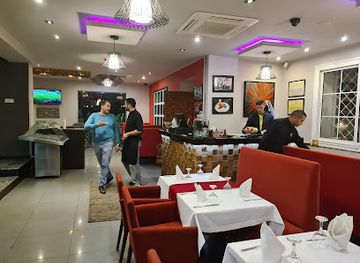
Dining in Oran Region reflects the city’s coastal setting and its position within western Algerian food culture. Seafood and grilled fish are prominent around Oran, Mers El Kébir and the seasonal resorts of Aïn El Turk, while urban restaurants and family establishments serve couscous, chorba, grilled meats, tajines, salads and savoury pastries. Western Algerian cooking shares many dishes with the wider country but has its own local patterns of seasoning, presentation and social dining. Oran’s cafés are important places for coffee, tea, pastries and informal meals, and French-influenced bakery traditions remain visible alongside Algerian specialities. Markets and food shops are useful for fruit, olives, dates, spices and other everyday produce, although opening arrangements vary. In summer, seaside dining becomes busier and more seasonal; outside the resort belt, established restaurants in Oran provide the most dependable variety.
-
Indian
Bollywood Restaurant
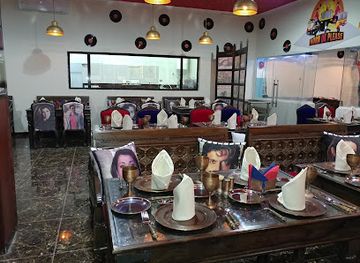
Experience the vibrant flavors of India at Bollywood Restaurant in Oran – a culinary journey awaits with every delicious dish.
-
Family-friendly
Arabesque Restaurant
Experience authentic Algerian cuisine in a family-friendly setting at Arabesque Restaurant in Oran.
-
Restaurant
Restaurant PRALIN Illusion
Discover the flavors of Oran at Restaurant PRALIN Illusion - where delicious pizzas meet family-friendly dining.
-
Restaurant
Bekhchi Restaurant
Discover authentic Algerian cuisine at Bekhchi Restaurant in Oran - a culinary journey filled with traditional flavors and warm hospitality.
Best bars in Oran Region
Evening life in Oran Region is centred less on a single club district than on cafés, restaurants, hotel venues, music and late promenades. Central Oran has the broadest choice, with cafés and restaurants that become busier after sunset, while the waterfront and summer resorts around Aïn El Turk acquire a more seasonal atmosphere. Traditional cafés are important social spaces, and visitors may also encounter live music or cultural performances connected with the city’s strong raï tradition. Some hotels and larger venues offer licensed alcohol, but availability and operating arrangements differ, so expectations should remain flexible. In smaller coastal and eastern towns, evenings are generally quieter and focus on food, conversation and family-oriented leisure rather than extensive nightclub activity. Dress and behaviour should suit the setting, and local regulations and venue policies should always be respected.
-
Restaurant
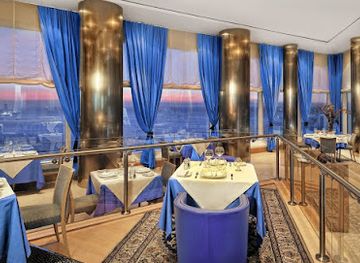
Le Ciel D' Oran Restaurant
Experience the breathtaking views and authentic Algerian cuisine at Le Ciel D' Oran Restaurant, a must-visit culinary destination in Oran.
-
Restaurant
El Firdaous
Experience authentic Algerian cuisine at El Firdaous, a vibrant restaurant in Oran, where every meal tells a story of culinary tradition.
-
Restaurant
Central Perk Oran
Experience the vibrant flavors of Oran at Central Perk, a cozy café and restaurant blending local and international cuisine in an inviting atmosphere.
-
Restaurant
Ambiance Villa
Discover the exquisite flavors of Ambiance Villa, a premier restaurant in Oran offering a delightful blend of local and international cuisines.

Best nightclubs in Oran Region
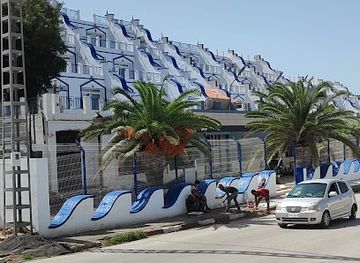
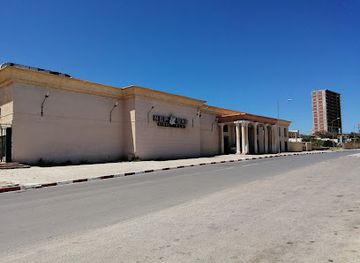
Evening life in Oran Region is centred less on a single club district than on cafés, restaurants, hotel venues, music and late promenades. Central Oran has the broadest choice, with cafés and restaurants that become busier after sunset, while the waterfront and summer resorts around Aïn El Turk acquire a more seasonal atmosphere. Traditional cafés are important social spaces, and visitors may also encounter live music or cultural performances connected with the city’s strong raï tradition. Some hotels and larger venues offer licensed alcohol, but availability and operating arrangements differ, so expectations should remain flexible. In smaller coastal and eastern towns, evenings are generally quieter and focus on food, conversation and family-oriented leisure rather than extensive nightclub activity. Dress and behaviour should suit the setting, and local regulations and venue policies should always be respected.
-
Night club
Djawhara
Dive into Ain El Turk's nightlife at Djawhara, a vibrant night club blending local rhythms with an electrifying atmosphere.
-
Night club
Solazur Club
Dive into the vibrant nightlife of Ain El Turk at the renowned Solazur Club, where music and energy create unforgettable nights.
-
Night club
NEPTUNE CLUB
Discover the vibrant nightlife of Ain El Turk at Neptune Club, a premier destination for unforgettable music, dance, and local culture.
-
Night club
Arena Club
Experience the vibrant nightlife of Oran at Arena Club, where music, dancing, and unforgettable memories await you.

Best shops in Oran Region
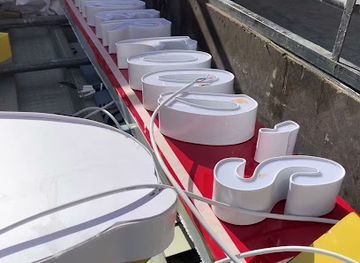
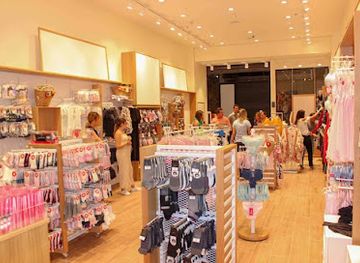
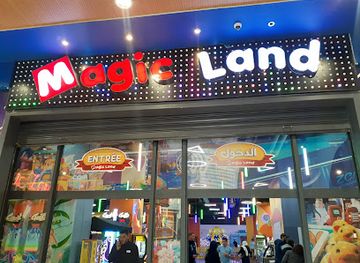
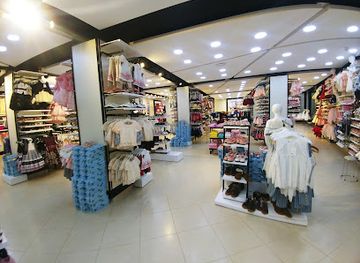
Shopping in Oran Region is primarily urban and practical, with the greatest range in central Oran and the larger commercial districts around the city. High streets, covered shops, bakeries, food stores and market areas offer clothing, household goods, leather items, books, sweets, spices, olives and locally used pantry products. Visitors looking for regional gifts can consider Algerian ceramics, woven goods, jewellery, embroidered textiles, dates and packaged food, while checking quality and provenance rather than assuming every craft item is locally made. Seasonal coastal resorts around Aïn El Turk have informal stalls and beach-oriented retail during the summer, but their selection is less dependable outside the holiday period. Markets are useful for observing everyday commerce and buying fresh produce, though bargaining should remain courteous and modest. Oran is better suited to independent shops and food shopping than to luxury retail, and opening hours can vary between businesses and districts.
-
Shopping mall
Es-Senia Shopping & Leisure Center
Explore the vibrant Es-Senia Shopping & Leisure Center in Sidi Chami, where shopping, dining, and entertainment come together for an unforgettable experience.
-
Shopping mall
Oran Grand
Experience the vibrant shopping scene at Oran Grand, where retail, dining, and entertainment come together in the heart of Algeria.
-
Shopping mall
Magasin LOOK
Discover a world of shopping at Magasin LOOK in Oran, where vibrant retail meets local culture in a stunning setting.
-
Clothing store
Boubaaya
Explore the vibrant world of fashion at Boubaaya in Oran, where style meets tradition and quality.
Get your free copy of our complete guide to Oran Region, delivered straight to you.
Everything on this page, from attractions and restaurants to essentials and local phrases, in one PDF you can read offline, print or share.
Already have an account? Sign in
Your Oran Region guide is ready.
We'll send it to · Not you? Sign out

Getting your guide ready…
We are putting together a fresh copy of the Oran Region guide. This can take up to a minute.
This can take a few moments. If your browser asks, choose Allow so the download can start. You'll find the guide in your Downloads folder.
Nothing happened? Download it again
Sorry, the guide is taking longer than usual. Please try again in a minute, or get it by email instead.
Oran Region essentials
Currency and Payment
Safety
Emergency Situations
Do's and Don'ts
Local Tips
From Eve
Local phrases worth knowing
You don't need to get them perfect. A few words go a long way, and locals appreciate the effort.
Basics
| English | Local | Say it |
|---|---|---|
| Hello | سلام | [Salam] |
| Goodbye | مع السلامة | [Ma'a as-salama] |
| Yes | نعم | [Na'am] |
| No | لا | [La] |
| Please/You're welcome | من فضلك | [Min fadlak] |
| Thank you | شكرا | [Shukran] |
| Excuse me/Sorry | عفوا | [Afwan] |
| How are you? | كيف حالك؟ | [Kayfa halak?] |
| Fine. And you? | بخير. وانت؟ | [Bikhayr. Wenta?] |
| Do you speak English? | هل تتحدث الإنجليزية؟ | [Hal tatahaddath al-ingliziyya?] |
| I don't understand | لا أفهم | [La afham] |
Eating & Drinking
| English | Local | Say it |
|---|---|---|
| I'd like to see the menu, please | أريد رؤية القائمة، من فضلك | [Ureed ru'yat al-qa'ima, min fadlak] |
| I don't eat meat | لا آكل اللحم | [La akul al-lahm] |
| Cheers! | في صحتك! | [Fi sihhatak!] |
| I would like to pay, please | أريد أن أدفع، من فضلك | [Ureed an adfa'a, min fadlak] |
Emergencies
| English | Local | Say it |
|---|---|---|
| Help! | أغيثوني! | [Aghithuni!] |
| Go away! | اذهب بعيدا! | [Idhab ba'id!] |
| Call the Police! | اتصل بالشرطة! | [Ittasil bil-shurtah!] |
| Call a doctor! | اتصل بطبيب! | [Ittasil bi-tabib!] |
| I'm lost | أنا ضائع | [Ana da'i'] |
| I'm ill | أنا مريض | [Ana marid] |
Shopping
| English | Local | Say it |
|---|---|---|
| I'd like to buy... | أريد أن أشتري... | [Ureed an ashtari...] |
| I'm just looking | أنا فقط أبحث | [Ana faqat abhas] |
| How much is it? | كم ثمنه؟ | [Kam thamanuh?] |
| That's too expensive | هذا مكلف جدا | [Hatha mukallaf jiddan] |
| Can you lower the price? | هل يمكنك تخفيض السعر؟ | [Hal yumkinuka takhfid as-si'r?] |
Time & Numbers
| English | Local | Say it |
|---|---|---|
| What time is it? | كم الساعة؟ | [Kam as-saa'a?] |
| It's one o'clock | الساعة الواحدة | [As-saa'a al-wahidah] |
| Half past (10) | نصف (10) | [Nisf (10)] |
| Morning | صباحا | [Sabahan] |
| Afternoon | بعد الظهر | [Ba'd al-dhuhr] |
| Evening | مساء | [Masa'a] |
| Yesterday | أمس | [Ams] |
| Today | اليوم | [Al-yawm] |
| Tomorrow | غدا | [Ghadan] |
| 1 | واحد | [Wahid] |
| 2 | اثنان | [Ithnan] |
| 3 | ثلاثة | [Thalatha] |
| 4 | أربعة | [Arba'a] |
| 5 | خمسة | [Khamsa] |
| 6 | ستة | [Sitta] |
| 7 | سبعة | [Sab'a] |
| 8 | ثمانية | [Thamaniya] |
| 9 | تسعة | [Tis'a] |
| 10 | عشرة | [Ashara] |
Transport & Directions
| English | Local | Say it |
|---|---|---|
| Where's a/the...? | أين هو/هي...؟ | [Ayna huwa/hiya...?] |
| What's the address? | ما هو العنوان؟ | [Ma huwa al-'unwan?] |
| Can you show me (on the map)? | هل يمكنك أن تريني (على الخريطة)؟ | [Hal yumkinuka an tureeni (ala al-kharita)?] |
| When's the next (bus)? | متى يأتي (الباص) التالي؟ | [Mata yati (al-bus) at-tali?] |
| A ticket (to ....) | تذكرة (إلى ....) | [Tadhkirah (ila....)] |
History of Oran Region
Ancient Portus Magnus at Bethioua
The eastern part of Oran Region contains the remains of Portus Magnus, an important Roman port near present-day Bethioua. Its position connected the coast with the agricultural and commercial hinterland of western Algeria, and archaeological remains provide evidence of the area’s role in Mediterranean exchange. The site belongs to a much older pattern of settlement around the Gulf of Arzew, where sheltered waters supported maritime activity. Visitors should understand Portus Magnus as an archaeological landscape rather than a fully reconstructed ancient city; its significance lies in showing that the region’s commercial and strategic importance long predates modern Oran.
Spanish Oran, 1509–1792
Spain occupied Oran from 1509, making the city a major fortified outpost on the southern Mediterranean. The Spanish presence shaped the defensive heights above the city, including Fort Santa Cruz and the wider system of fortifications around Mers El Kébir. Earthquakes and military changes altered the settlement over time, but Spanish architectural and religious traces remain central to Oran’s historic image. Spanish rule also placed the city within the rivalries of the western Mediterranean, where ports, shipping routes and fortified harbours were strategically important.
Ottoman Rule and the Beylik of the West
After Spain withdrew in 1792, Oran was incorporated into the Ottoman Regency of Algiers and became a principal centre of the western beylik. The beys governed from Mascara and later Oran, leaving an Ottoman imprint on administration, religious life and urban architecture. The city’s older quarters and surviving references to the Bey period reflect a society shaped by Algerian, Ottoman, Andalusian and Mediterranean connections. This era also forms an important bridge between the fortified Spanish city and the colonial urban transformation that followed.
French Conquest and Colonial Transformation
French forces occupied Oran in 1831 during the conquest of Algeria. Over the following decades, the city was reorganised as a colonial port, with new boulevards, civic buildings, churches, commercial districts and transport links. European settlement expanded alongside existing Algerian neighbourhoods, producing the divided and layered urban form still visible in Oran. Industrial and port development extended beyond the city, while agriculture and trade tied the surrounding region to colonial markets. The period left a substantial architectural legacy but also reflected the unequal political and economic system of French Algeria.
Mers El Kébir and the Second World War
Mers El Kébir became internationally significant during the Second World War. On 3 July 1940, British naval forces attacked French warships anchored there after the fall of France, fearing that the fleet could come under Axis control. The action caused heavy loss of life and remains a sensitive episode in Anglo-French and Algerian maritime history. The harbour’s strategic importance was not new: its sheltered position had made Mers El Kébir valuable to successive powers, and its military character continues to influence how parts of the coast are experienced.
Independence and the Modern Port Economy
Algeria became independent in 1962, after a destructive war that transformed Oran’s population, institutions and political life. In the decades that followed, Oran developed as a major industrial, commercial and cultural centre of western Algeria. The ports of Oran, Arzew and Bethioua gained renewed importance, particularly through energy-related infrastructure and maritime trade. This modern economic geography sits alongside older quarters, beaches and historic sites, giving the region a distinctly mixed character: colonial and Ottoman heritage, post-independence urban growth, industry and leisure all occupy the same coastal space.
The Rise of Raï in Western Algeria
Raï emerged from the musical culture of western Algeria and became strongly associated with Oran and its surrounding region during the twentieth century. Drawing on rural and urban traditions, poetic singing and modern popular instrumentation, it developed into a form that addressed everyday life, love, social pressures and changing identities. Singers including Khaled helped carry the music to international audiences, while local performers and venues sustained its regional roots. Raï is not simply a tourist emblem: it remains part of the cultural history and contemporary soundscape of western Algeria.
Oran Region in Photos
Browse through our photo collection highlighting the charm and character of the destination.
Neighbouring regions of Oran Region
The closest regions to Oran Region, if you have time for more than one.
-

-

-

-

-


Swipe for more regions
Explore more
Explore more of Algeria
Discover Algeria: A captivating blend of ancient history, stunning landscapes, and vibrant culture. From the Sahara desert to Mediterranean coasts, adventure awaits.
Explore Algeria