
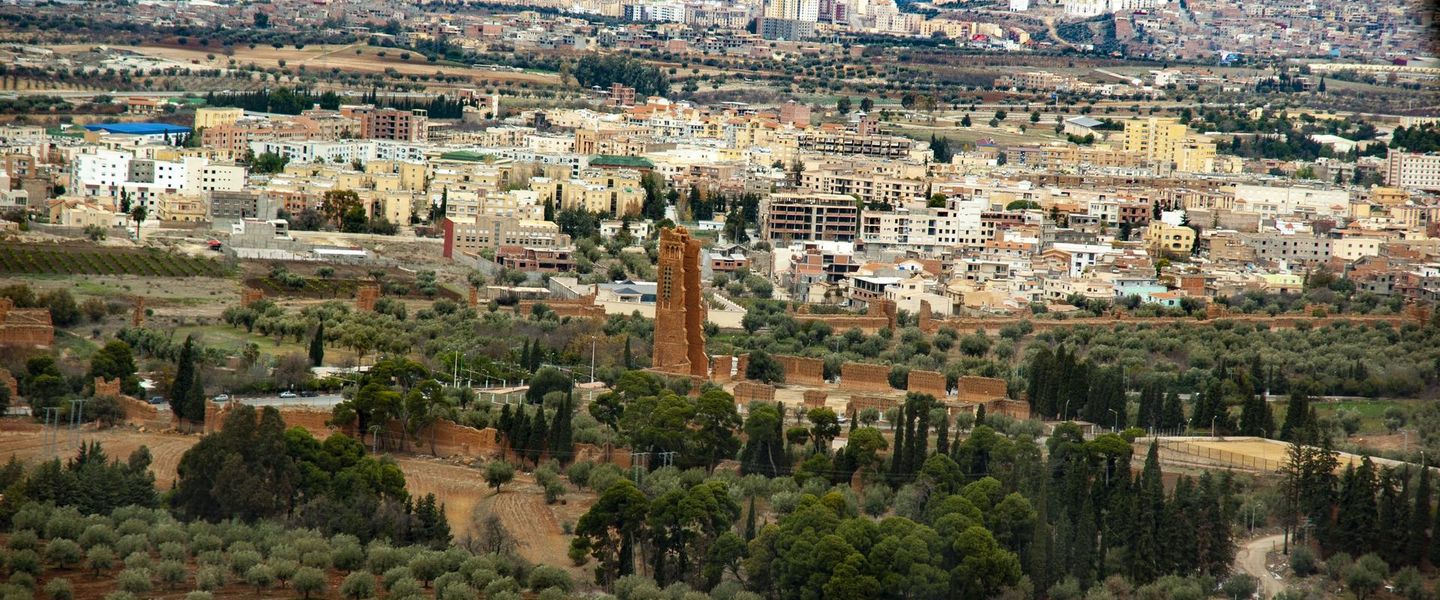
Tell Atlas, Algeria Travel Guide
Discover the Tell Atlas in Algeria, a captivating blend of lush landscapes, ancient history, and vibrant culture, perfect for nature lovers and history enthusiasts alike.
The Tell Atlas, a mountain range in northern Algeria, is a mesmerizing destination that promises an unforgettable experience for travelers. Stretching across the Mediterranean coast, this region is a harmonious blend of lush landscapes, diverse flora and fauna, and rich cultural heritage. Its rolling hills and fertile valleys are perfect for outdoor enthusiasts, offering numerous trails for hiking and breathtaking views of the surrounding countryside. The Tell Atlas is not just about natural beauty; it is a land steeped in history. The region is home to ancient Roman ruins, charming Berber villages, and vibrant local markets. Visitors can explore the remnants of ancient civilizations that once thrived here, gaining a deeper understanding of Algeria's historical tapestry. The traditional Berber communities offer a glimpse into a way of life that has remained largely unchanged for centuries, providing a unique cultural experience. Whether you're an adventure seeker, history buff, or someone looking to immerse yourself in nature's tranquility, the Tell Atlas has something for everyone. From the serene coastal towns to the bustling inland cities, the region's diverse attractions ensure that your journey through the Tell Atlas will be both enriching and memorable.

Know before you go
Hi, I'm Eve. Here are a few practical things to know before exploring Tell Atlas.
- Visit during spring or autumn to enjoy the best weather for outdoor activities.
- Hire a local guide to explore the hidden trails and learn about the region's history.
- Don't miss the local markets for unique crafts and traditional Berber products.
- Pack comfortable hiking shoes and plenty of water for your excursions.
- Make time to visit the ancient Roman ruins scattered across the region.
Top City Travel Guides in Tell Atlas
The cities of Tell Atlas, and the easiest places to base yourself.

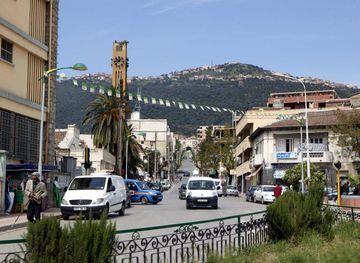
Destinations in Tell Atlas
Resorts, valleys and scenic spots worth a trip of their own.


Explore Tell Atlas: Things to Do, Places to Eat, Hotels & More
Handpicked recommendations for top attractions, local dining, accommodations, and more

Top Attractions & Sightseeing in Tell Atlas
Top-rated picks
Best Attractions

Martyrs' Square
Explore Martyrs' Square in Algiers: a historic landmark honoring Algeria's heroes and showcasing its rich cultural heritage.

Terijump
Experience thrilling jumps and acrobatic fun for the whole family at Terijump amusement park in Ouled Fayet, Algeria.

Assekrem
Discover Assekrem: Algeria's stunning Saharan plateau, home to dramatic volcanic landscapes and the historic Hermitage of Charles de Foucauld.
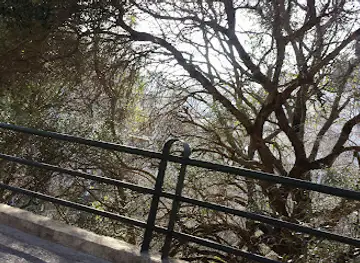
Atlas Forest
Escape to the serene Atlas Forest in Algiers for lush greenery, peaceful walks, and a refreshing natural retreat.

Best landmarks in Tell Atlas
Top-rated picks
Best Landmarks

Martyrs Memorial
A towering monument in Algiers honoring Algeria's independence, offering panoramic views and a poignant reminder of the nation's history.

Botanical Garden Hamma
Discover a world of botanical wonders and tranquil beauty at Algiers' historic Jardin d'Essai du Hamma, a serene escape in the city.

Martyrs' Square
Explore Martyrs' Square in Algiers, a historic landmark honoring Algeria's independence with stunning architecture and vibrant cultural experiences.

Atlas Mountains
Explore the Atlas Mountains: North Africa's majestic range offering hiking, Berber culture, and stunning landscapes across Morocco, Algeria, and Tunisia.

Best restaurants in Tell Atlas
Top-rated picks
Best Restaurants

Restaurant El Kahina
Discover authentic Algerian cuisine at Restaurant El Kahina in Aïn Bénian, where fresh ingredients meet warm hospitality.

La Palmeraie Restaurant مطعم النخيل
Discover authentic Moroccan flavors at La Palmeraie Restaurant in Dély Ibrahim, where every meal tells a story of tradition and taste.

Casbah Istanbul
Experience the essence of Turkish cuisine at Casbah Istanbul - where authentic flavors meet warm hospitality in Bab Ezzouar.

California Café
Experience the rich flavors of Algeria at California Café, a charming restaurant in Hydra offering diverse menus and warm hospitality.

Best bars in Tell Atlas
Top-rated picks
Best Bars

The Legacy Luxury Hotel
Discover luxury and comfort at The Legacy Luxury Hotel in Hydra, where elegance meets exceptional hospitality for an unforgettable stay.

Tantonville's Café
Discover the charm of Tantonville's Café in Casbah, where local flavors and warm hospitality come together in a historic setting.

Atlas Memoria
Experience the flavors of Algeria at Atlas Memoria, where delicious hamburgers, pizzas, and steaks await in a cozy atmosphere.

Dwiret El azz دويرة العز
Discover the authentic flavors of Algeria at Dwiret El Azz, a traditional restaurant in Hydra known for its warm ambiance and delicious cuisine.

Best nightclubs in Tell Atlas
Top-rated picks
Best Nightclubs

Aura Lounge
Aura Lounge in Ouled Fayet offers a cozy setting with refreshing drinks and a vibrant atmosphere, perfect for tourists seeking relaxation.

NEPTUNE CLUB
Discover the electrifying nightlife at Neptune Club in Ain El Turk, Algeria, where unforgettable dance parties and lively entertainment await.

Club Pacha Nightclub
Experience the electrifying nightlife of Algiers at Club Pacha Nightclub, where vibrant music and dancing await every night.

Sun Club House
Discover the electrifying nightlife at Sun Club House, Ain El Turk's premier disco club, where music and dance come alive under dazzling lights.

Best shops in Tell Atlas
Top-rated picks
Best Shops

Bab Ezzouar Mall
Discover Bab Ezzouar Mall, Algiers' premier shopping destination with diverse stores, dining options, and family-friendly entertainment.

Garden City Mall
Explore Garden City Mall: A vibrant shopping and recreation hub in Dély Ibrahim, Algeria, blending modern retail with local culture.

City Center Mall
Explore the ultimate shopping experience at City Center Mall in Mohammadia, where fashion meets fun and culinary delights await.

Le Printemps Mohammadia
Discover the best in fashion and style at Le Printemps Mohammadia, your ultimate shopping destination in Algeria.

Explore Tell Atlas on the Map
A handpicked selection of must-see spots in Tell Atlas, mapped for you.
Tell Atlas Essentials
-
Tell Atlas, also known as the Tell Atlas Mountains, is a mountain range that stretches across northern Algeria. The nearest major international airport is Houari Boumediene Airport in Algiers, which is approximately 150 kilometers from the Tell Atlas region. From Algiers, you can rent a car or take a bus to reach the Tell Atlas. The journey by car typically takes around 2 to 3 hours, depending on your destination within the mountain range.
-
Within the Tell Atlas region, transportation options include renting a car, hiring a taxi, or using local buses. Car rentals are available in major cities like Algiers and Oran. Taxis are also a common way to get around, but it is advisable to negotiate the fare beforehand. Public buses connect many of the towns and villages in the region, though schedules may be irregular. For a more immersive experience, consider hiring a local guide who can provide insights and navigate the area more efficiently.
-
The official currency in Algeria is the Algerian Dinar (DZD). Credit cards are accepted in major hotels, restaurants, and some shops, but it is advisable to carry cash, especially in rural areas and smaller towns. ATMs are available in major cities, but may be scarce in more remote parts of the Tell Atlas. It's a good idea to exchange currency or withdraw cash before heading into the mountains.
-
While the Tell Atlas region is generally safe for tourists, it is important to take standard precautions. Avoid walking alone at night in unfamiliar areas and keep an eye on your belongings in crowded places. Some areas may have higher crime rates, particularly in towns closer to major cities. It is advisable to stay informed about local conditions and avoid areas known for political unrest or crime targeting tourists. Always consult with local authorities or your accommodation for the latest safety information.
-
In case of an emergency, dial 17 for police assistance and 14 for medical emergencies. Major towns in the Tell Atlas have hospitals and medical facilities, but services may be limited in more remote areas. It is highly recommended to have travel insurance that covers medical emergencies. For minor health issues, pharmacies are available in larger towns. Always carry a basic first-aid kit and any personal medications you may need.
-
Fashion: Do dress modestly, especially when visiting religious or rural areas. Avoid wearing revealing clothing. Religion: Do respect local customs and traditions. Always remove your shoes when entering a mosque and dress conservatively. Public Transport: Do be respectful and give up your seat to elderly passengers. Don't eat or drink on public transport. Greetings: Do greet people with a handshake. A slight bow of the head is also a sign of respect. Eating & Drinking: Do try local delicacies and accept food offerings graciously. Don't refuse hospitality, as it is considered impolite.
-
To experience the Tell Atlas like a local, visit the local markets and souks where you can buy fresh produce and traditional Algerian crafts. Engage with locals, as they are often friendly and willing to share stories about the region's history and culture. Don't miss the opportunity to explore the small villages nestled in the mountains, where you can experience traditional Berber hospitality. For a unique experience, consider a guided hike to some of the less-visited peaks, offering breathtaking views and a chance to see the region's diverse flora and fauna.
When is the best time to visit Tell Atlas?
Useful Local Phrases for Tell Atlas
You don't need to speak the language perfectly. Even learning a few simple words can make conversations warmer—and locals usually appreciate the effort.
— Eve

Here are the phrases I use most often in Tell Atlas. Try a few—you'll be surprised how far they go! 😊
❤️
-
- Helloسلام
[Salam] - Goodbyeوداعا
[Wada'an] - Yesنعم
[Na'am] - Noلا
[La] - Please/You're welcomeمن فضلك
[Min fadlik] - Thank youشكرا
[Shukran] - Excuse me/Sorryعفوا
[Afwan] - How are you?كيف حالك؟
[Kayfa halak?] - Fine. And you?بخير. وأنت؟
[Bikhair. Wa anta?] - Do you speak English?هل تتحدث الإنجليزية؟
[Hal tatahaddath al-ingliziyya?] - I don't understandلا أفهم
[La afham]
- Helloسلام
-
- I'd like to see the menu, pleaseأود رؤية القائمة، من فضلك
[Awad ru'yat al-qa'ima, min fadlik] - I don't eat meatلا آكل اللحم
[La akul al-lahm] - Cheers!في صحتك!
[Fi sihtak!] - I would like to pay, pleaseأود دفع الحساب، من فضلك
[Awad dafa' al-hisab, min fadlik]
- I'd like to see the menu, pleaseأود رؤية القائمة، من فضلك
-
- Help!نجدة!
[Najda!] - Go away!اذهب بعيدا!
[Idhhab ba'eedan!] - Call the Police!اتصل بالشرطة!
[Ittasil bil-shurta!] - Call a doctor!اتصل بطبيب!
[Ittasil bi-tabeeb!] - I'm lostأنا ضائع
[Ana da'i'a] - I'm illأنا مريض
[Ana marid]
- Help!نجدة!
-
- I'd like to buy...أود شراء...
[Awad shira'a...] - I'm just lookingأنا فقط أنظر
[Ana faqat anzur] - How much is it?كم ثمنه؟
[Kam thamanuh?] - That's too expensiveهذا غالي جدا
[Hatha ghali jidan] - Can you lower the price?هل يمكنك خفض السعر؟
[Hal yumkinuka khafdh al-si'r?]
- I'd like to buy...أود شراء...
-
- What time is it?كم الساعة؟
[Kam al-saa'a?] - It's one o'clockالساعة الواحدة
[Al-saa'a al-wahidah] - Half past (10)نصف (10)
[Nisf (10)] - Morningصباح
[Sabah] - Afternoonبعد الظهر
[Ba'd al-zuhur] - Eveningمساء
[Masa'a] - Yesterdayأمس
[Ams] - Todayاليوم
[Al-yawm] - Tomorrowغدا
[Ghadan] - 1واحد
[Wahid] - 2اثنان
[Ithnan] - 3ثلاثة
[Thalatha] - 4أربعة
[Arba'a] - 5خمسة
[Khamsa] - 6ستة
[Sitta] - 7سبعة
[Sab'a] - 8ثمانية
[Thamaniya] - 9تسعة
[Tis'a] - 10عشرة
[Ashara]
- What time is it?كم الساعة؟
-
- Where's a/the...?أين هو/هي...؟
[Ayn huwa/hiya...?] - What's the address?ما هو العنوان؟
[Ma huwa al-'unwan?] - Can you show me (on the map)?هل يمكنك إظهار لي (على الخريطة)؟
[Hal yumkinuka izhar li (ala al-kharita)?] - When's the next (bus)?متى تأتي (الحافلة) التالية؟
[Mata tati (al-hafila) al-taliya?] - A ticket (to ....)تذكرة (إلى....)
[Tadhkira (ila....)]
- Where's a/the...?أين هو/هي...؟
History of Tell Atlas
-
The Tell Atlas region has been inhabited since prehistoric times by the Berbers, who are the indigenous people of North Africa. The Berbers, known as the Imazighen, established early settlements and developed a unique culture that included the construction of megalithic monuments and rock carvings, which can still be seen in various parts of the Tell Atlas today. Their language and traditions have had a lasting impact on the cultural landscape of the region.
-
Around the 12th century BCE, the Phoenicians began to establish colonies along the North African coast, including areas within the Tell Atlas. These settlements eventually fell under the control of Carthage, a powerful Phoenician city-state. The Carthaginians brought with them advanced agricultural techniques and established trade networks that significantly influenced the economic development of the region. Remnants of their influence can be found in the ruins of ancient cities and fortifications.
-
In 146 BCE, the Roman Empire conquered Carthage and expanded its control over North Africa, including the Tell Atlas region. The Romans introduced new infrastructure, such as roads, aqueducts, and cities like Timgad and Djemila, which are now UNESCO World Heritage sites. These cities were designed with Roman architectural prowess and became centers of trade, culture, and administration. The Roman presence also led to the spread of Christianity in the region.
-
The decline of the Roman Empire in the 5th century CE saw the arrival of the Vandals, a Germanic tribe, who established a kingdom in North Africa that included the Tell Atlas. The Vandal rule was relatively short-lived, as the Byzantines, under Emperor Justinian, reconquered the region in the 6th century. The Byzantine period saw efforts to restore and fortify Roman infrastructure, but it also faced continuous challenges from local tribes and external threats.
-
In the 7th century, the Islamic conquests reached North Africa, including the Tell Atlas. The spread of Islam brought significant cultural and religious changes, as well as new agricultural techniques and trade routes. Berber tribes in the region gradually converted to Islam and played crucial roles in the establishment of powerful Berber dynasties, such as the Almoravids and Almohads, who controlled large parts of North Africa and Spain.
-
In the early 16th century, the Ottoman Empire extended its influence over Algeria, including the Tell Atlas region. The Ottomans established a provincial government and fortified key cities to protect against European incursions. This period saw the integration of Ottoman administrative practices and architecture into the local culture. Despite Ottoman control, local Berber leaders maintained a degree of autonomy in the mountainous areas of the Tell Atlas.
-
In 1830, France began its colonization of Algeria, which lasted until 1962. The French colonial administration introduced new economic policies, infrastructure projects, and agricultural practices in the Tell Atlas region. However, these changes often led to the displacement of local populations and the appropriation of land. The resistance against French rule was strong in the Tell Atlas, culminating in major uprisings such as the Mokrani Revolt of 1871 and the Algerian War of Independence (1954-1962).
-
Following Algeria's independence in 1962, the Tell Atlas region has experienced significant development and modernization efforts. The Algerian government has focused on improving infrastructure, education, and healthcare in the region. Additionally, efforts have been made to preserve the rich cultural heritage of the Berber population, including the promotion of the Tamazight language and traditional crafts. The Tell Atlas continues to be a vital area for agriculture, tourism, and cultural preservation.
Neighbouring Regions of Tell Atlas
The closest regions to Tell Atlas, if you have time for more than one.


Your all‑in‑one travel companion app
Explore expert travel guides, compare and book tours, experiences, hotels, and more—all from the palm of your hand. Download now for seamless trip planning wherever your wanderlust takes you.


Explore More of Algeria
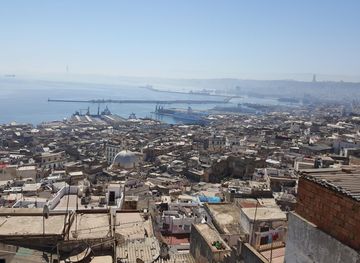
Looking beyond Tell Atlas? Discover Algeria for broader travel guides, local hot-spots, and regional highlights.
Explore AlgeriaTell Atlas in Photos
Browse through our photo collection highlighting the charm and character of the destination.
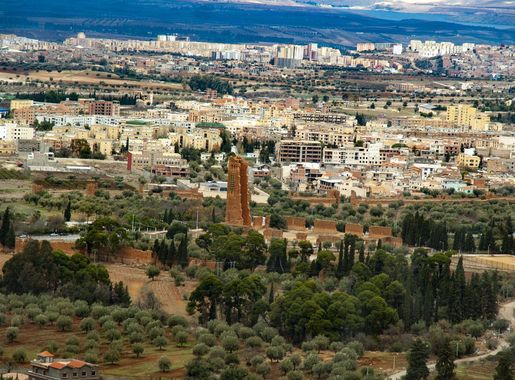


The Enchanting Tell Atlas of Algeria
The Tell Atlas, a mountain range in northern Algeria, is a mesmerizing destination that promises an unforgettable experience for travelers. Stretching across the Mediterranean coast, this region is a harmonious blend of lush landscapes, diverse flora and fauna, and rich cultural heritage. Its rolling hills and fertile valleys are perfect for outdoor enthusiasts, offering numerous trails for hiking and breathtaking views of the surrounding countryside. The Tell Atlas is not just about natural beauty; it is a land steeped in history. The region is home to ancient Roman ruins, charming Berber villages, and vibrant local markets. Visitors can explore the remnants of ancient civilizations that once thrived here, gaining a deeper understanding of Algeria's historical tapestry. The traditional Berber communities offer a glimpse into a way of life that has remained largely unchanged for centuries, providing a unique cultural experience. Whether you're an adventure seeker, history buff, or someone looking to immerse yourself in nature's tranquility, the Tell Atlas has something for everyone. From the serene coastal towns to the bustling inland cities, the region's diverse attractions ensure that your journey through the Tell Atlas will be both enriching and memorable.