

Tlemcen Region, Algeria Travel Guide
Discover Tlemcen: A blend of Moorish heritage, stunning landscapes, and vibrant culture in Algeria’s enchanting northwestern region.
Nestled in the northwestern part of Algeria, the Tlemcen Region is a captivating blend of history, culture, and natural beauty. Known as 'The Jewel of Algeria,' Tlemcen boasts a rich tapestry of medieval Islamic architecture, vibrant markets, and lush landscapes. The city of Tlemcen, the region's capital, is often compared to Granada in Spain due to its stunning Moorish architecture and scenic vistas. Visitors are transported back in time as they wander through the ancient streets and explore landmarks like the Grand Mosque, dating back to the 11th century, and the intricate Mansourah Mosque and Minaret. Beyond its historical allure, Tlemcen is also a haven for nature lovers. The region is home to the Tlemcen National Park, a sanctuary of verdant forests, cascading waterfalls, and diverse wildlife. Hiking trails offer stunning views of the surrounding mountains and valleys, making it a perfect escape for outdoor enthusiasts. The park's highlight is undoubtedly the Lalla Setti Plateau, which provides panoramic views of the city and the Mediterranean Sea in the distance. A visit to Tlemcen is incomplete without experiencing its vibrant culture and traditions. The bustling markets, or souks, are a sensory delight, filled with the aroma of spices, the vibrant colors of local crafts, and the sounds of traditional Algerian music. The region is also renowned for its culinary delights, offering a range of delicious dishes that reflect its diverse cultural heritage. From savory tagines to sweet pastries, the flavors of Tlemcen are sure to leave a lasting impression on any visitor.

Know before you go
Hi, I'm Eve. Here are a few practical things to know before exploring Tlemcen Region.
- Visit the Grand Mosque early in the morning to avoid crowds and enjoy a peaceful experience.
- Pack comfortable shoes for exploring the hiking trails in Tlemcen National Park.
- Bargain at the local souks; it's a common practice and part of the shopping experience.
- Try traditional Algerian tea at a local café to immerse yourself in the local culture.
- Hire a local guide to get a deeper understanding of the historical sites and their significance.
Top City Travel Guides in Tlemcen Region
The cities of Tlemcen Region, and the easiest places to base yourself.

Explore Tlemcen Region: Things to Do, Places to Eat, Hotels & More
Handpicked recommendations for top attractions, local dining, accommodations, and more

Top Attractions & Sightseeing in Tlemcen Region
Top-rated picks
Best Attractions

Beni Add Ain Fezza Caves
Discover Algeria's largest cave network: a blend of geological wonders, Berber history, and refuge tales in the heart of Tlemcen National Park.

Lalla Setti Plateau
Experience breathtaking panoramic views and serene nature at Lalla Setti Plateau, a cultural and natural landmark in Tlemcen, Algeria.

Leisure Park Lalla Setti
Experience thrills and panoramic views at Tlemcen's Leisure Park Lalla Setti, a hilltop oasis blending amusement with natural beauty.

El Ourit Waterfalls
Discover the serene beauty of El Ourit Waterfalls near Tlemcen, a refreshing escape into Algeria's natural landscapes and vibrant ecosystems.

Best landmarks in Tlemcen Region
Top-rated picks
Best Landmarks
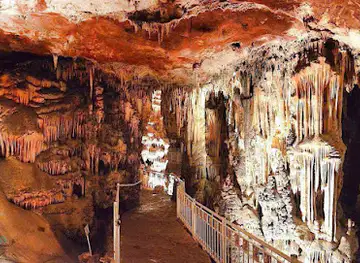
Beni Add Ain Fezza Caves
Explore the breathtaking Beni Add Ain Fezza Caves: a natural wonder with stunning formations and a rich history, nestled in the heart of Algeria.

Lalla Setti Plateau
Experience panoramic views and serene beauty at Lalla Setti Plateau, a historical and natural landmark high above Tlemcen.

Leisure Park Lalla Setti
Experience thrills and panoramic views at Tlemcen's mountaintop amusement park, a perfect blend of adventure and relaxation for all ages.

El Ourit Waterfalls
Discover the natural splendor of El Ourit Waterfalls near Tlemcen, Algeria, offering serene landscapes and refreshing escapes for nature enthusiasts.

Best restaurants in Tlemcen Region
Top-rated picks
Best Restaurants

L'échappatoire
Experience authentic Mediterranean flavors in Tlemcen at L'échappatoire - where every dish tells a story.
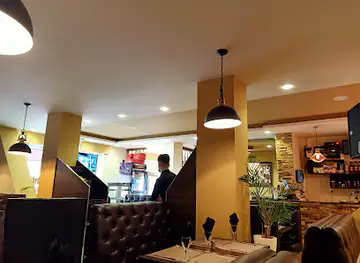
L'équinoxe
Experience authentic Mediterranean cuisine at L'équinoxe in Tlemcen – where every meal is a celebration of flavor and culture.

Ambiance Resto Café Hartoum
Discover the flavors of Tlemcen at Ambiance Resto Café Hartoum – where culinary excellence meets warm hospitality.

Le Loft
Experience authentic Mediterranean cuisine at Le Loft in Tlemcen—where every meal is a delightful journey through rich flavors.

Best bars in Tlemcen Region
Top-rated picks
Best Bars

L'échappatoire
Experience the essence of Mediterranean cuisine at L'échappatoire, the culinary haven in Tlemcen that delights food lovers with every dish.

L'équinoxe
Discover the authentic taste of Mediterranean cuisine at L'équinoxe in Tlemcen, where every dish tells a story of rich culinary heritage.

Ambiance Resto Café Hartoum
Experience the essence of Tlemcen at Ambiance Resto Café, where delightful cuisine meets a warm and inviting atmosphere.

LE CINQ
Experience the best of Mediterranean flavors with delicious pizzas at Le Cinq, a culinary gem in the heart of Tlemcen.

Best nightclubs in Tlemcen Region
Top-rated picks
Best Nightclubs

Lalla Setti Plateau
Discover the breathtaking views and exhilarating attractions at Lalla Setti Plateau, Tlemcen's premier amusement park and tourist hotspot.

Leisure Park Lalla Setti
Explore Leisure Park Lalla Setti, Tlemcen's premier amusement park, offering thrilling rides, lush landscapes, and stunning city views for a perfect family day out.

L'équinoxe
Experience the authentic taste of Mediterranean cuisine at L'équinoxe, Tlemcen's premier dining destination for travelers.

Plage Barbajani
Experience the unspoiled beauty of Plage Barbajani, a serene campground in Algeria perfect for relaxation, adventure, and stunning coastal views.

Best shops in Tlemcen Region
Top-rated picks
Best Shops

Le Plein Temps
Discover a diverse selection of stylish clothing for all ages at Le Plein Temps in Tlemcen, your fashion destination for quality apparel.

Family Market
Experience the best of European and local flavors at Family Market, Tlemcen's charming grocery store offering a unique culinary adventure.

Boutique Islem
Discover unique fashion treasures at Boutique Islem, where Tlemcen's rich culture meets contemporary style.

Shopping Queen TLEMCEN
Discover the latest women's fashion at Shopping Queen Tlemcen, where style meets local charm in the heart of Kessarine.

Explore Tlemcen Region on the Map
A handpicked selection of must-see spots in Tlemcen Region, mapped for you.
Tlemcen Region Essentials
-
Tlemcen Region is located in the north-western part of Algeria. The nearest major airport is Tlemcen Zenata – Messali El Hadj Airport (TLM), which is approximately 22 kilometers from the city of Tlemcen. Direct flights are available from Algiers and several European cities. Once you arrive at the airport, you can take a taxi or rent a car to reach the city center. Alternatively, you can use the train services from Algiers, Oran, or other major cities to reach Tlemcen.
-
Within Tlemcen Region, public transport options include buses, taxis, and shared taxis (locally known as 'clandos'). The bus network is extensive and connects most parts of the city and surrounding areas. Taxis are readily available and are a convenient way to travel, though it's advisable to agree on the fare beforehand. Shared taxis are a budget-friendly option for getting around. Renting a car provides the flexibility to explore the region at your own pace, especially for visiting more remote areas.
-
The official currency in Algeria is the Algerian Dinar (DZD). Credit cards are accepted in many hotels, restaurants, and larger shops, but it's recommended to carry cash, especially when visiting smaller establishments or markets. ATMs are available throughout Tlemcen, but it is prudent to withdraw sufficient cash in larger cities or at the airport before traveling to more rural areas.
-
Tlemcen Region is generally safe for tourists, but it is always wise to exercise standard precautions. Avoid walking alone at night in unfamiliar areas and be vigilant with your belongings in crowded places. While there are no specific high-crime neighborhoods targeting tourists, it is best to stay cautious and aware of your surroundings, especially in less populated areas.
-
In case of emergency, dial 14 for police assistance and 16 for medical emergencies. The local police station and hospitals are well-equipped to handle emergencies. It's advisable to have travel insurance that covers medical emergencies. Pharmacies are available throughout Tlemcen for minor health issues and over-the-counter medications.
-
Fashion: Do dress modestly, especially when visiting religious sites. Avoid wearing revealing clothing. Religion: Do respect local customs and traditions. Remove your shoes and cover your head when entering mosques. Public Transport: Do be respectful and give up your seat to elderly passengers. Don't eat or drink on public transport. Greetings: Do greet people with a handshake. A smile and a 'Salam' (peace) are also appreciated. Eating & Drinking: Do try local dishes and accept food offerings graciously. Don't refuse hospitality, as it is considered impolite.
-
To experience Tlemcen like a local, visit the bustling markets such as Souk El Khemis where you can buy fresh produce and traditional Algerian goods. Engage with locals as they are often friendly and eager to share the region's rich history and culture. Don’t miss visiting the historic sites like the Great Mosque of Tlemcen, the Mansourah ruins, and the beautiful El Mechouar Palace. For a unique experience, take a walk through the Lalla Setti Plateau for stunning views of the city and surrounding landscapes.
When is the best time to visit Tlemcen Region?
Useful Local Phrases for Tlemcen Region
You don't need to speak the language perfectly. Even learning a few simple words can make conversations warmer—and locals usually appreciate the effort.
— Eve

Here are the phrases I use most often in Tlemcen Region. Try a few—you'll be surprised how far they go! 😊
❤️
-
- Helloسلام
[Salam] - Goodbyeوداعا
[Wada'a] - Yesنعم
[Na'am] - Noلا
[La] - Please/You’re welcomeمن فضلك
[Min fadlik] - Thank youشكرا
[Shukran] - Excuse me/Sorryعفوا
[Afwan] - How are you?كيف حالك؟
[Kayfa halak?] - Fine. And you?بخير. وأنت؟
[Bikhayr. Wa anta?] - Do you speak English?هل تتحدث الإنجليزية؟
[Hal tatahaddath al-ingliziyya?] - I don't understandلا أفهم
[La afham]
- Helloسلام
-
- I’d like to see the menu, pleaseأود رؤية القائمة، من فضلك
[Awad ru'yat al-qa'ima, min fadlik] - I don’t eat meatلا آكل اللحم
[La akul al-lahm] - Cheers!في صحتك!
[Fi sihtak!] - I would like to pay, pleaseأود الدفع، من فضلك
[Awad ad-daf', min fadlik]
- I’d like to see the menu, pleaseأود رؤية القائمة، من فضلك
-
- Help!نجدة!
[Najda!] - Go away!اخرج!
[Ukhruj!] - Call the Police!اتصل بالشرطة!
[Ittasil bil-shurta!] - Call a doctor!اتصل بطبيب!
[Ittasil bi-tabib!] - I’m lostأنا ضائع
[Ana da'i'] - I’m illأنا مريض
[Ana marid]
- Help!نجدة!
-
- I’d like to buy...أود شراء...
[Awad shira'...] - I’m just lookingأنا فقط أبحث
[Ana faqat abhas] - How much is it?كم سعره؟
[Kam si'ru?] - That’s too expensiveهذا مكلف جدا
[Hatha mukallif jidan] - Can you lower the price?هل يمكنك تخفيض السعر؟
[Hal yumkinuka takhfid as-si'r?]
- I’d like to buy...أود شراء...
-
- What time is it?ما هو الوقت؟
[Ma huwa al-waqt?] - It’s one o’clockالساعة الواحدة
[Al-sa'a al-wahidah] - Half past (10)نصف الساعة (10)
[Nisf al-sa'a (10)] - Morningصباح
[Sabaah] - Afternoonبعد الظهر
[Ba'd al-zuhur] - Eveningمساء
[Masa'] - Yesterdayأمس
[Ams] - Todayاليوم
[Al-yawm] - Tomorrowغدا
[Ghad] - 1واحد
[Wahid] - 2اثنان
[Ithnan] - 3ثلاثة
[Thalatha] - 4أربعة
[Arba'a] - 5خمسة
[Khamsa] - 6ستة
[Sitta] - 7سبعة
[Sab'a] - 8ثمانية
[Thamaniya] - 9تسعة
[Tis'a] - 10عشرة
[Ashara]
- What time is it?ما هو الوقت؟
-
- Where's a/the...?أين هو...؟
[Ayna huwa...?] - What’s the address?ما هو العنوان؟
[Ma huwa al-'unwan?] - Can you show me (on the map)?هل يمكنك أن تريني (على الخريطة)؟
[Hal yumkinuka an turini (ala al-kharita)?] - When’s the next (bus)?متى يأتي (الباص) التالي؟
[Mata ya'ti (al-bas) al-tali?] - A ticket (to ....)تذكرة (إلى....)
[Tadhkara (ila....)]
- Where's a/the...?أين هو...؟
History of Tlemcen Region
-
Tlemcen, originally founded as the Roman city of Pomaria, has a rich history dating back to antiquity. It was established in the 4th century AD and later became a significant center of Berber culture and trade. The city's strategic location made it a melting pot of various civilizations, including Roman, Berber, and later Islamic influences.
-
In the 11th century, Tlemcen rose to prominence under the Almoravid Dynasty, which ruled a vast empire stretching from present-day Mauritania to Spain. The city became an important hub for trade and intellectual pursuits, with scholars and traders flocking to its bustling markets and renowned madrasas (Islamic schools).
-
The Zayyanid Dynasty, ruling from the 13th to the 16th century, marked a golden age for Tlemcen. As the capital of the Kingdom of Tlemcen, it flourished economically and culturally. The Zayyanid rulers were great patrons of the arts and architecture, commissioning numerous palaces, mosques, and gardens that still stand today. The Great Mosque of Tlemcen and the Mansourah Mosque are notable examples of this era's architectural splendor.
-
In the 16th century, Tlemcen came under Ottoman rule, becoming part of the larger Ottoman Empire. The city retained its importance as a regional center and continued to be a significant player in Mediterranean trade networks. Ottoman architectural influences can be seen in various buildings and fortifications throughout the city.
-
The arrival of the French in the 19th century marked a new chapter in Tlemcen's history. The city was incorporated into French Algeria and underwent significant changes. French colonial architecture mingled with the existing Islamic and Berber styles, creating a unique urban landscape. Despite the colonial presence, Tlemcen remained a bastion of Algerian culture and resistance.
-
Following Algeria's independence in 1962, Tlemcen continued to be a vital cultural and historical center. The city has preserved its rich heritage while adapting to modern times. Today, Tlemcen is celebrated for its historical landmarks, vibrant markets, and festivals that showcase its diverse cultural legacy. The annual Tlemcen International Festival is a testament to the city's enduring cultural significance.
Neighbouring Regions of Tlemcen Region
The closest regions to Tlemcen Region, if you have time for more than one.




Your all‑in‑one travel companion app
Explore expert travel guides, compare and book tours, experiences, hotels, and more—all from the palm of your hand. Download now for seamless trip planning wherever your wanderlust takes you.


Explore More of Algeria
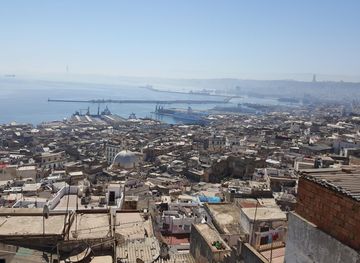
Looking beyond Tlemcen Region? Discover Algeria for broader travel guides, local hot-spots, and regional highlights.
Explore AlgeriaTlemcen Region in Photos
Browse through our photo collection highlighting the charm and character of the destination.

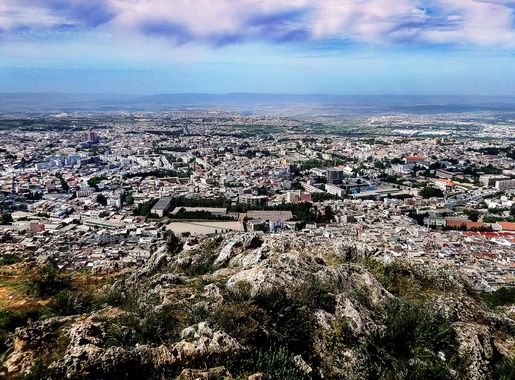

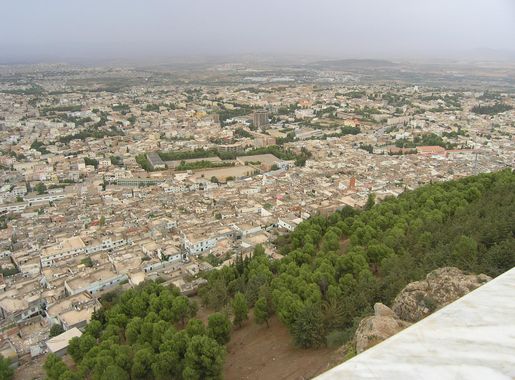


Tlemcen Region: The Jewel of Algeria
Nestled in the northwestern part of Algeria, the Tlemcen Region is a captivating blend of history, culture, and natural beauty. Known as 'The Jewel of Algeria,' Tlemcen boasts a rich tapestry of medieval Islamic architecture, vibrant markets, and lush landscapes. The city of Tlemcen, the region's capital, is often compared to Granada in Spain due to its stunning Moorish architecture and scenic vistas. Visitors are transported back in time as they wander through the ancient streets and explore landmarks like the Grand Mosque, dating back to the 11th century, and the intricate Mansourah Mosque and Minaret. Beyond its historical allure, Tlemcen is also a haven for nature lovers. The region is home to the Tlemcen National Park, a sanctuary of verdant forests, cascading waterfalls, and diverse wildlife. Hiking trails offer stunning views of the surrounding mountains and valleys, making it a perfect escape for outdoor enthusiasts. The park's highlight is undoubtedly the Lalla Setti Plateau, which provides panoramic views of the city and the Mediterranean Sea in the distance. A visit to Tlemcen is incomplete without experiencing its vibrant culture and traditions. The bustling markets, or souks, are a sensory delight, filled with the aroma of spices, the vibrant colors of local crafts, and the sounds of traditional Algerian music. The region is also renowned for its culinary delights, offering a range of delicious dishes that reflect its diverse cultural heritage. From savory tagines to sweet pastries, the flavors of Tlemcen are sure to leave a lasting impression on any visitor.