

High Plateaus, Algeria Travel Guide
Discover the High Plateaus of Algeria, a breathtaking blend of natural splendor and cultural heritage, where ancient ruins meet diverse ecosystems and timeless traditions.
Nestled between the Tell Atlas and the Saharan Atlas mountain ranges, the High Plateaus, or Hautes Plaines, of Algeria present an awe-inspiring landscape that stretches as far as the eye can see. This region, known for its rolling hills, expansive steppes, and seasonal salt lakes, offers a unique blend of natural beauty and cultural heritage. The High Plateaus are a haven for nature enthusiasts and adventure seekers. The contrast between the arid plains and the fertile valleys creates a diverse ecosystem supporting a wide array of flora and fauna. Birdwatchers will be delighted by the migratory birds that flock to the Chott el Hodna and Chott Melrhir salt lakes during the wet season. Beyond its natural allure, the High Plateaus are steeped in history. Ancient ruins, such as the Roman city of Timgad, provide a glimpse into the region’s storied past. The local Berber communities, with their rich traditions and vibrant culture, offer visitors a chance to experience the timeless way of life that has persisted for centuries in this remote part of Algeria.

Know before you go
Hi, I'm Eve. Here are a few practical things to know before exploring High Plateaus.
- Visit during spring or autumn for the best weather and to see the salt lakes at their most impressive.
- Hire a local guide to explore the remote areas safely and to learn more about the region’s history and culture.
- Pack sturdy walking shoes for exploring the rugged terrain and ancient ruins.
- Bring binoculars for birdwatching, especially during the migratory season.
- Respect local customs and traditions when visiting Berber communities.
Destinations in High Plateaus
Resorts, valleys and scenic spots worth a trip of their own.

Explore High Plateaus: Things to Do, Places to Eat, Hotels & More
Handpicked recommendations for top attractions, local dining, accommodations, and more

Top Attractions & Sightseeing in High Plateaus
Top-rated picks
Best Attractions
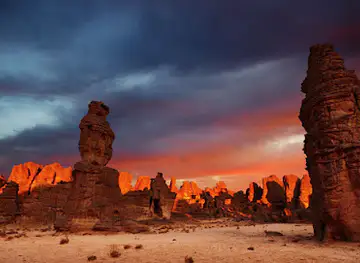
El Kala National Park
Discover Algeria's El Kala National Park: A UNESCO Biosphere Reserve with diverse ecosystems, rich wildlife, and stunning Mediterranean landscapes.

National park Taza Jijel, Algeria
Discover Algeria's Taza National Park: Where rugged mountains meet the Mediterranean coast, offering hiking, wildlife, and stunning natural beauty.

Taza National Park
Discover Algeria's Taza National Park: Where mountains meet the sea, offering diverse landscapes, rich biodiversity, and tranquil escapes.

Achir (ruines médiévales) أول عاصمة للدولة الزيريية
Uncover the Zirid dynasty's legacy at Achir, a medieval city in Algeria's Titteri Mountains, offering a unique historical journey.

Best landmarks in High Plateaus
Top-rated picks
Best Landmarks

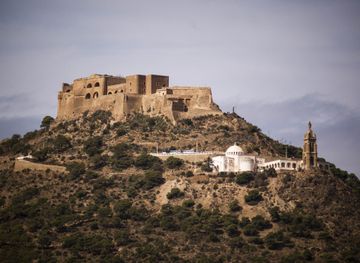
Fort of Santa Cruz
Explore the historic Fort of Santa Cruz in Oran: a Spanish fortress with stunning views, rich history, and a glimpse into Algeria's past.

Martyrs' Square
Discover Algiers' Martyrs' Square: a poignant symbol of Algeria's independence struggle, rich history, and vibrant modern culture.

Sidi M'Cid Bridge
Cross Constantine's iconic Sidi M'Cid Bridge for breathtaking views and a thrilling journey through history high above the Rhumel River gorge.
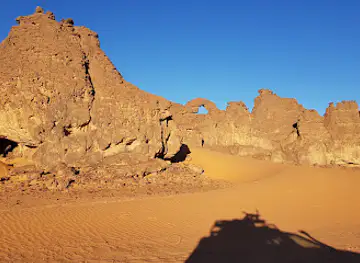
Tassili N'Ajjer National Park
Explore ancient rock art and stunning landscapes in Algeria's Tassili N'Ajjer National Park, a UNESCO World Heritage Site in the Sahara Desert.

Best restaurants in High Plateaus
Top-rated picks
Best Restaurants

مطعم ارابيسك الجزائر & Restaurant Arabesque Alger
Experience authentic Algerian flavors at Restaurant Arabesque Alger in Algiers - a culinary gem blending tradition with modern dining.

Caracoya
Experience authentic Algerian cuisine at Caracoya in Sidi M'Hamed – a must-visit culinary destination for food enthusiasts.

La Palmeraie Restaurant مطعم النخيل
Experience the vibrant flavors of Morocco at La Palmeraie Restaurant, where authentic cuisine meets warm hospitality in Dély Ibrahim.

Le Bardo Restaurant مطعم الباردو
Discover authentic Algerian cuisine at Le Bardo Restaurant in Sidi M'Hamed—where every meal tells a story.

Best bars in High Plateaus
Top-rated picks
Best Bars

PianoPiano.dz
Experience a vibrant fusion of music and cuisine at PianoPiano.dz, the premier destination for dining and entertainment in El Madania.

Cosmopolitain
Discover the lively Cosmopolitain bar in El Madania, where delicious tapas and a vibrant atmosphere await every visitor.

Dwiret El azz دويرة العز
Experience the rich flavors of Algerian cuisine at Dwiret El Azz, a traditional restaurant in the heart of Hydra.

Club Pacha Nightclub
Join the vibrant nightlife scene at Club Pacha Nightclub in El Mouradia, where electrifying music and dance await you!

Best nightclubs in High Plateaus
Top-rated picks
Best Nightclubs

NEPTUNE CLUB
Discover the electrifying nightlife of Neptune Club in Ain El Turk, Algeria – where music, dancing, and vibrant energy come together.

Club Pacha Nightclub
Discover the electrifying nightlife of Club Pacha, El Mouradia's premier disco club with unbeatable vibes and thrilling entertainment.

Arena Club
Dive into the heart of Oran's nightlife at Arena Club, a bustling night club where music and socializing blend seamlessly for an unforgettable experience.

Sun Club House
Discover the electrifying nightlife at Sun Club House, Ain El Turk's premier disco destination for unforgettable dance and music.

Best shops in High Plateaus
Top-rated picks
Best Shops

Souvenir, Gifts Shop / هدايا تذكارية
Discover unique souvenirs and local crafts at this charming gift shop in Sidi M'Hamed, a perfect stop for travelers seeking authentic treasures.

يحي شوپ-Yahia Shop
Explore Yahia Shop in Bou Kadir for unique home goods that reflect local craftsmanship and culture, perfect for souvenirs or home décor.

Shopping Gold Algeria
Discover exquisite handbags at Shopping Gold Algeria in Hydra, where craftsmanship meets style in an inviting boutique atmosphere.

Algerie
Explore the vibrant culture of Algeria through unique souvenirs and local crafts at Algerie in Tamanrasset.

Explore High Plateaus on the Map
A handpicked selection of must-see spots in High Plateaus, mapped for you.
High Plateaus Essentials
-
The High Plateaus of Algeria are accessible via several major cities, including Algiers and Constantine. The nearest international airport is Houari Boumediene Airport (ALG) in Algiers, from which you can take a domestic flight to Setif or Batna. Alternatively, you can travel by train or bus from Algiers or Constantine to these cities. The journey by road offers a scenic view of the Algerian landscape and typically takes around 5 to 7 hours.
-
Within the High Plateaus, transportation options include local buses, taxis, and car rentals. Buses and minibuses are affordable and connect major towns and cities, but they may not adhere to a strict schedule. Taxis are widely available and can be hired for day trips. Renting a car provides flexibility and is recommended for exploring remote areas at your own pace. Ensure you have a map or GPS, as signage can be sparse in rural regions.
-
The official currency in Algeria is the Algerian Dinar (DZD). Credit cards are accepted in most hotels and some higher-end restaurants and shops, but it is advisable to carry cash for smaller establishments and rural areas. ATMs are available in larger towns such as Setif and Batna. It is a good idea to exchange some currency before you travel, as exchange services may be limited in remote areas.
-
The High Plateaus are generally safe for tourists, but standard precautions should be taken. Avoid walking alone at night in isolated areas and keep your belongings secure, especially in crowded places. Some areas, particularly in larger towns, may have higher crime rates. Always ask locals or your accommodation for advice on safe areas to visit. It is also advisable to avoid any political demonstrations.
-
In case of emergency, dial 17 for police assistance or 14 for medical emergencies. Major towns have hospitals and clinics, but medical facilities can be limited in rural areas. Ensure you have travel insurance that covers medical emergencies. It is also useful to have a basic first aid kit and any necessary prescription medication with you. For minor health issues, pharmacies are available in larger towns.
-
Fashion: Do dress conservatively, especially in rural areas and religious sites. Avoid wearing revealing clothing. Religion: Do respect local customs and traditions. Always remove your shoes before entering mosques and dress modestly. Public Transport: Do be courteous and offer your seat to elderly passengers. Don't eat or drink on public transport. Greetings: Do greet people with a handshake and use the right hand. Avoid overly familiar gestures with the opposite sex. Eating & Drinking: Do try local dishes and accept food offerings graciously. Don't refuse hospitality, as it is considered impolite.
-
To experience the High Plateaus like a local, visit traditional markets where you can buy fresh produce and handmade goods. Engage with locals, who are often friendly and eager to share stories about their culture and history. Don't miss visiting historic sites such as the Roman ruins at Djemila and Timgad. For a unique experience, participate in local festivals and sample traditional Berber cuisine. When driving, be aware that road conditions can vary, so plan your trips accordingly.
When is the best time to visit High Plateaus?
Useful Local Phrases for High Plateaus
You don't need to speak the language perfectly. Even learning a few simple words can make conversations warmer—and locals usually appreciate the effort.
— Eve

Here are the phrases I use most often in High Plateaus. Try a few—you'll be surprised how far they go! 😊
❤️
-
- HelloHowdy
[haʊdi] - GoodbyeSee ya
[si jə] - YesYep
[jɛp] - NoNope
[noʊp] - Please/You're welcomeSure thing
[ʃʊr θɪŋ] - Thank youThanks
[θæŋks] - Excuse me/SorryPardon me
[ˈpɑrdən mi] - How are you?How's it going?
[haʊz ɪt ˈɡoʊɪŋ] - Fine. And you?Good. You?
[ɡʊd ju] - Do you speak English?You speak English?
[ju spiːk ˈɪŋɡlɪʃ] - I don't understandI don't get it
[aɪ doʊnt ɡɛt ɪt]
- HelloHowdy
-
- I'd like to see the menu, pleaseCan I see the menu?
[kæn aɪ si ðə ˈmɛnju] - I don't eat meatI’m a vegetarian
[aɪm ə ˌvɛdʒəˈtɛriən] - Cheers!Bottoms up!
[ˈbɑtəmz ʌp] - I would like to pay, pleaseCan I get the check?
[kæn aɪ ɡɛt ðə ʧɛk]
- I'd like to see the menu, pleaseCan I see the menu?
-
- Help!Help!
[hɛlp] - Go away!Leave me alone!
[liv mi əˈloʊn] - Call the Police!Call the cops!
[kɔl ðə kɑps] - Call a doctor!Get a doctor!
[ɡɛt ə ˈdɑktər] - I'm lostI'm turned around
[aɪm tɜrnd əˈraʊnd] - I'm illI'm not feeling well
[aɪm nɑt ˈfiːlɪŋ wɛl]
- Help!Help!
-
- I'd like to buy...I want to buy...
[aɪ wɑnt tə baɪ] - I'm just lookingJust browsing
[dʒʌst ˈbraʊzɪŋ] - How much is it?What’s the price?
[wʌts ðə praɪs] - That's too expensiveThat costs too much
[ðæt kɔsts tu mʌʧ] - Can you lower the price?Can you make it cheaper?
[kæn ju meɪk ɪt ˈʧipər]
- I'd like to buy...I want to buy...
-
- What time is it?What time is it?
[wʌt taɪm ɪt] - It's one o'clockIt's one
[ɪts wʌn] - Half past (10)Ten-thirty
[tɛn-ˈθɜrti] - MorningMorning
[ˈmɔrnɪŋ] - AfternoonAfternoon
[ˌæftərˈnun] - EveningEvening
[ˈivnɪŋ] - YesterdayYesterday
[ˈjɛstərdeɪ] - TodayToday
[təˈdeɪ] - TomorrowTomorrow
[təˈmɑroʊ] - 1One
[wʌn] - 2Two
[tu] - 3Three
[θri] - 4Four
[fɔr] - 5Five
[faɪv] - 6Six
[sɪks] - 7Seven
[ˈsɛvən] - 8Eight
[eɪt] - 9Nine
[naɪn] - 10Ten
[tɛn]
- What time is it?What time is it?
-
- Where's a/the...?Where's the...?
[wɛrz ðə] - What's the address?What’s the address?
[wʌts ði əˈdrɛs] - Can you show me (on the map)?Can you show me on the map?
[kæn ju ʃoʊ mi ɑn ðə mæp] - When's the next (bus)?When's the next bus?
[wɛn z ðə nɛkst bʌs] - A ticket (to ....)A ticket to...
[ə ˈtɪkɪt tə]
- Where's a/the...?Where's the...?
History of High Plateaus
-
The High Plateaus of Algeria have been inhabited since prehistoric times by Berber tribes. Archaeological evidence, such as rock carvings and tool remnants, suggests that these early inhabitants adapted to the region's challenging environment, developing unique cultural practices and social structures.
-
During the Roman Empire, the High Plateaus became a significant part of the province of Mauretania Caesariensis. The Romans established fortified settlements and agricultural colonies, contributing to the region's development. Remnants of Roman roads, forts, and aqueducts can still be found, showcasing the engineering prowess of the era.
-
In the 7th century, the Islamic conquests reached the High Plateaus, leading to a significant cultural and religious transformation. Berber tribes gradually converted to Islam, and the region saw the introduction of new architectural styles, educational institutions, and trade networks that linked it to the broader Islamic world.
-
The High Plateaus came under Ottoman control in the 16th century, becoming part of the Regency of Algiers. The Ottomans established administrative structures and military outposts to maintain control over the region, influencing local governance and culture. The legacy of Ottoman architecture and urban planning can still be observed in some towns.
-
In the 19th century, the High Plateaus fell under French colonial rule. The French introduced modern infrastructure, including railways and roads, to facilitate resource extraction and military control. However, colonization also led to significant social upheaval and resistance movements among the local population, which played a crucial role in Algeria's struggle for independence.
-
Following Algeria's independence in 1962, the High Plateaus experienced significant demographic and economic changes. Efforts were made to modernize agricultural practices and improve living standards. Today, the region is known for its rich cultural heritage, scenic landscapes, and as a testament to the resilience and adaptability of its people.
Neighbouring Regions of High Plateaus
The closest regions to High Plateaus, if you have time for more than one.




Your all‑in‑one travel companion app
Explore expert travel guides, compare and book tours, experiences, hotels, and more—all from the palm of your hand. Download now for seamless trip planning wherever your wanderlust takes you.


Explore More of Algeria
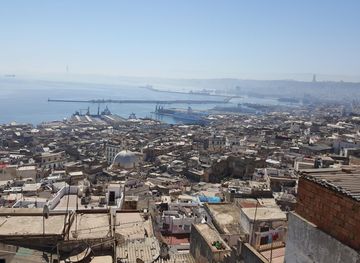
Looking beyond High Plateaus? Discover Algeria for broader travel guides, local hot-spots, and regional highlights.
Explore AlgeriaHigh Plateaus in Photos
Browse through our photo collection highlighting the charm and character of the destination.


The Majestic High Plateaus of Algeria
Nestled between the Tell Atlas and the Saharan Atlas mountain ranges, the High Plateaus, or Hautes Plaines, of Algeria present an awe-inspiring landscape that stretches as far as the eye can see. This region, known for its rolling hills, expansive steppes, and seasonal salt lakes, offers a unique blend of natural beauty and cultural heritage. The High Plateaus are a haven for nature enthusiasts and adventure seekers. The contrast between the arid plains and the fertile valleys creates a diverse ecosystem supporting a wide array of flora and fauna. Birdwatchers will be delighted by the migratory birds that flock to the Chott el Hodna and Chott Melrhir salt lakes during the wet season. Beyond its natural allure, the High Plateaus are steeped in history. Ancient ruins, such as the Roman city of Timgad, provide a glimpse into the region’s storied past. The local Berber communities, with their rich traditions and vibrant culture, offer visitors a chance to experience the timeless way of life that has persisted for centuries in this remote part of Algeria.