

Free Namibe Desert Travel Guide & Mobile App
Explore Namibe Desert with free travel guides. Discover regional history, expert tips, proposed trips, and audio guides on web or mobile app.


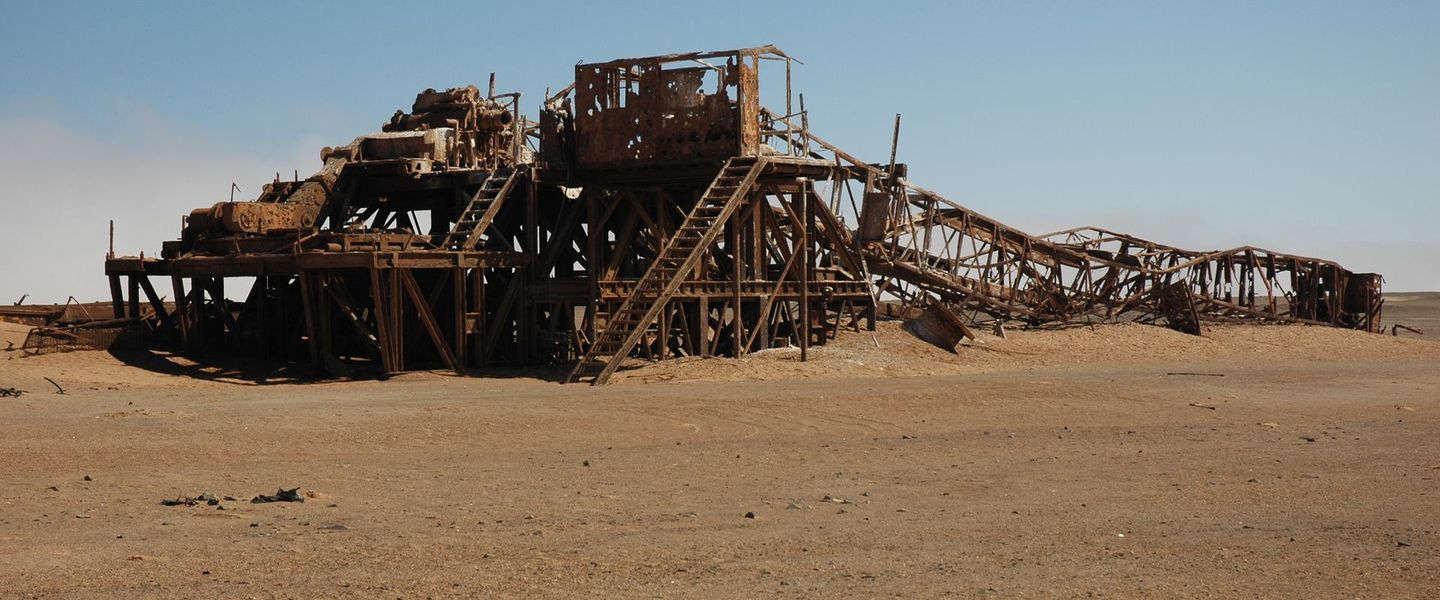


Explore Angola’s Namibe Desert for Atlantic dunes, Welwitschia plants, stark valleys, fishing towns and remote landscapes around Iona National Park.
Read more about Namibe Desert
When is the best time to visit Namibe Desert?
Best: May, September–October · 24–25°C| Month | High (°C) | Rainfall (mm) |
|---|---|---|
| January | 27 | 5 |
| February | 27 | 5 |
| March | 28 | 5 |
| April | 27 | 3 |
| May (best) | 25 | 1 |
| June | 24 | 1 |
| July | 23 | 1 |
| August | 23 | 1 |
| September (best) | 24 | 2 |
| October (best) | 25 | 3 |
| November | 26 | 3 |
| December | 27 | 5 |
Getting to and around Namibe Desert
How to get there
Transportation
Best attractions in Namibe Desert
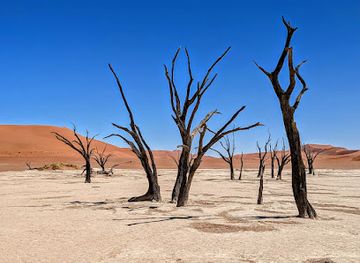
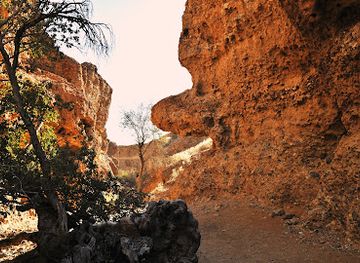
The Angolan Namibe Desert is primarily an outdoor destination, with its attractions spread across a large and lightly serviced landscape. Around Moçâmedes, visitors can combine the Atlantic waterfront and fishing harbour with coastal dunes, beaches, dry valleys and viewpoints where the escarpment approaches the sea. The desert’s most celebrated natural attraction is Welwitschia mirabilis, whose ancient-looking leaves lie across gravel plains and fog-influenced valleys. Access is often track-based and should be arranged with a guide to avoid damaging fragile ground. Farther south, Iona National Park offers a larger wilderness of mountains, sandy plains, seasonal watercourses and coastal habitats, although facilities are limited and conditions can be demanding. Tômbwa provides a base for understanding the region’s fishing economy and for organising journeys into the southern desert. Birdwatching, landscape photography, geological observation and carefully planned four-wheel-drive excursions are more characteristic here than conventional family attractions or dense museum circuits. The appeal lies in scale, silence, unusual plants and the changing relationship between ocean, fog, dunes and rock.
-
Tourist attraction
Epupa Falls
Experience the stunning Epupa Falls, a hidden oasis in Namibia's Kaokoland, where dramatic waterfalls meet ancient cultures.
-
Tourist attraction
Namibe
Explore Namibe, Angola: a unique coastal city where the desert meets the sea, offering history, culture, and stunning landscapes.

Best landmarks in Namibe Desert
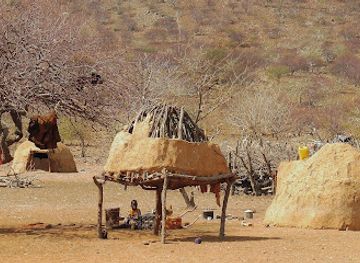
The most recognisable natural landmark of the region is Welwitschia mirabilis, the desert plant that has become a symbol of the Namibe landscape. Individual plants are not monuments in the conventional sense, but their survival on open gravel plains gives the surrounding valleys strong scientific and visual importance. The Atlantic shoreline and the Benguela Current form another defining landmark, creating fog, productive fishing waters and a sharp contrast with the arid land. Around Moçâmedes, the historic Portuguese-influenced urban core, port setting and waterfront express the city’s role as a southern Angolan maritime centre. Farther south, Iona National Park is distinguished by broad desert basins, rugged Serra da Tchivinguiro and Serra da Leba-related escarpment landscapes within the wider park region, as well as routes leading towards Angola’s southern frontier. Tômbwa’s harbour and fishing infrastructure are meaningful working landmarks rather than polished heritage monuments. Together, these places show how geology, oceanography, colonial history and contemporary livelihoods have shaped the desert coast.
-
National park
Namib-Naukluft National Park
Experience the breathtaking beauty and unique landscapes of Namib-Naukluft National Park, where towering dunes meet rich wildlife and ancient culture.
-
Desert
Namib Desert
Explore the Namib: the world's oldest desert, where towering dunes meet unique wildlife in a landscape of surreal beauty and ancient history.
-
Observatory
Viewpoint of the Moon
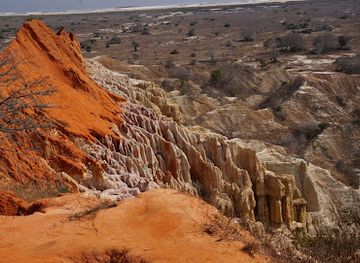
Discover the lunar-like landscape of Miradouro da Lua in Angola: a breathtaking panorama sculpted by erosion, offering a unique and unforgettable experience.
-
Tourist attraction
Calandula Falls
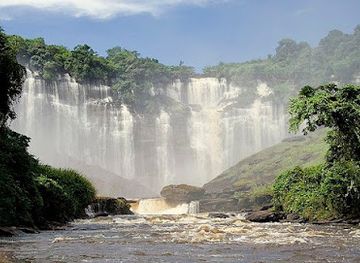
Explore the breathtaking Calandula Falls, a stunning natural wonder in Angola, offering picturesque views and rich cultural experiences in a lush environment.
Explore Namibe Desert on the map
Plan your trip on one map. See where the top cities, national parks and sights are, and book hotels and experiences in a few clicks.
Best hotels in Namibe Desert
Best restaurants in Namibe Desert
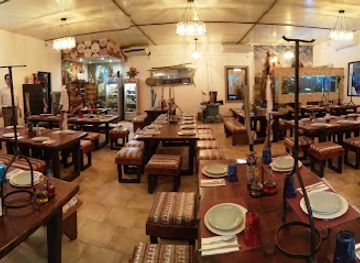
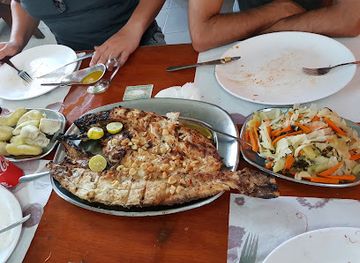
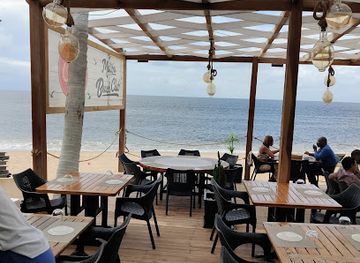
Dining in the Namibe Desert region is closely tied to the Atlantic coast and the practical food culture of southern Angola. In Moçâmedes and Tômbwa, fish and seafood are prominent, reflecting local fishing activity, while grilled meats, rice, beans, cassava, maize-based foods and stews connect the region with broader Angolan cuisine. Portuguese influences remain visible in bakery items, coffee, simple grilled dishes and some restaurant styles, but local meals are shaped by available ingredients and household traditions rather than a single formal regional cuisine. Urban restaurants, cafés and hotel dining rooms provide the widest choice; outside the towns, travellers should expect basic meals and should carry provisions for desert excursions. Fresh fish may be available near working fishing communities, but supply, season and preparation vary. A well-planned expedition normally includes plenty of drinking water, durable food and cooking equipment rather than relying on roadside services or remote restaurants.
-
Restaurant
Restaurante Café Del Mar
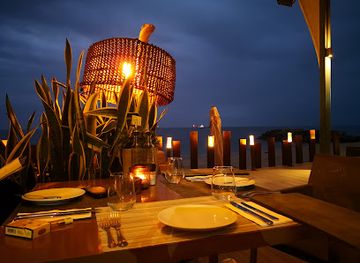
Experience exquisite Angolan cuisine at Restaurante Café Del Mar with stunning ocean views and an unforgettable atmosphere.
-
Portuguese
O Madeirense Cidade
Experience authentic Portuguese cuisine at O Madeirense Cidade in Luanda – where tradition meets flavor in every dish.
-
Restaurant
Miami Beach
Experience the best of Luanda's culinary delights at Miami Beach - where local flavors meet vibrant nightlife.
-
Seafood
Restaurante la Vigia
Discover exquisite seafood at Restaurante la Vigia in Luanda - a culinary gem celebrating Angolan coastal flavors.

Best bars in Namibe Desert
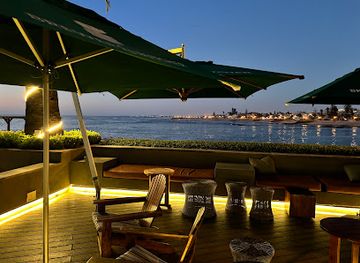
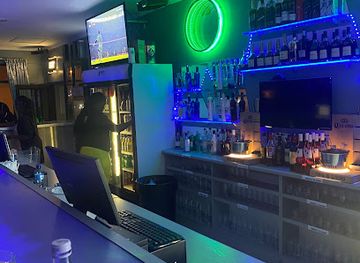
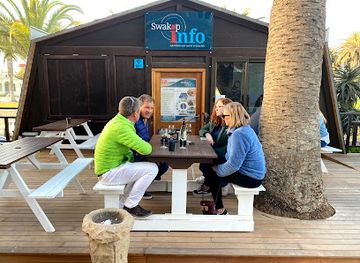
Nightlife in the Namibe Desert region is concentrated in Moçâmedes, where bars, hotel lounges, cafés and informal social venues provide the main evening options. The atmosphere is more coastal and local than club-oriented, with conversation, music and seafood dining often more significant than a large late-night scene. Tômbwa has a smaller range of establishments connected to its working fishing community, while villages and remote park areas offer little or no organised nightlife. Visitors should plan to return to their accommodation after dark outside the towns because roads, tracks and desert visibility are difficult. Local beer, soft drinks and Portuguese-influenced café culture are readily recognisable parts of urban social life, but alcohol should not be treated as essential to experiencing the region. Ask accommodation staff about current venues, as businesses and opening arrangements can change.
-
Pub
Brewer & Butcher
Discover the vibrant flavors of Brewer & Butcher in Swakopmund, where delicious food meets a lively pub atmosphere.
-
Restaurant
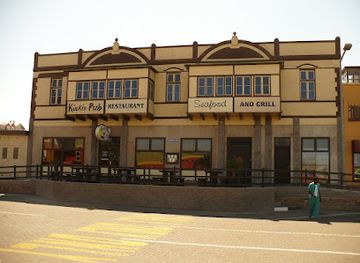
Kücki's Pub
Discover Kücki's Pub in Swakopmund for a delightful mix of local Namibian flavors and vibrant nightlife in a welcoming atmosphere.
-
Disco club
Infinity Lounge Swakopmund
Dive into Swakopmund's nightlife at Infinity Lounge, where great music and cold drinks meet a vibrant atmosphere for unforgettable moments.
-
Wine bar
Bar Zonder Naam
Discover Bar Zonder Naam, Swakopmund's cozy wine bar, where exceptional wines and a welcoming atmosphere await every visitor.
Best nightclubs in Namibe Desert
Nightlife in the Namibe Desert region is concentrated in Moçâmedes, where bars, hotel lounges, cafés and informal social venues provide the main evening options. The atmosphere is more coastal and local than club-oriented, with conversation, music and seafood dining often more significant than a large late-night scene. Tômbwa has a smaller range of establishments connected to its working fishing community, while villages and remote park areas offer little or no organised nightlife. Visitors should plan to return to their accommodation after dark outside the towns because roads, tracks and desert visibility are difficult. Local beer, soft drinks and Portuguese-influenced café culture are readily recognisable parts of urban social life, but alcohol should not be treated as essential to experiencing the region. Ask accommodation staff about current venues, as businesses and opening arrangements can change.
-
Restaurant
Malibu Beach Club
Experience the perfect blend of stunning ocean views, delicious cuisine, and vibrant atmosphere at Malibu Beach Club in Luanda, Angola.
-
Night club
El Sombreiro
Experience the vibrant nightlife at El Sombreiro, Moçâmedes' premier night club with music, dancing, and local culture.

Best shops in Namibe Desert
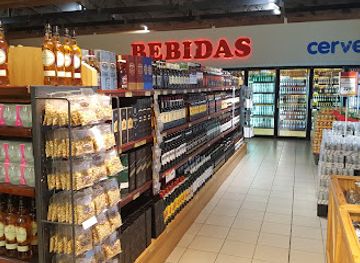
Shopping in the Namibe Desert region is practical and locally focused rather than centred on large retail complexes. Moçâmedes has the broadest selection of supermarkets, small shops, pharmacies, cafés and markets for provisions, while Tômbwa’s retail activity reflects the needs of a fishing town. Visitors can look for locally caught or dried fish where sold through appropriate channels, Portuguese-influenced baked goods, Angolan food products and everyday craft items. Small informal markets may offer textiles, baskets, carvings or other handmade goods, but availability changes and visitors should buy respectfully without encouraging trade in protected plants, shells, fossils or archaeological objects. There is little reason to expect specialised desert-tourism merchandise, so supplies such as water, fuel-related essentials, food and sun protection should be purchased in the towns before an expedition. Independent shops and market stalls provide a closer view of local commerce than luxury retail, and polite Portuguese greetings and patient negotiation are useful when prices are not displayed.
-
Shopping mall
Dunes Mall
Explore Dunes Mall in Walvis Bay, Namibia: A premier shopping, dining, and entertainment destination that captures the essence of local culture.
-
Desert
Namib Desert
Discover the breathtaking beauty of the Namib Desert, a captivating landscape of towering dunes and unique wildlife rich in adventure and natural wonders.
-
Museum
Kristall Galerie
Explore the stunning gemstone wonders of Kristall Galerie in Swakopmund, Namibia – a must-visit for every gem enthusiast.
-
Supermarket
Shoprite Namibe
Discover a vibrant shopping experience at Shoprite Namibe, where fresh produce meets international flavors in the heart of Moçâmedes.

Get your free copy of our complete guide to Namibe Desert, delivered straight to you.
Everything on this page, from attractions and restaurants to essentials and local phrases, in one PDF you can read offline, print or share.
Already have an account? Sign in
Your Namibe Desert guide is ready.
We'll send it to · Not you? Sign out

Getting your guide ready…
We are putting together a fresh copy of the Namibe Desert guide. This can take up to a minute.
This can take a few moments. If your browser asks, choose Allow so the download can start. You'll find the guide in your Downloads folder.
Nothing happened? Download it again
Sorry, the guide is taking longer than usual. Please try again in a minute, or get it by email instead.
Namibe Desert essentials
Currency and Payment
Safety
Emergency Situations
Do's and Don'ts
Local Tips
From Eve
Local phrases worth knowing
You don't need to get them perfect. A few words go a long way, and locals appreciate the effort.
Basics
| English | Local | Say it |
|---|---|---|
| Hello | Olá | [oh-lah] |
| Goodbye | Adeus | [ah-deh-oos] |
| Yes | Sim | [seem] |
| No | Não | [now] |
| Please/You're welcome | Por favor | [poor fah-vor] |
| Thank you | Obrigado | [oh-bree-gah-doo] |
| Excuse me/Sorry | Desculpe | [des-kool-peh] |
| How are you? | Como você está? | [koh-moh voh-seh es-tah] |
| Fine. And you? | Bem. E você? | [beng. ee voh-seh] |
| Do you speak English? | Você fala inglês? | [voh-seh fah-lah een-glez] |
| I don't understand | Não entendo | [now en-ten-doo] |
Eating & Drinking
| English | Local | Say it |
|---|---|---|
| I'd like to see the menu, please | Gostaria de ver o menu, por favor | [goh-stah-ree-ah jeh vehr oo meh-noo, poor fah-vor] |
| I don't eat meat | Não como carne | [now koh-moo kar-nee] |
| Cheers! | Saúde! | [sah-oo-jee] |
| I would like to pay, please | Gostaria de pagar, por favor | [goh-stah-ree-ah jeh pah-gar, poor fah-vor] |
Emergencies
| English | Local | Say it |
|---|---|---|
| Help! | Socorro! | [soh-koh-roo] |
| Go away! | Vá embora! | [vah em-boh-rah] |
| Call the Police! | Chame a polícia! | [sha-mee ah poh-lee-syah] |
| Call a doctor! | Chame um médico! | [sha-mee oom meh-jee-koh] |
| I'm lost | Estou perdido | [es-toh pehr-jee-doo] |
| I'm ill | Estou doente | [es-toh doh-en-tchee] |
Shopping
| English | Local | Say it |
|---|---|---|
| I'd like to buy... | Gostaria de comprar... | [goh-stah-ree-ah jeh kom-prar] |
| I'm just looking | Estou só olhando | [es-toh soh oh-lyan-doo] |
| How much is it? | Quanto custa? | [kwan-toh koos-tah] |
| That's too expensive | Isso é muito caro | [ee-soh eh moy-too kah-roo] |
| Can you lower the price? | Você pode baixar o preço? | [voh-seh poh-deh bye-shar oo pray-soo] |
Time & Numbers
| English | Local | Say it |
|---|---|---|
| What time is it? | Que horas são? | [keh oh-ras sow] |
| It's one o'clock | É uma hora | [eh oo-mah oh-rah] |
| Half past (10) | Dez e meia | [dez ee may-ah] |
| Morning | Manhã | [mahn-yah] |
| Afternoon | Tarde | [tahr-deh] |
| Evening | Noite | [noy-tchee] |
| Yesterday | Ontem | [on-tem] |
| Today | Hoje | [oh-zhe] |
| Tomorrow | Amanhã | [ah-mahn-yah] |
| 1 | Um | [oom] |
| 2 | Dois | [doyz] |
| 3 | Três | [trez] |
| 4 | Quatro | [kwah-tro] |
| 5 | Cinco | [seen-koh] |
| 6 | Seis | [says] |
| 7 | Sete | [seh-chee] |
| 8 | Oito | [oy-toh] |
| 9 | Nove | [noh-veh] |
| 10 | Dez | [dez] |
Transport & Directions
| English | Local | Say it |
|---|---|---|
| Where's a/the...? | Onde está um/a...? | [on-deh es-tah oom/ah] |
| What's the address? | Qual é o endereço? | [kwal eh oo in-deh-reh-soo] |
| Can you show me (on the map)? | Você pode me mostrar (no mapa)? | [voh-seh poh-deh meh mohs-trar (noh mah-pah)] |
| When's the next (bus)? | Quando é o próximo (ônibus)? | [kwahn-do eh oo proh-see-moo (oh-nee-boos)] |
| A ticket (to ...) | Um bilhete (para ...) | [oom bee-lyeh-teh (pah-rah)] |
History of Namibe Desert
Early Peoples and Desert Adaptation
The Namibe coast and its interior valleys have long been used by Indigenous communities whose economies and movements adapted to severe aridity, seasonal water and access to the sea. Archaeological evidence across southwestern Angola includes traces of early settlement, stone-tool traditions and rock art, although the desert’s harsh conditions leave an incomplete record. Later pastoral communities, including Herero-speaking groups, moved through the wider region with livestock and maintained connections across what are now national borders. Their knowledge of wells, grazing routes and seasonal conditions remains important to understanding the desert as a lived landscape rather than an empty one.
Portuguese Coastal Expansion, Sixteenth to Nineteenth Centuries
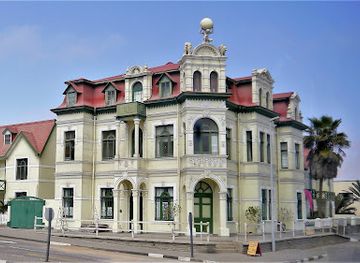
Portuguese maritime expansion established a lasting coastal presence in the region. Moçâmedes developed into a port and administrative centre, linking the desert coast with Angola’s wider colonial economy. Portuguese settlement remained concentrated around towns, harbours and cultivated pockets rather than transforming the arid interior. The coast supported fishing, trade and maritime transport, while the surrounding desert constrained agriculture and overland movement. Colonial influence is still visible in parts of Moçâmedes through urban layouts, civic buildings and religious architecture, although these survive alongside African communities and contemporary Portuguese-speaking Angolan culture.
The Development of Moçâmedes and the Fishing Economy
During the nineteenth and twentieth centuries, Moçâmedes expanded as a port serving southern Angola. Fishing, salt production, coastal trade and limited irrigated agriculture became central to the local economy, with the Benguela Current supporting productive marine waters despite the extreme dryness on land. Tômbwa also developed as a fishing settlement farther south. The contrast between abundant ocean resources and almost absent rainfall shaped settlement patterns: towns clustered around harbours, wells and transport links, while most of the desert remained sparsely inhabited.
Colonial Infrastructure and the Southern Desert
Roads, rail links and administrative infrastructure connected the coast with Angola’s interior during the colonial period, but the Namibe Desert remained a difficult frontier for large-scale development. Transport routes were built to move people, fish, agricultural products and minerals rather than to serve tourism. The Namibe Railway eventually linked Moçâmedes with interior areas, though its history includes periods of interruption connected with war and national instability. Ruins, old tracks and changing transport corridors contribute to the region’s layered historical character.
Independence and Civil War, 1975–2002
Angola became independent from Portugal in 1975, followed by a prolonged civil war that affected transport, public services and economic life across the country. Southern Angola experienced military activity, displacement and disruptions to infrastructure, while remote areas such as the desert were particularly difficult to administer. The conflict also contributed to pressure on wildlife and reduced access to conservation landscapes. Since the end of the war in 2002, improved roads, renewed rail connections in parts of the south and national reconstruction have gradually made the Namibe coast more accessible, although remote travel remains demanding.
Iona National Park and Conservation
Created in 1964, Iona National Park is Angola’s largest national park and occupies a major part of the country’s far southwestern landscape. It protects desert, mountain and coastal environments extending towards the Namibian frontier. Years of conflict, drought, poaching and limited management weakened wildlife populations and park infrastructure, but conservation work has sought to restore habitats, improve protection and involve local communities. Iona’s importance lies not only in its animals but also in its geological settings, endemic plants, seasonal rivers and cross-border ecological connections.
The Contemporary Namibe Desert
Today the Angolan Namibe Desert combines a working Atlantic coast with a slowly developing nature-travel destination. Moçâmedes remains a port and provincial centre, Tômbwa retains its fishing identity, and the desert interior is visited chiefly by prepared expedition-style travellers, researchers, photographers and conservation groups. New roads and communications have improved access in some areas, but responsible tourism remains essential. Water scarcity, fragile vegetation, changing climate conditions and the needs of local communities mean that the region’s future depends on careful planning rather than mass tourism.
Namibe Desert in Photos
Browse through our photo collection highlighting the charm and character of the destination.
Neighbouring regions of Namibe Desert
The closest regions to Namibe Desert, if you have time for more than one.
-

-

-

-

-


Swipe for more regions
Explore more

Explore more of Angola
Discover Angola's vibrant cities, stunning coastlines, and rich cultural heritage. An African destination that combines urban excitement with natural wonders.
Explore Angola