

Free Scrub Island Travel Guide & Mobile App
Explore Scrub Island with free travel guides. Discover regional history, expert tips, proposed trips, and audio guides on web or mobile app.


Scrub Island, Anguilla offers quiet offshore scenery, clear Caribbean waters, wildlife and boat-based escapes away from developed beaches.
Read more about Scrub Island
When is the best time to visit Scrub Island?
Best: January–March · 28–29°C| Month | High (°C) | Rainfall (mm) |
|---|---|---|
| January (best) | 28 | 60 |
| February (best) | 28 | 50 |
| March (best) | 29 | 50 |
| April | 29 | 60 |
| May | 30 | 70 |
| June | 31 | 80 |
| July | 31 | 90 |
| August | 31 | 100 |
| September | 31 | 110 |
| October | 31 | 100 |
| November | 30 | 90 |
| December | 29 | 80 |
Getting to and around Scrub Island
How to get there
Transportation
Best attractions in Scrub Island
Scrub Island’s attractions are almost entirely natural and marine. The boat approach provides the defining experience, with views across Anguilla’s eastern seascape and a changing perspective of the island’s low, scrub-covered outline. Around suitable sections of coast, visitors may swim or snorkel in clear Caribbean water, observing reef and nearshore marine life when visibility and sea conditions allow. Rocky edges, sandy patches and sparse vegetation create a simple setting for a short shore exploration, bird watching and quiet picnicking, provided all supplies and rubbish are managed independently. There are no established museums, gardens, family attractions, heritage interiors or formal walking trails on the island, and the absence of facilities is central to its character. The most rewarding excursions combine Scrub Island with a broader day on the water, allowing time for wildlife observation and responsible snorkelling rather than treating the island as a developed beach resort. Operators and visitors should take particular care with anchoring, wildlife disturbance and litter, since the island’s ecological value is closely tied to its limited infrastructure and relatively undisturbed surroundings.
-
Park and Garden
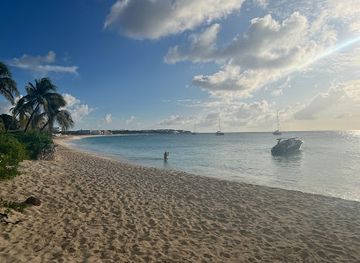
Meads Bay Beach
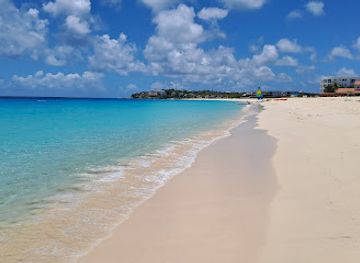
Discover Anguilla's Meads Bay: a pristine beach with tranquil turquoise waters, upscale dining, and serene Caribbean charm.
-
Tourist attraction
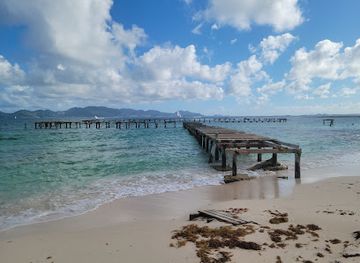
Christian’s Cove
Escape to Christian's Cove in Anguilla: Pristine sands, crystal waters, and unforgettable sunsets await in this tranquil Caribbean paradise.
-
Tourist attraction
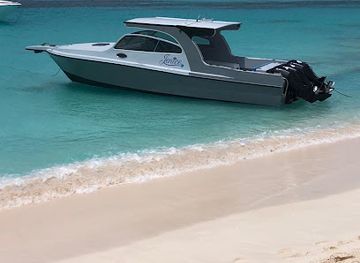
Jenice369 charters
Discover Anguilla's pristine coastlines and vibrant marine life with Jenice369 Charters. Tailored sailing experiences for unforgettable Caribbean adventures.
-
Tourist attraction
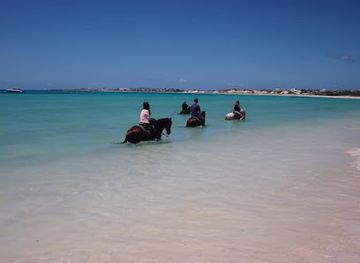
Cova bay horse riding route
Discover Anguilla's serene beauty on horseback along the Cova Bay Riding Route. A unique coastal experience for all skill levels.
Best landmarks in Scrub Island
Scrub Island has no known historic buildings, monumental architecture or formal civic landmarks. Its principal landmark is the island itself: a low, dry and sparsely developed landform standing apart from mainland Anguilla and recognisable from the sea. The island’s scrub vegetation and exposed coastal edges illustrate the arid conditions that shape much of Anguilla’s landscape, while the surrounding shallows, reefs and open channels give it geographical importance within the territory’s maritime setting. Offshore views are often more significant than any single structure, particularly the changing relationship between the island, the sea and Anguilla’s eastern coastline. The absence of roads, permanent public buildings and resort infrastructure is an important part of Scrub Island’s identity. Rather than looking for a constructed monument, visitors should regard the shoreline, vegetation and marine setting as a natural landmark that requires careful treatment. Any privately held or restricted area should be respected, and boat crews should determine suitable landing points according to current conditions and permissions.
-
Hotel
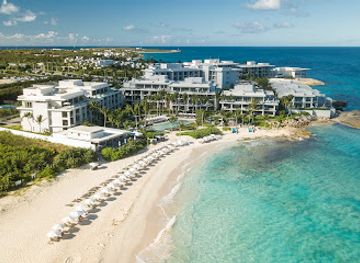
Four Seasons Resort and Residences Anguilla
Experience the ultimate Caribbean luxury at Four Seasons Resort and Residences Anguilla, where pristine beaches and world-class amenities await.
-
 Hotel
HotelCap Juluca, A Belmond Hotel, Anguilla
Experience barefoot luxury at Cap Juluca, Anguilla: where pristine beaches meet Moorish-inspired elegance for an unforgettable Caribbean escape.
-
Bar
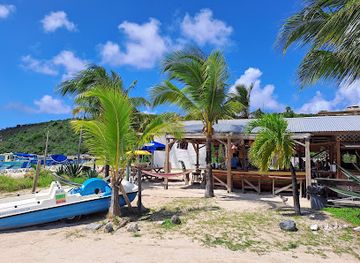
Elvis Beach Bar
Discover the vibrant energy of Elvis Beach Bar in Anguilla, where delicious food meets stunning ocean views and lively entertainment.
-
Hotel
Zemi Beach House, LXR Hotels & Resorts
Experience luxury and tranquility at Zemi Beach House, Anguilla, nestled on the idyllic shores of Shoal Bay East, offering world-class amenities and stunning ocean views.
Explore Scrub Island on the map
Plan your trip on one map. See where the top cities, national parks and sights are, and book hotels and experiences in a few clicks.
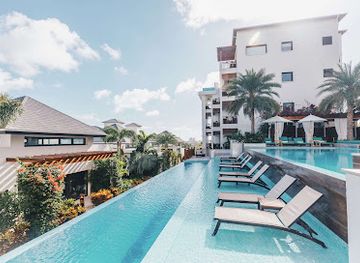
Best hotels in Scrub Island
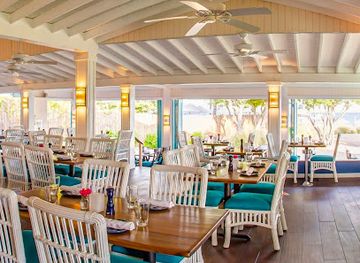
Best restaurants in Scrub Island
Scrub Island has no established restaurant, café, shop or public refreshment service. Food for a visit must be arranged in advance, either through a boat operator or by bringing a carefully packed meal from mainland Anguilla. The practical choice is portable food that tolerates heat, together with ample drinking water and a way to keep provisions secure during the crossing. Dining in this part of Anguilla is therefore primarily boat-based or self-catered rather than an island restaurant experience. Mainland Anguilla provides the territory’s broader culinary scene, including Caribbean cooking, seafood, casual beach dining, cafés and restaurants, but those facilities are outside the Scrub Island region. Visitors should not leave food waste behind, feed birds or wildlife, or assume that a passing vessel can provide supplies. Confirm in advance whether a charter includes lunch and whether dietary requirements can be accommodated before departure.
-
Restaurant
Blanchards Restaurant and Beach Shack
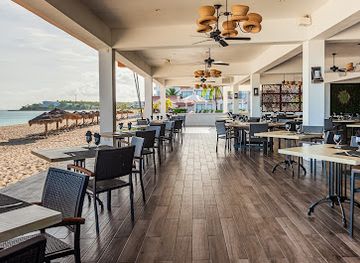
Experience exquisite Caribbean cuisine at Blanchards Restaurant and Beach Shack on Meads Bay - where flavor meets paradise.
-
Restaurant
Straw Hat Restaurant
Discover exquisite Caribbean cuisine at Straw Hat Restaurant in Meads Bay, Anguilla - where every meal is a seaside celebration.
-
Restaurant
Ocean Echo Anguilla
Discover Ocean Echo Anguilla: A paradise where exquisite Caribbean flavors meet stunning ocean views for an unforgettable dining experience.
-
Restaurant
Madeariman
Discover Madeariman in Anguilla: A beachfront restaurant serving exquisite local cuisine amidst stunning Caribbean views.
Best bars in Scrub Island
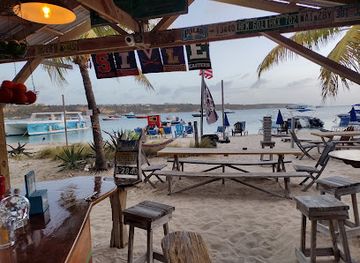
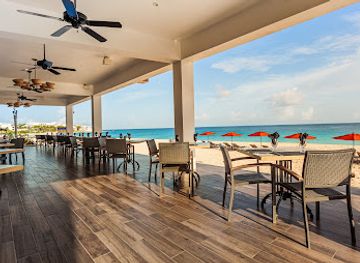
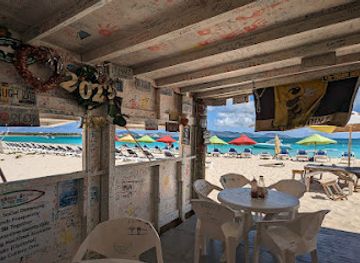
Scrub Island has no bars, nightclubs, permanent evening venues or established nightlife. Visits are generally daytime boat excursions, since returning after dark requires suitable navigation, a properly equipped vessel and conditions considered safe by the skipper. The island’s evening character is silence, open water and the absence of artificial light rather than organised entertainment. For drinks, live music and social evenings, visitors must return to mainland Anguilla, where nightlife is concentrated around restaurants, hotel areas, beach establishments and local bars rather than on the offshore cays. Alcohol should be approached cautiously during boat trips: it can increase dehydration and impair judgement in heat, water and uneven terrain. Arrange the return crossing before drinking and follow the crew’s safety instructions throughout the excursion.
-
Bar
Blanchards Restaurant and Beach Shack
Discover the flavors of the Caribbean at Blanchards Restaurant and Beach Shack, where oceanfront dining meets culinary excellence in Anguilla.
-
Bar
Elvis Beach Bar
Discover the vibrant beach culture and delicious Caribbean cuisine at Elvis Beach Bar, the ideal destination for relaxation and fun in Anguilla.
-
Restaurant
Straw Hat Restaurant
Experience the best of Anguilla's culinary scene at Straw Hat Restaurant, where fresh seafood meets stunning beachfront views.
-
Restaurant
Sunshine Shack
Experience the captivating flavors and laid-back vibes at Sunshine Shack, the ultimate beach bar in Anguilla.
Best nightclubs in Scrub Island
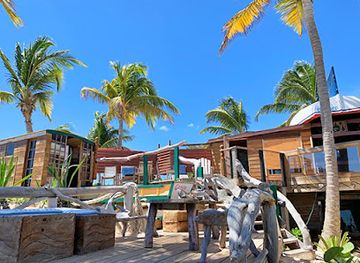
Scrub Island has no bars, nightclubs, permanent evening venues or established nightlife. Visits are generally daytime boat excursions, since returning after dark requires suitable navigation, a properly equipped vessel and conditions considered safe by the skipper. The island’s evening character is silence, open water and the absence of artificial light rather than organised entertainment. For drinks, live music and social evenings, visitors must return to mainland Anguilla, where nightlife is concentrated around restaurants, hotel areas, beach establishments and local bars rather than on the offshore cays. Alcohol should be approached cautiously during boat trips: it can increase dehydration and impair judgement in heat, water and uneven terrain. Arrange the return crossing before drinking and follow the crew’s safety instructions throughout the excursion.
-
Bar
Elvis Beach Bar
Experience the vibrant atmosphere of Elvis Beach Bar in Anguilla, where delicious food, refreshing drinks, and stunning beach views await you!
-
Live music bar
Bankie Banx's Dune Preserve
Experience the vibrant culture of Anguilla at Bankie Banx's Dune Preserve, where live music meets delicious Caribbean cuisine by the ocean.
-
Grill
Gwen's Reggae Bar and Grill
Experience the vibrant flavors and rhythms of the Caribbean at Gwen's Reggae Bar and Grill in Anguilla, a culinary gem for every tourist.
-
Resort hotel
Aurora Anguilla Resort & Golf Club
Discover the ultimate luxury retreat at Aurora Anguilla Resort & Golf Club, blending stunning landscapes with world-class amenities for an unforgettable experience.

Best shops in Scrub Island
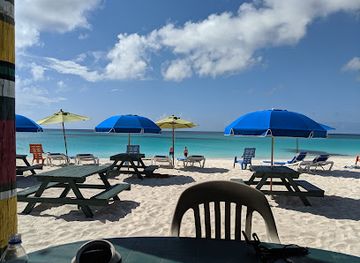
Scrub Island has no shops, market, gallery, craft outlet or retail facilities. All purchases, provisions and practical equipment must be made on mainland Anguilla before departure, including water, food, sun protection, snorkelling essentials and suitable footwear. Shopping elsewhere in Anguilla can provide locally made crafts, artwork, clothing, books and food products, while the main island’s shops and markets are the appropriate places to buy gifts or supplies. Visitors should not remove shells, coral, stones, plants or other natural material from Scrub Island as souvenirs. The most appropriate memento is a photograph taken without disturbing wildlife or private property, or a locally produced item purchased from an Anguillian seller. Because boat excursions may have limited storage space, pack compactly and secure loose items against wind and spray.
-
Hardware Shop
ABC Supplies
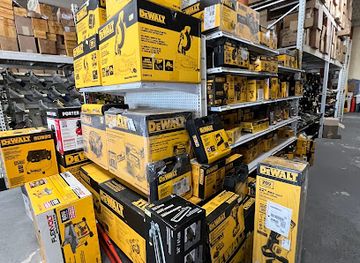
Discover ABC Supplies in Anguilla, your ultimate destination for quality hardware and expert advice for all your DIY projects.
-
Shop Supermarket Furniture Shop
BIG STORE
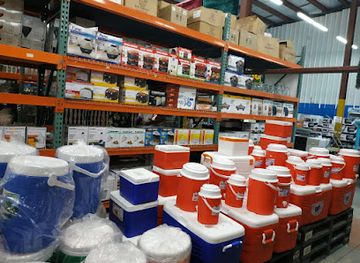
Experience the best of Anguilla shopping at BIG STORE, your one-stop destination for local goods, groceries, and unique souvenirs.
-
Gift shop
Irie Life
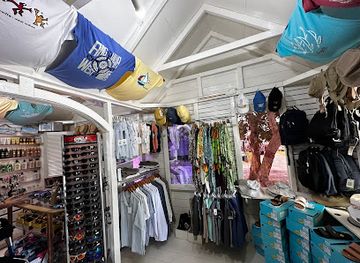
Explore Irie Life Gift Shop in Anguilla for unique local crafts and souvenirs that reflect the vibrant Caribbean culture.
-
Electronics Retail and Repair Shop
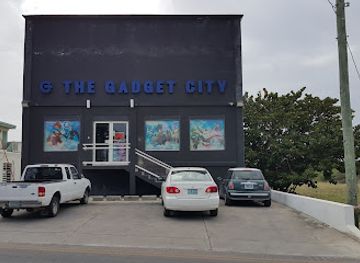
The Gadget City
Explore the best in electronics at The Gadget City, your one-stop shop for gadgets, accessories, and repairs in Anguilla.
Get your free copy of our complete guide to Scrub Island, delivered straight to you.
Everything on this page, from attractions and restaurants to essentials and local phrases, in one PDF you can read offline, print or share.
Already have an account? Sign in
Your Scrub Island guide is ready.
We'll send it to · Not you? Sign out

Getting your guide ready…
We are putting together a fresh copy of the Scrub Island guide. This can take up to a minute.
This can take a few moments. If your browser asks, choose Allow so the download can start. You'll find the guide in your Downloads folder.
Nothing happened? Download it again
Sorry, the guide is taking longer than usual. Please try again in a minute, or get it by email instead.
Scrub Island essentials
Currency and Payment
Safety
Emergency Situations
Do's and Don'ts
Local Tips
From Eve
Local phrases worth knowing
You don't need to get them perfect. A few words go a long way, and locals appreciate the effort.
Basics
| English | Local | Say it |
|---|---|---|
| Hello | Hola | [Oh-lah] |
| Goodbye | Adiós | [Ah-dee-ohs] |
| Yes | Sí | [See] |
| No | No | [No] |
| Please/You're welcome | Por favor | [Por fah-vor] |
| Thank you | Gracias | [Gra-thee-as] |
| Excuse me/Sorry | Perdón | [Per-don] |
| How are you? | ¿Cómo estás? | [Koh-moh es-tahs] |
| Fine. And you? | Bien. ¿Y tú? | [Bee-en. Ee too] |
| Do you speak English? | ¿Hablas inglés? | [Ah-blas een-glehs] |
| I don't understand | No entiendo | [No en-tee-en-do] |
Eating & Drinking
| English | Local | Say it |
|---|---|---|
| I'd like to see the menu, please | Me gustaría ver el menú, por favor | [Meh goos-tah-ree-ah vehr el meh-noo, por fah-vor] |
| I don't eat meat | No como carne | [No koh-mo kar-neh] |
| Cheers! | ¡Salud! | [Sah-lood] |
| I would like to pay, please | Me gustaría pagar, por favor | [Meh goos-tah-ree-ah pah-gar, por fah-vor] |
Emergencies
| English | Local | Say it |
|---|---|---|
| Help! | ¡Ayuda! | [Ah-yoo-dah] |
| Go away! | ¡Vete! | [Veh-teh] |
| Call the Police! | ¡Llama a la Policía! | [Yah-mah ah lah Poh-lee-see-ah] |
| Call a doctor! | ¡Llama a un doctor! | [Yah-mah ah oon dok-tor] |
| I'm lost | Estoy perdido | [Es-toy per-dee-doh] |
| I'm ill | Estoy enfermo | [Es-toy en-fer-mo] |
Shopping
| English | Local | Say it |
|---|---|---|
| I'd like to buy... | Me gustaría comprar... | [Meh goos-tah-ree-ah kom-prar] |
| I'm just looking | Solo estoy mirando | [So-lo es-toy mee-ran-do] |
| How much is it? | ¿Cuánto cuesta? | [Kwan-toh kwes-ta] |
| That's too expensive | Eso es demasiado caro | [Eh-so es de-mah-see-ah-doh kah-ro] |
| Can you lower the price? | ¿Puedes bajar el precio? | [Pweh-des bah-har el preh-syo] |
Time & Numbers
| English | Local | Say it |
|---|---|---|
| What time is it? | ¿Qué hora es? | [Keh oh-rah es] |
| It's one o'clock | Es la una | [Es lah oo-nah] |
| Half past (10) | Y diez y media | [Ee dyez ee meh-dee-ah] |
| Morning | Mañana | [Mah-nyah-nah] |
| Afternoon | Tarde | [Tar-deh] |
| Evening | Noche | [Noh-cheh] |
| Yesterday | Ayer | [Ah-yer] |
| Today | Hoy | [Oy] |
| Tomorrow | Mañana | [Mah-nyah-nah] |
| 1 | Uno | [Oo-no] |
| 2 | Dos | [Dos] |
| 3 | Tres | [Tres] |
| 4 | Cuatro | [Kwah-tro] |
| 5 | Cinco | [Seen-koh] |
| 6 | Seis | [Seys] |
| 7 | Siete | [See-eh-teh] |
| 8 | Ocho | [Oh-cho] |
| 9 | Nueve | [Nweh-veh] |
| 10 | Diez | [Dyez] |
Transport & Directions
| English | Local | Say it |
|---|---|---|
| Where's a/the...? | ¿Dónde está ...? | [Dohn-deh es-tah] |
| What's the address? | ¿Cuál es la dirección? | [Kwahl es lah dee-rek-see-on] |
| Can you show me (on the map)? | ¿Puedes mostrarme (en el mapa)? | [Pweh-des mos-trar-meh (en el mah-pah)] |
| When's the next (bus)? | ¿Cuándo es el próximo (autobús)? | [Kwan-doh es el prox-ee-mo (ow-toh-boos)] |
| A ticket (to ....) | Un billete (a ...) | [Oon bee-yeh-teh (ah ...)] |
History of Scrub Island
Pre-Columbian Maritime Landscape
Scrub Island forms part of the island chain around Anguilla that was used by Indigenous Caribbean peoples long before European colonisation. Small offshore islands and cays were reached by canoe for fishing, collecting marine resources and moving between larger settlements. The limited size and dry environment of Scrub Island would have constrained permanent occupation, and detailed archaeological information specifically concerning the island is not widely published. Its historical importance is best understood as part of the maritime environment surrounding Anguilla rather than as the site of a known large settlement.
European Navigation and Colonial Claims
From the late fifteenth century onwards, European navigators charted and claimed islands across the northeastern Caribbean, bringing Anguilla and its offshore cays into competing imperial spheres. Anguilla ultimately developed within the British colonial world, while surrounding islands were divided among different European powers. Small islands such as Scrub were more useful as navigational reference points, temporary landfalls and maritime resources than as centres of administration. Their strategic significance came from their position within the channels and waters around Anguilla.
Settlement of Anguilla and Offshore Resources
Permanent European-descended settlement became established on Anguilla during the seventeenth century, with agriculture, livestock keeping, fishing and small-scale trade shaping the island’s economy. Offshore cays were linked to this economy through fishing grounds, boat routes and the collection of marine resources. Scrub Island’s dry terrain did not encourage substantial settlement, but its surrounding waters formed part of the working seascape used by Anguillian communities. The island’s lack of a substantial built settlement is itself a reminder of the practical limits imposed by freshwater scarcity and exposure.
Anguilla’s British Constitutional Heritage
Anguilla remained associated with Britain through changing colonial arrangements in the Leeward Islands and later the British West Indies. In the twentieth century it became part of the short-lived Associated State of Saint Christopher-Nevis-Anguilla, before Anguilla’s 1967 revolution and subsequent constitutional separation from Saint Kitts and Nevis. Scrub Island followed the territorial status of Anguilla and is now part of the British Overseas Territory of Anguilla. These political changes are more visible on the main island, but they define the legal and administrative context in which Scrub Island is visited today.
Fishing, Boating and the Modern Seascape
For generations, Anguilla’s surrounding waters have supported fishing, small-boat travel and connections between the main island and its offshore cays. Such activities remain part of the territory’s maritime identity, even as tourism has become a major economic force. Scrub Island is encountered primarily from the water, making the skills of local boatmen and knowledge of reefs, channels, wind and weather central to any visit. Its modern significance lies less in built heritage than in the continuing relationship between Anguilla and its surrounding sea.
Contemporary Conservation and Low-Impact Visitation
As tourism expanded across Anguilla, the territory’s offshore islands gained attention for their beaches, reefs, seabirds and relatively undeveloped landscapes. Scrub Island remains a low-infrastructure destination rather than a resort development, which preserves a more natural character but also leaves visitors responsible for their own supplies and environmental conduct. Contemporary visits are therefore shaped by conservation concerns: avoiding wildlife disturbance, preventing litter, protecting shallow marine habitats and respecting access arrangements. The island’s future appeal depends on maintaining those qualities.
Scrub Island in Photos
Browse through our photo collection highlighting the charm and character of the destination.
Neighbouring regions of Scrub Island
The closest regions to Scrub Island, if you have time for more than one.
-

-

-

-

-


Swipe for more regions
Explore more

Explore more of Anguilla
Discover Anguilla: Caribbean's best-kept secret with stunning beaches, rich culture, and endless adventure opportunities. Perfect for a serene and luxurious getaway.
Explore Anguilla