
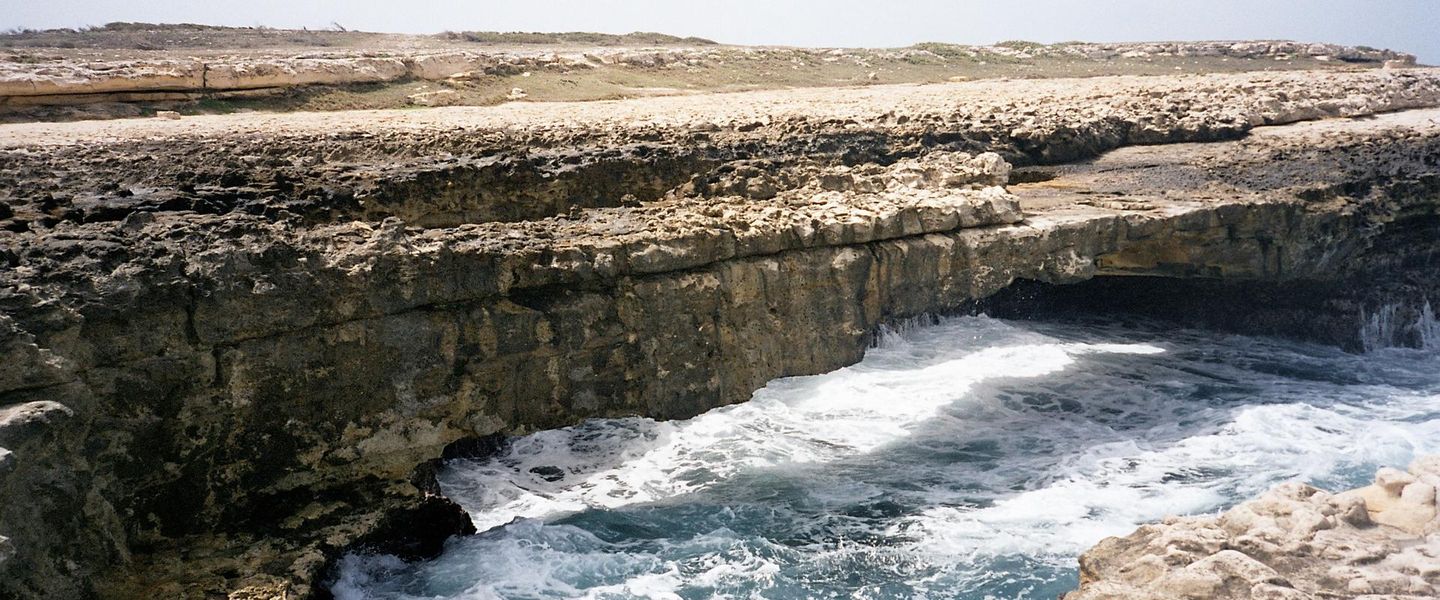
Hell's Gate, Antigua and Barbuda Travel Guide
Discover Hell's Gate in Antigua and Barbuda: A Natural Limestone Arch Offering Stunning Views, Snorkeling Adventures, and Unforgettable Climbing Experiences.
Hell's Gate is a natural wonder located in the heart of Antigua and Barbuda. This stunning limestone arch, formed over centuries by the forces of erosion, offers breathtaking views of the surrounding Caribbean Sea. The site is not only a testament to the raw power of nature but also a serene spot for visitors seeking both adventure and tranquility. The journey to Hell's Gate is an adventure in itself. Accessible by boat, the trip offers a scenic voyage through crystal-clear waters teeming with marine life. Upon arrival, visitors are greeted by the impressive sight of the arch, which stands as a sentinel over the azure waters. The area around Hell's Gate is perfect for snorkeling, with vibrant coral reefs and an abundance of colorful fish waiting to be explored. For the more daring, a climb to the top of Hell's Gate provides an unforgettable experience. The view from the summit is nothing short of spectacular, offering panoramic vistas of the island and the endless horizon of the Caribbean Sea. Whether you are an avid adventurer or someone seeking a peaceful retreat, Hell's Gate is a must-visit destination that promises to leave a lasting impression.

Know before you go
Hi, I'm Eve. Here are a few practical things to know before exploring Hell's Gate.
- Wear sturdy shoes for climbing to the top of the arch.
- Bring snorkeling gear to explore the vibrant marine life.
- Consider visiting early in the morning to avoid the midday heat and crowds.
- Pack plenty of water and sun protection, as there are limited facilities nearby.
Explore Hell's Gate: Things to Do, Places to Eat, Hotels & More
Handpicked recommendations for top attractions, local dining, accommodations, and more

Best attractions in Hell's Gate
Top-rated picks
Best Attractions

Great Bird Island
Discover Great Bird Island: A Caribbean paradise for birdwatchers, snorkelers, and nature lovers seeking pristine beaches and rare wildlife encounters.

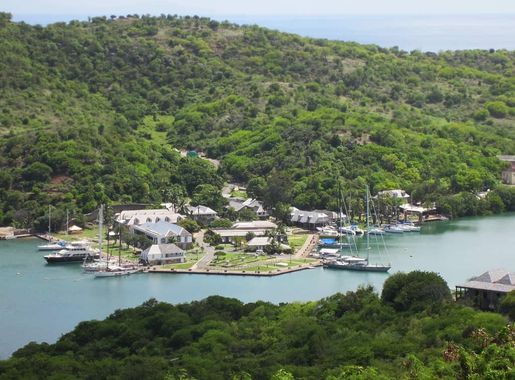
Nelson's Dockyard National Park
Discover Antigua's naval history at Nelson's Dockyard National Park, a UNESCO World Heritage Site with stunning Georgian architecture and natural beauty.

Hawksbill Bay
Discover Hawksbill Bay: Tranquil beaches, calm waters, and Antigua's only clothing-optional beach await on the scenic west coast.

Hells Gate Steel Orchestra Pan Yard
Experience the vibrant sounds of Antigua's oldest steel orchestra. A cultural landmark in Villa, St. John's, where music history comes alive.

Best landmarks in Hell's Gate
Top-rated picks
Best Landmarks

Heritage Quay Complex
Discover the vibrant Heritage Quay Complex in St. John's, Antigua—where shopping meets the beauty of Caribbean culture, perfect for cruise passengers and visitors.

Nelson's Dockyard
Discover the rich maritime history and stunning beauty of Nelson's Dockyard, a UNESCO World Heritage site in Antigua.

Stingray City Antigua
Explore the mesmerizing waters of Stingray City Antigua, where you can swim with friendly stingrays and discover vibrant marine life in the Caribbean.

Devil's Bridge National Park
Experience the breathtaking beauty and rich history of Devil's Bridge National Park, a stunning natural landmark in Antigua with captivating views and cultural significance.

Best restaurants in Hell's Gate
Top-rated picks
Best Restaurants

Shirley Heights Lookout
Discover panoramic views and rich history at Shirley Heights Lookout – a culinary delight in Antigua with vibrant local culture.

Big Banana
Experience the vibrant flavors of Caribbean cuisine at Big Banana in St. John's - where every meal is a celebration!

Al Porto
Experience authentic Italian cuisine at Al Porto in Jolly Harbour, where delicious flavors meet breathtaking views.

Ana's On The Beach
Experience exquisite dining with breathtaking ocean views at Ana's On The Beach in Antigua – where Caribbean flavors meet seaside charm.

Best bars in Hell's Gate
Top-rated picks
Best Bars

The Nest -Beach Bar, Antigua
Experience the vibrant flavors and stunning views at The Nest Beach Bar in Antigua, your perfect tropical getaway.

Darkwood Beach Bar and Restaurant
Experience the flavors and vibrant atmosphere of Darkwood Beach Bar and Restaurant, a perfect blend of local cuisine and stunning ocean views in Antigua.

Cheers Antigua
Experience the flavors of the Caribbean at Cheers Antigua, a grill restaurant in the heart of St. John's, perfect for tourists seeking local cuisine.

JR's Spot Bar and Grill
Experience the excitement of sports at JR's Spot Bar and Grill in St. John's, Antigua - where every game feels like a celebration.

Best nightclubs in Hell's Gate
Top-rated picks
Best Nightclubs

The Boardroom - The Premium Gentleman's Club
Experience the vibrant nightlife at The Boardroom, Antigua's premier gentleman's club, blending entertainment and exquisite dining for an unforgettable evening.

The Lime
Experience vibrant nightlife at The Lime, a popular bar in English Harbour offering delicious drinks, live music, and stunning harbor views.

Diamond Edge Night Club
Discover the electrifying nightlife at Diamond Edge Night Club in St. John's, where vibrant music and unforgettable dance parties await you.

WENDYS BAR
Experience the vibrant nightlife at Wendy's Bar in St. John's, where local flavors meet lively entertainment in a welcoming atmosphere.

Best shops in Hell's Gate
Top-rated picks
Best Shops

Heritage Quay Complex
Explore the Heritage Quay Complex - St. John's premier shopping and cultural destination with a vibrant atmosphere and rich Caribbean charm.

Redcliffe Quay
Discover the charm of Redcliffe Quay in St. John's, a vibrant shopping destination blending local culture with modern retail experiences.

Public Market Complex
Explore the vibrant Public Market Complex in St. John's for fresh produce, local crafts, and a taste of Antigua's rich culture.

Fat Tire Electric Bike Tours
Uncover the beauty of St. John's with eco-friendly electric bike tours, blending adventure, culture, and stunning sights in Antigua's capital.

Explore Hell's Gate on the Map
A handpicked selection of must-see spots in Hell's Gate, mapped for you.
Hell's Gate Essentials
-
Hell's Gate is located on the island of Barbuda in the Caribbean nation of Antigua and Barbuda. The nearest international airport is V.C. Bird International Airport (ANU) in Antigua. From Antigua, you can take a ferry or a small plane to Barbuda. The ferry ride takes approximately 90 minutes, while the flight is around 20 minutes. Once in Barbuda, local boats can take you to Hell's Gate.
-
Transportation options on Barbuda are limited. Renting a car or hiring a local taxi is recommended for getting around the island. Bicycles can also be rented for a more eco-friendly and immersive experience. Boats are available for trips to Hell's Gate and other nearby attractions. Make sure to arrange transportation in advance, as services can be sporadic.
-
The official currency in Antigua and Barbuda is the Eastern Caribbean Dollar (XCD). U.S. dollars are widely accepted, especially in tourist areas. Credit cards are accepted in most hotels, restaurants, and larger shops, but it is advisable to carry some cash for smaller businesses and remote areas. ATMs are available in larger towns, but may not be accessible on smaller islands like Barbuda.
-
Hell's Gate and Barbuda are generally safe for tourists, but standard precautions should be taken. Avoid isolated areas at night and keep your belongings secure. Petty theft can occur in tourist areas, so be vigilant. There are no specific high-crime areas targeting tourists, but always stay aware of your surroundings.
-
In case of emergency, dial 911 for immediate assistance. Barbuda has a local police station and medical facilities. It is highly recommended to have travel insurance that covers medical emergencies. For minor health issues, there are pharmacies where you can purchase over-the-counter medications.
-
Fashion: Do wear lightweight, breathable clothing suitable for the tropical climate. Avoid overly revealing attire, especially in more conservative areas. Religion: Do respect local customs and religious practices. Remove your hat and sunglasses when entering churches. Public Transport: Do be courteous and patient, as services may not run on strict schedules. Don’t eat or drink on public transport. Greetings: Do greet people with a friendly 'hello' or 'good day.' A handshake is also common. Eating & Drinking: Do try local dishes and accept food and drink offerings graciously. Don’t refuse hospitality, as it may be considered impolite.
-
To experience Hell's Gate and Barbuda like a local, visit the local markets to buy fresh produce and handmade crafts. Engage with the residents, who are often friendly and willing to share stories about their island's history and culture. Don’t miss the opportunity to explore the Frigate Bird Sanctuary, one of the largest in the world, and the stunning pink sand beaches. For a unique experience, take a guided tour of the island's caves and sinkholes.
When is the best time to visit Hell's Gate?
Useful Local Phrases for Hell's Gate
You don't need to speak the language perfectly. Even learning a few simple words can make conversations warmer—and locals usually appreciate the effort.
— Eve

Here are the phrases I use most often in Hell's Gate. Try a few—you'll be surprised how far they go! 😊
❤️
-
- HelloWadadli
[wa-dad-lee] - GoodbyeLeh we link up lata
[lay-wee-link-up-lay-ta] - YesYeah man
[yeah-man] - NoNah man
[nah-man] - Please/You're welcomePlease/No problem
[pleez/no-prob-lem] - Thank youTank yuh
[tank-yuh] - Excuse me/SorrySarry
[sah-ree] - How are you?How yuh duh?
[how-yuh-duh] - Fine. And you?Ahrite. An yuh?
[ah-right-an-yuh] - Do you speak English?Yuh speak English?
[yuh-speak-english] - I don't understandMe nah undastand
[meh-nah-un-da-stand]
- HelloWadadli
-
- I'd like to see the menu, pleaseLemme see di menu, plz
[lem-me-see-dee-men-oo-plz] - I don't eat meatMe nuh eat meat
[meh-nuh-eet-meet] - Cheers!Cheers!
[cheers] - I would like to pay, pleaseLemme pay, plz
[lem-me-pay-plz]
- I'd like to see the menu, pleaseLemme see di menu, plz
-
- Help!Help!
[help] - Go away!Move from hey!
[moov-from-hey] - Call the Police!Ring di Police!
[ring-dee-police] - Call a doctor!Ring a docta!
[ring-a-dok-ta] - I'm lostAh lost
[ah-lost] - I'm illAh sick
[ah-sik]
- Help!Help!
-
- I'd like to buy...I wud like tuh buy...
[ah-wood-lyke-tuh-buy] - I'm just lookingAh just lukin
[ah-just-look-in] - How much is it?How much dis cost?
[how-much-dis-cost] - That's too expensiveDat too dear
[dat-too-deer] - Can you lower the price?Yuh cud drop di price?
[yuh-kuhd-drop-dee-price]
- I'd like to buy...I wud like tuh buy...
-
- What time is it?Awe time it be?
[ah-we-time-it-bee] - It's one o'clockIt one o'clock
[it-one-o-clock] - Half past (10)Half ten
[haff-ten] - MorningMawnin
[morn-in] - AfternoonAftanoon
[af-tuh-noon] - EveningEvenin
[even-in] - YesterdayYessaday
[yes-sah-day] - TodayToday
[to-day] - TomorrowTomorra
[tom-or-ra] - 1One
[wun] - 2Two
[too] - 3Tree
[tree] - 4Fo'
[foe] - 5Fiv'
[fiv] - 6Sicks
[siks] - 7Seven
[sev-en] - 8Eight
[ate] - 9Nine
[nine] - 10Ten
[ten]
- What time is it?Awe time it be?
-
- Where's a/the...?Weh di...
[way-dee] - What's the address?Weh di address deh?
[way-dee-address-day] - Can you show me (on the map)?Yuh cud show me (pan di map)?
[yuh-kuhd-show-me-pan-dee-map] - When's the next (bus)?When di nex (bus) deh?
[when-dee-nex-bus-day] - A ticket (to ....)A ticket (to ....)
[a-ticket-to]
- Where's a/the...?Weh di...
History of Hell's Gate
-
Hell's Gate is a striking natural rock formation located off the coast of Antigua and Barbuda. Formed over millennia by the relentless forces of wind and sea erosion, this natural archway stands as a testament to the island's geological history. The unique structure and dramatic landscape have made it a must-see landmark for visitors and locals alike.
-
Before European colonization, the islands, including the area around Hell's Gate, were inhabited by the Arawak and Carib peoples. These indigenous groups lived harmoniously with nature, utilizing the sea for fishing and the land for agriculture. The natural formations, including Hell's Gate, were part of their daily landscape and held spiritual significance.
-
Hell's Gate and the surrounding islands were first encountered by Europeans during Christopher Columbus's second voyage in 1493. The Spanish initially claimed the islands, but it was the English who established a lasting colonial presence in the 17th century. The strategic location and natural harbors, including the areas around Hell's Gate, made Antigua and Barbuda a significant base for British naval operations.
-
During the 17th and 18th centuries, the waters around Hell's Gate were frequented by pirates and privateers. The natural arch and rugged coastline provided excellent hiding spots and navigational markers for these seafarers. Tales of buried treasure and pirate lore still capture the imagination of visitors today, adding a layer of mystique to the area's history.
-
The establishment of sugar plantations in the 18th century brought significant changes to the islands. Enslaved Africans were brought to work on the plantations, fundamentally altering the demographic and cultural landscape. The area around Hell's Gate was no exception, as the labor and suffering of the enslaved population played a crucial role in the region's economic development.
-
Following the abolition of slavery in 1834, the islands underwent a gradual transformation. The descendants of the enslaved people continued to shape the cultural and social fabric of the nation. Hell's Gate remained a natural landmark, symbolizing resilience and continuity. Antigua and Barbuda gained independence from British colonial rule in 1981, marking a new chapter in the nation's history.
-
Today, Hell's Gate is a popular destination for tourists seeking adventure and natural beauty. The site is often included in boat tours and snorkeling expeditions, offering visitors a chance to explore its unique formations and rich marine life. Local guides share the area's history and legends, ensuring that the cultural heritage of Hell's Gate is preserved for future generations.
Neighbouring destination travel guides
Browse our curated selection of top destinations, scenic points, and must-visit spots in the area.


Your all‑in‑one travel companion app
Explore expert travel guides, compare and book tours, experiences, hotels, and more—all from the palm of your hand. Download now for seamless trip planning wherever your wanderlust takes you.


Explore More of Saint Peter
Looking beyond Hell's Gate? Discover Saint Peter for broader travel guides, local hot-spots, and regional highlights.
Explore Saint PeterExplore More of Antigua and Barbuda
Looking beyond Hell's Gate? Discover Antigua and Barbuda for broader travel guides, local hot-spots, and regional highlights.
Explore Antigua and BarbudaHell's Gate in Photos
Browse through our photo collection highlighting the charm and character of the destination.
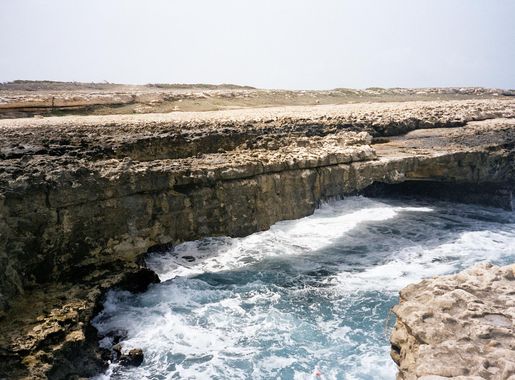




Hell's Gate: Nature's Majestic Arch in Antigua and Barbuda
Hell's Gate is a natural wonder located in the heart of Antigua and Barbuda. This stunning limestone arch, formed over centuries by the forces of erosion, offers breathtaking views of the surrounding Caribbean Sea. The site is not only a testament to the raw power of nature but also a serene spot for visitors seeking both adventure and tranquility. The journey to Hell's Gate is an adventure in itself. Accessible by boat, the trip offers a scenic voyage through crystal-clear waters teeming with marine life. Upon arrival, visitors are greeted by the impressive sight of the arch, which stands as a sentinel over the azure waters. The area around Hell's Gate is perfect for snorkeling, with vibrant coral reefs and an abundance of colorful fish waiting to be explored. For the more daring, a climb to the top of Hell's Gate provides an unforgettable experience. The view from the summit is nothing short of spectacular, offering panoramic vistas of the island and the endless horizon of the Caribbean Sea. Whether you are an avid adventurer or someone seeking a peaceful retreat, Hell's Gate is a must-visit destination that promises to leave a lasting impression.