

Free Pampas Travel Guide & Mobile App
Explore Pampas with free travel guides. Discover regional history, expert tips, proposed trips, and audio guides on web or mobile app.


Explore Argentina’s Pampas for gaucho heritage, working estancias, fertile plains, hill country, Atlantic beaches and generous regional cuisine.
Read more about Pampas
When is the best time to visit Pampas?
Best: March, November–December · 24–26°C| Month | High (°C) | Rainfall (mm) |
|---|---|---|
| January | 28 | 90 |
| February | 28 | 80 |
| March (best) | 25 | 90 |
| April | 21 | 80 |
| May | 17 | 60 |
| June | 14 | 50 |
| July | 14 | 40 |
| August | 16 | 40 |
| September | 19 | 50 |
| October | 22 | 70 |
| November (best) | 24 | 80 |
| December (best) | 26 | 90 |
Getting to and around Pampas
How to get there
Transportation
Top city travel guides in Pampas
The cities of Pampas, and the easiest places to base yourself.
-

-

-

-

-


Swipe for more cities
Destinations in Pampas
Resorts, valleys and scenic spots worth a trip of their own.
-

-


Swipe for more destinations
Best attractions in Pampas
The Pampas offers a broad travel landscape rather than a single concentration of sights. Historic towns such as San Antonio de Areco, Chascomús, Lobos and Luján combine colonial-era traces, civic architecture, museums and local food traditions, while rural estancias provide insight into cattle breeding, farming, horsemanship and the changing role of the gaucho. Around the southern plains, Tandil and Sierra de la Ventana introduce granite outcrops, wooded slopes and hiking routes that contrast with the flat agricultural horizon. The Atlantic coast offers beach recreation, seafood and urban amenities in Mar del Plata, alongside smaller resort communities and quieter dune landscapes. Lagoons, wetlands and rural reserves support birdwatching and fishing, particularly around the water-rich districts of Buenos Aires Province. Agricultural museums, railway heritage, craft workshops, polo and seasonal country festivals add cultural depth, while long-distance road journeys reveal grain terminals, cattle fields and market towns as part of the region’s living economy. Attractions are often separated by substantial distances, so a focused itinerary is more rewarding than trying to cover the entire Pampas in one trip.
-
Stadium
La Bombonera
Experience the electrifying atmosphere of La Bombonera, the legendary home of Boca Juniors in the heart of Buenos Aires' La Boca neighborhood.
-
Amusement park
Costa Park
Experience Argentina's largest amusement park with thrilling rides, live entertainment, and family fun in beautiful Tigre.
-
Cultural center
Usina del Arte
Discover Buenos Aires' vibrant arts scene at Usina del Arte, a beautifully restored power plant turned cultural hub in La Boca.
-
Park
Plaza del Libertador General San Martin
Discover Morón's central park: a blend of history, nature, and Argentine culture in Plaza del Libertador General San Martín.



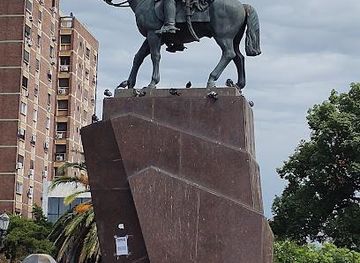
Best landmarks in Pampas
The Pampas is marked as much by its scale and infrastructure as by monumental architecture. The historic centre of San Antonio de Areco, its gaucho museums and traditional workshops represent the cultural symbolism of the rural plains, while the town of Luján is dominated by the Basilica of Our Lady of Luján, one of Argentina’s most recognisable Catholic landmarks. In Chascomús, the historic townscape and lagoon express the relationship between settlement and inland water. Tandil’s rugged hill country provides a contrasting natural identity, with Cerro El Centinela and the surrounding sierras forming prominent local landmarks; Sierra de la Ventana offers a larger system of ridges, valleys and distinctive rock formations. Mar del Plata’s seafront architecture and port give the Atlantic edge a more urban character, while old railway stations, grain elevators and civic buildings across the agricultural districts recall the export-era transformation of the plains. These places matter because they reveal the Pampas as a lived landscape shaped by faith, farming, transport, recreation and regional memory.
-
Tourist attraction
Iguazu Falls
Experience the awe-inspiring power and beauty of Iguazu Falls, a UNESCO World Heritage site on the border of Argentina and Brazil.
-
Historical landmark
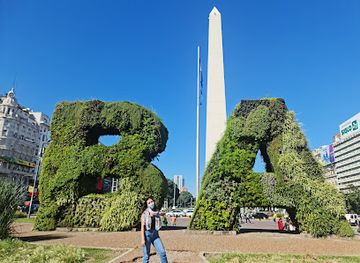
Obelisco
A towering landmark in Buenos Aires, the Obelisco commemorates the city's history and serves as a gathering place for celebrations and protests.
-
Historical landmark
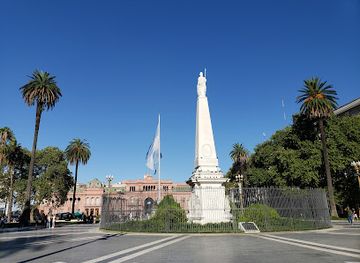
Plaza de Mayo
Experience the historical and political heart of Buenos Aires, surrounded by iconic landmarks and rich Argentine heritage.
-
Performing arts theater
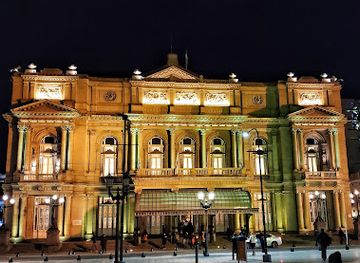
Teatro Colón
Experience the grandeur of one of the world's finest opera houses, renowned for its acoustics and architectural splendor.

Explore Pampas on the map
Plan your trip on one map. See where the top cities, national parks and sights are, and book hotels and experiences in a few clicks.
Best hotels in Pampas
Best restaurants in Pampas
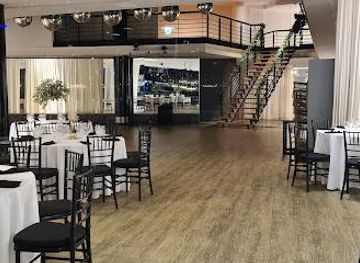
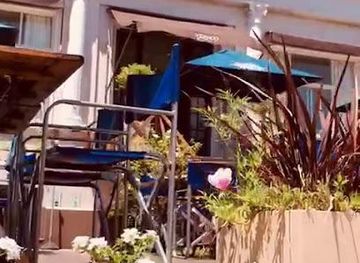
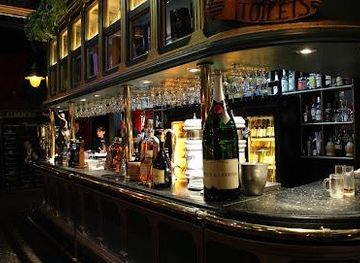
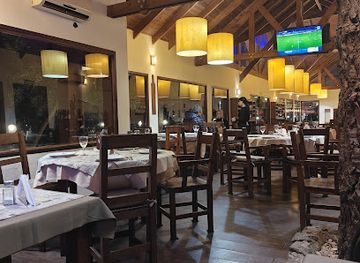
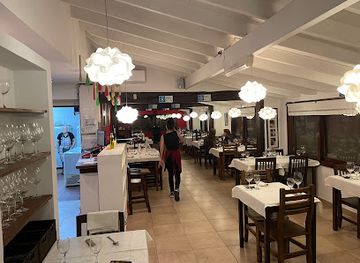
Dining in the Pampas is closely connected with cattle country, agricultural production and immigrant settlement. Parrillas remain central, serving Argentine beef alongside sausages, provoleta and seasonal salads, while rural restaurants and estancia kitchens often build meals around local ingredients and generous, unfussy portions. Empanadas vary from town to town, and Italian and Spanish migration left a lasting mark on pasta, pastries, bakeries and family-run cafés. Inland communities may offer dairy products, preserves, wheat-based baking and regional sweets, while Atlantic towns add fish and shellfish to the menu. Mar del Plata has the broadest selection of restaurants, cafés and contemporary dining, whereas smaller provincial towns tend to centre on traditional grills, pizzerias, bakeries and social clubs. Farmers’ markets and food shops are useful for discovering cheeses, alfajores, cured products and seasonal produce. Argentina’s national mate culture is visible across the region, but it is a shared national tradition rather than an exclusively Pampas custom.
-
Restaurant
Madero Tango
Experience tango's passion with gourmet Argentine dining and river views in Puerto Madero's premier dinner show venue.
-
Restaurant
Restaurante Vivanco
Historic riverside mansion in Tigre serving parrilla, author cuisine, and cocktails with Delta views—elegant yet approachable for every occasion.
-
Restaurant
Señor Tango
Ignite your senses with Señor Tango's legendary tango extravaganza: dazzling dancers, Fernando Soler's soaring vocals, steak dinners, and seamless transfers for an unforgettable Buenos Aires night.
-
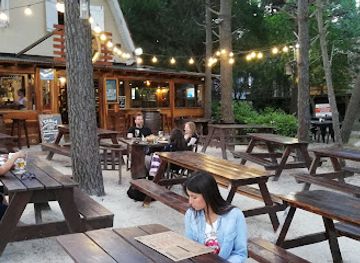
Beer Garden
Mujica • Almacén Criollo
Experience authentic Argentine flavors at Mujica • Almacén Criollo, a top-rated beer garden in Mar de las Pampas offering craft beers and delicious cuisine.
Best bars in Pampas
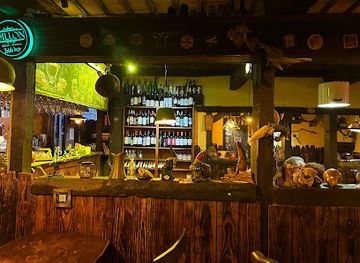
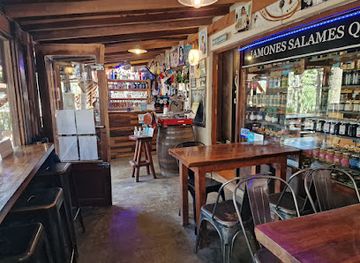
Evening life in the Pampas varies sharply between cities, coastal resorts and rural districts. In smaller towns, the familiar meeting places are traditional bars, cafés, parrillas and social clubs, where conversation and late dinners matter more than a large club scene. Tandil, Mar del Plata, Bahía Blanca, Santa Fe and other substantial centres offer a wider choice of cocktail bars, breweries, live music venues and late-night restaurants, with Mar del Plata developing a particularly active seasonal nightlife during the summer holiday period. Historic railway and market towns generally become quieter after dinner, although local festivals may bring folk music, dancing and public celebrations. Craft breweries and contemporary beer bars have expanded in several urban centres, while rural evenings are more likely to involve an estancia meal, a folklore performance or a small-town gathering. Check local arrangements before travelling, as venue opening patterns and seasonal programmes change frequently.
-
Restaurant
El Viejo Hobbit
Experience the enchanting flavors of El Viejo Hobbit in Villa Gesell, where fondue magic meets charming ambiance and local craft beverages.
-
Beer Garden
Mujica • Almacén Criollo
Experience the best of Mar de las Pampas at Mujica • Almacén Criollo, where artisanal flavors and local brews come together in a charming beer garden setting.
-
Restaurant
La Cocina del Colo
Experience the best of Argentine and international cuisine at La Cocina del Colo in Mar de las Pampas, perfect for food lovers and travelers alike.
-
Restaurant
Amorinda Tutto Pasta
Savor authentic Italian cuisine at Amorinda Tutto Pasta, where delectable flavors and a cozy atmosphere await you in Mar de las Pampas.
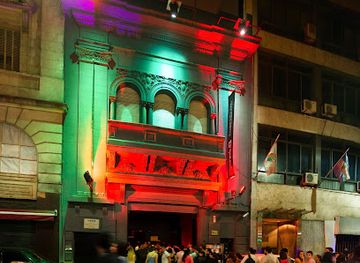
Best nightclubs in Pampas
Evening life in the Pampas varies sharply between cities, coastal resorts and rural districts. In smaller towns, the familiar meeting places are traditional bars, cafés, parrillas and social clubs, where conversation and late dinners matter more than a large club scene. Tandil, Mar del Plata, Bahía Blanca, Santa Fe and other substantial centres offer a wider choice of cocktail bars, breweries, live music venues and late-night restaurants, with Mar del Plata developing a particularly active seasonal nightlife during the summer holiday period. Historic railway and market towns generally become quieter after dinner, although local festivals may bring folk music, dancing and public celebrations. Craft breweries and contemporary beer bars have expanded in several urban centres, while rural evenings are more likely to involve an estancia meal, a folklore performance or a small-town gathering. Check local arrangements before travelling, as venue opening patterns and seasonal programmes change frequently.
-
Disco club
Pueblo Límite
Discover the ultimate nightlife experience at Pueblo Límite, a premier disco club in Villa Gesell, Buenos Aires, where music and fun come alive.
-
Night club
Niceto Club
Discover the vibrant nightlife of Buenos Aires at Niceto Club, where eclectic music and a lively atmosphere await you.
-
Night club
Club Bahrein
Discover the vibrant nightlife at Club Bahrein, Buenos Aires’ premier dance club, where music, energy, and excitement converge for an unforgettable experience.
-
Disco club
Glam Disco
Experience the vibrant nightlife at Glam Disco, Buenos Aires' ultimate destination for dancing, music, and unforgettable moments.



Best shops in Pampas
Shopping in the Pampas is centred on provincial high streets, market towns, craft workshops and food producers rather than on a single regional retail district. San Antonio de Areco is known for artisan work associated with gaucho culture, including leather goods, saddlery, silverwork and textiles, though visitors should distinguish handmade products from mass-produced souvenirs. Town bakeries and specialist food shops are good places to look for alfajores, preserves, cheeses, cured products and regional pastries. Tandil has a strong reputation for locally produced meats, cheeses and other foodstuffs, while coastal cities offer beachwear, crafts and seasonal souvenir shops. In larger centres such as Mar del Plata and Bahía Blanca, conventional shopping streets, department stores and modern retail complexes sit alongside independent boutiques, bookshops and galleries. Farmers’ markets and weekend craft fairs can be worthwhile, but dates and locations vary. Bargaining is not generally expected in established shops; compare quality and provenance carefully when buying leather, silver or rural-style handicrafts.
-
Shopping mall
Puerto de Frutos
Explore the enchanting Puerto de Frutos, a vibrant market in Tigre, Buenos Aires, filled with artisan crafts, local delicacies, and stunning delta views.
-
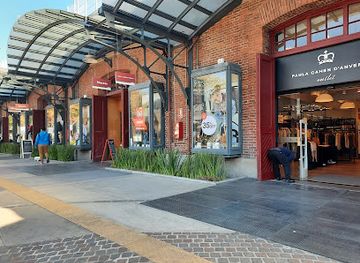
Outlet mall
Distrito Arcos
Discover Distrito Arcos, Buenos Aires' premier outlet mall, for a unique shopping experience blending local charm and international brands.
-
Shopping mall
Duty Free Shop Puerto Iguazu
Discover unbeatable prices and a diverse range of products at Duty Free Shop Puerto Iguazu, your ultimate shopping destination in Misiones.
-
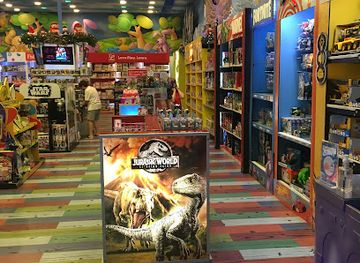
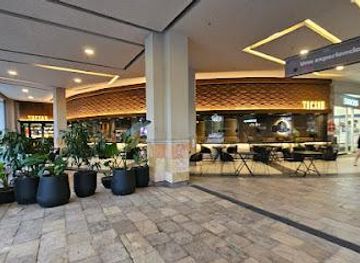
Shopping mall
Las Palmas del Pilar
Explore Las Palmas del Pilar, a vibrant shopping mall in Buenos Aires Province offering diverse retail, dining, and entertainment experiences.

Get your free copy of our complete guide to Pampas, delivered straight to you.
Everything on this page, from attractions and restaurants to essentials and local phrases, in one PDF you can read offline, print or share.
Already have an account? Sign in
Your Pampas guide is ready.
We'll send it to · Not you? Sign out

Getting your guide ready…
We are putting together a fresh copy of the Pampas guide. This can take up to a minute.
This can take a few moments. If your browser asks, choose Allow so the download can start. You'll find the guide in your Downloads folder.
Nothing happened? Download it again
Sorry, the guide is taking longer than usual. Please try again in a minute, or get it by email instead.
Pampas essentials
Currency and Payment
Safety
Emergency Situations
Do's and Don'ts
Local Tips
From Eve
Local phrases worth knowing
You don't need to get them perfect. A few words go a long way, and locals appreciate the effort.
Basics
| English | Local | Say it |
|---|---|---|
| Hello | Hola | [OH-lah] |
| Goodbye | Adiós | [ah-DYOS] |
| Yes | Sí | [SEE] |
| No | No | [NO] |
| Please/You're welcome | Por favor/De nada | [por fah-VOR/deh NAH-dah] |
| Thank you | Gracias | [GRAH-syahs] |
| Excuse me/Sorry | Disculpe/Lo siento | [dees-KOOL-peh/loh SYEN-toh] |
| How are you? | ¿Cómo estás? | [KOH-moh es-TAS] |
| Fine. And you? | Bien. ¿Y tú? | [byen. ee TOO] |
| Do you speak English? | ¿Hablas inglés? | [AH-blahs een-GLES] |
| I don't understand | No entiendo | [NO en-TYEN-doh] |
Eating & Drinking
| English | Local | Say it |
|---|---|---|
| I'd like to see the menu, please | Quisiera ver el menú, por favor | [kee-SYER-ah ver el meh-NOO, por fah-VOR] |
| I don't eat meat | No como carne | [NO KOH-moh KAR-neh] |
| Cheers! | ¡Salud! | [sah-LOOD] |
| I would like to pay, please | Me gustaría pagar, por favor | [meh goos-TAH-ree-ah pah-GAR, por fah-VOR] |
Emergencies
| English | Local | Say it |
|---|---|---|
| Help! | ¡Ayuda! | [ah-YOO-dah] |
| Go away! | ¡Vete! | [VEH-teh] |
| Call the Police! | ¡Llama a la policía! | [YAH-mah ah lah poh-lee-SIA] |
| Call a doctor! | ¡Llama a un doctor! | [YAH-mah ah OON dok-TOR] |
| I'm lost | Estoy perdido | [es-TOY per-DI-doh] |
| I'm ill | Estoy enfermo | [es-TOY en-FER-mo] |
Shopping
| English | Local | Say it |
|---|---|---|
| I'd like to buy... | Quisiera comprar... | [kee-SYER-ah kom-PRAR] |
| I'm just looking | Solo estoy mirando | [SO-lo es-TOY mee-RAN-doh] |
| How much is it? | ¿Cuánto cuesta? | [KWAN-toh KWEH-stah] |
| That's too expensive | Es demasiado caro | [es deh-mah-SYAH-doh KAH-roh] |
| Can you lower the price? | ¿Puedes bajar el precio? | [PWEH-des bah-HAR el PREH-syo] |
Time & Numbers
| English | Local | Say it |
|---|---|---|
| What time is it? | ¿Qué hora es? | [KEH OH-rah es] |
| It's one o'clock | Es la una | [es lah OO-nah] |
| Half past (10) | Y diez y media | [ee DYAS ee MEH-dyah] |
| Morning | Mañana | [ma-NYAH-nah] |
| Afternoon | Tarde | [TAR-deh] |
| Evening | Noche | [NO-cheh] |
| Yesterday | Ayer | [ah-YER] |
| Today | Hoy | [OY] |
| Tomorrow | Mañana | [ma-NYAH-nah] |
| 1 | Uno | [OO-no] |
| 2 | Dos | [DOS] |
| 3 | Tres | [TRES] |
| 4 | Cuatro | [KWAH-troh] |
| 5 | Cinco | [SEEN-koh] |
| 6 | Seis | [SAYS] |
| 7 | Siete | [SYEH-teh] |
| 8 | Ocho | [OH-choh] |
| 9 | Nueve | [NWEH-veh] |
| 10 | Diez | [DYAS] |
Transport & Directions
| English | Local | Say it |
|---|---|---|
| Where's a/the...? | ¿Dónde hay un/una...? | [DON-deh eye OON/OO-nah] |
| What's the address? | ¿Cuál es la dirección? | [KWAL es lah dee-rek-SYON] |
| Can you show me (on the map)? | ¿Puedes mostrarme (en el mapa)? | [PWEH-des mos-TRAR-meh (en el MAH-pah)] |
| When's the next (bus)? | ¿Cuándo es el próximo (bus)? | [KWAN-doh es el PROK-simo (boos)] |
| A ticket (to ....) | Un boleto (a ....) | [OON bo-LEH-toh (ah ....)] |
History of Pampas
Indigenous Nations and the Open Frontier
Long before Spanish settlement, the Pampas was inhabited and traversed by Indigenous peoples including Querandí communities near the Río de la Plata and, over later centuries, groups such as the Puelche, Ranquel and Mapuche. Mobility, hunting, exchange and control of water and pasture were central to life on the plains. Spanish colonial expansion from Buenos Aires created an increasingly contested frontier, particularly as cattle multiplied beyond the first settlements. Indigenous histories remain essential to understanding the region, even though later national narratives often reduced the Pampas to an apparently empty landscape.
Colonial Cattle and the Frontier Economy
During the colonial period, cattle raising became one of the region’s defining economic activities. Wild and semi-wild herds, together with the growth of ranches around Buenos Aires, supported the production of hides, tallow and salted meat. Rural settlements remained sparse, and the frontier between colonial society and Indigenous territories shifted repeatedly. The estancias that later became symbols of Pampas life developed from this expanding landholding economy, while the skills associated with mounted cattle work helped shape the historical figure of the gaucho.
Independence, Ranching and Gaucho Culture
The independence era and the formation of the Argentine republic transformed political control across the plains, but conflict over land, labour and Indigenous sovereignty continued throughout the nineteenth century. Buenos Aires Province expanded its authority through military campaigns and new settlements, a process that caused profound dispossession of Indigenous communities. At the same time, cattle ranching became more organised and the gaucho entered literature, folklore and political symbolism. Towns such as San Antonio de Areco preserve elements of this rural heritage through museums, saddlery, equestrian traditions and celebrations of Argentine country culture.
The Agricultural Expansion of the Late Nineteenth Century
From the 1860s onwards, railways, port infrastructure, fencing, steam technology and overseas demand accelerated the Pampas’s integration into the world economy. European immigrants settled agricultural colonies, particularly in the central and northern plains, cultivating wheat, maize and other crops alongside livestock. Landowners, tenant farmers, railway companies and export houses all influenced the new rural order. Grain elevators, railway stations and planned agricultural towns became visible features of the landscape, while refrigerated shipping strengthened Argentina’s position as a major exporter of beef.
Railways, Migration and Growing Towns
The railway network linked inland farms with Buenos Aires and Atlantic ports, allowing produce, people and ideas to move across distances that had previously been difficult to cross. Immigrants from Italy, Spain and other parts of Europe contributed to farming, commerce, food traditions and the development of towns across the Pampas. Mar del Plata expanded as a coastal resort, while provincial centres such as Tandil, Junín, Pergamino and Azul grew through agriculture, administration and industry. Many historic stations and civic buildings still reflect this period of rapid change.
Agrarian Politics and Rural Modernisation
The prosperity of export agriculture was uneven, and disputes over land tenure, rents and rural labour became increasingly important during the twentieth century. The 1912 Grito de Alcorta, which began in Santa Fe Province and spread through farming communities, helped establish the Federación Agraria Argentina as a powerful voice for tenant farmers. Mechanisation, improved roads, agricultural research and changing export markets later reshaped employment and settlement patterns. The modern Pampas combines highly mechanised commercial agriculture with family farms, cattle operations, food processing and service economies in regional towns.
The Contemporary Pampas
Today the Pampas remains Argentina’s principal agricultural heartland, but its identity is not solely rural. Major cities, university centres, coastal tourism, logistics, manufacturing and conservation initiatives form part of the regional economy. The growth of soy, maize and other export crops has brought investment as well as debate about land use, soil management, agrochemicals and the loss of native grasslands. Rural tourism, gaucho festivals, heritage railways and estancia stays offer visitors an interpretation of this changing landscape, while working farms continue to shape everyday life beyond the principal urban centres.
Pampas in Photos
Browse through our photo collection highlighting the charm and character of the destination.
Neighbouring regions of Pampas
The closest regions to Pampas, if you have time for more than one.
-

-

-

-

-


Swipe for more regions
Explore more

Explore more of Argentina
Discover Argentina: From the lively streets of Buenos Aires to the breathtaking landscapes of Patagonia, experience the vibrant culture and diverse natural wonders of this South American gem.
Explore Argentina