

Free Mesopotamia Travel Guide & Mobile App
Explore Mesopotamia with free travel guides. Discover regional history, expert tips, proposed trips, and audio guides on web or mobile app.


Explore Argentina’s Mesopotamia for Iguazú waterfalls, Iberá wetlands, Jesuit ruins, river towns, mate culture and subtropical landscapes.
Read more about Mesopotamia
When is the best time to visit Mesopotamia?
Best: February–March, November · 23–27°C| Month | High (°C) | Rainfall (mm) |
|---|---|---|
| January | 22 | 51 |
| February (best) | 23 | 41 |
| March (best) | 27 | 37 |
| April | 30 | 33 |
| May | 33 | 29 |
| June | 36 | 24 |
| July | 38 | 20 |
| August | 38 | 21 |
| September | 34 | 26 |
| October | 29 | 32 |
| November (best) | 25 | 38 |
| December | 21 | 47 |
Getting to and around Mesopotamia
How to get there
Transportation
Top city travel guides in Mesopotamia
The cities of Mesopotamia, and the easiest places to base yourself.

Swipe for more cities
Best attractions in Mesopotamia
Mesopotamia’s attractions range from the immense waterfall system of Iguazú National Park to the quiet channels and open marshes of Esteros del Iberá. Misiones combines Atlantic Forest trails, wildlife observation, yerba mate landscapes and the Jesuit mission ruins at San Ignacio Miní, Santa Ana, Loreto and Santa María la Mayor. Corrientes offers boat trips, birdwatching, caiman and capybara sightings, riverside beaches and a strong carnival and chamamé tradition, although wetland access differs between portals and requires planning. Entre Ríos is oriented towards river recreation, thermal towns, island landscapes, historic cities, palm groves and cultural festivals such as the carnival of Gualeguaychú. Urban museums, craft workshops, historic houses and food markets add depth to the natural attractions, while fishing, kayaking, hiking and wildlife photography are widely available through regulated operators. The principal attraction is the contrast between destinations: a subtropical forest itinerary in the north, a slow-paced wetland experience in central Corrientes and a more settled river-and-agriculture landscape in Entre Ríos.
-
Tourist attraction
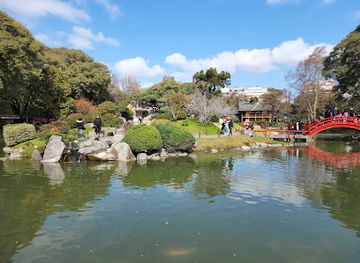
Jardín Japonés
Explore the enchanting beauty of Jardín Japonés, a tranquil Japanese garden in Buenos Aires offering serene landscapes and cultural experiences.
-
Historical place
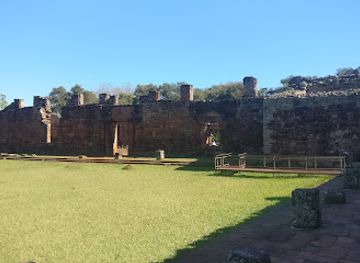
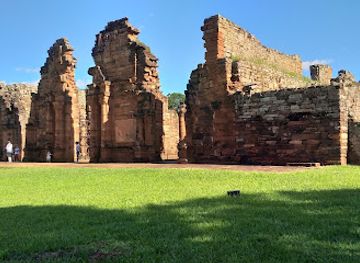
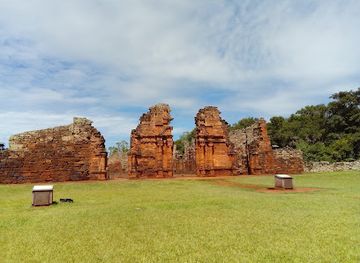
Ruins of San Ignacio Miní
Explore the historic Ruins of San Ignacio Mini, a UNESCO site showcasing stunning Baroque architecture and rich cultural heritage in Argentina's lush Misiones Province.
-
 State park
Parque Provincial Aconcagua
Explore the stunning Aconcagua Provincial Park in Mendoza, Argentina, home to breathtaking mountains and diverse wildlife, perfect for outdoor adventures.
-
Museum
Museum of High Altitude Archaeology
Explore the rich heritage of the Andes at the Museum of High Altitude Archaeology, home to ancient artifacts and stunning mountain views in Salta, Argentina.
Best landmarks in Mesopotamia
The waterfalls of Iguazú are Mesopotamia’s defining natural landmark, where the Paraná basin’s geology creates a broad sequence of cascades surrounded by protected Atlantic Forest. The red-stone remains of San Ignacio Miní are the region’s most evocative architectural landmark, preserving the scale and ornament of a Jesuit mission settlement in Misiones; the ruins at Santa Ana, Loreto and Santa María la Mayor extend that historical landscape. In Corrientes, the waterways and grasslands of Esteros del Iberá form a landmark environment rather than a single monument, recognised through lagoons, marshes and open horizons. Paraná’s position on high ground above the river gives the Entre Ríos capital a distinctive geographic setting, while its historic buildings recall the city’s role as capital of the Argentine Confederation. The broad Paraná and Uruguay rivers themselves are essential landmarks, shaping settlement, trade, recreation and the visual identity of all three provinces.
-
Historical landmark
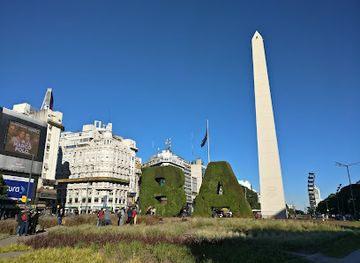
Obelisco
Discover the Obelisco, a stunning historical landmark and symbol of Buenos Aires, where culture and history come alive in the heart of the city.
-
Tourist attraction
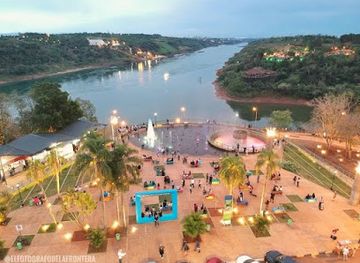
Hito Tres Fronteras (Argentina)
Experience the breathtaking convergence of Argentina, Brazil, and Paraguay at Hito Tres Fronteras in Puerto Iguazú, a must-visit cultural and scenic landmark.
-
Historical place
Ruins of San Ignacio Miní
Explore the majestic Ruins of San Ignacio Miní, a UNESCO World Heritage site that showcases the rich history of Jesuit missions in Argentina's lush Misiones province.
-
Historical place
Ruinas de San Ignacio Miní
Visit Ruinas de San Ignacio Miní, a UNESCO World Heritage site showcasing stunning Jesuit architecture and rich cultural history in the heart of Misiones, Argentina.
Explore Mesopotamia on the map
Plan your trip on one map. See where the top cities, national parks and sights are, and book hotels and experiences in a few clicks.
Best hotels in Mesopotamia
Best restaurants in Mesopotamia
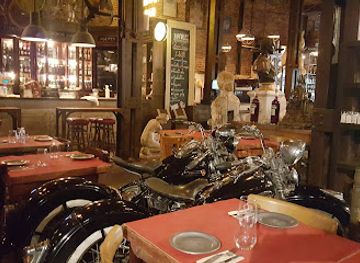
Dining in Mesopotamia reflects the Paraná and Uruguay basins, subtropical agriculture and Argentina’s wider cattle culture. Freshwater fish such as surubí and dorado appear on menus in river towns, although responsible sourcing and local regulations matter because some species and seasons are protected. Mandioca, corn, rice, citrus, tropical fruit and yerba mate are important regional products, while chipá, a cassava-starch and cheese bread associated particularly with the Guaraní-influenced northeast, is widely sold in Misiones and Corrientes. Parrillas and family restaurants provide beef and other Argentine staples, and rural establishments may serve hearty dishes suited to the climate and agricultural setting. In Entre Ríos, riverfront dining, citrus produce and traditional bakery goods are prominent, while Posadas, Paraná and Corrientes offer a broader selection of contemporary restaurants, cafés and international cooking. Markets and roadside stalls are useful for discovering seasonal fruit, mate products and locally made preserves.
-
Italian
Nápoles
Savor authentic Italian flavors at Nápoles in Buenos Aires - where every meal is a celebration of taste.
-
Grill
Don Julio
Discover Don Julio: An Iconic Grill Restaurant in Buenos Aires Serving Exceptional Meats & Fine Wines in a Cozy Atmosphere.
-
Restaurant
Dandy Grill
Experience authentic Argentine flavors at Dandy Grill in Palermo Hollywood—where tradition meets contemporary dining.
-
Restaurant
Hierro Parrilla Palermo
Experience authentic Argentine grilling at Hierro Parrilla in Palermo, where every bite tells a story of flavor and tradition.


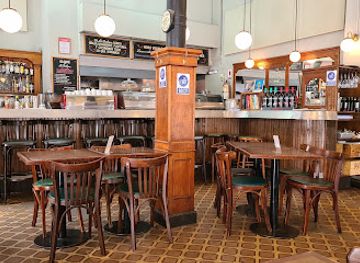
Best bars in Mesopotamia
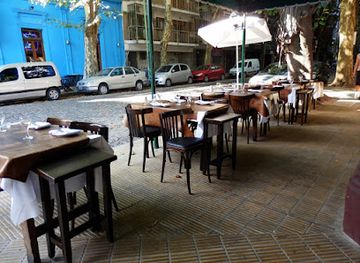
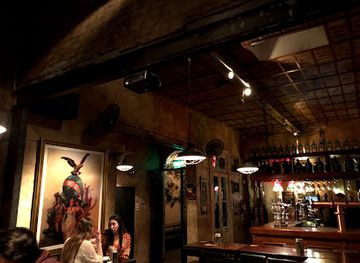
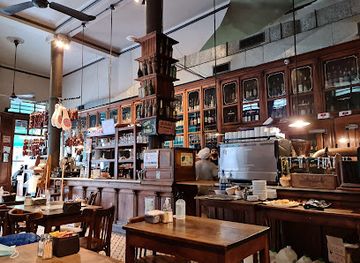
Evening life differs sharply across the three provinces. Posadas, Corrientes and Paraná have the broadest choice of bars, cafés, restaurants and live-music venues, with activity concentrated around central streets, riverfront areas and university populations rather than a single region-wide nightlife district. Corrientes is especially associated with chamamé, a musical tradition of the northeast, and with the seasonal energy surrounding carnival, while Gualeguaychú in Entre Ríos is known for its major carnival celebrations. In smaller towns, traditional bars, social clubs, restaurants and riverside venues are more typical than large nightclubs. Puerto Iguazú caters to visitors with informal bars and evening dining, but its atmosphere remains that of a compact tourist town. Rural Iberá and forest destinations generally centre on lodge dinners, early excursions and quiet evenings; opening arrangements and seasonal programmes should be checked locally.
-
Bar
Casa Temple
Experience the vibrant nightlife and craft beer culture at Casa Temple, a unique bar in the heart of Buenos Aires, famous for its gourmet hamburgers.
-
Gastropub
Icebar Iguazú
Cool down at Icebar Iguazú, the ultimate ice bar experience in the heart of Puerto Iguazú, offering unique cocktails and stunning ice sculptures.
-
Bar
Bar de Cao
Experience the vibrant flavors and lively atmosphere of Bar de Cao, a culinary hotspot in Buenos Aires, known for its delicious food and drinks.
-
Restaurant
Los Galgos Bar
Experience the vibrant flavors of Argentinian cuisine and creative cocktails at Los Galgos Bar in the heart of Buenos Aires.
Best nightclubs in Mesopotamia
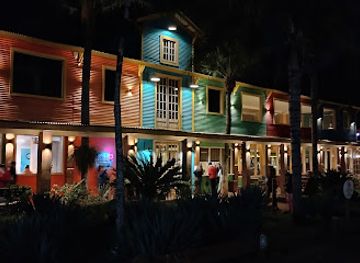
Evening life differs sharply across the three provinces. Posadas, Corrientes and Paraná have the broadest choice of bars, cafés, restaurants and live-music venues, with activity concentrated around central streets, riverfront areas and university populations rather than a single region-wide nightlife district. Corrientes is especially associated with chamamé, a musical tradition of the northeast, and with the seasonal energy surrounding carnival, while Gualeguaychú in Entre Ríos is known for its major carnival celebrations. In smaller towns, traditional bars, social clubs, restaurants and riverside venues are more typical than large nightclubs. Puerto Iguazú caters to visitors with informal bars and evening dining, but its atmosphere remains that of a compact tourist town. Rural Iberá and forest destinations generally centre on lodge dinners, early excursions and quiet evenings; opening arrangements and seasonal programmes should be checked locally.
-
Disco club
Amerika
Discover the heart of Buenos Aires nightlife at Amerika Disco Club, where music, dance, and culture collide in a vibrant celebration.
-
Night club
Niceto Club
Discover the lively atmosphere and eclectic music at Niceto Club in Buenos Aires, a top destination for nightlife enthusiasts.
-
Disco club
Glam Disco
Experience the electrifying nightlife of Buenos Aires at Glam Disco, where music and dance create the perfect party atmosphere.
-
Disco club
Terrazas del Este
Discover the dynamic nightlife at Terrazas del Este, Buenos Aires' premier disco club with stunning views and electrifying music.




Best shops in Mesopotamia
Shopping in Mesopotamia is strongest in provincial capitals, established market towns and visitor gateways rather than in large luxury retail districts. Posadas, Corrientes and Paraná offer standard Argentine high-street shops alongside cafés, bookshops, craft outlets and regional food stores. Misiones is a good place to look for yerba mate, tea, local preserves, chipá ingredients and crafts influenced by the province’s forest and Guaraní heritage, while mission-site shops often sell books and locally made souvenirs. In Corrientes and Iberá gateways, woven goods, leatherwork, mate accessories and rural produce may be available through fairs and small businesses, though selection varies by town and season. Entre Ríos is associated with citrus, preserves, honey, regional food products and crafts from its river communities. Buy archaeological fragments, wildlife products and protected plants only if their legal origin is clear, and support artisans by purchasing directly from established markets or cooperatives.
-
Tourist attraction
Iguazu Falls
Experience the awe-inspiring beauty of Iguazu Falls, a natural wonder that captivates with its breathtaking vistas and rich biodiversity.
-
Shopping mall
Galerías Pacífico
Discover the blend of shopping, art, and culture at Galerías Pacífico, a must-visit destination in Buenos Aires for every traveler.
-
Shopping mall
Unicenter Shopping
Discover the ultimate shopping experience at Unicenter Shopping in Buenos Aires, where fashion, food, and fun converge.
-
Shopping mall
Abasto de Buenos Aires
Experience the essence of Buenos Aires at Abasto de Buenos Aires, a vibrant shopping mall with diverse stores and cultural attractions.


Get your free copy of our complete guide to Mesopotamia, delivered straight to you.
Everything on this page, from attractions and restaurants to essentials and local phrases, in one PDF you can read offline, print or share.
Already have an account? Sign in
Your Mesopotamia guide is ready.
We'll send it to · Not you? Sign out

Getting your guide ready…
We are putting together a fresh copy of the Mesopotamia guide. This can take up to a minute.
This can take a few moments. If your browser asks, choose Allow so the download can start. You'll find the guide in your Downloads folder.
Nothing happened? Download it again
Sorry, the guide is taking longer than usual. Please try again in a minute, or get it by email instead.
Mesopotamia essentials
Currency and Payment
Safety
Emergency Situations
Do's and Don'ts
Local Tips
From Eve
Local phrases worth knowing
You don't need to get them perfect. A few words go a long way, and locals appreciate the effort.
Basics
| English | Local | Say it |
|---|---|---|
| Hello | Hola | [O-la] |
| Goodbye | Adiós | [A-dee-os] |
| Yes | Sí | [See] |
| No | No | [No] |
| Please/You're welcome | Por favor | [Por fa-vor] |
| Thank you | Gracias | [Gra-sias] |
| Excuse me/Sorry | Disculpe | [Dis-cul-pe] |
| How are you? | ¿Cómo estás? | [Co-mo es-tas] |
| Fine. And you? | Bien. ¿Y tú? | [Bee-en. Ee tu] |
| Do you speak English? | ¿Hablas inglés? | [A-blas een-gles] |
| I don't understand | No entiendo | [No en-tien-do] |
Eating & Drinking
| English | Local | Say it |
|---|---|---|
| I'd like to see the menu, please | Me gustaría ver el menú, por favor | [Me gus-ta-ria ver el me-nu, por fa-vor] |
| I don't eat meat | No como carne | [No co-mo car-ne] |
| Cheers! | ¡Salud! | [Sa-lud] |
| I would like to pay, please | Me gustaría pagar, por favor | [Me gus-ta-ria pa-gar, por fa-vor] |
Emergencies
| English | Local | Say it |
|---|---|---|
| Help! | ¡Ayuda! | [A-yu-da] |
| Go away! | ¡Vete! | [Ve-te] |
| Call the Police! | ¡Llama a la policía! | [Lla-ma a la po-li-cia] |
| Call a doctor! | ¡Llama a un doctor! | [Lla-ma a un doc-tor] |
| I'm lost | Estoy perdido | [Es-toy per-di-do] |
| I'm ill | Estoy enfermo | [Es-toy en-fer-mo] |
Shopping
| English | Local | Say it |
|---|---|---|
| I'd like to buy... | Me gustaría comprar... | [Me gus-ta-ria com-prar] |
| I'm just looking | Solo estoy mirando | [So-lo es-toy mi-ran-do] |
| How much is it? | ¿Cuánto cuesta? | [Cuan-to cues-ta] |
| That's too expensive | Eso es muy caro | [E-so es muy ca-ro] |
| Can you lower the price? | ¿Puedes bajar el precio? | [Pue-des ba-har el pre-cio] |
Time & Numbers
| English | Local | Say it |
|---|---|---|
| What time is it? | ¿Qué hora es? | [Ke o-ra es] |
| It's one o'clock | Es la una | [Es la u-na] |
| Half past (10) | Y media (10) | [Ee me-dia] |
| Morning | Mañana | [Ma-ña-na] |
| Afternoon | Tarde | [Tar-de] |
| Evening | Noche | [No-che] |
| Yesterday | Ayer | [A-yer] |
| Today | Hoy | [Oi] |
| Tomorrow | Mañana | [Ma-ña-na] |
| 1 | Uno | [U-no] |
| 2 | Dos | [Dos] |
| 3 | Tres | [Tres] |
| 4 | Cuatro | [Cua-tro] |
| 5 | Cinco | [Cin-co] |
| 6 | Seis | [Seis] |
| 7 | Siete | [Sie-te] |
| 8 | Ocho | [O-cho] |
| 9 | Nueve | [Nue-ve] |
| 10 | Diez | [Diez] |
Transport & Directions
| English | Local | Say it |
|---|---|---|
| Where's a/the...? | ¿Dónde está...? | [Don-de es-ta] |
| What's the address? | ¿Cuál es la dirección? | [Cual es la di-rec-ción] |
| Can you show me (on the map)? | ¿Puedes mostrarme (en el mapa)? | [Pue-des mos-trar-me en el ma-pa] |
| When's the next (bus)? | ¿Cuándo es el próximo (autobús)? | [Cuan-do es el pro-xi-mo au-to-bus] |
| A ticket (to ....) | Un boleto (a ....) | [Un bo-le-to a] |
History of Mesopotamia
Guaraní societies and the pre-colonial landscape
Long before European colonisation, Guaraní-speaking communities lived across the forests, rivers and grasslands of present-day Misiones, Corrientes and Entre Ríos. Their societies cultivated crops including mandioca and maize, fished and hunted, and maintained extensive knowledge of native plants and waterways. Guaraní languages, foodways and place names remain important throughout the region, although contemporary communities are diverse and should not be reduced to a single traditional identity. The rivers were routes of communication as well as geographical boundaries, linking the interior to the wider Paraná and Río de la Plata basin.
Colonial frontier and Jesuit missions
From the seventeenth century, Jesuit missionaries established reductions among Guaraní communities in the Paraná and Uruguay borderlands. These settlements combined Catholic institutions with Indigenous labour, artistic production and local knowledge, creating an influential but coercive colonial system. In present-day Misiones, the ruins of San Ignacio Miní, Santa Ana, Nuestra Señora de Loreto and Santa María la Mayor preserve churches, workshops and urban layouts associated with this period. The Jesuits were expelled from the Spanish Empire in 1767, after which many mission settlements declined amid political upheaval and changing frontier control.
Revolution, borderlands and provincial formation
The early nineteenth century transformed Mesopotamia as independence movements, regional rivalries and conflicts over river navigation reshaped the former colonial frontier. Corrientes, Entre Ríos and Misiones experienced shifting alliances and military campaigns linked to the struggle between centralist and federalist visions of Argentina. Their position between the Paraná and Uruguay made control of ports and waterways strategically important. The region’s modern provincial identities developed through this period, although borders, authority and settlement patterns continued to change during the nineteenth century.
Federalism and the Paraná at Paraná
Entre Ríos played a central role in Argentina’s federal history under Justo José de Urquiza, the provincial leader who defeated Juan Manuel de Rosas at the Battle of Caseros in 1852. Paraná then served as the capital of the Argentine Confederation from 1854 until 1861, giving the city national political importance during the country’s institutional consolidation. Historic buildings and the urban setting above the Paraná still reflect this chapter. The period also demonstrates how river communications connected the province to debates over national government, customs revenues and the political future of Argentina.
River trade, immigration and agricultural expansion
During the nineteenth and early twentieth centuries, river ports, railways and agricultural colonisation altered the economic geography of Mesopotamia. Entre Ríos developed productive farming districts and immigrant colonies, while Corrientes expanded cattle ranching and regional commerce. Misiones became associated with yerba mate, timber and later tea, supported by immigrant settlement and transport links through the Paraná basin. These changes brought economic opportunity but also involved land pressure, labour inequalities and the extensive transformation of forests and wetlands. Many present-day towns, farms and food traditions reflect this layered history of Indigenous, Creole and immigrant influences.
Conservation and the contemporary region
Late twentieth- and early twenty-first-century conservation efforts gave new prominence to Mesopotamia’s forests and wetlands. Iguazú National Park, established in 1934, helped protect part of the Atlantic Forest surrounding the waterfalls, while Esteros del Iberá became a major focus of provincial and private conservation initiatives. National parks and protected areas now support wildlife tourism, guiding and environmental research, although conservation remains connected to local livelihoods, land rights and agricultural pressures. The region’s current identity therefore combines historic river economies and cultural traditions with a growing public understanding of its ecological importance.
Mesopotamia in Photos
Browse through our photo collection highlighting the charm and character of the destination.
Neighbouring regions of Mesopotamia
The closest regions to Mesopotamia, if you have time for more than one.
-

-

-

-

-


Swipe for more regions
Explore more

Explore more of Argentina
Discover Argentina: From the lively streets of Buenos Aires to the breathtaking landscapes of Patagonia, experience the vibrant culture and diverse natural wonders of this South American gem.
Explore Argentina