

Free Sierras Pampeanas Travel Guide & Mobile App
Explore Sierras Pampeanas with free travel guides. Discover regional history, expert tips, proposed trips, and audio guides on web or mobile app.


Explore Argentina’s Sierras Pampeanas for mountain valleys, colonial heritage, red-rock landscapes, vineyards, hiking and distinctive regional cuisine.
Read more about Sierras Pampeanas
When is the best time to visit Sierras Pampeanas?
Best: March, October–November · 23–26°C| Month | High (°C) | Rainfall (mm) |
|---|---|---|
| January | 30 | 100 |
| February | 29 | 90 |
| March (best) | 26 | 80 |
| April | 22 | 70 |
| May | 18 | 60 |
| June | 15 | 50 |
| July | 14 | 40 |
| August | 16 | 40 |
| September | 19 | 50 |
| October (best) | 23 | 60 |
| November (best) | 26 | 70 |
| December | 29 | 90 |
Getting to and around Sierras Pampeanas
How to get there
Transportation
Top city travel guides in Sierras Pampeanas
The cities of Sierras Pampeanas, and the easiest places to base yourself.
-

-

-

-


Swipe for more cities
Destinations in Sierras Pampeanas
Resorts, valleys and scenic spots worth a trip of their own.
-

-

-


Swipe for more destinations
Best attractions in Sierras Pampeanas
-
Tourist attraction
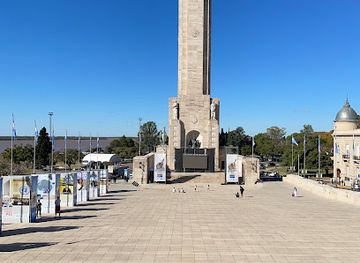
Monumento Histórico Nacional a la Bandera
Discover the grandeur of the Monumento Histórico Nacional a la Bandera in Rosario, a stunning tribute to Argentina's national heritage and breathtaking landscapes.
-
Park
Plaza Independencia, Mendoza
Discover Mendoza's heart at Plaza Independencia: history, culture, art, and vibrant events in a beautiful setting. A must-see landmark!
-
 Park
ParkParque General San Martín
Discover Mendoza's iconic Parque General San Martín: a sprawling oasis of nature, history, and recreation in the heart of the city.
-
Tourist attraction
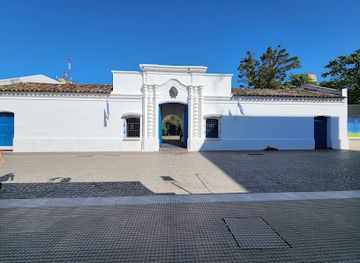
Casa Histórica - Museo Nacional de la Independencia
Discover the rich history of Argentina at the Casa Histórica, where independence was declared, showcasing a collection of artifacts and engaging exhibits.

Best landmarks in Sierras Pampeanas
The region’s landmarks express both its ancient geology and its layered human history. Cerro Uritorco above Capilla del Monte is one of Córdoba’s most recognisable mountain profiles and a focus for hiking and local spiritual traditions. The deep escarpments of Quebrada del Condorito give the Sierras Grandes a powerful natural identity, while the rugged silhouette of Sierras de los Comechingones forms the backdrop to Merlo and the eastern edge of San Luis. Near Chilecito, the Famatina range dominates the valley and recalls the area’s long mining history; the Cuesta de Miranda cuts through vivid red and ochre terrain between the western valleys of La Rioja. In Córdoba, the Jesuit Block and the associated colonial estancias at Alta Gracia and Jesús María represent the region’s religious, agricultural and educational inheritance at its eastern gateway. Adobe churches, rural chapels and historic town centres in La Rioja and Catamarca provide a contrasting architectural landmark tradition, adapted to arid climates and local materials. Protected geological landscapes such as Talampaya, in western La Rioja, add vast cliffs and sculpted rock formations to the region’s visual vocabulary.
-
Mountain peak
Sierras pampeanas
Discover the ancient beauty of Argentina's Sierras Pampeanas: rugged mountains, diverse landscapes, and rich cultural heritage await!
-
Winery
Expedito Wines
Experience the best of wine culture at Expedito Wines, where exquisite flavors meet breathtaking vineyard views in a charming setting.

Explore Sierras Pampeanas on the map
Plan your trip on one map. See where the top cities, national parks and sights are, and book hotels and experiences in a few clicks.
Best hotels in Sierras Pampeanas
Best restaurants in Sierras Pampeanas
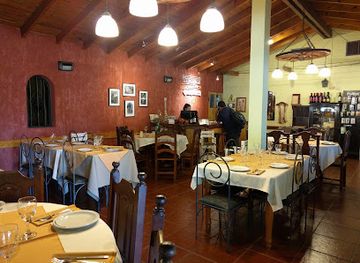
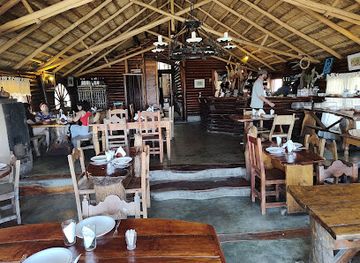
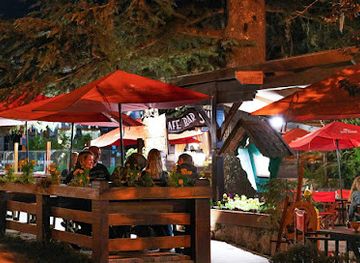
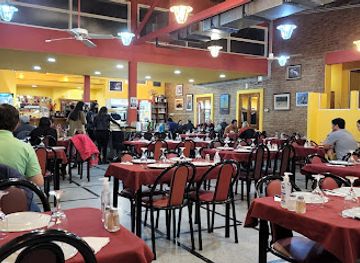
Dining across the Sierras Pampeanas is strongly influenced by provincial home cooking, mountain agriculture and the dry valleys of the north-west. Empanadas vary in filling and preparation from one district to another, while goat, grilled meats, locro, tamales and humitas reflect wider central and north-western Argentine traditions. Córdoba’s resort towns offer parrillas, cafés, bakeries and restaurants serving trout or river fish where local supply permits, alongside Central European-inspired baking in places such as Villa General Belgrano. San Luis is known for rural produce, cheeses, preserves and meat-based dishes, while La Rioja and Catamarca bring olives, olive oil, walnuts, dried fruit, quinces, grapes and regional wines to the table. Small bodegas, farm shops, markets and roadside stalls can be useful places to taste local products, although opening arrangements vary. In mountain villages, a traditional restaurant or rural inn may be a more reliable expression of place than a formal dining district, and advance planning is sensible outside the main resort seasons.
-
Restaurant
La Posada del Jamón
Experience the authentic taste of Argentina at La Posada del Jamón, where tradition meets flavor in a beautiful Mendoza setting.
-
Park
Cabeza De Indio
Explore Cabeza De Indio: A serene park in Villa de Merlo blending natural beauty with delightful local cuisine.
-
Restaurant
Swiss Café & Bar
Experience authentic Swiss cuisine amidst breathtaking landscapes at Swiss Café & Bar in La Cumbrecita.
-
Restaurant
Parrilla Los Caldenes
Experience authentic Argentine barbecue at Parrilla Los Caldenes in Santa Rosa – where every bite tells a story.
Best bars in Sierras Pampeanas
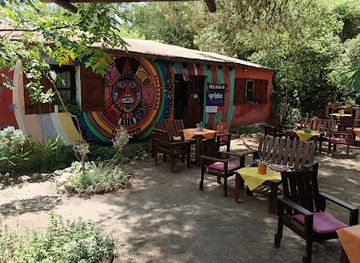
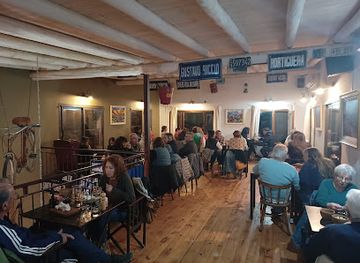
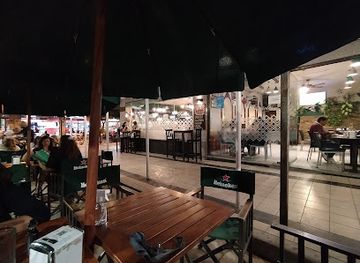
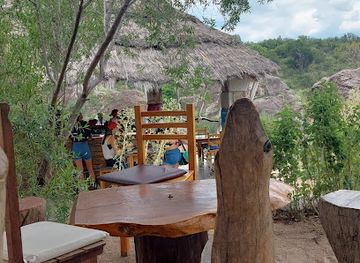
Evening life in the Sierras Pampeanas is mostly social and town-based rather than dominated by large nightclubs. Córdoba’s larger mountain resorts have the broadest choice of bars, cafés, live-music venues and late-night restaurants, particularly during summer and holiday periods. Villa General Belgrano adds beer halls and German-influenced hospitality to its dining scene, while towns in Punilla and Traslasierra attract seasonal music and entertainment. In San Luis, Merlo and Potrero de los Funes provide bars, restaurants and relaxed evening terraces, with activity varying outside peak periods. Smaller settlements in La Rioja and Catamarca generally centre nightlife on traditional bodegas, cafés, restaurants, peñas and local social clubs rather than dedicated clubs. Regional wines, craft beer and non-alcoholic drinks are widely available, but visitors should arrange a safe return from rural venues because public transport becomes limited at night and distances between valleys can be considerable.
-
Gastropub
D'COMER RestoBar _ESTACIONAMIENTO Paso de las Tropas NONO
Discover D'COMER RestoBar in Nono, a vibrant gastropub serving delicious Argentine cuisine in a warm and inviting atmosphere.
-
Bar
Café de Montaña
Discover the tranquil beauty of Café de Montaña in Córdoba, where stunning views meet delicious local flavors in a cozy atmosphere.
-
Bar
Pericles Bar
Experience the vibrant nightlife of Pericles Bar in Mina Clavero, Córdoba, with cocktails, live music, and an unforgettable atmosphere.
-
Bar
Bar La Kiva
Experience the vibrant culture and culinary delights of Córdoba at Bar La Kiva, where every sip and bite tells a story.
Best nightclubs in Sierras Pampeanas
Evening life in the Sierras Pampeanas is mostly social and town-based rather than dominated by large nightclubs. Córdoba’s larger mountain resorts have the broadest choice of bars, cafés, live-music venues and late-night restaurants, particularly during summer and holiday periods. Villa General Belgrano adds beer halls and German-influenced hospitality to its dining scene, while towns in Punilla and Traslasierra attract seasonal music and entertainment. In San Luis, Merlo and Potrero de los Funes provide bars, restaurants and relaxed evening terraces, with activity varying outside peak periods. Smaller settlements in La Rioja and Catamarca generally centre nightlife on traditional bodegas, cafés, restaurants, peñas and local social clubs rather than dedicated clubs. Regional wines, craft beer and non-alcoholic drinks are widely available, but visitors should arrange a safe return from rural venues because public transport becomes limited at night and distances between valleys can be considerable.
-
Disco club
Zebra Club
Experience the electrifying nightlife at Zebra Club, Villa Carlos Paz's premier disco for vibrant music, dancing, and unforgettable memories.
-
Night club
Niceto Club
Unleash your spirit at Niceto Club, the heart of Buenos Aires' vibrant nightlife with electrifying music and an unforgettable atmosphere.
-
Dance club
Club Bahrein
Discover the vibrant nightlife of Buenos Aires at Club Bahrein, a top dance club known for its electrifying atmosphere and unforgettable music.
-
Disco club
Glam Disco
Immerse yourself in the vibrant nightlife of Buenos Aires at Glam Disco, where unforgettable dance experiences await.




Best shops in Sierras Pampeanas
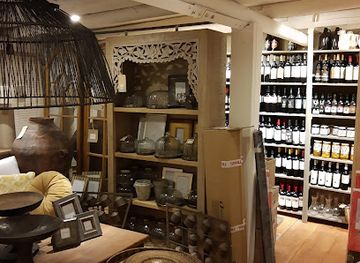
Shopping in the Sierras Pampeanas is concentrated in market towns, resort centres and provincial capitals rather than large regional retail districts. Córdoba’s mountain towns have independent craft shops selling woven goods, leather, ceramics, woodwork, regional sweets and locally made clothing, while Villa General Belgrano is particularly associated with beer-related products and Central European-style foods. San Luis offers handicrafts, preserves, cheeses, dried fruit and small-scale agricultural products, with Merlo serving as a useful base for browsing artisan work. In La Rioja and Catamarca, look for wines, olive oil, olives, walnuts, dried fruit, textiles, woven rugs and handmade leather goods, buying directly from producers where possible. Markets and roadside stalls vary by season and location, so quality and provenance should be checked rather than assumed. When purchasing archaeological-looking objects, fossils or old textiles, avoid anything that may have been removed from a protected site and ask about legal origin.
-
Shopping mall
Tienda Barro
Explore the heart of Córdoba at Tienda Barro, where local craftsmanship meets a unique shopping experience.
-
Natural goods store
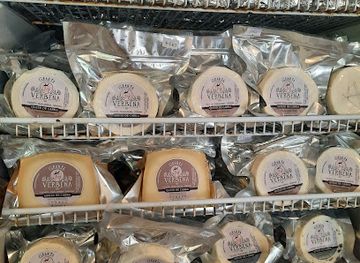
Granja Verbena
Explore Granja Verbena: Your go-to destination for organic produce and artisanal goods in the heart of Córdoba, Argentina.
-
Store
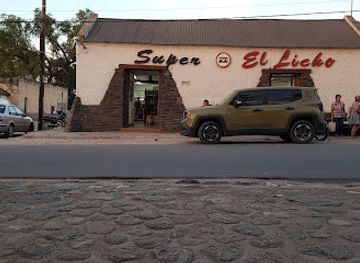
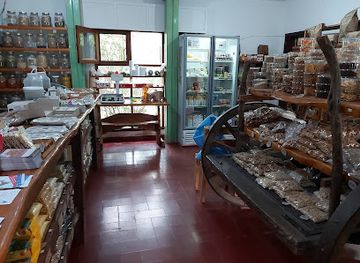
Lo De Licho
Experience the authentic charm of Córdoba at Lo De Licho, where local craftsmanship meets delightful shopping.
-
Natural goods store
Taraxacum Tienda Natural
Discover the best of organic and natural products at Taraxacum Tienda Natural in Villa de Las Rosas, Córdoba Province.
Get your free copy of our complete guide to Sierras Pampeanas, delivered straight to you.
Everything on this page, from attractions and restaurants to essentials and local phrases, in one PDF you can read offline, print or share.
Already have an account? Sign in
Your Sierras Pampeanas guide is ready.
We'll send it to · Not you? Sign out

Getting your guide ready…
We are putting together a fresh copy of the Sierras Pampeanas guide. This can take up to a minute.
This can take a few moments. If your browser asks, choose Allow so the download can start. You'll find the guide in your Downloads folder.
Nothing happened? Download it again
Sorry, the guide is taking longer than usual. Please try again in a minute, or get it by email instead.
Sierras Pampeanas essentials
Currency and Payment
Safety
Emergency Situations
Do's and Don'ts
Local Tips
From Eve
Local phrases worth knowing
You don't need to get them perfect. A few words go a long way, and locals appreciate the effort.
Basics
| English | Local | Say it |
|---|---|---|
| Hello | Hola | [Ola] |
| Goodbye | Adiós | [Adios] |
| Yes | Sí | [Si] |
| No | No | [No] |
| Please/You’re welcome | Por favor | [Por favor] |
| Thank you | Gracias | [Grasias] |
| Excuse me/Sorry | Perdón | [Perdon] |
| How are you? | ¿Cómo estás? | [Como estas] |
| Fine. And you? | Bien. ¿Y tú? | [Bien. Y tu] |
| Do you speak English? | ¿Hablas inglés? | [Hablas ingles] |
| I don't understand | No entiendo | [No entiendo] |
Eating & Drinking
| English | Local | Say it |
|---|---|---|
| I’d like to see the menu, please | Me gustaría ver el menú, por favor | [Me gustaria ver el menu, por favor] |
| I don’t eat meat | No como carne | [No como carne] |
| Cheers! | ¡Salud! | [Salud] |
| I would like to pay, please | Me gustaría pagar, por favor | [Me gustaria pagar, por favor] |
Emergencies
| English | Local | Say it |
|---|---|---|
| Help! | ¡Ayuda! | [Ayuda] |
| Go away! | ¡Vete! | [Vete] |
| Call the Police! | ¡Llama a la policía! | [Llama a la policia] |
| Call a doctor! | ¡Llama a un médico! | [Llama a un medico] |
| I’m lost | Estoy perdido | [Estoy perdido] |
| I’m ill | Estoy enfermo | [Estoy enfermo] |
Shopping
| English | Local | Say it |
|---|---|---|
| I’d like to buy... | Me gustaría comprar... | [Me gustaria comprar...] |
| I’m just looking | Solo estoy mirando | [Solo estoy mirando] |
| How much is it? | ¿Cuánto cuesta? | [Cuanto cuesta] |
| That’s too expensive | Eso es demasiado caro | [Eso es demasiado caro] |
| Can you lower the price? | ¿Puedes bajar el precio? | [Puedes bajar el precio] |
Time & Numbers
| English | Local | Say it |
|---|---|---|
| What time is it? | ¿Qué hora es? | [Que hora es] |
| It’s one o’clock | Es la una | [Es la una] |
| Half past (10) | Y media (10) | [Y media (10)] |
| Morning | Mañana | [Mañana] |
| Afternoon | Tarde | [Tarde] |
| Evening | Noche | [Noche] |
| Yesterday | Ayer | [Ayer] |
| Today | Hoy | [Hoy] |
| Tomorrow | Mañana | [Mañana] |
| 1 | Uno | [Uno] |
| 2 | Dos | [Dos] |
| 3 | Tres | [Tres] |
| 4 | Cuatro | [Cuatro] |
| 5 | Cinco | [Cinco] |
| 6 | Seis | [Seis] |
| 7 | Siete | [Siete] |
| 8 | Ocho | [Ocho] |
| 9 | Nueve | [Nueve] |
| 10 | Diez | [Diez] |
Transport & Directions
| English | Local | Say it |
|---|---|---|
| Where's a/the...? | ¿Dónde está un/una...? | [Donde esta un/una] |
| What's the address? | ¿Cuál es la dirección? | [Cual es la direccion] |
| Can you show me (on the map)? | ¿Puedes mostrarme (en el mapa)? | [Puedes mostrarme (en el mapa)] |
| When's the next (bus)? | ¿Cuándo es el próximo (autobús)? | [Cuando es el proximo (autobus)] |
| A ticket (to ....) | Un boleto (a ....) | [Un boleto (a ....)] |
History of Sierras Pampeanas
Pre-Hispanic mountain societies
Long before Spanish settlement, the valleys and lower slopes of the Sierras Pampeanas supported hunting, gathering and increasingly settled agricultural communities. Irrigation, maize cultivation, local stoneworking and exchange networks connected different ecological zones. In Córdoba and San Luis, the Comechingones and Sanavirones left archaeological evidence in rock shelters, village sites and mortuary contexts. In the northern and western ranges, Diaguita-Calchaquí communities developed more intensive farming and craft traditions, particularly in the valleys linking the sierras with the wider north-west.
Inca influence and indigenous resistance
The Inca state extended influence into parts of north-western Argentina before the arrival of the Spanish, although its reach across the Sierras Pampeanas was uneven. Roads, exchange and political relationships linked some highland communities with territories farther west and north. Spanish conquest did not erase indigenous societies immediately: resistance, negotiation and forced relocation shaped the colonial period, while indigenous agricultural practices, place names, craft techniques and foodways continued to influence regional culture.
Spanish colonial settlement
Spanish colonisation established routes, towns, estancias and religious institutions across the mountain valleys. Córdoba became an important inland centre, while smaller settlements in La Rioja, Catamarca and San Luis connected agricultural production with regional trade. Churches, chapels, irrigation works and rural estates reveal the colonial economy, which relied on livestock, farming, mule transport and indigenous and African labour. The region’s dispersed settlement pattern and adobe architecture still reflect these early connections between valleys and highland passes.
Jesuit Córdoba and the colonial intellectual tradition
The Society of Jesus played a major role in the history of Córdoba and its surrounding sierras. The Jesuit Block in Córdoba city and rural estancias such as Alta Gracia and Jesús María demonstrate the order’s religious, agricultural and educational influence. Córdoba’s university, founded in the seventeenth century, became one of the principal intellectual institutions of colonial South America. Although these sites lie at the eastern gateway to the sierras rather than in every mountain district, they help explain the region’s enduring cultural and architectural importance.
Independence, provincial power and nineteenth-century trade
During the wars of independence and the turbulent decades that followed, the interior provinces became important corridors for troops, livestock and goods moving between the Andes, the central plains and the north-west. Provincial leaders and caudillos shaped local politics, while mountain communities maintained economies based on farming, herding, mule transport and small-scale commerce. Roads and later railways gradually connected the sierras more closely with Córdoba, Rosario, Buenos Aires and Andean markets, altering the balance between isolated valleys and larger towns.
Mining, railways and agricultural transformation
Nineteenth- and twentieth-century development brought new mining ventures, rail links and commercial agriculture. The Famatina range near Chilecito became associated with attempts to exploit copper and other mineral resources, while vineyards, olives, fruit and dryland farming expanded in suitable valleys of La Rioja, Catamarca and San Luis. Railways opened markets but also created uneven development; some mountain settlements prospered as transport or mining centres, while others remained dependent on local agriculture and seasonal migration.
Tourism and landscape conservation
From the twentieth century onwards, Córdoba and San Luis developed as major domestic holiday areas, with riverside resorts, spas, cabins and mountain towns. Interest later broadened to trekking, climbing, birdwatching, heritage tourism and geological landscapes. National and provincial protected areas, including Quebrada del Condorito National Park and Talampaya National Park, have helped conserve highland ecosystems and dramatic rock formations. Tourism remains important, but the region continues to combine visitor economies with farming, mining, crafts and long-established rural communities.
Sierras Pampeanas in Photos
Browse through our photo collection highlighting the charm and character of the destination.
Neighbouring regions of Sierras Pampeanas
The closest regions to Sierras Pampeanas, if you have time for more than one.
-

-

-

-

-


Swipe for more regions
Explore more

Explore more of Argentina
Discover Argentina: From the lively streets of Buenos Aires to the breathtaking landscapes of Patagonia, experience the vibrant culture and diverse natural wonders of this South American gem.
Explore Argentina