

Free Gran Chaco Travel Guide & Mobile App
Explore Gran Chaco with free travel guides. Discover regional history, expert tips, proposed trips, and audio guides on web or mobile app.


Explore Argentina’s Gran Chaco for wildlife-rich wetlands, dry forest, Indigenous heritage, river landscapes and the quiet roads of the northern interior.
Read more about Gran Chaco
When is the best time to visit Gran Chaco?
Best: April, September–October · 22–25°C| Month | High (°C) | Rainfall (mm) |
|---|---|---|
| January | 31 | 120 |
| February | 30 | 110 |
| March | 28 | 100 |
| April (best) | 25 | 90 |
| May | 21 | 70 |
| June | 18 | 60 |
| July | 17 | 50 |
| August | 19 | 60 |
| September (best) | 22 | 70 |
| October (best) | 25 | 90 |
| November | 28 | 100 |
| December | 30 | 110 |
Getting to and around Gran Chaco
How to get there
Transportation
Top city travel guides in Gran Chaco
The cities of Gran Chaco, and the easiest places to base yourself.
-

-

-

-


Swipe for more cities
Destinations in Gran Chaco
Resorts, valleys and scenic spots worth a trip of their own.
-

-

-

-

-

-


Swipe for more destinations
Best attractions in Gran Chaco
Gran Chaco’s attractions are primarily ecological, cultural and landscape-based rather than concentrated in a chain of historic cities. Chaco National Park, near Capitán Solari, protects quebracho woodland, lagoons and the Río Negro environment, with opportunities for walking, birdwatching and wildlife observation. Further west, El Impenetrable National Park preserves extensive dry forest and offers a more remote experience, while Copo National Park in Santiago del Estero protects old-growth Chaco woodland and species such as the endangered Chacoan peccary. In Formosa province, Río Pilcomayo National Park combines savannah, marshes, lagoons and forest, and the seasonal Bañado La Estrella is one of the region’s most distinctive wetland landscapes. Resistencia adds museums, public sculpture and cultural institutions, while Presidencia Roque Sáenz Peña provides access to the central Chaco and its thermal tradition. Rural roads, birding areas, river viewpoints and community-led excursions reveal a region whose appeal lies in scale, wildlife and environmental contrasts. Conditions vary sharply with rainfall, so local advice is essential before visiting remote reserves.
-
Park
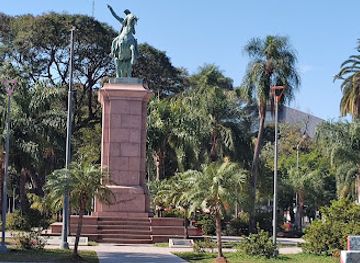
Plaza 25 de Mayo
Discover the vibrant heart of Resistencia at Plaza 25 de Mayo, a historic square filled with art, culture, and natural beauty.
-
Park
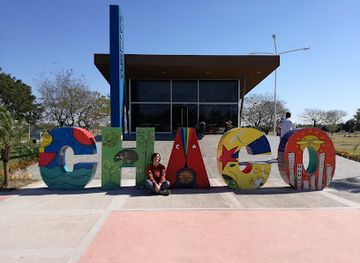
Parque de la Democracia
Discover a green escape in Resistencia: Parque de la Democracia, where nature, art, and community come together.
-
National park
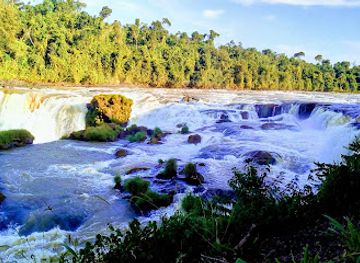
Monday Falls
Discover Paraguay's breathtaking Monday Falls: A powerful and serene natural wonder near Iguazu, offering trails, adventure, and Guarani history.
-
Park
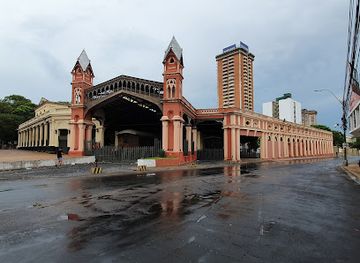
Plaza Uruguaya
Discover Plaza Uruguaya in Asunción: A historic park offering a tranquil escape, cultural events, and a glimpse into Paraguayan life.
Best landmarks in Gran Chaco
The Gran Chaco’s most important landmarks are often landscapes or civic expressions of regional identity rather than monumental stone architecture. Resistencia’s open-air sculpture collection is its defining urban landmark, with works installed across streets, squares and public spaces and linked to the city’s long-running sculpture tradition. The Río Negro wetlands and forest of Chaco National Park represent the eastern Chaco’s protected natural character, while the extensive dry forest of El Impenetrable National Park symbolises the ecological importance of the interior. In Formosa, the Paraguay River frontage and the wetlands around Laguna Oca provide a powerful sense of the province’s riverine setting. Bañado La Estrella is a seasonal natural landmark whose appearance changes with water levels, vegetation and light. In Santiago del Estero, Copo National Park preserves one of the region’s significant surviving woodland landscapes. These places matter not only for their visual qualities but also because they embody the environmental pressures and conservation debates shaping the modern Chaco.
-
Tourist attraction
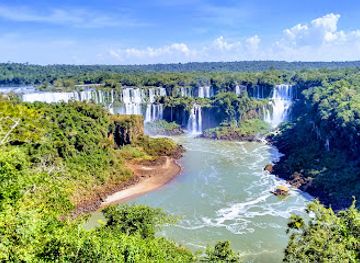
Iguazu Falls
Experience the awe-inspiring beauty of Iguazu Falls, a UNESCO World Heritage site, where nature's power meets breathtaking scenery in Argentina.
-
Shopping mall
Paseo La Galería
Discover the ultimate shopping experience at Paseo La Galería in Asunción, where culture, fashion, and delicious dining converge for an unforgettable day.
-
Shopping mall
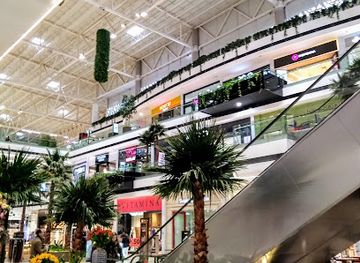
delSol Shopping
Discover the ultimate shopping experience at delSol Shopping Mall in Asunción, featuring diverse stores, delightful dining, and vibrant entertainment options.
-
Park
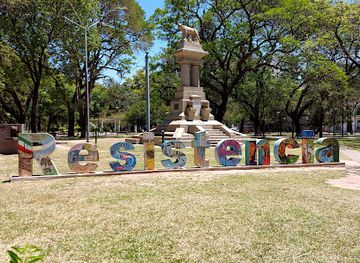
Plaza 25 de Mayo
Discover the vibrant heart of Resistencia at Plaza 25 de Mayo, a cultural oasis perfect for relaxation and local experiences in Chaco.

Explore Gran Chaco on the map
Plan your trip on one map. See where the top cities, national parks and sights are, and book hotels and experiences in a few clicks.
Best hotels in Gran Chaco
Best restaurants in Gran Chaco
Dining in the Gran Chaco reflects Argentina’s wider love of grilled meat while incorporating the ingredients and foodways of the northern interior. Asado, empanadas, maize-based dishes, mandioca, regional breads and freshwater fish appear in restaurants and family-run establishments, with recipes varying between river communities, agricultural towns and the drier inland districts. Chipa and other Paraguayan-influenced baked goods are common in the northeast, while tropical fruits and local preserves add a seasonal note in Formosa and Chaco. Resistencia and Formosa offer the broadest choice of cafés, parrillas and contemporary restaurants; smaller towns tend to rely on simple grills, bakeries and informal eateries. Markets and roadside stalls can be useful for fruit, snacks and regional produce, although availability changes with the season. Visitors travelling to parks should buy provisions in the last substantial town, as reliable dining options are limited in remote conservation areas.
-
Restaurant
Parrilla El Santafesino
Experience authentic Argentine cuisine at Parrilla El Santafesino - where grilling meets tradition in Resistencia.
-
Grill
Parrilla la Chimenea
Discover authentic Argentine flavors at Parrilla la Chimenea - where grilled meats meet local charm in Resistencia.
-
Brewpub
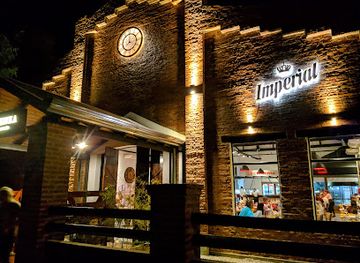
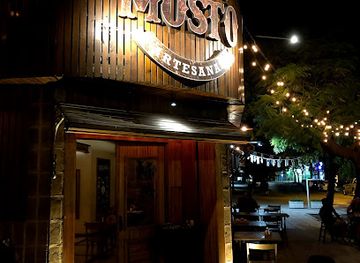
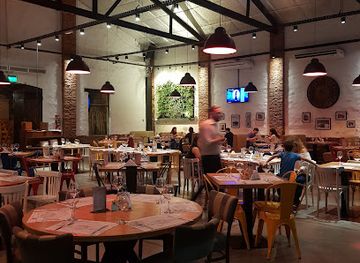
Mosto Cerveceria Artesanal
Experience the finest craft beers at Mosto Cerveceria Artesanal in Resistencia – where flavor meets community.
-
Restaurant
La Chimenea Restaurante
Discover La Chimenea Restaurante: A must-visit destination in Resistencia for authentic Argentine grilled cuisine and inviting atmosphere.
Best bars in Gran Chaco
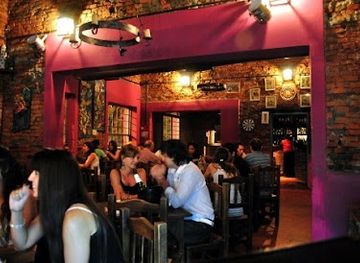
Evening life in the Gran Chaco is concentrated in Resistencia, Formosa and the larger provincial towns, where cafés, parrillas, bars and occasional live-music venues provide the main options. Resistencia has the most developed cultural programme, with restaurants and bars around its central districts, while Formosa’s evening scene is shaped by riverside leisure, local dining and social venues rather than a large nightclub circuit. In smaller towns, traditional bars, neighbourhood restaurants and community events are more significant than late-night clubs. Music associated with northern Argentina, including chamamé and other regional forms, may be heard alongside mainstream styles, especially at festivals and cultural gatherings. Rural areas generally become quiet after dinner, and visitors staying near parks should expect darkness, limited services and a focus on early-morning wildlife excursions rather than nightlife.
-
Gastropub
Nanas Suena Bien!
Experience the vibrant blend of gastronomy and culture at Nanas Suena Bien! in Resistencia, where every visit is a feast for the senses.
-
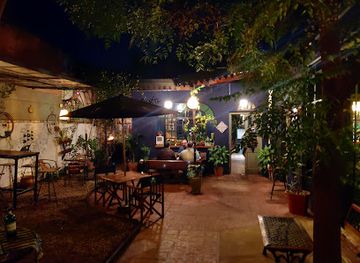
Bar
El Aljibe de Mendez
Discover the vibrant atmosphere and diverse drink selection at El Aljibe de Mendez, a must-visit bar in the heart of Resistencia, Argentina.
-
Bar
Alfonso Bar & Café
Discover Alfonso Bar & Café: A vibrant bar in Resistencia serving delightful drinks and local cuisine, perfect for unwinding after exploring Chaco Province.
-
Bar
Nebraska Bar
Experience the vibrant nightlife of Resistencia at Nebraska Bar, where local culture and delicious drinks come together.


Best nightclubs in Gran Chaco
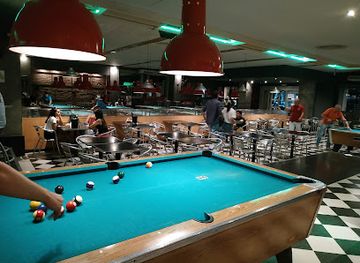
Evening life in the Gran Chaco is concentrated in Resistencia, Formosa and the larger provincial towns, where cafés, parrillas, bars and occasional live-music venues provide the main options. Resistencia has the most developed cultural programme, with restaurants and bars around its central districts, while Formosa’s evening scene is shaped by riverside leisure, local dining and social venues rather than a large nightclub circuit. In smaller towns, traditional bars, neighbourhood restaurants and community events are more significant than late-night clubs. Music associated with northern Argentina, including chamamé and other regional forms, may be heard alongside mainstream styles, especially at festivals and cultural gatherings. Rural areas generally become quiet after dinner, and visitors staying near parks should expect darkness, limited services and a focus on early-morning wildlife excursions rather than nightlife.
-
Night club
But-M
Experience the vibrant nightlife of Resistencia at But-M, where music and dance collide in a lively atmosphere.
-
Bar
Candy
Experience the vibrant nightlife of Resistencia at Candy, a unique bar and ballroom offering delightful drinks and lively entertainment.
-
Night club
Lio CR
Lio CR: Dive into Resistencia's electrifying nightlife with vibrant music, delicious drinks, and an unforgettable atmosphere.
-
Night club
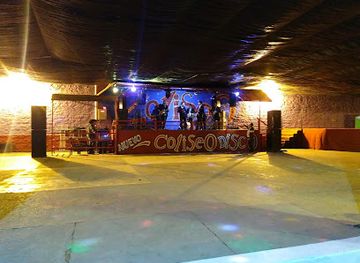
Coliseo Disco
Explore Resistencia's nightlife at Coliseo Disco, a vibrant nightclub offering electrifying music, lively parties, and an unforgettable atmosphere.

Best shops in Gran Chaco
Shopping in the Gran Chaco is centred on provincial capitals, market towns and local food outlets rather than large destination malls. Resistencia has the broadest selection of bookshops, galleries, clothing stores, craft retailers and shops connected with its public-art culture, while Formosa offers urban shopping alongside regional food products and craftwork. In smaller centres such as Presidencia Roque Sáenz Peña and Juan José Castelli, high streets, bakeries, produce shops and open markets serve everyday needs. Visitors may find woven goods, leatherwork, carved wood and other craft products, but quality, availability and provenance vary, so purchases should be made respectfully and with attention to whether materials are legally sourced. Regional foods, yerba mate, preserves, baked goods and locally produced sweets are practical souvenirs, although fresh products may be restricted when crossing provincial or national borders. Remote parks usually have few retail facilities, making larger towns the better places to buy provisions and gifts.
-
Park
Parque de la Democracia
Explore the lush landscapes and vibrant culture at Parque de la Democracia, an urban oasis in Resistencia, Chaco Province.
-
Shopping mall
Bahía Blanca Plaza Shopping
Discover Bahía Blanca Plaza Shopping, a vibrant hub for shopping, dining, and entertainment in the heart of Bahía Blanca, Argentina.
-
Shopping mall
Sarmiento Shopping
Sarmiento Shopping: Your premier destination for shopping, dining, and entertainment in Resistencia, Chaco.
-
Shopping mall
Portal Patagonia Shopping
Explore Portal Patagonia Shopping Mall in Neuquén, Argentina – a vibrant shopping and dining destination that caters to all tastes and ages.


Get your free copy of our complete guide to Gran Chaco, delivered straight to you.
Everything on this page, from attractions and restaurants to essentials and local phrases, in one PDF you can read offline, print or share.
Already have an account? Sign in
Your Gran Chaco guide is ready.
We'll send it to · Not you? Sign out

Getting your guide ready…
We are putting together a fresh copy of the Gran Chaco guide. This can take up to a minute.
This can take a few moments. If your browser asks, choose Allow so the download can start. You'll find the guide in your Downloads folder.
Nothing happened? Download it again
Sorry, the guide is taking longer than usual. Please try again in a minute, or get it by email instead.
Gran Chaco essentials
Currency and Payment
Safety
Emergency Situations
Do's and Don'ts
Local Tips
From Eve
Local phrases worth knowing
You don't need to get them perfect. A few words go a long way, and locals appreciate the effort.
Basics
| English | Local | Say it |
|---|---|---|
| Hello | Hola | [Ola] |
| Goodbye | Adiós | [Adios] |
| Yes | Sí | [Si] |
| No | No | [No] |
| Please/You’re welcome | Por favor/De nada | [Por favor/De nada] |
| Thank you | Gracias | [Grasias] |
| Excuse me/Sorry | Disculpe/Lo siento | [Disculpe/Lo siento] |
| How are you? | ¿Cómo estás? | [Como estas] |
| Fine. And you? | Bien. ¿Y tú? | [Bien. Y tu] |
| Do you speak English? | ¿Hablas inglés? | [Hablas ingles] |
| I don't understand | No entiendo | [No entiendo] |
Eating & Drinking
| English | Local | Say it |
|---|---|---|
| I'd like to see the menu, please | Me gustaría ver el menú, por favor | [Me gustaria ver el menu, por favor] |
| I don't eat meat | No como carne | [No como carne] |
| Cheers! | ¡Salud! | [Salud] |
| I would like to pay, please | Me gustaría pagar, por favor | [Me gustaria pagar, por favor] |
Emergencies
| English | Local | Say it |
|---|---|---|
| Help! | ¡Ayuda! | [Ayuda] |
| Go away! | ¡Vete! | [Vete] |
| Call the Police! | ¡Llama a la Policía! | [Llama a la Policia] |
| Call a doctor! | ¡Llama a un doctor! | [Llama a un doctor] |
| I'm lost | Estoy perdido | [Estoy perdido] |
| I'm ill | Estoy enfermo | [Estoy enfermo] |
Shopping
| English | Local | Say it |
|---|---|---|
| I'd like to buy... | Me gustaría comprar... | [Me gustaria comprar] |
| I'm just looking | Solo estoy mirando | [Solo estoy mirando] |
| How much is it? | ¿Cuánto cuesta? | [Cuanto cuesta] |
| That's too expensive | Eso es muy caro | [Eso es muy caro] |
| Can you lower the price? | ¿Puedes bajar el precio? | [Puedes bajar el precio] |
Time & Numbers
| English | Local | Say it |
|---|---|---|
| What time is it? | ¿Qué hora es? | [Que hora es] |
| It's one o'clock | Es la una | [Es la una] |
| Half past (10) | Y media (10) | [Y media diez] |
| Morning | Mañana | [Mañana] |
| Afternoon | Tarde | [Tarde] |
| Evening | Noche | [Noche] |
| Yesterday | Ayer | [Ayer] |
| Today | Hoy | [Hoy] |
| Tomorrow | Mañana | [Mañana] |
| 1 | Uno | [Uno] |
| 2 | Dos | [Dos] |
| 3 | Tres | [Tres] |
| 4 | Cuatro | [Cuatro] |
| 5 | Cinco | [Cinco] |
| 6 | Seis | [Seis] |
| 7 | Siete | [Siete] |
| 8 | Ocho | [Ocho] |
| 9 | Nueve | [Nueve] |
| 10 | Diez | [Diez] |
Transport & Directions
| English | Local | Say it |
|---|---|---|
| Where's a/the...? | ¿Dónde está un/a...? | [Donde esta un/a] |
| What's the address? | ¿Cuál es la dirección? | [Cual es la direccion] |
| Can you show me (on the map)? | ¿Puedes mostrarme (en el mapa)? | [Puedes mostrarme en el mapa] |
| When's the next (bus)? | ¿Cuándo es el próximo (autobús)? | [Cuando es el proximo autobus] |
| A ticket (to ....) | Un boleto (a ....) | [Un boleto a] |
History of Gran Chaco
Indigenous Chaco Civilisations and Living Communities
Long before Argentine state institutions reached the region, the Gran Chaco was occupied and managed by Indigenous peoples including Qom, Wichí, Moqoit, Pilagá and others. Their economies combined hunting, fishing, gathering, small-scale cultivation and detailed knowledge of seasonal water and forest resources. Rather than being an empty frontier, the Chaco was a densely inhabited cultural landscape with distinct languages, territories and trading relationships. These communities remain central to the region today, although land loss, forced labour, discrimination and political conflict have profoundly altered their lives. Contemporary travel should treat Indigenous history as living history rather than as a closed chapter.
Colonial Frontier and Missionary Expansion
Spanish colonial power reached the Chaco unevenly from settlements and river routes around its margins. Indigenous resistance, difficult terrain and the seasonal character of the rivers limited sustained colonial control for centuries. Religious missions, military expeditions and trading posts appeared intermittently, but the central forest remained beyond effective Spanish administration. The frontier was also connected to the wider economies of present-day Paraguay and Bolivia. This history helps explain why many modern towns are relatively recent and why the region’s political boundaries do not fully reflect its older cultural and ecological geography.
State Conquest and the Formation of National Territories
During the late nineteenth century, the Argentine government extended military and administrative control across the Chaco after campaigns that caused severe disruption and violence for Indigenous peoples. The territories of Chaco and Formosa were subsequently organised under national administration, with forts, settlements, railways and agricultural colonies expanding through the forest. Land grants and new property systems displaced many Indigenous communities, while labour arrangements often became coercive. The period established much of the institutional geography later inherited by the provinces, but its consequences remain visible in unresolved land and social inequalities.
Quebracho, Railways and the Timber Economy
The dense quebracho forests became the basis of a major export industry from the late nineteenth century into the twentieth century. Timber was valued for construction and especially for tannin, used in leather production. Companies built industrial settlements, rail links and extraction networks, while workers endured difficult conditions in remote areas. Intensive logging left a lasting mark on forests and soils, and many former timber centres later declined when supplies and markets changed. In parts of Chaco and Santiago del Estero, railway alignments, old company buildings and altered woodland still recall this period of rapid but heavily extractive development.
Cotton Colonisation and Agricultural Change
From the early twentieth century, state-backed colonisation and improved transport encouraged farming in the more accessible parts of Chaco. Cotton became the province’s emblematic crop, attracting settlers and linking towns to national and international markets. Its prosperity fluctuated with prices, mechanisation, weather and competition from other producing areas. Agriculture also expanded in parts of Formosa and Santiago del Estero, alongside cattle ranching. The transformation brought roads, schools and urban growth but also accelerated forest clearance and changed long-established Indigenous and rural economies.
Provincialisation, Urban Growth and Regional Identity
Chaco became a province in 1951 and Formosa in 1955, ending their status as national territories and giving local institutions greater formal authority. Resistencia and Formosa developed as administrative and commercial centres, while Presidencia Roque Sáenz Peña grew as an important inland town. Public sculpture, regional museums, folk traditions and agricultural fairs have helped shape a distinct Chaco identity within Argentina. At the same time, large parts of the territory remain rural and infrastructurally dispersed, making the contrast between provincial capitals and remote forest communities especially pronounced.
Conservation and the Modern Chaco
In the late twentieth and early twenty-first centuries, concern over deforestation, biodiversity loss, drought and wetland degradation led to new protected areas and stronger conservation initiatives. Chaco National Park, Río Pilcomayo National Park, Copo National Park and El Impenetrable National Park protect different expressions of the region’s forests, rivers and wetlands. Conservation remains complex because it intersects with agriculture, cattle production, Indigenous land rights and local employment. The modern Gran Chaco is therefore defined by a continuing effort to balance economic use with the survival of one of South America’s most distinctive lowland ecosystems.
Gran Chaco in Photos
Browse through our photo collection highlighting the charm and character of the destination.
Neighbouring regions of Gran Chaco
The closest regions to Gran Chaco, if you have time for more than one.
-

-

-

-

-


Swipe for more regions
Explore more

Explore more of Argentina
Discover Argentina: From the lively streets of Buenos Aires to the breathtaking landscapes of Patagonia, experience the vibrant culture and diverse natural wonders of this South American gem.
Explore Argentina