
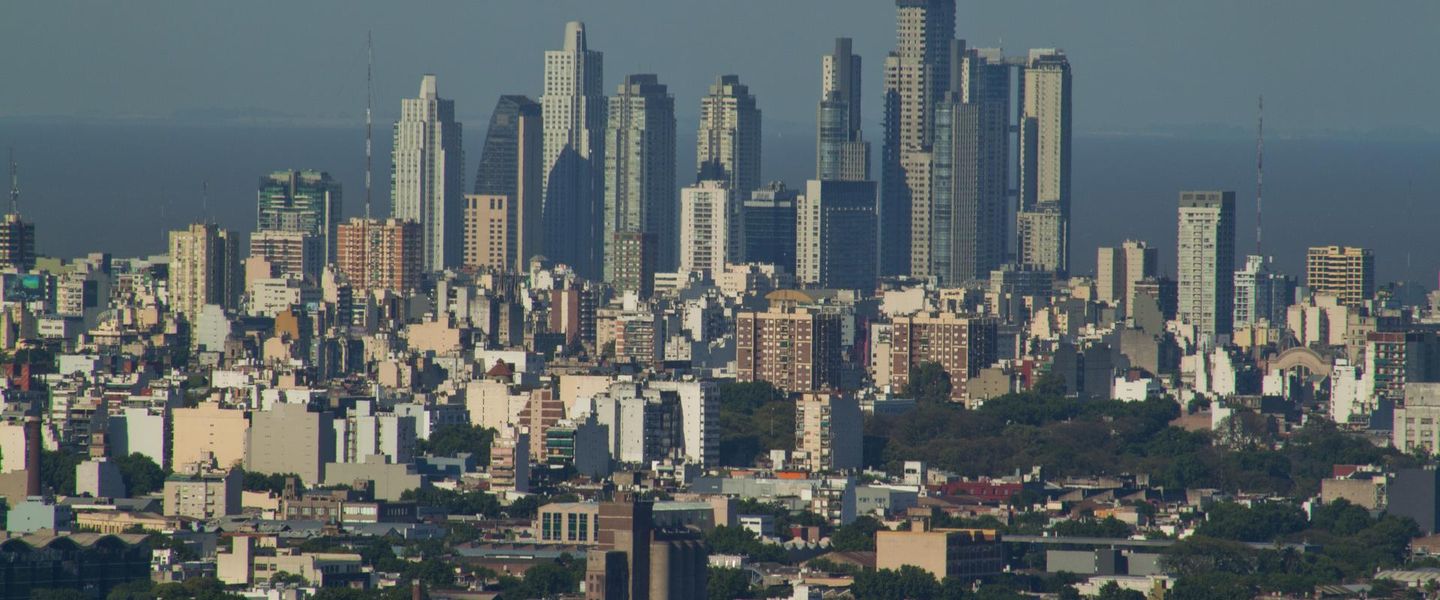
Eastern Argentina, Argentina Travel Guide
Discover Eastern Argentina: A harmonious blend of urban vibrance, pristine wetlands, and coastal beauty offering diverse experiences for every traveler.
Eastern Argentina is a captivating region teeming with diverse landscapes and rich cultural heritage. From the bustling metropolis of Buenos Aires to the serene wetlands of the Iberá, this area offers a unique blend of urban excitement and natural beauty. Visitors can start their journey in Buenos Aires, the country's vibrant capital known for its European architecture, tango music, and lively nightlife. The city is a melting pot of cultures, offering world-class dining, historic neighborhoods like San Telmo, and the colorful streets of La Boca. Beyond the city limits, the natural wonders of Eastern Argentina await. The Iberá Wetlands, one of the largest freshwater reservoirs in the world, is a paradise for nature lovers and bird watchers. Here, one can spot a variety of wildlife including capybaras, caimans, and over 350 species of birds. For those seeking coastal adventures, the Atlantic beaches of Mar del Plata provide an ideal escape with sandy shores and surf-friendly waves. Meanwhile, the coastal city of Rosario offers a mix of cultural experiences and riverfront activities along the Paraná River. Whether you are exploring the cultural depths of Buenos Aires or the natural splendor of the Iberá Wetlands, Eastern Argentina promises an unforgettable experience.

Know before you go
Hi, I'm Eve. Here are a few practical things to know before exploring Eastern Argentina.
- Pack comfortable walking shoes for exploring Buenos Aires' historic neighborhoods.
- Visit the Iberá Wetlands during the dry season (May to October) for the best wildlife sightings.
- Check local calendars for cultural festivals and events in Buenos Aires to enhance your visit.
- Book accommodations in advance if visiting Mar del Plata during the summer months, as it is a popular vacation spot.
- Try the local cuisine, especially the famous Argentine beef and empanadas.
Top City Travel Guides in Eastern Argentina
The cities of Eastern Argentina, and the easiest places to base yourself.


Destinations in Eastern Argentina
Resorts, valleys and scenic spots worth a trip of their own.


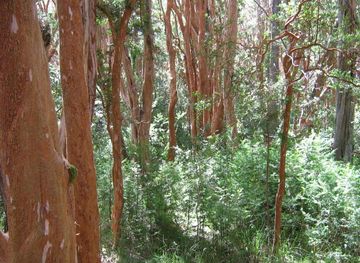
Explore Eastern Argentina: Things to Do, Places to Eat, Hotels & More
Handpicked recommendations for top attractions, local dining, accommodations, and more

Top Attractions & Sightseeing in Eastern Argentina
Top-rated picks
Best Attractions

Lake Pehoé
Experience the turquoise waters and breathtaking mountain views of Lake Pehoé, a highlight of Torres del Paine National Park in Chilean Patagonia.

Mirador Base Las Torres
Hike to the base of the iconic Torres del Paine for breathtaking views of granite towers and a glacial lake in Patagonia, Chile.

Torres del Paine National Park
Experience the breathtaking beauty of Chilean Patagonia in Torres del Paine National Park: iconic peaks, stunning trails, and abundant wildlife.

Mirador Británico
Experience breathtaking panoramic views of Torres del Paine's iconic peaks and pristine lakes from this renowned observation deck. A rewarding Patagonian adventure awaits!

Best landmarks in Eastern Argentina
Top-rated picks
Best Landmarks

Obelisco
Discover the Obelisco, the iconic landmark of Buenos Aires, a historical symbol surrounded by vibrant culture and city life.
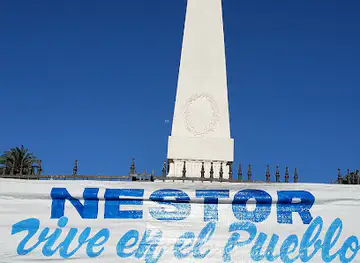
Plaza de Mayo
Explore the vibrant Plaza de Mayo in Buenos Aires, a historical landmark where culture, politics, and history come alive.

Iguazu Falls
Experience the breathtaking beauty of Iguazu Falls, a UNESCO World Heritage Site, with its stunning waterfalls and vibrant rainforest in Misiones, Argentina.

Iguazú National Park
Experience the breathtaking beauty of Iguazú National Park, home to the stunning Iguazú Falls and diverse wildlife in Argentina's lush landscapes.

Best restaurants in Eastern Argentina
Top-rated picks
Best Restaurants

Sarkis
Experience authentic Armenian cuisine at Sarkis in Buenos Aires – a hidden gem for food lovers seeking rich flavors and welcoming ambiance.

Puny - Pasta & Grill
Experience the vibrant flavors of Argentina at Puny - Pasta & Grill in Buenos Aires, where every meal is a celebration of culinary artistry.

Don Julio
Experience the essence of Argentine cuisine at Don Julio, where every bite tells a story of tradition and flavor.

Puerto Cristal
Experience gourmet seafood dining at Puerto Cristal, where exquisite flavors meet breathtaking waterfront views in Buenos Aires.

Best bars in Eastern Argentina
Top-rated picks
Best Bars

El Boleo – Bar
Discover El Boleo Bar in Puerto Madero, where craft beers meet vibrant nightlife in the heart of Buenos Aires.

Kraken bar
Discover Kraken Bar in Puerto Madero: where delicious tapas, refreshing drinks, and vibrant nightlife meet stunning waterfront views.

Casa Temple
Discover Casa Temple: A vibrant brewpub in Buenos Aires offering craft beers and gourmet hamburgers for a memorable night out.

La Puerta Roja
Experience the vibrant nightlife of Buenos Aires at La Puerta Roja, where creative cocktails and local flavors meet in a lively atmosphere.

Best nightclubs in Eastern Argentina
Top-rated picks
Best Nightclubs

Niceto Club
Dive into the pulsating nightlife of Buenos Aires at Niceto Club, where music, dance, and culture collide in a vibrant celebration.

Club Bahrein
Immerse yourself in the vibrant nightlife of Buenos Aires at Club Bahrein, the ultimate destination for dance and music lovers.

Glam Disco
Glam Disco: The heart of Buenos Aires nightlife where electrifying beats and vibrant energy come together for an unforgettable experience.

Terrazas del Este
Discover the ultimate nightlife destination in Buenos Aires at Terrazas del Este, where stunning views and vibrant music create unforgettable moments.

Best shops in Eastern Argentina
Top-rated picks
Best Shops

Galerías Pacífico
Discover the charm of Galerías Pacífico, a stunning shopping mall in Buenos Aires, blending culture, shopping, and exquisite architecture.

Abasto de Buenos Aires
Explore Abasto de Buenos Aires, a shopping haven blending culture, cuisine, and contemporary retail experiences in the heart of the city.

Unicenter Shopping
Explore Unicenter Shopping, Buenos Aires' premier retail paradise with diverse shops, delightful dining, and endless entertainment options for every traveler.

Alto Palermo
Explore Alto Palermo, Buenos Aires' premier shopping center, offering a blend of local and international brands, dining, and entertainment.

Explore Eastern Argentina on the Map
A handpicked selection of must-see spots in Eastern Argentina, mapped for you.
Eastern Argentina Essentials
-
Eastern Argentina is well-connected by air, land, and sea. The primary international gateway is Ministro Pistarini International Airport (Ezeiza) in Buenos Aires. From Buenos Aires, you can take domestic flights to various cities in Eastern Argentina, such as Mar del Plata or Bahía Blanca. Alternatively, long-distance buses and trains provide comfortable and scenic travel options within the region. For those arriving by sea, Buenos Aires is also a major port for cruise ships.
-
Transportation within Eastern Argentina includes buses, trains, taxis, and car rentals. Long-distance buses are a popular and affordable way to travel between cities. The rail network is not as extensive but provides a scenic alternative on certain routes. In cities like Buenos Aires, taxis and rideshare services like Uber are plentiful. Renting a car offers the most flexibility for exploring rural areas and coastal towns.
-
The official currency in Argentina is the Argentine Peso (ARS). While credit cards are widely accepted in larger cities and tourist areas, it is advisable to carry cash for smaller establishments and rural areas. ATMs are readily available in major cities, but it’s wise to withdraw sufficient cash before visiting remote areas. Ensure you inform your bank of your travel plans to avoid any issues with card usage.
-
Eastern Argentina is generally safe for tourists, but it's important to remain vigilant. In Buenos Aires, neighborhoods like La Boca and Constitución have higher crime rates, particularly for pickpocketing and muggings targeting tourists. Avoid walking alone at night in unfamiliar areas, and keep an eye on your belongings in crowded places. Use hotel safes for valuables and be cautious when withdrawing cash from ATMs.
-
In case of emergency, dial 911 for police, fire, or medical assistance. Major cities have well-equipped hospitals and clinics. It is recommended to have travel insurance covering medical emergencies. Pharmacies are widely available for minor health issues. Familiarize yourself with the location of your country’s embassy or consulate in case you need assistance.
-
Fashion: Do dress comfortably but avoid overly casual attire when dining out or visiting cultural sites. Religion: Do respect local customs, particularly in churches and religious festivals. Public Transport: Do be mindful of your belongings and offer your seat to elderly passengers. Don't eat or drink on public transport. Greetings: Do greet people with a handshake or a kiss on the cheek, which is customary. Eating & Drinking: Do try local specialties like asado and empanadas. Don't rush meals; dining is often a leisurely social event.
-
To experience Eastern Argentina like a local, visit traditional markets and fairs. Engage with locals, who are generally warm and welcoming. Learn a few phrases in Spanish to enrich your interactions. Don’t miss the coastal city of Mar del Plata for its beaches and seafood, or the Pampas region for a taste of rural Argentine life. If you’re in Buenos Aires, explore beyond the tourist areas to discover hidden gems and authentic experiences.
When is the best time to visit Eastern Argentina?
Useful Local Phrases for Eastern Argentina
You don't need to speak the language perfectly. Even learning a few simple words can make conversations warmer—and locals usually appreciate the effort.
— Eve

Here are the phrases I use most often in Eastern Argentina. Try a few—you'll be surprised how far they go! 😊
❤️
-
- HelloHola
[OH-lah] - GoodbyeAdiós
[ah-DYOS] - YesSí
[SEE] - NoNo
[NO] - Please/You’re welcomePor favor/De nada
[por fah-VOR/deh NAH-dah] - Thank youGracias
[GRAH-syahs] - Excuse me/SorryDisculpe/Lo siento
[dees-KOOL-peh/loh SYEN-toh] - How are you?¿Cómo estás?
[KOH-moh ehs-TAHS] - Fine. And you?Bien. ¿Y tú?
[BYEN. ee TOO] - Do you speak English?¿Hablas inglés?
[AH-blahs een-GLES] - I don’t understandNo entiendo
[NO en-TEE-ehn-doh]
- HelloHola
-
- I’d like to see the menu, pleaseMe gustaría ver el menú, por favor
[meh goos-TAH-ree-ah BEHR el meh-NOO, por fah-VOR] - I don’t eat meatNo como carne
[NO KOH-moh KAR-neh] - Cheers!¡Salud!
[sah-LOOD] - I would like to pay, pleaseQuisiera pagar, por favor
[kee-SYEH-rah pah-GAR, por fah-VOR]
- I’d like to see the menu, pleaseMe gustaría ver el menú, por favor
-
- Help!¡Ayuda!
[ah-YOO-dah] - Go away!¡Vete!
[VEH-teh] - Call the Police!¡Llama a la policía!
[YAH-mah ah lah poh-lee-SYAH] - Call a doctor!¡Llama a un médico!
[YAH-mah ah oon MEH-dee-koh] - I’m lostEstoy perdido
[es-TOY pehr-DEE-doh] - I’m illEstoy enfermo
[es-TOY en-FER-mo]
- Help!¡Ayuda!
-
- I’d like to buy...Quisiera comprar...
[kee-SYEH-rah kom-PRAR] - I’m just lookingSolo estoy mirando
[SO-lo es-TOY mee-RAN-doh] - How much is it?¿Cuánto cuesta?
[KWAN-toh KWES-tah] - That’s too expensiveEs demasiado caro
[es deh-mah-SYAH-doh KAH-roh] - Can you lower the price?¿Puedes bajar el precio?
[PWEH-des bah-HAR el PREH-syo]
- I’d like to buy...Quisiera comprar...
-
- What time is it?¿Qué hora es?
[KEH OH-rah es] - It’s one o’clockEs la una
[es lah OO-nah] - Half past (10)Diez y media
[DYESS ee MEH-dee-ah] - MorningMañana
[mah-NYAH-nah] - AfternoonTarde
[TAR-deh] - EveningNoche
[NO-cheh] - YesterdayAyer
[ah-YER] - TodayHoy
[OY] - TomorrowMañana
[mah-NYAH-nah] - 1Uno
[OO-no] - 2Dos
[DOS] - 3Tres
[TRES] - 4Cuatro
[KWAH-troh] - 5Cinco
[SEEN-koh] - 6Seis
[SAYS] - 7Siete
[SYEH-teh] - 8Ocho
[OH-choh] - 9Nueve
[NWEH-beh] - 10Diez
[DYESS]
- What time is it?¿Qué hora es?
-
- Where's a/the...?¿Dónde hay un/una...?
[DÓN-deh eye oon/UNA] - What's the address?¿Cuál es la dirección?
[KWAL es lah dee-rek-SYON] - Can you show me (on the map)?¿Puedes mostrarme (en el mapa)?
[PWEH-des mos-TRAR-meh (en el MAH-pah)] - When's the next (bus)?¿Cuándo pasa el próximo (bus)?
[KWAN-doh PAH-sah el PROK-see-mo] - A ticket (to ....)Un boleto (a ....)
[OON boh-LEH-toh (ah ....)]
- Where's a/the...?¿Dónde hay un/una...?
History of Eastern Argentina
-
Buenos Aires, the capital city of Argentina, was initially founded by Spanish explorer Pedro de Mendoza in 1536. However, this early settlement was abandoned due to attacks by indigenous people. It wasn't until 1580 that Juan de Garay established a more permanent settlement, laying the groundwork for what would become one of South America's most important cities.
-
During the early 19th century, British forces attempted to seize control of Buenos Aires and the surrounding region. The first invasion in 1806 saw the British briefly occupying the city before being expelled by local militias. A second invasion in 1807 also ended in failure, further solidifying the city's resistance to foreign control.
-
In May 1810, Buenos Aires became the epicenter of the May Revolution, which marked the beginning of Argentina's struggle for independence from Spanish rule. This series of political and social upheavals eventually led to the establishment of the Primera Junta, the first independent government of Argentina.
-
Following independence, Argentina experienced a period of internal conflict known as the Argentine Civil Wars (1814-1880). Eastern Argentina, particularly Buenos Aires, was a key battleground between Unitarians, who favored centralized government, and Federalists, who advocated for provincial autonomy. These conflicts shaped the political landscape of the region.
-
In the late 19th and early 20th centuries, Eastern Argentina, especially Buenos Aires, saw a massive influx of European immigrants, primarily from Italy and Spain. This wave of immigration significantly influenced the culture, cuisine, and architecture of the region, making it a vibrant melting pot of different traditions and customs.
-
The late 19th and early 20th centuries also saw the birth of the tango in the working-class neighborhoods of Buenos Aires. This passionate and dramatic dance quickly spread throughout the world, becoming one of Argentina's most iconic cultural exports. The music and dance of tango continue to play a significant role in the cultural identity of the region.
-
Juan Domingo Perón, a significant political figure, rose to power in the mid-20th century. His administration, marked by labor reforms and social welfare programs, left a lasting impact on Eastern Argentina's socio-political landscape. The influence of Peronism remains a significant factor in Argentine politics to this day.
-
Eastern Argentina, particularly Buenos Aires, has experienced numerous economic fluctuations throughout its history. The late 19th century saw an economic boom driven by agricultural exports, while the late 20th century was marked by periods of hyperinflation and economic crisis. These economic cycles have profoundly influenced the development and character of the region.
-
Today, Buenos Aires stands as a bustling metropolis known for its rich cultural scene, including world-renowned theaters, museums, and culinary delights. The city's architecture blends colonial, neoclassical, and modern styles, reflecting its diverse history. Buenos Aires continues to be a central hub of commerce, culture, and tourism in Eastern Argentina.
Neighbouring Regions of Eastern Argentina
The closest regions to Eastern Argentina, if you have time for more than one.


Your all‑in‑one travel companion app
Explore expert travel guides, compare and book tours, experiences, hotels, and more—all from the palm of your hand. Download now for seamless trip planning wherever your wanderlust takes you.


Explore More of Argentina

Looking beyond Eastern Argentina? Discover Argentina for broader travel guides, local hot-spots, and regional highlights.
Explore ArgentinaEastern Argentina in Photos
Browse through our photo collection highlighting the charm and character of the destination.


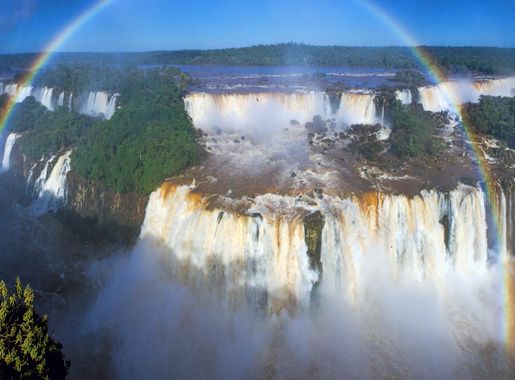

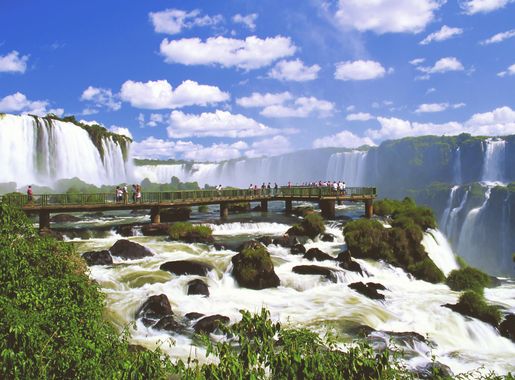
Enchanting Eastern Argentina: Where Nature and Culture Converge
Eastern Argentina is a captivating region teeming with diverse landscapes and rich cultural heritage. From the bustling metropolis of Buenos Aires to the serene wetlands of the Iberá, this area offers a unique blend of urban excitement and natural beauty. Visitors can start their journey in Buenos Aires, the country's vibrant capital known for its European architecture, tango music, and lively nightlife. The city is a melting pot of cultures, offering world-class dining, historic neighborhoods like San Telmo, and the colorful streets of La Boca. Beyond the city limits, the natural wonders of Eastern Argentina await. The Iberá Wetlands, one of the largest freshwater reservoirs in the world, is a paradise for nature lovers and bird watchers. Here, one can spot a variety of wildlife including capybaras, caimans, and over 350 species of birds. For those seeking coastal adventures, the Atlantic beaches of Mar del Plata provide an ideal escape with sandy shores and surf-friendly waves. Meanwhile, the coastal city of Rosario offers a mix of cultural experiences and riverfront activities along the Paraná River. Whether you are exploring the cultural depths of Buenos Aires or the natural splendor of the Iberá Wetlands, Eastern Argentina promises an unforgettable experience.