

Free Litoral Travel Guide & Mobile App
Explore Litoral with free travel guides. Discover regional history, expert tips, proposed trips, and audio guides on web or mobile app.


Explore Litoral Argentina for Iguazú Falls, Iberá wetlands, Paraná river cities, chamamé, mate culture and distinctive northeastern landscapes.
Read more about Litoral
When is the best time to visit Litoral?
Best: April, October–November · 23–27°C| Month | High (°C) | Rainfall (mm) |
|---|---|---|
| January | 31 | 120 |
| February | 29 | 110 |
| March | 27 | 100 |
| April (best) | 23 | 90 |
| May | 19 | 80 |
| June | 16 | 70 |
| July | 16 | 60 |
| August | 17 | 70 |
| September | 20 | 80 |
| October (best) | 24 | 90 |
| November (best) | 27 | 100 |
| December | 29 | 110 |
Getting to and around Litoral
How to get there
Transportation
Best attractions in Litoral
Litoral's attractions are organised around ecosystems, waterways and living culture rather than a single compact sightseeing circuit. In Misiones, Iguazú National Park protects Atlantic Forest around Iguazú Falls, where elevated walkways and trails reveal different views of the cascades; nearby San Ignacio Miní adds major Jesuit architectural heritage. The Iberá wetlands in Corrientes offer boat trips, wildlife watching, birding and walking through a vast mosaic of lagoons, marshes and grasslands. El Palmar National Park in Entre Ríos combines yatay palm groves, woodland, wetlands and historic landscapes, while the Paraná floodplain provides fishing, island excursions and opportunities to understand river ecology. Urban attractions include the museums, riverside spaces and cultural institutions of Rosario, Santa Fe, Paraná, Corrientes and Resistencia. In Chaco and Formosa, protected areas focus on dry forest, wetlands and wildlife, with access often requiring more planning. Across the region, chamamé, carnival, yerba-mate culture, local markets and river communities make cultural experiences as important as formal monuments.
-
Tourist attraction
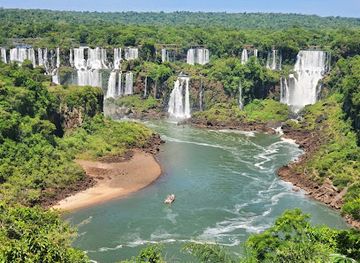
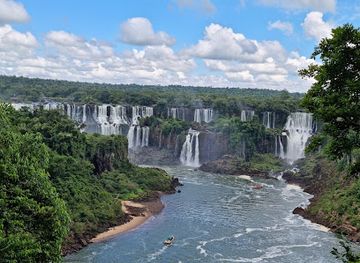
Iguazu Falls
Experience the awe-inspiring power and beauty of Iguazu Falls, a natural wonder straddling Argentina and Brazil.
-
Tourist attraction
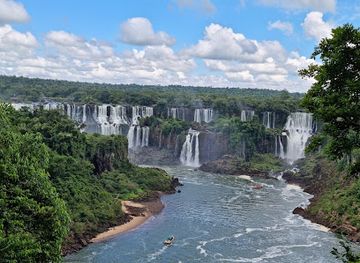
Iguazú National Park
Experience the awe-inspiring Iguazú Falls, a UNESCO World Heritage site, with diverse trails, boat adventures, and lush rainforest encounters.
-
Tourist attraction
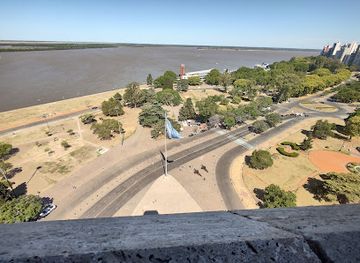
Monumento Histórico Nacional a la Bandera
Discover Argentina's patriotic heart at the Monumento a la Bandera in Rosario, a tribute to the nation's flag and history.
-
Tourist attraction
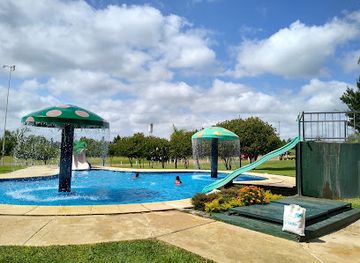
Termas de San José
Unwind in the therapeutic mineral waters and enjoy thrilling water attractions at Termas de San José, Entre Ríos.
Best landmarks in Litoral
Iguazú Falls is Litoral's most recognisable natural landmark, a vast system of cascades within Iguazú National Park and one of Argentina's defining landscapes. The red-sandstone ruins of San Ignacio Miní in Misiones are the region's most important surviving Jesuit architectural monument, with carved details that record the meeting of European and Guaraní traditions. In Corrientes, the open wetlands of Iberá form a geographical landmark as much as a wildlife destination, their lagoons and marshes shaping the province's identity. Entre Ríos is marked by the palm landscapes of El Palmar National Park and the historic riverfront setting of Paraná, while Santa Fe and Rosario are defined by their relationship with the Paraná and its broad floodplain. The Paraná River itself is the region's great organising feature, visible from urban Costaneras, island crossings and elevated viewpoints. In Resistencia, the extensive presence of contemporary sculpture in public spaces gives the city a distinctive artistic landmark character rather than a single monumental focus.
-
Tourist attraction
Iguazu Falls
Experience the breathtaking beauty and power of Iguazu Falls, a UNESCO World Heritage site, where nature's wonders come alive in Argentina's lush rainforest.
-
Historical landmark
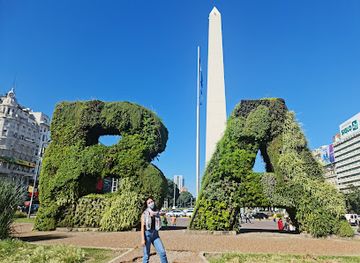
Obelisco
Discover the Obelisco, the iconic monument of Buenos Aires, a historical landmark that symbolizes the city's rich culture and vibrant spirit.
-
National park
Iguazú National Park
Experience the stunning Iguazú National Park, home to breathtaking waterfalls and diverse wildlife in the heart of Argentina's lush rainforest.
-
Historical landmark
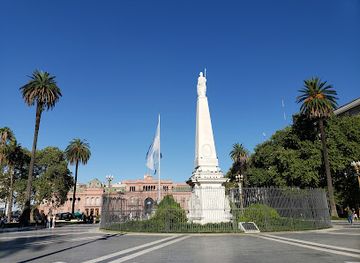
Plaza de Mayo
Explore the historic Plaza de Mayo, a vibrant square at the center of Buenos Aires, rich in culture and Argentine history.

Explore Litoral on the map
Plan your trip on one map. See where the top cities, national parks and sights are, and book hotels and experiences in a few clicks.
Best hotels in Litoral
Best restaurants in Litoral
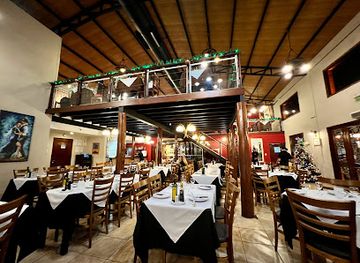
Litoral's food reflects rivers, subtropical agriculture, Indigenous influence and Argentina's broader tradition of grilled meat. Freshwater fish such as dorado, surubí and pacú appear grilled, baked or prepared in regional restaurants, although availability varies by season and local regulations. Chipá, a cheesy manioc-flour bread strongly associated with the northeastern provinces, is a familiar snack in Misiones and Corrientes, while mandioca, sweet potatoes, corn and tropical fruits broaden the local table. Yerba mate is cultivated especially in Misiones and Corrientes and is central to everyday hospitality, alongside mate cocido in some settings. River cities offer the widest range of cafés, parrillas, contemporary restaurants and international food, while rural lodges and provincial towns often provide home-style cooking. Look for empanadas, regional cheeses, grilled meats, local honey and produce from small farms, and ask about sustainable sourcing when ordering wild-caught fish.
-
Grill
Don Julio
Experience authentic Argentine asado at Don Julio - where every bite tells a story of tradition and flavor.
-
Restaurant
El Quincho del Tio Querido
Discover the essence of Argentine cuisine at El Quincho del Tio Querido in Puerto Iguazú—grilled meats and local flavors await you.
-
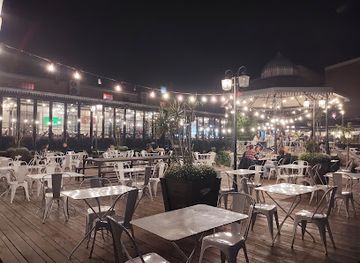
Beer Garden
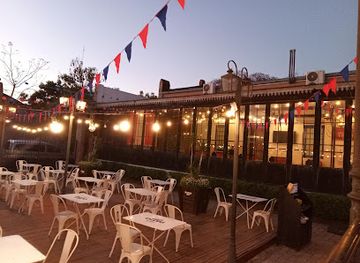
Patio de la Cerveceria Santa Fe
Experience the essence of Santa Fe at Patio de la Cerveceria: vibrant atmosphere, delicious food, and craft beers await you.
-
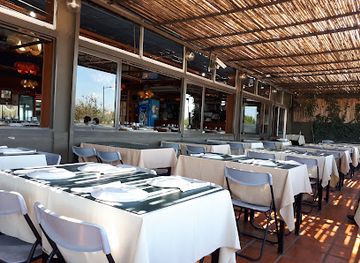
Restaurant
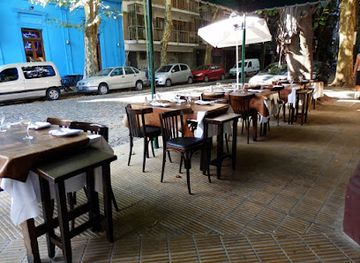
Escauriza Parrilla Restaurante
Discover authentic Argentine flavors at Escauriza Parrilla Restaurante in Rosario – where every bite tells a story.
Best bars in Litoral
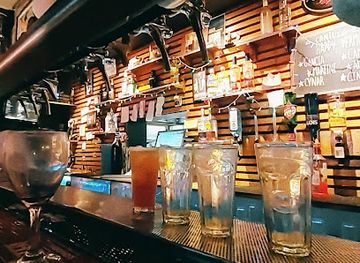
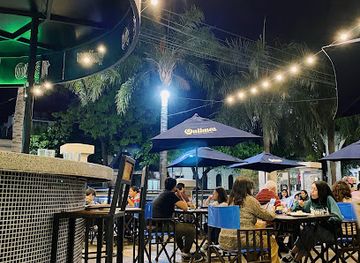
Evening life in Litoral varies sharply between large river cities, provincial capitals and remote nature destinations. Rosario has the region's broadest urban choice, with bars, live music, cultural venues and restaurants concentrated around central and riverside districts, while Santa Fe, Paraná, Corrientes, Posadas and Resistencia provide more localised scenes of cafés, pubs, clubs and late dining. Corrientes is particularly associated with chamamé and carnival culture, and seasonal festivals can bring music into public spaces, but programmes and venues change. In smaller towns and wetland gateways, the evening usually centres on a restaurant, lodge, traditional bar or informal gathering rather than a large nightclub circuit. Breweries, wine bars and cocktail venues are more common in the larger cities, while rural areas tend to favour relaxed meals, conversation and regional music. Confirm transport home when staying outside an urban centre.
-
Gastropub
Icebar Iguazú
Chill out at Icebar Iguazú - a unique gastropub experience with creative cocktails and stunning ice sculptures in Puerto Iguazú.
-
Bar
La Puerta Roja
La Puerta Roja: A lively bar in San Telmo, Buenos Aires, offering a unique blend of local flavors, vibrant ambiance, and rich cultural experiences.
-
Beer Garden
Patio de la Cerveceria Santa Fe
Experience the vibrant culture of Santa Fe at Patio de la Cerveceria, where craft beers and delightful dishes create an unforgettable atmosphere.
-
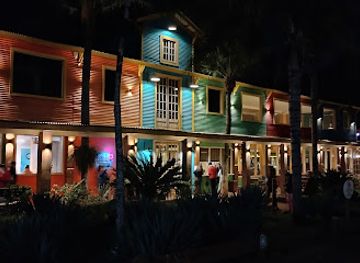
Bar
1980 Boulevard
Experience the vibrant atmosphere and delicious cuisine at 1980 Boulevard, the perfect bar and restaurant for tourists in Santa Fe.
Best nightclubs in Litoral
Evening life in Litoral varies sharply between large river cities, provincial capitals and remote nature destinations. Rosario has the region's broadest urban choice, with bars, live music, cultural venues and restaurants concentrated around central and riverside districts, while Santa Fe, Paraná, Corrientes, Posadas and Resistencia provide more localised scenes of cafés, pubs, clubs and late dining. Corrientes is particularly associated with chamamé and carnival culture, and seasonal festivals can bring music into public spaces, but programmes and venues change. In smaller towns and wetland gateways, the evening usually centres on a restaurant, lodge, traditional bar or informal gathering rather than a large nightclub circuit. Breweries, wine bars and cocktail venues are more common in the larger cities, while rural areas tend to favour relaxed meals, conversation and regional music. Confirm transport home when staying outside an urban centre.
-
Disco club
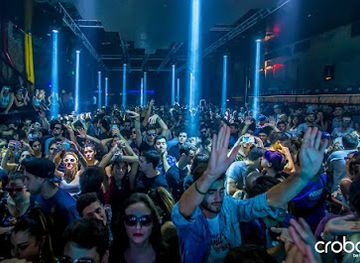
Crobar
Dive into the vibrant nightlife of Buenos Aires at Crobar, the ultimate disco club known for its electrifying atmosphere and diverse music.
-
Night club
Niceto Club
Discover the heartbeat of Buenos Aires nightlife at Niceto Club, where music, culture, and energy collide for an unforgettable experience.
-
Night club
Club Bahrein
Discover the vibrant nightlife of Buenos Aires at Club Bahrein, a premier dance club where the rhythm never stops.
-
Disco club
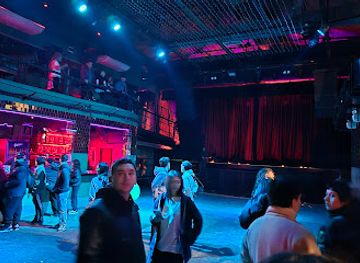
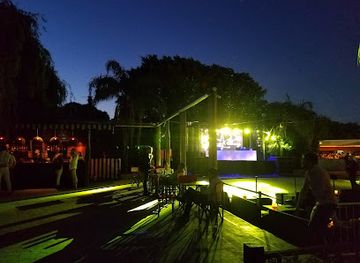
Terrazas del Este
Discover Buenos Aires' nightlife at Terrazas del Este, a premier disco club offering electrifying music and stunning city views.

Best shops in Litoral
Shopping in Litoral is strongest in its provincial capitals and market towns, where central streets combine everyday Argentine retail with regional food, crafts and clothing. Rosario, Santa Fe, Paraná, Corrientes and Posadas offer the broadest choice of shops, galleries, bookshops and shopping centres, while smaller towns are better for local produce and practical goods than for international brands. In Misiones, visitors commonly look for packaged yerba mate, tea, regional sweets and craftwork; chipá ingredients, honey, preserves and mandioca-based products are also useful food souvenirs. Markets and artisan fairs can offer woven goods, woodwork, leather, ceramics and jewellery, but quality and provenance vary, so buy respectfully and ask whether an item is locally made. Around protected areas, avoid purchasing products made from threatened plants, animals or archaeological material. The best regional purchases are usually consumable products or well-labelled crafts that reflect the river, forest and agricultural cultures of northeastern Argentina.
-
Outlet mall
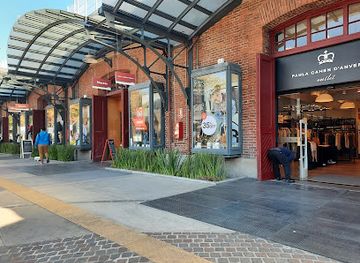
Distrito Arcos
Explore Distrito Arcos, Buenos Aires' premier outlet mall, blending shopping, dining, and vibrant outdoor ambiance in a unique setting.
-
Shopping mall
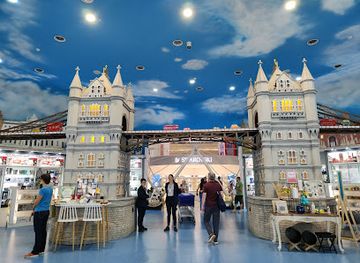
Duty Free Shop Puerto Iguazu
Explore the Duty Free Shop Puerto Iguazu for exclusive perfumes, liquors, and unique souvenirs in a vibrant shopping atmosphere.
-
 Shopping mall
La Ribera Shopping
Experience the vibrant atmosphere of La Ribera Shopping, Santa Fe's premier shopping destination offering diverse stores, dining, and entertainment.
-
Shopping mall
Fire Walk Shopping Center
Discover the ultimate shopping experience at Fire Walk Shopping Center in Ushuaia, where local culture meets a diverse range of shops and dining options.
Get your free copy of our complete guide to Litoral, delivered straight to you.
Everything on this page, from attractions and restaurants to essentials and local phrases, in one PDF you can read offline, print or share.
Already have an account? Sign in
Your Litoral guide is ready.
We'll send it to · Not you? Sign out

Getting your guide ready…
We are putting together a fresh copy of the Litoral guide. This can take up to a minute.
This can take a few moments. If your browser asks, choose Allow so the download can start. You'll find the guide in your Downloads folder.
Nothing happened? Download it again
Sorry, the guide is taking longer than usual. Please try again in a minute, or get it by email instead.
Litoral essentials
Currency and Payment
Safety
Emergency Situations
Do's and Don'ts
Local Tips
From Eve
Local phrases worth knowing
You don't need to get them perfect. A few words go a long way, and locals appreciate the effort.
Basics
| English | Local | Say it |
|---|---|---|
| Hello | Hola | [OH-lah] |
| Goodbye | Adiós | [ah-DYOS] |
| Yes | Sí | [SEE] |
| No | No | [NO] |
| Please/You're welcome | Por favor/De nada | [POR fah-VOR/deh NAH-dah] |
| Thank you | Gracias | [GRAH-syahs] |
| Excuse me/Sorry | Disculpe/Lo siento | [dees-KOOL-peh/LOH SYEN-toh] |
| How are you? | ¿Cómo estás? | [KOH-moh es-TAS] |
| Fine. And you? | Bien. ¿Y tú? | [BYEN. Ee TOO] |
| Do you speak English? | ¿Hablas inglés? | [AH-blahs een-GLEHS] |
| I don't understand | No entiendo | [NO en-TYEN-doh] |
Eating & Drinking
| English | Local | Say it |
|---|---|---|
| I'd like to see the menu, please | Me gustaría ver el menú, por favor | [meh goos-tah-REE-ah BEHR el meh-NOO, por fah-VOR] |
| I don't eat meat | No como carne | [NO KOH-moh KAR-neh] |
| Cheers! | ¡Salud! | [sah-LOOD] |
| I would like to pay, please | Me gustaría pagar, por favor | [meh goos-tah-REE-ah pah-GAR, por fah-VOR] |
Emergencies
| English | Local | Say it |
|---|---|---|
| Help! | ¡Ayuda! | [ah-YOO-dah] |
| Go away! | ¡Vete! | [VEH-teh] |
| Call the Police! | ¡Llama a la policía! | [YAH-mah ah lah poh-lee-SIAH] |
| Call a doctor! | ¡Llama a un médico! | [YAH-mah ah oon MEH-dee-koh] |
| I'm lost | Estoy perdido | [es-TOY pehr-DEE-doh] |
| I'm ill | Estoy enfermo/a | [es-TOY en-FER-mo/a] |
Shopping
| English | Local | Say it |
|---|---|---|
| I'd like to buy... | Me gustaría comprar... | [meh goos-tah-REE-ah kom-PRAR] |
| I'm just looking | Solo estoy mirando | [SOH-lo es-TOY mee-RAHN-doh] |
| How much is it? | ¿Cuánto cuesta? | [KWAN-toh KWES-tah] |
| That's too expensive | Eso es demasiado caro | [EH-so es deh-mah-SYAH-doh KAH-roh] |
| Can you lower the price? | ¿Puedes bajar el precio? | [PWEH-des bah-HAR el PREH-syo] |
Time & Numbers
| English | Local | Say it |
|---|---|---|
| What time is it? | ¿Qué hora es? | [KEH OH-rah es] |
| It's one o'clock | Es la una | [es lah OO-nah] |
| Half past (10) | Y media (10) | [ee MEH-diah (10)] |
| Morning | Mañana | [mah-NYAH-nah] |
| Afternoon | Tarde | [TAR-deh] |
| Evening | Noche | [NOH-cheh] |
| Yesterday | Ayer | [ah-YER] |
| Today | Hoy | [OY] |
| Tomorrow | Mañana | [mah-NYAH-nah] |
| 1 | Uno | [OO-noh] |
| 2 | Dos | [DOS] |
| 3 | Tres | [TRES] |
| 4 | Cuatro | [KWAH-troh] |
| 5 | Cinco | [SEEN-koh] |
| 6 | Seis | [SAYS] |
| 7 | Siete | [SYEH-teh] |
| 8 | Ocho | [OH-choh] |
| 9 | Nueve | [NWEH-beh] |
| 10 | Diez | [DYEZ] |
Transport & Directions
| English | Local | Say it |
|---|---|---|
| Where's a/the...? | ¿Dónde está un/la...? | [DON-deh es-TAH oon/lah...] |
| What's the address? | ¿Cuál es la dirección? | [KWAL es lah dee-rek-SYON] |
| Can you show me (on the map)? | ¿Puedes mostrarme (en el mapa)? | [PWEH-des mos-TRAR-meh (en el MAH-pah)] |
| When's the next (bus)? | ¿Cuándo es el próximo (autobús)? | [KWAN-doh es el PROK-see-mo (ow-toh-BOOS)] |
| A ticket (to ....) | Un boleto (a....) | [OON boh-LEH-toh (ah....)] |
History of Litoral
Guaraní Heritage and Pre-Colonial River Worlds
Long before European settlement, the Paraná, Uruguay and Paraguay basins supported diverse Indigenous societies whose lives were connected to fishing, cultivation, forest resources and river travel. Guaraní-speaking peoples left an enduring cultural and linguistic influence across much of northeastern Argentina, particularly in Misiones and Corrientes. Place names, foods, agricultural practices and the continued importance of yerba mate all reflect this heritage, although contemporary Indigenous communities should not be reduced to historical symbols. The rivers were not boundaries in the modern sense but routes linking communities across what is now Argentina, Paraguay, Brazil and Uruguay.
Jesuit Missions in Misiones, Seventeenth and Eighteenth Centuries
From the seventeenth century, Jesuit missionaries established reductions among Guaraní communities in the wider Paraná region. These settlements combined Christian institutions with Indigenous labour, artistic production and agricultural organisation, and formed part of a much larger mission network extending into neighbouring countries. The ruins of San Ignacio Miní in Misiones are the best-known surviving regional site, with red sandstone architecture that illustrates the scale and artistic ambition of the missions. The Jesuits were expelled from the Spanish territories in 1767, after which the settlements declined and the frontier became more militarised and politically contested.
River Frontiers and the Formation of Argentina
During the colonial period and the nineteenth-century formation of Argentina, the Litoral was strategically important because its rivers connected the interior with the Atlantic and with neighbouring territories. Santa Fe, Corrientes, Paraná and other settlements developed as administrative, commercial and military centres, while control of navigation on the Paraná and Uruguay became a recurring political issue. Entre Ríos was central to the conflicts that shaped the federal structure of the country, and Paraná served as the capital of the Argentine Confederation from 1854 to 1861. River commerce, livestock and agricultural expansion subsequently transformed the region.
Immigration, Agriculture and River Ports
From the late nineteenth century, European immigration and state-backed colonisation changed the agricultural and urban character of the southern Litoral. Italian, Spanish, German, Jewish, Swiss and other communities established farms, workshops and commercial networks, particularly in Santa Fe and Entre Ríos. Grain, livestock, timber and yerba mate entered expanding national and international markets, while river ports gained importance. Rosario grew into one of Argentina's major commercial and port cities, and railway construction connected the fertile interior with the river system. This period left a durable mark on local foodways, architecture, surnames and town layouts.
Yerba Mate and the Modernisation of Misiones
Misiones developed a distinctive economy around yerba mate, forestry and later tea and tobacco, with production expanding strongly during the twentieth century. The province's red soils and subtropical conditions supported plantations, while waves of migration supplied labour and created settlements with varied cultural backgrounds. The industry generated prosperity but also difficult labour conditions and environmental pressures, especially where native forest was cleared. Today, yerba mate remains one of Misiones's defining products, while protected areas and tourism have become increasingly important parts of the provincial economy.
Chamamé, Carnival and Contemporary Litoral Identity
The modern cultural identity of Litoral has been shaped by music, migration, Indigenous influence and rural traditions as much as by formal political history. Chamamé, associated especially with Corrientes and the wider northeastern region, developed from a mixture of European, Indigenous and Afro-American influences and became a major expression of regional life. Carnival traditions in Corrientes and Entre Ríos grew into important public celebrations, while cities such as Resistencia and Rosario developed strong contemporary arts scenes. These traditions demonstrate that Litoral is not a single uniform culture but a connected set of riverine and provincial identities.
Litoral in Photos
Browse through our photo collection highlighting the charm and character of the destination.
Neighbouring regions of Litoral
The closest regions to Litoral, if you have time for more than one.
-

-

-

-

-


Swipe for more regions
Explore more

Explore more of Argentina
Discover Argentina: From the lively streets of Buenos Aires to the breathtaking landscapes of Patagonia, experience the vibrant culture and diverse natural wonders of this South American gem.
Explore Argentina