

Northwest Argentina, Argentina Travel Guide
Discover the vibrant culture, stunning landscapes, and historic treasures of Northwest Argentina, where every journey reveals a new story.
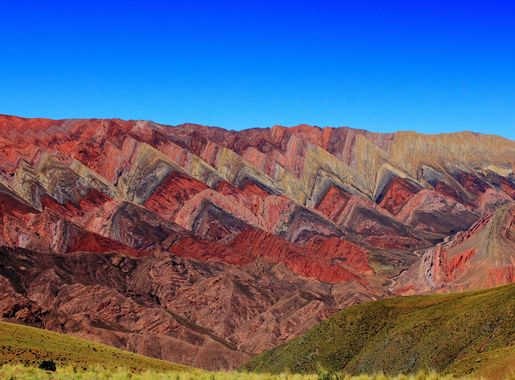
Northwest Argentina is a region brimming with natural beauty and vibrant culture. Nestled between the Andes Mountains and the Gran Chaco plains, this area offers diverse landscapes and a rich cultural heritage. From the colorful hills of Purmamarca to the historic city of Salta, every corner has a story to tell. Start your journey in Salta, known for its colonial architecture and lively atmosphere. Visit the MAAM museum to learn about the region's Incan history and explore the stunning Salinas Grandes salt flats. The city is also the gateway to the Calchaquí Valleys, where you can tour vineyards and sample some of Argentina's finest wines. Further north, the Quebrada de Humahuaca is a UNESCO World Heritage site. This valley features multi-colored mountains and ancient villages that reflect the area's indigenous heritage. Don't miss the Pucará de Tilcara, a pre-Columbian fortress offering panoramic views of the surrounding landscapes. Nature lovers will be enchanted by the lush forests of the Yungas, home to diverse wildlife. Adventure seekers can hike through the rugged terrain of the Andes or explore the striking rock formations of the Talampaya National Park. Whether you're exploring bustling markets or serene natural parks, Northwest Argentina promises an unforgettable experience.

Know before you go
Hi, I'm Eve. Here are a few practical things to know before exploring Northwest Argentina.
- Pack layers for varying temperatures; the region's climate can change drastically between day and night.
- Try local specialties like empanadas salteñas and tamales for an authentic culinary experience.
- Renting a car can give you more freedom to explore remote areas at your own pace.
- Carry cash, as some remote areas may not accept credit cards.
Top City Travel Guides in Northwest Argentina
The cities of Northwest Argentina, and the easiest places to base yourself.


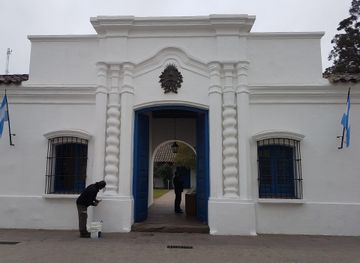
Destinations in Northwest Argentina
Resorts, valleys and scenic spots worth a trip of their own.


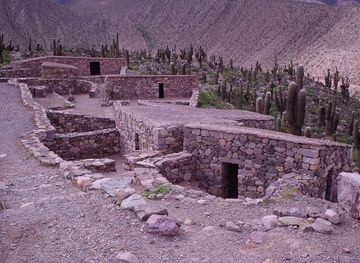
Explore Northwest Argentina: Things to Do, Places to Eat, Hotels & More
Handpicked recommendations for top attractions, local dining, accommodations, and more

Top Attractions & Sightseeing in Northwest Argentina
Top-rated picks
Best Attractions
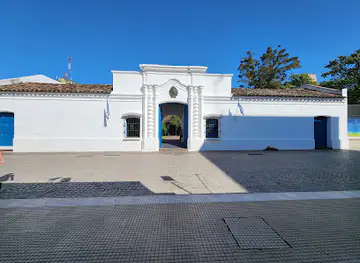
Casa Histórica - Museo Nacional de la Independencia
Discover Argentina's independence story at the Casa Histórica museum in Tucumán, where the nation's freedom was declared in 1816.

San Lorenzo Ravine
Explore San Lorenzo Ravine, a stunning hiking area in Salta Province that captivates with its natural beauty and diverse wildlife.

Independencia Square
Experience the vibrant culture and rich history of San Miguel de Tucumán at Independencia Square, a must-visit urban oasis for travelers.

Parque 9 de Julio
Explore the serene beauty and cultural richness of Parque 9 de Julio, a must-visit urban park in San Miguel de Tucumán, Argentina.

Best landmarks in Northwest Argentina
Top-rated picks
Best Landmarks

Iguazu Falls
Experience the awe-inspiring power and beauty of Iguazu Falls, a natural wonder on the Argentina-Brazil border. Explore diverse trails and breathtaking views.

Obelisco
A towering landmark in Buenos Aires, the Obelisco commemorates the city's history and serves as a gathering place for celebrations.

Iguazú National Park
Experience nature's raw power at Iguazú National Park, home to the world's largest waterfall system and lush Argentinian rainforest.

Plaza de Mayo
Experience the vibrant history and political heart of Buenos Aires at Plaza de Mayo, surrounded by iconic landmarks and national monuments.

Best restaurants in Northwest Argentina
Top-rated picks
Best Restaurants

Puny - Pasta & Grill
Experience the best of Italian cuisine fused with local flavors at Puny - Pasta & Grill in Buenos Aires.

Don Julio
Experience the best of Argentine grilling at Don Julio in Buenos Aires - where premium meats meet warm hospitality.

Kansas — Al Río
Experience the best of American cuisine at Kansas — Al Río, where delicious flavors meet stunning riverside views.
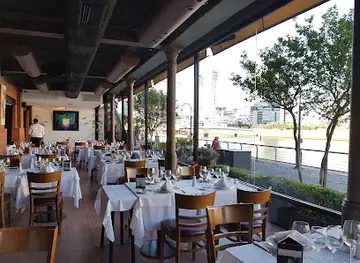
Puerto Cristal
Experience exquisite seafood dining at Puerto Cristal in Buenos Aires' upscale Puerto Madero district.

Best bars in Northwest Argentina
Top-rated picks
Best Bars
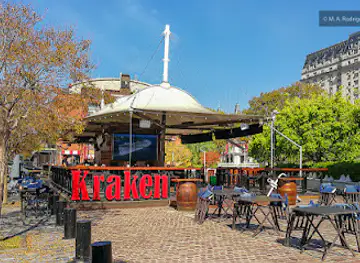
Kraken bar
Kraken Bar: A lively bar in Puerto Madero, Buenos Aires, serving delicious tapas, crafted cocktails, and an unforgettable atmosphere.

La Puerta Roja
Experience the vibrant nightlife of Buenos Aires at La Puerta Roja, a trendy bar in San Telmo with creative cocktails and a lively atmosphere.

Dársena
Experience the vibrant nightlife of Buenos Aires at Dársena, a cocktail bar and brewpub in Palermo, where exceptional drinks meet a lively atmosphere.

The Hole Bar - Alcatraz Speakeasy Hidden Bar
Experience the allure of The Hole Bar in Buenos Aires, a hidden speakeasy offering exquisite cocktails and an unforgettable nightlife atmosphere.

Best nightclubs in Northwest Argentina
Top-rated picks
Best Nightclubs

Niceto Club
Discover the heart of Buenos Aires' nightlife at Niceto Club, where live music and dance create an unforgettable experience.

Club Bahrein
Dive into the vibrant Argentine nightlife at Club Bahrein, a premier dance club in Buenos Aires offering electrifying music and unforgettable experiences.

Glam Disco
Dive into the vibrant nightlife of Buenos Aires at Glam Disco, where music and dance intertwine for an unforgettable experience.

Terrazas del Este
Discover the electrifying nightlife at Terrazas del Este, Buenos Aires' premier disco club with stunning views and unforgettable vibes.

Best shops in Northwest Argentina
Top-rated picks
Best Shops

Galerías Pacífico
Explore Galerías Pacífico, a stunning shopping mall blending art, culture, and upscale boutiques in the heart of Buenos Aires.

Unicenter Shopping
Discover Unicenter Shopping in Buenos Aires - a vibrant mall with diverse shops, dining, and entertainment for a memorable experience.

Abasto de Buenos Aires
Explore Abasto de Buenos Aires, a vibrant shopping mall blending history, fashion, and culture in the heart of the city.

Alto Palermo
Discover the vibrant shopping and dining experience at Alto Palermo, Buenos Aires' premier shopping mall in the heart of Palermo.

Explore Northwest Argentina on the Map
A handpicked selection of must-see spots in Northwest Argentina, mapped for you.
Northwest Argentina Essentials
-
Northwest Argentina can be accessed primarily through its major cities like Salta, Jujuy, and Tucumán. The most common entry point is Martín Miguel de Güemes International Airport in Salta, which has regular flights from Buenos Aires and other major cities. Alternatively, you can fly into Gobernador Horacio Guzmán International Airport in Jujuy or Teniente General Benjamín Matienzo International Airport in Tucumán. From these airports, you can rent a car or use bus services to explore the region.
-
Public transportation in Northwest Argentina includes buses, taxis, and remises (private cars with drivers). Buses are the most economical way to travel between cities and towns. For more flexibility, renting a car is a good option, especially if you plan to explore rural areas and national parks. In cities, taxis are readily available and reasonably priced, but always ensure they use the meter. Remises can be booked in advance and are generally more comfortable.
-
The official currency is the Argentine Peso (ARS). While credit cards are widely accepted in urban areas, cash is preferred in rural locations and smaller establishments. ATMs are available in cities and larger towns, but it’s advisable to withdraw sufficient cash before heading to remote areas. Keep small denominations handy for minor expenses.
-
Northwest Argentina is generally safe for tourists, but certain precautions should be taken. Avoid walking alone at night in unfamiliar areas, especially in larger cities. High-crime areas targeting tourists include the outskirts of Salta and certain neighborhoods in San Miguel de Tucumán. Always keep an eye on your belongings, particularly in crowded places. Use reputable taxi services and avoid flaunting valuables.
-
In case of emergency, dial 911 for police assistance, 100 for fire services, and 107 for medical emergencies. Major hospitals are located in Salta, Jujuy, and Tucumán. It’s recommended to have travel insurance that covers medical emergencies. Pharmacies are widely available for minor health issues. In remote areas, it’s advisable to have a basic first-aid kit.
-
Fashion: Do dress modestly, especially in rural areas and religious sites. Avoid overly revealing clothing. Religion: Do respect local customs and traditions, particularly in indigenous communities. Public Transport: Do be courteous and offer seats to elderly passengers. Don’t eat or drink on public buses. Greetings: Do greet people with a handshake. In informal settings, a kiss on the cheek is common. Eating & Drinking: Do try local specialties like empanadas and locro. Don’t refuse food offerings, as it is considered impolite.
-
To experience Northwest Argentina like a local, visit traditional markets such as Mercado San Miguel in Salta or Mercado Central in Jujuy. Participate in local festivals like the Carnival in Humahuaca or the Pachamama celebrations in August. Engage with the local culture by trying traditional foods and drinks, such as mate. Exploring the stunning Quebrada de Humahuaca, a UNESCO World Heritage Site, and the Salinas Grandes salt flats will offer unforgettable experiences.
When is the best time to visit Northwest Argentina?
Useful Local Phrases for Northwest Argentina
You don't need to speak the language perfectly. Even learning a few simple words can make conversations warmer—and locals usually appreciate the effort.
— Eve

Here are the phrases I use most often in Northwest Argentina. Try a few—you'll be surprised how far they go! 😊
❤️
-
- HelloHola
[Ola] - GoodbyeAdiós
[A-dios] - YesSí
[Si] - NoNo
[No] - Please/You're welcomePor favor/De nada
[Por fa-vor/De na-da] - Thank youGracias
[Gra-sias] - Excuse me/SorryPerdón
[Per-don] - How are you?¿Cómo estás?
[Ko-mo es-tas] - Fine. And you?Bien. ¿Y tú?
[Byen. I tu] - Do you speak English?¿Hablas inglés?
[A-blas in-gles] - I don't understandNo entiendo
[No en-tien-do]
- HelloHola
-
- I'd like to see the menu, pleaseQuisiera ver el menú, por favor
[Ki-si-e-ra ver el me-nu, por fa-vor] - I don't eat meatNo como carne
[No ko-mo kar-ne] - Cheers!¡Salud!
[Sa-lud] - I would like to pay, pleaseMe gustaría pagar, por favor
[Me gus-ta-ría pa-gar, por fa-vor]
- I'd like to see the menu, pleaseQuisiera ver el menú, por favor
-
- Help!¡Ayuda!
[A-yu-da] - Go away!¡Vete!
[Ve-te] - Call the Police!¡Llama a la policía!
[Ya-ma a la po-li-cí-a] - Call a doctor!¡Llama a un doctor!
[Ya-ma a un doc-tor] - I'm lostEstoy perdido
[Es-toy per-di-do] - I'm illEstoy enfermo/a
[Es-toy en-fer-mo/a]
- Help!¡Ayuda!
-
- I'd like to buy...Quisiera comprar...
[Ki-si-e-ra kom-prar] - I'm just lookingSolo estoy mirando
[So-lo es-toy mi-ran-do] - How much is it?¿Cuánto cuesta?
[Kwan-to kwes-ta] - That's too expensiveEs demasiado caro
[Es de-ma-si-a-do ka-ro] - Can you lower the price?¿Puedes bajar el precio?
[Pwe-des ba-har el pre-cio]
- I'd like to buy...Quisiera comprar...
-
- What time is it?¿Qué hora es?
[Ke o-ra es] - It's one o'clockEs la una
[Es la u-na] - Half past (10)Las diez y media
[Las diez i me-dia] - MorningMañana
[Ma-nya-na] - AfternoonTarde
[Tar-de] - EveningNoche
[No-che] - YesterdayAyer
[A-yer] - TodayHoy
[Oi] - TomorrowMañana
[Ma-nya-na] - 1Uno
[U-no] - 2Dos
[Dos] - 3Tres
[Tres] - 4Cuatro
[Kua-tro] - 5Cinco
[Sin-co] - 6Seis
[Seis] - 7Siete
[Sye-te] - 8Ocho
[O-cho] - 9Nueve
[Nwe-ve] - 10Diez
[Diez]
- What time is it?¿Qué hora es?
-
- Where's a/the...?¿Dónde está un/la...?
[Don-de es-ta un/la] - What's the address?¿Cuál es la dirección?
[Kwal es la di-rec-ción] - Can you show me (on the map)?¿Puedes mostrarme (en el mapa)?
[Pwe-des mos-trar-me (en el ma-pa)] - When's the next (bus)?¿Cuándo es el próximo (bus)?
[Kwan-do es el pro-xi-mo (bus)] - A ticket (to ....)Un boleto (a ....)
[Un bo-le-to (a ....)]
- Where's a/the...?¿Dónde está un/la...?
History of Northwest Argentina
-
Before the arrival of the Spanish, the region of Northwest Argentina was significantly influenced by the Incan Empire. The Incas expanded into this area in the late 15th century, incorporating it into their vast empire. The presence of Incan roads, agricultural terraces, and administrative centers like Quilmes and Tastil are testimonies to their advanced civilization and impact on local cultures.
-
The Spanish arrived in Northwest Argentina in the mid-16th century, establishing settlements and mission stations. The city of Salta was founded in 1582 by Hernando de Lerma, serving as a strategic hub for Spanish expeditions. This period saw significant cultural and social changes, including the introduction of Catholicism, new agricultural practices, and the encomienda system, which altered indigenous ways of life.
-
Gauchos, the iconic cowboys of Argentina, played a crucial role in the history of Northwest Argentina. Originating in the 18th century, they became symbols of rural life and resistance against colonial rule. Gauchos were known for their skills in cattle-herding, horsemanship, and their distinct cultural identity, which includes unique music, dance, and clothing. They continue to be celebrated in regional festivals and traditions.
-
Northwest Argentina was a key battleground during the Argentine War of Independence against Spanish rule in the early 19th century. Leaders like Martín Miguel de Güemes, a local hero from Salta, organized guerrilla forces known as 'Los Infernales' to defend the region. The region's strategic location made it vital in the fight for independence, with significant battles occurring in towns like Humahuaca and Salta.
-
The Calchaquí Wars were a series of conflicts between the indigenous Diaguita people and Spanish forces during the 16th and 17th centuries. The Diaguita fiercely resisted Spanish attempts to control their territories in the Calchaquí Valleys. The prolonged conflict resulted in the displacement and decimation of many indigenous communities, leaving a lasting impact on the region's demographic and cultural landscape.
-
The Andean cultures of Northwest Argentina have preserved a rich heritage of traditions, languages, and customs. The Quebrada de Humahuaca, a UNESCO World Heritage site, is a testament to this cultural continuity. Festivals such as the Pachamama (Mother Earth) celebrations and the vibrant Carnival of Humahuaca highlight the deep-rooted Andean spirituality and communal life.
-
In recent decades, Northwest Argentina has seen significant economic development, particularly in the wine and tourism industries. The Cafayate region is renowned for its high-altitude vineyards producing world-class Torrontés wines. Additionally, the area's stunning landscapes, such as the Salinas Grandes and the Train to the Clouds, attract tourists from around the globe, contributing to the local economy.
Neighbouring Regions of Northwest Argentina
The closest regions to Northwest Argentina, if you have time for more than one.



Your all‑in‑one travel companion app
Explore expert travel guides, compare and book tours, experiences, hotels, and more—all from the palm of your hand. Download now for seamless trip planning wherever your wanderlust takes you.


Explore More of Argentina

Looking beyond Northwest Argentina? Discover Argentina for broader travel guides, local hot-spots, and regional highlights.
Explore ArgentinaNorthwest Argentina in Photos
Browse through our photo collection highlighting the charm and character of the destination.




The Enchanting Northwest Argentina: Nature, Culture, and History Unveiled
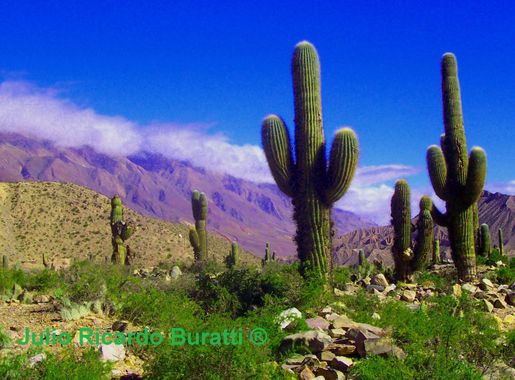
Northwest Argentina is a region brimming with natural beauty and vibrant culture. Nestled between the Andes Mountains and the Gran Chaco plains, this area offers diverse landscapes and a rich cultural heritage. From the colorful hills of Purmamarca to the historic city of Salta, every corner has a story to tell. Start your journey in Salta, known for its colonial architecture and lively atmosphere. Visit the MAAM museum to learn about the region's Incan history and explore the stunning Salinas Grandes salt flats. The city is also the gateway to the Calchaquí Valleys, where you can tour vineyards and sample some of Argentina's finest wines. Further north, the Quebrada de Humahuaca is a UNESCO World Heritage site. This valley features multi-colored mountains and ancient villages that reflect the area's indigenous heritage. Don't miss the Pucará de Tilcara, a pre-Columbian fortress offering panoramic views of the surrounding landscapes. Nature lovers will be enchanted by the lush forests of the Yungas, home to diverse wildlife. Adventure seekers can hike through the rugged terrain of the Andes or explore the striking rock formations of the Talampaya National Park. Whether you're exploring bustling markets or serene natural parks, Northwest Argentina promises an unforgettable experience.