

Free Phoenix Travel Guide & Mobile App
Plan your Phoenix trip with Evendo. Get free guides to top attractions, restaurants, hotels, and bars. Web access or download the mobile app.


Phoenix combines Sonoran Desert scenery, Frank Lloyd Wright architecture, Native heritage, museums, lively food districts and year-round outdoor adventures.
Desert City and Urban Horizons
Phoenix spreads across the broad Salt River Valley in central Arizona, where the Sonoran Desert shapes both the scenery and the rhythm of daily life. Palms, citrus groves and irrigated neighbourhoods sit beneath rugged mountain ranges, while the city’s low-rise form gives way to striking views of Camelback Mountain, South Mountain and the Phoenix Mountains Preserve. The desert is especially expressive at dawn and in the cooler months, when walking trails, botanical collections and outdoor cafés become central to city life.Read more about Phoenix
Heritage and Creative Districts
Food, Museums and the Open Desert
When is the best time to visit Phoenix?
Best: March–April, November · 21–27°C| Month | High (°C) | Rainfall (mm) |
|---|---|---|
| January | 16 | 20 |
| February | 18 | 20 |
| March (best) | 22 | 20 |
| April (best) | 27 | 10 |
| May | 34 | 5 |
| June | 39 | 3 |
| July | 41 | 25 |
| August | 41 | 25 |
| September | 37 | 15 |
| October | 30 | 10 |
| November (best) | 21 | 20 |
| December | 16 | 20 |
Getting to and around Phoenix
How to get there
Transportation
Best attractions in Phoenix
Phoenix offers a varied sightseeing circuit shaped by both desert ecology and urban culture. The Desert Botanical Garden interprets Sonoran Desert plants through themed trails and seasonal displays, while nearby Papago Park provides distinctive red-rock formations and access to Hole-in-the-Rock. The Heard Museum presents Indigenous art and cultural history, and the Musical Instrument Museum in north Phoenix ranges across musical traditions from every continent. Phoenix Art Museum anchors the city’s visual-arts scene with collections spanning American, European, Latin American and Asian work. Downtown brings the historic Rosson House at Heritage Square together with the galleries, murals and public art of Roosevelt Row. For wider views, trails in South Mountain Park and Preserve reach desert slopes above the city, while the Japanese Friendship Garden offers a tranquil, cultivated landscape near the civic centre.
-
Botanical garden
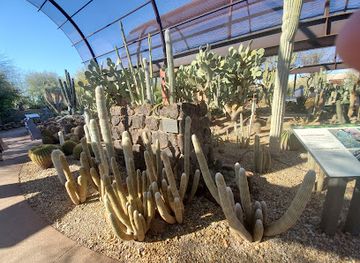
Desert Botanical Garden
Explore the breathtaking Desert Botanical Garden, a lush oasis showcasing unique desert plants and vibrant art amidst the stunning Arizona landscape.
32 min drive · 12 km from city centre
-
Zoo
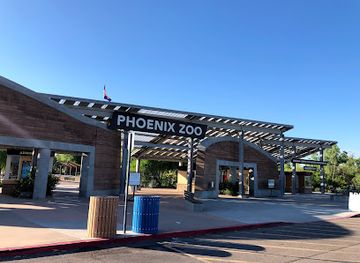
Phoenix Zoo
Discover the Phoenix Zoo - an enchanting wildlife experience with over 1,400 animals and engaging exhibits set in a beautiful landscape.
32 min drive · 12 km from city centre
-
Stadium
Chase Field
Experience thrilling Major League Baseball at Chase Field, home of the Arizona Diamondbacks, in the heart of Downtown Phoenix.
9 min walk · 0.8 km from city centre
-
Stadium
State Farm Stadium
Discover the excitement of sports and entertainment at State Farm Stadium, the premier venue in Glendale, Arizona, for unforgettable events and experiences.
40 min drive · 20 km from city centre


Best landmarks in Phoenix
Phoenix’s landmarks reveal the city’s transformation from territorial settlement to modern state capital. The Arizona State Capitol Museum, formerly the state capitol, preserves the civic centre associated with Arizona’s territorial and early statehood years, while the nearby Wesley Bolin Memorial Plaza contains public monuments and commemorative works. Heritage Square, including the restored Rosson House, retains some of the city’s oldest surviving residential architecture and illustrates late-nineteenth-century domestic life. The Orpheum Theatre adds a richly decorated historic performance space to Downtown’s architectural story. S’edav Va’aki Museum, formerly known as the Pueblo Grande Museum, interprets an important archaeological site and the ancient canal landscape of the Salt River Valley. Beyond the built city, Camelback Mountain, South Mountain and the distinctive buttes of Papago Park function as natural landmarks that define Phoenix’s horizon.
-
Botanical garden
Desert Botanical Garden
Explore the beauty and diversity of desert plant life at Phoenix's Desert Botanical Garden, a unique urban oasis and conservation center.
32 min drive · 12 km from city centre
-
Zoo
Phoenix Zoo
Discover wildlife from around the globe at the Phoenix Zoo, a leading conservation center in the heart of Arizona's Papago Park.
32 min drive · 12 km from city centre
-
State park
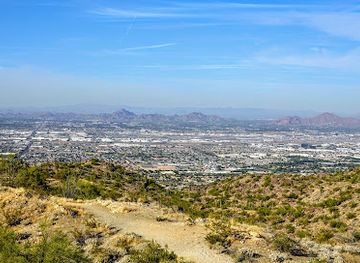
South Mountain Park and Preserve
Explore over 16,000 acres of desert trails, panoramic views, and ancient history at one of the largest municipal parks in the U.S.
32 min drive · 12 km from city centre
-
Hiking area
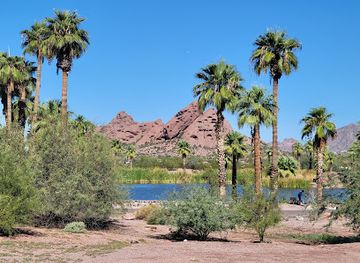
Hole in the Rock
Explore a unique red sandstone formation in Phoenix's Papago Park, offering stunning views and a glimpse into ancient Hohokam history.
32 min drive · 12 km from city centre
Explore Phoenix on the map
Plan your Phoenix trip on one map. See where the top attractions, landmarks, restaurants, bars and hotels are, find what's near where you're staying, and book hotels and experiences in a few clicks.
Neighbourhoods in Phoenix
-

-

-

-


Swipe for more neighbourhoods
Best hotels in Phoenix
Best restaurants in Phoenix
Phoenix’s dining identity is rooted in the flavours of the Sonoran Desert and the cross-border culinary culture of Arizona. Mexican and Sonoran specialities appear in family-run taquerias, casual restaurants and food trucks, with tortillas, grilled meats, beans, chiles and carefully prepared salsas central to the local repertoire. Downtown, Roosevelt Row and the Melrose District support independent restaurants, coffee shops and contemporary kitchens, while neighbourhoods across the valley offer long-established Mexican eateries and bakeries. Regional produce, citrus and Native ingredients increasingly feature in modern menus, alongside craft beer and Arizona wine. Food halls and farmers’ markets provide informal ways to sample local produce, baked goods and prepared dishes, although individual market schedules vary. The result is a broad dining scene that connects Arizona’s agricultural history with Mexican, Indigenous and contemporary Southwest influences.
-
Barbecue
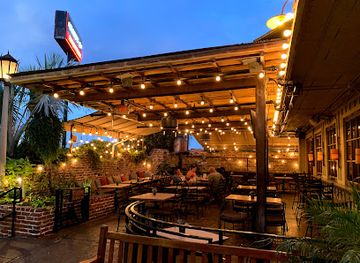
Bobby-Q BBQ Restaurant and Steakhouse
Experience mouthwatering barbecue and premium steaks at Bobby-Q BBQ Restaurant and Steakhouse in Phoenix – a culinary delight for all meat lovers.
33 min drive · 13 km from city centre
-
American
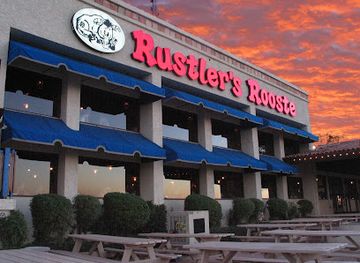
Rustler’s Rooste
Experience authentic American cuisine in a vibrant Western setting at Rustler's Rooste in Phoenix, Arizona.
33 min drive · 13 km from city centre
-
Mexican
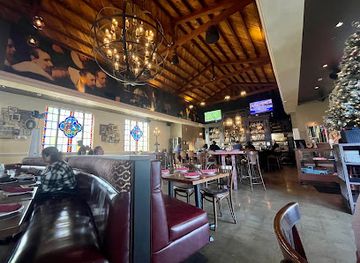
Taco Guild
Experience the vibrant flavors of Mexico at Taco Guild in Phoenix - where every taco tells a story.
13 min drive · 4.4 km from city centre
-
New American
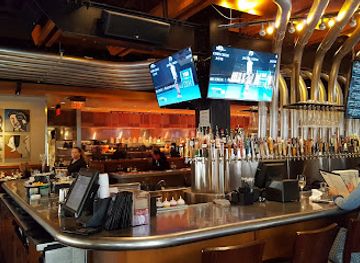
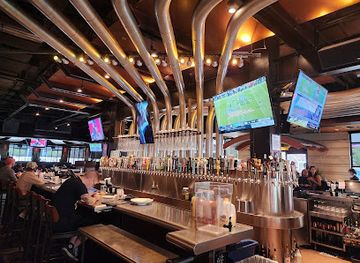
Yard House
Experience culinary delight at Yard House in Glendale's vibrant Sports and Entertainment District with delicious New American cuisine and extensive craft beer selections.
40 min drive · 20 km from city centre
Best bars in Phoenix
Phoenix’s evening scene is concentrated in Downtown, Roosevelt Row, the Warehouse District, Midtown and the Melrose District, with a mix of cocktail bars, breweries, wine venues, live-music rooms and late-night dance spaces. Roosevelt Row combines galleries and public art with informal bars and lounges, while Downtown’s historic buildings host performances, sports crowds and larger entertainment venues. The city’s craft-beer culture is visible in breweries scattered across central neighbourhoods, and live music ranges from touring acts to smaller local performances. Nightlife is generally more dispersed than in a compact historic city, making taxis, app-based rides or a simple district-based plan useful. During hot months, air-conditioned indoor venues provide a more comfortable evening setting, while alcohol service and entry rules follow Arizona law and venue policies.
-
Bar
Yard House
Discover a vibrant dining experience at Yard House in Glendale, where great food meets a lively atmosphere in the heart of the Sports and Entertainment District.
40 min drive · 20 km from city centre
-
Sports bar
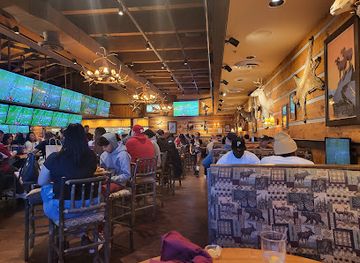
Twin Peaks
Discover Twin Peaks in Glendale, Arizona, where sports, delicious American cuisine, and a lively atmosphere come together for an unforgettable experience.
40 min drive · 20 km from city centre
-
Bar
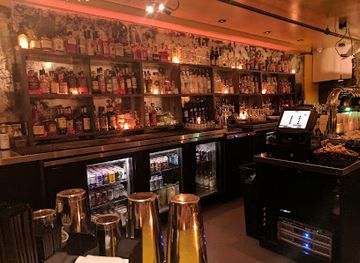
Valley Bar
Discover the energy of Valley Bar in Downtown Phoenix, where live music, delicious Mexican food, and a vibrant lounge atmosphere await.
2 min walk · 0.2 km from city centre
-
Grill
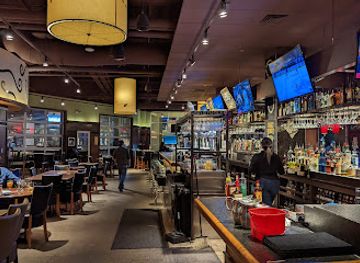
Bar Louie - Westgate Entertainment District
Experience the lively atmosphere of Bar Louie in Glendale, where great food meets creative cocktails in the heart of the Westgate Entertainment District.
40 min drive · 20 km from city centre
Best nightclubs in Phoenix
Phoenix’s evening scene is concentrated in Downtown, Roosevelt Row, the Warehouse District, Midtown and the Melrose District, with a mix of cocktail bars, breweries, wine venues, live-music rooms and late-night dance spaces. Roosevelt Row combines galleries and public art with informal bars and lounges, while Downtown’s historic buildings host performances, sports crowds and larger entertainment venues. The city’s craft-beer culture is visible in breweries scattered across central neighbourhoods, and live music ranges from touring acts to smaller local performances. Nightlife is generally more dispersed than in a compact historic city, making taxis, app-based rides or a simple district-based plan useful. During hot months, air-conditioned indoor venues provide a more comfortable evening setting, while alcohol service and entry rules follow Arizona law and venue policies.
-
Night club
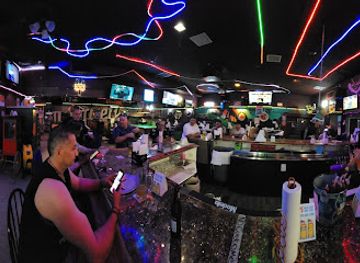
Purple Turtle Sports Bar & Night Club
Discover the vibrant nightlife at Purple Turtle Sports Bar & Night Club in Phoenix, AZ, where delicious food and exhilarating entertainment collide.
30 min drive · 10 km from city centre
-
Sports bar
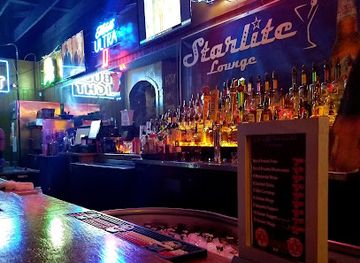
Starlite Lounge
Discover Starlite Lounge in Glendale, AZ - an exciting sports bar with live music, delicious food, and a lively atmosphere for all sports fans.
35 min drive · 15 km from city centre
-
Night club
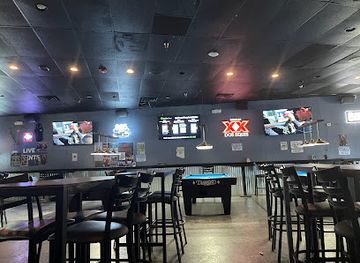
The 44 Sports Grill & Nightlife
Discover the ultimate nightlife experience in Glendale at The 44 Sports Grill, where great food, live music, and fun await!
37 min drive · 17 km from city centre
-
Night club
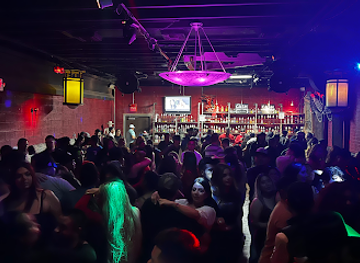
Dwntwn
Discover the heart of Phoenix nightlife at Dwntwn, where music, drinks, and unforgettable memories await in a vibrant atmosphere.
10 min walk · 0.8 km from city centre
Best shops in Phoenix
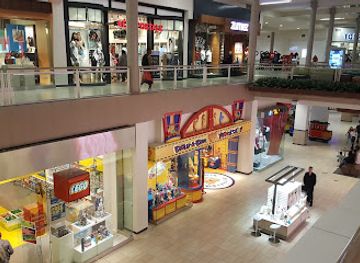
Shopping in Phoenix ranges from independent central-city boutiques to large suburban retail complexes and specialist markets. Roosevelt Row and the adjacent Downtown districts are associated with galleries, design-led shops, local fashion and art connected to the area’s creative community. The Melrose District offers independent retailers and vintage-oriented businesses along Central Avenue, while neighbourhood farmers’ markets provide seasonal produce, prepared foods and locally made goods when operating. Visitors seeking regional products can look for Arizona-grown citrus, sauces, spices, coffee, craft beer, Native-designed art and responsibly sourced Southwestern crafts rather than generic souvenirs. The Heard Museum’s shop is a useful place to browse Indigenous art and design with attention to provenance. Phoenix’s retail geography is spread out, so shopping areas are often best combined with nearby museums, restaurants or cultural districts rather than explored as one continuous centre.
-
Shopping mall
Tempe Marketplace
Experience the ultimate shopping and entertainment destination at Tempe Marketplace, where retail and leisure come together in Arizona's vibrant heart.
36 min drive · 16 km from city centre
-
Shopping mall
Scottsdale Fashion Square
Discover Scottsdale Fashion Square, the ultimate shopping destination in Arizona, featuring luxury brands, dining, and vibrant events.
35 min drive · 15 km from city centre
-
Shopping mall
Arrowhead Towne Center
Explore Arrowhead Towne Center: A Shopping Paradise in Glendale, AZ with Dining, Entertainment, and Family Fun.
46 min drive · 26 km from city centre
-
Outlet mall
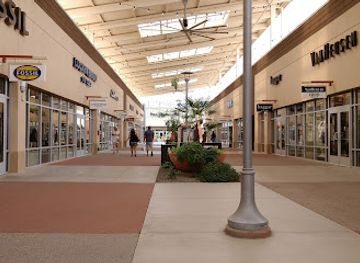
Tanger Outlets Phoenix
Discover unbeatable discounts and a variety of brands at Tanger Outlets Phoenix, a premier shopping destination in Glendale, Arizona.
40 min drive · 20 km from city centre


Get your free copy of our complete guide to Phoenix, delivered straight to you.
Everything on this page, from attractions and restaurants to essentials and local phrases, in one PDF you can read offline, print or share.
Already have an account? Sign in
Your Phoenix guide is ready.
We'll send it to · Not you? Sign out

Getting your guide ready…
We are putting together a fresh copy of the Phoenix guide. This can take up to a minute.
This can take a few moments. If your browser asks, choose Allow so the download can start. You'll find the guide in your Downloads folder.
Nothing happened? Download it again
Sorry, the guide is taking longer than usual. Please try again in a minute, or get it by email instead.
Phoenix essentials
Currency and Payment
Safety
Emergency Situations
Do's and Don'ts
Local Tips
From Eve
Local phrases worth knowing
You don't need to get them perfect. A few words go a long way, and locals appreciate the effort.
Basics
| English | Local | Say it |
|---|---|---|
| Hello | Howdy | [hahw-dee] |
| Goodbye | See ya later | [see yuh lay-ter] |
| Yes | Yep | [yep] |
| No | Nope | [nohp] |
| Please/You're welcome | Please/No worries | [pleez/noh wur-eez] |
| Thank you | Thanks | [thanks] |
| Excuse me/Sorry | Pardon me/My bad | [par-dn me/my bad] |
| How are you? | How ya doin'? | [haw yuh doo-in] |
| Fine. And you? | Great. How 'bout you? | [grayt. how bowt yuh] |
| Do you speak English? | Ya speak English? | [yuh speak ing-glish] |
| I don't understand | I'm lost | [ahm lost] |
Eating & Drinking
| English | Local | Say it |
|---|---|---|
| I'd like to see the menu, please | Menu, please | [men-yoo pleez] |
| I don't eat meat | I'm vegetarian | [ahm veh-juh-tair-ee-an] |
| Cheers! | Cheers! | [cheers] |
| I would like to pay, please | Check, please | [chek pleez] |
Emergencies
| English | Local | Say it |
|---|---|---|
| Help! | Help! | [help] |
| Go away! | Get lost! | [get lost] |
| Call the Police! | Get the cops! | [get the cops] |
| Call a doctor! | Need a doc! | [need uh doc] |
| I'm lost | I'm lost | [ahm lost] |
| I'm ill | I'm sick | [ahm sik] |
Shopping
| English | Local | Say it |
|---|---|---|
| I'd like to buy... | I'm lookin' to buy... | [ahm look-in to buy] |
| I'm just looking | Just browsin' | [just brow-zin] |
| How much is it? | How much? | [how much] |
| That's too expensive | Too pricey | [too pry-see] |
| Can you lower the price? | Can ya do better? | [can yuh doh bet-ter] |
Time & Numbers
| English | Local | Say it |
|---|---|---|
| What time is it? | What time is it? | [what time is it] |
| It's one o'clock | It's one | [its one] |
| Half past (10) | Half past ten | [haff past ten] |
| Morning | Morning | [mor-ning] |
| Afternoon | Afternoon | [after-noon] |
| Evening | Evening | [ee-ven-ing] |
| Yesterday | Yesterday | [yes-ter-day] |
| Today | Today | [toh-day] |
| Tomorrow | Tomorrow | [toh-mor-row] |
| 1 | One | [wun] |
| 2 | Two | [too] |
| 3 | Three | [three] |
| 4 | Four | [four] |
| 5 | Five | [five] |
| 6 | Six | [six] |
| 7 | Seven | [sev-en] |
| 8 | Eight | [ayt] |
| 9 | Nine | [nine] |
| 10 | Ten | [ten] |
Transport & Directions
| English | Local | Say it |
|---|---|---|
| Where's a/the...? | Where's the...? | [wheres the] |
| What's the address? | What's the addy? | [whats the addy] |
| Can you show me (on the map)? | Can ya show me (on the map)? | [can yuh show me (on the map)] |
| When's the next (bus)? | When's the next (bus)? | [whens the next bus] |
| A ticket (to ....) | A ticket (to ....) | [uh ticket (to)] |
History of Phoenix
Hohokam Canals and Desert Settlement
Long before the modern city was established, the Salt River Valley supported complex communities commonly associated with the Hohokam archaeological tradition. From roughly the first millennium CE, these societies developed extensive irrigation canals that carried water from the Salt River across an otherwise arid landscape. Many later canals followed or reused ancient routes, demonstrating the lasting importance of Indigenous engineering to the valley’s settlement history. The Akimel O’odham, or Pima, and other Native peoples maintained deep connections with the river and its surrounding lands. Archaeological remains, including canal traces and village sites, provide evidence of a sophisticated agricultural and trading landscape rather than an empty desert awaiting modern development.
Spanish, Mexican and Territorial Legacies
European exploration and mission activity reached the wider region during the Spanish period, although the Salt River Valley remained shaped primarily by Indigenous communities and later American settlement. Following Mexican independence in 1821, the area formed part of Mexico until the Gadsden Purchase transferred most of present-day southern Arizona to the United States in 1854. The valley’s location became increasingly important during the nineteenth-century expansion of the United States, as military routes, mining activity and agricultural settlement connected central Arizona with the wider Southwest. These overlapping political phases left a complex regional history visible in the cultural landscape and in the continuing significance of Indigenous communities.
The Founding of Phoenix
The modern settlement of Phoenix is generally traced to 1867–68, when Jack Swilling and other settlers recognised the agricultural potential of the Salt River Valley and began restoring irrigation channels. The name Phoenix suggested a settlement rising from the remains of an earlier civilisation, an idea that reflected the visible canal ruins while overlooking the living Indigenous communities whose knowledge had long sustained the valley. Phoenix was incorporated in 1881 and became the capital of the Arizona Territory in 1889. Early growth depended on farming, water management and transport links, while the settlement’s gridded streets and modest commercial core established the framework for the later metropolitan city.
Railways, Statehood and Civic Growth
Rail connections and expanding agricultural markets helped Phoenix develop during the late nineteenth and early twentieth centuries. Cotton, citrus and other crops benefited from irrigation, while businesses and public institutions gathered around the growing town. Arizona became the forty-eighth state of the United States in 1912, and Phoenix continued to strengthen its role as the political and administrative centre of Arizona. Civic buildings, schools and commercial structures gave the city a more substantial urban character. Heritage Square, the Rosson House and the former Arizona State Capitol complex preserve elements of this period, when Phoenix was changing from a territorial settlement into a state capital with regional influence.
War, Air Conditioning and Metropolitan Expansion
The Second World War accelerated Phoenix’s industrial and demographic growth through military facilities, aviation activity and defence-related manufacturing in the wider valley. After the war, improved roads, widespread air conditioning and expanding suburban development made large-scale settlement in the hot desert climate more practical. Agriculture remained important, but manufacturing, government and services increasingly shaped the economy. The metropolitan area spread beyond the historic centre, absorbing or closely linking communities such as Tempe, Mesa and Scottsdale. This period created the extensive urban form familiar today, while also intensifying long-running debates about water supply, land use and the environmental limits of desert growth.
A Contemporary Desert Capital
Phoenix entered the late twentieth and early twenty-first centuries as one of the fastest-growing urban areas in the United States, attracting residents through employment, education and its role as Arizona’s capital. Growth brought expanding arts institutions, professional sports, culinary development and renewed investment in Downtown Phoenix, including Roosevelt Row and the Warehouse District. At the same time, the city has faced major questions about heat, drought, water security and equitable access to shade and public space. Contemporary Phoenix is therefore defined by both expansion and adaptation: a large Southwestern city whose cultural identity, infrastructure and future remain inseparable from the desert environment.
Phoenix in Photos
Browse through our photo collection highlighting the charm and character of the destination.
Cities near Phoenix
The closest cities to Phoenix, if you have time for more than one stop.
-

-

-

-
-


Swipe for more cities
Explore more

Explore more of Arizona
Discover Arizona: From the majestic Grand Canyon and red rocks of Sedona to the vibrant cities of Phoenix and Scottsdale, explore the diverse beauty and culture of the Grand Canyon State.
Explore Arizona