

Free Tempe Travel Guide & Mobile App
Plan your Tempe trip with Evendo. Get free guides to top attractions, restaurants, hotels, and bars. Web access or download the mobile app.


Tempe, Arizona combines ASU culture, desert landscapes, Tempe Town Lake, historic Mill Avenue, arts, dining and outdoor experiences near Phoenix.
Desert Setting and Urban Character
Tempe occupies a compact, energetic corner of the Phoenix metropolitan area in central Arizona, where the Salt River, desert mountains and a major university campus shape the city’s identity. Arizona State University gives the centre a youthful, international atmosphere, while the pedestrian-friendly streets around Mill Avenue bring together independent shops, cafés, restaurants, galleries and live entertainment. Beyond the urban districts, palm-lined paths, dry hills and broad desert skies create an outdoor character that is distinctly Sonoran.Read more about Tempe
Water, Walking and Public Life
Culture and Local Heritage
When is the best time to visit Tempe?
Best: March–April, November · 24–30°C| Month | High (°C) | Rainfall (mm) |
|---|---|---|
| January | 18 | 20 |
| February | 20 | 18 |
| March (best) | 25 | 16 |
| April (best) | 30 | 8 |
| May | 36 | 4 |
| June | 42 | 1 |
| July | 44 | 24 |
| August | 43 | 25 |
| September | 39 | 20 |
| October | 32 | 13 |
| November (best) | 24 | 17 |
| December | 17 | 19 |
Getting to and around Tempe
How to get there
Transportation
Best attractions in Tempe
Tempe Town Lake is the city’s principal recreational attraction, with paved paths, bridges, parks and views towards the surrounding desert mountains. Beside it, Tempe Beach Park provides open space for events and riverside walks, while the Tempe Center for the Arts presents exhibitions and performances in a striking contemporary building. Downtown’s Mill Avenue is the liveliest district for strolling between historic façades, independent businesses, restaurants and university activity. Hayden Butte Preserve, marked by the large white “A” above the centre, offers a short uphill desert hike and a broad outlook across the Salt River Valley. Arizona State University adds cultural stops including the ASU Art Museum, with collections and exhibitions that extend beyond the campus itself. The Tempe History Museum provides a more focused introduction to local development, community life and the institutions that shaped the city.
-
Botanical garden
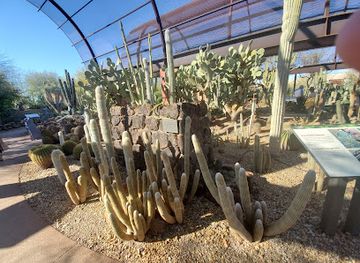
Desert Botanical Garden
Explore the Desert Botanical Garden in Phoenix, AZ—an enchanting oasis showcasing thousands of desert plants and unique exhibits in a serene setting.
12 min drive · 4.0 km from city centre
-
Botanical garden
Desert Botanical Garden
Discover the beauty of the Desert Botanical Garden in Phoenix, AZ, showcasing stunning desert flora and unique art installations in a serene setting.
12 min drive · 4.0 km from city centre
-
Tourist attraction
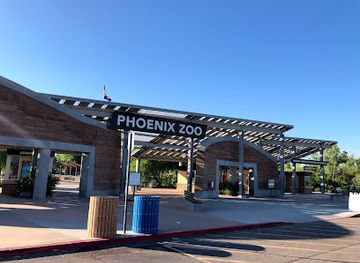
Phoenix Zoo
Discover the Phoenix Zoo: A vibrant wildlife sanctuary showcasing over 1,400 animals and dedicated to conservation and education in the heart of Arizona.
8 min drive · 2.8 km from city centre
-
Tourist attraction
Phoenix Zoo
Explore the Phoenix Zoo, a top tourist attraction in Arizona, home to over 1,400 animals and dedicated to wildlife conservation.
8 min drive · 2.8 km from city centre


Best landmarks in Tempe
Hayden Butte, or “A” Mountain, is Tempe’s most recognisable natural landmark and a powerful symbol of the city’s relationship with its desert terrain and university community. At its foot, the Hayden Flour Mill survives as a reminder of Charles Trumbull Hayden’s nineteenth-century commercial enterprise and the settlement that grew around his ferry across the Salt River. Arizona State University’s Old Main represents the institution’s origins as a territorial teacher-training school, while Hayden House preserves another part of the city’s early settler-era history. Tempe Town Lake, though a modern landscape rather than an old monument, has become a defining civic landmark through its bridges, parks and river corridor. The Tempe Center for the Arts adds a contemporary architectural presence, linking the city’s cultural life with the water and the downtown skyline.
-
Hiking area
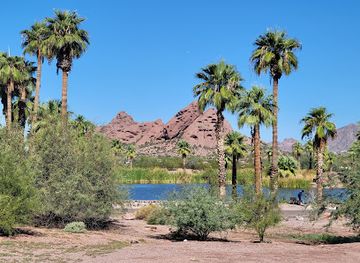
Hole in the Rock
Explore a prehistoric landmark in Papago Park with stunning city views, hiking trails, and a glimpse into ancient Hohokam history.
10 min drive · 3.5 km from city centre
-
Park
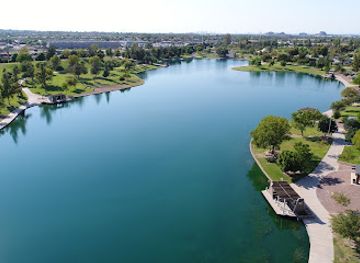
Kiwanis Park
Escape to Kiwanis Park in Tempe: a 125-acre urban oasis with a lake, wave pool, sports, and endless recreation for all ages!
18 min drive · 6.0 km from city centre
-
Performing arts theater
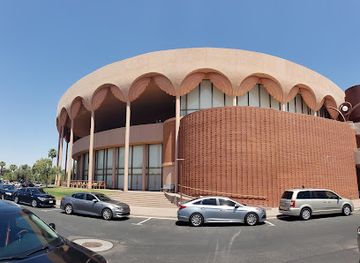
ASU Gammage
Discover the architectural wonder of ASU Gammage in Tempe, a premier theater for unforgettable performances and cultural experiences.
13 min walk · 1.0 km from city centre
-
Aquarium
SEA LIFE Arizona Aquarium
Discover the enchanting marine life at SEA LIFE Arizona Aquarium, a family-friendly attraction in Tempe with immersive exhibits and interactive experiences.
15 min drive · 5.0 km from city centre
Explore Tempe on the map
Plan your Tempe trip on one map. See where the top attractions, landmarks, restaurants, bars and hotels are, find what's near where you're staying, and book hotels and experiences in a few clicks.
Neighbourhoods in Tempe
-

-

-


Swipe for more neighbourhoods
Best hotels in Tempe
Best restaurants in Tempe
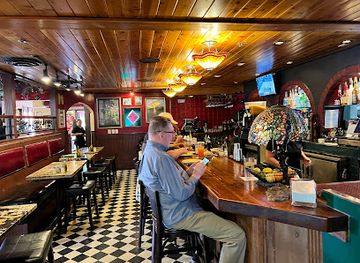
Tempe’s dining scene reflects its university population, its position in the Phoenix metropolitan area and the culinary traditions of the wider Sonoran Desert region. Around Mill Avenue and the ASU campus, visitors find casual cafés, pizza, burgers, international food, vegetarian options and late-opening student-oriented eateries, while Apache Boulevard and neighbouring commercial areas add Mexican, Asian, Middle Eastern and other global cuisines. Sonoran-style Mexican cooking is an important regional influence, with flour tortillas, grilled meats, tacos and generously filled burritos appearing across the valley; menus vary considerably between establishments. Tempe Marketplace provides a concentrated mix of national and independent dining, whereas downtown offers a more walkable evening scene. Coffee shops, bakeries, breweries and contemporary restaurants contribute to the city’s youthful character without replacing the inexpensive, informal food culture associated with a major university district.
-
American
Culinary Dropout
Experience the vibrant culinary scene at Culinary Dropout in Tempe - where modern American cuisine meets live music in an inviting atmosphere.
7 min walk · 0.5 km from city centre
-
Hamburger
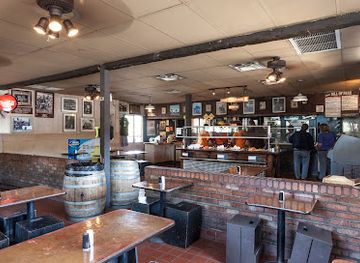
The Chuckbox
Savor delicious grilled burgers at The Chuckbox in Tempe - where flavor meets affordability in a family-friendly atmosphere.
6 min walk · 0.5 km from city centre
-
Italian
RigaTony's Authentic Italian Restaurant
Experience the essence of Italy at RigaTony's Authentic Italian Restaurant in Tempe – where every meal feels like a family gathering.
30 min drive · 10 km from city centre
-
Restaurant
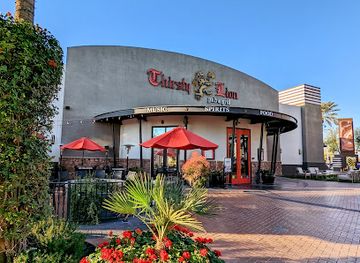
Thirsty Lion Gastropub & Grill
Discover the vibrant flavors of Thirsty Lion Gastropub & Grill in Tempe - where classic meets contemporary in a lively setting.
10 min drive · 3.3 km from city centre
Best bars in Tempe
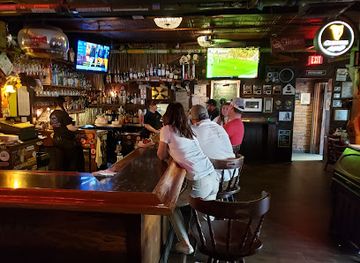
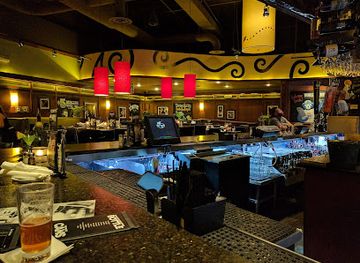
Tempe’s evening life is concentrated around Mill Avenue, where university crowds, local residents and visitors share a dense strip of bars, casual venues, live music and late-night food. The atmosphere ranges from relaxed patios and craft-beverage establishments to louder sports bars and dance-oriented venues, with the tone changing according to the academic calendar, concerts and Arizona State events. Downtown and the area around Tempe Town Lake also offer cocktail bars, hotel lounges and restaurants suited to a quieter evening, while the Tempe Center for the Arts provides performances and cultural programming rather than club nightlife. Apache Boulevard has additional bars and entertainment venues along a more dispersed commercial corridor. Visitors should carry accepted identification, follow venue rules and arrange transport responsibly, particularly after drinking or during large university events.
-
Bar
Casey Moore's Oyster House
Discover Casey Moore's Oyster House – a seafood paradise in Tempe, Arizona, blending European flavors with a vibrant bar atmosphere.
7 min walk · 0.6 km from city centre
-
Bar
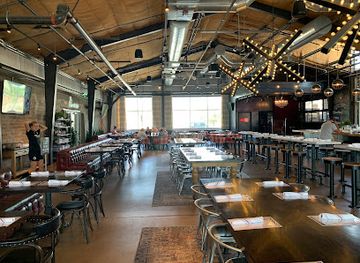
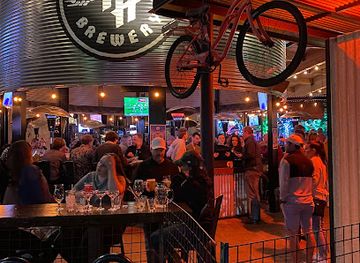
Pedal Haus Brewery
Discover the vibrant Pedal Haus Brewery: a perfect blend of craft beer, delicious food, and lively atmosphere in Tempe, Arizona.
4 min walk · 0.3 km from city centre
-
Grill
Bar Louie - Tempe Marketplace
Experience the vibrant flavors of Bar Louie - Tempe Marketplace, a perfect blend of American cuisine and lively atmosphere for every traveler.
11 min drive · 3.7 km from city centre
-
Bar
Yucca Tap Room
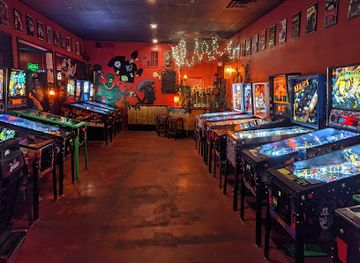
Discover the vibrant Yucca Tap Room in Tempe, where live music, delicious food, and an arcade create an unforgettable experience.
11 min drive · 3.7 km from city centre
Best nightclubs in Tempe
Tempe’s evening life is concentrated around Mill Avenue, where university crowds, local residents and visitors share a dense strip of bars, casual venues, live music and late-night food. The atmosphere ranges from relaxed patios and craft-beverage establishments to louder sports bars and dance-oriented venues, with the tone changing according to the academic calendar, concerts and Arizona State events. Downtown and the area around Tempe Town Lake also offer cocktail bars, hotel lounges and restaurants suited to a quieter evening, while the Tempe Center for the Arts provides performances and cultural programming rather than club nightlife. Apache Boulevard has additional bars and entertainment venues along a more dispersed commercial corridor. Visitors should carry accepted identification, follow venue rules and arrange transport responsibly, particularly after drinking or during large university events.
-
Night club
Mill Cue Club
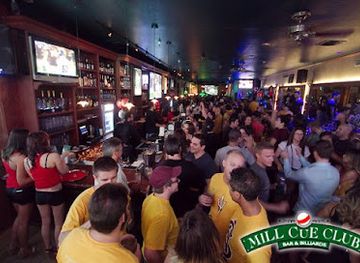
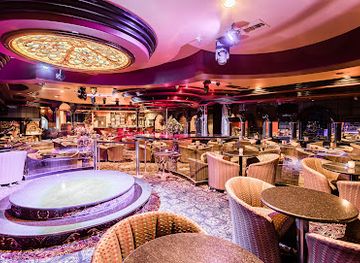
Discover the ultimate nightlife experience at Mill Cue Club, a premier night club and pool hall in Tempe, Arizona, perfect for socializing and entertainment.
2 min walk · 0.2 km from city centre
-
Lounge
Skysill Rooftop Lounge
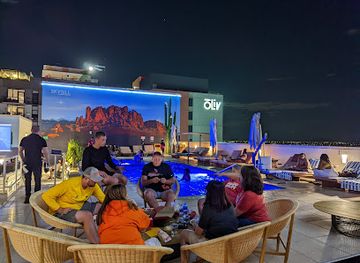
Discover Tempe's premier rooftop lounge with breathtaking views, delicious cocktails, and vibrant nightlife at Skysill Rooftop Lounge.
4 min walk · 0.3 km from city centre
-
Night club
Christie's Cabaret Tempe
Discover the ultimate nightlife experience at Christie's Cabaret Tempe, where entertainment, delicious food, and great drinks come together.
18 min drive · 5.9 km from city centre
-
Night club
Zuma
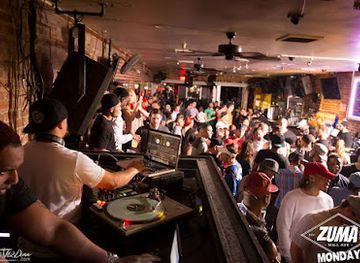
Discover the vibrant nightlife at Zuma in Tempe, where great food, drinks, and entertainment come together for an unforgettable experience.
2 min walk · 0.2 km from city centre
Best shops in Tempe
Mill Avenue is Tempe’s most distinctive shopping street, combining independent boutiques, book and gift shops, university-oriented retailers, cafés and businesses in a walkable downtown setting. Arizona State University’s campus adds bookstores and shops serving students, while the surrounding streets offer locally made gifts, clothing, art and practical travel purchases rather than a single traditional market district. Tempe Marketplace, east of the central area, provides a larger open-air retail and dining environment with national brands and entertainment. Visitors interested in Arizona products can look for regional foods, desert-themed artwork, jewellery, ceramics and textiles, bearing in mind that authenticity and local production vary between sellers. The Tempe Farmers Market and other seasonal markets may provide locally grown food and artisan goods when operating, but schedules are subject to change. The city’s shopping character is contemporary and youthful, with local independent retail strongest around downtown.
-
Shopping mall
Tempe Marketplace
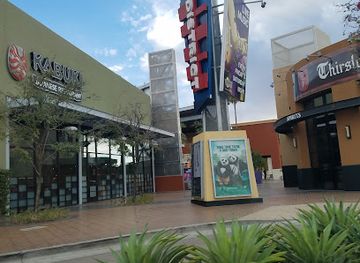
Explore Tempe Marketplace, a vibrant shopping mall in Arizona offering diverse shops, delicious dining, and lively entertainment for every traveler.
11 min drive · 3.7 km from city centre
-
Shopping mall
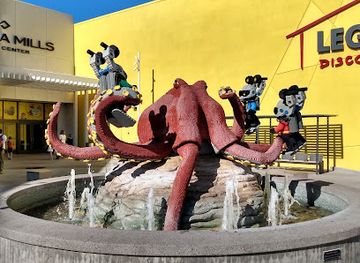
Arizona Mills
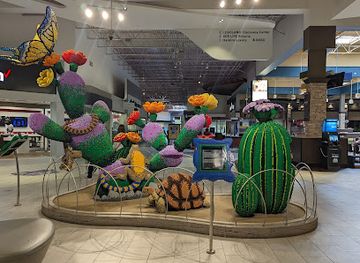
Explore Arizona Mills, your ultimate shopping, dining, and entertainment destination in Tempe, Arizona, featuring over 185 stores and unique attractions.
16 min drive · 5.2 km from city centre
-
Shopping mall
Scottsdale Fashion Square
Explore Scottsdale Fashion Square, Arizona's premier shopping destination offering luxury brands, exquisite dining, and a vibrant atmosphere for all tourists.
26 min drive · 8.7 km from city centre
-
Shopping mall
Centerpoint on Mill
Discover the vibrant Centerpoint on Mill in Tempe, AZ, where shopping, dining, and entertainment come together in a lively atmosphere.
4 min walk · 0.3 km from city centre

Get your free copy of our complete guide to Tempe, delivered straight to you.
Everything on this page, from attractions and restaurants to essentials and local phrases, in one PDF you can read offline, print or share.
Already have an account? Sign in
Your Tempe guide is ready.
We'll send it to · Not you? Sign out

Getting your guide ready…
We are putting together a fresh copy of the Tempe guide. This can take up to a minute.
This can take a few moments. If your browser asks, choose Allow so the download can start. You'll find the guide in your Downloads folder.
Nothing happened? Download it again
Sorry, the guide is taking longer than usual. Please try again in a minute, or get it by email instead.
Tempe essentials
Currency and Payment
Safety
Emergency Situations
Do's and Don'ts
Local Tips
From Eve
Local phrases worth knowing
You don't need to get them perfect. A few words go a long way, and locals appreciate the effort.
Basics
| English | Local | Say it |
|---|---|---|
| Hello | Howdy | [haʊdi] |
| Goodbye | Catch you later | [kæʧ ju ˈleɪtər] |
| Yes | Yep | [jɛp] |
| No | Nope | [noʊp] |
| Please/You're welcome | Please/No worries | [pliːz/nəʊ ˈwʌriz] |
| Thank you | Thanks a bunch | [θæŋks ə bʌnʧ] |
| Excuse me/Sorry | Pardon me/My bad | [pɑːrdn miː/maɪ bæd] |
| How are you? | How's it hangin'? | [haʊz ɪt ˈhæŋɪn] |
| Fine. And you? | Just peachy. You? | [dʒʌst ˈpiːʧi juː] |
| Do you speak English? | Ya speak English? | [jə spiːk ˈɪŋɡlɪʃ] |
| I don't understand | I'm lost | [aɪm lɔːst] |
Eating & Drinking
| English | Local | Say it |
|---|---|---|
| I'd like to see the menu, please | Can I check out the grub list? | [kæn aɪ tʃɛk aʊt ðə ɡrʌb lɪst] |
| I don't eat meat | I'm veggie | [aɪm ˈvɛdʒi] |
| Cheers! | Bottoms up! | [ˈbɑtəmz ʌp] |
| I would like to pay, please | I'll settle up, thanks | [aɪl ˈsɛtəl ʌp θæŋks] |
Emergencies
| English | Local | Say it |
|---|---|---|
| Help! | I need a hand! | [aɪ niːd ə hænd] |
| Go away! | Scram! | [skræm] |
| Call the Police! | Dial 911! | [daɪəl naɪn wʌn wʌn] |
| Call a doctor! | Get a doc! | [ɡɛt ə dɑk] |
| I'm lost | I'm off the grid | [aɪm ɔf ðə ɡrɪd] |
| I'm ill | I'm under the weather | [aɪm ˈʌndər ðə ˈwɛðər] |
Shopping
| English | Local | Say it |
|---|---|---|
| I'd like to buy... | I'm lookin' to snag... | [aɪm ˈlʊkɪn tə snæɡ] |
| I'm just looking | Just browsin' | [dʒʌst ˈbraʊzɪn] |
| How much is it? | What's the damage? | [wɑːts ðə ˈdæmɪdʒ] |
| That's too expensive | That's a rip-off | [ðæts ə rɪp-ɔf] |
| Can you lower the price? | Can you cut me a deal? | [kæn juː kʌt miː ə diːl] |
Time & Numbers
| English | Local | Say it |
|---|---|---|
| What time is it? | What's the time? | [wɑːts ðə taɪm] |
| It's one o'clock | It's one | [ɪts wʌn] |
| Half past (10) | Ten-thirty | [tɛn-ˈθɜːrti] |
| Morning | Mornin' | [ˈmɔrnɪn] |
| Afternoon | Arvo | [ˈɑːvoʊ] |
| Evening | Evenin' | [ˈivnɪn] |
| Yesterday | Yest'rday | [ˈjɛstərˌdeɪ] |
| Today | Today | [təˈdeɪ] |
| Tomorrow | Tomorra | [təˈmɔrə] |
| 1 | One | [wʌn] |
| 2 | Two | [tuː] |
| 3 | Three | [θriː] |
| 4 | Four | [fɔːr] |
| 5 | Five | [faɪv] |
| 6 | Six | [sɪks] |
| 7 | Seven | [ˈsɛvən] |
| 8 | Eight | [eɪt] |
| 9 | Nine | [naɪn] |
| 10 | Ten | [tɛn] |
Transport & Directions
| English | Local | Say it |
|---|---|---|
| Where's a/the...? | Where's the... | [wɛəz ðə] |
| What's the address? | Where am I headin'? | [wɛər æm aɪ ˈhɛdɪn] |
| Can you show me (on the map)? | Can you point me the way (on the map)? | [kæn juː pɔɪnt miː ðə weɪ (ɒn ðə mæp)] |
| When's the next (bus)? | When's the next ride? | [wɛnz ðə nɛkst raɪd] |
| A ticket (to ....) | A pass (to ...) | [ə pæs (tu ...)] |
History of Tempe
Hohokam Irrigation and Salt River Life
Long before Tempe was incorporated, Hohokam communities lived in the Salt River Valley and developed sophisticated irrigation networks that supported agriculture in the arid landscape. Their canal systems influenced later settlement patterns and remain part of the deeper archaeological context of central Arizona. The term Hohokam is used by archaeologists for a prehistoric cultural tradition rather than a single known political state, and many details of these communities continue to be interpreted through archaeological evidence. Tempe’s location beside the river and near ancient canal routes explains its enduring importance as a place where water could be managed, cultivated land could be created and movement across the valley could be organised.
Hayden’s Ferry and Early Settlement
Euro-American settlement expanded in the area after Charles Trumbull Hayden established a ferry across the Salt River in 1871. His operation connected communities on opposite sides of the river and developed into a trading post, flour mill and wider commercial enterprise. Hayden’s activities helped establish the settlement that became Tempe, while the name is commonly associated with an ancient Greek landscape suggested by settler Darrell Duppa, a reference to the valley’s river and surrounding terrain. The Hayden family’s buildings and enterprises anchored early civic and economic life, making the river crossing more than a transport point: it became the foundation for a permanent town.
Incorporation and Agricultural Growth
Tempe was incorporated as a town in 1894, during a period when irrigation, farming and regional transport were transforming the Salt River Valley. Agriculture depended on canal water and produced crops suited to the warm climate, while the arrival of the railway in the late nineteenth century strengthened connections with Phoenix and other settlements. The town’s economy developed around farming, milling, commerce and services rather than heavy industry. Historic remnants associated with the Hayden family and the old commercial centre reflect this formative period, when Tempe’s position beside the river and transport routes helped it grow from a rural settlement into an established community.
Education Takes Root
Education became central to Tempe’s civic identity when the Territorial Normal School opened in 1885. It was established to train teachers for Arizona’s developing school system and later evolved through several institutional forms into Arizona State University. The campus expanded from a small teacher-training institution into a major public research university, bringing students, scholars, cultural facilities and international connections to the city. Buildings such as Old Main preserve part of this educational history, while the university’s museums, performance spaces and public events continue to shape Tempe’s cultural life and urban geography.
Modernisation in the Salt River Valley
During the twentieth century, Tempe changed as the Phoenix metropolitan area grew, roads and motor travel expanded, and agricultural land gave way to residential, commercial and institutional development. Arizona State University became a major engine of population growth and innovation, while post-war suburbanisation extended the city beyond its historic centre. The construction of Tempe Town Lake in the late twentieth century transformed a section of the Salt River corridor into a recreational and civic landscape, adding paths, parks, offices and cultural venues. This shift connected Tempe’s river heritage with a modern metropolitan economy without erasing the importance of its original crossing and downtown streets.
A Contemporary University City
In the twenty-first century, Tempe has developed a recognisable identity within the Phoenix metropolitan region as a university city with strong connections to technology, arts, sport and outdoor recreation. Downtown revitalisation around Mill Avenue, continued investment near Tempe Town Lake and the growth of Arizona State University have brought new buildings and activities alongside older landmarks. The city’s contemporary character is therefore layered rather than uniform: Hohokam irrigation landscapes, nineteenth-century settlement, teacher-training heritage, desert recreation and a global student population all contribute to the way Tempe is experienced today.
Tempe in Photos
Browse through our photo collection highlighting the charm and character of the destination.
Cities near Tempe
The closest cities to Tempe, if you have time for more than one stop.
-

-

-

-
-


Swipe for more cities
Explore more

Explore more of Arizona
Discover Arizona: From the majestic Grand Canyon and red rocks of Sedona to the vibrant cities of Phoenix and Scottsdale, explore the diverse beauty and culture of the Grand Canyon State.
Explore Arizona