

Free Scottsdale Travel Guide & Mobile App
Plan your Scottsdale trip with Evendo. Get free guides to top attractions, restaurants, hotels, and bars. Web access or download the mobile app.


Scottsdale, Arizona blends desert scenery, Old West heritage, art galleries, golf, fine dining and outdoor adventures beside the McDowell Mountains.
Sonoran Desert Setting
Scottsdale lies in central Arizona’s Salt River Valley, immediately east of Phoenix and beneath the rugged McDowell Mountains. Its landscape is defined by the Sonoran Desert, where tall saguaro cacti rise among palo verde trees, creosote and rocky hillsides. The McDowell Sonoran Preserve places this distinctive terrain close to the city, with trails leading through washes, foothills and open desert rather than manicured parkland. Winter brings particularly comfortable conditions for walking and cycling, while summer’s intense heat shapes the rhythm of daily life.Read more about Scottsdale
Old Town and Contemporary Culture
When is the best time to visit Scottsdale?
Best: March–April, November · 24–30°C| Month | High (°C) | Rainfall (mm) |
|---|---|---|
| January | 18 | 23 |
| February | 20 | 19 |
| March (best) | 24 | 14 |
| April (best) | 30 | 6 |
| May | 35 | 3 |
| June | 40 | 2 |
| July | 43 | 26 |
| August | 42 | 28 |
| September | 39 | 20 |
| October | 33 | 15 |
| November (best) | 24 | 18 |
| December | 18 | 25 |
Getting to and around Scottsdale
How to get there
Transportation
Best attractions in Scottsdale
Scottsdale’s attractions range from desert trails to museums and architectural landmarks. The McDowell Sonoran Preserve offers an extensive network of paths through washes, foothills and cactus-filled terrain, with trailheads leading into some of the city’s most characteristic landscapes. In Old Town, Western Spirit: Scottsdale’s Museum of the West presents art, objects and stories connected with the American West, while the Scottsdale Museum of Contemporary Art occupies a former movie theatre and stages changing exhibitions in a striking modern setting. Scottsdale Civic Center provides lawns, public art and a central gathering space near the city’s cultural institutions. Taliesin West, Frank Lloyd Wright’s former winter home and studio, reveals how architecture can respond to desert light, stone and open horizons. Scottsdale Fashion Square supplies a contrasting indoor attraction, combining major retail with restaurants and entertainment in the city’s commercial core.
-
Botanical garden
Desert Botanical Garden
Discover the enchanting landscapes and diverse plant life at the Desert Botanical Garden in Phoenix, a perfect escape for nature lovers and tourists.
12 min drive · 4.0 km from city centre
-
Zoo
Phoenix Zoo
Discover the captivating wildlife and engaging exhibits at Phoenix Zoo, a top tourist attraction in Arizona, perfect for families and animal lovers alike.
16 min drive · 5.3 km from city centre
-
Stadium
Chase Field
Experience the thrill of Major League Baseball at Chase Field, a premier stadium in Downtown Phoenix with exciting events and delicious local cuisine.
34 min drive · 14 km from city centre
-
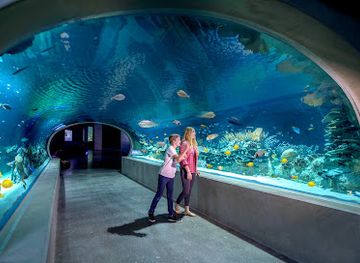
Aquarium
OdySea Aquarium
Explore the diverse marine life at OdySea Aquarium in Scottsdale, Arizona, where adventure meets education in an unforgettable aquatic experience.
24 min drive · 8.1 km from city centre


Best landmarks in Scottsdale
Scottsdale’s most significant landmarks express its links with architecture, Western history and the desert environment. Taliesin West is the city’s defining architectural site, the former winter home and studio complex created by Frank Lloyd Wright and his fellowship in response to the surrounding foothills. In Old Town, the Little Red Schoolhouse preserves a modest early civic building associated with Scottsdale’s settlement period, while the Old Adobe Mission reflects the community’s historic religious and social life. Scottsdale Civic Center forms a more recent civic landmark through its open design, public art and cultural buildings, including the Scottsdale Museum of Contemporary Art. The Scottsdale Waterfront and Soleri Bridge provide a contemporary urban counterpoint, with Paolo Soleri’s design introducing sculptural forms and shade structures beside the Arizona Canal. Together these places chart the city’s movement from agricultural settlement to cultural and resort centre.
-
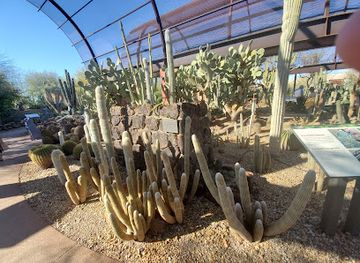
Botanical garden
Desert Botanical Garden
Discover the beauty and diversity of desert plants at Phoenix's Desert Botanical Garden, a living museum in Papago Park.
12 min drive · 4.0 km from city centre
-
Aquarium
OdySea Aquarium
Explore the depths of the ocean in the Arizona desert at OdySea Aquarium, home to thousands of marine animals and interactive exhibits.
24 min drive · 8.1 km from city centre
-
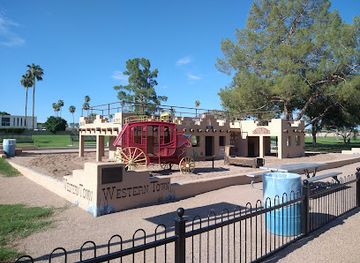
Park
McCormick-Stillman Railroad Park
Discover railroad history and family fun at Scottsdale's McCormick-Stillman Railroad Park, featuring train rides, museums, and playgrounds.
14 min drive · 4.8 km from city centre
-
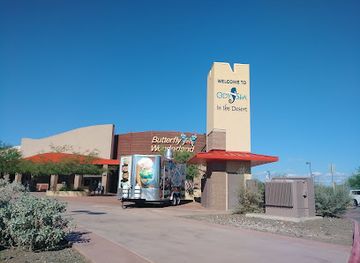
Tourist attraction
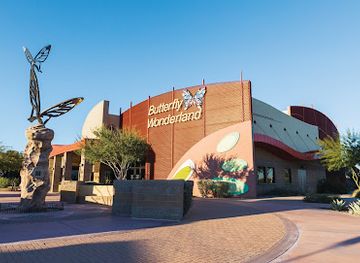
Butterfly Wonderland
Immerse yourself in the breathtaking beauty of Butterfly Wonderland in Scottsdale, Arizona, where thousands of butterflies create a magical wildlife experience.
25 min drive · 8.2 km from city centre
Explore Scottsdale on the map
Plan your Scottsdale trip on one map. See where the top attractions, landmarks, restaurants, bars and hotels are, find what's near where you're staying, and book hotels and experiences in a few clicks.
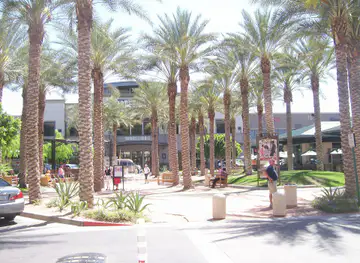
Neighbourhoods in Scottsdale
-
-

-

-


Swipe for more neighbourhoods
Best hotels in Scottsdale
Best restaurants in Scottsdale
Scottsdale’s dining scene reflects the wider flavours of the Southwest, combining Sonoran Mexican cooking, American ranch traditions, Native ingredients and contemporary desert-inspired cuisine. Menus may feature tacos, tamales, enchiladas, mesquite-grilled meats, prickly pear, local chiles and other ingredients associated with Arizona’s arid environment, while bakeries and cafés provide lighter options for the city’s early-rising hikers and golfers. Old Town has a dense concentration of restaurants, cocktail-led dining rooms and casual eateries, with further choices around Scottsdale Fashion Square and North Scottsdale’s resort corridors. Food halls, farmers’ markets and independent cafés add variety, although market schedules can be seasonal. Fine dining is well represented, but the most revealing meals can also come from informal Mexican restaurants and long-established local establishments where regional flavours are served without ceremony.
-
American
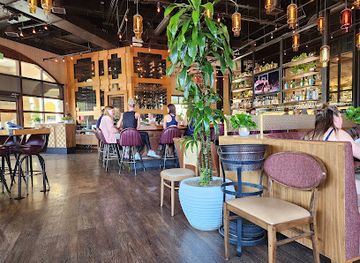
Olive & Ivy
Experience the vibrant culinary scene at Olive & Ivy in Scottsdale with diverse American and Mediterranean flavors in a lively atmosphere.
9 min walk · 0.7 km from city centre
-
Persian
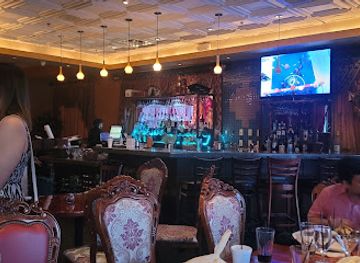
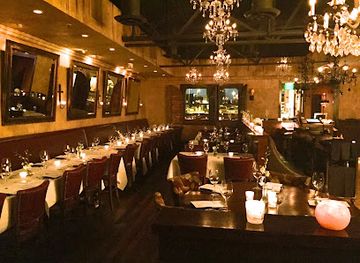
Persian Room Fine Dining
Discover exquisite Persian cuisine at Persian Room Fine Dining in Scottsdale - where tradition meets luxury in every bite.
36 min drive · 16 km from city centre
-
Restaurant
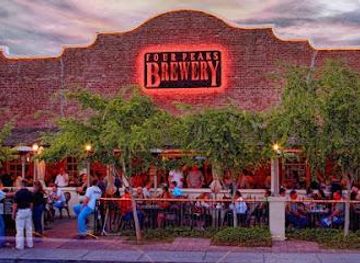
Four Peaks Brewing Company
Historic Tempe brewpub in a 130-year-old creamery pouring Four Peaks classics like Kilt Lifter amid lively patios, hearty pub fare, and sunny Arizona vibes.
25 min drive · 8.3 km from city centre
-
Latin American
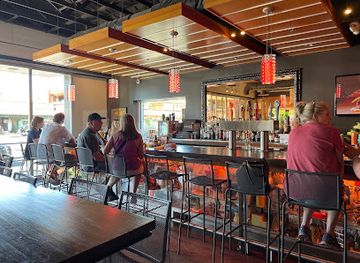
The Mission Old Town
Experience the vibrant flavors of Latin American cuisine at The Mission Old Town in Scottsdale - where every dish tells a story.
4 min walk · 0.3 km from city centre
Best bars in Scottsdale
Scottsdale’s evening life is concentrated around Old Town, where cocktail lounges, wine bars, sports bars, live-music venues and late-night clubs occupy a compact area of streets and converted historic buildings. The atmosphere ranges from relaxed outdoor patios and polished hotel bars to energetic weekend venues catering to visitors and metropolitan residents. North Scottsdale has a more resort-oriented night scene, with restaurant bars and lounges rather than a continuous pedestrian entertainment district. Evening cultural options include exhibitions, performances and events at venues around Scottsdale Civic Center, although programming varies. Arizona’s heat makes shaded patios and air-conditioned interiors particularly important for much of the year, while responsible rideshare or taxi use is sensible when moving between dispersed districts after drinking.
-
Restaurant
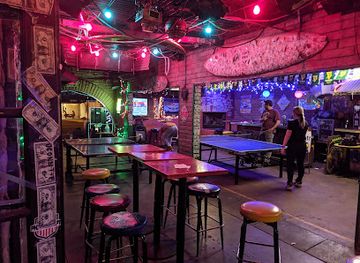
HULA'S Modern Tiki Scottsdale
Discover the tropical charm of HULA'S Modern Tiki Scottsdale, where Hawaiian flavors meet vibrant cocktails in a festive atmosphere.
1 min walk · 0.1 km from city centre
-
Lounge
Pattie's First Avenue Lounge
Discover the charming Pattie's First Avenue Lounge in Downtown Scottsdale, where expertly crafted cocktails and a cozy ambiance await you.
1 min walk · 0.1 km from city centre
-
Bar
Boondocks Patio & Grill Scottsdale
Discover the energetic atmosphere of Boondocks Patio & Grill in Scottsdale, where delicious food, exciting cocktails, and live music await.
11 min walk · 0.9 km from city centre
-
Bar
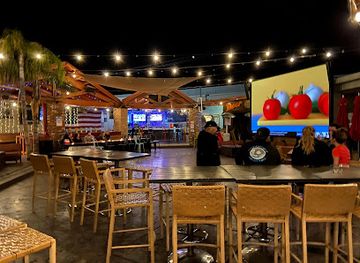
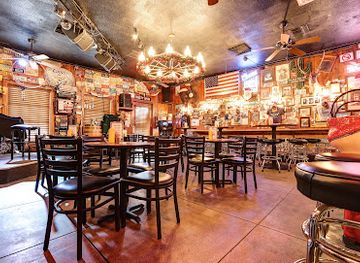
Rusty Spur Saloon
Experience the Old West at Rusty Spur Saloon in Scottsdale: a lively bar with great drinks, live music, and a vibrant atmosphere.
3 min walk · 0.2 km from city centre
Best nightclubs in Scottsdale
Scottsdale’s evening life is concentrated around Old Town, where cocktail lounges, wine bars, sports bars, live-music venues and late-night clubs occupy a compact area of streets and converted historic buildings. The atmosphere ranges from relaxed outdoor patios and polished hotel bars to energetic weekend venues catering to visitors and metropolitan residents. North Scottsdale has a more resort-oriented night scene, with restaurant bars and lounges rather than a continuous pedestrian entertainment district. Evening cultural options include exhibitions, performances and events at venues around Scottsdale Civic Center, although programming varies. Arizona’s heat makes shaded patios and air-conditioned interiors particularly important for much of the year, while responsible rideshare or taxi use is sensible when moving between dispersed districts after drinking.
-
Night club
Wasted Grain
Experience Scottsdale's nightlife at Wasted Grain, where vibrant music, delicious dining, and an energetic bar atmosphere create unforgettable moments.
8 min walk · 0.6 km from city centre
-
Night club
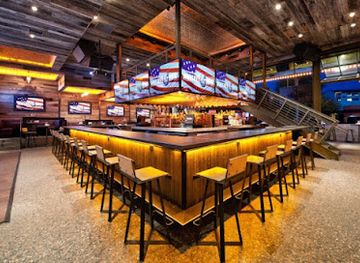
Dierks Bentley's Whiskey Row
Dierks Bentley's Whiskey Row: A premier nightlife venue in Scottsdale with live music, delicious American cuisine, and a vibrant dance atmosphere.
11 min walk · 0.9 km from city centre
-
Night club
Bottled Blonde
Experience the vibrant nightlife of Scottsdale at Bottled Blonde, where great food, drinks, and entertainment come together in a lively atmosphere.
11 min walk · 0.9 km from city centre
-
Night club
Maya Dayclub
Dive into Scottsdale's vibrant nightlife at Maya Dayclub, where sun-soaked relaxation meets electrifying music and unforgettable experiences.
11 min walk · 0.9 km from city centre



Best shops in Scottsdale
Shopping in Scottsdale ranges from galleries and independent boutiques in Old Town to large-scale retail at Scottsdale Fashion Square. The historic centre is particularly associated with Western art, jewellery, Native-inspired design, contemporary work, antiques and locally made objects, although buyers should distinguish authentic provenance from generic Southwestern styling. Scottsdale ArtWalk, traditionally held along Main Street and nearby gallery streets, has helped establish the area as a destination for evening browsing when scheduled. Farmers’ markets and specialist food shops offer seasonal produce and regional products, while North Scottsdale and Kierland Commons provide a more modern mix of fashion, dining and lifestyle retailers. Suitable souvenirs include Arizona food products, desert-themed ceramics and responsibly sourced art, but visitors should ask about materials and cultural attribution when purchasing Indigenous crafts or designs.
-
Shopping mall
Tempe Marketplace
Explore Tempe Marketplace, Arizona's premier shopping mall, featuring diverse shops, delicious dining, and exciting entertainment options for all ages.
21 min drive · 7.1 km from city centre
-
Shopping mall
Scottsdale Fashion Square
Explore luxury shopping and dining at Scottsdale Fashion Square, where fashion meets culinary excellence in a vibrant atmosphere.
12 min walk · 1.0 km from city centre
-
Shopping mall
The Pavilions at Talking Stick Shopping Center
Discover an unforgettable shopping experience at The Pavilions at Talking Stick, where retail, dining, and entertainment meet in Scottsdale, AZ.
19 min drive · 6.2 km from city centre
-
Shopping mall
Scottsdale Quarter
Discover luxury shopping, fine dining, and vibrant entertainment at Scottsdale Quarter, the premier destination in Scottsdale, Arizona.
34 min drive · 14 km from city centre


Get your free copy of our complete guide to Scottsdale, delivered straight to you.
Everything on this page, from attractions and restaurants to essentials and local phrases, in one PDF you can read offline, print or share.
Already have an account? Sign in
Your Scottsdale guide is ready.
We'll send it to · Not you? Sign out

Getting your guide ready…
We are putting together a fresh copy of the Scottsdale guide. This can take up to a minute.
This can take a few moments. If your browser asks, choose Allow so the download can start. You'll find the guide in your Downloads folder.
Nothing happened? Download it again
Sorry, the guide is taking longer than usual. Please try again in a minute, or get it by email instead.
Scottsdale essentials
Currency and Payment
Safety
Emergency Situations
Do's and Don'ts
Local Tips
From Eve
Local phrases worth knowing
You don't need to get them perfect. A few words go a long way, and locals appreciate the effort.
Basics
| English | Local | Say it |
|---|---|---|
| Hello | Howdy | [haw-dee] |
| Goodbye | Catch ya later | [kach ya lay-ter] |
| Yes | Yep | [yep] |
| No | Nah | [na] |
| Please/You're welcome | Please/No problem | [pleez/no prob-lem] |
| Thank you | Thanks a bunch | [thanks uh bunch] |
| Excuse me/Sorry | Pardon me/My bad | [par-dun me/my bad] |
| How are you? | How ya doin'? | [how ya doin] |
| Fine. And you? | I'm good. You? | [I'm good. yoo] |
| Do you speak English? | Ya speak English? | [ya speak ing-glish] |
| I don't understand | I don't get it | [I don't get it] |
Eating & Drinking
| English | Local | Say it |
|---|---|---|
| I'd like to see the menu, please | Let me check out the menu, please | [let me check out the menu, please] |
| I don't eat meat | I'm vegetarian | [I'm ve-juh-tair-ee-an] |
| Cheers! | Cheers! | [cheers!] |
| I would like to pay, please | Check, please | [check, please] |
Emergencies
| English | Local | Say it |
|---|---|---|
| Help! | Help! | [help] |
| Go away! | Get lost! | [get lost] |
| Call the Police! | Call the cops! | [call the cops] |
| Call a doctor! | Get a doctor! | [get a doctor] |
| I'm lost | I'm lost | [I'm lost] |
| I'm ill | I'm sick | [I'm sick] |
Shopping
| English | Local | Say it |
|---|---|---|
| I'd like to buy... | I wanna buy... | [I wanna buy] |
| I'm just looking | Just browsing | [just brows-ing] |
| How much is it? | How much does it cost? | [how much duz it cost] |
| That's too expensive | That's pricey | [That's pricey] |
| Can you lower the price? | Can you give me a deal? | [can you give me a deal] |
Time & Numbers
| English | Local | Say it |
|---|---|---|
| What time is it? | What's the time? | [what's the time] |
| It's one o'clock | It's one | [It's one] |
| Half past (10) | Ten-thirty | [ten-thur-tee] |
| Morning | Morning | [mor-ning] |
| Afternoon | Afternoon | [af-ter-noon] |
| Evening | Evening | [ee-ven-ing] |
| Yesterday | Yesterday | [yes-ter-day] |
| Today | Today | [to-day] |
| Tomorrow | Tomorrow | [to-mor-row] |
| 1 | One | [wun] |
| 2 | Two | [too] |
| 3 | Three | [three] |
| 4 | Four | [four] |
| 5 | Five | [five] |
| 6 | Six | [six] |
| 7 | Seven | [seven] |
| 8 | Eight | [ate] |
| 9 | Nine | [nine] |
| 10 | Ten | [ten] |
Transport & Directions
| English | Local | Say it |
|---|---|---|
| Where's a/the...? | Where's the...? | [where's the] |
| What's the address? | What's the address? | [what's the address] |
| Can you show me (on the map)? | Can you show me (on the map)? | [can you show me on the map] |
| When's the next (bus)? | When's the next (bus)? | [when's the next bus] |
| A ticket (to ....) | A ticket (to ....) | [a ticket to] |
History of Scottsdale
Hohokam Waterways and Desert Life
Long before Scottsdale was established, the Salt River Valley was inhabited by Hohokam communities, whose sophisticated canal systems supported agriculture in the arid environment. Archaeological evidence across the wider Phoenix basin records settlements, fields and exchanges extending over many centuries. The Hohokam legacy remains important to the history of central Arizona, although the civilisation’s later development and transformation are interpreted through archaeology rather than a continuous written record. Indigenous peoples, including the O’odham communities of the region, continued to shape the cultural landscape after the Hohokam period. The desert was never an empty setting: waterways, seasonal knowledge and agricultural practices made sustained life possible in a landscape that can appear inhospitable to modern visitors.
Winfield Scott and the Settlement
Scottsdale’s modern settlement is associated with Winfield Scott, a United States Army chaplain who arrived in the Salt River Valley with his brother George in 1888. The Scott family acquired land and promoted irrigation-based agriculture, helping establish the settlement first known as Orangedale and later renamed Scottsdale. Early residents cultivated citrus, cotton and other crops, while the community remained closely tied to the wider agricultural economy of the valley. The streets and canals of the developing settlement reflected the practical demands of farming rather than the resort-oriented identity that would later define much of the city. Scott’s name endured as the community expanded around the original agricultural lands.
Agriculture and Early Community Growth
During the early twentieth century, Scottsdale developed as an agricultural community within the growing Salt River Valley. Irrigation made commercial farming possible, and cotton became particularly important during periods when regional demand increased. The arrival of the Arizona Canal and connections to nearby towns strengthened the settlement’s economic base, while schools, churches and local businesses gave it a more established civic character. Scottsdale’s dry climate also attracted visitors seeking relief from colder regions, an early form of seasonal tourism that foreshadowed the city’s later reputation. Ranching, farming and small-scale commerce continued to coexist as the area gradually moved from rural settlement towards suburban development.
Taliesin West and the Arts
Frank Lloyd Wright began using the desert foothills of Scottsdale as the winter base for his Taliesin Fellowship in 1938. Taliesin West became both a residence and an architectural laboratory, where Wright and his apprentices developed buildings in response to the desert’s light, rock and dramatic horizons. Its low forms, natural materials and open relationship with the surrounding landscape helped establish Scottsdale as a place of architectural interest as well as seasonal recreation. The site also brought artists, designers and students into the area, strengthening a cultural presence that later found expression in galleries, museums and public art. Taliesin West remains one of the clearest links between the city’s landscape and its modern cultural history.
Incorporation and Suburban Expansion
Scottsdale incorporated as a town in 1951, at a time when central Arizona was experiencing rapid population growth and suburban expansion. Roads, housing developments, schools and commercial districts spread beyond the original agricultural settlement, while the city’s carefully cultivated image attracted visitors and new residents. Resort development, golf and winter tourism became increasingly significant after the Second World War, changing the local economy and the visual character of the outskirts. The historic centre retained traces of the earlier town, but Scottsdale’s identity increasingly encompassed a much larger area extending towards the McDowell Mountains and the open desert.
A Cultural and Desert City
From the late twentieth century onwards, Scottsdale invested in cultural institutions, public spaces and the protection of desert landscapes alongside continued commercial and residential growth. Old Town became associated with galleries, restaurants and Western heritage, while the Scottsdale Museum of Contemporary Art and civic redevelopment broadened the city’s cultural profile. The establishment and expansion of the McDowell Sonoran Preserve reflected growing recognition that the surrounding desert was a civic asset requiring protection rather than simply land awaiting development. Modern Scottsdale therefore combines several historical layers: Indigenous desert knowledge, agricultural settlement, post-war suburbanisation, resort tourism, architectural experimentation and an increasingly deliberate commitment to arts and open space.
Scottsdale in Photos
Browse through our photo collection highlighting the charm and character of the destination.
Cities near Scottsdale
The closest cities to Scottsdale, if you have time for more than one stop.
-

-

-

-

-


Swipe for more cities
Explore more

Explore more of Arizona
Discover Arizona: From the majestic Grand Canyon and red rocks of Sedona to the vibrant cities of Phoenix and Scottsdale, explore the diverse beauty and culture of the Grand Canyon State.
Explore Arizona