Buffalo National River: America's First National River
Experience the untamed beauty of America's first National River, flowing freely through the heart of the Ozark Mountains.
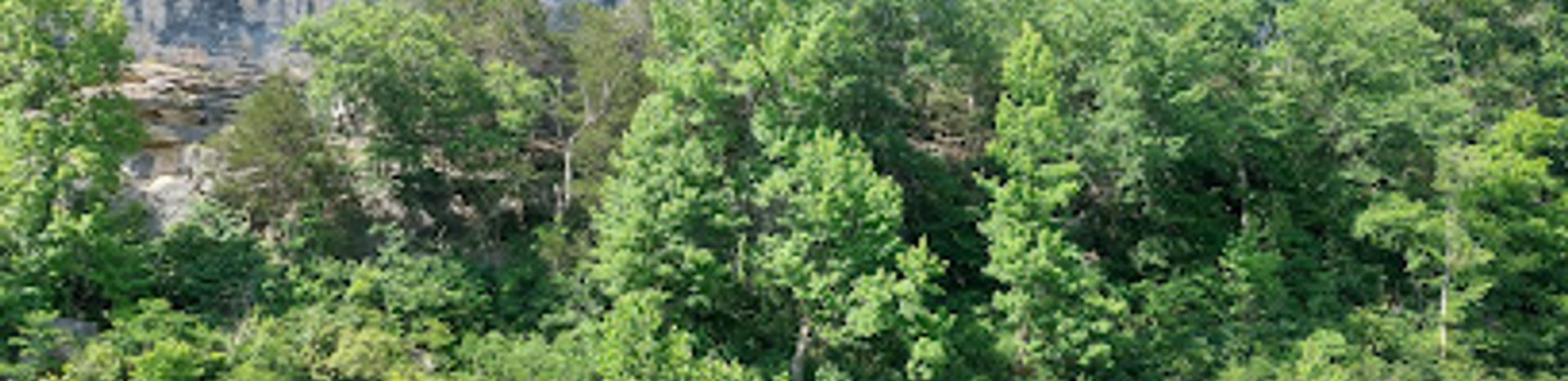
The Buffalo National River, America's first designated national river, offers 135 miles of pristine, free-flowing water through the Ozark Mountains of Arkansas. Established in 1972, it's a haven for outdoor enthusiasts seeking hiking, camping, canoeing, and fishing amidst stunning natural beauty.
A brief summary to Buffalo National River
- Arkansas, US
- +1870-439-2502
- Visit website
Local tips
- Check river levels before planning a float trip, as conditions can vary significantly.
- Bring a map and compass, as cell service can be unreliable in many areas of the park.
- Be prepared for changing weather conditions, especially during spring and fall.
- Reservations are accepted at group sites and pavilions at Tyler Bend and Buffalo Point.
- There are no entrance fees to enter the Buffalo National River.

Getting There
-
Driving
From Harrison, Arkansas, take US-65 South. Depending on your destination within the park, connect to Hwy 43 or continue on US-65 to reach various access points and visitor centers. The Tyler Bend Visitor Center is located 11 miles north of Marshall, AR, on Highway 65. There is no fee to park.
-
Public Transport
There is no public transportation directly to or within Buffalo National River. The nearest airports are in Harrison, AR, Springfield, MO, Fayetteville, AR, and Little Rock, AR. From there, renting a car is necessary to reach the park.
Discover more about Buffalo National River
Iconic landmarks you can’t miss

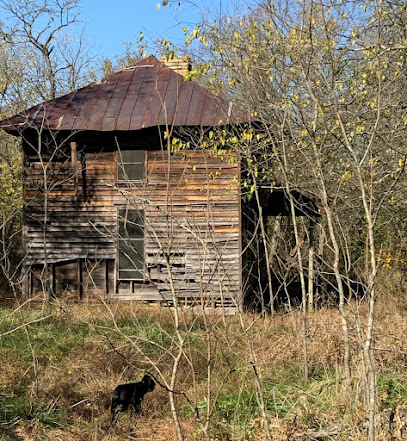
Valentine-Williams House
4.9 km
Discover the Valentine-Williams House in Arkansas: A beautifully preserved historical landmark offering a glimpse into the past.
Richland Creek Wilderness
27.4 km
Discover pristine waterfalls and rugged beauty in Arkansas's Richland Creek Wilderness, a haven for adventurous hikers and nature lovers.
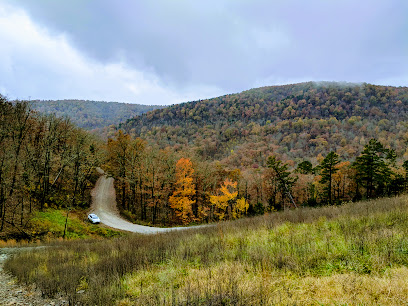
Round Top Mountain Trail
38.2 km
Explore scenic trails, discover fascinating rock formations, and reflect on history at Round Top Mountain near Jasper, Arkansas.
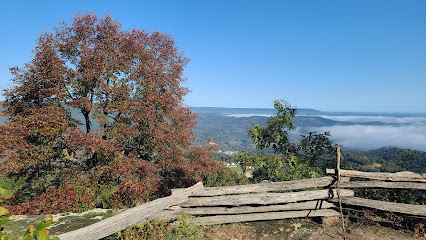
Pedestal Rocks Scenic Area
38.5 km
Experience the breathtaking beauty and unique rock formations of Pedestal Rocks Scenic Area in the heart of Arkansas's Ozark National Forest.
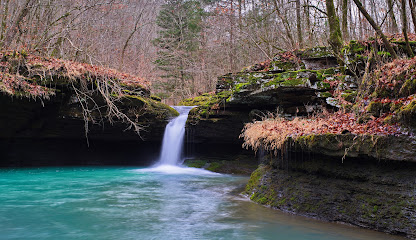
Harrison, Arkansas National Historic District
42.0 km
Explore the Harrison, Arkansas National Historic District, where history and charm blend seamlessly in a beautifully preserved setting.
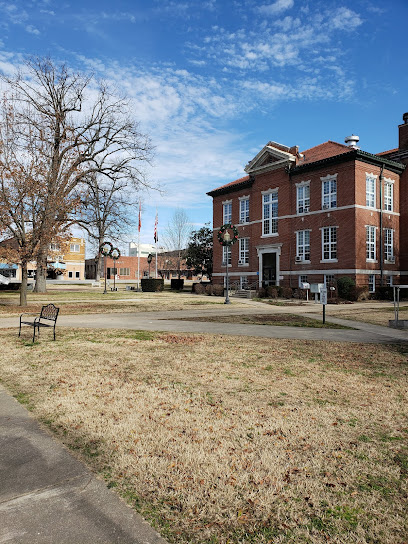
Buffalo National River Headquarters
42.1 km
Plan your Ozark adventure at the Buffalo National River Headquarters in Harrison, Arkansas. Explore America's first national river!
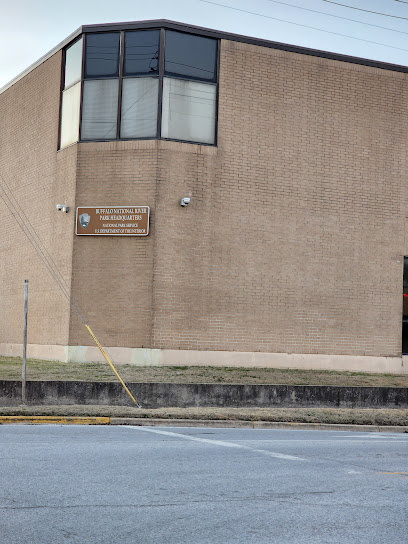
Shoe Sensation
44.5 km
Explore stylish footwear at Shoe Sensation in Harrison, Arkansas – your go-to shop for quality shoes, boots, and running gear.
The Ozarks Sign
50.0 km
Discover the Ozarks Sign, a charming historical landmark in Clinton, Arkansas, and capture the essence of this beautiful region.
Granny Henderson Cabin
50.9 km
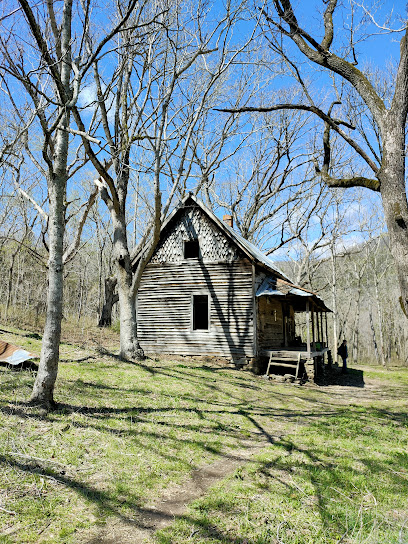
Explore the historical richness and natural beauty at Granny Henderson Cabin, a charming landmark in Compton, Arkansas.
Centerpoint Trailhead
55.2 km
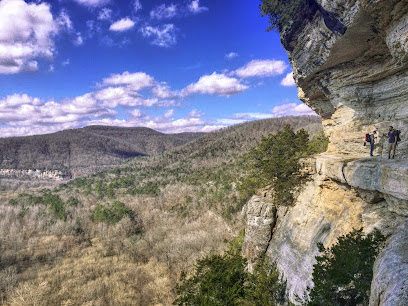
Explore the breathtaking trails and stunning vistas of Centerpoint Trailhead in the Ozark National Forest, perfect for hiking enthusiasts and nature lovers alike.
Calico Rock Historic District
57.0 km
Explore the historic charm of Calico Rock Historic District, where rich heritage meets scenic beauty in the heart of Arkansas.
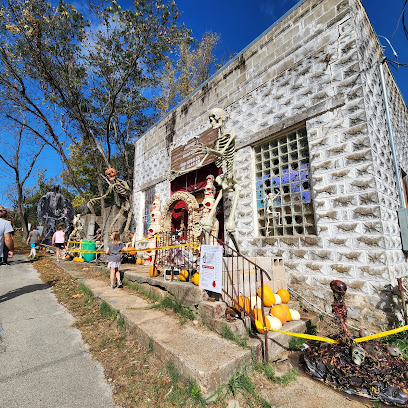
Ozark Highlands Theater
58.5 km
Experience the vibrant music and rich craftsmanship of the Ozarks at the Ozark Highlands Theater, a cultural gem in Mountain View, Arkansas.
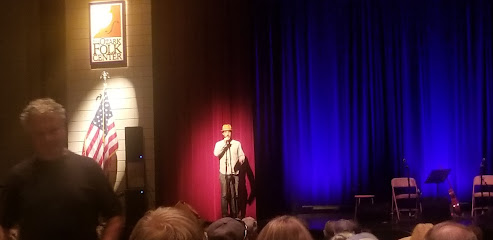
Stone County Museum
59.3 km
Explore the vibrant history and culture of Stone County at the Stone County Museum in Mountain View, Arkansas, a fascinating tourist attraction for all ages.
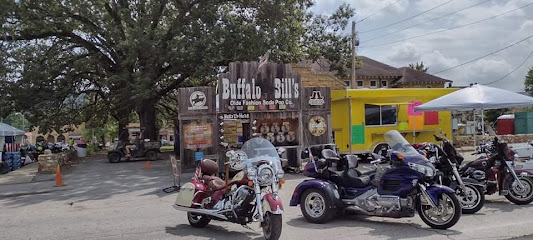
Glory Hole Falls
60.2 km
Explore Glory Hole Falls in Arkansas, a breathtaking waterfall and scenic hiking area perfect for nature lovers and outdoor adventures.
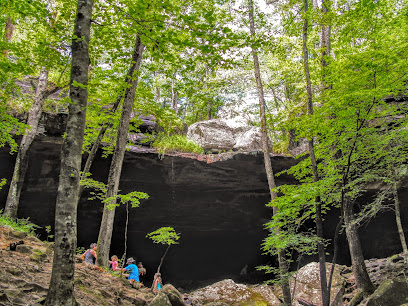
Norfork Lake
63.0 km
Discover pristine waters, stunning scenery, and endless outdoor adventures at Norfork Lake, the Ozark Mountain's hidden treasure.
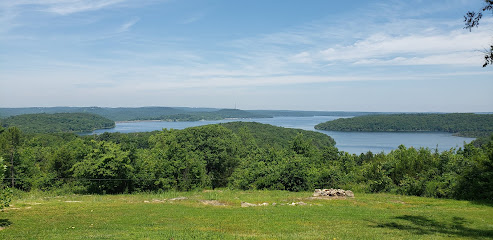
Unmissable attractions to see

Tyler Bend Visitor Center
0.9 km
Discover the Buffalo National River: History, nature, and adventure await at the Tyler Bend Visitor Center in the heart of the Ozarks.
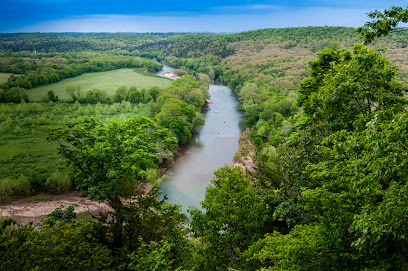
Grinder's Ferry
0.9 km
Escape to Grinder's Ferry on the Buffalo National River for swimming, camping, and scenic beauty in the heart of the Arkansas Ozarks.
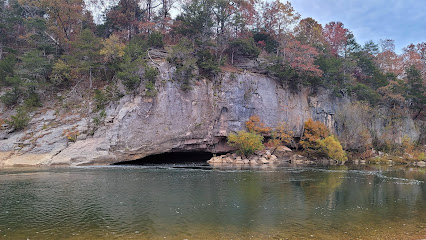
Collier Homestead
1.3 km
Step back in time at the Collier Homestead, a preserved 1930s Ozark homestead in Buffalo National River, offering a glimpse into pioneer life.
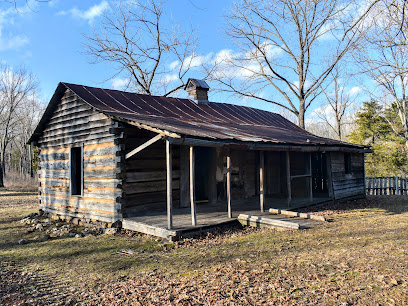
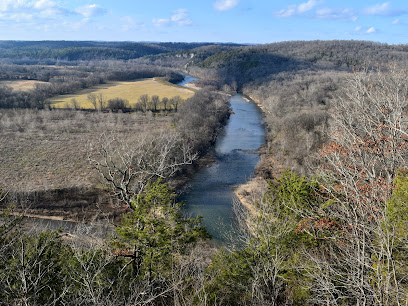
Buffalo River Scenic Lookout
1.6 km
Experience breathtaking panoramic views of the Buffalo River Valley, perfect for nature lovers and photographers seeking a serene escape.
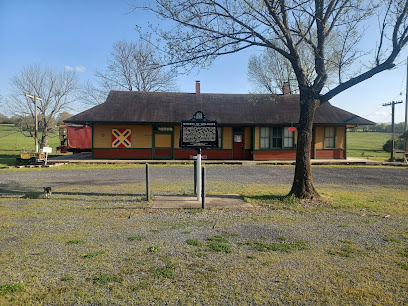
Saint Joe Historic Depot Museum
6.8 km
Explore railroad and local history at the beautifully restored Saint Joe Historic Depot Museum in the heart of the Arkansas Ozarks.
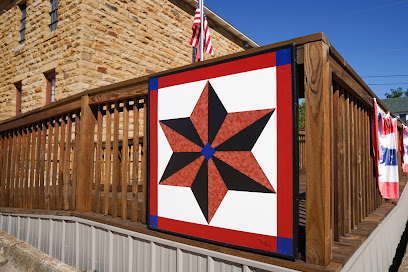
Buffalo River Historic Jail & Museum
13.8 km
Step back in time at the Buffalo River Historic Jail & Museum, exploring local history in a beautifully restored 1902 jail.
Indian Rockhouse Trail
20.0 km
Discover ancient shelters and natural wonders on this scenic 3.5-mile trail in Arkansas' Buffalo National River. A moderate hike with historical depth.
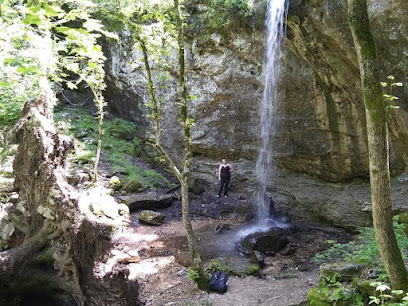
Richland Falls
27.4 km
Experience the natural beauty of Richland Falls, a wide and wonderful waterfall in the heart of Arkansas' Ozark Mountains.
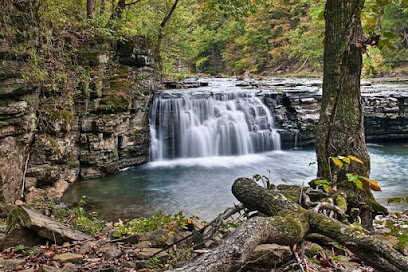
Confluence of the White & Buffalo Rivers
35.8 km
Where the Buffalo meets the White: a scenic confluence in the Ozark Mountains, marking the end of a protected river's journey.
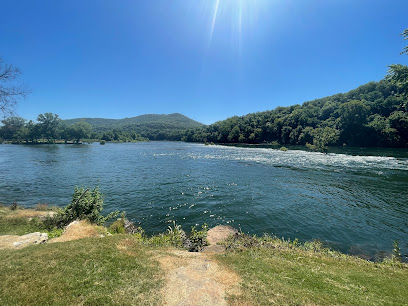
Zinc Swinging Bridge
36.5 km
Experience the charm of a historic swinging bridge in Zinc, Arkansas, offering scenic views and a unique connection to the town's resilient past.
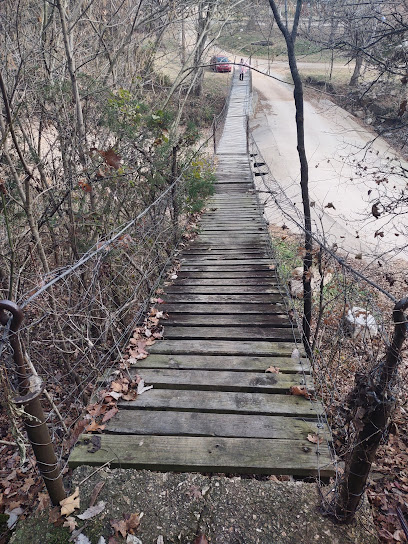
Arkansas Grand Canyon
37.0 km
Experience the breathtaking beauty of the Arkansas Grand Canyon, a stunning scenic spot perfect for outdoor adventures and tranquil escapes in the Ozark Mountains.
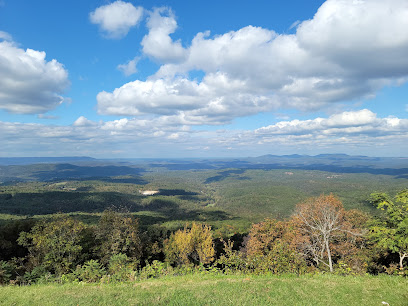
Pedestal Rocks & Kings Bluff Trailhead
37.2 km
Explore unique rock formations and breathtaking views at Pedestal Rocks & Kings Bluff Trailhead in the heart of the Ozark National Forest.
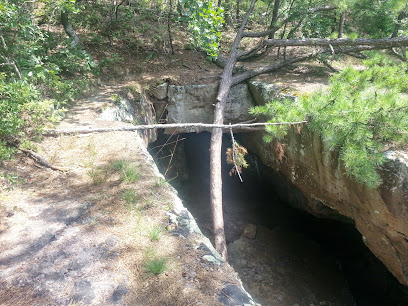
King's Bluff
37.7 km
Discover breathtaking views and a stunning waterfall at King's Bluff in the Ozark National Forest, a natural gem near Witts Springs, Arkansas.
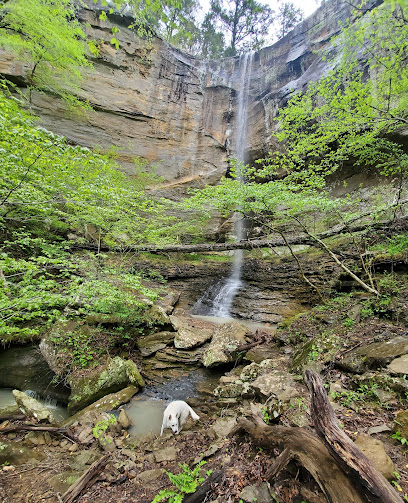
Big Creek Cave Falls
38.4 km
Discover a hidden Ozark treasure: hike to a stunning waterfall emerging from a cave at Big Creek Cave Falls near Jasper, Arkansas.
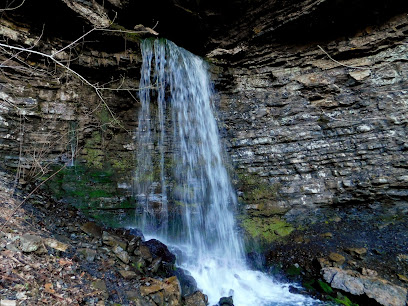
Ozark Experience - Jasper, Buffalo River area
39.0 km
Your adventure starts here! Discover hiking, camping, and off-roading in the Buffalo River area with Ozark Experience in Jasper, Arkansas.
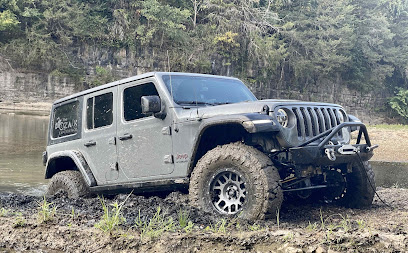
Essential places to dine

Buffalo Point Cabins & Restaurant
20.3 km
Experience authentic American dining amidst the serene beauty of Arkansas at Buffalo Point Cabins & Restaurant.
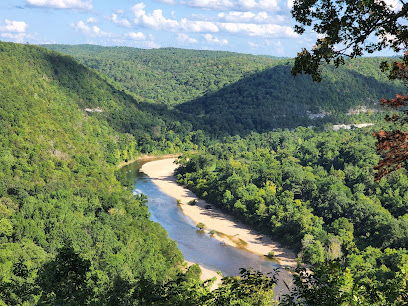
Cliff House Inn
36.9 km
Discover breathtaking views and rustic charm at Cliff House Inn – your gateway to the stunning Arkansas Grand Canyon.
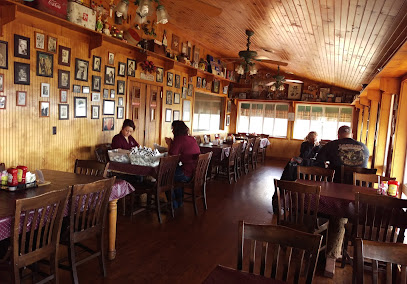
Low Gap Cafe
38.2 km
Discover culinary delights at Low Gap Cafe in Jasper - where American comfort meets Italian flair and fresh seafood in a charming setting.
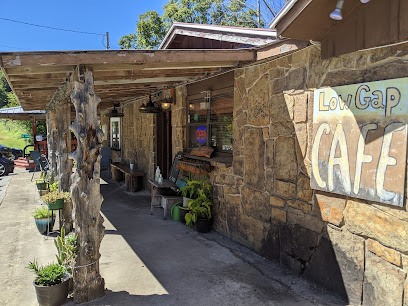
Slim's BBQ
38.5 km
Discover the authentic taste of Southern barbecue at Slim's BBQ in Witts Springs - where flavor meets tradition.
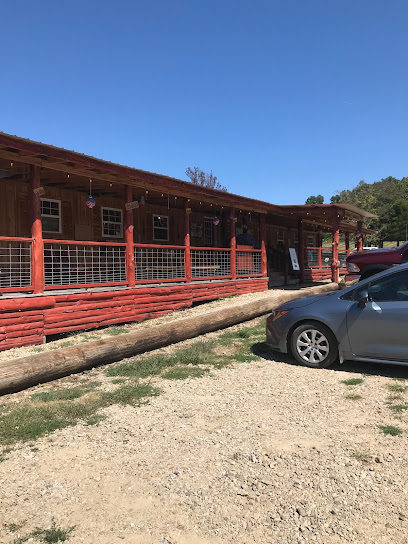
Ozone Burger Barn
72.7 km
Experience authentic Southern flavors at Ozone Burger Barn—home of mouthwatering burgers in the heart of Arkansas.
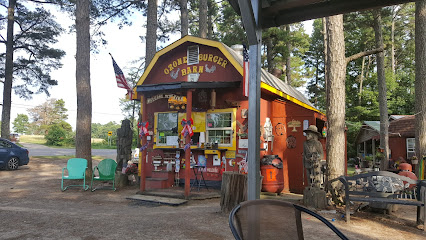
Cattleman's Family Restaurant
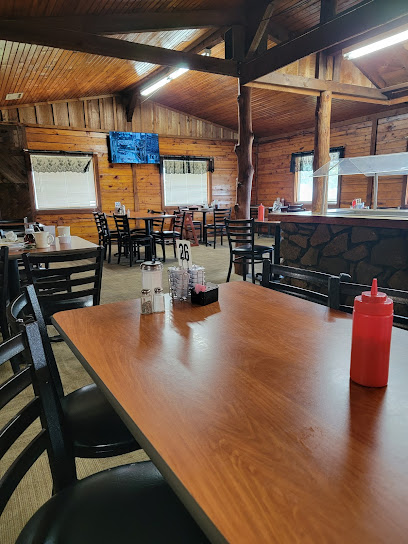
73.0 km
Discover Cattleman's Family Restaurant: A cozy breakfast spot in Green Forest serving up delicious meals with local charm.
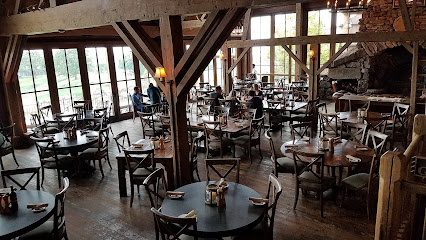
Arnie's Barn
76.5 km
Discover authentic Mexican cuisine at Arnie's Barn in Ridgedale - where flavor meets stunning scenery.
Osage Restaurant
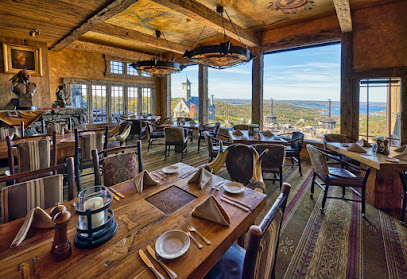
76.6 km
Discover exquisite American cuisine at Osage Restaurant with stunning views of Table Rock Lake in Missouri's breathtaking Ozark Mountains.
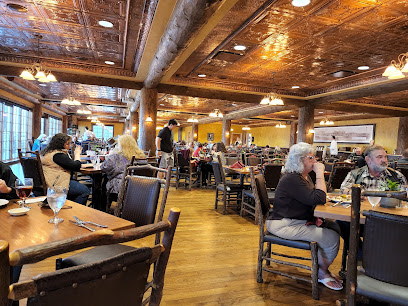
The Keeter Center-Dining
82.4 km
Experience exquisite farm-to-table dining at The Keeter Center-Dining in Point Lookout - where flavor meets local hospitality.
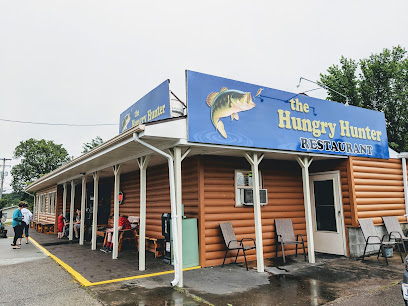
Hungry Hunter Restaurant
82.7 km
Experience hearty breakfasts and comforting lunches at Hungry Hunter Restaurant in Branson - where every meal feels like home.
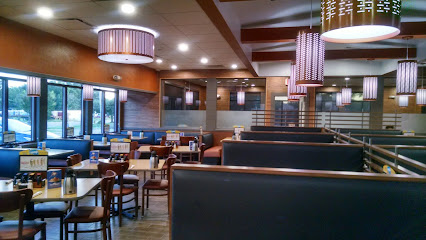
IHOP
82.9 km
Experience the ultimate breakfast destination at IHOP in Russellville—where delicious pancakes meet family-friendly service!
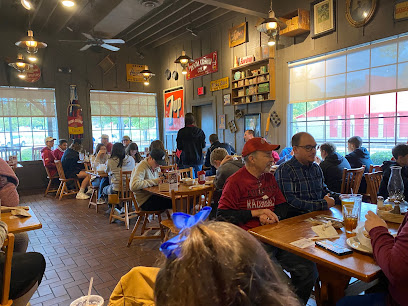
Cracker Barrel Old Country Store
82.9 km
Experience authentic Southern cuisine at Cracker Barrel Old Country Store in Russellville - where comfort food meets nostalgia.
Cagle's Mill Restaurant
83.1 km
Discover the flavors of Arkansas at Cagle's Mill Restaurant - where grilling meets great company in a cozy atmosphere.
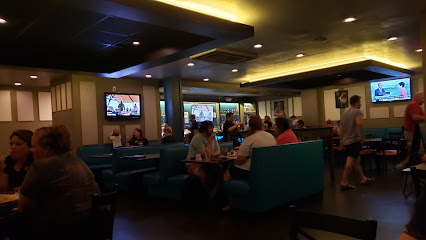
Colton's Steak House & Grill
83.1 km
Indulge in mouthwatering steaks at Colton's Steak House & Grill in Russellville - where great taste meets Southern hospitality.
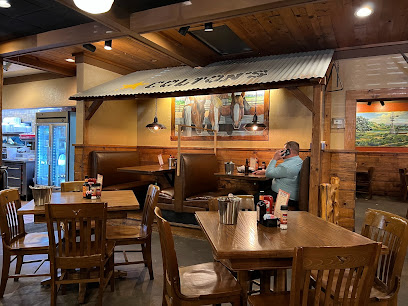
Old South Restaurant
83.1 km
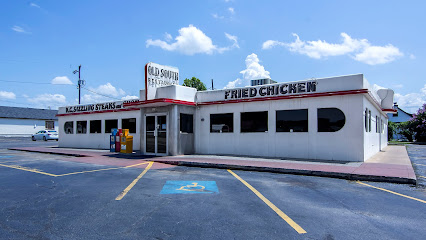
Experience warm hospitality and delicious American cuisine at Old South Restaurant in Russellville - where comfort meets flavor.
Markets, malls and hidden boutiques

Buffalo River Outfitters
2.0 km
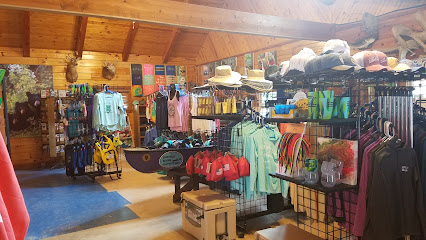
Explore the beauty of the Buffalo National River with Buffalo River Outfitters - your gateway to canoeing, kayaking, and cabin rentals in Arkansas.
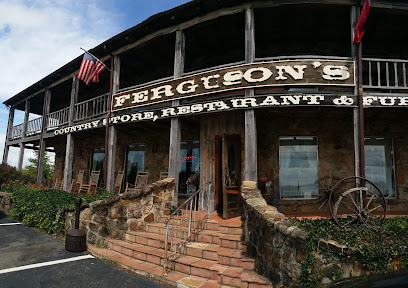
Fergusons Country Store & Restaurant, solid Cherry & Oak Furniture
2.0 km
Experience the charm of Americana at Fergusons Country Store & Restaurant, where hearty breakfasts meet handcrafted furniture in St. Joe, Arkansas.
Elk Ridge Trading Co
2.2 km
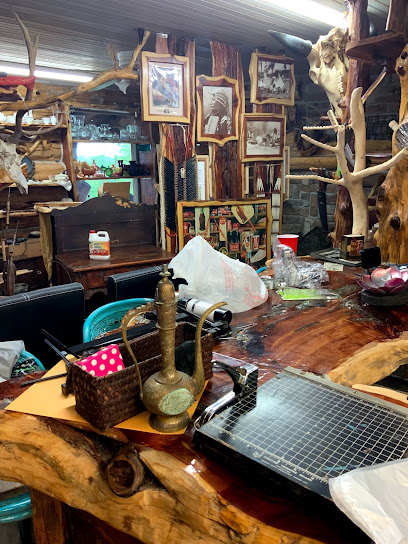
Explore Elk Ridge Trading Co in St. Joe, Arkansas for an unparalleled antique shopping experience, showcasing unique finds and local craftsmanship.
Buffalo Camping & Canoeing
3.6 km
Experience the great outdoors at Buffalo Camping & Canoeing, your gateway to adventure in the heart of Arkansas, with camping, canoeing, and local flavors.
Gilbert General Store
3.6 km
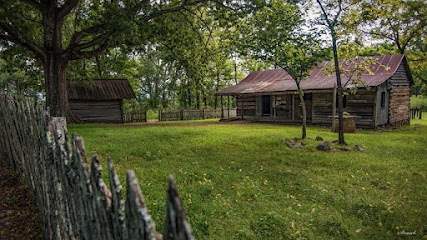
Explore the heart of the Ozarks at Gilbert General Store, your one-stop shop for camping gear and local groceries in beautiful Arkansas.
Big Springs Trading Company
4.6 km
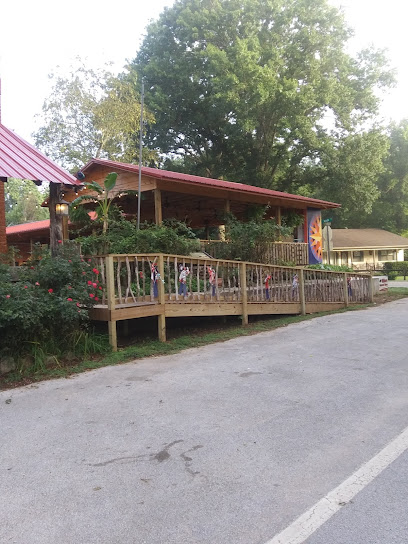
Experience authentic Southern barbecue and deli delights at Big Springs Trading Company in St. Joe, Arkansas, where flavor meets a warm atmosphere.
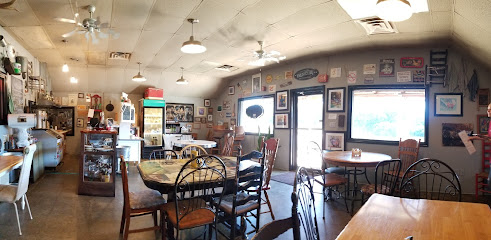
Back Door Boutique and Thrift Shop
11.7 km
Explore unique treasures at Back Door Boutique and Thrift Shop in Marshall, Arkansas, where every visit offers a delightful shopping experience.
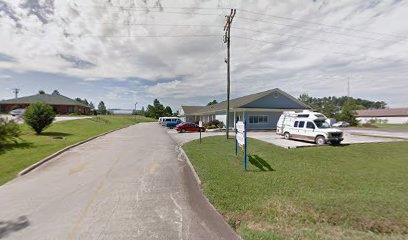
Zacbac Aparrel LLC
11.9 km
Explore Zacbac Apparel LLC for a unique shopping experience in Marshall, Arkansas, featuring trendy clothing and local designs that capture the spirit of the Ozarks.
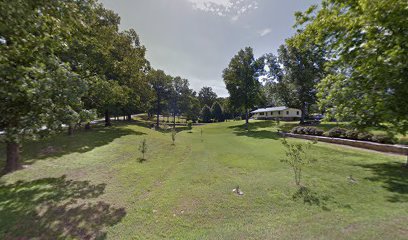
Buffalo Valley Nutrition
12.6 km
Explore Buffalo Valley Nutrition in Marshall, Arkansas, your premier destination for sports nutrition products, supplements, and expert advice for fitness enthusiasts.
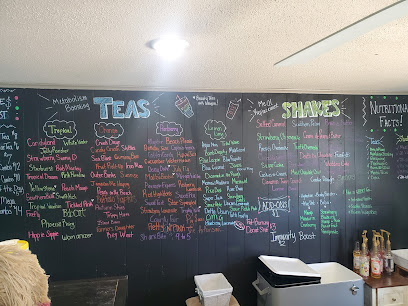
Home Emporium
12.6 km
Explore Home Emporium in Everton, Arkansas, for unique home goods and decor that embody local charm and creativity.
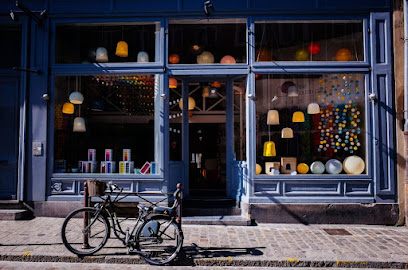
Roaming Buffalo Beauty Company
12.8 km
Explore handcrafted beauty products at Roaming Buffalo Beauty Company, where local charm meets quality craftsmanship in Marshall, Arkansas.
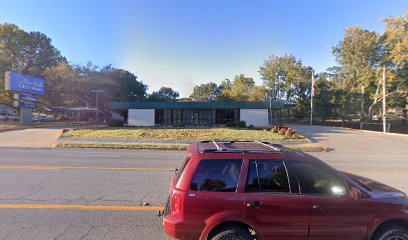
Grove Street Gardens
14.1 km
Explore Grove Street Gardens: a charming gift shop in Marshall, Arkansas, offering unique local crafts, souvenirs, and artisanal products.
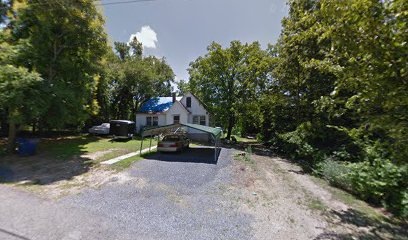
Dry Creek Homestead Merchantile
14.3 km
Explore the unique flavors and treasures of Dry Creek Homestead Merchantile, where delicious deli food meets charming antiques in Pindall, Arkansas.
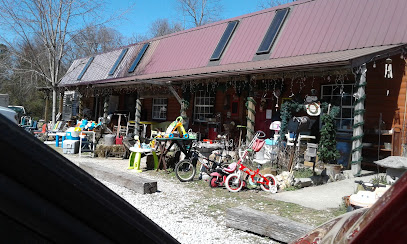
Wild Bill's Outfitter
17.1 km
Discover the Adventure of Canoeing and Kayaking at Wild Bill's Outfitter in the Heart of the Ozarks.
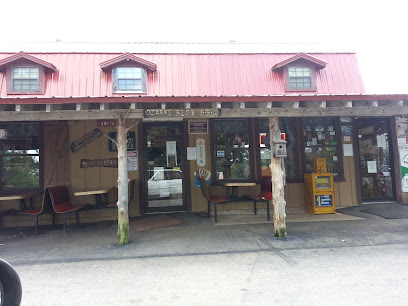
Kaylee's Lil Shop
19.9 km
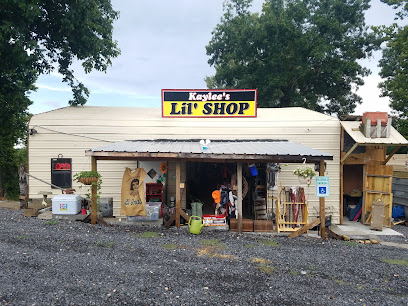
Explore Kaylee's Lil Shop for unique finds and vintage treasures in Harriet, Arkansas—where every visit is a treasure hunt.
Essential bars & hidden hideouts

Tyler Bend Campground
0.6 km
Experience the beauty of nature at Tyler Bend Campground, where adventure meets tranquility along the Buffalo River.
Shine Eye Campground
1.9 km
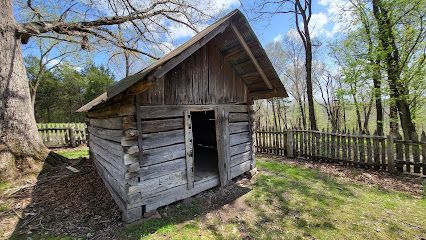
Discover tranquility and adventure at Shine Eye Campground, a perfect retreat in the heart of Arkansas surrounded by nature's beauty.
Craw Billy's Seafood Boil & BBQ
2.2 km
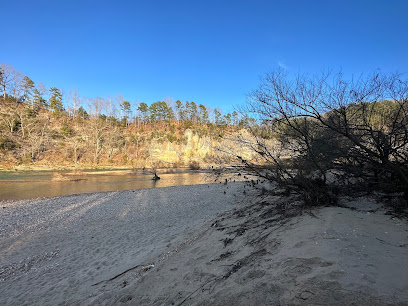
Experience the best of Cajun cuisine at Craw Billy's Seafood Boil & BBQ in St. Joe, AR, where fresh seafood meets southern hospitality.
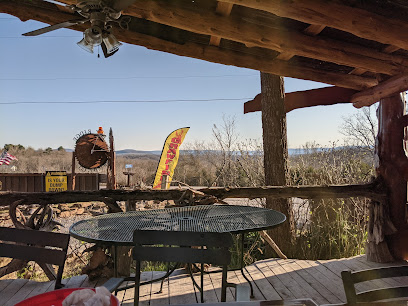
Gilbert Gravel Bar
3.6 km
Experience the serene beauty of Gilbert Gravel Bar, a perfect park retreat in Arkansas for relaxation, picnics, and outdoor adventures.
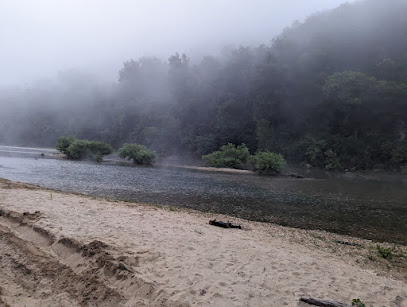
Haskel's
7.2 km
Discover Haskel's: A cozy gas station and restaurant in St. Joe, Arkansas, perfect for a hearty meal and convenient pit stop for travelers.
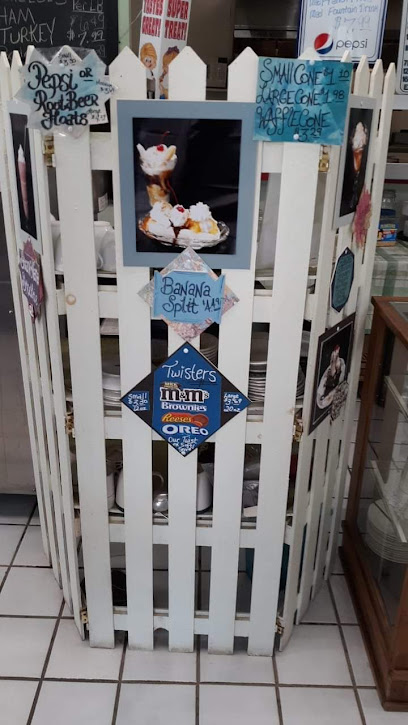
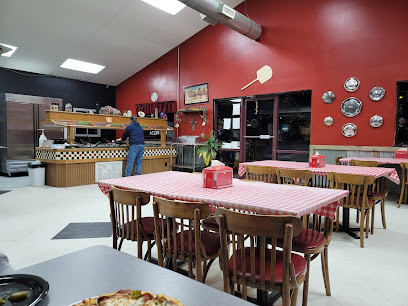
Boston Mountain Pizza
11.7 km
Discover Boston Mountain Pizza: A delightful culinary experience in Marshall, Arkansas, serving delicious pizzas and a welcoming atmosphere.
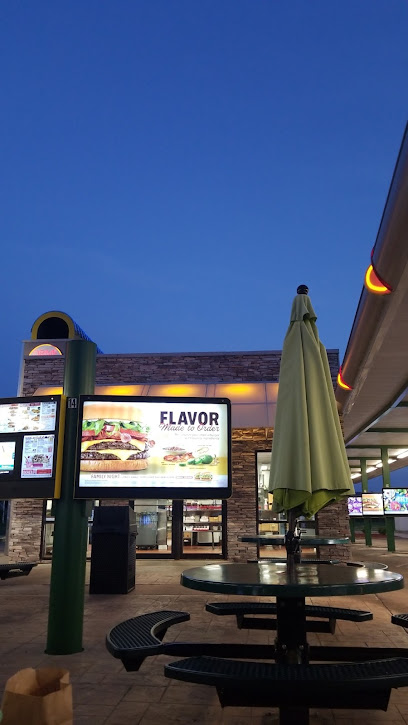
Sonic Drive-In
12.0 km
Discover the nostalgic charm and delicious fast-food offerings at Sonic Drive-In in Marshall, Arkansas, a perfect pit stop for travelers.
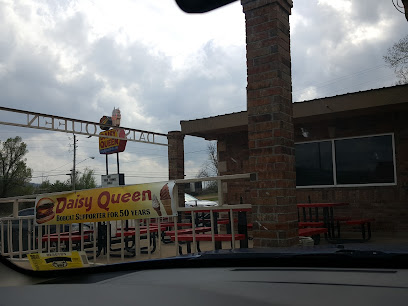
Daisy Queen
12.5 km
Experience classic American fast food at Daisy Queen in Marshall, Arkansas, where delicious flavors and a nostalgic atmosphere await.
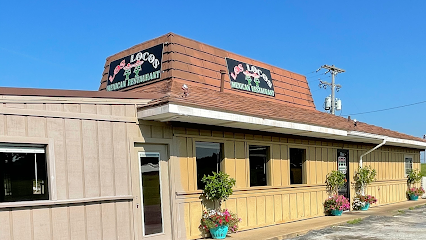
Los Locos Mexican Restaurant Marshall Ar
13.2 km
Experience the rich flavors of authentic Mexican cuisine at Los Locos, a must-visit restaurant in Marshall, Arkansas.
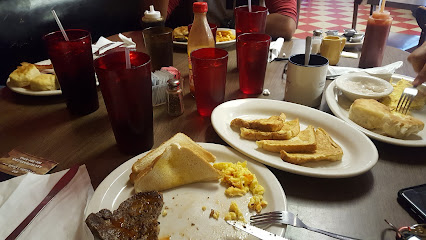
Marshall Restaurant
13.2 km
Experience delicious home-cooked American meals at Marshall Restaurant, a cozy spot in the heart of Arkansas, perfect for breakfast or lunch.
Buffalo River Lodge
13.6 km
Discover the natural beauty and adventure at Buffalo River Lodge, a perfect retreat in the heart of Arkansas.
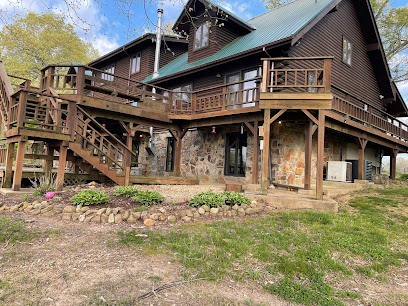
Missouri Smoke, LLC
16.3 km
Experience the authentic taste of BBQ at Missouri Smoke, LLC in Everton, AR - a true gem for meat lovers seeking smoky satisfaction.
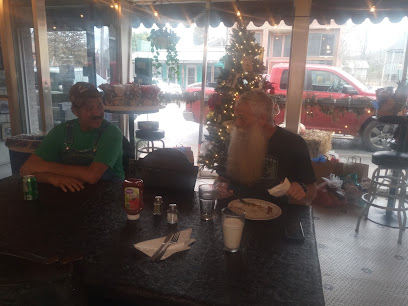
Bridget's Bigmouth Burgers
30.4 km
Experience the best of classic American burgers at Bridget's Bigmouth Burgers in Tilly, Arkansas, where flavor meets friendly service.
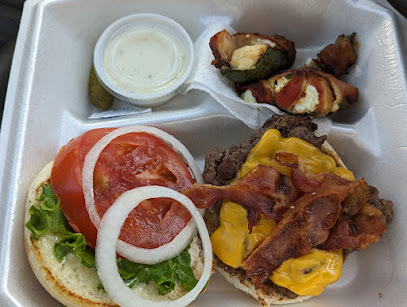
TallGrass Bar and Grill
40.2 km
Experience the delightful flavors and inviting atmosphere at TallGrass Bar and Grill in Harrison, Arkansas—your culinary oasis in the Ozarks.
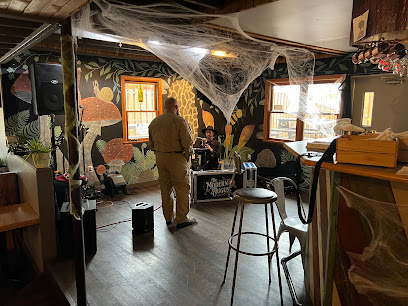
Gaston's White River Resort
44.1 km
Discover the serenity of Gaston's White River Resort, where gourmet dining meets breathtaking nature and exciting outdoor adventures await.

Nightclubs & after hour spots

AC'S Bar & Grill + Live Event Center
57.9 km
Experience live music, delicious food, and vibrant nightlife at AC'S Bar & Grill + Live Event Center in Mountain Home, Arkansas.
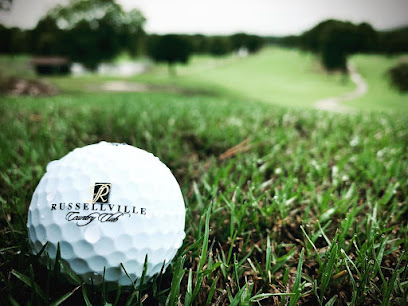
Russellville Country Club - Public Welcome
79.6 km
Experience the beauty and camaraderie at Russellville Country Club, where golf and community meet in breathtaking Arkansas.
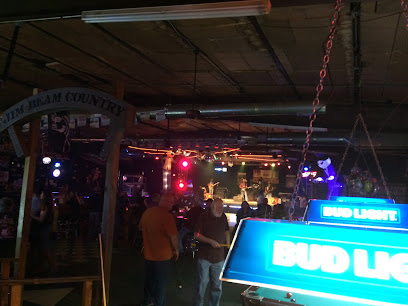
The Paddlewheel
83.7 km
Discover the best of Branson's nightlife at The Paddlewheel, where cocktails, live music, and dancing come together for an unforgettable experience.
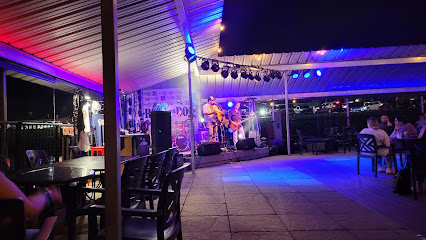
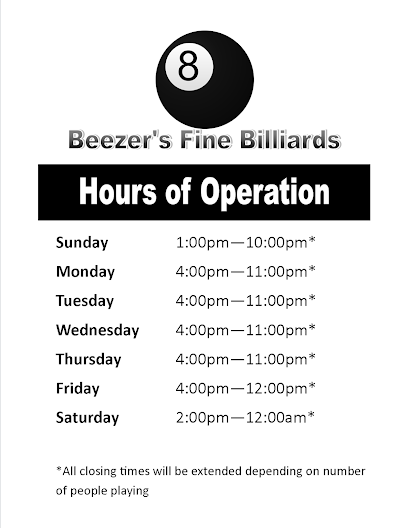
Beezer's Fine Billiards
83.9 km
Discover Beezer's Fine Billiards in Russellville, Arkansas - the ultimate pool hall experience for enthusiasts and newcomers alike, where fun meets community spirit.
IronGear Athletics
85.5 km
Experience the thrill of baseball and softball at IronGear Athletics, the premier batting cage center in Russellville, Arkansas.
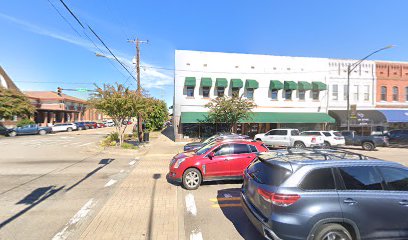
Fraternal Order of Eagles
85.9 km
Explore the Fraternal Order of Eagles in Russellville, AR, for a unique blend of fun, community, and local culture, perfect for every visitor.
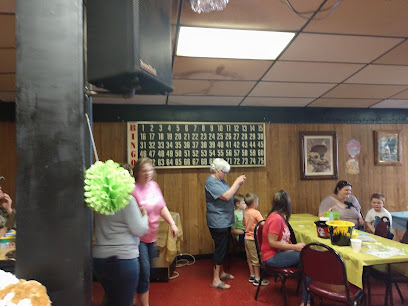
Wranglers Honky Tonk
86.2 km
Discover the lively nightlife of Branson at Wranglers Honky Tonk, where great food, live music, and dancing come together for an unforgettable experience.
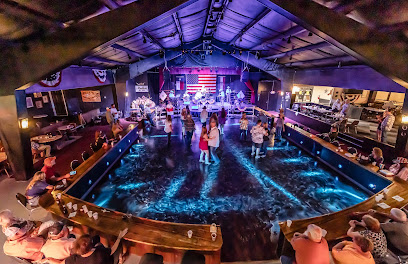
The Ruby Room
87.0 km
Discover the lively atmosphere of The Ruby Room in Branson, MO, where live music meets a cozy lounge experience for unforgettable nights.
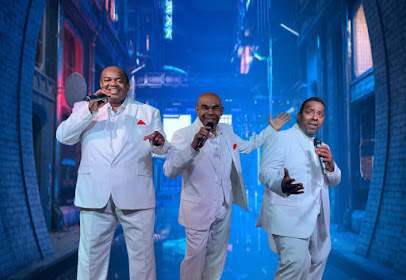
Thirsty's Cocktail Bar
90.2 km
Experience the vibrant atmosphere and extensive drink menu at Thirsty's Cocktail Bar in the heart of Branson, Missouri.
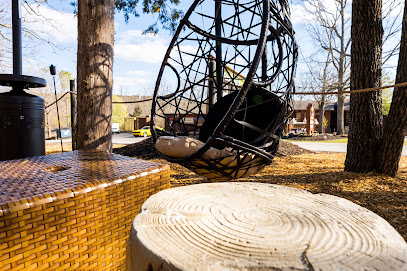
Russellville Columbus Club
90.8 km
Discover the Russellville Columbus Club, a lively event venue offering unique local experiences and a taste of Arkansas culture.
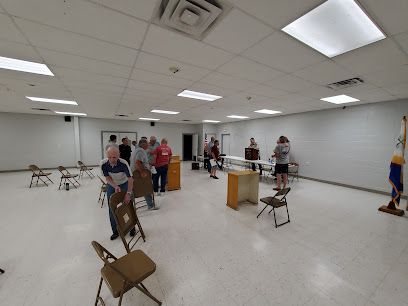
Ride the Wave Bar and Grill
93.3 km
Savor delicious meals and stunning lake views at Ride the Wave Bar and Grill in Lampe, MO, your perfect lakeside dining destination.
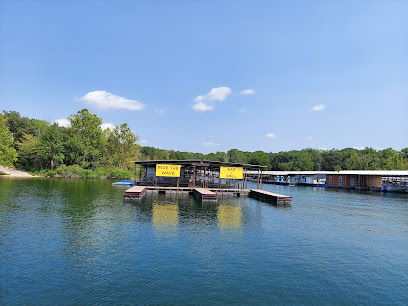
Bamboozled
96.1 km
Experience the best of Missouri's grill scene at Bamboozled, where flavor meets fun in a vibrant setting near Tablerock Lake.
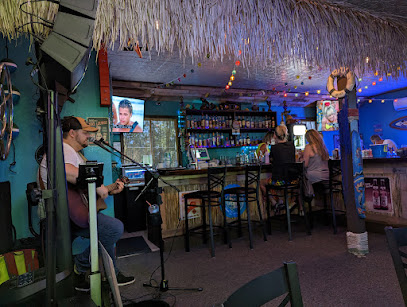
Grub & Pub Club 169
99.0 km
Discover the lively atmosphere and delicious cuisine at Grub & Pub Club 169, Eureka Springs' premier bar and entertainment spot.
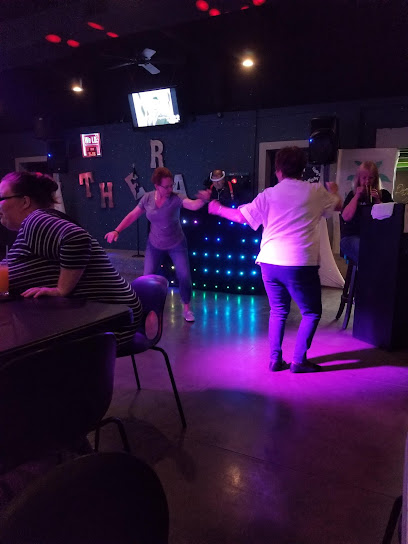
The RAB Conway
99.3 km
Experience the vibrant nightlife of Conway at The RAB, offering karaoke, dancing, and good times in one dynamic venue.
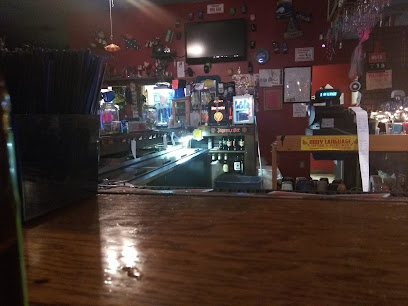
Legends Saloon
99.5 km
Discover Legends Saloon in Eureka Springs, where delicious grill flavors meet vibrant nightlife in a charming local atmosphere.