Fort Smith National Historic Site: Frontier Justice and Remembrance
Explore frontier justice, military history, and Native American heritage at this significant National Historic Site in Fort Smith, Arkansas.
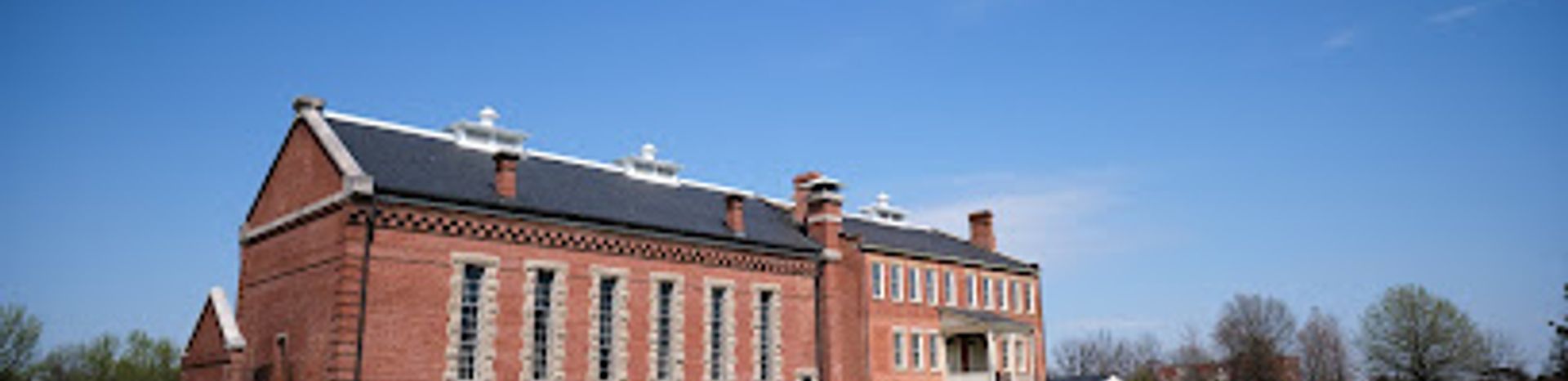
Explore the tumultuous history of the American frontier at Fort Smith National Historic Site, where two military forts, a federal courthouse, and jails stand as testaments to the struggle for law and order in the 19th-century Indian Territory. Walk the grounds where soldiers, outlaws, and Native Americans once stood, and delve into the legacy of Judge Isaac C. Parker, the 'Hanging Judge'.
A brief summary to Fort Smith National Historic Site
- 301 Parker Ave, Fort Smith, Arkansas, 72901, US
- +1479-783-3961
- Visit website
- Monday 9 am-5 pm
- Tuesday 9 am-5 pm
- Wednesday 9 am-5 pm
- Thursday 9 am-5 pm
- Friday 9 am-5 pm
- Saturday 9 am-5 pm
- Sunday 9 am-5 pm
Local tips
- Start your visit at the Visitor Center to get an overview of the site's history and plan your exploration.
- Wear comfortable shoes, as you'll be doing a fair amount of walking between the different historical areas.
- Take time to walk the Trail of Tears Overlook for a poignant reflection on this tragic period.
- Check the park's schedule for ranger-led tours and living history demonstrations to enhance your experience.
- Visit in the spring to see the blooming redbud trees, or in the winter for a quieter, more reflective experience.

Getting There
-
Walking
From the Fort Smith Museum of History, head east on Rogers Avenue toward N 3rd Street. Turn left onto N 3rd Street, then turn right onto Parker Avenue. The Fort Smith National Historic Site will be on your left. The walk is approximately 0.6 miles and should take about 12 minutes. There is no cost associated with walking.
-
Public Transport
From the downtown area, you can utilize Fort Smith Transit. Several fixed routes operate in the city, with the Transfer Station located on Garrison Avenue. Check the specific route schedules and stops to determine the best option for reaching the historic site. A single ride fare is typically around $1.25.
-
Taxi/Ride-share
From the Fort Smith Regional Airport (FSM), a taxi or ride-share service like Uber or Lyft will take you to the Fort Smith National Historic Site in approximately 10-15 minutes, depending on traffic. The typical cost is estimated to be between $15 and $25. Note that prices may vary depending on demand and time of day.
-
Driving
From I-540, take the Garrison Avenue exit and head east. Follow Garrison Avenue into downtown Fort Smith. Turn right onto N 3rd Street, then turn right onto Parker Avenue. The Fort Smith National Historic Site will be on your left. Parking is available on-site. Downtown parking meter rates are $0.50/hour on Garrison Ave and $0.25/40 minutes on downtown side streets.
Discover more about Fort Smith National Historic Site
Iconic landmarks you can’t miss

Fort Smith National Historic Site Parking
0.1 km
Explore the Fort Smith National Historic Site, a key historical landmark in Arkansas, revealing the rich narrative of America's frontier and law enforcement evolution.
Old Fort Smith Commissary
0.2 km
Explore the Old Fort Smith Commissary, the city's oldest building, and step back into the 19th-century frontier era. A must-see for history buffs!
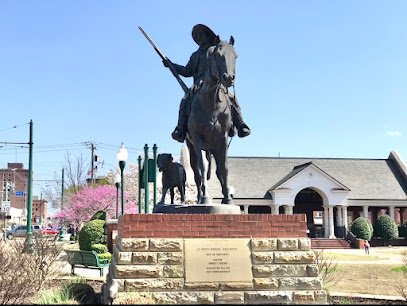
Bass Reeves Monument
0.2 km
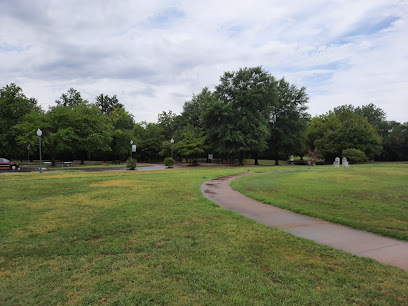
Explore Bass Reeves Monument in Fort Smith, Arkansas, a historical landmark celebrating the legacy of America's first Black Deputy U.S. Marshal.
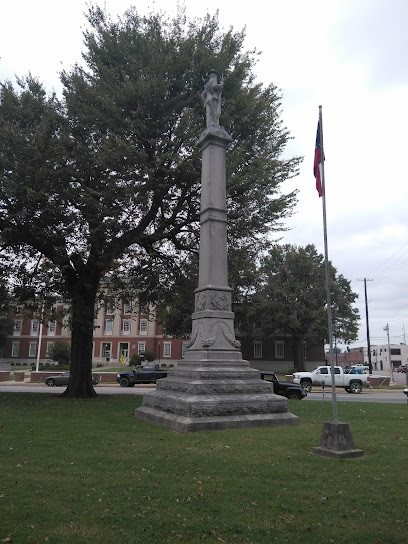
Ft. Smith Confederate Monument
0.4 km
Explore the Ft. Smith Confederate Monument - a significant historical site in Arkansas that reflects on the complexities of the Civil War era.
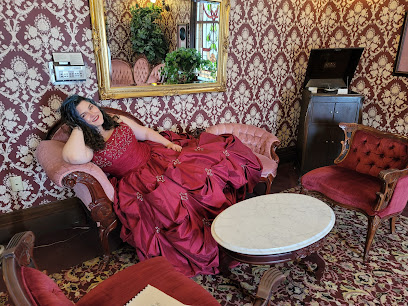
Fort Smith Convention & Visitors Bureau
0.4 km
Discover Fort Smith: Your one-stop resource for exploring the city's history, culture, and attractions. Plan your unforgettable Arkansas adventure today!
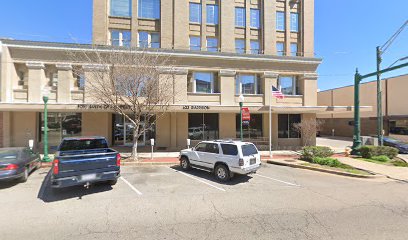
Fort Smith Historic District
0.5 km
Step back in time at Fort Smith Historic District, where history, culture, and Southern charm converge in a captivating experience.
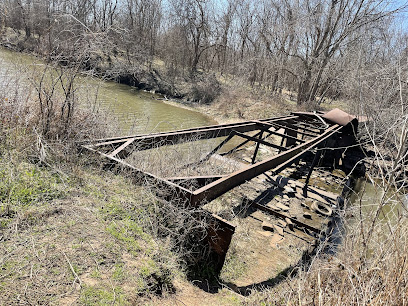
Old Iron Bridge
4.4 km
Discover the historic Old Iron Bridge in Fort Smith, Arkansas, a landmark showcasing stunning architecture and rich local heritage.
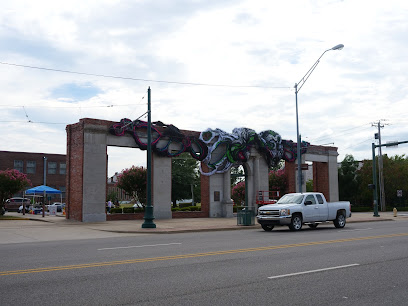
Things to do in Fort Smith
4.6 km
Discover Fort Smith, AR: Where Wild West history meets modern attractions, outdoor adventures, and a vibrant arts scene.
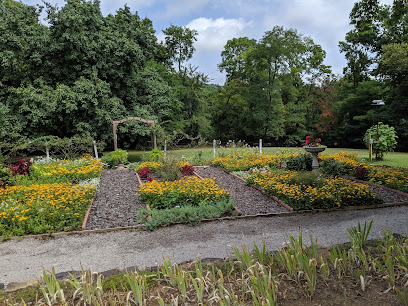
Drennen Scott House
8.3 km
Discover the rich history of Van Buren at the Drennen Scott House, a beautifully preserved historical site showcasing early American life.
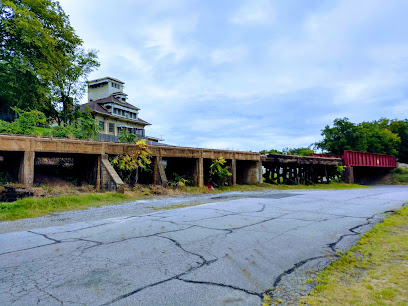
Van Buren Historic District
8.8 km
Discover the Van Buren Historic District, a beautifully preserved area with charming architecture, unique shops, and a vibrant local culture that transports you back in time.
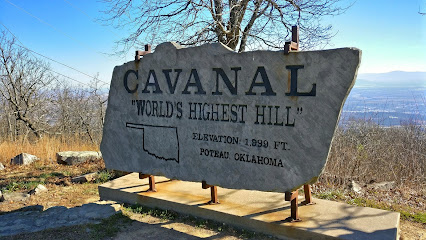
Cavanal Hill
41.9 km
Experience the breathtaking beauty of Cavanal Hill, the highest hill in the world, and enjoy stunning views of Oklahoma's landscape.
Unmissable attractions to see

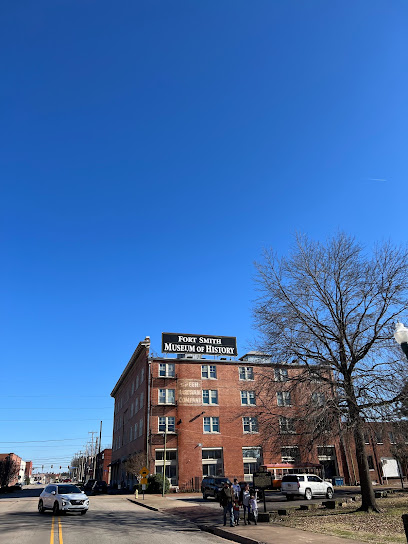
Fort Smith Museum of History
0.2 km
Discover Fort Smith's captivating past through immersive exhibits and artifacts at the city's oldest history museum.
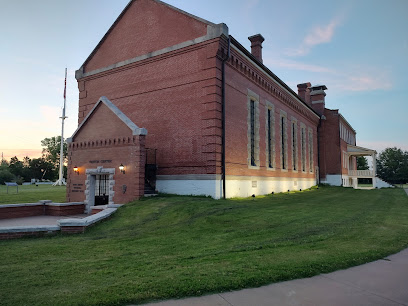
Old Fort Smith
0.2 km
Immerse yourself in the rich history of Fort Smith at Old Fort Smith, a historic site showcasing military life and cultural heritage.
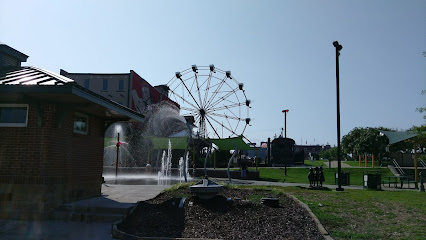
Park at West End
0.3 km
Discover vintage charm and family fun at Park at West End in Fort Smith, featuring a historic Ferris wheel and unique attractions.
Fort Smith Trolley Museum
0.3 km
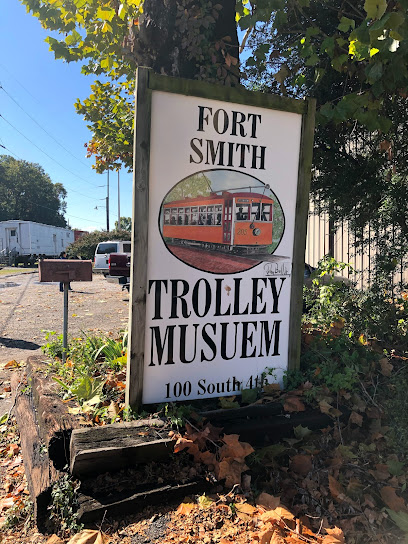
Step back in time at the Fort Smith Trolley Museum, where vintage streetcars and railway history come to life in the heart of Fort Smith.
Miss Laura's Visitor Center
0.4 km
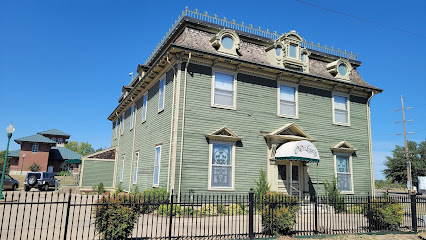
Explore Fort Smith's Wild West history at Miss Laura's Visitor Center, a restored bordello offering tours and information about the city's colorful past.
Fort Smith National Cemetery
0.5 km
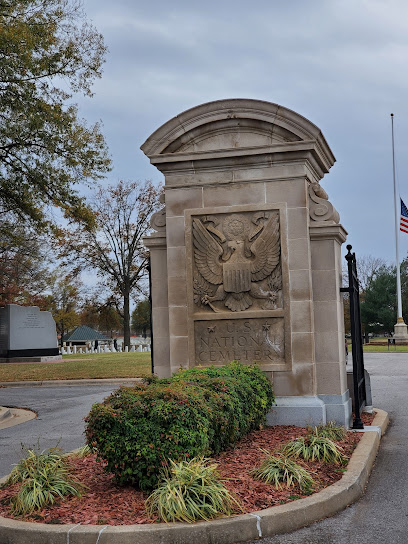
A historic national cemetery in Fort Smith, Arkansas, honoring the brave men and women who served the nation from the Civil War to today.
Unexpected Project
0.5 km
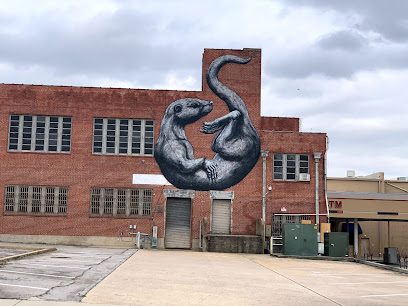
Discover stunning murals and urban art installations in the heart of Fort Smith, where art meets history and revitalization takes center stage.
Harry E. Kelley River Park
0.7 km
Experience outdoor fun and community events at Fort Smith's scenic Harry E. Kelley River Park on the Arkansas River.
Belle Grove Historic District
0.8 km
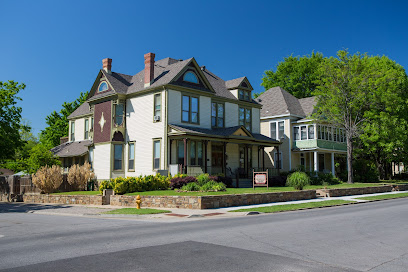
Explore Victorian architecture and rich history in Fort Smith's Belle Grove Historic District, a 22-block neighborhood with stunning homes and landmarks.
Cisterna Park
0.9 km
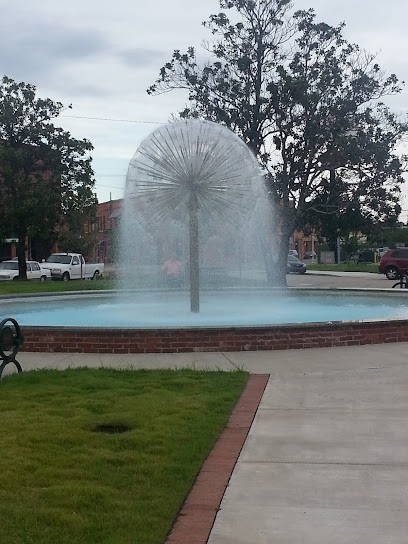
Discover a tranquil urban escape at Cisterna Park in Fort Smith, Arkansas, featuring lush landscapes, a beautiful fountain, and historical monuments.
Clayton House
0.9 km
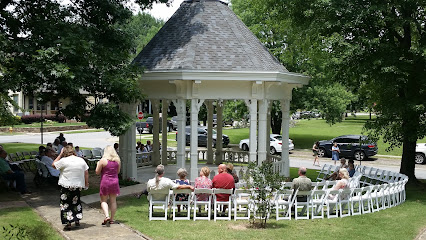
Experience Victorian elegance and Wild West history at Fort Smith's Clayton House, the beautifully restored home of Judge Parker's chief prosecutor.
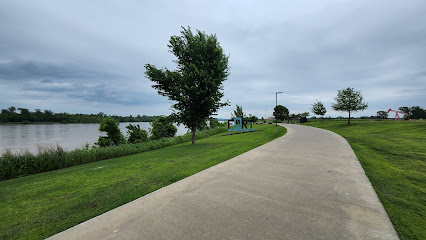
Fort Smith Riverfront Trail
1.0 km
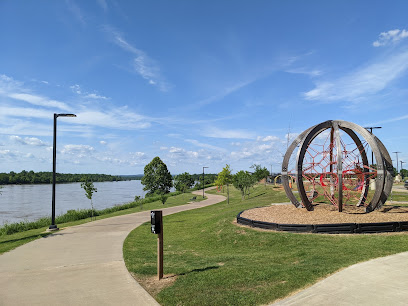
Explore history and nature along the scenic Arkansas River at the Fort Smith Riverfront Trail. Paved paths, historical insights, and outdoor fun.
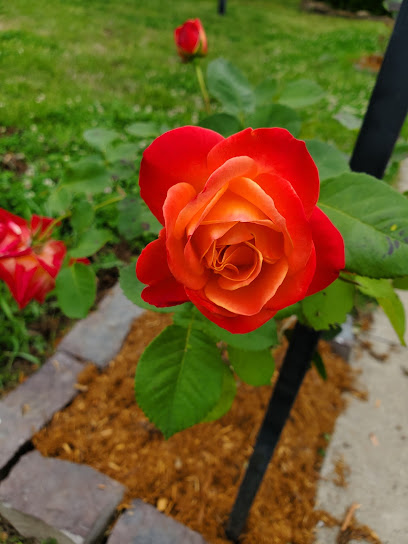
Anniversary Rose Garden
1.1 km
Discover a vibrant floral paradise at Fort Smith's Anniversary Rose Garden, a serene escape filled with stunning roses and picturesque landscapes.
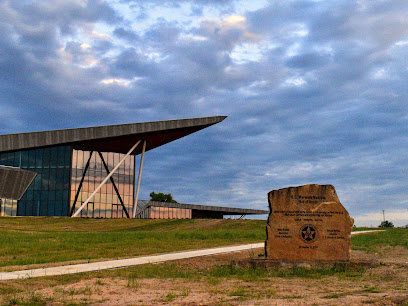
United States Marshals Museum
1.2 km
Explore the history of America's oldest law enforcement agency through immersive exhibits and historical artifacts at the U.S. Marshals Museum in Fort Smith, AR.
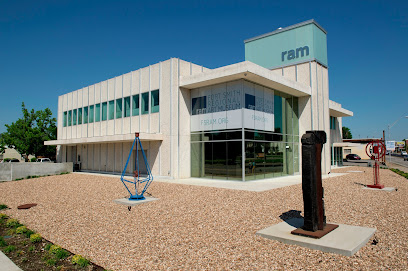
Fort Smith Regional Art Museum
1.5 km
Discover world-class art and enriching experiences at the Fort Smith Regional Art Museum, a cultural gem in the heart of Arkansas.
Essential places to dine

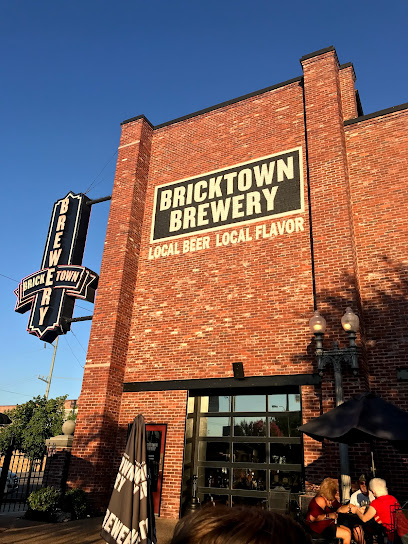
Bricktown Brewery
0.2 km
Discover flavorful American cuisine and craft brews at Bricktown Brewery in Fort Smith, where great food meets vibrant atmosphere.
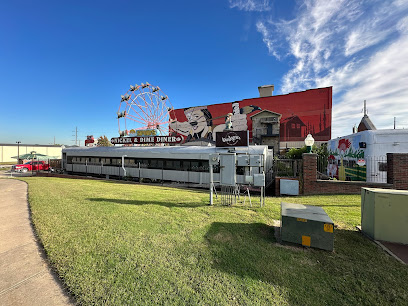
Wild Waffles
0.3 km
Discover deliciously creative waffle dishes at Wild Waffles in Fort Smith - where breakfast dreams come true!
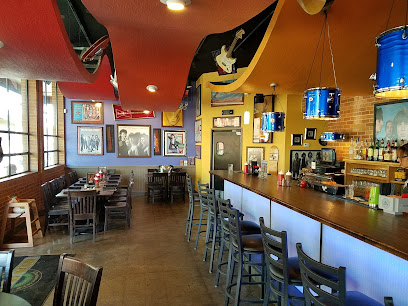
Neumeier's Rib Room
0.3 km
Experience authentic Southern barbecue at Neumeier's Rib Room in Fort Smith – where every bite tells a story of flavor and tradition.
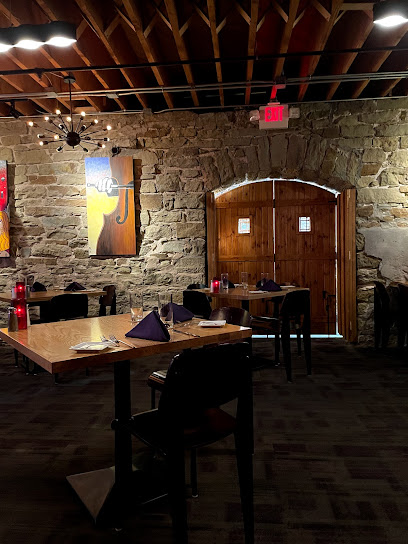
21 West End
0.3 km
Savor exquisite flavors and elegant dining at Fort Smith's premier fine dining destination.
5th Street Cafe
0.3 km
Discover the best breakfast in Fort Smith at 5th Street Cafe - where every meal feels like home.
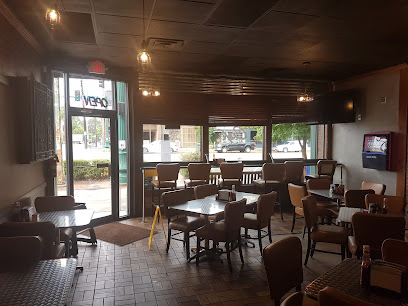
Prima Italia
0.6 km
Discover authentic Italian flavors at Prima Italia – where fine dining meets a cozy atmosphere in Fort Smith.
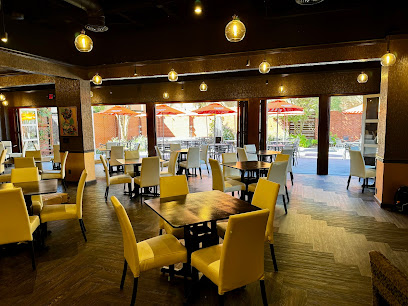
Doe's Eat Place
0.7 km
Experience the best steakhouse in Fort Smith at Doe's Eat Place - where flavor meets lively entertainment!
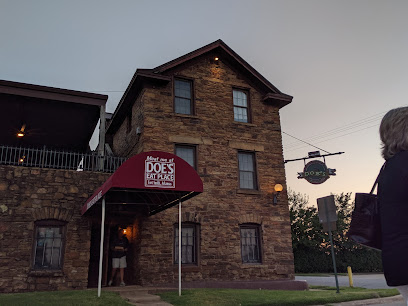
Thai Curry
0.8 km
Experience authentic Thai cuisine in Fort Smith with flavorful dishes and a warm atmosphere at Thai Curry - perfect for every palate.
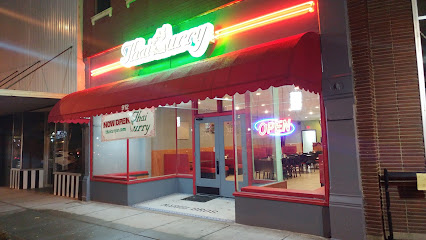
Rolando's Restaurante
0.8 km
Discover Rolando's Restaurante: A Taste of Authentic Latin American Flavors in Fort Smith, Arkansas.
AJ's Oyster House
0.9 km
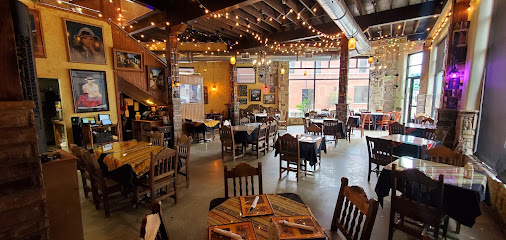
Experience the best seafood in Fort Smith at AJ's Oyster House - where fresh flavors meet southern hospitality.
Fort Smith Jazz & Blues Grill
1.2 km
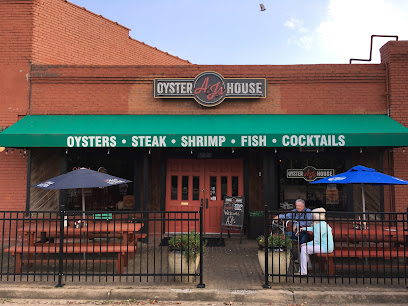
Experience authentic Southern barbecue paired with live jazz and blues at Fort Smith Jazz & Blues Grill - a true taste of Arkansas culture.
Emmy's German Restaurant
1.2 km
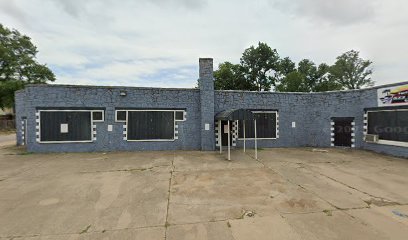
Discover the authentic flavors of Germany at Emmy's German Restaurant in Fort Smith - where tradition meets taste in every bite!
Taliano’s Italian Restaurant
1.3 km
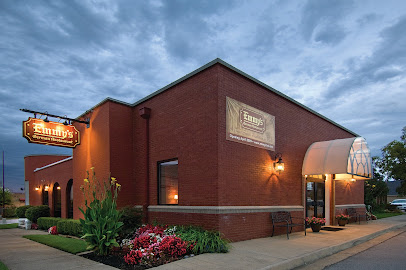
Experience authentic Italian flavors at Taliano's Italian Restaurant in Fort Smith - where every meal is a celebration of taste.
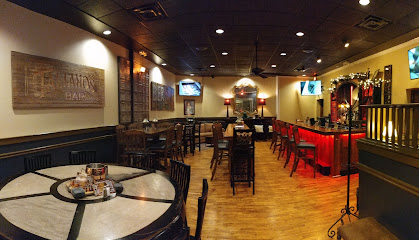
El Lorito Mexican Restaurant
1.4 km
Experience the vibrant flavors of Mexico at El Lorito Mexican Restaurant in Fort Smith – where delicious meets affordable.
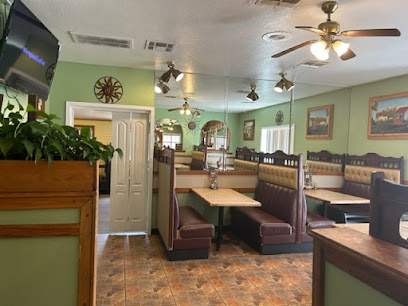
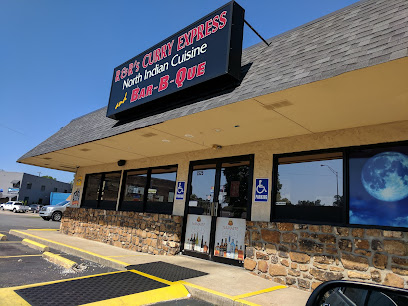
R & R's Curry Express
1.5 km
Experience authentic North Indian cuisine at R & R's Curry Express in Fort Smith—where every dish tells a flavorful story.
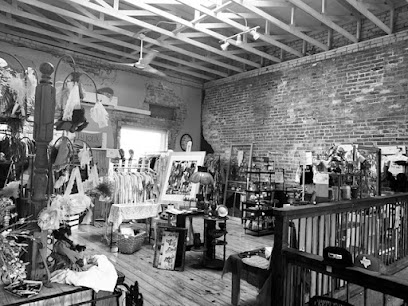
Markets, malls and hidden boutiques

Olen & Co. Market
0.2 km
Explore Olen & Co. Market in Fort Smith for a unique blend of vintage clothing and antique treasures that captures the essence of nostalgia.
Designer Again
0.3 km
Uncover unique fashion and home decor treasures at Designer Again, a charming consignment shop in Fort Smith, AR.
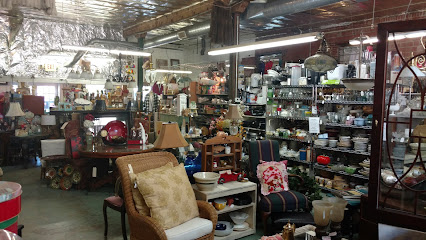
Belle Starr Antiques & Vintage Market
0.4 km
Explore a charming vintage market brimming with unique antiques and collectibles in Fort Smith, Arkansas, perfect for every treasure hunter.
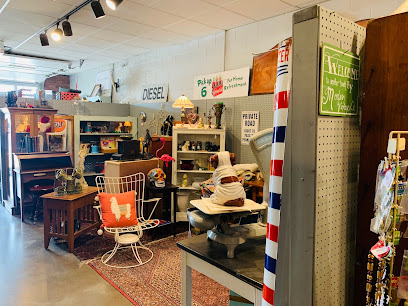
Bookish: An Indie Shop for Folks Who Read
0.5 km
Discover the charm of Bookish, Fort Smith's indie bookstore that offers a vast collection, cozy reading spots, and a community for book lovers.
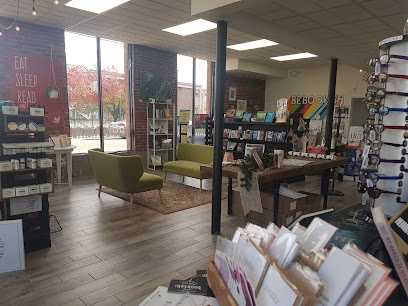
Strange Brew Occult Shop
0.6 km
Explore the mystical realm at Strange Brew Occult Shop, where a world of tarot, crystals, and esoteric knowledge awaits every curious traveler.
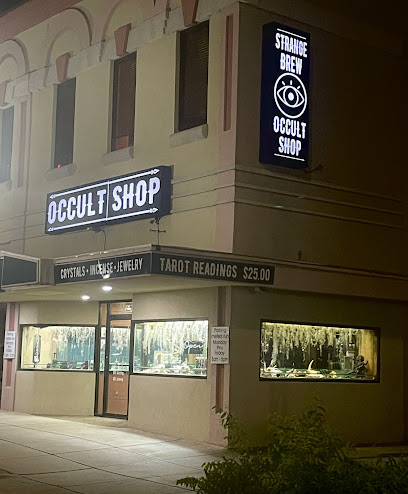
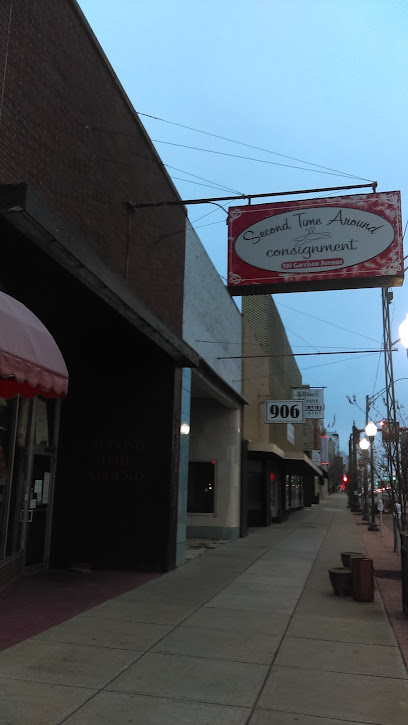
Second Time Around Consignment
0.8 km
Explore Second Time Around Consignment in Fort Smith, AR, where treasure hunting leads to unique finds and unbeatable bargains.
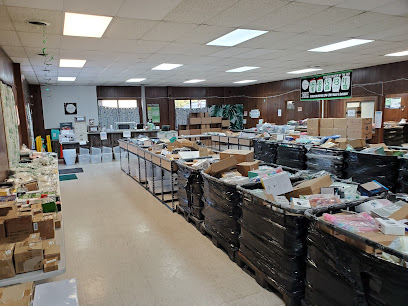
1440 Wholesale Fort Smith
0.8 km
Uncover unique treasures at 1440 Wholesale Fort Smith, the ultimate thrift store experience in Arkansas for savvy shoppers.
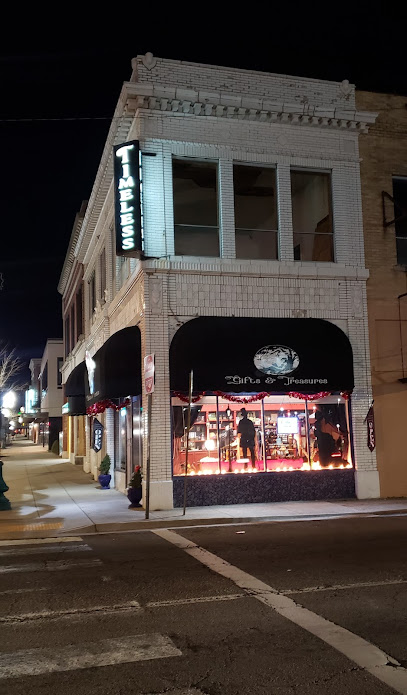
Timeless Oddities and Curiosities
0.8 km
Explore a whimsical gift shop filled with unique treasures, home goods, and metaphysical supplies in Fort Smith, Arkansas.
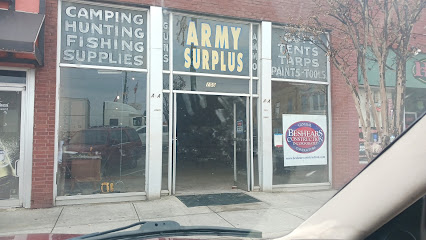
Army Surplus
0.9 km
Explore a treasure trove of authentic military gear at Army Surplus in Fort Smith, Arkansas. A must-visit for military enthusiasts and adventurers alike.
Fifth J Vendor Marketplace
1.1 km
Discover unique gifts and vintage treasures at the Fifth J Vendor Marketplace, your go-to spot for eclectic finds in Fort Smith, Arkansas.
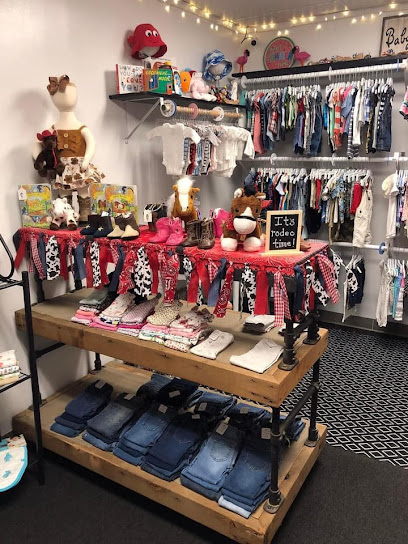
Habitat For Humanity ReStore
1.3 km
Shop sustainably at the Habitat For Humanity ReStore in Fort Smith, where every purchase helps build homes and community!
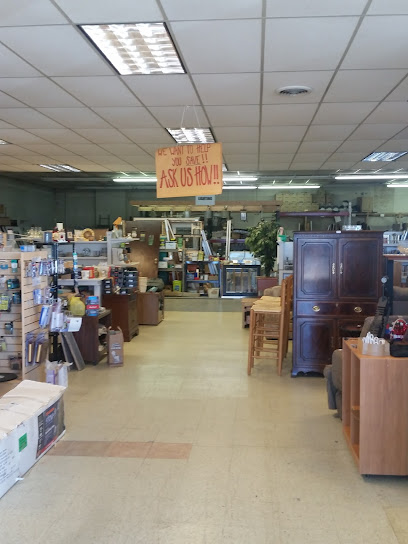
Legends Sports Cards & Collectibles
1.7 km
Explore a treasure trove of sports memorabilia at Legends Sports Cards & Collectibles in Fort Smith, AR, where every fan can find their passion.
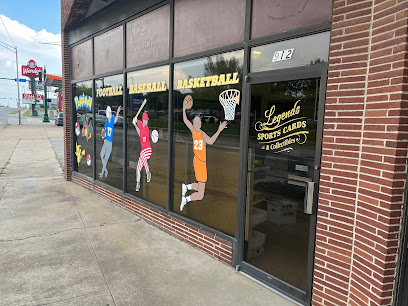
Through the Years Antique Mall
2.1 km
Discover unique treasures and rich history at Through the Years Antique Mall in Fort Smith, Arkansas, a haven for antique enthusiasts and casual visitors alike.
Colquitt Bath Co.
2.8 km
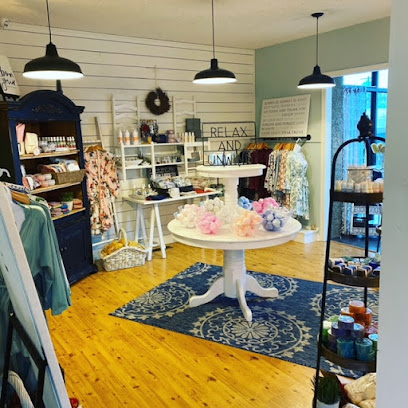
Explore the charm of Fort Smith at Colquitt Bath Co., a unique gift shop offering artisanal selections and local treasures.
Now & Then Shoppe Inc
2.9 km
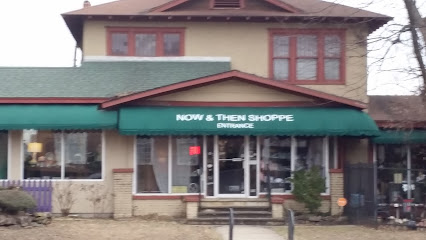
Explore a treasure trove of vintage finds at Now & Then Shoppe Inc, the premier antique store in Fort Smith, Arkansas, perfect for unique souvenirs.
Essential bars & hidden hideouts

Old Town Grain & Feed
0.4 km
Discover the vibrant nightlife at Old Town Grain & Feed, a unique bar and live music venue in Fort Smith, Arkansas.
Amigos Bar and Grill
0.5 km
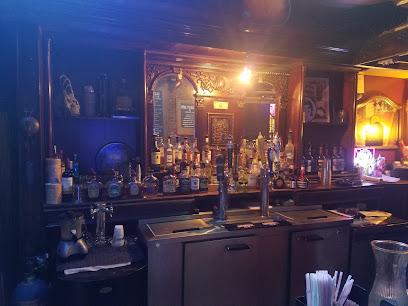
Discover the savory flavors of American cuisine at Amigos Bar and Grill, a must-visit destination in Fort Smith, Arkansas.
Prohibition
0.5 km
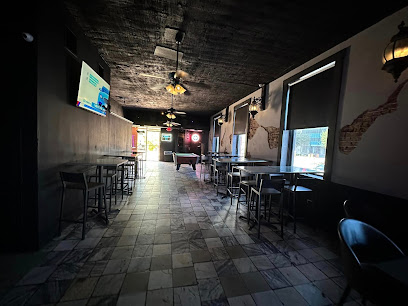
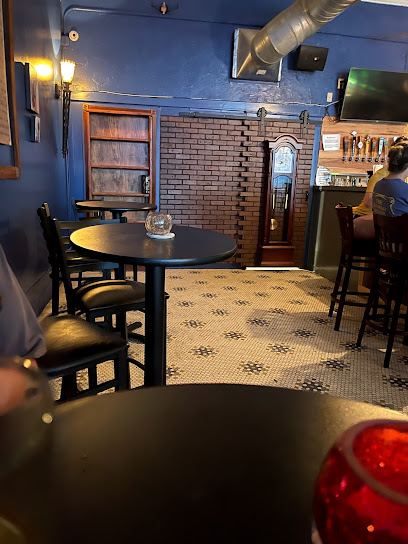
Discover the 1920s speakeasy vibe at Prohibition, Fort Smith's premier bar for craft cocktails and live music in an intimate setting.
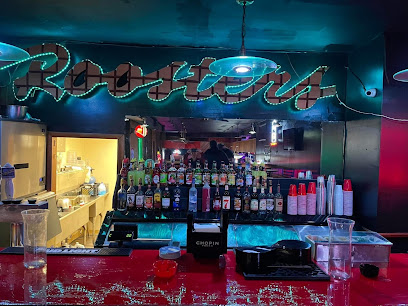
Roosters
0.7 km
Experience the vibrant nightlife at Roosters, Fort Smith's go-to bar and night club for drinks, music, and unforgettable memories.
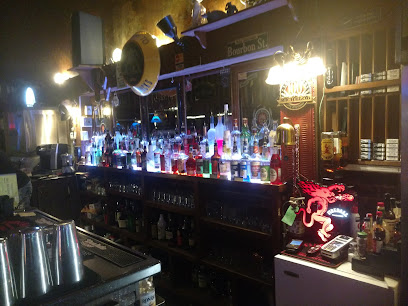
Arlie Muck's
0.7 km
Discover Arlie Muck's in Fort Smith, a lively cocktail bar and pool hall offering expertly crafted drinks and vibrant nightlife.
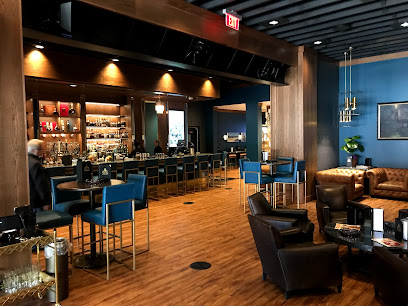
906 Cocktail and Cigar Lounge
0.8 km
Discover the perfect blend of craft cocktails and premium cigars at the 906 Cocktail and Cigar Lounge in Fort Smith, Arkansas.
Tipsy's Pub
0.8 km
Experience the vibrant nightlife and local charm of Tipsy's Pub in Fort Smith, offering a delightful selection of drinks and a welcoming atmosphere.
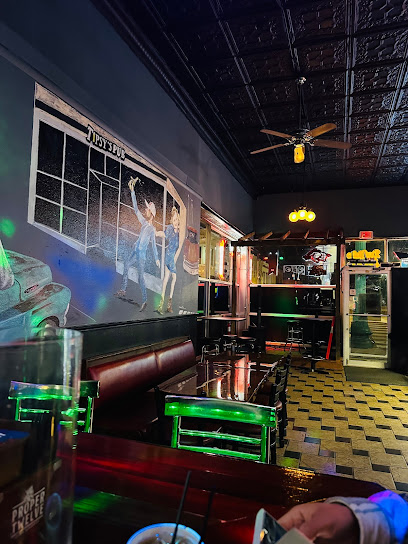
Hero's
0.8 km
Discover the vibrant nightlife at Hero's in Fort Smith, Arkansas - a welcoming bar known for its affordable drinks and lively atmosphere.
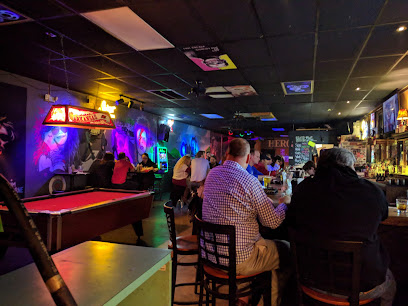
Club Kinkead's
0.9 km
Discover the heart of Fort Smith's nightlife at Club Kinkead's, where great drinks and unforgettable entertainment await every visitor.
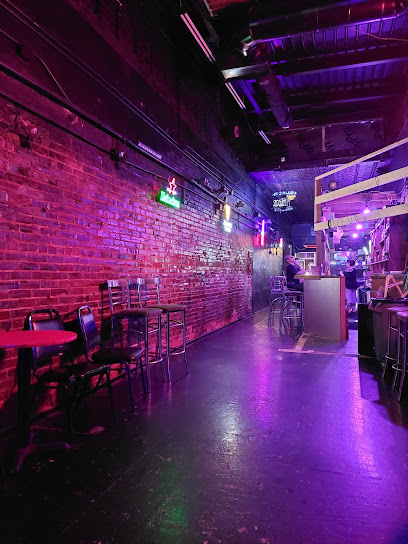
Ice House of Fort Smith
1.2 km
Experience the lively atmosphere and local flavor at the Ice House of Fort Smith, a must-visit bar for tourists seeking fun and entertainment.
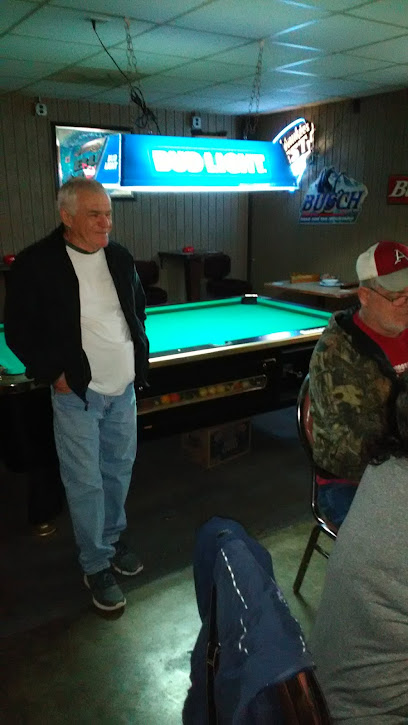
Shooter's Bar & Grill
2.4 km
Experience the flavors of America at Shooter's Bar & Grill in Fort Smith, where great food meets a fun atmosphere.
Suzie Q's
2.5 km
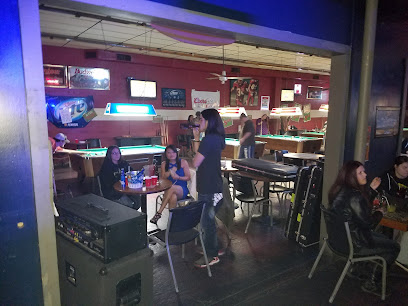
Discover the vibrant nightlife at Suzie Q's, Fort Smith's favorite bar offering great drinks, live music, and a welcoming atmosphere.
Farewell Party Bar
3.2 km
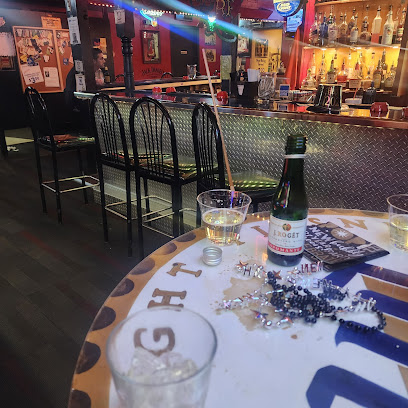
Experience the vibrant nightlife at Farewell Party Bar in Fort Smith, where delicious drinks and friendly faces await.
The Knotty Pint
4.8 km
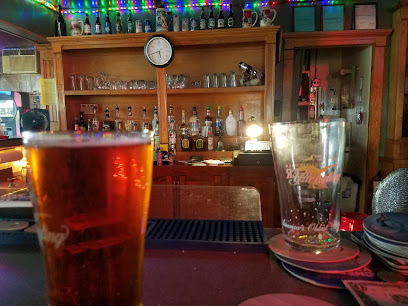
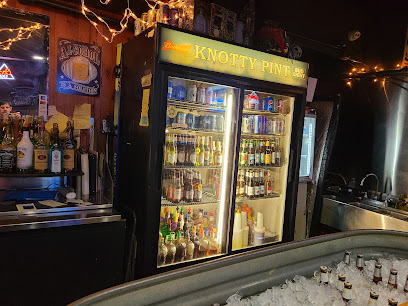
Discover The Knotty Pint, where cozy ambiance meets a vibrant bar scene in Fort Smith, Arkansas, perfect for unwinding and enjoying local music.
Branding Iron
5.3 km
Experience the lively atmosphere and diverse drink menu at the Branding Iron, Fort Smith's top bar for relaxation and entertainment.
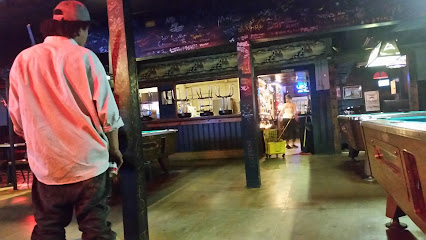
Nightclubs & after hour spots

Foxfire Club
1.1 km
Experience the vibrant nightlife of Fort Smith at Foxfire Club, where great drinks and friendly vibes await every visitor.
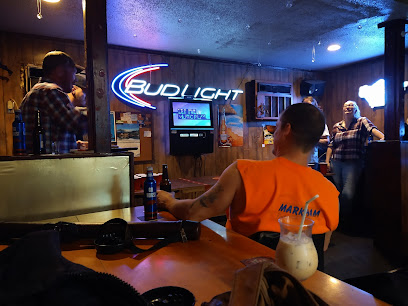
El Azteca Night Club
1.7 km
Discover the electrifying nightlife at El Azteca Night Club in Fort Smith, Arkansas, where vibrant music and dancing await every weekend.
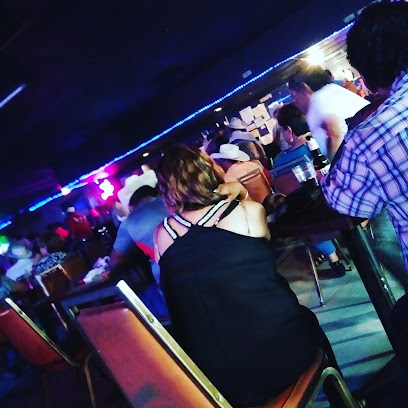
The Hilltop
1.8 km
Experience the vibrant nightlife at The Hilltop, Fort Smith's beloved bar with affordable drinks and lively karaoke events.
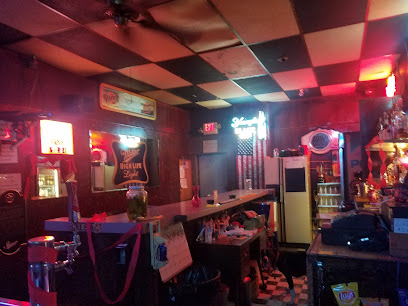
The Cactus
4.1 km
Experience the vibrant nightlife at The Cactus in Fort Smith, Arkansas, where great drinks, music, and an energetic atmosphere await.
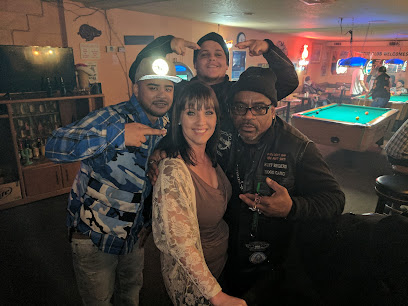
The Goose
4.1 km
Experience the electrifying nightlife at The Goose, Fort Smith's premier night club featuring live music, great drinks, and an unforgettable atmosphere.

Electric Cowboy Fort Smith
7.6 km
Experience the vibrant nightlife at Electric Cowboy Fort Smith, a top destination for dancing and socializing in the heart of Arkansas.
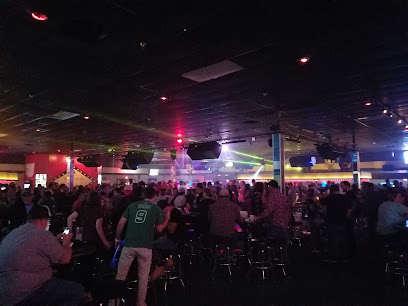
Amphitheater at Devil's Den State Park
45.6 km
Discover the Amphitheater at Devil's Den State Park, a stunning venue for outdoor performances amidst the breathtaking beauty of Arkansas's Ozark Mountains.
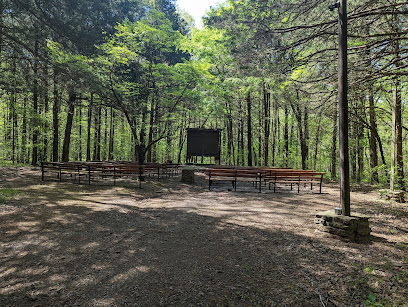
Club Red
76.2 km
Experience the vibrant nightlife at Club Red, Fayetteville's premier night club, where music and dance come alive in an electrifying atmosphere.
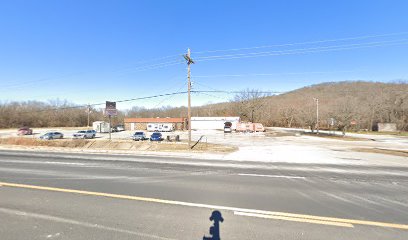
Whiskey 101
77.2 km
Discover the lively atmosphere of Whiskey 101 in Fayetteville, where great whiskey, music, and nightlife converge for an unforgettable experience.
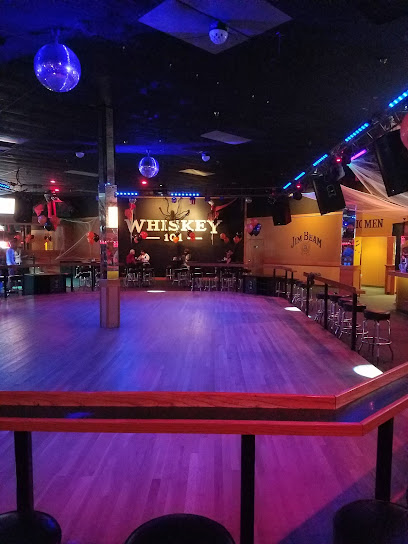
H Club - Fayetteville
78.9 km
Discover H Club - Fayetteville, a chic lounge for signature cocktails and a lively atmosphere in the heart of Arkansas.
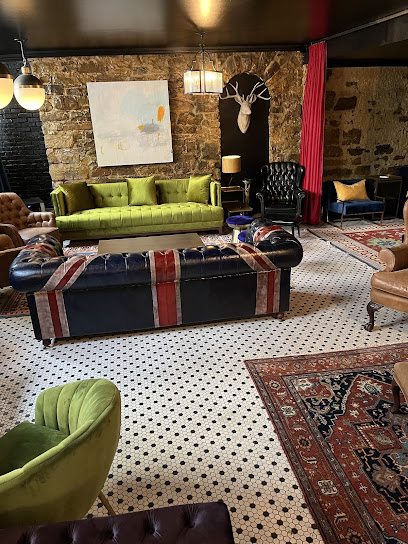
C4 Nightclub & Lounge
78.9 km
Discover Fayetteville's premier nightlife destination at C4 Nightclub & Lounge, where music, dance, and community come together for an unforgettable experience.

Crown Club
79.1 km
Experience the electrifying nightlife of Crown Club in Fayetteville, where unforgettable memories are made every night.
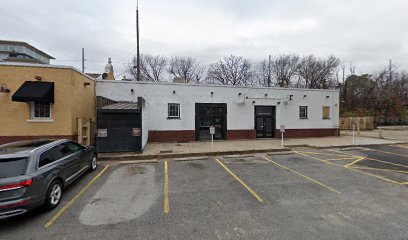
Infusion Bar
79.2 km
Discover Fayetteville's premier karaoke and nightlife destination at Infusion Bar, where fun, music, and great drinks come together for an unforgettable night.
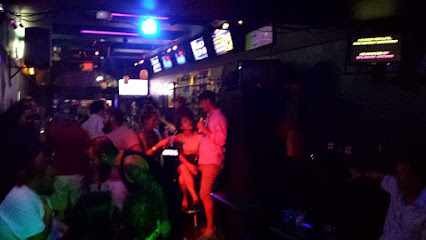
Vip Club
79.2 km
Discover Fayetteville's nightlife at Vip Club, where music, dancing, and vibrant energy create unforgettable nights out.
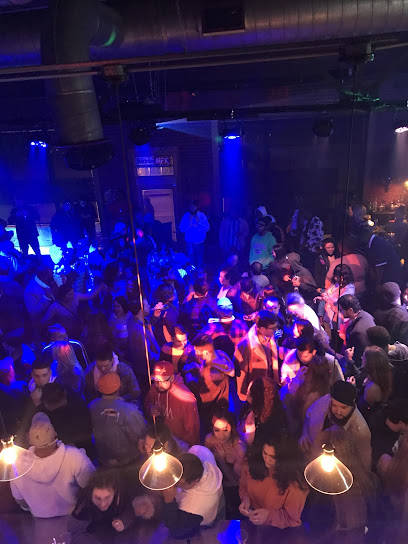
The Piano Bar
79.2 km
Experience the vibrant nightlife at The Piano Bar in Fayetteville, where live music and delicious drinks create unforgettable moments.