

Petit Jean State Park, Arkansas Travel Guide
Discover Petit Jean State Park in Arkansas: A blend of natural beauty, rich history, and outdoor adventure awaits in this serene haven.
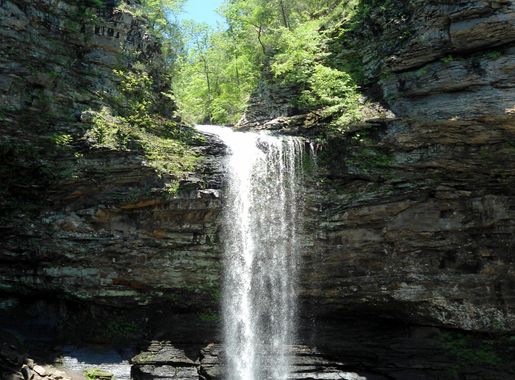
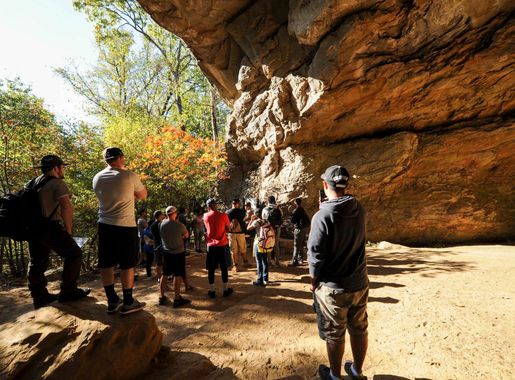
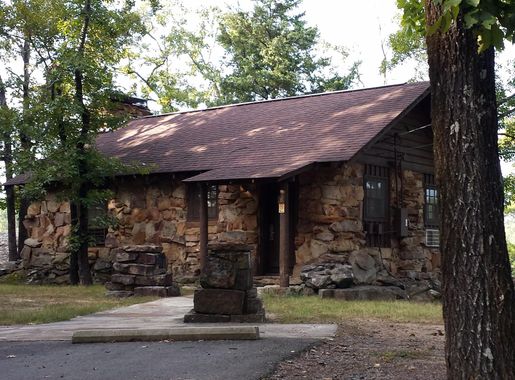
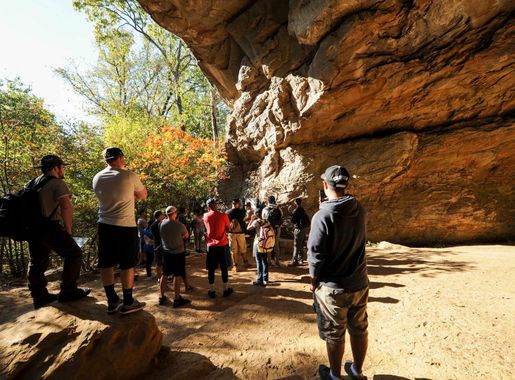
Nestled in the heart of Arkansas, Petit Jean State Park is a natural haven that promises adventure and tranquility. With its stunning landscapes and rich history, the park is a treasure trove for nature lovers and history buffs alike. From the breathtaking views atop Petit Jean Mountain to the serene waters of Lake Bailey, every corner of this park offers something unique. Visitors can explore the park's many trails, including the popular Cedar Falls Trail, which leads to a majestic 95-foot waterfall. The park is also home to Mather Lodge, a historic structure built by the Civilian Conservation Corps in the 1930s, offering a glimpse into the past along with modern comforts. For those interested in archaeology, Petit Jean State Park boasts Indian Rock House Cave, which contains ancient Native American pictographs. The park's museum and visitor center provide further insights into the area's cultural and natural history. Whether you're hiking, fishing, or simply soaking in the beauty, Petit Jean State Park is a destination that captivates the soul.

Know before you go
Hi, I'm Eve. Here are a few practical things to know before exploring Petit Jean State Park.
- Visit in spring or fall for the best weather and stunning foliage.
- Bring sturdy hiking shoes for the rocky trails.
- Check out the park's calendar for guided tours and events.
- Pack a picnic to enjoy by the scenic overlooks.
- Don't forget your camera to capture the breathtaking views.
Explore Petit Jean State Park: Things to Do, Places to Eat, Hotels & More
Handpicked recommendations for top attractions, local dining, accommodations, and more

Best attractions in Petit Jean State Park
Top-rated picks
Best Attractions

Cedar Falls
Experience the majesty of a 95-foot waterfall at Cedar Falls, nestled in the historic Petit Jean State Park, Arkansas's first state park.

Cedar Falls Overlook
Experience the grandeur of Cedar Falls from an easily accessible overlook in Petit Jean State Park, Arkansas.

Petit Jean State Park Visitor Center
Discover the beauty and history of Arkansas's first state park at the Petit Jean State Park Visitor Center. Your adventure starts here!

Museum of Automobiles
Discover automotive history at the Museum of Automobiles in Morrilton, Arkansas, featuring classic cars, motorcycles, and unique memorabilia.


Best restaurants in Petit Jean State Park
Top-rated picks
Best Restaurants

McDonald's
Experience quick bites at McDonald's in Morrilton – where classic fast food meets friendly service at unbeatable prices.

Mather Lodge Restaurant
Experience authentic Southern cuisine with stunning views at Mather Lodge Restaurant in Petit Jean State Park.

Colton's Steak House & Grill
Experience premium steaks and warm hospitality at Colton's Steak House & Grill in Morrilton, Arkansas - perfect for every meat lover.

Wendy's
Experience fast food excellence at Wendy's in Morrilton – where quality meets flavor in every bite!

Best bars in Petit Jean State Park
Top-rated picks
Best Bars

Mather Lodge Restaurant
Discover the flavors of the South at Mather Lodge Restaurant, where culinary tradition meets breathtaking mountain views in Petit Jean State Park.

Wendy's
Experience delicious fast food at Wendy's in Morrilton, Arkansas, featuring iconic burgers and fresh sides in a welcoming setting.

Yesterday's Bar & Grill
Experience the essence of American dining at Yesterday's Bar & Grill in Morrilton, where flavor and hospitality come together.

Petit Jean Liquor Store
Explore the best local spirits at Petit Jean Liquor Store in Morrilton, Arkansas, offering a wide selection of liquors, wines, and craft beers.

Best shops in Petit Jean State Park
Top-rated picks
Best Shops

Petit Jean State Park
Explore the breathtaking landscapes and rich history of Petit Jean State Park in Arkansas, a perfect destination for nature lovers and outdoor adventurers.

Petit Jean Liquor Store
Explore local spirits and crafts at Petit Jean Liquor Store in Morrilton, Arkansas—your gateway to unique flavors and regional specialties.

Petit Jean State Park Visitor Center
Explore the gateway to Arkansas' natural beauty at Petit Jean State Park Visitor Center, where adventure and knowledge meet.

Petit Jean Coffeehouse
Discover the unique flavors and inviting atmosphere of Petit Jean Coffeehouse, a beloved coffee shop in the heart of Arkansas' scenic Petit Jean Mountain.

Explore Petit Jean State Park on the Map
A handpicked selection of must-see spots in Petit Jean State Park, mapped for you.
Petit Jean State Park Essentials
-
Petit Jean State Park is located in central Arkansas. The nearest major city is Little Rock, which is about 60 miles away. To reach the park, you can fly into Bill and Hillary Clinton National Airport (LIT) in Little Rock and rent a car. From Little Rock, take I-40 west to Morrilton (exit 108) and follow AR-9 south to AR-154 west, which leads directly to the park. Alternatively, you can take a scenic route via AR-10 west from Little Rock and then AR-9 north to AR-154 west.
-
Transportation within Petit Jean State Park is best done by car, as the park covers a large area with multiple trailheads, campsites, and attractions spread out. There are parking facilities available at many of the key points of interest. Bicycles are allowed on the roads but not on the hiking trails. For those who prefer not to drive, there are some shuttle services that operate within the park, especially during peak seasons.
-
The official currency is the US Dollar (USD). Most park facilities, including the visitor center, gift shop, and Mather Lodge, accept credit and debit cards. However, it's a good idea to carry some cash for smaller transactions, such as park entry fees, vending machines, and certain privately-operated services within the park. ATMs can be found in nearby Morrilton.
-
Petit Jean State Park is generally very safe for tourists. However, as with any popular destination, it's advisable to stay vigilant. Keep an eye on your belongings, particularly in crowded areas like the visitor center and popular trailheads. There are no specific high-crime areas targeting tourists within the park. Always follow park rules and trail guidelines to ensure your safety, especially when hiking or participating in outdoor activities.
-
In case of emergency, dial 911 for immediate assistance. The park has its own rangers who are trained to handle a variety of emergencies. Emergency contact numbers are posted throughout the park, including at trailheads and the visitor center. It's advisable to carry a fully charged mobile phone and a portable charger. For minor medical issues, first aid kits are available at the visitor center and Mather Lodge. The nearest hospital is in Morrilton, approximately 30 minutes away.
-
Fashion: Do wear comfortable, weather-appropriate clothing and sturdy hiking boots. Don't wear flip-flops or open-toed shoes on trails. Religion: There are no specific religious customs to observe, but always respect the natural environment and other visitors. Public Transport: Public transport is limited within the park; renting a car is recommended. Don't rely solely on public transport for getting around. Greetings: Do greet fellow hikers and visitors with a friendly nod or hello. Don't ignore park rangers; they are there to help. Eating & Drinking: Do pack out all your trash and follow Leave No Trace principles. Don't feed the wildlife or leave food unattended.
-
To experience Petit Jean State Park like a local, consider visiting during the off-season (late fall or early spring) when the park is less crowded. Take the time to explore some of the lesser-known trails like the Seven Hollows Trail for a quieter experience. Chat with park rangers and staff—they often have insider tips on the best spots for wildlife viewing or catching a sunset. Don’t miss the Petit Jean Grave site and the panoramic views from Stout's Point. Bring a picnic to enjoy at one of the scenic overlooks.
When is the best time to visit Petit Jean State Park?
Useful Local Phrases for Petit Jean State Park
You don't need to speak the language perfectly. Even learning a few simple words can make conversations warmer—and locals usually appreciate the effort.
— Eve

Here are the phrases I use most often in Petit Jean State Park. Try a few—you'll be surprised how far they go! 😊
❤️
-
- HelloHowdy
[h-ow-dee] - GoodbyeSee ya later
[see yuh lay-ter] - YesYep
[yep] - NoNah
[nah] - Please/You're welcomePlease/You're welcome
[please/yur welcome] - Thank youThanks a lot
[thanks uh lot] - Excuse me/SorryPardon me
[par-dun me] - How are you?How y'all doin'?
[how y'all doin'] - Fine. And you?Fine. And y'all?
[fine. and y'all] - Do you speak English?Y'all speak English?
[y'all speak English] - I don't understandI ain't catchin' on
[i aint catch-in on]
- HelloHowdy
-
- I'd like to see the menu, pleaseCan I take a gander at the menu, please
[can i take uh gan-der at the menu, please] - I don't eat meatI don't eat no meat
[i don't eat no meat] - Cheers!Bottoms up!
[bottoms up] - I would like to pay, pleaseI reckon I'll settle up now, please
[i reckon i'll settle up now, please]
- I'd like to see the menu, pleaseCan I take a gander at the menu, please
-
- Help!Help!
[help] - Go away!Git!
[git] - Call the Police!Call the Sheriff!
[call the shur-iff] - Call a doctor!Call the doc!
[call the doc] - I'm lostI'm turned around
[i'm turned around] - I'm illI ain't feelin' right
[i aint feelin' right]
- Help!Help!
-
- I'd like to buy...I'm fixin' to buy...
[i'm fix-in to buy] - I'm just lookingI'm just browsin'
[i'm just brow-sin'] - How much is it?How much fer that?
[how much fur that] - That's too expensiveThat's too steep
[that's too steep] - Can you lower the price?Kin ya knock the price down?
[kin ya knock the price down]
- I'd like to buy...I'm fixin' to buy...
-
- What time is it?What's the time o' day?
[whats the time o' day] - It's one o'clockIt's one
[it's one] - Half past (10)Ten-thirty
[ten-thurty] - MorningMornin'
[mornin] - AfternoonAfternoon
[afternoon] - EveningEvenin'
[evenin] - YesterdayYest'day
[yest-day] - TodayToday
[today] - TomorrowTomorrer
[tomorrer] - 1One
[one] - 2Two
[two] - 3Three
[three] - 4Four
[four] - 5Five
[five] - 6Six
[six] - 7Seven
[seven] - 8Eight
[eight] - 9Nine
[nine] - 10Ten
[ten]
- What time is it?What's the time o' day?
-
- Where's a/the...?Where's the...?
[wheres the] - What's the address?What's the addy?
[whats the addy] - Can you show me (on the map)?Can ya show me (on the map)?
[can ya show me (on the map)] - When's the next (bus)?When's the next (bus)?
[whens the next (bus)] - A ticket (to ....)A ticket (to ....)
[uh ticket (to)]
- Where's a/the...?Where's the...?
History of Petit Jean State Park
-
The park gets its name from a French legend about a young woman named Adrienne Dumont. Disguised as a cabin boy under the alias 'Petit Jean' (Little John), she followed her lover, a French explorer, to the New World. She eventually fell ill and revealed her true identity before passing away. According to the legend, her final resting place is on top of Petit Jean Mountain, a spot that offers breathtaking views and is considered sacred by many.
-
Long before European settlers arrived, the Petit Jean Mountain area was inhabited by Native American tribes, including the Quapaw and Osage. The rock shelters and caves within the park contain ancient Native American pictographs and petroglyphs, offering a glimpse into the lives and spiritual practices of these early inhabitants. These artifacts are preserved and displayed, contributing to our understanding of prehistoric cultures in the region.
-
Petit Jean State Park was established in 1923, making it Arkansas's first state park. The area was selected for its natural beauty, historical significance, and recreational potential. The park was developed with the help of the Civilian Conservation Corps (CCC) during the 1930s. The CCC built many of the park's amenities, including Mather Lodge, roads, trails, and cabins, using native stone and wood to blend seamlessly with the natural surroundings.
-
During the Great Depression, the Civilian Conservation Corps (CCC) played a critical role in developing Petit Jean State Park. The work of these young men, often referred to as 'Roosevelt's Tree Army,' included constructing trails, bridges, and buildings. Their craftsmanship is evident in the park's lasting infrastructure, showcasing rustic architecture that has become a hallmark of the park's charm. The CCC's legacy is celebrated with interpretive displays and preserved structures.
-
The grave believed to be that of Petit Jean is located near Stout's Point at the park's overlook. This site is a place of pilgrimage for many visitors who come to pay their respects and to enjoy the panoramic views of the Arkansas River Valley. The grave is marked with a simple stone and has become a symbol of the enduring love story that gave the mountain its name.
-
This significant archaeological site within Petit Jean State Park features ancient Native American rock art. The cave's walls are adorned with pictographs that date back thousands of years, depicting human figures, animals, and abstract designs. These artworks provide valuable insights into the culture and beliefs of the region's early inhabitants and are carefully preserved for educational and interpretive purposes.
-
This trail is named in honor of the Civilian Conservation Corps workers who developed much of the park's infrastructure. The trail offers a scenic journey through the park's diverse landscapes, including forests, meadows, and streams. Interpretive signs along the trail provide historical context about the CCC's contributions, allowing visitors to appreciate the blend of natural beauty and human ingenuity.
Neighbouring destination travel guides
Browse our curated selection of top destinations, scenic points, and must-visit spots in the area.
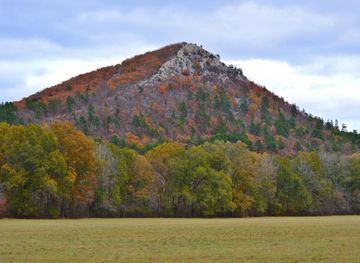

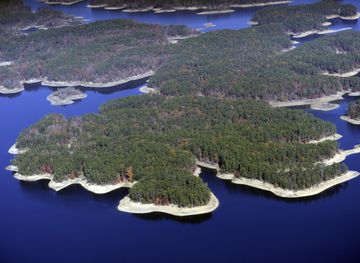
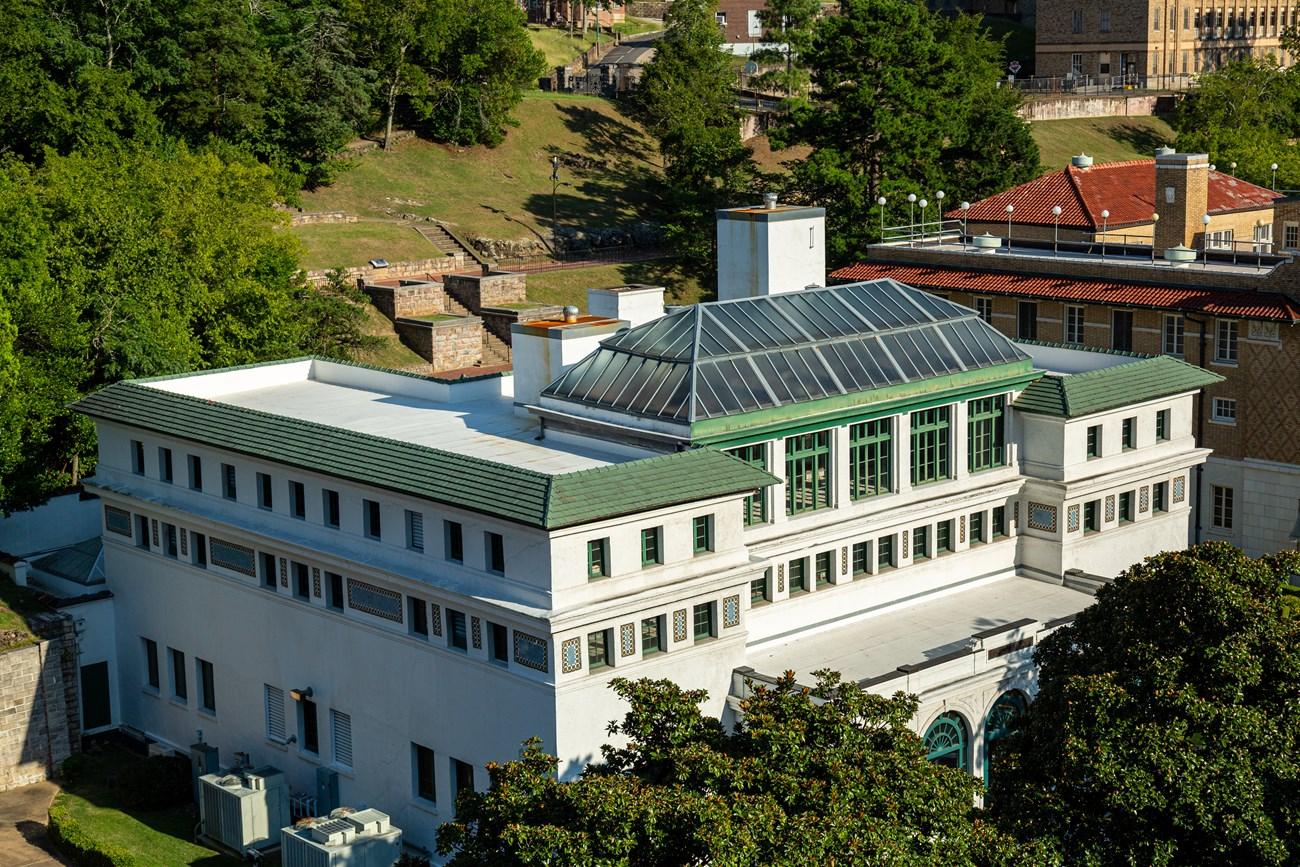


Your all‑in‑one travel companion app
Explore expert travel guides, compare and book tours, experiences, hotels, and more—all from the palm of your hand. Download now for seamless trip planning wherever your wanderlust takes you.


Explore More of Arkansas River Valley

Looking beyond Petit Jean State Park? Discover Arkansas River Valley for broader travel guides, local hot-spots, and regional highlights.
Explore Arkansas River ValleyExplore More of Arkansas

Looking beyond Petit Jean State Park? Discover Arkansas for broader travel guides, local hot-spots, and regional highlights.
Explore ArkansasPetit Jean State Park in Photos
Browse through our photo collection highlighting the charm and character of the destination.
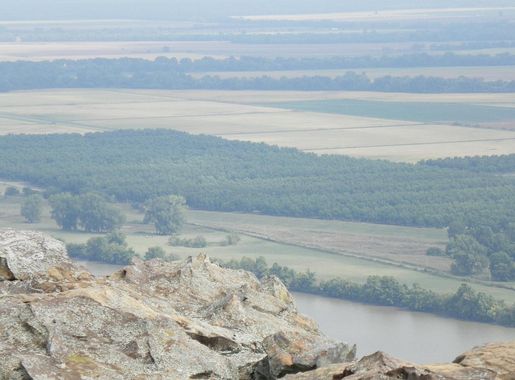




The Enchanting Wilderness of Petit Jean State Park
Nestled in the heart of Arkansas, Petit Jean State Park is a natural haven that promises adventure and tranquility. With its stunning landscapes and rich history, the park is a treasure trove for nature lovers and history buffs alike. From the breathtaking views atop Petit Jean Mountain to the serene waters of Lake Bailey, every corner of this park offers something unique. Visitors can explore the park's many trails, including the popular Cedar Falls Trail, which leads to a majestic 95-foot waterfall. The park is also home to Mather Lodge, a historic structure built by the Civilian Conservation Corps in the 1930s, offering a glimpse into the past along with modern comforts. For those interested in archaeology, Petit Jean State Park boasts Indian Rock House Cave, which contains ancient Native American pictographs. The park's museum and visitor center provide further insights into the area's cultural and natural history. Whether you're hiking, fishing, or simply soaking in the beauty, Petit Jean State Park is a destination that captivates the soul.