

Free Armavir Travel Guide & Mobile App
Explore Armavir with free travel guides. Discover regional history, expert tips, proposed trips, and audio guides on web or mobile app.


Explore Armavir’s sacred churches, Bronze Age archaeology, vineyards and Sardarapat heritage across Armenia’s historic Ararat Plain.
Read more about Armavir
When is the best time to visit Armavir?
Best: May–June, September · 24–28°C| Month | High (°C) | Rainfall (mm) |
|---|---|---|
| January | 6 | 25 |
| February | 8 | 22 |
| March | 13 | 30 |
| April | 19 | 35 |
| May (best) | 24 | 45 |
| June (best) | 28 | 30 |
| July | 32 | 20 |
| August | 31 | 15 |
| September (best) | 26 | 25 |
| October | 18 | 30 |
| November | 11 | 25 |
| December | 6 | 20 |
Getting to and around Armavir
How to get there
Transportation
Best attractions in Armavir
Armavir’s attractions combine sacred architecture, archaeological depth and the open landscapes of the Ararat Plain. Vagharshapat forms the cultural centre, with the Mother See of Holy Etchmiadzin and the churches of Saint Hripsime, Saint Gayane and Shoghakat offering an outstanding concentration of Armenian ecclesiastical heritage. The ruins of Zvartnots, with their reconstructed columns and carved fragments, provide a different perspective on seventh-century architecture. At Metsamor, an archaeological site and museum introduce visitors to Bronze and Iron Age settlement, metallurgy and ritual life. The Sardarapat memorial complex and museum explore the decisive 1918 battle through monumental sculpture and historical displays. The remains associated with ancient Armavir and Argishtikhinili add further layers to the province’s long political history. Beyond formal sites, the fertile plain is best experienced through its orchards, vineyards, irrigation channels and market towns, particularly when seasonal produce is being gathered. The province is suited to heritage circuits and short countryside drives rather than to resort-style tourism, and its broad views towards Mount Ararat and the volcanic ranges give even ordinary journeys a strong geographical character.
-
Tourist attraction
Cascade Complex
Climb Yerevan's iconic Cascade for art, culture, and breathtaking panoramic views of the city and Mount Ararat.
-
Monastery
Khor Virap Monastery
A historic Armenian monastery with stunning views of Mount Ararat, Khor Virap is a pilgrimage site with a deep spiritual history.
-
Armenian church
Geghard Monastery
Explore the breathtaking Geghard Monastery, a UNESCO World Heritage Site that embodies Armenia's rich history and stunning natural landscapes.
-
Museum
Garni Historical and Cultural Museum
Explore Armenia's ancient past at Garni Historical and Cultural Museum, home to the iconic Garni Temple and rich archaeological treasures.


Best landmarks in Armavir
The most recognisable landmark in Armavir is the religious complex of Holy Etchmiadzin in Vagharshapat, the historic seat of the Armenian Apostolic Church and a defining symbol of Armenia’s Christian heritage. Nearby Saint Hripsime Church is admired for its austere early medieval composition, while Saint Gayane and Shoghakat contribute to the remarkable architectural group around the city. The ruins of Zvartnots are distinguished by the remains of a bold seventh-century circular cathedral, whose columns and carved details stand against the plain. At Sardarapat, a monumental memorial ensemble of sculpted winged figures and broad stone forms commemorates the 1918 battle and functions as both a landmark and a national historical statement. Metsamor’s archaeological remains mark a much earlier landscape of urban settlement and metalworking. Across the province, the open Ararat Plain itself is a geographical landmark: irrigation-fed fields, orchards and vineyards extend towards distant mountains and the often visible profile of Mount Ararat beyond the Turkish border.
-
 Tourist attraction
Cascade Complex
Discover the Cascade Complex in Yerevan, an open-air museum featuring modern art and stunning city views, perfect for art enthusiasts and casual visitors alike.
-
Historical landmark
Republic Square
Explore the vibrant Republic Square in Yerevan, a historical landmark that showcases stunning architecture and cultural richness.
-
Monastery
Khor Virap Monastery
Discover Khor Virap Monastery, a historic Armenian site offering breathtaking views of Mount Ararat and rich spiritual heritage, perfect for your travel adventures.
-
Armenian church
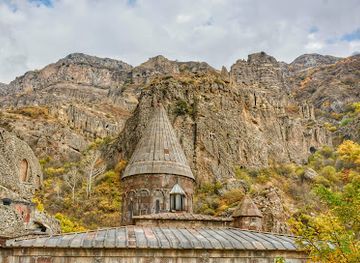
Geghard Monastery
Explore Geghard Monastery, a UNESCO World Heritage Site in Armenia, where spirituality meets stunning architecture amidst breathtaking landscapes.


Explore Armavir on the map
Plan your trip on one map. See where the top cities, national parks and sights are, and book hotels and experiences in a few clicks.
Best hotels in Armavir
Best restaurants in Armavir
Armavir’s food culture reflects the productive Ararat Plain, with seasonal fruit, vegetables, herbs, grains and grapes appearing in home cooking, market stalls and modest restaurants. In Vagharshapat and Armavir city, visitors will find Armenian staples such as lavash, grilled meats, dolma, soups, salads and pastries, while village tables may add preserves, pickled vegetables, dried fruit and locally made dairy products. Summer brings abundant apricots, peaches, grapes and other orchard produce; availability naturally changes through the year. Wine is closely associated with Armenia’s wider agricultural heritage, and Armavir’s vineyards and lowland climate support local production, though tasting opportunities vary by producer. Cafés and family-run eateries tend to be more common than formal destination dining, while traditional Armenian restaurants provide a broader menu for visitors staying in Vagharshapat. Markets are useful for buying fruit, nuts, dried goods and regional gifts, but travellers should distinguish genuinely local products from nationally distributed brands. Meals can be leisurely and generous, particularly when hosted in a private home or rural setting.
-
Armenian
Lavash Restaurant
Experience authentic Armenian cuisine in a vibrant setting at Lavash Restaurant in Yerevan – a true taste of tradition.
-
Restaurant
Sherep Restaurant ( Շերեփ ռեստորան )
Experience authentic Armenian cuisine in Yerevan at Sherep Restaurant - where tradition meets contemporary dining.
-
Restaurant
Coffee Cup Lavazza
Experience authentic Italian coffee and pastries at Coffee Cup Lavazza in Yerevan's Zvartnots International Airport.
-
Mediterranean
Lahmajun Gaidz
Discover authentic Armenian flavors at Lahmajun Gaidz—Yerevan's beloved Mediterranean eatery known for its delicious lahmajun.


Best bars in Armavir
Armavir is not known for a large nightclub scene. Evening life is centred chiefly on cafés, restaurants, family gatherings and traditional pubs or restaurants in Vagharshapat and Armavir city, with the most dependable choice of venues in the larger settlements. Visitors may encounter places serving Armenian wine, beer, spirits and coffee, but opening arrangements and entertainment can change, particularly outside the main towns. Vagharshapat’s religious importance gives its evenings a quieter character than Yerevan’s nightlife, while village social life is generally organised around homes and local community venues rather than late-night districts. Wine tasting or a relaxed meal is a more natural regional evening activity than searching for clubs. Anyone travelling by car should plan transport in advance and never drive after drinking; rural taxi availability may be less predictable later at night.
-
Pub
Beatles Pub Yerevan
Discover the lively Beatles Pub in Yerevan, a fusion of iconic music, delicious food, and a vibrant atmosphere that captures the spirit of the legendary band.
-
Cocktail bar
DABOO Cocktail Bar
Experience Yerevan's vibrant nightlife at DABOO Cocktail Bar, known for its innovative cocktails and lively atmosphere.
-
Cocktail bar
Bar Phoenīx
Discover the vibrant cocktail culture at Bar Phoenīx, where innovative drinks meet a welcoming atmosphere in the heart of Yerevan.
-
Bar
The Kond House
Discover the lively heart of Yerevan at The Kond House, where culture meets great drinks in an unforgettable atmosphere.


Best nightclubs in Armavir
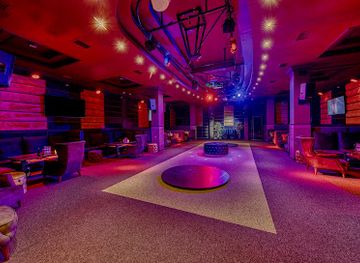
Armavir is not known for a large nightclub scene. Evening life is centred chiefly on cafés, restaurants, family gatherings and traditional pubs or restaurants in Vagharshapat and Armavir city, with the most dependable choice of venues in the larger settlements. Visitors may encounter places serving Armenian wine, beer, spirits and coffee, but opening arrangements and entertainment can change, particularly outside the main towns. Vagharshapat’s religious importance gives its evenings a quieter character than Yerevan’s nightlife, while village social life is generally organised around homes and local community venues rather than late-night districts. Wine tasting or a relaxed meal is a more natural regional evening activity than searching for clubs. Anyone travelling by car should plan transport in advance and never drive after drinking; rural taxi availability may be less predictable later at night.
-
Jazz
Club 12
Experience the best of Yerevan's nightlife with live jazz, exquisite Armenian cuisine, and delightful cocktails at Club 12.
-
Rock music club
Stop Club
Discover the electrifying atmosphere of Stop Club, Yerevan's top rock music venue, known for unforgettable performances and vibrant nightlife.
-
Night club
Diva
Experience the electrifying nightlife at Diva Night Club in Yerevan, where music, dance, and new friendships await.
-
Night club
Burlesque Club
Discover Yerevan's Burlesque Club, a mesmerizing night club where art meets nightlife, offering dazzling performances and an unforgettable atmosphere.

Best shops in Armavir
Shopping in Armavir is practical and closely connected with agriculture rather than concentrated in a major luxury retail district. Vagharshapat and Armavir city have everyday high-street shops, small groceries, bakeries and market stalls, while village markets are useful for seasonal fruit, vegetables, herbs, nuts, dried fruit, preserves and pickled produce. Armenian wine, brandy, fruit products and packaged sweets can make suitable gifts, although labels and production locations should be checked if a specifically Armavir-made product is important. Visitors may also find ceramics, woodwork, textiles and religious souvenirs around Vagharshapat’s principal visitor sites, but selection varies between shops. The Sardarapat area and museum complex provide opportunities to buy modest cultural mementoes, while specialist craft shopping is more limited than in Yerevan. Carry cash for open-air markets and small producers, and remember that rural trading is often seasonal, with the most abundant displays appearing during the harvest months.
-
Gift shop
Vernissage
Explore Vernissage, Yerevan's vibrant market for handicrafts and local art, reflecting the rich Armenian culture and craftsmanship.
-
Shopping mall
Isso Mall
Explore Isso Mall in Armavir, where shopping, dining, and entertainment come together in a vibrant atmosphere for an unforgettable experience.
-
Supermarket
Isahakyan supermarket
Explore local flavors and everyday essentials at Isahakyan Supermarket, a vibrant shopping haven in Armavir.
-
Winery
VOSKENI wines
Explore the rich flavors and cultural heritage of Armenia at VOSKENI Wines, a premier winery in Yerevan, dedicated to exceptional winemaking.


Get your free copy of our complete guide to Armavir, delivered straight to you.
Everything on this page, from attractions and restaurants to essentials and local phrases, in one PDF you can read offline, print or share.
Already have an account? Sign in
Your Armavir guide is ready.
We'll send it to · Not you? Sign out

Getting your guide ready…
We are putting together a fresh copy of the Armavir guide. This can take up to a minute.
This can take a few moments. If your browser asks, choose Allow so the download can start. You'll find the guide in your Downloads folder.
Nothing happened? Download it again
Sorry, the guide is taking longer than usual. Please try again in a minute, or get it by email instead.
Armavir essentials
Currency and Payment
Safety
Emergency Situations
Do's and Don'ts
Local Tips
From Eve
Local phrases worth knowing
You don't need to get them perfect. A few words go a long way, and locals appreciate the effort.
Basics
| English | Local | Say it |
|---|---|---|
| Hello | Բարև | [Barev] |
| Goodbye | Ցտեսություն | [Tstesutyun] |
| Yes | Այո | [Ayo] |
| No | Ոչ | [Voch] |
| Please/You're welcome | Խնդրում եմ | [Khndrum yem] |
| Thank you | Շնորհակալություն | [Shnorhakalutyun] |
| Excuse me/Sorry | Ներեցեք | [Neretseq] |
| How are you? | Ինչպե՞ս եք | [Inchpes ek?] |
| Fine. And you? | Լավ։ Իսկ դուք? | [Lav. Isk duk?] |
| Do you speak English? | Դուք անգլերեն խոսո՞ւմ եք | [Duk angleren khosum ek?] |
| I don't understand | Ես չեմ հասկանում | [Yes chem haskanum] |
Eating & Drinking
| English | Local | Say it |
|---|---|---|
| I'd like to see the menu, please | Կցանկանայի տեսնել մենյուն, խնդրում եմ | [Ktsankani tesnel menyun, khndrum yem] |
| I don't eat meat | Ես միս չեմ ուտում | [Yes mis chem utum] |
| Cheers! | Ուրախություն! | [Urakhutyun!] |
| I would like to pay, please | Կցանկանայի վճարել, խնդրում եմ | [Ktsankani vjarel, khndrum yem] |
Emergencies
| English | Local | Say it |
|---|---|---|
| Help! | Օգնեցեք! | [Ognets'ek!] |
| Go away! | Գնացեք! | [Gnats'ek!] |
| Call the Police! | Զանգեք ոստիկանությանը! | [Zangek vostikanutyan!] |
| Call a doctor! | Զանգեք բժիշկի! | [Zangek bjishki!] |
| I'm lost | Ես կորել եմ | [Yes k'orel yem] |
| I'm ill | Ես հիվանդ եմ | [Yes hivand yem] |
Shopping
| English | Local | Say it |
|---|---|---|
| I'd like to buy... | Կցանկանայի գնել... | [Ktsankani gnel...] |
| I'm just looking | Ես պարզապես նայում եմ | [Yes parzapes nayum yem] |
| How much is it? | Որքան արժե? | [Vork'an arje?] |
| That's too expensive | Սա չափազանց թանկ է | [Sa chapazats' tank e] |
| Can you lower the price? | Կարո՞ղ եք իջեցնել գինը? | [Karo'gh ek ijetsnel giny?] |
Time & Numbers
| English | Local | Say it |
|---|---|---|
| What time is it? | Ինչ ժամ է? | [Inch jam e?] |
| It's one o'clock | Յուրաքանչյուր ժամ է | [Yurakanch gham e] |
| Half past (10) | 10-ին կես | [10-in kes] |
| Morning | Առավոտ | [Aravot] |
| Afternoon | Ճաշ | [Jash] |
| Evening | Երեկո | [Yereko] |
| Yesterday | Երեկ | [Yerek] |
| Today | Այսօր | [Aysor] |
| Tomorrow | Վաղը | [Vaghy] |
| 1 | 1 | [1] |
| 2 | 2 | [2] |
| 3 | 3 | [3] |
| 4 | 4 | [4] |
| 5 | 5 | [5] |
| 6 | 6 | [6] |
| 7 | 7 | [7] |
| 8 | 8 | [8] |
| 9 | 9 | [9] |
| 10 | 10 | [10] |
Transport & Directions
| English | Local | Say it |
|---|---|---|
| Where's a/the...? | Որտեղի՞ն է ... | [Vorteghin e ...?] |
| What's the address? | Ինչ է հասցեն? | [Inch e hascen?] |
| Can you show me (on the map)? | Կարո՞ղ եք ցույց տալ (քարտեզի վրա)? | [Karo'gh ek tsuyc tal (kart'ezi vra)?] |
| When's the next (bus)? | Երբ է հաջորդը (տրանսպորտը)? | [Yerpb e hajordy (transporty)?] |
| A ticket (to ....) | Տոմս (....-ին) | [Toms (....-in)] |
History of Armavir
Metsamor and the Bronze Age Plain
The archaeological settlement of Metsamor, near the modern town of the same name, records a substantial community active from the fourth millennium BC and especially influential during the Bronze and Iron ages. Excavations have revealed monumental structures, workshops, burial areas and evidence of sophisticated metalworking. Its position on the Ararat Plain connected agricultural settlements with wider exchange networks across the South Caucasus and Near East. The site is important not simply because of its antiquity, but because it shows how specialised production, ritual life and control of fertile land developed together in an early urban environment.
Urartian Argishtikhinili
During the eighth century BC, the kingdom of Urartu established Argishtikhinili in the Armavir area, probably under King Argishti I. The settlement formed part of a wider programme of fortification, irrigation and agricultural organisation across the Ararat Plain. Urartian authorities built canals and administrative centres that strengthened state control over crops, livestock and labour. The remains associated with Argishtikhinili help explain why this apparently open plain repeatedly attracted powerful kingdoms: its productive soils and strategic position made it an economic base as well as a route between the Armenian highlands and neighbouring regions.
Ancient Armavir and the Hellenistic World
The ancient city of Armavir developed on or near the earlier Urartian landscape and became an important centre of the Armenian kingdom. Its history reflects the political changes that followed the rise of the Orontid dynasty and the spread of Hellenistic cultural influences after Alexander the Great. Classical and later sources associate the city with royal administration, temples and literary activity. Archaeological remains in the province, together with finds displayed in local museums, illustrate the way Armenian rulers adopted external artistic and political forms while maintaining a distinct regional tradition.
Christian Armenia and Vagharshapat
Vagharshapat became the principal centre of Armenian Christianity after the conversion of Armenia in the early fourth century, traditionally associated with King Tiridates III and Saint Gregory the Illuminator. The Mother See of Holy Etchmiadzin emerged here and continued to shape Armenian religious life, manuscript culture and artistic patronage. Churches dedicated to Saint Hripsime, Saint Gayane and Shoghakat, along with the cathedral complex, preserve different stages of ecclesiastical architecture. The city’s enduring importance explains why Armavir remains central to visitors interested in Armenia’s Christian identity.
Zvartnots and Seventh-Century Architecture
The cathedral of Zvartnots was built in the seventh century during a period of architectural and political confidence in Armenia. Although earthquakes and later deterioration left the building in ruins, its surviving circular plan, carved fragments and monumental scale reveal an ambitious design. Zvartnots stood close to Vagharshapat and formed part of the region’s exceptional group of early medieval religious monuments. Its remains are especially valuable for understanding the development of Armenian church architecture, whose methods and forms influenced later buildings across the country.
Sardarapat and the Battle of 1918
The Battle of Sardarapat, fought in May 1918 near the present memorial complex, was a decisive confrontation between Armenian forces and the Ottoman army. After the collapse of the Russian front during the First World War, the battle threatened the survival of Armenian communities in the eastern Armenian lands. Armenian resistance at Sardarapat, together with fighting at Bash-Aparan and Karakilisa, halted the advance. The victory contributed to the establishment of the First Republic of Armenia and remains a major symbol of statehood, endurance and collective mobilisation.
Soviet Agriculture and Industrial Development
Under Soviet rule, Armavir was incorporated into a centrally organised agricultural and industrial system. Irrigated farming expanded across the Ararat Plain, while food processing, wine production and other forms of agricultural industry became important to local employment. The modern city of Armavir grew as an administrative and economic centre, and settlements such as Metsamor acquired a more industrial character. The period also transformed landholding and rural life, leaving a legacy visible today in irrigation infrastructure, orchards, processing facilities and the province’s continuing dependence on productive lowland agriculture.
Armavir in Photos
Browse through our photo collection highlighting the charm and character of the destination.
Neighbouring regions of Armavir
The closest regions to Armavir, if you have time for more than one.
-

-
-

-

-


Swipe for more regions
Explore more

Explore more of Armenia
Explore Armenia's ancient wonders, vibrant cities, and breathtaking landscapes. From historic monasteries to delicious cuisine, there's something for every traveler.
Explore Armenia