

Free Kotayk Travel Guide & Mobile App
Explore Kotayk with free travel guides. Discover regional history, expert tips, proposed trips, and audio guides on web or mobile app.


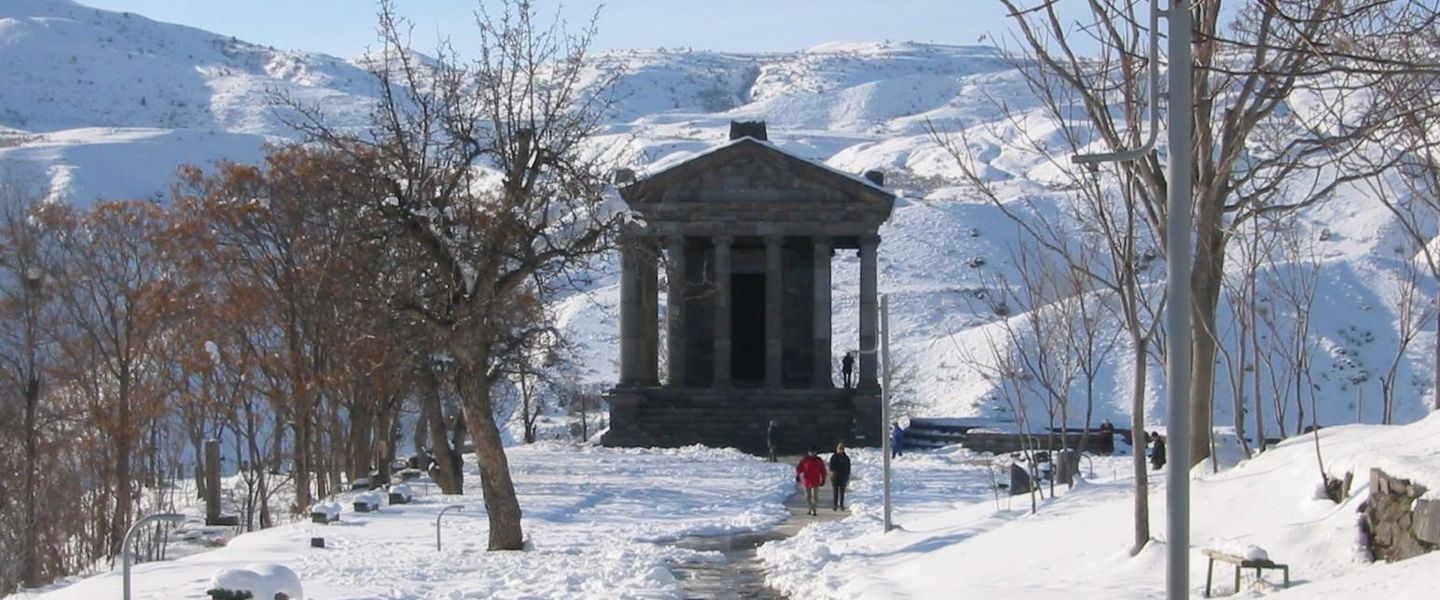


Explore Kotayk’s ancient Garni and Geghard, basalt gorges, mountain villages and Tsaghkadzor resort near Yerevan.
Read more about Kotayk
When is the best time to visit Kotayk?
Best: June–August · 25–27°C| Month | High (°C) | Rainfall (mm) |
|---|---|---|
| January | 5 | 20 |
| February | 6 | 22 |
| March | 11 | 26 |
| April | 16 | 30 |
| May | 20 | 34 |
| June (best) | 25 | 26 |
| July (best) | 27 | 19 |
| August (best) | 26 | 18 |
| September | 22 | 22 |
| October | 15 | 26 |
| November | 9 | 24 |
| December | 3 | 22 |
Getting to and around Kotayk
How to get there
Transportation
Top city travel guides in Kotayk
The cities of Kotayk, and the easiest places to base yourself.
-

-

-

-


Swipe for more cities
Destinations in Kotayk
Resorts, valleys and scenic spots worth a trip of their own.
-

-

-

-

-
-


Swipe for more destinations
Best attractions in Kotayk
Kotayk’s attractions range from ancient monuments to highland recreation. Around Garni, visitors can explore the first-century temple, the fortress area, the Azat Gorge and the Symphony of Stones, whose basalt columns form a dramatic natural wall. Geghard Monastery adds a major medieval and spiritual dimension, with churches and chambers partly carved into the cliffs. In the north, Tsaghkadzor offers skiing and snow activities in winter and mountain walks, views and open-air recreation in warmer seasons. Kecharis Monastery provides an important cultural counterpoint within the resort town. The remains of Bjni Fortress, woodland around Aghveran and the mineral-spring setting of Hankavan broaden the region’s outdoor appeal. Hrazdan and Abovyan are useful for understanding Kotayk’s modern urban and industrial character, while smaller settlements provide access to rural scenery and locally produced food. The province is especially rewarding for travellers who combine heritage sites with short walks rather than treating the monuments as isolated stops.
-
Tourist attraction
Cascade Complex
Climb Yerevan's Cascade: Where art, architecture, and stunning views unite in a unique cultural experience.
-
Historical landmark
Republic Square
Experience Yerevan's vibrant heart: stunning architecture, musical fountains, and rich history converge in Republic Square.
-
Handicraft fair
Vernissage Market
Discover unique Armenian art, handicrafts, and souvenirs at Yerevan's vibrant Vernissage Market, a cultural treasure trove open daily.
-
Handicraft fair
Vernissage
Discover Armenian art and culture at Yerevan's Vernissage market, a treasure trove of handicrafts, souvenirs, and unique finds.


Best landmarks in Kotayk
The Temple of Garni is Kotayk’s most recognisable architectural landmark, distinguished by its classical columns and its position above the Azat Gorge. Nearby, the Symphony of Stones is a natural landmark rather than a built monument: its tall basalt formations reveal the volcanic geology that shapes much of the province. Geghard Monastery is both a landmark and a sacred complex, notable for its rock-cut chambers, medieval churches and enclosed gorge setting. In Tsaghkadzor, Kecharis Monastery anchors the historic identity of a modern mountain resort and preserves several medieval churches and chapels. Bjni Fortress occupies a strategic hillside above the surrounding settlement, reflecting the defensive importance of Kotayk’s valleys in the medieval period. The broad Hrazdan valley, marked by volcanic slopes, river gorges and changing elevations, is itself a defining geographical landmark and helps explain the contrasting landscapes found between Abovyan, Garni, Hrazdan and the high resorts.
-
 Tourist attraction
Cascade Complex
Explore the Cascade Complex in Yerevan, where modern art meets stunning views and cultural vibrancy in Armenia's architectural masterpiece.
-
Historical landmark
Republic Square
Experience the vibrant essence of Yerevan at Republic Square, where history, culture, and stunning architecture converge in Armenia's capital.
-
Handicraft fair
Vernissage
Explore Vernissage, Yerevan's bustling handicraft fair, where local artisans display unique handmade treasures and the spirit of Armenian culture thrives.
-
Monastery
Khor Virap Monastery
Explore Khor Virap Monastery, a historical Armenian sanctuary with breathtaking views of Mount Ararat and a rich spiritual heritage.


Explore Kotayk on the map
Plan your trip on one map. See where the top cities, national parks and sights are, and book hotels and experiences in a few clicks.
Best hotels in Kotayk
Best restaurants in Kotayk
Dining in Kotayk is rooted in Armenian home cooking and the produce of its valleys and uplands. Restaurants and guesthouses commonly serve khorovats, Armenian-style grilled meat, dolma, soups, salads, lavash, cheeses and fresh herbs, with menus changing according to the season. Around Garni and Geghard, rural eateries often emphasise meals prepared for groups, while Tsaghkadzor has the region’s broadest choice of hotel restaurants, cafés and Armenian and international dishes. Mountain resorts and villages may feature honey, dairy products, dried fruit, preserves and herbal teas from nearby producers. Hrazdan and Abovyan offer more everyday dining, including bakeries, cafés and family restaurants. Visitors should distinguish traditional Armenian fare from dishes marketed as local specialities without assuming that every recipe originated in Kotayk; the province’s culinary character is best understood through its combination of central Armenian staples, seasonal ingredients and hospitable rural dining.
-
Armenian
Lavash Restaurant
Experience the heart of Armenian cuisine at Lavash Restaurant - where tradition meets taste in every dish.
-
Persian
Shirvan Persian Halal Restaurant
Experience authentic Persian flavors at Shirvan Persian Halal Restaurant in Yerevan—where culinary tradition meets exceptional hospitality.
-
Indian
Indian Mehak Restaurant & Bar
Experience authentic Indian cuisine at Yerevan's top-rated restaurant featuring halal options and a warm atmosphere.
-
Monument
Tsitsernakaberd Armenian Genocide Memorial Complex
Explore Tsitsernakaberd: A poignant memorial honoring Armenian resilience amidst stunning landscapes.


Best bars in Kotayk
Kotayk’s evening life is strongest in Tsaghkadzor, where hotel lounges, cafés and restaurants provide a social setting after skiing or mountain excursions. The resort may offer more seasonal entertainment than the province’s smaller towns, but it is not comparable with Yerevan’s concentration of late-night venues. Hrazdan and Abovyan have ordinary local cafés, restaurants and bars, while villages and spa settlements generally become quiet after dinner. Traditional Armenian restaurants and hotel terraces are often more significant than dedicated clubs, particularly outside winter and holiday periods. Some venues serve Armenian beer, wine and fruit-based spirits, but drinking is not necessary to enjoy the region’s evening culture. Check current arrangements locally, as opening patterns and entertainment programmes can change with the season and visitor demand.
-
Monument
Tsitsernakaberd Armenian Genocide Memorial Complex
Explore Tsitsernakaberd Armenian Genocide Memorial Complex, a profound tribute to resilience and remembrance in the heart of Yerevan.
-
Brewpub
Dargett Craft Beer
Experience the best of Armenian craft brewing at Dargett, where local flavors meet innovative brewing in a vibrant brewpub atmosphere.
-
Caucasian restaurant
Caucasus Tavern
Discover the rich flavors of Armenia at Caucasus Tavern, a culinary gem in Yerevan offering authentic dishes in a vibrant setting.
-
Pub
Beatles Pub Yerevan
Discover the lively Beatles Pub in Yerevan - where great food, drinks, and live music celebrate the spirit of The Beatles.


Best nightclubs in Kotayk
Kotayk’s evening life is strongest in Tsaghkadzor, where hotel lounges, cafés and restaurants provide a social setting after skiing or mountain excursions. The resort may offer more seasonal entertainment than the province’s smaller towns, but it is not comparable with Yerevan’s concentration of late-night venues. Hrazdan and Abovyan have ordinary local cafés, restaurants and bars, while villages and spa settlements generally become quiet after dinner. Traditional Armenian restaurants and hotel terraces are often more significant than dedicated clubs, particularly outside winter and holiday periods. Some venues serve Armenian beer, wine and fruit-based spirits, but drinking is not necessary to enjoy the region’s evening culture. Check current arrangements locally, as opening patterns and entertainment programmes can change with the season and visitor demand.
-
Jazz
Malkhas Jazz Club
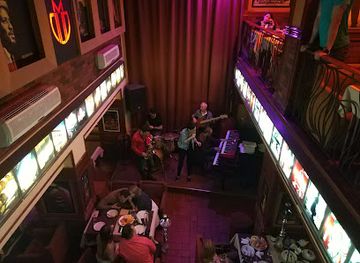
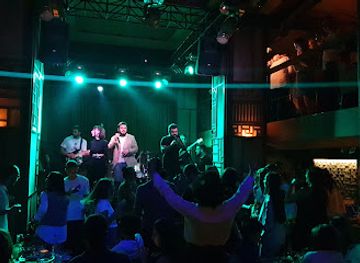
Experience the enchanting rhythms of jazz at Malkhas Jazz Club, a must-visit destination for music lovers in Yerevan.
-
Musical club
Kami Club
Discover the heart of Yerevan's nightlife at Kami Club, where vibrant music and unforgettable experiences await every night.
-
Pub
Calumet Ethnic Lounge Bar
Discover Calumet Ethnic Lounge Bar in Yerevan, where vibrant nightlife meets rich Armenian culture and delicious ethnic cuisine.
-
Musical club
Mezzo Club
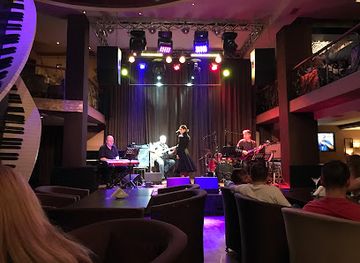
Discover the vibrant Mezzo Club in Yerevan, where live music and exquisite European cuisine create an unforgettable nightlife experience.

Best shops in Kotayk
Shopping in Kotayk is based more on local produce, markets and practical town centres than on luxury retail. Abovyan and Hrazdan have everyday shops, supermarkets, bakeries and local market trading, while Tsaghkadzor offers visitor-oriented stores and small outlets connected with resort life. In the Garni area, travellers may find stalls or small businesses selling dried fruit, preserves, honey, herbs, handmade items and Armenian food products, though selection varies by season. Rural guesthouses are useful places to ask about locally made cheese, jams and fruit spirits. Armenian crafts such as woven goods, woodwork, ceramics and jewellery may be available, but they are not exclusive to Kotayk and should be bought from reputable sellers when provenance matters. Markets are generally most useful for experiencing ordinary local commerce and buying provisions rather than searching for a single signature souvenir.
-
Gift shop
Vernissage
Explore Vernissage in Yerevan: a dynamic market filled with unique Armenian crafts, delicious local delicacies, and cultural treasures.
-
Shopping mall
Dalma Garden Mall
Discover the vibrant Dalma Garden Mall in Yerevan, featuring a mix of luxury brands, local boutiques, and a delightful dining experience.
-
Monument
Tsitsernakaberd Armenian Genocide Memorial Complex
Explore the Tsitsernakaberd Armenian Genocide Memorial Complex, a solemn tribute that honors the memory of the Armenian Genocide victims in Yerevan.
-
Shopping mall
Yerevan Mall
Discover Yerevan Mall, the ultimate shopping and entertainment hub in Yerevan, where modernity meets local culture in a vibrant atmosphere.


Get your free copy of our complete guide to Kotayk, delivered straight to you.
Everything on this page, from attractions and restaurants to essentials and local phrases, in one PDF you can read offline, print or share.
Already have an account? Sign in
Your Kotayk guide is ready.
We'll send it to · Not you? Sign out

Getting your guide ready…
We are putting together a fresh copy of the Kotayk guide. This can take up to a minute.
This can take a few moments. If your browser asks, choose Allow so the download can start. You'll find the guide in your Downloads folder.
Nothing happened? Download it again
Sorry, the guide is taking longer than usual. Please try again in a minute, or get it by email instead.
Kotayk essentials
Currency and Payment
Safety
Emergency Situations
Do's and Don'ts
Local Tips
From Eve
Local phrases worth knowing
You don't need to get them perfect. A few words go a long way, and locals appreciate the effort.
Basics
| English | Local | Say it |
|---|---|---|
| Hello | Բարև | [Barev] |
| Goodbye | Հանդիպել եք | [Handipel ek] |
| Yes | Այո | [Ayo] |
| No | Ոչ | [Voch] |
| Please/You're welcome | Խնդրում եմ | [Khndrum yem] |
| Thank you | Շնորհակալություն | [Shnorhakalutyun] |
| Excuse me/Sorry | Որպեսզի, ներողություն | [Vorbetsi, neroghutyun] |
| How are you? | Ինչպե՞ս եք | [Inchpes ek?] |
| Fine. And you? | Լավ, իսկ դուք? | [Lav, isk duk?] |
| Do you speak English? | Դուք անգլերեն խոսո՞ւմ եք | [Duk angleren khosum ek?] |
| I don't understand | Ես չեմ հասկանում | [Yes chem haskanum] |
Eating & Drinking
| English | Local | Say it |
|---|---|---|
| I'd like to see the menu, please | Ձեզ խնդրում եմ, ցանկը տեսնել | [Dzez khndrum yem, tsank@ tesnel] |
| I don't eat meat | Ես միս չեմ ուտում | [Yes mis chem utum] |
| Cheers! | Առողջություն! | [Arroghjutyun!] |
| I would like to pay, please | Ձեզ խնդրում եմ, վճարեմ | [Dzez khndrum yem, vjarem] |
Emergencies
| English | Local | Say it |
|---|---|---|
| Help! | Օգնեք! | [Ognək!] |
| Go away! | Հեռացեք! | [Herats'ek!] |
| Call the Police! | Զանգեք ոստիկանությանը! | [Zangek vostikanutyun!] |
| Call a doctor! | Զանգեք բժիշկին! | [Zangek bzhishkin!] |
| I'm lost | Ես կորած եմ | [Yes korats yem] |
| I'm ill | Ես հիվանդ եմ | [Yes hivand yem] |
Shopping
| English | Local | Say it |
|---|---|---|
| I'd like to buy... | Ես ուզում եմ գնել... | [Yes uzum yem gnel...] |
| I'm just looking | Ես պարզապես նայում եմ | [Yes parzapes nayum yem] |
| How much is it? | Քանի՞ դրամ է | [Kani dram e?] |
| That's too expensive | Այն շատ թանկ է | [Ayn shat tank e] |
| Can you lower the price? | Կարո՞ղ եք իջեցնել գինը | [Karogh ek ijetsnel giny?] |
Time & Numbers
| English | Local | Say it |
|---|---|---|
| What time is it? | Որքան ժամ է? | [Vorkan zham e?] |
| It's one o'clock | Մեկն է | [Mekn e] |
| Half past (10) | 10-ն անց | [10-n anj] |
| Morning | Առավոտ | [Aravot] |
| Afternoon | Ցերեկ | [Tserk] |
| Evening | Երեկո | [Yereko] |
| Yesterday | Մեծ օր | [Medz or] |
| Today | Այսօր | [Aysor] |
| Tomorrow | Վաղը | [Vaghy] |
| 1 | 1 | [1] |
| 2 | 2 | [2] |
| 3 | 3 | [3] |
| 4 | 4 | [4] |
| 5 | 5 | [5] |
| 6 | 6 | [6] |
| 7 | 7 | [7] |
| 8 | 8 | [8] |
| 9 | 9 | [9] |
| 10 | 10 | [10] |
Transport & Directions
| English | Local | Say it |
|---|---|---|
| Where's a/the...? | Որտե՞ղ է ... | [Vortegh e ...?] |
| What's the address? | Ինչ է հասցեն? | [Inch e hascen?] |
| Can you show me (on the map)? | Կարո՞ղ եք ցույց տալ (խորհրդապատկերի վրա)? | [Karogh ek tsuyc tal (khorrhdatpakeri vra)?] |
| When's the next (bus)? | Երբ է հաջորդ (բուս)? | [Erb e hajord (bus)?] |
| A ticket (to ....) | Տոմս (....-ի համար) | [Toms (....-i hamar)] |
History of Kotayk
Early settlements and the Garni stronghold
The Kotayk area has been occupied since prehistoric times, benefiting from water, fertile valleys and defensible volcanic ridges. Garni became an important fortified settlement in antiquity, guarding routes through the Azat Gorge and the approaches east of the Ararat plain. Archaeological remains around the fortress indicate several phases of occupation, while inscriptions and architectural elements connect the site with the kingdoms of ancient Armenia and the wider Hellenistic world. The survival of substantial fortification walls helps explain why Garni remained a prominent political and military centre long before the Christianisation of Armenia.
The Temple of Garni and Armenia’s pre-Christian heritage
The Temple of Garni, generally dated to the first century AD, represents the influence of Greco-Roman architecture within the ancient Armenian kingdom. Its colonnaded design is unusual in the region and is often associated with the royal complex at Garni. The temple stood alongside a fortress, palace buildings and a bathhouse decorated with a mosaic floor. After Christianity became the kingdom’s official religion in the early fourth century, many pagan structures disappeared, but Garni survived, probably because of its royal associations and later adaptations. It remains one of Kotayk’s clearest links with Armenia’s pre-Christian past.
Christianisation and the medieval monasteries
Armenia adopted Christianity as a state religion in the early fourth century, transforming the religious landscape of Kotayk. Churches and monasteries were established beside older settlements and along routes through the mountains. Geghard, originally associated with an earlier monastery and later known as Ayrivank, developed into a major religious centre; several of its chapels were cut directly into the surrounding rock. The monastery’s name reflects a tradition linking it with the Holy Lance. Medieval religious foundations such as Geghard and Kecharis became centres of worship, manuscript culture and regional patronage.
Medieval princes, fortresses and changing rule
During the medieval period, Kotayk was shaped by competing Armenian dynasties and the wider struggles involving Arab, Persian, Turkic and Mongol powers. Fortresses at Garni and Bjni controlled routes and river valleys, while monasteries depended on the protection of local nobles and rulers. Bjni was associated with influential Armenian princes and bishops and became an important fortified settlement in the medieval landscape. Repeated invasions and changes of political authority altered the region’s towns and estates, but churches, fortress ruins and fragments of defensive walls preserve evidence of its strategic importance.
Persian and Russian imperial periods
From the early modern period, eastern Armenia was repeatedly contested by Persian and Ottoman powers, with Kotayk affected by military campaigns, population movements and administrative change. The region entered the Russian Empire in the nineteenth century after the Russo-Persian conflicts and the Treaty of Turkmenchay. New administrative structures, roads and settlements altered connections with Yerevan and the surrounding provinces. The period also brought demographic changes, including the arrival of Armenians from territories formerly under Persian rule. These transformations contributed to the population patterns and built environment of modern Kotayk.
Soviet industrialisation and the rise of resort towns
Under Soviet rule, Kotayk acquired a stronger industrial and urban identity. Hrazdan expanded as an industrial centre, while Abovyan developed rapidly as a planned town linked to Yerevan and regional manufacturing. Hydroelectric and other infrastructure projects reshaped the Hrazdan valley, and established mountain settlements increasingly served as health and recreation centres. Tsaghkadzor developed as a prominent Soviet-era resort, building on its alpine setting and proximity to the capital. The legacy remains visible in apartment districts, industrial structures, public buildings and the region’s continuing role in Armenia’s domestic tourism.
Independent Armenia and contemporary tourism
Since Armenia regained independence in 1991, Kotayk has combined inherited industrial towns with expanding cultural and outdoor tourism. Garni and Geghard became central to national heritage itineraries, while Tsaghkadzor grew as a year-round resort with winter sports, hotels and mountain recreation. Local communities have also benefited from guesthouses, guides, restaurants and small-scale food production. The province continues to face the practical challenges of maintaining historic monuments, improving rural infrastructure and balancing tourism with the needs of residents, but its proximity to Yerevan gives Kotayk an important place in Armenia’s contemporary visitor economy.
Kotayk in Photos
Browse through our photo collection highlighting the charm and character of the destination.
Neighbouring regions of Kotayk
The closest regions to Kotayk, if you have time for more than one.
-
-

-

-

-


Swipe for more regions
Explore more

Explore more of Armenia
Explore Armenia's ancient wonders, vibrant cities, and breathtaking landscapes. From historic monasteries to delicious cuisine, there's something for every traveler.
Explore Armenia