
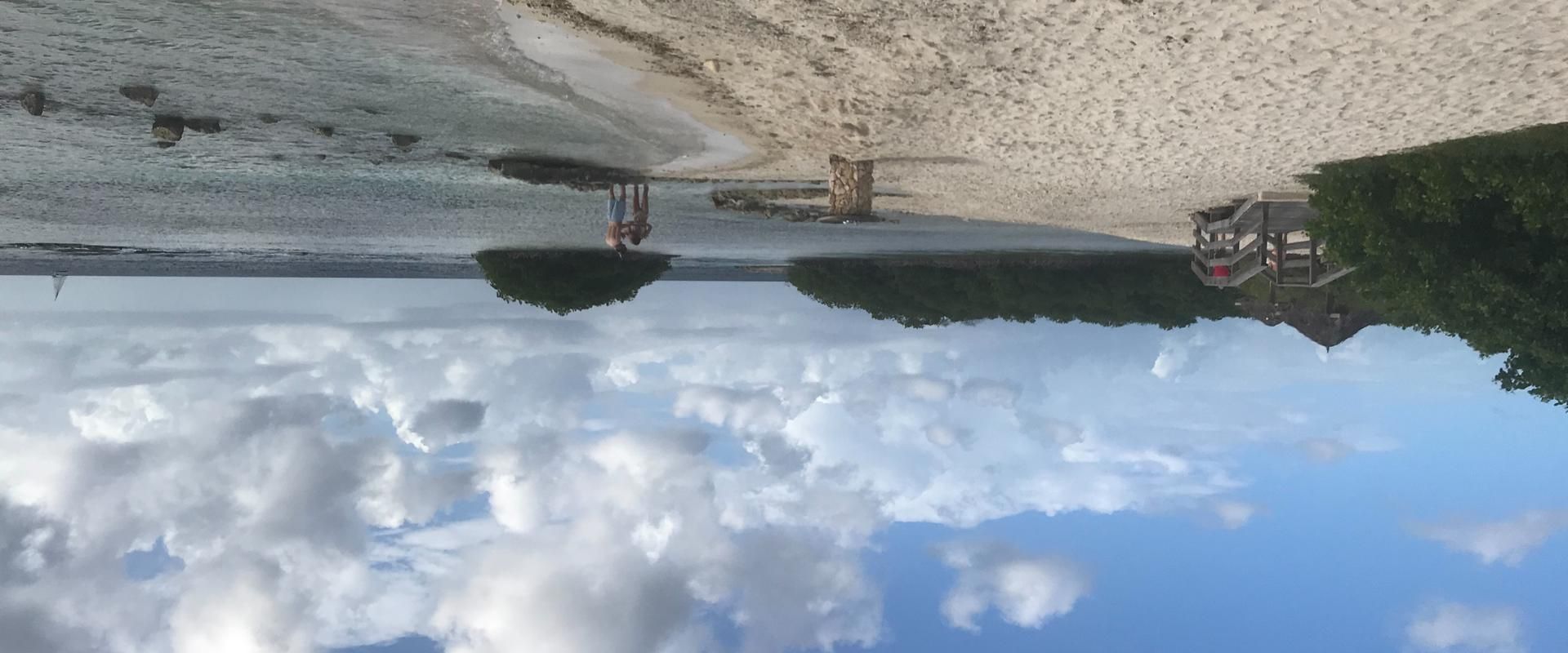
Savaneta: A Tranquil Escape in Aruba
Discover the serene charm of Savaneta, Aruba's oldest town, with its tranquil beaches, vibrant marine life, rich history, and mouthwatering seafood cuisine.
Savaneta, a serene and historic town in Aruba, offers a unique blend of natural beauty, rich history, and local culture. Located on the southwestern coast of the island, Savaneta is the oldest town in Aruba and was once the island's capital. Today, it is a charming destination that attracts those looking for a quiet and authentic Aruban experience. One of the highlights of Savaneta is its beautiful coastline with calm, turquoise waters perfect for swimming, snorkeling, and kayaking. The beaches here are less crowded than the more popular tourist spots, making them ideal for relaxation. Mangel Halto, a nearby beach, is particularly famous for its stunning coral reefs and mangroves, providing a haven for marine life and a paradise for snorkelers. Savaneta is also known for its culinary delights. The town boasts some of the best seafood restaurants on the island, where you can enjoy freshly caught fish and other local delicacies. Dining in Savaneta often means eating with your feet in the sand, under the shade of palm trees, while enjoying the breathtaking sunset views. The town's rich history is evident in its landmarks and architecture. The Old Savaneta House, one of the oldest buildings in Aruba, offers a glimpse into the island's past. Strolling through the town, you will encounter charming, colorful houses and friendly locals who are always ready to share stories about their heritage. Whether you are looking to unwind on pristine beaches, explore vibrant marine life, indulge in delicious seafood, or immerse yourself in local history and culture, Savaneta provides an unforgettable Aruban experience.

Know before you go
Hi, I'm Eve. Here are a few practical things to know before exploring Savaneta.
- Visit Mangel Halto for the best snorkeling experience and explore its unique mangroves.
- Dine at local beachfront restaurants for fresh seafood and stunning sunset views.
- Take a walk through the town to see the Old Savaneta House and learn about Aruba's history.
- Rent a kayak to explore the calm waters and hidden coves along the coast.


Savaneta: A Tranquil Escape in Aruba
Savaneta, a serene and historic town in Aruba, offers a unique blend of natural beauty, rich history, and local culture. Located on the southwestern coast of the island, Savaneta is the oldest town in Aruba and was once the island's capital. Today, it is a charming destination that attracts those looking for a quiet and authentic Aruban experience. One of the highlights of Savaneta is its beautiful coastline with calm, turquoise waters perfect for swimming, snorkeling, and kayaking. The beaches here are less crowded than the more popular tourist spots, making them ideal for relaxation. Mangel Halto, a nearby beach, is particularly famous for its stunning coral reefs and mangroves, providing a haven for marine life and a paradise for snorkelers. Savaneta is also known for its culinary delights. The town boasts some of the best seafood restaurants on the island, where you can enjoy freshly caught fish and other local delicacies. Dining in Savaneta often means eating with your feet in the sand, under the shade of palm trees, while enjoying the breathtaking sunset views. The town's rich history is evident in its landmarks and architecture. The Old Savaneta House, one of the oldest buildings in Aruba, offers a glimpse into the island's past. Strolling through the town, you will encounter charming, colorful houses and friendly locals who are always ready to share stories about their heritage. Whether you are looking to unwind on pristine beaches, explore vibrant marine life, indulge in delicious seafood, or immerse yourself in local history and culture, Savaneta provides an unforgettable Aruban experience.
Explore the best of what Savaneta has to offer









When is the best time to go to Savaneta?
Iconic landmarks you can’t miss

Zeerover
Discover Zeerover in Savaneta, Aruba, where fresh seafood meets a relaxed beachside atmosphere, perfect for food lovers and ocean enthusiasts.
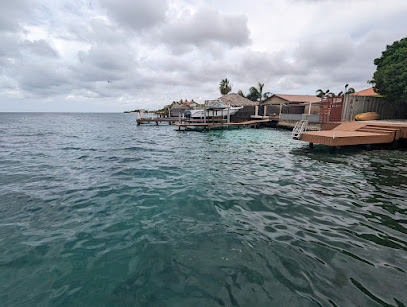
Mangel Halto Bar
Experience authentic Aruban flavors and a laid-back vibe at Mangel Halto Bar, your go-to spot near the stunning Mangel Halto Beach.
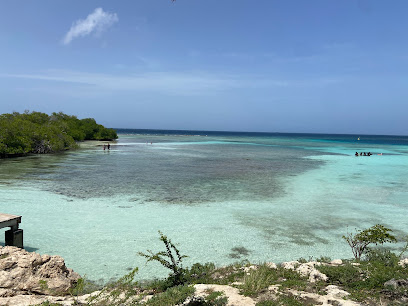
The Old Man and the Sea restaurant
Experience the enchanting flavors of Aruba at The Old Man and the Sea restaurant, where delicious cuisine meets stunning ocean views.
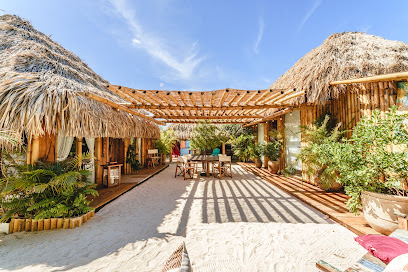
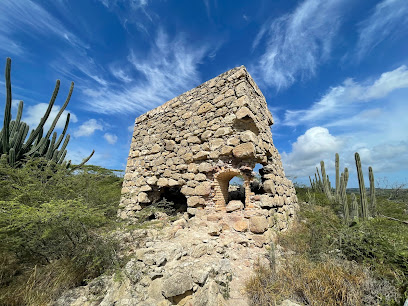
Balashi Gold Mills
Explore the historical ruins of Balashi Gold Mills in Aruba, where nature meets the legacy of the island's gold mining past.
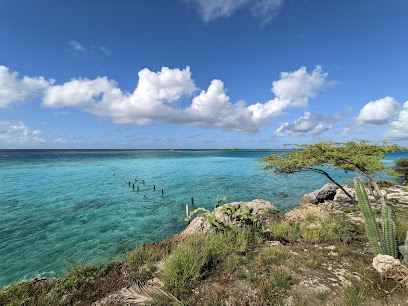
Mangel Halto beach
Discover the breathtaking beauty of Mangel Halto Beach, a serene paradise in Aruba with crystal-clear waters and vibrant marine life.
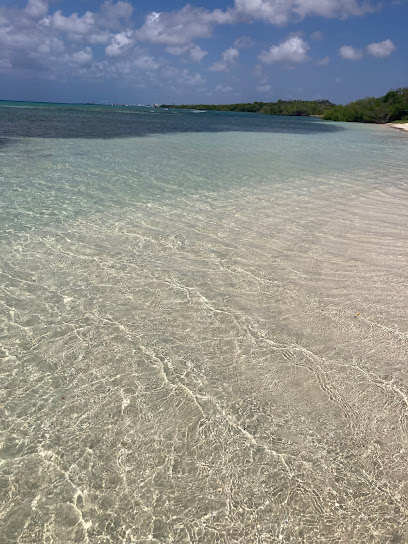
Coral Reef Beach Aruba
Discover a serene beachfront escape at Coral Reef Beach Aruba in Savaneta, offering colorful accommodations and easy access to tranquil turquoise waters.

Savaneta Beach
Discover the serene beauty of Savaneta Beach, a tranquil escape in Aruba perfect for relaxation, snorkeling, and breathtaking sunsets.
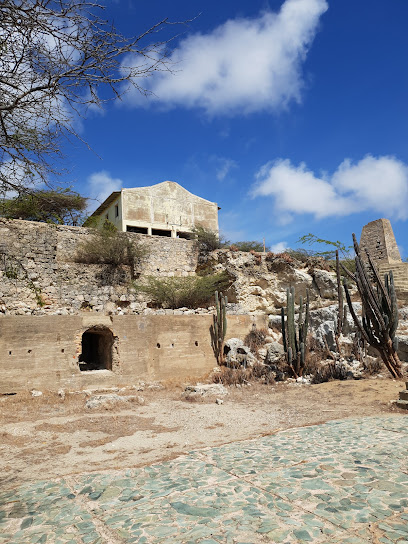
Spanish Lagoon
Experience the tranquil beauty of Spanish Lagoon, a nature preserve in Aruba teeming with wildlife and perfect for outdoor adventures.
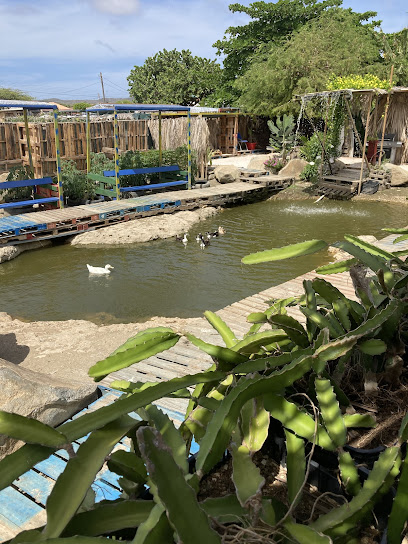
Oasis Farm
Discover the magic of the cosmos intertwined with nature at Oasis Farm, a unique planetarium in Savaneta, Aruba.
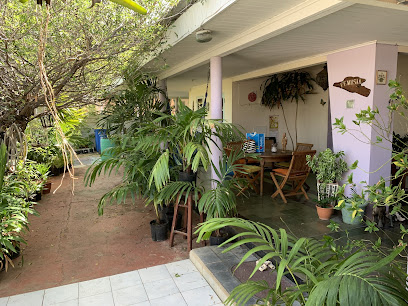
Magical Garden
Discover a peaceful Aruban getaway at Magical Garden in Savaneta, offering beachfront access and a tranquil garden escape.
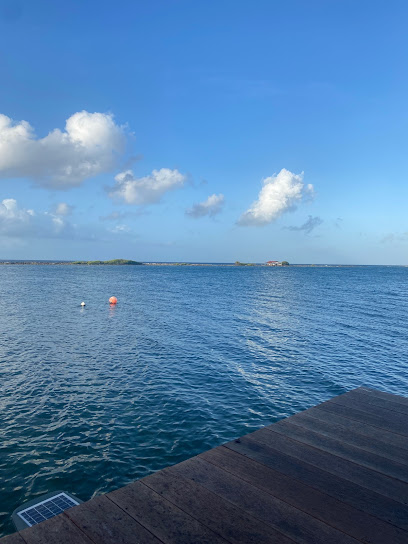
Seaglass island
Discover the enchanting Seaglass Island in Aruba, a serene escape known for its stunning beaches and vibrant marine life.
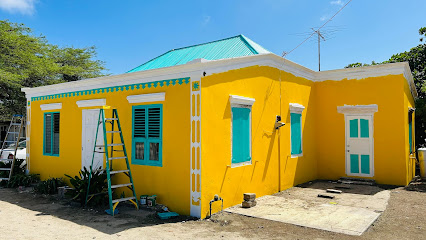
Fundacion Savaneta Traditional Aruban Painted House
Explore the vibrant history of Aruba at Fundacion Savaneta, a traditional painted house showcasing the island's cultural heritage.
Unmissable attractions to see

Arikok National Park
Explore Aruba's natural wonders at Arikok National Park, a stunning destination featuring diverse wildlife, picturesque landscapes, and cultural heritage sites.
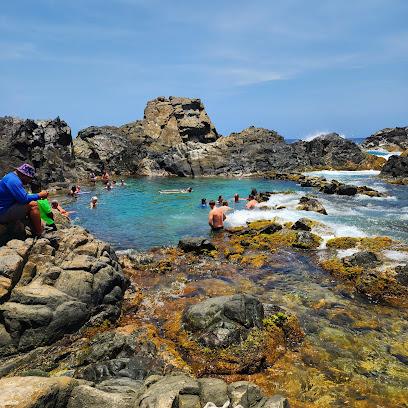
De Palm Island
Discover Aruba's only all-inclusive coral island: endless activities, stunning snorkeling, and unforgettable flamingo encounters await!
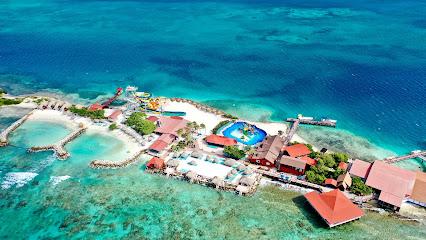
Conchi Natural Pool
Discover Aruba's hidden gem: Conchi Natural Pool, a tranquil oasis of volcanic rock formations and crystal-clear waters in Arikok National Park.
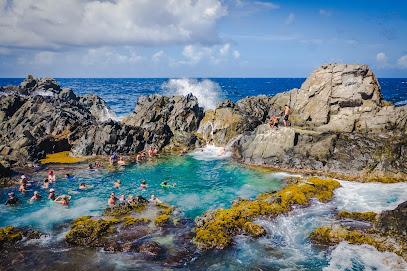
Donkey Sanctuary Aruba
Explore the Donkey Sanctuary Aruba, a heartwarming wildlife refuge dedicated to rescuing and rehabilitating the island's beloved donkeys. A must-visit for animal lovers!
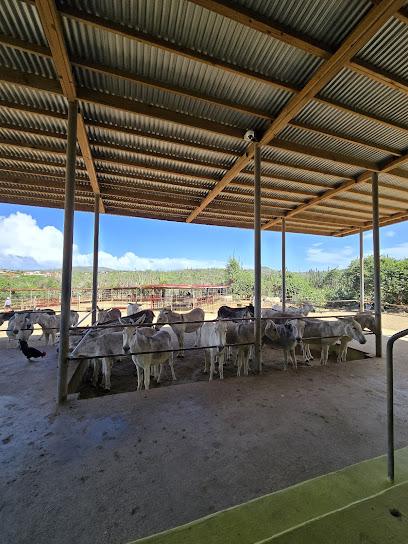
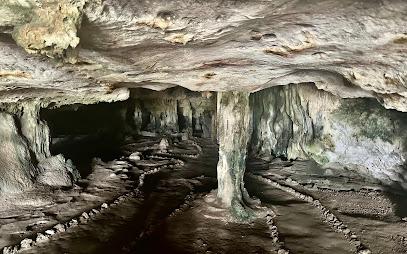
Fontein Cave
Explore Aruba's hidden gem, Fontein Cave, where ancient history meets breathtaking natural beauty in a tranquil setting.
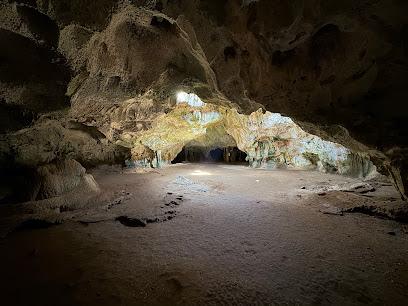
Quadirikiri Cave
Explore Quadirikiri Cave in Aruba's Arikok National Park for a unique blend of natural beauty and cultural history amid stunning limestone formations.
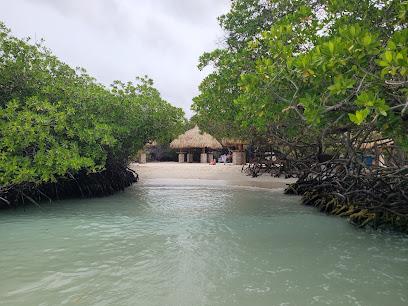
Mangel Halto beach
Discover Mangel Halto: Aruba's secluded snorkeling paradise with calm waters, vibrant marine life, and tranquil mangroves.
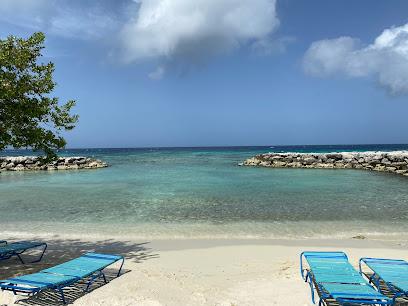
Palm Island
Explore Palm Island, Aruba: A pristine paradise of beaches, lush landscapes, and vibrant marine life perfect for relaxation and adventure.
Rodger's Beach
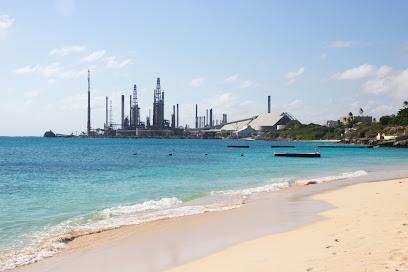
Discover Rodger's Beach in San Nicolas, Aruba: a serene escape with calm waters, local charm, and picture-perfect moments.
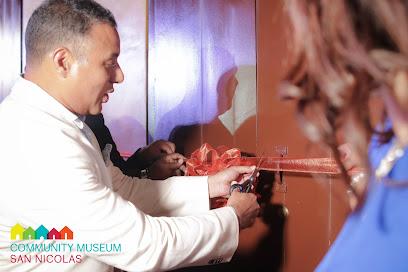
Community Museum
Discover Aruba's vibrant history and culture at the Community Museum in San Nicolas. A must-see for history buffs and curious travelers!
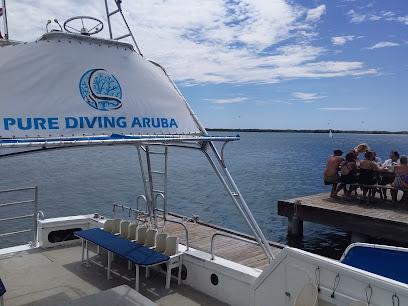
Pure Diving Aruba
Discover Aruba's best reefs and wrecks with eco-conscious diving. PADI & SDI courses available for all skill levels.
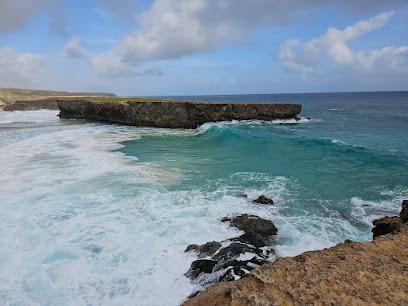
Boca Keto
Discover Boca Keto in Santa Cruz, Aruba: A blend of stunning coastal views, rich history, and tranquil beauty awaits!
Dos Playa
Explore Dos Playa in Santa Cruz, Aruba - a serene beach paradise perfect for relaxation and adventure amidst stunning natural beauty.
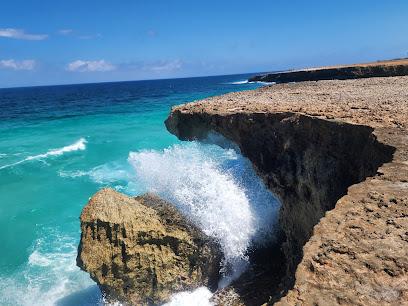
Grapefield Beach
Discover Grapefield Beach: A secluded Aruba escape for surfers and nature lovers seeking rugged beauty and tranquility.
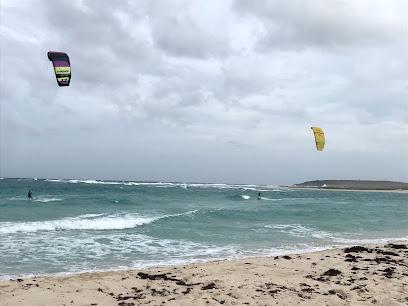
Aruba Mural Tours
Explore San Nicolas's vibrant street art: guided tours of stunning murals, revealing Aruba's culture and artistic renaissance.
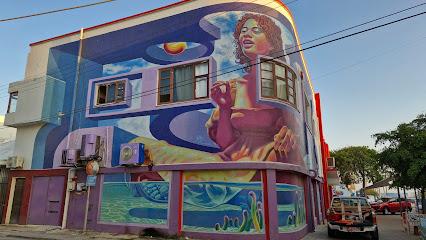
Essential places to dine

Zeerover
Savor fresh seafood delights at Zeerover in Aruba—where local flavors meet stunning ocean views for an unforgettable dining experience.
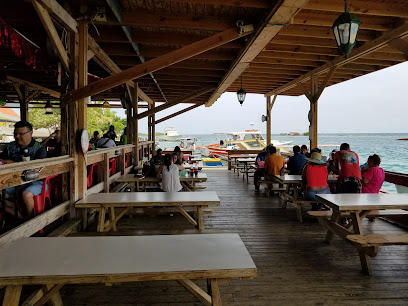
Flying Fishbone
Discover an unforgettable dining experience at Flying Fishbone in Savaneta, where fresh seafood meets stunning ocean views.
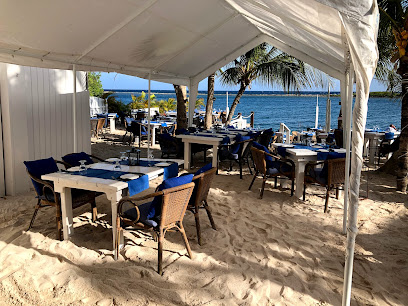
O'Niel Caribbean Kitchen
Discover authentic Caribbean flavors at O'Niel Caribbean Kitchen in San Nicolas, Aruba - where every meal tells a story.
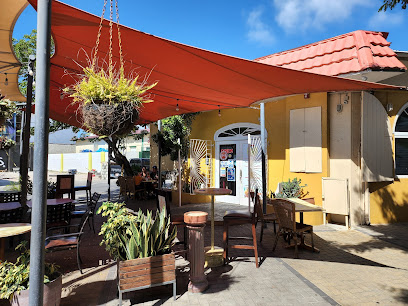
La Granja Savaneta
Discover authentic Peruvian cuisine at La Granja Savaneta in Aruba – where vibrant flavors meet island charm.
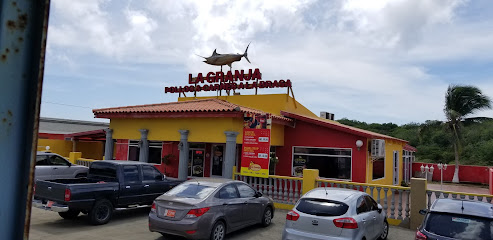
Charlie's Bar and Restaurant
Experience authentic Aruban cuisine at Charlie's Bar & Restaurant - where local flavors meet vibrant culture in San Nicolas.
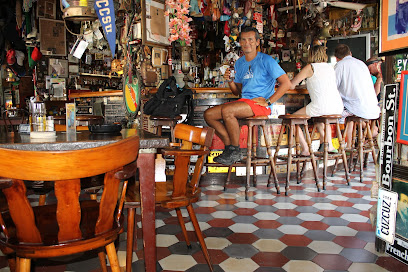
Marina Pirata Restaurant
Experience the flavors of Aruba at Marina Pirata Restaurant, where exquisite cuisine meets breathtaking waterfront views.
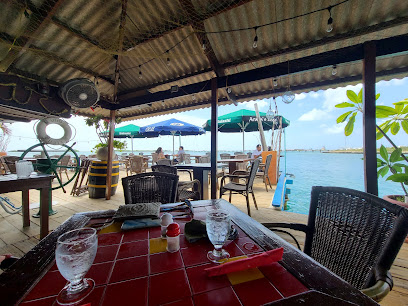
Tia Rosa Snack
Experience authentic Aruban cuisine at Tia Rosa Snack in Savaneta – delicious meals at affordable prices in a friendly atmosphere.
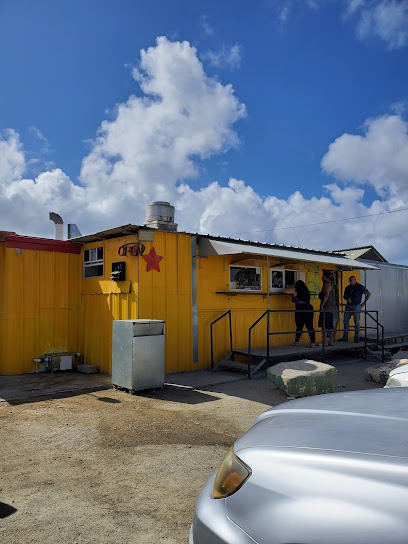
Domino's Pizza Savaneta
Enjoy mouthwatering pizzas at Domino's Pizza Savaneta – perfect for takeout or delivery while exploring Aruba!
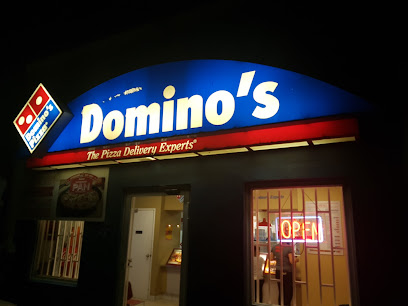
The Old Man and the Sea restaurant
Experience culinary excellence at The Old Man and the Sea restaurant in Savaneta, Aruba—where oceanfront dining meets exceptional service.
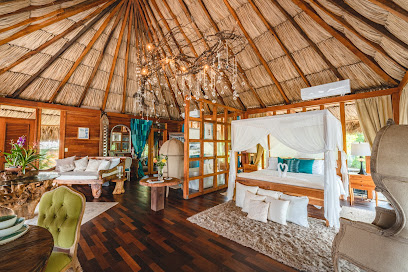
Ritz Savaneta
Discover the taste of Aruba at Ritz Savaneta - where local flavors meet international cuisine in a charming setting.
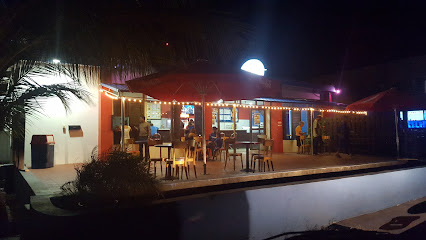
La Tavola
Discover La Tavola: A family-friendly restaurant in Savaneta offering delightful Caribbean and Venezuelan cuisine amidst stunning views.
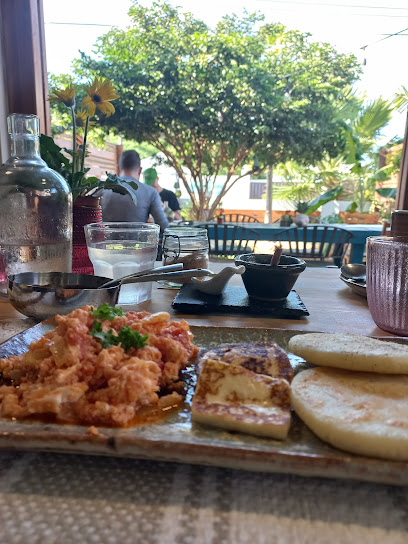
G&G Pizza Co. & The WingShack
Discover delicious chicken wings and authentic Italian pizzas at G&G Pizza Co. & The WingShack in Aruba's charming Savaneta area.
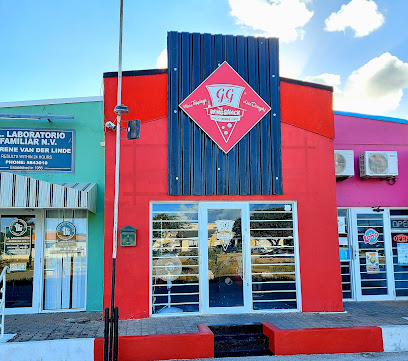
Battata Beach Bar
Experience delightful flavors and stunning sunsets at Battata Beach Bar in Savaneta, Aruba - your perfect beachside escape.
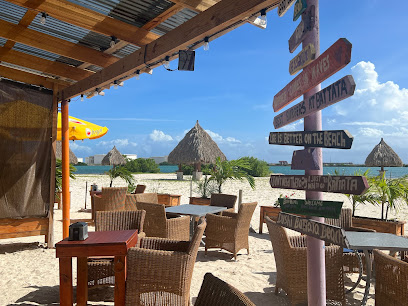
Aruba Nautical Club
Discover Aruba Nautical Club: Where exquisite dining meets breathtaking views in Oranjestad's vibrant maritime scene.
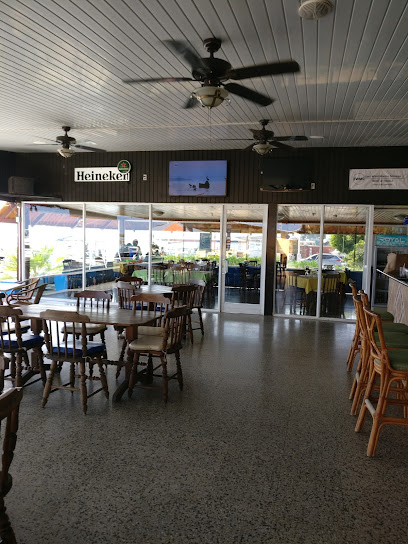
Pitstop
Discover authentic Aruban flavors at Pitstop in San Nicolas - where every dish tells a story.
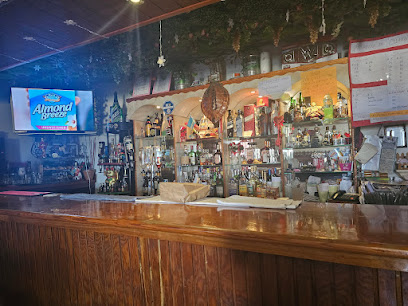
Markets, malls and hidden boutiques

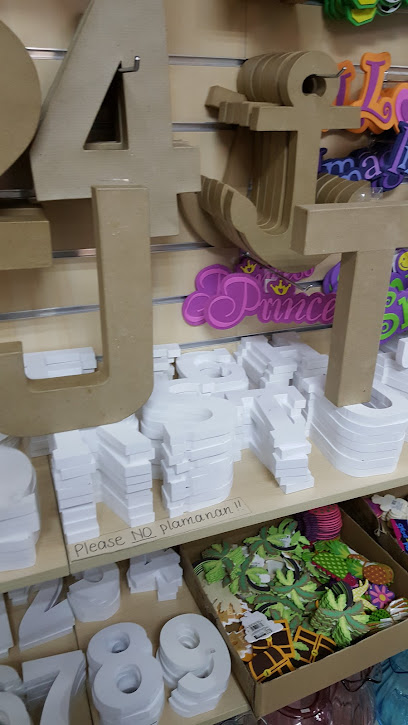
Seasons and Beyond
Discover your artistic side at Seasons and Beyond, Aruba's premier art supply store, offering a unique blend of creativity and local culture.
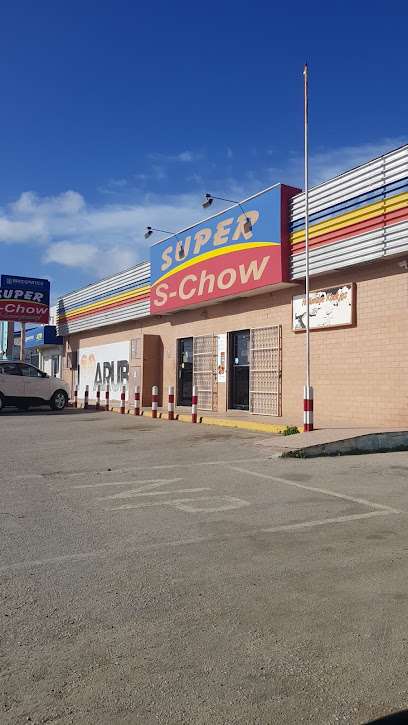
S Chow Supermarket
Discover a vibrant selection of Chinese goods and local products at S Chow Supermarket in Savaneta, Aruba, blending culinary traditions with a warm atmosphere.
Do it Center Savaneta
Discover a vibrant shopping experience at Do it Center Savaneta, your go-to destination for home goods in Aruba.

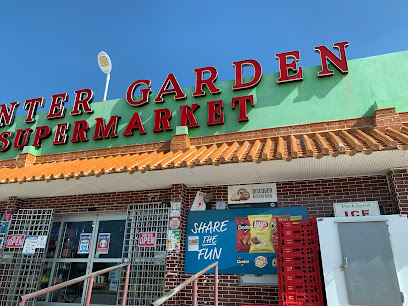
New Winter Garden
Explore New Winter Garden in Savaneta, Aruba - a vibrant supermarket offering fresh local produce and unique souvenirs for tourists.
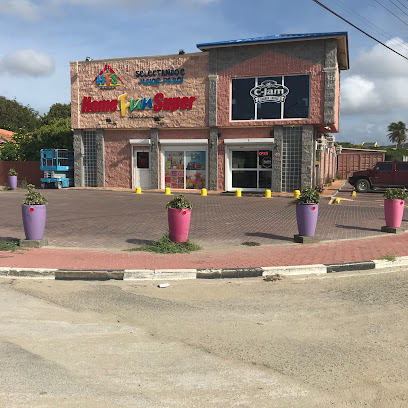
Home Fun Super
Discover unique treasures and local charm at Home Fun Super, the vibrant shopping mall in Savaneta, Aruba, perfect for tourists seeking cultural experiences.
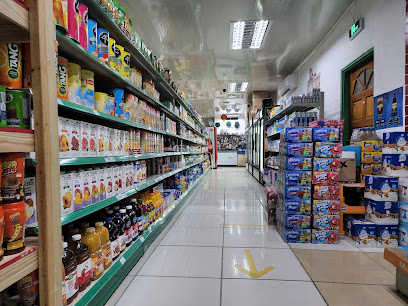
Hao Ling Supermarket
Discover the flavors of China at Hao Ling Supermarket in Savaneta, Aruba, your go-to destination for authentic Chinese groceries and more.
Kam Man Supermarket
Explore Kam Man Supermarket in Aruba for authentic Chinese ingredients and a vibrant shopping experience that brings Asia to the Caribbean.
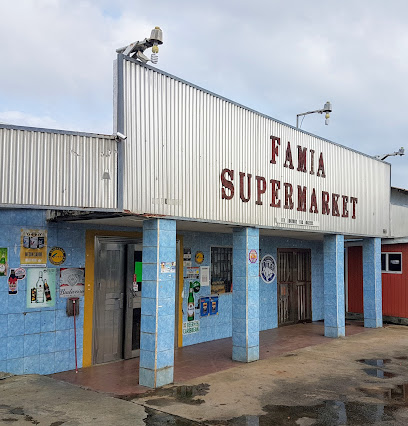
Famia Supermarket
Discover local delights and essentials at Famia Supermarket in Savaneta, Aruba—your go-to spot for fresh produce and authentic Aruban flavors.
Cura Cabai Supermarket
Experience the flavors of Aruba at Cura Cabai Supermarket, the perfect stop for local produce, gourmet foods, and unique culinary delights.

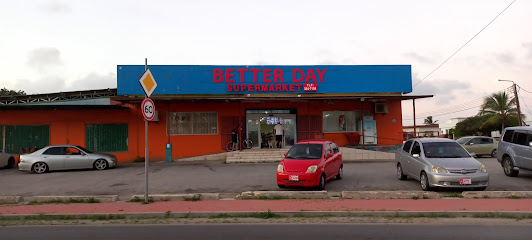
Better Day Supermarket
Discover the essence of Aruba at Better Day Supermarket, your go-to grocery store for fresh local produce and unique island products.
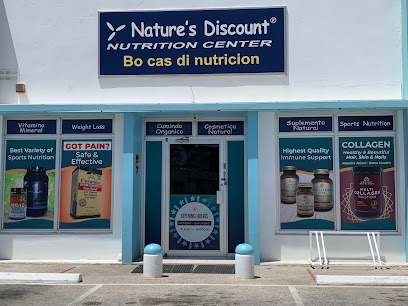
Nature's Discount Savaneta
Discover health and wellness at Nature's Discount Savaneta, Aruba's premier health food and nutrition store offering organic products and expert advice.
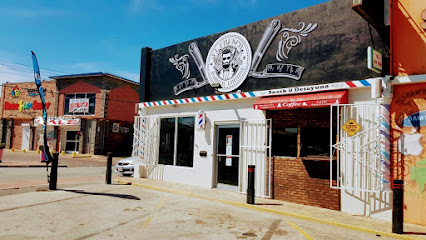
El Fresco Barber Snack
Discover El Fresco Barber Snack in Savaneta, Aruba—a unique fusion of coffee delight and grooming excellence for your perfect island experience.
You Hui Foodmart
Explore local flavors and unique products at You Hui Foodmart in Savaneta, Aruba, a must-visit supermarket for culinary enthusiasts.

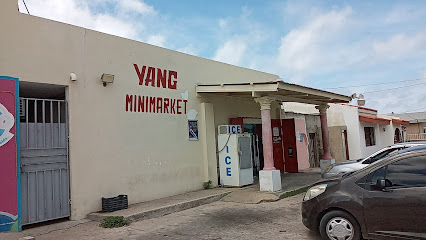
Yang Minimarket
Discover local flavors and essentials at Yang Minimarket in Savaneta, Aruba - a must-visit for every tourist!
Huang Bo Minimarket
Explore local flavors and essentials at Huang Bo Minimarket in Savaneta, Aruba, where community spirit meets convenience.

Essential bars & hidden hideouts

Zeerover
Experience the taste of fresh seafood in a beautiful coastal setting at Zeerover, Savaneta's hidden gem in Aruba.
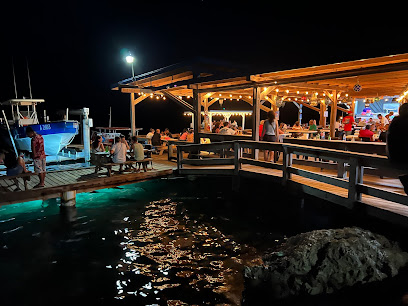
Flying Fishbone
Discover the ultimate seafood dining experience at Flying Fishbone in Aruba, where breathtaking views meet culinary excellence.
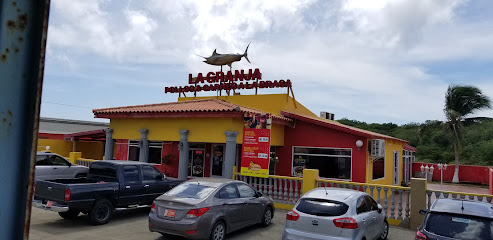
La Granja Savaneta
Experience the authentic flavors of Peru at La Granja Savaneta, a charming restaurant in Aruba that delights food lovers with its rich culinary heritage.
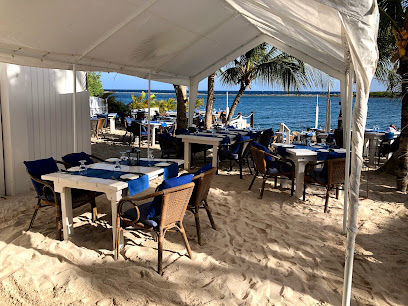
Rum Reef
Discover the perfect blend of Caribbean flavors and stunning ocean views at Rum Reef, a must-visit grill and restaurant in Aruba.
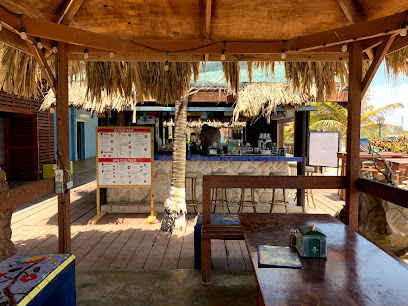
Marina Pirata Restaurant
Discover the flavors of Aruba at Marina Pirata Restaurant, where fresh seafood meets stunning Caribbean views.
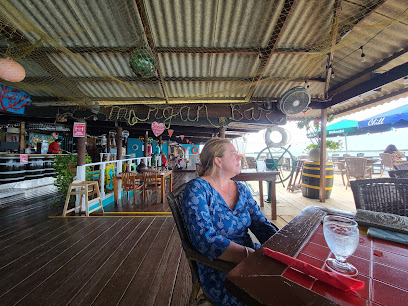
Tia Rosa Snack
Experience the vibrant flavors of Aruba at Tia Rosa Snack, a local favorite for authentic Caribbean dishes in a cozy setting.
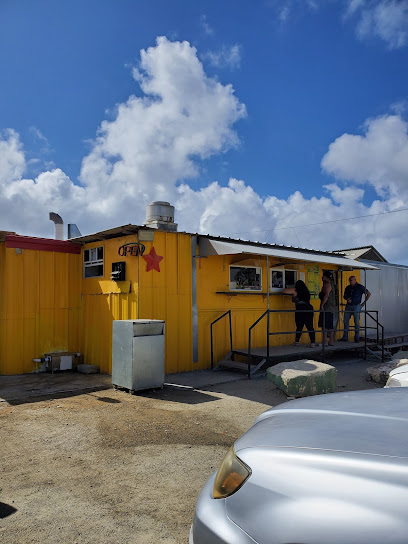
Mangel Halto Bar
Experience the vibrant culture and stunning views at Mangel Halto Bar, a hidden gem along Aruba's beautiful coastline.
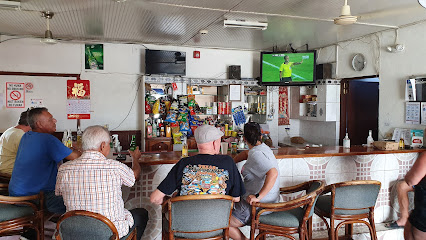
The Old Man and the Sea restaurant
Savor fresh seafood and stunning ocean views at The Old Man and the Sea, a must-visit restaurant in Savaneta, Aruba.
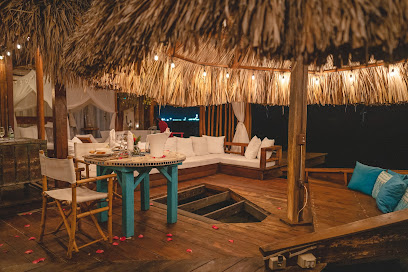
Battata Beach Bar
Discover the vibrant Battata Beach Bar in Savaneta, Aruba, where stunning ocean views and delicious tropical drinks await your arrival.
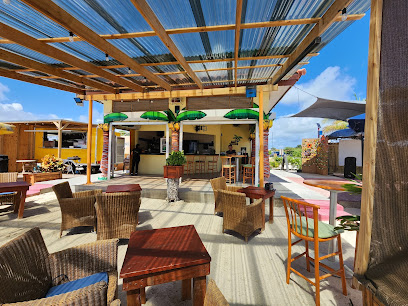
Rum Shop Pos Chiquito
Experience the vibrant spirit of Aruba at Rum Shop Pos Chiquito, where delicious rums and friendly vibes await every visitor.
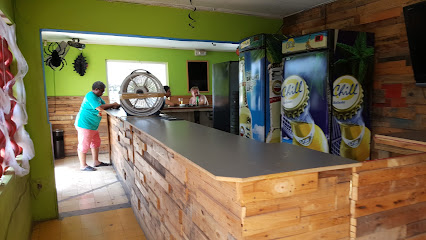
Magu
Discover the vibrant flavors of Aruba at Magu, where gourmet burgers and traditional fast food meet in a cozy setting.
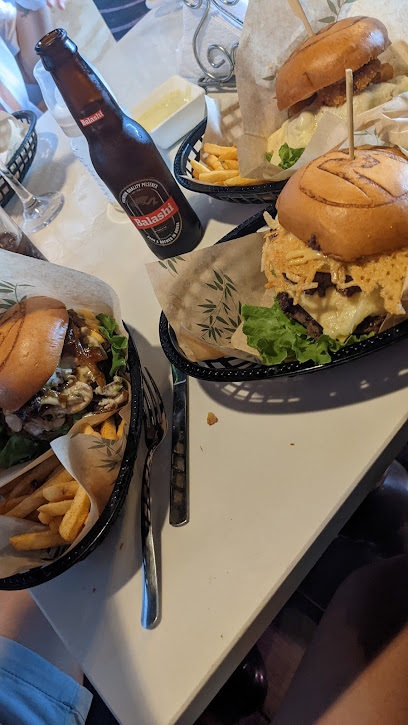
Tio Pepe Bar & Restaurant
Experience the vibrant flavors of Chinese cuisine in the heart of Savaneta, Aruba at Tio Pepe Bar & Restaurant.
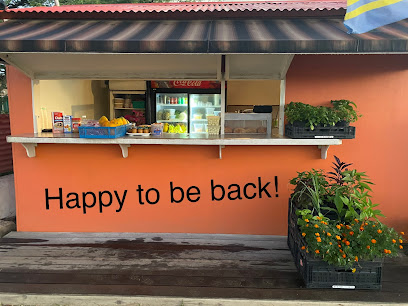
Randy's Shakes
Discover the tropical flavors of Aruba at Randy's Shakes, your go-to juice shop for refreshing drinks and delightful shakes.
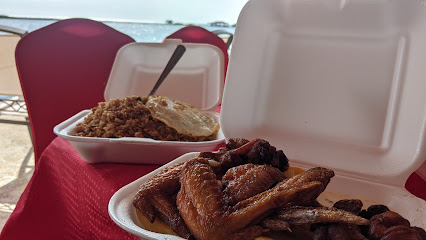
Tai Shan Bar & Restaurant
Experience the delightful fusion of Chinese flavors and Aruba's charm at Tai Shan Bar & Restaurant, a culinary gem in Savaneta.
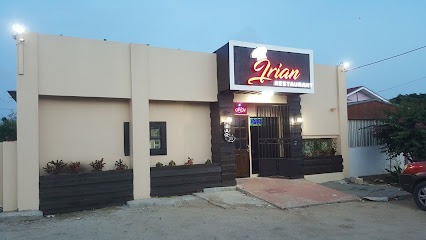
Irian Restaurant Bar
Experience the flavors of Aruba at Irian Restaurant Bar, a vibrant spot for delicious food, refreshing drinks, and stunning views in Savaneta.


Local Phrases
You don't need to speak the language perfectly. Even learning a few simple words can make conversations warmer—and locals usually appreciate the effort.
— Eve

Here are the phrases I use most often in Savaneta. Try a few—you'll be surprised how far they go! 😊
❤️
-
- HelloBon dia
[bon dee-ah] - GoodbyeAyo
[ah-yoh] - YesSi
[see] - NoNo
[noh] - Please/You're welcomePor fabor
[por fah-bor] - Thank youDanki
[dahn-kee] - Excuse me/SorryPardon
[par-don] - How are you?Con ta bai?
[kon tah bah-ee] - Fine. And you?Bon. I bo?
[bon. ee boh?] - Do you speak English?Bo papia Ingles?
[boh pah-pee-ah een-gles?] - I don't understandMi no ta comprende
[mee noh tah kom-prehn-deh]
- HelloBon dia
-
- I'd like to see the menu, pleaseMi kier mira e menu, por fabor
[mee kee-ehr mee-rah eh meh-noo, por fah-bor] - I don't eat meatMi no ta come carne
[mee noh tah koh-meh kar-neh] - Cheers!Salud!
[sah-loot] - I would like to pay, pleaseMi kier paga, por fabor
[mee kee-ehr pah-gah, por fah-bor]
- I'd like to see the menu, pleaseMi kier mira e menu, por fabor
-
- Help!Yuda!
[yoo-dah] - Go away!Bai for di mi!
[bah-ee fohr dee mee] - Call the Police!Yama polis!
[yah-mah poh-lees] - Call a doctor!Yama un dokter!
[yah-mah oon dohk-tehr] - I'm lostMi a perde mi mes
[mee ah pehr-deh mee mes] - I'm illMi ta malo
[mee tah mah-loh]
- Help!Yuda!
-
- I'd like to buy...Mi kier cumpra...
[mee kee-ehr koom-prah] - I'm just lookingMi ta solamente mirando
[mee tah soh-lah-mehn-teh mee-rahn-doh] - How much is it?Con much ta esaki?
[kon mootch tah eh-sah-kee?] - That's too expensiveEsaki ta much caro
[eh-sah-kee tah mootch kah-roh] - Can you lower the price?Bo por baha e prijs?
[boh por bah-hah eh preesh?]
- I'd like to buy...Mi kier cumpra...
-
- What time is it?Con ora ta?
[kon oh-rah tah] - It's one o'clockTa un ora
[tah oon oh-rah] - Half past (10)Mei ora y mitar
[meh-ee oh-rah ee me-tahr] - MorningMadruga
[mah-droo-gah] - AfternoonAtardi
[ah-tar-dee] - EveningAnochi
[ah-noh-chee] - YesterdayAyera
[ah-yeh-rah] - TodayAwe
[ah-weh] - TomorrowMañana
[mah-nyah-nah] - 1Uno
[oo-noh] - 2Dos
[dohs] - 3Tres
[trehs] - 4Cuatro
[kwah-troh] - 5Cinco
[seen-koh] - 6Seis
[seys] - 7Siete
[syeh-teh] - 8Ocho
[oh-choh] - 9Nueve
[nweh-veh] - 10Diez
[dyehs]
- What time is it?Con ora ta?
-
- Where's a/the...?Unda ta e...?
[oon-dah tah eh] - What's the address?Con e adres ta?
[kon eh ah-drehs tah] - Can you show me (on the map)?Bo por mustra mi (riba e mapa)?
[boh por moos-trah mee ree-bah eh mah-pah] - When's the next (bus)?Con ora e siguiente (bus) ta pasa?
[kon oh-rah eh see-gwee-ehn-teh bus tah pah-sah] - A ticket (to ....)Un ticket (pa ....)
[oon tee-keht (pah)]
- Where's a/the...?Unda ta e...?
History of Savaneta
-
Savaneta is often recognized as the oldest town in Aruba, with its history dating back to the early 16th century. It was one of the first areas settled by Europeans, specifically the Spanish, following their arrival in the Caribbean. During this period, Savaneta served as a hub for trade and agriculture, establishing its importance in the region.
-
In 1636, Aruba came under Dutch control as part of their expanding colonial empire in the Caribbean. Savaneta continued to play a significant role under Dutch rule, particularly as a fishing village. The Dutch influence is still evident in various aspects of the town's architecture and cultural practices.
-
One of Savaneta's most notable historical landmarks is the Old Government House, known locally as 'Cas di Gobernador'. Built in the 18th century, this building served as the residence for the island's Dutch governors. Today, it stands as a testament to the colonial history and offers visitors a glimpse into Aruba's administrative past.
-
The 19th century brought a gold rush to Aruba, and Savaneta was no exception. The town became a focal point for miners and prospectors hoping to strike it rich. Remnants of this era can still be found in the form of old mining equipment and abandoned sites, adding a layer of intrigue to Savaneta's historical narrative.
-
In the early 20th century, Savaneta emerged as a key player in the development of Aruba's marine industry. The town's strategic coastal location made it ideal for establishing shipyards and fishing operations. This period saw significant economic growth and helped lay the foundation for Aruba's modern maritime sector.
-
The mid-20th century marked the beginning of Aruba's transformation into a tourist paradise, and Savaneta played a crucial role in this transition. With its pristine beaches and rich cultural heritage, the town attracted visitors from around the world. The growth of tourism brought new opportunities and challenges, shaping Savaneta into the vibrant community it is today.
-
Savaneta is a melting pot of cultures, reflecting its diverse historical influences. The town is known for its vibrant festivals, traditional music, and culinary delights. Events such as the annual Dera Gai festival celebrate the town's rich cultural heritage, offering visitors a unique and immersive experience.
-
Today, Savaneta is a blend of old and new, where historical landmarks stand alongside modern amenities. The town continues to honor its past while embracing the future, making it a must-visit destination for history enthusiasts and travelers alike. From its historical sites to its lively cultural scene, Savaneta offers a unique glimpse into Aruba's storied past.
Savaneta Essentials
-
Savaneta is located on the southern coast of Aruba, approximately 16 kilometers from Queen Beatrix International Airport in Oranjestad. The most convenient way to reach Savaneta is by taxi, which takes about 20 minutes. Alternatively, you can rent a car at the airport and drive to Savaneta, following signs for Route 1 southbound.
-
Savaneta is a small town, and many attractions are within walking distance. For longer trips, local taxis are readily available and relatively inexpensive. Buses operated by Arubus connect Savaneta with other parts of the island, including the capital, Oranjestad. Renting a car can also be a convenient option for exploring the island at your own pace.
-
The official currency in Aruba is the Aruban Florin (AWG), but U.S. dollars are widely accepted. Credit cards are accepted in most hotels, restaurants, and shops, but it is advisable to carry some cash for smaller establishments and local markets. ATMs are available in Savaneta, where you can withdraw both Aruban Florins and U.S. dollars.
-
Savaneta is generally a safe destination for tourists. However, it is advisable to take standard precautions such as avoiding walking alone at night in unfamiliar areas and keeping an eye on your belongings in crowded places. While there are no specific high-crime areas targeting tourists, staying vigilant and aware of your surroundings is always best.
-
In case of emergency, dial 911 for immediate assistance. The local police station and medical facilities are available in Savaneta. It is recommended to have travel insurance that covers medical emergencies. For minor health issues, there are pharmacies in the town where you can purchase over-the-counter medications.
-
Fashion: Do dress comfortably and casually, but avoid overly revealing clothing when visiting local communities. Religion: Do respect local customs and traditions. While Aruba is generally relaxed, it is courteous to dress modestly when visiting religious sites. Public Transport: Do be respectful and follow local customs when using public transport. Greetings: Do greet people with a friendly 'Bon dia' (Good morning) or 'Bon tardi' (Good afternoon). Eating & Drinking: Do try local delicacies and seafood, which Savaneta is famous for. Don't refuse hospitality, as it is considered impolite.
-
To experience Savaneta like a local, visit the local beach bars and seafood shacks where you can enjoy fresh catches of the day. Engage with locals, as they are often friendly and willing to share stories about the town's history and culture. Don't miss visiting the historic Old Man and the Sea restaurant, which offers a unique dining experience with a view of the ocean.
Nearby Cities to Savaneta
-
 Things To Do in Pos Chiquito
-
Things To Do in Santa Cruz
-
Things To Do in San Nicolas
-
Things To Do in Paradera
-
Things To Do in Sero Blanco
-
Things To Do in Oranjestad
-
Things To Do in Tanki Leendert
-
Things To Do in Noord
-
Things To Do in Palm Beach
-
Things To Do in Westpunt
-
Things To Do in Sabana Westpunt
-
Things To Do in Soto
-
Things To Do in Barber
-
Things To Do in Sint Michiel
-
Things To Do in Julianadorp