

Free Australian Capital Territory Travel Guide & Mobile App
Explore Australian Capital Territory with free travel guides. Discover regional history, expert tips, proposed trips, and audio guides on web or mobile app.


Explore the Australian Capital Territory for Canberra’s national museums, planned landscapes, cool-climate wine and mountain reserves.
Read more about Australian Capital Territory
When is the best time to visit Australian Capital Territory?
Best: February–March, November · 24–27°C| Month | High (°C) | Rainfall (mm) |
|---|---|---|
| January | 28 | 59 |
| February (best) | 27 | 48 |
| March (best) | 24 | 48 |
| April | 18 | 38 |
| May | 15 | 38 |
| June | 12 | 39 |
| July | 11 | 37 |
| August | 14 | 38 |
| September | 18 | 48 |
| October | 21 | 59 |
| November (best) | 25 | 58 |
| December | 27 | 58 |
Getting to and around Australian Capital Territory
How to get there
Transportation
Top city travel guides in Australian Capital Territory
The cities of Australian Capital Territory, and the easiest places to base yourself.

Swipe for more cities
Best attractions in Australian Capital Territory
The Australian Capital Territory’s attractions combine national cultural institutions with accessible bushland. Around Lake Burley Griffin, visitors can move between the National Gallery of Australia, National Museum of Australia, National Portrait Gallery, National Library of Australia and Questacon, each offering a different perspective on the country’s art, people, science or public life. The Australian War Memorial and Parliament House provide particularly important civic and historical context. Outside the central districts, the National Arboretum Canberra and the Australian National Botanic Gardens showcase native plants and designed landscapes. Tidbinbilla Nature Reserve offers walking tracks, wetlands, forest and wildlife habitats, while Namadgi National Park provides a more remote setting of granite outcrops, high country, Aboriginal cultural places and longer bushwalks. Historic rural properties such as Lanyon Homestead add insight into pastoral settlement and the people who worked the land. The territory also supports cycling, birdwatching, scenic drives, seasonal gardens and visits to Canberra District vineyards, although outdoor plans should take account of heat, frost, fire danger and rapidly changing mountain weather.
-
Arboretum
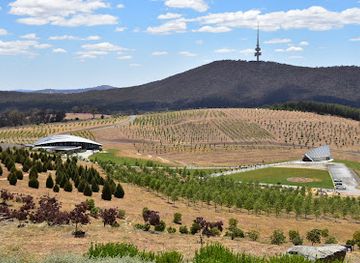
National Arboretum Canberra
Explore the vast beauty of the National Arboretum Canberra, a unique nature preserve filled with diverse tree species and stunning landscapes.
-
National museum
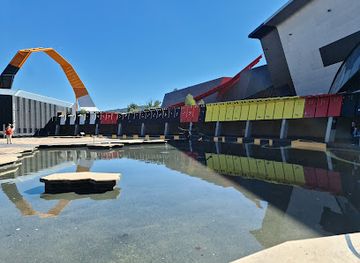
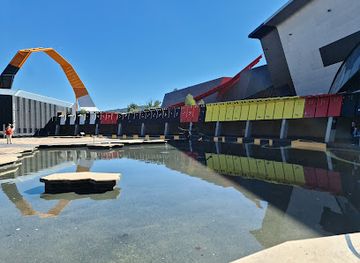
National Museum of Australia
Discover Australia's stories and cultural heritage at the National Museum of Australia in Acton, a captivating destination for every traveler.
-
 Science museum
Questacon - National Science and Technology Centre
Discover the wonders of science and technology at Questacon, Australia's premier interactive science museum in Canberra, perfect for families and curious minds.
-
Art gallery
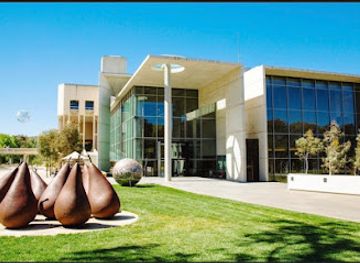
National Gallery of Australia
Discover the National Gallery of Australia, a premier destination showcasing a vast collection of art from Australia and around the world.
Best landmarks in Australian Capital Territory
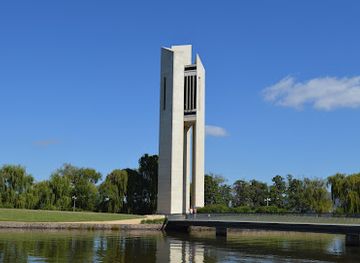
Lake Burley Griffin is Canberra’s defining civic landscape, its water and shoreline linking the parliamentary precinct with national cultural institutions, bridges, parks and ceremonial spaces. Parliament House on Capital Hill is the most recognisable symbol of the Australian federal system, while the Australian War Memorial forms a powerful visual and historical counterpoint at the northern end of the central axis. Old Parliament House, now the Museum of Australian Democracy, represents the earlier phase of the capital’s governmental history. The National Carillon on Aspen Island is a distinctive modern landmark beside the lake, and the Captain Cook Memorial Jet provides a prominent lakeside feature. Beyond the planned urban core, Mount Ainslie offers a clear view over Canberra’s avenues and geometric layout. In the south-west, Namadgi’s granite formations, ridgelines and high-country landscapes provide a different kind of landmark, grounded in geological history, Aboriginal cultural connections and protected wilderness rather than monumental architecture.
-
Arboretum
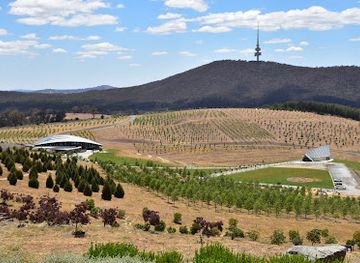
National Arboretum Canberra
Discover a world of trees at the National Arboretum Canberra, a unique landscape for recreation, education, and conservation.
-
National museum
National Museum of Australia
Discover the heart of Australia at the National Museum, where history, culture, and innovation come together in a captivating experience.
-
Museum
Old Parliament House
Explore Australia's political history at the Museum of Australian Democracy, housed in the iconic Old Parliament House in Canberra.
-
Tourist attraction
National Carillon
Experience the National Carillon in Canberra, where stunning architecture meets enchanting live music performances in a serene garden setting.

Explore Australian Capital Territory on the map
Plan your trip on one map. See where the top cities, national parks and sights are, and book hotels and experiences in a few clicks.
Best hotels in Australian Capital Territory
Best restaurants in Australian Capital Territory
Canberra’s dining scene reflects its role as a multicultural national capital and its proximity to the productive tablelands of southern New South Wales. The city offers cafés, modern Australian restaurants, international cuisines, neighbourhood dining and pubs, with strong links to regional produce such as cool-climate wine, fruit, vegetables, cheese and locally raised meat. Farmers’ markets and food halls are useful places to encounter seasonal ingredients without committing to a formal meal. In the inner districts, restaurants range from casual daytime cafés to polished dining rooms, while suburban centres provide a broad choice of everyday food. Canberra District cellar doors often pair tastings with simple regional produce or more substantial meals. Australian staples such as meat pies, bakery goods and pub meals are widely available, but the territory’s culinary identity is better understood through the combination of national influences, contemporary cooking and produce from the surrounding agricultural region than through one single local dish.
-
Japanese
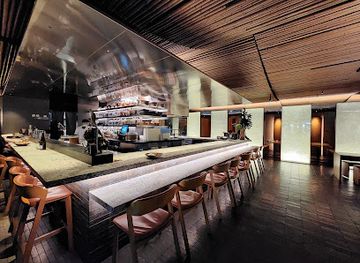
Raku
Experience exquisite Japanese cuisine at Raku in Canberra - where tradition meets modern elegance.
-
Asian Fusion
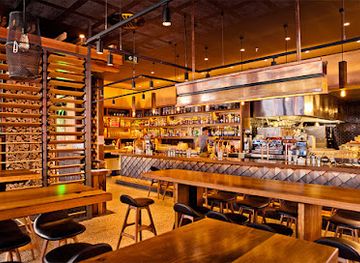
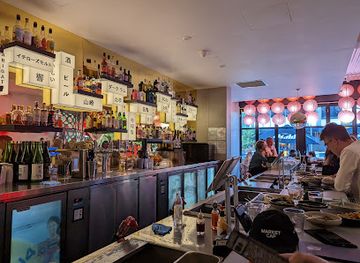
Akiba
Discover Akiba: A Premier Asian Fusion Restaurant in Canberra Offering Innovative Dishes and Exquisite Cocktails.
-
Asian
Lazy Su
Experience the vibrant flavors of Asia at Lazy Su – a premier Pan-Asian restaurant in Braddon offering an eclectic menu in a chic setting.
-
Modern Australian
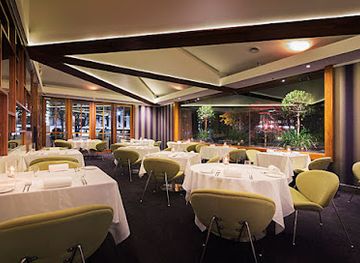
Courgette Restaurant
Experience modern Australian cuisine at Courgette Restaurant in Canberra - where local ingredients meet innovative cooking.
Best bars in Australian Capital Territory
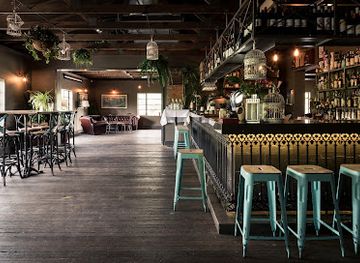
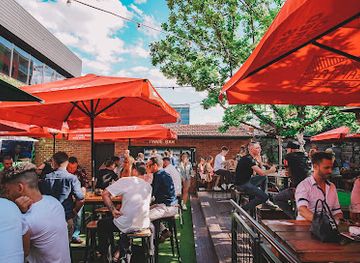
Evening life in the Australian Capital Territory is concentrated in Canberra, particularly around the city centre, Braddon, New Acton and selected inner-suburban precincts. Visitors will find traditional pubs, wine bars, cocktail venues, breweries, restaurants with late service and places hosting live music or comedy. Braddon has a strong concentration of restaurants and bars, while the city centre provides larger entertainment venues and a more varied late-evening offer. Canberra’s theatre and performance programme also shapes nightlife, with audiences often dining before or after a show. The scene is more measured than that of Australia’s largest capitals, and outside the main urban districts evenings generally centre on local pubs, restaurants and private gatherings rather than nightclubs. The Canberra District wine area adds a daytime and early-evening cellar-door culture, but visitors should arrange transport responsibly, particularly when venues are outside the city and public transport options are limited.
-
Pub
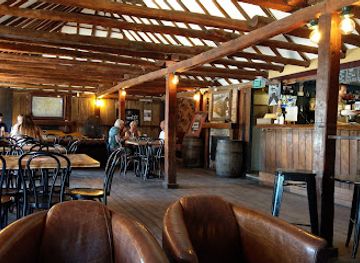
The Old Canberra Inn
Discover The Old Canberra Inn, a lively pub in Lyneham known for its local flavors, inviting atmosphere, and community spirit, perfect for every visitor.
-
Irish pub
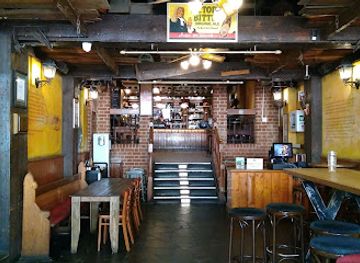
King O'Malley's
Discover the vibrant Irish pub culture at King O'Malley's in Canberra, featuring authentic cuisine, a lively atmosphere, and a great selection of drinks.
-
Pub
The Duxton
Discover the charm of The Duxton, a bustling pub and bistro in O'Connor, where delicious food and drinks meet a vibrant community atmosphere.
-
Pub
Assembly The People's Pub
Discover Assembly The People's Pub - where great food, drinks, and live music come together in Braddon's vibrant social scene.
Best nightclubs in Australian Capital Territory
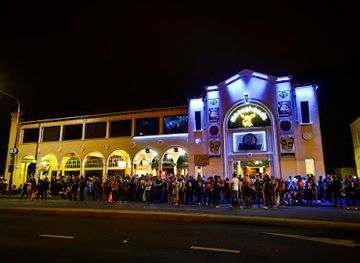
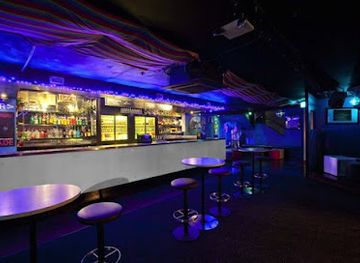
Evening life in the Australian Capital Territory is concentrated in Canberra, particularly around the city centre, Braddon, New Acton and selected inner-suburban precincts. Visitors will find traditional pubs, wine bars, cocktail venues, breweries, restaurants with late service and places hosting live music or comedy. Braddon has a strong concentration of restaurants and bars, while the city centre provides larger entertainment venues and a more varied late-evening offer. Canberra’s theatre and performance programme also shapes nightlife, with audiences often dining before or after a show. The scene is more measured than that of Australia’s largest capitals, and outside the main urban districts evenings generally centre on local pubs, restaurants and private gatherings rather than nightclubs. The Canberra District wine area adds a daytime and early-evening cellar-door culture, but visitors should arrange transport responsibly, particularly when venues are outside the city and public transport options are limited.
-
Pub
Mooseheads Canberra
Experience the vibrant nightlife at Mooseheads Canberra, a top spot for pubs, dining, and dancing in Australia’s capital city.
-
Night club
Fiction Club
Discover the vibrant nightlife of Canberra at Fiction Club, where the music never stops and the fun continues until dawn.
-
Night club
Cube
Discover the vibrant nightlife of Canberra at Cube Nightclub, where unforgettable experiences and electrifying music await every weekend.
-
Disco club
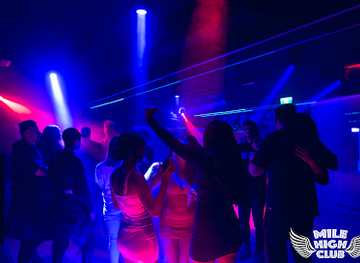
Mile High Club Canberra
Discover the pulsating nightlife of Canberra at Mile High Club, the ultimate disco destination for dance lovers and party enthusiasts.

Best shops in Australian Capital Territory
Canberra’s shopping combines substantial suburban centres with independent inner-city streets, specialist food retailers, galleries and weekend markets. The city centre and nearby Braddon are convenient for fashion, books, design goods, cafés and locally made products, while larger town centres serve everyday shopping across the metropolitan area. Old Bus Depot Markets in Kingston are associated with handmade goods, art, food and produce when operating, and the Capital Region Farmers Market provides a route to regional fruit, vegetables, meat, baked goods and other farm products. Gallery and museum shops are useful for Australian art books, design objects, Aboriginal and Torres Strait Islander art presented through reputable institutions, and educational gifts. Canberra District wine, regional preserves, specialist cheese and craft products make practical souvenirs, particularly when bought directly from established producers. Retail patterns are suburban and spread out rather than concentrated in one historic shopping quarter, so visitors should choose shops and markets according to their itinerary.
-
Shopping mall
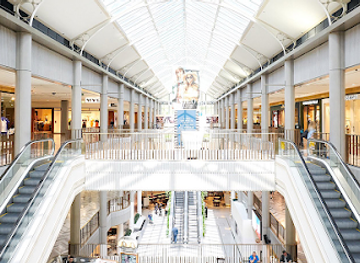
Canberra Centre
Discover Canberra Centre: A premier shopping destination with over 200 stores, diverse dining options, and a vibrant atmosphere in the heart of Australia.
-
Shopping mall
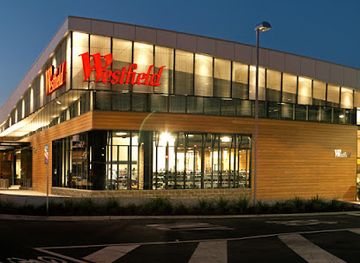
Westfield Belconnen
Discover Westfield Belconnen: A premier shopping hub with diverse retail, dining, and entertainment options in the heart of Belconnen.
-
Shopping mall
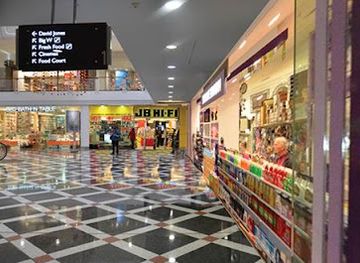
Westfield Woden
Explore Westfield Woden, a premier shopping destination in Phillip, offering diverse shops, delicious dining, and exciting entertainment for all visitors.
-
Shopping mall
Canberra Outlet
Shop till you drop at Canberra Outlet, where unbeatable prices meet a vibrant shopping experience in the heart of Fyshwick.
Get your free copy of our complete guide to Australian Capital Territory, delivered straight to you.
Everything on this page, from attractions and restaurants to essentials and local phrases, in one PDF you can read offline, print or share.
Already have an account? Sign in
Your Australian Capital Territory guide is ready.
We'll send it to · Not you? Sign out

Getting your guide ready…
We are putting together a fresh copy of the Australian Capital Territory guide. This can take up to a minute.
This can take a few moments. If your browser asks, choose Allow so the download can start. You'll find the guide in your Downloads folder.
Nothing happened? Download it again
Sorry, the guide is taking longer than usual. Please try again in a minute, or get it by email instead.
Australian Capital Territory essentials
Currency and Payment
Safety
Emergency Situations
Do's and Don'ts
Local Tips
From Eve
Local phrases worth knowing
You don't need to get them perfect. A few words go a long way, and locals appreciate the effort.
Basics
| English | Local | Say it |
|---|---|---|
| Hello | G'day | [g'day] |
| Goodbye | See ya | [see ya] |
| Yes | Yeah | [yeah] |
| No | Nah | [nah] |
| Please/You're welcome | No worries | [no worries] |
| Thank you | Thanks mate | [thanks mate] |
| Excuse me/Sorry | Sorry | [sorry] |
| How are you? | How's it going? | [how's it going?] |
| Fine. And you? | Good. And you? | [good. and you?] |
| Do you speak English? | Do ya speak English? | [do ya speak English?] |
| I don't understand | I don't get it | [i don't get it] |
Eating & Drinking
| English | Local | Say it |
|---|---|---|
| I'd like to see the menu, please | Could I have the menu, please? | [could I have the menu, please?] |
| I don't eat meat | I'm a vegetarian | [i'm a vegetarian] |
| Cheers! | Cheers! | [cheers] |
| I would like to pay, please | Can I get the bill, please? | [can I get the bill, please?] |
Emergencies
| English | Local | Say it |
|---|---|---|
| Help! | Help! | [help] |
| Go away! | Leave me alone! | [leave me alone] |
| Call the Police! | Call the coppers! | [call the coppers] |
| Call a doctor! | Get a doctor! | [get a doctor] |
| I'm lost | I'm a bit lost | [i'm a bit lost] |
| I'm ill | I'm not feeling well | [i'm not feeling well] |
Shopping
| English | Local | Say it |
|---|---|---|
| I'd like to buy... | I want to buy... | [i want to buy...] |
| I'm just looking | Just browsing, thanks | [just browsing, thanks] |
| How much is it? | How much is this? | [how much is this?] |
| That's too expensive | That's a bit steep | [that's a bit steep] |
| Can you lower the price? | Can you do a better price? | [can you do a better price?] |
Time & Numbers
| English | Local | Say it |
|---|---|---|
| What time is it? | What's the time? | [what's the time?] |
| It's one o'clock | It's one o'clock | [it's one o'clock] |
| Half past (10) | Half past ten | [half past ten] |
| Morning | Morning | [morning] |
| Afternoon | Arvo | [arvo] |
| Evening | Evening | [evening] |
| Yesterday | Yesterday | [yesterday] |
| Today | Today | [today] |
| Tomorrow | Tomorrow | [tomorrow] |
| 1 | One | [one] |
| 2 | Two | [two] |
| 3 | Three | [three] |
| 4 | Four | [four] |
| 5 | Five | [five] |
| 6 | Six | [six] |
| 7 | Seven | [seven] |
| 8 | Eight | [eight] |
| 9 | Nine | [nine] |
| 10 | Ten | [ten] |
Transport & Directions
| English | Local | Say it |
|---|---|---|
| Where's a/the...? | Where's the...? | [where's the...?] |
| What's the address? | What's the address? | [what's the address?] |
| Can you show me (on the map)? | Can you show me on the map? | [can you show me on the map?] |
| When's the next (bus)? | When's the next bus? | [when's the next bus?] |
| A ticket (to ....) | One ticket to... | [one ticket to...] |
History of Australian Capital Territory
Ngunnawal Country and Ancient Cultural Heritage
The Australian Capital Territory lies on the traditional lands of the Ngunnawal people, whose connections with the region extend across its rivers, plains, forests and mountains. Rock shelters, stone artefacts, scarred trees and other cultural places record long Aboriginal occupation, while story and living tradition continue to inform relationships with Country. Namadgi National Park protects many such places, including significant rock-art and ceremonial landscapes. Visitors should treat these sites respectfully and follow restrictions on access, photography and collecting.
European Pastoral Settlement
European pastoral expansion reached the Canberra district in the early nineteenth century, with grazing properties established across the limestone plains and surrounding valleys. Places such as Lanyon Homestead preserve evidence of this pastoral era, including homestead buildings, working landscapes and the lives of Aboriginal, convict and free settlers connected with the estates. Grazing, stock routes and the early road network helped create the rural setting that later influenced the choice and design of Australia’s federal capital.
Choosing and Planning the National Capital
Federation in 1901 created the need for a national capital located away from the established colonial capitals. Canberra was selected in 1908, and an international design competition was won in 1912 by Walter Burley Griffin and Marion Mahony Griffin. Their plan used geometric avenues, broad landscape spaces and views towards the surrounding hills. The city was formally named Canberra in 1913, beginning a long process of transforming a rural district into the seat of the Commonwealth government.
Building Canberra as a Federal City
Construction accelerated during the twentieth century as government departments, public servants and national institutions moved to the new capital. Lake Burley Griffin, created in the 1960s, became the central organising feature of the city’s landscape, while suburbs expanded around the original plan. The provisional Parliament House, opened in 1927, symbolised the growing importance of Canberra before the present Parliament House opened on Capital Hill in 1988. Civic architecture and carefully planted public spaces remain central to the capital’s identity.
War, Memory and National Institutions
Canberra’s role as the national capital made it a focus for institutions concerned with Australia’s political, military and cultural life. The Australian War Memorial, opened in stages from the 1940s, became a major place of commemoration and historical interpretation. The National Library, national galleries and museums also developed during the twentieth century, giving the territory an unusually concentrated collection of public cultural institutions. Their presence reflects Canberra’s function as a place where national stories are collected, debated and presented.
Environmental Protection in the ACT
The protection of the territory’s mountain country developed through reserves including Tidbinbilla Nature Reserve and Namadgi National Park. These areas conserve forests, wetlands, alpine environments, wildlife habitat and Aboriginal cultural heritage, while also preserving landscapes affected by earlier pastoral activity and, in some places, bushfire. Namadgi forms part of the Australian Alps landscape and gives the ACT an important conservation role beyond its urban and governmental functions. Today, recreation and protection must be balanced through permits, track management and seasonal restrictions.
Australian Capital Territory in Photos
Browse through our photo collection highlighting the charm and character of the destination.
Neighbouring regions of Australian Capital Territory
The closest regions to Australian Capital Territory, if you have time for more than one.
-

-

-

-

-


Swipe for more regions
Explore more

Explore more of Australia
Discover the diverse landscapes, vibrant cities, and unique wildlife of Australia, a captivating destination offering endless adventures and unforgettable experiences.
Explore Australia