
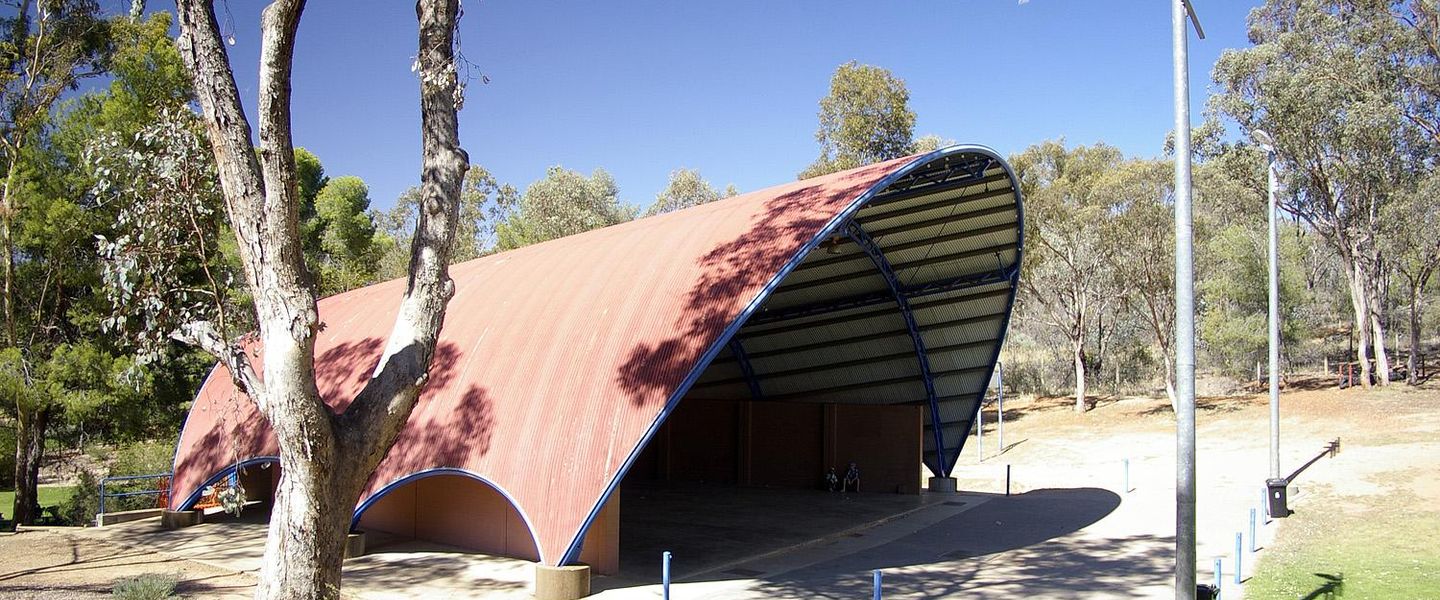
Riverina, Australia Travel Guide
Discover Riverina, Australia's agricultural heartland, known for its award-winning wineries, charming towns, and picturesque landscapes. Perfect for nature and food enthusiasts.
Nestled in New South Wales, the Riverina is a picturesque region known for its vibrant agriculture and charming towns. This destination offers a unique blend of natural beauty, rich history, and delightful local produce. Visitors can explore lush vineyards, expansive rice fields, and stunning river landscapes, making it a perfect getaway for nature lovers and food enthusiasts alike. One of the key highlights of the Riverina is its wine country. The region boasts numerous award-winning wineries that offer tours and tastings. Discover the art of winemaking, wander through scenic vineyards, and savor some of the finest wines Australia has to offer. The Riverina is particularly famous for its botrytis and fortified wines, which are a must-try for any wine connoisseur. The Riverina's towns, such as Griffith and Wagga Wagga, are rich in cultural heritage and offer a variety of attractions. Griffith’s Italian influence is evident in its architecture and cuisine, while Wagga Wagga is known for its art galleries and beautiful botanical gardens. These towns provide a perfect blend of modern amenities and historical charm, ensuring a memorable experience for all visitors. For outdoor enthusiasts, the Murrumbidgee River offers numerous recreational activities, including fishing, kayaking, and riverside picnics. The river’s serene environment is ideal for relaxation and reconnecting with nature. Additionally, the region's diverse wildlife and birdwatching opportunities make it a haven for nature photographers and animal lovers.

Know before you go
Hi, I'm Eve. Here are a few practical things to know before exploring Riverina.
- Visit during harvest season (March to May) to experience the best of local produce and wine.
- Rent a bike to explore the scenic countryside and vineyards at your own pace.
- Check local events and festivals, such as the Griffith Festival of Gardens, for a richer cultural experience.
- Stay in a local B&B or farmstay to get a true taste of Riverina hospitality.
- Pack comfortable walking shoes for exploring the towns and natural attractions.
Top City Travel Guides in Riverina
The cities of Riverina, and the easiest places to base yourself.

Destinations in Riverina
Resorts, valleys and scenic spots worth a trip of their own.


Explore Riverina: Things to Do, Places to Eat, Hotels & More
Handpicked recommendations for top attractions, local dining, accommodations, and more

Top Attractions & Sightseeing in Riverina
Top-rated picks
Best Attractions

Treasury Hotel Brisbane
Experience the elegance of Treasury Hotel Brisbane, where historic charm meets modern luxury in the heart of Queensland's capital.

Museum of Brisbane
Explore Brisbane's rich heritage at the Museum of Brisbane, where history, culture, and art come together in an inspiring setting.

Howard Smith Wharves
Explore Howard Smith Wharves, Brisbane's vibrant riverside destination, offering a fusion of dining, entertainment, and breathtaking views.

Wagga Beach
Experience the beauty of Wagga Beach in Cabarita Park, where relaxation meets recreation in Wagga Wagga's stunning natural setting.

Best landmarks in Riverina
Top-rated picks
Best Landmarks
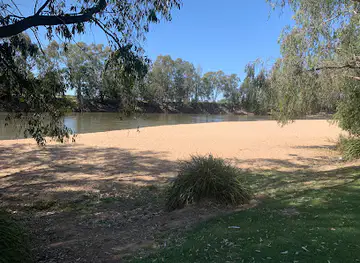
Wagga Beach
Discover Wagga Beach: A serene riverside escape in Wagga Wagga, where relaxation meets natural beauty along the Murrumbidgee River.

Wagga Wagga Visitor Information Centre
Plan your perfect visit to Wagga Wagga with insights from the Visitor Information Centre—your gateway to local attractions, souvenirs, and unforgettable experiences.
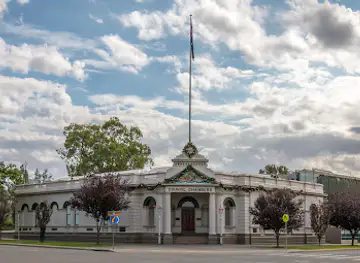
Wagga Wagga Art Gallery - National Art Glass Gallery
Discover the vibrant artistry at Wagga Wagga Art Gallery, showcasing national art glass and a rich collection of contemporary and traditional Australian art.

Museum of the Riverina - Historic Council Chambers Site
Explore the Museum of the Riverina, a historical gem in Wagga Wagga, showcasing the rich cultural heritage and history of New South Wales.

Best restaurants in Riverina
Top-rated picks
Best Restaurants

Eagle Street Pier
Brisbane's iconic riverside haven where award-winning dining meets breathtaking Story Bridge views and vibrant bar scenes along the shimmering Brisbane River.

Thirsty Crow Brewery
Discover Thirsty Crow Brewery: A premier brewpub in Wagga Wagga offering craft beers, tasty dishes, and a lively atmosphere for all beer lovers.

Jungle Duke Hotel
Experience vibrant Australian flavors at Jungle Duke Hotel - where exceptional cuisine meets warm hospitality in Wagga Wagga.

Uneke Lounge
Discover Uneke Lounge in Wagga Wagga – where delightful breakfasts meet vibrant lunches amidst an inviting atmosphere.

Best bars in Riverina
Top-rated picks
Best Bars

Wagga RSL Club
Experience the vibrant atmosphere of Wagga RSL Club, where fine dining meets social entertainment in Wagga Wagga.

Victoria Hotel
Discover the lively atmosphere and delicious dining at Victoria Hotel, Wagga Wagga's premier pub and bistro experience.

Palm & Pawn Motor Inn & Tavern
Experience the Warmth of Hospitality at Palm & Pawn Motor Inn & Tavern in North Wagga Wagga - Comfort, Cuisine, and Community Await!

Thirsty Crow Brewery
Discover the heart of craft beer at Thirsty Crow Brewery, Wagga Wagga's premier brewpub with a vibrant atmosphere and delicious local flavors.

Best nightclubs in Riverina
Top-rated picks
Best Nightclubs

Tilly's Wagga
Experience the vibrant nightlife at Tilly's Wagga, where cocktails, live music, and dancing come together for an unforgettable evening in Wagga Wagga.

Riverine Club
Discover the Riverine Club: Wagga Wagga's premier social hub offering exquisite dining, elegant function spaces, and a vibrant atmosphere for all occasions.

Best shops in Riverina
Top-rated picks
Best Shops

DFO Brisbane
Explore DFO Brisbane: Your ultimate outlet mall for unbeatable fashion deals and local treasures near the airport.

Wagga Wagga Marketplace
Discover the vibrant Wagga Wagga Marketplace, a shopping haven offering a diverse range of shops, delicious food options, and community events in the heart of New South Wales.

Brisbane Arcade
Explore Brisbane Arcade: A historic shopping destination filled with unique boutiques, artisan shops, and delightful cafes in the heart of Brisbane City.

Wagga Fruit Supply
Discover fresh, locally-sourced produce at Wagga Fruit Supply, the ultimate destination for health enthusiasts and food lovers in Wagga Wagga.

Explore Riverina on the Map
A handpicked selection of must-see spots in Riverina, mapped for you.
Riverina Essentials
-
Riverina is well-connected by road, rail, and air. The nearest major airport is Wagga Wagga Airport, which has regular flights from Sydney and Melbourne. From the airport, you can rent a car or take a taxi to your destination in Riverina. Additionally, Riverina can be accessed via train services from Sydney and Melbourne, with key stations including Wagga Wagga and Griffith. Buses and coaches also operate services from major cities to various towns within Riverina.
-
Within Riverina, getting around is relatively easy. Car rentals are a popular choice for exploring the region at your own pace. Public buses operate within major towns, and taxis are available but may need to be booked in advance in smaller towns. Cycling is also a great option for short distances and offers a scenic way to experience the area. For longer journeys, trains and intercity buses connect the main towns and cities.
-
The official currency in Australia is the Australian Dollar (AUD). Credit cards are widely accepted in hotels, restaurants, and shops. ATMs are available in most towns, but it's advisable to carry some cash, especially when visiting smaller towns or rural areas. Contactless payment methods such as Apple Pay and Google Pay are also commonly used.
-
Riverina is generally a safe destination for tourists. However, it's always wise to take standard precautions. Avoid walking alone at night in unfamiliar areas and keep an eye on your belongings in crowded places. Specific high-crime areas targeting tourists are rare, but it's best to stay vigilant and aware of your surroundings. Always lock your car and secure valuables.
-
In case of an emergency, dial 000 for police, fire, or medical assistance. Major towns have hospitals and medical facilities, while smaller towns have clinics and pharmacies. It's recommended to have travel insurance that covers medical emergencies. For minor health issues, local pharmacies can provide over-the-counter medications.
-
Fashion: Do wear comfortable, casual clothing suitable for outdoor activities. Don’t wear overly revealing clothing, especially in rural or conservative areas. Religion: Do respect local customs and traditions. Some areas may have cultural or religious significance. Public Transport: Do be patient and courteous to drivers and fellow passengers. Don’t eat or drink on public transport. Greetings: Do greet people with a friendly 'Hello' or 'G'day.' A handshake is common in formal settings. Eating & Drinking: Do try local delicacies and be open to food offerings. Don’t refuse hospitality, as it may be considered impolite.
-
To experience Riverina like a local, visit farmers' markets where you can buy fresh produce and local goods. Engage with locals, as they are often friendly and willing to share stories about the region's history and culture. Don't miss the region's wineries and cellar doors for a taste of local wines. Exploring the natural landscapes, including the Murrumbidgee River and various national parks, offers a unique and authentic experience.
When is the best time to visit Riverina?
Useful Local Phrases for Riverina
You don't need to speak the language perfectly. Even learning a few simple words can make conversations warmer—and locals usually appreciate the effort.
— Eve

Here are the phrases I use most often in Riverina. Try a few—you'll be surprised how far they go! 😊
❤️
-
- HelloG'day
[g'day] - GoodbyeSee ya
[see ya] - YesYeah
[yeah] - NoNah
[nah] - Please/You're welcomeNo worries
[no worries] - Thank youCheers
[cheers] - Excuse me/SorrySorry mate
[sorry mate] - How are you?How's it going?
[how's it going?] - Fine. And you?Good, and you?
[good, and you?] - Do you speak English?Can ya speak English?
[can ya speak English?] - I don't understandI don't get it
[I don't get it]
- HelloG'day
-
- I'd like to see the menu, pleaseCan I see the menu, please?
[can I see the menu, please?] - I don't eat meatI’m a vegetarian
[I'm a vegetarian] - Cheers!Cheers!
[cheers] - I would like to pay, pleaseCan I get the bill, please?
[can I get the bill, please?]
- I'd like to see the menu, pleaseCan I see the menu, please?
-
- Help!Help!
[help] - Go away!Leave me alone!
[leave me alone] - Call the Police!Call the cops!
[call the cops] - Call a doctor!Get a doctor!
[get a doctor] - I'm lostI’m a bit lost
[I'm a bit lost] - I'm illI’m not feeling well
[I'm not feeling well]
- Help!Help!
-
- I'd like to buy...I want to buy...
[I want to buy...] - I'm just lookingJust browsing, thanks
[just browsing, thanks] - How much is it?What’s the price?
[what’s the price?] - That's too expensiveThat's a bit steep
[that's a bit steep] - Can you lower the price?Can you do a better price?
[can you do a better price?]
- I'd like to buy...I want to buy...
-
- What time is it?What’s the time?
[what’s the time?] - It's one o'clockIt’s one o’clock
[it’s one o’clock] - Half past (10)Half past ten
[half past ten] - MorningMorning
[morning] - AfternoonArvo
[arvo] - EveningEvening
[evening] - YesterdayYesterday
[yesterday] - TodayToday
[today] - TomorrowTomorrow
[tomorrow] - 1One
[one] - 2Two
[two] - 3Three
[three] - 4Four
[four] - 5Five
[five] - 6Six
[six] - 7Seven
[seven] - 8Eight
[eight] - 9Nine
[nine] - 10Ten
[ten]
- What time is it?What’s the time?
-
- Where's a/the...?Where’s the...?
[where's the...?] - What's the address?What’s the address?
[what's the address?] - Can you show me (on the map)?Can you show me on the map?
[can you show me on the map?] - When's the next (bus)?When's the next bus?
[when's the next bus?] - A ticket (to ....)A ticket to ...
[a ticket to ...]
- Where's a/the...?Where’s the...?
History of Riverina
-
The Riverina region has been home to the Wiradjuri, Yorta Yorta, and other Indigenous peoples for tens of thousands of years. These communities have a rich cultural heritage, with intricate knowledge of the land, water systems, and natural resources. Rock art, ancient burial sites, and sacred landmarks such as the Murrumbidgee River are testament to their deep connection with the region.
-
European exploration of the Riverina began in the early 19th century. Explorers such as Hamilton Hume and William Hovell traversed the area in 1824, paving the way for subsequent settlement. By the 1830s, pastoralists began establishing sheep stations, taking advantage of the fertile plains. The establishment of settlements like Wagga Wagga and Albury marked the beginning of significant European influence in the region.
-
The discovery of gold in the mid-19th century brought a wave of fortune seekers to the Riverina. Towns like Wagga Wagga and Gundagai thrived as they became pivotal supply points for miners heading to the goldfields. This influx of people and wealth spurred infrastructure development, including the construction of roads, railways, and public buildings.
-
Following the gold rush, the Riverina emerged as an agricultural powerhouse. The region's fertile soil and favorable climate made it ideal for wheat, wool, and later, rice cultivation. The establishment of irrigation schemes in the early 20th century further bolstered agricultural productivity. Towns like Griffith and Leeton were planned and developed around these irrigation projects, transforming the landscape and economy.
-
During World War II, the Riverina played a critical role in Australia's war effort. The region hosted several military training camps and airfields. Wagga Wagga, in particular, became a significant military hub, with the establishment of the RAAF Base Wagga. The post-war period saw an economic boost and population growth as returning soldiers settled in the area.
-
The post-war era brought waves of migrants to the Riverina, particularly from Italy, Greece, and later, Southeast Asia. These communities have enriched the cultural tapestry of the region, contributing to its culinary diversity, festivals, and community life. Towns like Griffith are renowned for their vibrant multicultural atmosphere, reflected in local markets, restaurants, and cultural events.
-
In recent decades, the Riverina has continued to evolve, balancing its rich agricultural heritage with modern economic developments. The wine industry has flourished, with the region's vineyards producing award-winning wines. Renewable energy projects and digital innovation hubs have also emerged, signaling a forward-looking approach to sustainable growth and technological advancement.
Neighbouring Regions of Riverina
The closest regions to Riverina, if you have time for more than one.


Your all‑in‑one travel companion app
Explore expert travel guides, compare and book tours, experiences, hotels, and more—all from the palm of your hand. Download now for seamless trip planning wherever your wanderlust takes you.


Explore More of Australia

Looking beyond Riverina? Discover Australia for broader travel guides, local hot-spots, and regional highlights.
Explore AustraliaRiverina in Photos
Browse through our photo collection highlighting the charm and character of the destination.
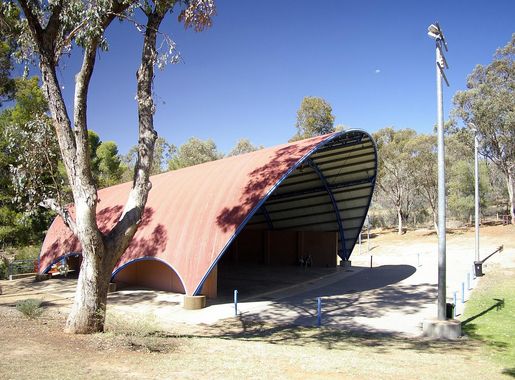


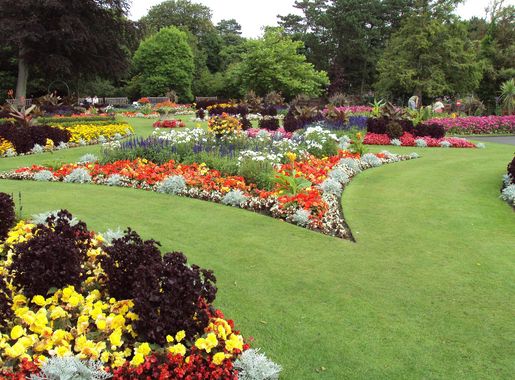


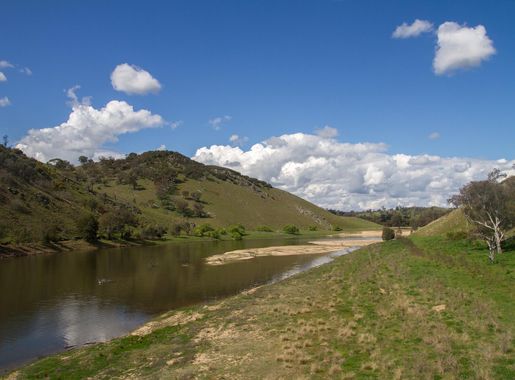


Riverina: Australia's Agricultural Heartland
Nestled in New South Wales, the Riverina is a picturesque region known for its vibrant agriculture and charming towns. This destination offers a unique blend of natural beauty, rich history, and delightful local produce. Visitors can explore lush vineyards, expansive rice fields, and stunning river landscapes, making it a perfect getaway for nature lovers and food enthusiasts alike. One of the key highlights of the Riverina is its wine country. The region boasts numerous award-winning wineries that offer tours and tastings. Discover the art of winemaking, wander through scenic vineyards, and savor some of the finest wines Australia has to offer. The Riverina is particularly famous for its botrytis and fortified wines, which are a must-try for any wine connoisseur. The Riverina's towns, such as Griffith and Wagga Wagga, are rich in cultural heritage and offer a variety of attractions. Griffith’s Italian influence is evident in its architecture and cuisine, while Wagga Wagga is known for its art galleries and beautiful botanical gardens. These towns provide a perfect blend of modern amenities and historical charm, ensuring a memorable experience for all visitors. For outdoor enthusiasts, the Murrumbidgee River offers numerous recreational activities, including fishing, kayaking, and riverside picnics. The river’s serene environment is ideal for relaxation and reconnecting with nature. Additionally, the region's diverse wildlife and birdwatching opportunities make it a haven for nature photographers and animal lovers.