

Free Central Victoria Travel Guide & Mobile App
Explore Central Victoria with free travel guides. Discover regional history, expert tips, proposed trips, and audio guides on web or mobile app.


Explore Central Victoria’s goldfields, historic towns, mineral springs, cool-climate gardens, regional food and forested Macedon Ranges.
Read more about Central Victoria
When is the best time to visit Central Victoria?
Best: December–January · 24–26°C| Month | High (°C) | Rainfall (mm) |
|---|---|---|
| January (best) | 26 | 30 |
| February | 27 | 30 |
| March (best) | 24 | 35 |
| April | 20 | 40 |
| May | 17 | 45 |
| June | 14 | 50 |
| July | 13 | 50 |
| August | 14 | 50 |
| September | 18 | 45 |
| October | 20 | 40 |
| November | 22 | 35 |
| December (best) | 25 | 35 |
Getting to and around Central Victoria
How to get there
Transportation
Top city travel guides in Central Victoria
The cities of Central Victoria, and the easiest places to base yourself.

Swipe for more cities
Destinations in Central Victoria
Resorts, valleys and scenic spots worth a trip of their own.

Swipe for more destinations
Best attractions in Central Victoria
Central Victoria’s attractions range from major historical experiences to open landscapes and regional cultural institutions. Ballarat’s Sovereign Hill interprets the nineteenth-century goldfields through reconstructed streets, demonstrations and underground experiences, while the Eureka Centre examines the political history of the Eureka Stockade. Bendigo combines the Central Deborah Gold Mine, Bendigo Tramways, the Golden Dragon Museum and Bendigo Art Gallery with parks and heritage streets. In the smaller goldfields, Castlemaine, Maldon, Clunes and Maryborough offer museums, railway associations, galleries, historic buildings and walking opportunities. Daylesford and Hepburn Springs focus on mineral springs, gardens, wellness and food, while Kyneton provides heritage architecture, galleries and access to rural country. The Macedon Ranges add forest walks, gardens, lookouts and Hanging Rock, a distinctive volcanic formation with strong cultural and literary associations. Rail trails, reservoirs, nature reserves and bushland tracks provide opportunities for cycling, birdwatching and quiet walking, though conditions vary with season and fire restrictions. The region’s appeal lies in the contrast between substantial inland cities, carefully preserved gold-rush towns, productive farmland and wooded uplands rather than in one single attraction.
-
International airport
Melbourne Airport
Discover Melbourne Airport, a vibrant transit hub blending convenience with cultural experiences, from shopping and dining to art installations.
-
Tourist attraction
Loch Ard Gorge
Experience the breathtaking beauty and rich history of Loch Ard Gorge, a stunning natural attraction along Australia's Great Ocean Road.
-
Tourist attraction
Steavenson Falls
Experience the majesty of Steavenson Falls, one of Victoria's tallest waterfalls, with scenic walks and breathtaking views in a lush forest setting.
-
Park
Rosalind Park
Explore Rosalind Park, a lush urban oasis in Bendigo, offering scenic beauty, historic charm, and endless recreational opportunities for every traveler.


Best landmarks in Central Victoria
Central Victoria’s most recognisable landmarks reflect mining wealth, civic ambition and distinctive inland geology. Ballarat’s grand nineteenth-century streetscape, civic buildings and Eureka-related sites express the city’s central role in the gold rush and the political crisis of 1854. Bendigo’s Sacred Heart Cathedral rises above the historic centre, while the former mining landscape and surviving tram infrastructure reveal how the city developed around deep quartz mining and regional trade. Maldon is notable for its unusually coherent goldfields streetscape of timber buildings, shopfronts and verandahs, and Castlemaine’s historic core conveys the scale of an established mining town. Around Mount Macedon, forested slopes, memorials and gardens create a different visual identity from the dry central goldfields. Hanging Rock is the region’s most distinctive natural landmark: a volcanic formation that dominates the surrounding plains and has become associated with walking, landscape and Australian cultural memory. Across the region, mine poppet heads, railway structures, old banks, churches and broad avenues remain important markers of nineteenth-century expansion.
-
Scenic spot
Twelve Apostles
Discover the breathtaking Twelve Apostles, a stunning coastal formation along Victoria's Great Ocean Road, where nature's beauty meets rich history.
-
Observation deck
Melbourne Skydeck
Experience Melbourne like never before from the Melbourne Skydeck, offering breathtaking views and an unforgettable adventure in the heart of the city.
-
National park
Port Campbell National Park
Discover the breathtaking landscapes and unique geological formations of Port Campbell National Park, a must-visit destination along Australia's Great Ocean Road.
-
Museum
Sovereign Hill
Explore Sovereign Hill, a unique open-air museum in Victoria, Australia, showcasing the rich history of the Gold Rush era with interactive exhibits and live demonstrations.


Explore Central Victoria on the map
Plan your trip on one map. See where the top cities, national parks and sights are, and book hotels and experiences in a few clicks.
Best hotels in Central Victoria
Best restaurants in Central Victoria
Dining in Central Victoria draws on cool-climate agriculture, goldfields town traditions and a strong regional-produce movement. Daylesford, Hepburn Springs, Kyneton and Castlemaine have particularly well-developed restaurant, café and bakery scenes, while Ballarat and Bendigo offer the broadest choice of casual and contemporary dining. Menus commonly feature local cheeses, apples, stone fruit, berries, vegetables, preserves, free-range meats and wines from central Victorian vineyards; cider, beer and small-scale spirits are also prominent in parts of the region. Country pubs and historic hotels remain important for generous, informal meals, while cafés and bakeries provide practical stops in market towns. Farmers’ markets and farm shops are useful for tasting seasonal produce rather than looking for one dish that defines the whole area. The regional food identity changes with geography: the goldfields retain a sturdy inland and bakery tradition, whereas the southern spa and Macedon districts emphasise gardens, orchards, cool-climate produce and destination dining.
-
Cafe
Salingers
Discover Salingers: A delightful cafe in Great Western serving scrumptious breakfasts and quality coffee amidst a warm atmosphere.

Best bars in Central Victoria
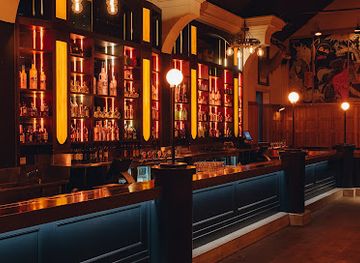
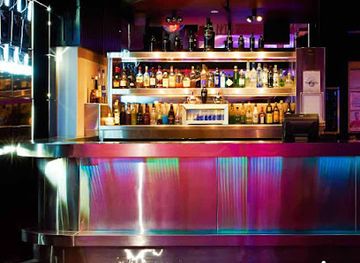
Evening life in Central Victoria is concentrated in Ballarat, Bendigo, Castlemaine, Daylesford and Hepburn Springs, with a quieter rhythm in smaller goldfields towns. Historic pubs, hotel bars, wine bars and breweries provide the most consistent nightlife, often alongside restaurants and occasional live music. Ballarat and Bendigo have the widest choice of late cafés, performance venues and bars, while Castlemaine is known for an arts-oriented evening culture that can include music, theatre and independent events. Daylesford and Hepburn Springs are more focused on dining, small bars and relaxed drinks than on large clubs. In rural districts, venues may be widely separated and public transport is limited after dark, making a planned taxi or designated driver important. Event programmes and opening arrangements change, so visitors should check individual venues rather than assume a regular schedule.
-
Cocktail bar
Eau De Vie Melbourne
Discover Eau De Vie Melbourne, a premier cocktail bar offering exquisite drinks and a cozy atmosphere perfect for any occasion.
-
Cocktail bar
State of Grace
Experience the elegance and excitement of State of Grace, Melbourne's premier destination for exquisite cocktails and contemporary dining.
-
Bar
Section 8
Experience Melbourne's unique nightlife at Section 8, a quirky bar in a shipping container offering craft beers, cocktails, and live music.
-
Bar
Trinket Bar
Experience Melbourne's nightlife at Trinket Bar, where handcrafted cocktails and gourmet pizzas meet a stylish ambiance in the heart of the city.


Best nightclubs in Central Victoria
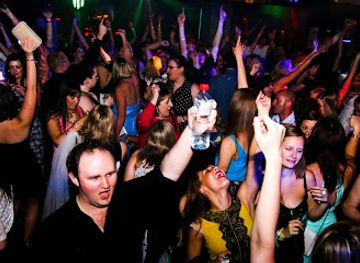
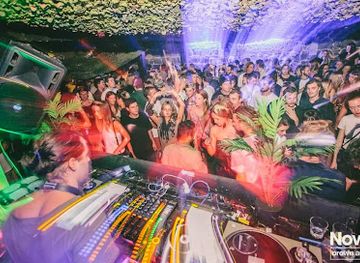
Evening life in Central Victoria is concentrated in Ballarat, Bendigo, Castlemaine, Daylesford and Hepburn Springs, with a quieter rhythm in smaller goldfields towns. Historic pubs, hotel bars, wine bars and breweries provide the most consistent nightlife, often alongside restaurants and occasional live music. Ballarat and Bendigo have the widest choice of late cafés, performance venues and bars, while Castlemaine is known for an arts-oriented evening culture that can include music, theatre and independent events. Daylesford and Hepburn Springs are more focused on dining, small bars and relaxed drinks than on large clubs. In rural districts, venues may be widely separated and public transport is limited after dark, making a planned taxi or designated driver important. Event programmes and opening arrangements change, so visitors should check individual venues rather than assume a regular schedule.
-
Disco club
Club Retro
Discover the pulsating nightlife at Club Retro, Melbourne's top disco club featuring great music, delicious burgers, and a vibrant atmosphere.
-
Disco club
New Guernica
Experience Melbourne's nightlife at New Guernica, a dynamic disco club renowned for its eclectic music, vibrant atmosphere, and unforgettable late-night fun.
-
Night club
Brown Alley
Discover Melbourne's nightlife at Brown Alley, where music, dance, and energy converge for an unforgettable experience.
-
Disco club
Level 3 Nightclubs
Dive into the exhilarating nightlife at Level 3 Nightclubs, where electrifying beats and unforgettable memories await in Melbourne's premier entertainment hub.
Best shops in Central Victoria
Shopping in Central Victoria is strongest in historic town centres, where independent retailers occupy former banks, hotels, miners’ buildings and traditional shopfronts. Bendigo and Ballarat provide the broadest everyday retail choice, including national stores, galleries, booksellers, antiques and specialist food shops. Castlemaine is associated with antiques, vintage goods, art, design and independent makers, while Maldon and Clunes offer smaller-scale browsing among preserved goldfields architecture. Daylesford and Kyneton combine homewares, galleries, clothing, books and food-focused shops, with the surrounding districts supplying wine, cider, preserves, cheese, chocolate, fruit and other regional products. Farmers’ markets and seasonal produce stalls are worthwhile for edible souvenirs, although dates and locations vary. Craft traditions include ceramics, jewellery, textiles, woodwork and artwork from local studios. In smaller towns, retail hours may be limited outside weekends, and some specialty products are sold directly from farms, cellar doors or workshop galleries rather than from a central shopping precinct.
-
Shopping mall
Chadstone - The Fashion Capital
Explore Chadstone - The Fashion Capital, Australia's premier shopping destination featuring luxury brands, diverse dining, and exciting events for every traveler.
-
Shopping mall
QV Melbourne
Explore QV Melbourne, a vibrant shopping haven offering diverse retail, dining, and entertainment experiences in the heart of the city.
-
 Shopping mall
Westfield Doncaster
Discover a world of shopping, dining, and entertainment at Westfield Doncaster, Victoria's ultimate shopping destination.
-
Shopping mall
Spencer Outlet Centre
Explore the Spencer Outlet Centre in Docklands for unbeatable shopping experiences and delicious dining options, all in a vibrant atmosphere.


Get your free copy of our complete guide to Central Victoria, delivered straight to you.
Everything on this page, from attractions and restaurants to essentials and local phrases, in one PDF you can read offline, print or share.
Already have an account? Sign in
Your Central Victoria guide is ready.
We'll send it to · Not you? Sign out

Getting your guide ready…
We are putting together a fresh copy of the Central Victoria guide. This can take up to a minute.
This can take a few moments. If your browser asks, choose Allow so the download can start. You'll find the guide in your Downloads folder.
Nothing happened? Download it again
Sorry, the guide is taking longer than usual. Please try again in a minute, or get it by email instead.
Central Victoria essentials
Currency and Payment
Safety
Emergency Situations
Do's and Don'ts
Local Tips
From Eve
Local phrases worth knowing
You don't need to get them perfect. A few words go a long way, and locals appreciate the effort.
Basics
| English | Local | Say it |
|---|---|---|
| Hello | G'day | [guh-day] |
| Goodbye | See ya | [see ya] |
| Yes | Yeah | [yeh] |
| No | Nah | [nah] |
| Please/You're welcome | No worries | [noh wuh-rees] |
| Thank you | Cheers | [cheers] |
| Excuse me/Sorry | Sorry mate | [sorry mate] |
| How are you? | How ya goin'? | [how ya goin'?] |
| Fine. And you? | Good, you? | [good, you?] |
| Do you speak English? | Can ya speak English? | [can ya speak English?] |
| I don't understand | I don’t get it | [I don’t get it] |
Eating & Drinking
| English | Local | Say it |
|---|---|---|
| I'd like to see the menu, please | Can I see the menu, please? | [can I see the menu, please?] |
| I don't eat meat | I'm a vegetarian | [I'm a vegetarian] |
| Cheers! | Cheers! | [cheers] |
| I would like to pay, please | Can I get the bill, please? | [can I get the bill, please?] |
Emergencies
| English | Local | Say it |
|---|---|---|
| Help! | Help! | [help] |
| Go away! | Leave me alone! | [leave me alone] |
| Call the Police! | Call the cops! | [call the cops] |
| Call a doctor! | Get a doctor! | [get a doctor] |
| I'm lost | I'm a bit lost | [I'm a bit lost] |
| I'm ill | I'm not well | [I'm not well] |
Shopping
| English | Local | Say it |
|---|---|---|
| I'd like to buy... | I want to buy... | [I want to buy...] |
| I'm just looking | Just browsing, thanks | [just browsing, thanks] |
| How much is it? | How much is this? | [how much is this?] |
| That's too expensive | That's pricey | [that's pricey] |
| Can you lower the price? | Can ya do a better price? | [can ya do a better price?] |
Time & Numbers
| English | Local | Say it |
|---|---|---|
| What time is it? | What’s the time? | [what's the time?] |
| It's one o'clock | It's one o'clock | [it's one o'clock] |
| Half past (10) | Half past ten | [half past ten] |
| Morning | Morning | [morning] |
| Afternoon | Arvo | [arvo] |
| Evening | Evening | [evening] |
| Yesterday | Yesterday | [yesterday] |
| Today | Today | [today] |
| Tomorrow | Tomorrow | [tomorrow] |
| 1 | One | [one] |
| 2 | Two | [two] |
| 3 | Three | [three] |
| 4 | Four | [four] |
| 5 | Five | [five] |
| 6 | Six | [six] |
| 7 | Seven | [seven] |
| 8 | Eight | [eight] |
| 9 | Nine | [nine] |
| 10 | Ten | [ten] |
Transport & Directions
| English | Local | Say it |
|---|---|---|
| Where's a/the...? | Where’s a...? | [where’s a...?] |
| What's the address? | What’s the address? | [what’s the address?] |
| Can you show me (on the map)? | Can you point it out on the map? | [can you point it out on the map?] |
| When's the next (bus)? | When's the next bus? | [when's the next bus?] |
| A ticket (to ....) | A ticket to... | [a ticket to...] |
History of Central Victoria
First Peoples and Country Before European Settlement
Central Victoria is part of the traditional Country of several Aboriginal peoples, including Dja Dja Wurrung, Wadawurrung and Taungurung communities, whose cultural connections with waterways, grasslands, forests and hills extend across the region. Aboriginal land management shaped vegetation and hunting grounds long before British colonisation, and places such as Mount Franklin and the wider goldfields retain cultural significance. Visitors should understand that the region’s gold-rush story is not its beginning: invasion, dispossession and the disruption of established communities accompanied pastoral expansion and later mining. Contemporary cultural interpretation and recognition of Traditional Owners are increasingly important parts of the regional story.
Pastoral Expansion in the 1830s and 1840s
European pastoralists moved into inland Victoria during the 1830s and 1840s, establishing large sheep runs across grasslands and river country. Squatting transformed land use before formal towns developed, bringing stock routes, homesteads and new colonial administration while placing severe pressure on Aboriginal communities. Some later towns, roads and property boundaries grew from this pastoral landscape. The region’s agricultural identity still reflects that early transformation through sheep farming, cropping, orchards, vineyards and rural settlements, although the surviving buildings and land patterns should also be read in the context of dispossession and resistance.
The Victorian Gold Rush, from 1851
Gold discoveries at Ballarat, Bendigo and numerous smaller fields from 1851 brought a sudden influx of migrants, capital and government attention. Tent settlements grew into towns, roads and railway connections, while deep-lead and quartz mining followed the first alluvial rushes. Ballarat and Bendigo became major commercial centres, and places such as Castlemaine, Maldon, Maryborough and Clunes were drawn into a dense network of mining communities. The wealth produced grand civic buildings, hotels, gardens and private houses, but mining also caused environmental damage, conflict over licences and harsh working conditions.
The Eureka Stockade and Political Change
At Ballarat in December 1854, miners protesting the expensive and unpopular licence system confronted colonial authorities at the Eureka Stockade. The military assault was brief, but the subsequent trials and public reaction helped accelerate reforms, including changes to mining administration and broader political participation. Eureka became an enduring symbol in Australian debates about representation, civil rights and democracy. The event should not be reduced to a simple national legend: it emerged from a complex goldfields society involving migrants from many countries, Aboriginal dispossession, class tensions and competing ideas of authority.
Chinese Goldfields Communities
Chinese migrants played a significant role in the central Victorian goldfields, particularly in and around Bendigo, where community organisations, businesses and religious practices developed despite discriminatory laws and hostility. Bendigo’s Golden Dragon Museum and the city’s surviving ceremonial traditions interpret this history, including the long association with the annual Easter procession. Chinese miners also worked across smaller fields and contributed to regional commerce. Their presence challenges the idea that the gold rush was exclusively a British or European story and reveals the international networks created by nineteenth-century mining.
Railways, Industry and Regional Towns
Railways reached the central Victorian goldfields during the later nineteenth century, linking mining towns with Melbourne and ports while lowering the cost of moving people, wool, grain and manufactured goods. Railway architecture, workshops and station precincts helped consolidate Bendigo, Ballarat and smaller towns as service centres. As mining declined, engineering, agriculture, timber, manufacturing and government employment supported regional economies. Today, preserved stations, historic tramways, former industrial sites and broad civic streets record the infrastructure that connected inland Victoria to the expanding colony.
From Mining District to Cultural and Food Region
Twentieth-century Central Victoria experienced the long transition from gold mining to diversified regional economies. Older towns retained their heritage while agriculture, horticulture, forestry, education, arts and tourism grew in importance. Daylesford and Hepburn Springs developed around mineral springs and country recreation, while galleries, antiques, gardens and local food strengthened the appeal of towns such as Castlemaine, Kyneton and Bendigo. Ballarat and Bendigo remain substantial regional cities, and contemporary visitors encounter both the material legacy of extraction and a living region shaped by farming, conservation, creative work and hospitality.
Central Victoria in Photos
Browse through our photo collection highlighting the charm and character of the destination.
Neighbouring regions of Central Victoria
The closest regions to Central Victoria, if you have time for more than one.
-

-

-

-

-


Swipe for more regions
Explore more

Explore more of Australia
Discover the diverse landscapes, vibrant cities, and unique wildlife of Australia, a captivating destination offering endless adventures and unforgettable experiences.
Explore Australia