

Free Yarra Valley Travel Guide & Mobile App
Explore Yarra Valley with free travel guides. Discover regional history, expert tips, proposed trips, and audio guides on web or mobile app.


Explore the Yarra Valley near Melbourne for cool-climate wines, native wildlife, forest walks, farm produce and relaxed rural towns.
Read more about Yarra Valley
When is the best time to visit Yarra Valley?
Best: January–March · 23–26°C| Month | High (°C) | Rainfall (mm) |
|---|---|---|
| January (best) | 25 | 50 |
| February (best) | 26 | 40 |
| March (best) | 23 | 50 |
| April | 20 | 60 |
| May | 17 | 70 |
| June | 14 | 70 |
| July | 14 | 70 |
| August | 15 | 70 |
| September | 17 | 60 |
| October | 19 | 60 |
| November | 21 | 60 |
| December | 24 | 60 |
Getting to and around Yarra Valley
How to get there
Transportation
Top city travel guides in Yarra Valley
The cities of Yarra Valley, and the easiest places to base yourself.

Swipe for more cities
Best attractions in Yarra Valley
The Yarra Valley’s attractions combine wine tourism, wildlife, food and forest landscapes rather than concentrating in one urban centre. Around Coldstream, Yarra Glen and Dixons Creek, visitors can tour cellar doors, sample cool-climate wines and visit producers offering chocolate, cheese, fruit and other regional goods. Healesville Sanctuary is a major attraction for encounters with Australian native species and conservation programmes, while the town itself provides galleries, cafés and local history. The TarraWarra Museum of Art presents modern and contemporary Australian art in a vineyard setting near Healesville. In the upper valley, Warburton and the surrounding Yarra Ranges provide access to walking tracks, river scenery, mountain forests and fern gullies. The Yarra Ranges National Park is suited to visitors seeking nature and longer walks, though conditions and access vary by season. Farm shops, gardens, markets and small heritage displays add texture to the itinerary, and the former railway landscape offers opportunities for exploring the valley’s transport history. Because attractions are dispersed, a route organised by district is more rewarding than attempting to visit every type of site in a single day.
-
Shopping mall
Emporium Melbourne
Discover the ultimate shopping experience at Emporium Melbourne, featuring luxury brands, diverse dining, and vibrant local culture in a modern setting.
-
Chocolate shop
Yarra Valley Chocolaterie & Ice Creamery
Experience the sweetest escape in Yarra Valley with handmade chocolates and artisanal ice creams at Yarra Valley Chocolaterie & Ice Creamery.
-
Wildlife Sanctuary
Healesville Sanctuary (Zoos Victoria)
Explore Healesville Sanctuary, a captivating wildlife sanctuary in Victoria, showcasing Australia's unique fauna and dedicated to conservation efforts.
-
Brighton Bathing Boxes
Explore the vibrant and historic Brighton Bathing Boxes - a colorful icon of Australia's beach culture and a perfect spot for photography lovers.


Best landmarks in Yarra Valley
The Yarra River is the region’s defining natural landmark, winding from the broad agricultural valley near Yarra Glen and Coldstream towards the forested upper country around Warburton. Its floodplain, bridges and riparian vegetation help explain the valley’s agricultural settlement and continuing landscape character. The mountain ash forests and fern gullies protected within the Yarra Ranges National Park form another major landmark system, marking the transition from open vineyard country to steep, densely wooded ranges. Healesville Sanctuary is a prominent contemporary landmark because of its long-standing role in presenting and conserving Australian wildlife. TarraWarra Museum of Art is architecturally and culturally distinctive, set among vineyards and designed as a significant regional art institution. Historic town centres and civic buildings in Healesville and Yarra Glen provide smaller reminders of nineteenth-century pastoral, timber and transport development. Around the upper valley, the Warburton landscape, river corridor and surviving railway-related structures express the relationship between settlement, forest industry and recreation that has shaped the area.
-
Wildlife Sanctuary
Healesville Sanctuary (Zoos Victoria)
Experience Australia's unique wildlife at Healesville Sanctuary, a premier conservation sanctuary in the heart of Yarra Valley, Victoria.
-
Tourist attraction
Puffing Billy Railway
Explore the stunning Dandenong Ranges aboard the Puffing Billy Railway, a historic steam train offering breathtaking views and unforgettable experiences.
-
National park
Dandenong Ranges National Park
Explore the natural wonders of Dandenong Ranges National Park - a serene escape featuring lush forests, scenic trails, and vibrant wildlife near Melbourne.
-
Restaurant
SkyHigh Mount Dandenong
Experience breathtaking views and delightful dining at SkyHigh Mount Dandenong, the perfect destination for families, couples, and tourists in Victoria.


Explore Yarra Valley on the map
Plan your trip on one map. See where the top cities, national parks and sights are, and book hotels and experiences in a few clicks.
Best hotels in Yarra Valley
Best restaurants in Yarra Valley
Dining in the Yarra Valley is closely linked to its vineyards, orchards and grazing country. Winery restaurants and cellar-door kitchens commonly build menus around seasonal Victorian produce, with local fruit, vegetables, cheeses, meats and estate-grown or regional wines taking centre stage. Healesville and Yarra Glen have cafés, bakeries, pubs and contemporary restaurants suitable for a less formal meal, while farm-gate outlets provide apples, berries, preserves, honey, chocolate and other products depending on the season. The region is also known for craft beverages, including cider and beer, although availability varies between towns and properties. Long lunches at vineyard estates are a defining experience, but smaller producers and country inns offer a more informal way to eat. Menus change frequently, so visitors with dietary requirements should check ahead, especially when travelling to rural venues. The valley’s food identity is best understood as a relationship between wine, horticulture and regional ingredients rather than as a single dish unique to the area.
-
Restaurant
Meletos
Discover Meletos: A unique blend of fine dining and event space set against the stunning backdrop of Victoria's Yarra Valley.
-
Restaurant
The Baths Middle Brighton
Waterfront elegance with bay views, seasonal cuisine, and sophisticated dining in historic Middle Brighton.
-
Winery
Innocent Bystander
Discover exquisite wines and seasonal cuisine at Innocent Bystander in Healesville - where every sip tells a story.
-
Restaurant
Fondata 1872
Experience culinary artistry at Fondata 1872 - where exquisite Italian flavors meet breathtaking views in Kangaroo Ground.


Best bars in Yarra Valley
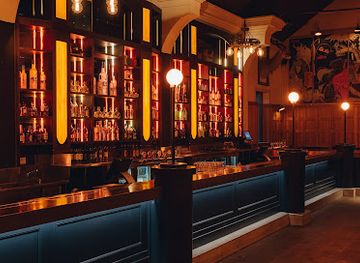
Evenings in the Yarra Valley are generally centred on winery restaurants, country pubs, breweries, cider venues and intimate bars rather than a large nightclub scene. Healesville has the broadest choice of places for a drink or casual meal, while Yarra Glen and other valley settlements offer smaller pub and hospitality options. Some vineyard properties host tastings, dinners or occasional live music, but schedules and seasonal programming change, so advance checking is advisable. The atmosphere is usually suited to a long meal, a glass of local wine or a relaxed conversation rather than late-night dancing. Designated driving or a pre-booked transfer is important when visiting rural venues, since public transport is limited after evening service and roads can be dark and winding. Warburton’s evening life is similarly low-key, with dining, pubs and community-oriented venues forming the main focus.
-
Bar
Leonards House Of Love
Discover Leonard's House of Love, where vibrant American cuisine meets a lively bar atmosphere in South Yarra.
-
Pub
Pig & Whistle Tavern
Discover the charm of Pig & Whistle Tavern in Olinda, a perfect blend of delicious cuisine, local brews, and a cozy atmosphere amidst stunning nature.
-
Restaurant
Yarra Botanica
Discover Yarra Botanica, where exquisite Australian cuisine meets breathtaking views of the Yarra River and Melbourne skyline.
-
Distillery
Four Pillars Gin Distillery
Discover the world of premium gin at Four Pillars Distillery, a Yarra Valley gem known for its innovative flavors and immersive tasting experiences.


Best nightclubs in Yarra Valley
Evenings in the Yarra Valley are generally centred on winery restaurants, country pubs, breweries, cider venues and intimate bars rather than a large nightclub scene. Healesville has the broadest choice of places for a drink or casual meal, while Yarra Glen and other valley settlements offer smaller pub and hospitality options. Some vineyard properties host tastings, dinners or occasional live music, but schedules and seasonal programming change, so advance checking is advisable. The atmosphere is usually suited to a long meal, a glass of local wine or a relaxed conversation rather than late-night dancing. Designated driving or a pre-booked transfer is important when visiting rural venues, since public transport is limited after evening service and roads can be dark and winding. Warburton’s evening life is similarly low-key, with dining, pubs and community-oriented venues forming the main focus.
-
Disco club
Club Retro
Discover the ultimate nightlife experience at Club Retro, Melbourne's premier disco club and restaurant offering fun, food, and dancing.
-
Night club
The Emerson Rooftop Bar and Club
Discover the vibrant nightlife at The Emerson Rooftop Bar and Club, featuring stunning views, exquisite cocktails, and an energetic atmosphere in South Yarra.
-
Disco club
New Guernica
Experience Melbourne's vibrant nightlife at New Guernica, a premier disco club known for its electrifying atmosphere and diverse music selection.
-
Night club
Circus Bar
Experience vibrant nightlife at Circus Bar in South Yarra, featuring cocktails, dancing, and a lively atmosphere for an unforgettable night out.



Best shops in Yarra Valley
Shopping in the Yarra Valley is principally about regional produce, independent retail and farm-gate buying rather than large-scale fashion or luxury centres. Healesville has the broadest concentration of galleries, craft shops, bookshops, homewares, cafés and small food retailers, while Yarra Glen serves as a useful stop for local produce and country shopping. Cellar doors are the obvious place to buy wine, and farms and specialist producers sell seasonal apples, berries, preserves, honey, cheese, chocolate, cider and other gifts. Markets and community events may offer handmade goods, plants, baked products and vintage items, but dates and locations vary by season. Art galleries and studios provide locally connected work, while farm shops offer more useful souvenirs than generic merchandise. Visitors should keep wine and food transport in mind on warm days and check whether smaller businesses accept cards, particularly in rural areas.
-
Shopping mall
Chadstone - The Fashion Capital
Discover Chadstone - The Fashion Capital, Australia's largest shopping destination with luxury brands, diverse dining options, and exciting events for every traveler.
-
Chocolate shop
Yarra Valley Chocolaterie & Ice Creamery
Experience the ultimate chocolate and ice cream paradise at Yarra Valley Chocolaterie & Ice Creamery, where indulgence meets local craftsmanship in stunning surroundings.
-
Outlet mall
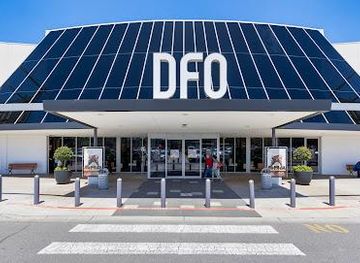
DFO Moorabbin
Discover unbeatable deals and a diverse shopping experience at DFO Moorabbin, Victoria's premier outlet mall for fashion and homewares.
-
Watch store
The Hour Glass | Melbourne I Official Rolex and Patek Philippe Retailer
Explore The Hour Glass in Melbourne for an exceptional selection of luxury watches, including Rolex and Patek Philippe, in a sophisticated shopping environment.



Get your free copy of our complete guide to Yarra Valley, delivered straight to you.
Everything on this page, from attractions and restaurants to essentials and local phrases, in one PDF you can read offline, print or share.
Already have an account? Sign in
Your Yarra Valley guide is ready.
We'll send it to · Not you? Sign out

Getting your guide ready…
We are putting together a fresh copy of the Yarra Valley guide. This can take up to a minute.
This can take a few moments. If your browser asks, choose Allow so the download can start. You'll find the guide in your Downloads folder.
Nothing happened? Download it again
Sorry, the guide is taking longer than usual. Please try again in a minute, or get it by email instead.
Yarra Valley essentials
Currency and Payment
Safety
Emergency Situations
Do's and Don'ts
Local Tips
From Eve
Local phrases worth knowing
You don't need to get them perfect. A few words go a long way, and locals appreciate the effort.
Basics
| English | Local | Say it |
|---|---|---|
| Hello | G'day | [guh-day] |
| Goodbye | See ya | [see yah] |
| Yes | Yeah | [yeh] |
| No | Nah | [nah] |
| Please/You're welcome | No worries | [no worries] |
| Thank you | Thanks mate | [thanks mate] |
| Excuse me/Sorry | Sorry mate | [sorry mate] |
| How are you? | How ya going? | [how yah going] |
| Fine. And you? | Good, and you? | [good, and you] |
| Do you speak English? | You speak English? | [you speak English] |
| I don't understand | I don’t get it | [I don’t get it] |
Eating & Drinking
| English | Local | Say it |
|---|---|---|
| I'd like to see the menu, please | Can I see the menu, please? | [can I see the menu, please] |
| I don't eat meat | I’m a vegetarian | [I'm a vegetarian] |
| Cheers! | Cheers! | [cheers] |
| I would like to pay, please | Can I get the bill, please? | [can I get the bill, please] |
Emergencies
| English | Local | Say it |
|---|---|---|
| Help! | Help! | [help] |
| Go away! | Buzz off! | [buzz off] |
| Call the Police! | Call the cops! | [call the cops] |
| Call a doctor! | Get a doctor! | [get a doctor] |
| I'm lost | I’m lost | [I'm lost] |
| I'm ill | I’m not well | [I'm not well] |
Shopping
| English | Local | Say it |
|---|---|---|
| I'd like to buy... | I want to buy... | [I want to buy] |
| I'm just looking | Just browsing, thanks | [just browsing, thanks] |
| How much is it? | What's the price? | [what's the price] |
| That's too expensive | That's a bit rich | [that's a bit rich] |
| Can you lower the price? | Can you do a better price? | [can you do a better price] |
Time & Numbers
| English | Local | Say it |
|---|---|---|
| What time is it? | What’s the time? | [what's the time] |
| It's one o'clock | It's one o'clock | [it's one o'clock] |
| Half past (10) | Half past ten | [half past ten] |
| Morning | Morning | [morning] |
| Afternoon | Arvo | [arvo] |
| Evening | Evening | [evening] |
| Yesterday | Yesterday | [yesterday] |
| Today | Today | [today] |
| Tomorrow | Tomorrow | [tomorrow] |
| 1 | One | [one] |
| 2 | Two | [two] |
| 3 | Three | [three] |
| 4 | Four | [four] |
| 5 | Five | [five] |
| 6 | Six | [six] |
| 7 | Seven | [seven] |
| 8 | Eight | [eight] |
| 9 | Nine | [nine] |
| 10 | Ten | [ten] |
Transport & Directions
| English | Local | Say it |
|---|---|---|
| Where's a/the...? | Where's the...? | [where's the] |
| What's the address? | What's the address? | [what's the address] |
| Can you show me (on the map)? | Can you show me on the map? | [can you show me on the map] |
| When's the next (bus)? | When's the next bus? | [when's the next bus] |
| A ticket (to ....) | A ticket to... | [a ticket to] |
History of Yarra Valley
Wurundjeri Woi-wurrung Country
The Yarra Valley lies on the traditional Country of the Wurundjeri Woi-wurrung people, whose cultural, spiritual and material connections to the Yarra River, forests and surrounding plains extend over many thousands of years. The river was an important route and source of food, while travel and seasonal practices connected the valley with the broader lands of the Kulin Nation. European settlement disrupted these relationships through land occupation, disease and restrictive policies. Contemporary cultural interpretation in the region increasingly acknowledges Wurundjeri history and the continuing presence of First Peoples rather than treating Indigenous heritage as belonging only to the distant past.
Pastoral Settlement in the Nineteenth Century
European pastoral settlement expanded through the Yarra Valley during the nineteenth century, with large runs occupying fertile river flats and surrounding grasslands. Cattle, sheep and mixed farming shaped the early colonial economy, while homesteads, stock routes and small service settlements developed along the valley. The landscape was substantially altered through clearing, fencing and new roads, although forested hills and waterways remained important geographical features. Healesville and Yarra Glen grew as local centres serving farms, timber workers and travellers moving east from Melbourne.
Gold, Timber and Transport
Gold discoveries in the wider upper Yarra and central Victorian districts brought prospectors, suppliers and transport activity during the nineteenth century, even where the valley itself was not dominated by major goldfields. Timber became another significant industry, drawing workers into the surrounding mountain forests and supporting sawmills and settlements. Railway construction later improved access from Melbourne and helped move agricultural goods, timber and passengers. Former railway alignments, bridges and tracks around the valley and upper Yarra remain reminders of the transport infrastructure that opened remote districts to commercial development.
Orchards and Agricultural Diversification
From the late nineteenth and early twentieth centuries, the Yarra Valley became increasingly associated with orchards, market gardening and mixed farming. Apple and pear growing was particularly important, with cool conditions and fertile soils supporting commercial production and packing businesses. Dairy farming, berries, vegetables and other horticultural enterprises added to the agricultural economy. Although many orchards have disappeared or changed use, fruit-growing remains visible in farm-gate sales, seasonal produce and the valley’s food culture.
The Modern Yarra Valley Wine Industry
Wine production has a long history in the valley, but the modern industry expanded strongly from the second half of the twentieth century as growers and winemakers recognised the potential of its cool climate and varied soils. Chardonnay and pinot noir became especially important, alongside sparkling and other cool-climate styles. Vineyards replaced or supplemented some former agricultural land, while cellar doors and destination restaurants developed around them. The result is a regional wine economy that combines large established estates with smaller producers and has become central to the Yarra Valley’s national profile.
Conservation and Nature-Based Tourism
The protection of forest and mountain environments has shaped the contemporary upper valley. The Yarra Ranges National Park conserves extensive mountain ash forest, fern gullies and high-country habitats, while Healesville Sanctuary, established in the twentieth century, developed into a major centre for Australian wildlife conservation, education and breeding. These institutions reflect a shift from extractive industries towards environmental stewardship and nature-based tourism. Today, vineyards, wildlife conservation and forest recreation operate alongside the region’s continuing agricultural communities.
Yarra Valley in Photos
Browse through our photo collection highlighting the charm and character of the destination.
Neighbouring regions of Yarra Valley
The closest regions to Yarra Valley, if you have time for more than one.
-

-
-

-

-


Swipe for more regions
Explore more

Explore more of Australia
Discover the diverse landscapes, vibrant cities, and unique wildlife of Australia, a captivating destination offering endless adventures and unforgettable experiences.
Explore Australia