

Free Goulburn Valley Travel Guide & Mobile App
Explore Goulburn Valley with free travel guides. Discover regional history, expert tips, proposed trips, and audio guides on web or mobile app.


Explore Goulburn Valley for river landscapes, Aboriginal culture, orchards, farm produce, regional art, wildlife and Nagambie wine country.
Read more about Goulburn Valley
When is the best time to visit Goulburn Valley?
Best: February–April · 22–30°C| Month | High (°C) | Rainfall (mm) |
|---|---|---|
| January | 31 | 31 |
| February (best) | 30 | 31 |
| March (best) | 27 | 35 |
| April (best) | 22 | 41 |
| May | 18 | 46 |
| June | 16 | 50 |
| July | 15 | 55 |
| August | 17 | 60 |
| September | 21 | 65 |
| October | 23 | 70 |
| November | 27 | 75 |
| December | 29 | 80 |
Getting to and around Goulburn Valley
How to get there
Transportation
Best attractions in Goulburn Valley
The Goulburn Valley's attractions are closely connected to its river, agricultural and cultural landscape. Shepparton provides the strongest concentration of museums, galleries and public art, led by the Shepparton Art Museum and the city's broad programme of community and cultural activities. Nearby wetlands, river reserves and red-gum corridors support birdwatching, walking, fishing and nature photography. Kyabram Fauna Park offers a family-oriented introduction to native Australian animals and bush habitats, while the waterways around Nagambie support boating, lakeside recreation and visits to nearby vineyards. Tatura combines local history with irrigation-country landscapes and wartime interpretation. Food trails, farm shops, cellar doors and seasonal produce stalls offer a direct connection with the valley's orchards, dairies and vineyards. Cycling and angling are popular in suitable seasons, although routes and access points vary. The region rewards a multi-town itinerary: urban arts and dining in Shepparton, lakes and wine around Nagambie, wildlife near Kyabram, and quieter agricultural scenery between them.
-
Gift shop
The Big Merino
Discover the giant sheep statue in Goulburn, a quirky stop featuring a gift shop with unique Australian souvenirs and insights into the wool industry.
-
Park
Belmore Park
Explore Belmore Park in Goulburn, a serene haven with lush gardens, historical sights, and a vibrant atmosphere perfect for relaxation and leisure.
-
Wildlife park
Kyabram Fauna Park (Zoos Victoria)
Explore Kyabram Fauna Park, where you can encounter Australian wildlife in a stunning natural setting, perfect for family adventures and educational fun.
-
Playground
KidsTown - Adventure Playground
Explore Victoria's largest adventure playground with giant slides, mazes, and fun for all ages at KidsTown, between Shepparton & Mooroopna.


Best landmarks in Goulburn Valley
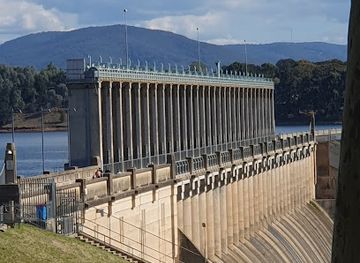
The Goulburn River and its river-red-gum floodplain are the region's most defining natural landmarks, expressing the relationship between water, Aboriginal Country, agriculture and settlement. Around Nagambie, the Goulburn Weir is a landmark of Australian irrigation history and a reminder of the engineering that transformed the valley's farming economy. Lake Nagambie provides a more contemporary waterside setting, with open views and boating infrastructure near the town. In Shepparton, the Shepparton Art Museum is a significant modern civic building and cultural landmark, while nearby public artworks reflect the city's diverse communities and regional identity. Tatura's historical sites and wartime associations add a more sombre layer, particularly in connection with the former internment and prisoner-of-war facilities in the district. Kyabram's riverine and woodland setting, including the landscapes associated with its fauna park, illustrates the ecological character of the northern valley. Across the region, irrigation channels, bridges, silos, orchards and old civic buildings form a quieter but important vernacular landmark series rooted in working rural life.
-
Gift shop
The Big Merino
Explore The Big Merino in Goulburn, an iconic landmark blending quirky charm with unique shopping experiences in New South Wales.
-
Tourist attraction
Hume Dam
Experience the stunning beauty and recreational offerings of Hume Dam, a must-visit attraction in New South Wales that combines nature and engineering marvels.
-
Park
Belmore Park
Discover the beauty of nature at Belmore Park, Goulburn's idyllic green space, perfect for relaxation and family outings.
-
Wildlife park
Kyabram Fauna Park (Zoos Victoria)
Discover the wonders of Australian wildlife at Kyabram Fauna Park, a family-friendly destination that combines education and adventure in the heart of Victoria.



Explore Goulburn Valley on the map
Plan your trip on one map. See where the top cities, national parks and sights are, and book hotels and experiences in a few clicks.
Best hotels in Goulburn Valley
Best restaurants in Goulburn Valley
Dining in the Goulburn Valley reflects its role as one of Victoria's important food-producing districts. Shepparton and Mooroopna offer the broadest choice, from cafés and bakeries to family restaurants, modern Australian cooking and cuisines associated with the region's diverse migrant communities. Local menus may draw on orchard fruit, vegetables, dairy products, grains and nearby wines, while country pubs remain important meeting places in smaller towns. Nagambie provides the region's most concentrated cellar-door and wine-dining experience, with lake and vineyard settings around the town. Farm gates, roadside stalls and farmers' markets are useful places to find seasonal fruit, preserves and other regional produce, although individual trading days vary. Expect availability to follow agricultural seasons: harvest periods can bring especially abundant stone fruit and other produce, while rural businesses may open limited hours. Book ahead for popular weekend dining and winery visits, particularly when travelling with a larger group.
-
Cafe
Paragon Cafe
Discover Paragon Cafe in Goulburn – where delightful dishes meet exceptional coffee in a cozy atmosphere.
-
Bistro
Aussie Hotel
Discover delicious dining at Aussie Hotel in Shepparton – your go-to bistro for live music, karaoke nights, and unforgettable gatherings.
-
Cafe
Lemon Tree Cafe
Experience fresh flavors at Lemon Tree Cafe in Shepparton—your go-to spot for delightful breakfasts and warm hospitality.
-
Bistro
GV Hotel
Experience delightful dining at GV Hotel in Shepparton - where local flavors meet inviting ambiance.


Best bars in Goulburn Valley
Evening life in the Goulburn Valley is centred on pubs, restaurants, wine venues and community events rather than a large nightclub scene. Shepparton has the widest choice of bars, hotel lounges, live-music occasions and late dining, with activity concentrated around the city centre and major hospitality venues. Mooroopna and the smaller towns provide traditional pubs and clubs that serve both residents and visitors, while Nagambie is suited to relaxed evenings involving cellar doors, restaurants and lakeside accommodation. Tasting rooms and wine-focused venues are a natural part of the Nagambie experience, but opening arrangements can be seasonal or booking-based. Theatre, sport and community events also contribute to evening culture. Rural distances and limited late-night transport make it sensible to arrange a designated driver, taxi or accommodation nearby rather than assuming that rideshare services will be readily available outside Shepparton.
-
Hotel
Hibernian Hotel
Discover the Hibernian Hotel in Goulburn - where tradition meets comfort, offering delightful meals, cozy accommodations, and exciting betting options.
-
Bistro
Aussie Hotel
Discover the vibrant atmosphere of Aussie Hotel in Shepparton, where delicious food, live music, and community spirit come together.
-
Cafe
Lemon Tree Cafe
Discover the charm of Lemon Tree Cafe in Shepparton, where delightful breakfast options and a cozy atmosphere await every visitor.
-
Bistro
GV Hotel
Discover the taste of Shepparton at GV Hotel Bistro, where fresh, local ingredients meet a cozy atmosphere.


Best nightclubs in Goulburn Valley
Evening life in the Goulburn Valley is centred on pubs, restaurants, wine venues and community events rather than a large nightclub scene. Shepparton has the widest choice of bars, hotel lounges, live-music occasions and late dining, with activity concentrated around the city centre and major hospitality venues. Mooroopna and the smaller towns provide traditional pubs and clubs that serve both residents and visitors, while Nagambie is suited to relaxed evenings involving cellar doors, restaurants and lakeside accommodation. Tasting rooms and wine-focused venues are a natural part of the Nagambie experience, but opening arrangements can be seasonal or booking-based. Theatre, sport and community events also contribute to evening culture. Rural distances and limited late-night transport make it sensible to arrange a designated driver, taxi or accommodation nearby rather than assuming that rideshare services will be readily available outside Shepparton.
-
Bistro
Aussie Hotel
Discover the vibrant atmosphere and delicious cuisine at Aussie Hotel in Shepparton, the perfect spot for dining and entertainment.
-
Restaurant
Shepparton Club
Discover the vibrant Shepparton Club, where culinary delights meet a lively social atmosphere in the heart of Victoria.
-
Bar
The Deck
Experience the vibrant atmosphere and delicious cuisine at The Deck, Shepparton's top bar and restaurant for socializing and dining.
-
Bar
Shingo's Lounge
Discover Shepparton's vibrant nightlife at Shingo's Lounge, where great drinks and live music create unforgettable experiences.


Best shops in Goulburn Valley
Shopping in the Goulburn Valley is practical, regional and closely tied to food production. Shepparton has the largest concentration of supermarkets, national retailers, independent stores, galleries and services, with Mooroopna adding smaller local businesses and country-town shopping. Tatura, Kyabram, Nagambie and Seymour each have compact main streets where visitors can find bakeries, cafés, books, clothing, antiques and everyday supplies rather than extensive big-city retail. Farm shops, roadside stalls and seasonal markets are the best sources of orchard fruit, vegetables, preserves, honey and other local produce, although locations and trading days change through the year. Nagambie is the natural place to look for locally made wine and vineyard products, while regional galleries and craft outlets may offer ceramics, paintings, textiles and small-scale gifts. Australian-made goods, regional food hampers and books on local history make more meaningful souvenirs than generic merchandise. Check produce regulations before carrying fresh fruit across state borders.
-
Craft store
Spotlight Shepparton
Discover endless crafting possibilities at Spotlight Shepparton, your ultimate destination for all things creative in Victoria.
-
Shopping mall
Goulburn Marketplace
Explore the vibrant Goulburn Marketplace, where shopping, dining, and local charm come together in a delightful experience.
-
Department store
Target Shepparton
Explore Target Shepparton for a diverse shopping experience with clothing, homewares, toys, and more, all under one roof in Victoria, Australia.
-
Book Shop
Argyle Emporium
Explore Goulburn's Argyle Emporium for a unique blend of books, comics, and records that delight every visitor.


Get your free copy of our complete guide to Goulburn Valley, delivered straight to you.
Everything on this page, from attractions and restaurants to essentials and local phrases, in one PDF you can read offline, print or share.
Already have an account? Sign in
Your Goulburn Valley guide is ready.
We'll send it to · Not you? Sign out

Getting your guide ready…
We are putting together a fresh copy of the Goulburn Valley guide. This can take up to a minute.
This can take a few moments. If your browser asks, choose Allow so the download can start. You'll find the guide in your Downloads folder.
Nothing happened? Download it again
Sorry, the guide is taking longer than usual. Please try again in a minute, or get it by email instead.
Goulburn Valley essentials
Currency and Payment
Safety
Emergency Situations
Do's and Don'ts
Local Tips
From Eve
Local phrases worth knowing
You don't need to get them perfect. A few words go a long way, and locals appreciate the effort.
Basics
| English | Local | Say it |
|---|---|---|
| Hello | G'day | [guh-day] |
| Goodbye | See ya | [see yah] |
| Yes | Yep | [yehp] |
| No | Nah | [nah] |
| Please/You're welcome | No worries | [noh wuh-rees] |
| Thank you | Thanks mate | [thanks mate] |
| Excuse me/Sorry | Sorry mate | [sor-ree mate] |
| How are you? | How's it going? | [how's it go-ing?] |
| Fine. And you? | Good, you? | [good, you?] |
| Do you speak English? | Do ya speak English? | [doo yah speak ing-glish?] |
| I don't understand | I don't get it | [I don't get it] |
Eating & Drinking
| English | Local | Say it |
|---|---|---|
| I'd like to see the menu, please | Can I see the menu, please? | [can I see the men-oo, please?] |
| I don't eat meat | I’m a vegetarian | [I’m a veh-juh-ter-ee-an] |
| Cheers! | Cheers! | [cheers] |
| I would like to pay, please | Can I get the bill, please? | [can I get the bil, please?] |
Emergencies
| English | Local | Say it |
|---|---|---|
| Help! | Help! | [help] |
| Go away! | Get lost! | [get lost] |
| Call the Police! | Call the cops! | [call the cops] |
| Call a doctor! | Get a doctor! | [get a doc-tor] |
| I'm lost | I’m lost | [I'm lost] |
| I'm ill | I’m sick | [I'm sik] |
Shopping
| English | Local | Say it |
|---|---|---|
| I'd like to buy... | I wanna buy... | [I wanna buy...] |
| I'm just looking | Just browsing, thanks | [just brow-sing, thanks] |
| How much is it? | How much? | [how much?] |
| That's too expensive | That's a bit pricey | [that's a bit pry-see] |
| Can you lower the price? | Can you knock it down? | [can you knock it down?] |
Time & Numbers
| English | Local | Say it |
|---|---|---|
| What time is it? | What’s the time? | [what's the time?] |
| It's one o'clock | It's 1 o'clock | [it's one o'clock] |
| Half past (10) | Half past ten | [half past ten] |
| Morning | Morning | [morning] |
| Afternoon | Arvo | [ar-vo] |
| Evening | Evening | [evening] |
| Yesterday | Yesterday | [yes-ter-day] |
| Today | Today | [to-day] |
| Tomorrow | Tomorrow | [to-mor-row] |
| 1 | One | [one] |
| 2 | Two | [two] |
| 3 | Three | [three] |
| 4 | Four | [four] |
| 5 | Five | [five] |
| 6 | Six | [six] |
| 7 | Seven | [seven] |
| 8 | Eight | [eight] |
| 9 | Nine | [nine] |
| 10 | Ten | [ten] |
Transport & Directions
| English | Local | Say it |
|---|---|---|
| Where's a/the...? | Where’s the...? | [where's the...?] |
| What's the address? | What's the address? | [what's the ad-dress?] |
| Can you show me (on the map)? | Can you show me on the map? | [can you show me on the map?] |
| When's the next (bus)? | When's the next bus? | [when's the next bus?] |
| A ticket (to ....) | One ticket to... please | [one tick-et to... please] |
History of Goulburn Valley
Yorta Yorta Country and the River Systems
The Goulburn Valley is part of the traditional Country of the Yorta Yorta and neighbouring First Peoples, whose cultural, spiritual and economic relationships with the Goulburn and Murray river systems extend across many generations. River red-gum forests, wetlands, lagoons and waterways provided food, materials, transport routes and places of gathering. European settlement disrupted these connections through land appropriation, pastoral expansion and government policies, but Aboriginal communities have maintained cultural continuity and continue to shape public understandings of the region's history.
Pastoral Expansion in the Nineteenth Century
From the 1830s, pastoralists moved into the Goulburn Valley as colonial Victoria expanded. Large runs for sheep and cattle occupied river flats and grasslands, while roads, inns, surveying and administrative settlements followed. Shepparton was established near a crossing of the Goulburn River, and towns including Tatura, Mooroopna and Nagambie developed through a mixture of pastoral activity, transport and farming. This period brought severe disruption to Aboriginal communities and established land-use patterns that still influence the region.
Irrigation and the Goulburn Weir
The construction of the Goulburn Weir, completed in 1891 near Nagambie, marked a major transformation. It was one of Australia's earliest large irrigation schemes and made it possible to regulate water for farms across parts of the valley. Irrigation encouraged closer settlement, orchards, vineyards, dairying and intensive agriculture, while channels and storages altered the appearance and ecology of the floodplain. The engineering legacy is visible in the region's waterways and remains fundamental to its agricultural economy, although water management is also a continuing environmental and political issue.
Fruit Growing and Food Processing
During the late nineteenth and early twentieth centuries, irrigated agriculture expanded rapidly. Orchards, vegetable farms, dairies and vineyards supplied nearby settlements and wider Australian markets. Shepparton became particularly associated with fruit growing and food processing, while factories and transport links created employment beyond the farms themselves. The Shepparton Preserving Company, established in the early twentieth century, became an important symbol of the region's move from primary production towards large-scale processing and branding. Seasonal labour and migration also helped shape the valley's diverse communities.
Railways, Roads and Regional Towns
Rail connections in the late nineteenth century linked the valley with Melbourne, the Riverina and inland markets, strengthening towns such as Shepparton, Mooroopna, Tatura and Seymour. Railways carried grain, livestock, fruit and passengers, while later highways made road freight increasingly important. These networks helped Shepparton emerge as the region's principal commercial and service centre. Historic railway buildings, town grids, bridges and civic architecture provide reminders of the infrastructure that connected an agricultural district to Victoria's metropolitan and export economies.
Wartime Internment at Tatura and Dhurringile
During the Second World War, the Tatura district hosted several internment camps for civilians and prisoners of war, including Italian internees and people from other enemy-origin communities. Dhurringile, near Tatura, was used as a prisoner-of-war camp, while other compounds held families and civilians. The camps formed part of Australia's wartime security system and left a complex local legacy involving displacement, surveillance and later resettlement. Memorials and historical interpretation in the district help visitors examine this period beyond the region's agricultural story.
Post-war Migration and a Diverse Valley
After 1945, migration from Europe and later from Asia, the Middle East and Africa contributed to the growth of Shepparton and surrounding farming districts. New residents worked in agriculture, food processing, manufacturing, health, education and small business, while bringing languages, faiths, cuisines and community traditions. The valley's present character reflects this layered history alongside the continuing presence of Yorta Yorta communities. Regional food culture, community organisations and festivals offer visible expressions of a population shaped by both rural industry and international migration.
Contemporary Water, Agriculture and Environmental Change
Today the Goulburn Valley remains one of Victoria's major agricultural and food-processing regions, but its future is closely connected to water allocation, river health, drought, salinity and climate variability. Irrigation supports high-value crops and dairying, while wetlands and river red-gum forests require careful management. Murray-Darling Basin reforms and changing agricultural practices have made water a prominent public issue. Tourism increasingly presents the valley through food, culture and nature, without separating those experiences from the working landscape that sustains them.
Goulburn Valley in Photos
Browse through our photo collection highlighting the charm and character of the destination.
Neighbouring regions of Goulburn Valley
The closest regions to Goulburn Valley, if you have time for more than one.
-

-

-

-

-


Swipe for more regions
Explore more

Explore more of Australia
Discover the diverse landscapes, vibrant cities, and unique wildlife of Australia, a captivating destination offering endless adventures and unforgettable experiences.
Explore Australia