

Free Eyre Peninsula Travel Guide & Mobile App
Explore Eyre Peninsula with free travel guides. Discover regional history, expert tips, proposed trips, and audio guides on web or mobile app.


Eyre Peninsula combines South Australian coastlines, wildlife, working fishing towns, national parks and celebrated seafood across wide open landscapes.
Read more about Eyre Peninsula
When is the best time to visit Eyre Peninsula?
Best: March–April, November · 24–26°C| Month | High (°C) | Rainfall (mm) |
|---|---|---|
| January | 28 | 15 |
| February | 29 | 20 |
| March (best) | 26 | 20 |
| April (best) | 24 | 25 |
| May | 21 | 30 |
| June | 18 | 35 |
| July | 17 | 35 |
| August | 19 | 30 |
| September | 22 | 25 |
| October | 23 | 20 |
| November (best) | 26 | 20 |
| December | 28 | 20 |
Getting to and around Eyre Peninsula
How to get there
Transportation
Best attractions in Eyre Peninsula
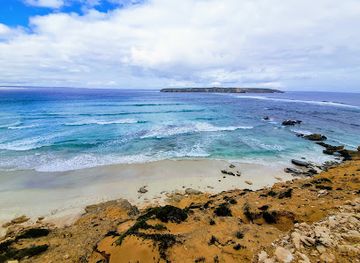
Eyre Peninsula's attractions are defined by the meeting of working coastal communities and large, lightly settled landscapes. Port Lincoln provides access to marine wildlife experiences, boating and the beaches and headlands of the southern peninsula, while nearby Lincoln National Park combines dunes, mallee, sheltered coves and exposed ocean coast. Coffin Bay National Park is known for long beaches, tidal inlets and coastal scenery, and the surrounding oyster-growing district gives the area a strong food and maritime identity. Along the eastern and northern shores, Tumby Bay, Arno Bay, Cowell and Whyalla offer fishing, waterfront walks, birdlife and industrial or maritime history. Streaky Bay, Baird Bay and Elliston provide access to the more exposed western coast, with sea cliffs, sealife and wide beaches. Inland, the Gawler Ranges present red volcanic formations, salt-lake country and a distinctly semi-arid environment. National parks, conservation areas, scenic drives, four-wheel-drive routes, diving, kayaking, fishing and birdwatching are more central to the region's appeal than a concentration of formal museums or large entertainment complexes.
-
Tourist attraction
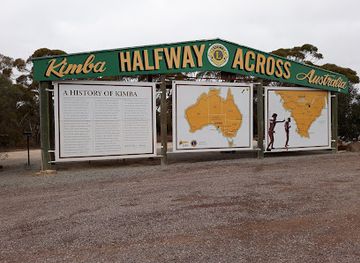
The Big Galah
Experience the charm of The Big Galah, an iconic Australian landmark along Eyre Highway in Kimba, perfect for memorable family photos and local culture.
-
Tourist attraction
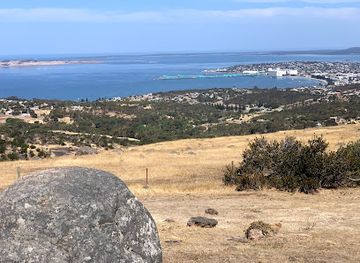
Winter Hill Lookout
Experience breathtaking panoramic views of Port Lincoln and beyond from Winter Hill Lookout, a must-see destination on the Eyre Peninsula.
-
Tourist attraction
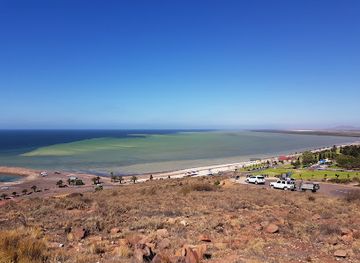
Hummock Hill Lookout
Panoramic views & rich history converge at Whyalla's Hummock Hill Lookout. Explore the past, embrace the present, and capture unforgettable memories.
-
Tourist attraction
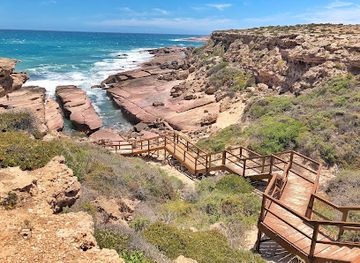
Woolshed Cave
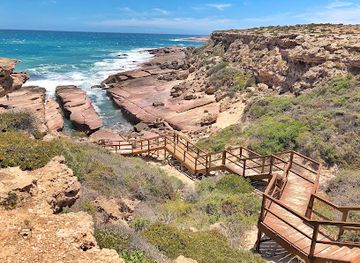
Discover the enchanting Woolshed Cave in South Australia, a stunning tourist attraction with breathtaking coastal views and unique geological wonders.

Best landmarks in Eyre Peninsula
The peninsula's landmarks are often broad natural forms or working structures rather than monumental urban buildings. The sea cliffs and viewpoints around Elliston and the western coast express the force of the Great Australian Bight, while the sheltered waters and oyster leases of Coffin Bay have become an emblem of the region's maritime economy. Lincoln National Park's coastal headlands and beaches mark the southern edge of the peninsula's wild landscape, and Coffin Bay National Park provides a contrasting system of dunes, inlets and long beaches. Inland, the weathered volcanic formations of the Gawler Ranges are among Eyre Peninsula's most distinctive geological landmarks. Whyalla's industrial port, steelworks and maritime infrastructure represent a different strand of regional identity, linking iron ore, shipbuilding and manufacturing. Grain silos and harbour facilities in farming towns are also significant visual features, revealing how the peninsula's agricultural interior is connected to the coast. Aboriginal cultural landscapes underpin all of these places, and visitors should follow restrictions on access, photography and interpretation where they apply.
-
 Caravan Park
Discovery Parks - Coffin Bay
Experience the natural beauty and outdoor adventures at Discovery Parks - Coffin Bay, the perfect getaway on the Eyre Peninsula.
-
Scenic spot
Winter Hill Lookout
Experience the breathtaking panoramic views at Winter Hill Lookout, a must-visit scenic spot in South Australia for nature lovers and photographers.
-
Scenic spot
Woolshed Cave
Explore Woolshed Cave, a stunning coastal attraction in South Australia, featuring spectacular rock formations and breathtaking ocean views.
-
National park
Coffin Bay National Park
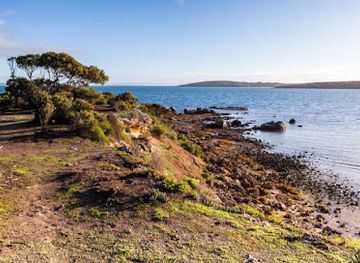
Explore the breathtaking landscapes and diverse wildlife of Coffin Bay National Park on South Australia's Eyre Peninsula.
Explore Eyre Peninsula on the map
Plan your trip on one map. See where the top cities, national parks and sights are, and book hotels and experiences in a few clicks.
Best hotels in Eyre Peninsula
Best restaurants in Eyre Peninsula
Food on Eyre Peninsula is closely connected to the sea and the surrounding farming country. Coffin Bay oysters are the best-known local speciality, while Port Lincoln and other coastal towns offer tuna, kingfish, prawns, abalone and a changing selection of locally caught fish when available. Restaurants, cafés, hotel dining rooms, fish-and-chip shops and casual waterfront venues provide the main choice, with menus varying according to season, supply and fishing regulations. Regional agricultural districts contribute wheat, lamb, beef and other produce, and bakeries and general stores remain useful stops during long drives. In smaller communities, dining options may be limited and opening days can vary, so advance planning is sensible outside the principal towns. Farmers' markets and local outlets can provide seafood, preserves, baked goods and regional produce. Visitors should distinguish between food grown or caught on the peninsula and dishes that are simply part of wider Australian dining culture.
-
Hotel
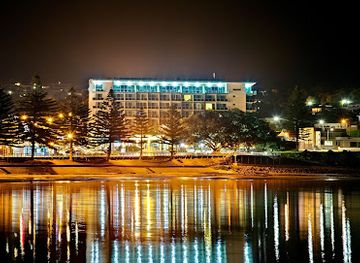
Port Lincoln Hotel
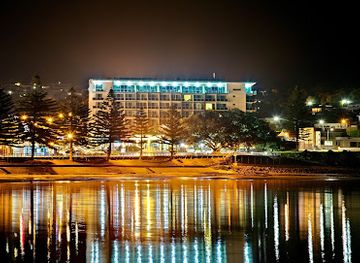
Experience luxury at Port Lincoln Hotel with stunning ocean views, exquisite dining options, and access to South Australia's natural wonders.
-
Restaurant
Del Giorno's Cafe
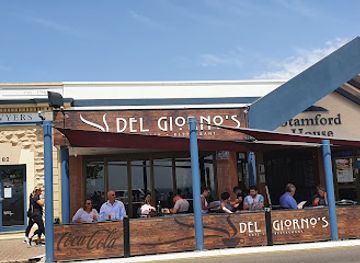
Experience the flavors of Port Lincoln at Del Giorno's Cafe – where breakfast meets Italian charm amidst stunning coastal views.
-
Coffee shop
L'Anse French Café & Croissanterie
Experience authentic French flavors at L'Anse French Café & Croissanterie - your go-to spot for exquisite pastries and delightful brunches in Port Lincoln.
-
Restaurant
Oyster HQ
Experience the finest oysters and seafood dishes at Oyster HQ in Coffin Bay - where every bite tells a story of coastal excellence.

Best bars in Eyre Peninsula
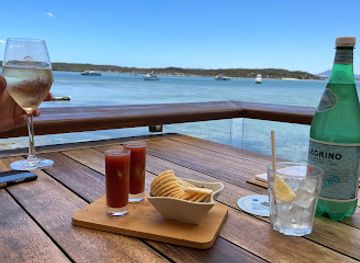
Nightlife on Eyre Peninsula is generally local and sociable rather than club-focused. Port Lincoln and Whyalla have the broadest evening choice, including hotel bars, restaurants, cafés, occasional live music and venues connected with community or sporting life. Ceduna and the smaller coastal towns are more likely to centre on traditional pubs, hotel dining rooms and relaxed waterfront or accommodation-based bars. In farming and fishing communities, evening activity can be seasonal and shaped by work, weather and local events, while visitors on remote coastlines should expect quiet nights rather than late entertainment. Some breweries, cellar-door style venues or specialist bars may appear in the larger centres, but opening arrangements change and should be checked locally. A pub meal, a harbour walk at dusk or a small live-music event is often more representative of the region's evening culture than a large nightclub.
-
Bar
Port Lincoln Hotel
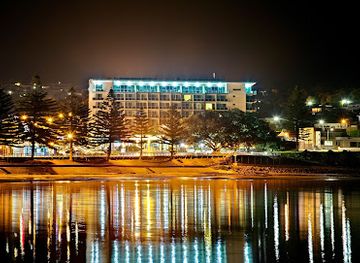
Discover the luxurious Port Lincoln Hotel, a coastal gem in South Australia offering exquisite dining, stunning ocean views, and vibrant nightlife.
-
Restaurant
Del Giorno's Cafe
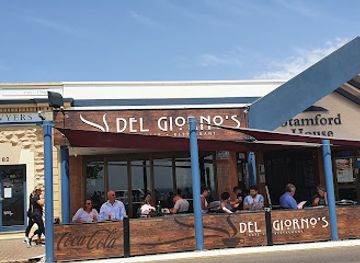
Experience the rich flavors of Port Lincoln at Del Giorno's Cafe, where fresh local ingredients meet inviting coastal views.
-
Bar
Hains & Co
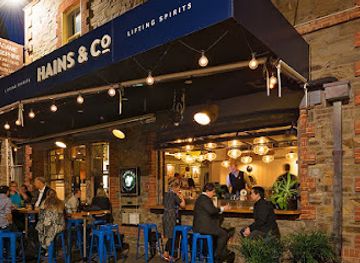
Hains & Co in Adelaide: Experience a cocktail haven with a blend of rustic charm and modern flair, perfect for unwinding after a day of exploration.
-
Pub
Grand Tasman Hotel
Discover the Grand Tasman Hotel: A vibrant pub in Port Lincoln, blending local culture with stunning coastal views and delicious cuisine.
Best nightclubs in Eyre Peninsula
Nightlife on Eyre Peninsula is generally local and sociable rather than club-focused. Port Lincoln and Whyalla have the broadest evening choice, including hotel bars, restaurants, cafés, occasional live music and venues connected with community or sporting life. Ceduna and the smaller coastal towns are more likely to centre on traditional pubs, hotel dining rooms and relaxed waterfront or accommodation-based bars. In farming and fishing communities, evening activity can be seasonal and shaped by work, weather and local events, while visitors on remote coastlines should expect quiet nights rather than late entertainment. Some breweries, cellar-door style venues or specialist bars may appear in the larger centres, but opening arrangements change and should be checked locally. A pub meal, a harbour walk at dusk or a small live-music event is often more representative of the region's evening culture than a large nightclub.
-
Bar
Port Lincoln Hotel
Discover the charm of Port Lincoln Hotel, where culinary delights meet breathtaking ocean views in South Australia.
-
Night club
Zhivago
Experience the vibrant nightlife at Zhivago, Adelaide's premier night club with great DJs and an electric atmosphere.
-
Night club
Precinct Nightclub
Discover Adelaide's nightlife at Precinct Nightclub, where cocktails, dancing, and arcade fun create an unforgettable experience.
-
Sports bar
Sharkys
Experience the vibrant atmosphere of Sharkys Sports Bar in Port Lincoln, offering delicious food, local brews, and live sports in a lively setting.


Best shops in Eyre Peninsula
Shopping on Eyre Peninsula is practical and locally oriented, with the widest choice in Port Lincoln, Whyalla and Ceduna. Their main streets and retail areas provide supermarkets, outdoor equipment, clothing, fuel, books and everyday supplies, while smaller towns have compact high streets serving residents and passing travellers. Coastal communities offer seafood outlets, locally produced food, art, galleries and gifts, with oysters and other regional produce especially associated with the Coffin Bay area. Farmers' markets and community markets, where operating, may feature preserves, baked goods, honey, crafts and seasonal produce. Aboriginal art and cultural products should be bought through reputable, appropriately identified outlets that respect artists and provenance. The region is not primarily a luxury-shopping destination; useful souvenirs include quality seafood products, regional food, locally made crafts, books about the peninsula and practical outdoor goods. Opening days and stock can be limited in smaller settlements, so purchase essentials before heading into remote areas.
-
Department store
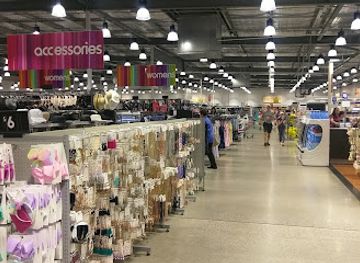
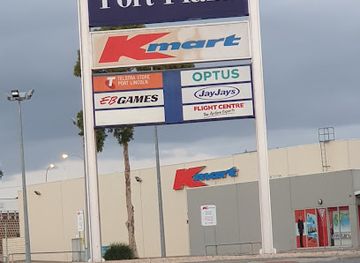
Kmart Port Lincoln
Discover affordable shopping at Kmart Port Lincoln, offering a diverse range of products for the whole family in a welcoming environment.
-
Shopping mall
Port Plaza
Discover Port Plaza in Port Lincoln: a vibrant shopping mall with diverse stores and dining options in a friendly atmosphere.
-
Warehouse store
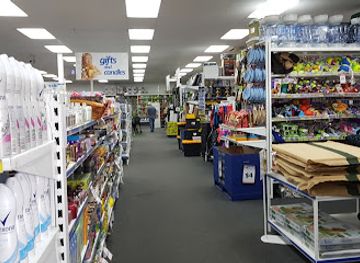
Cheap as Chips
Explore Cheap as Chips in Port Lincoln for unbeatable prices and a vast selection of unique finds, perfect for savvy shoppers and tourists alike.
-
Shopping mall
Eyre Village Shopping Centre
Explore Eyre Village Shopping Centre in Penfield, your ultimate shopping destination with diverse stores and delightful eateries for every taste.
Get your free copy of our complete guide to Eyre Peninsula, delivered straight to you.
Everything on this page, from attractions and restaurants to essentials and local phrases, in one PDF you can read offline, print or share.
Already have an account? Sign in
Your Eyre Peninsula guide is ready.
We'll send it to · Not you? Sign out

Getting your guide ready…
We are putting together a fresh copy of the Eyre Peninsula guide. This can take up to a minute.
This can take a few moments. If your browser asks, choose Allow so the download can start. You'll find the guide in your Downloads folder.
Nothing happened? Download it again
Sorry, the guide is taking longer than usual. Please try again in a minute, or get it by email instead.
Eyre Peninsula essentials
Currency and Payment
Safety
Emergency Situations
Do's and Don'ts
Local Tips
From Eve
Local phrases worth knowing
You don't need to get them perfect. A few words go a long way, and locals appreciate the effort.
Basics
| English | Local | Say it |
|---|---|---|
| Hello | G'day | [guh-day] |
| Goodbye | See ya | [see yah] |
| Yes | Yeah | [yeh] |
| No | Nah | [nah] |
| Please/You're welcome | No worries | [noh wuh-rees] |
| Thank you | Cheers | [cheers] |
| Excuse me/Sorry | Sorry mate | [sor-ee mate] |
| How are you? | How ya goin'? | [how ya goin] |
| Fine. And you? | Good, and you? | [good, an' you?] |
| Do you speak English? | Do ya speak English? | [do ya speak English] |
| I don't understand | I don’t get it | [I don’t get it] |
Eating & Drinking
| English | Local | Say it |
|---|---|---|
| I'd like to see the menu, please | Can I see the menu, please? | [can I see the menu, please?] |
| I don't eat meat | I’m a vegetarian | [I’m a vege-tarian] |
| Cheers! | Cheers! | [cheers] |
| I would like to pay, please | Can I get the bill, please? | [can I get the bill, please?] |
Emergencies
| English | Local | Say it |
|---|---|---|
| Help! | Help! | [help] |
| Go away! | Buzz off! | [buzz off] |
| Call the Police! | Call the cops! | [call the cops] |
| Call a doctor! | Get a doctor! | [get a doctor] |
| I'm lost | I’m lost | [I’m lost] |
| I'm ill | I’m crook | [I’m crook] |
Shopping
| English | Local | Say it |
|---|---|---|
| I'd like to buy... | I want to buy... | [I want to buy...] |
| I'm just looking | Just having a look | [just havin' a look] |
| How much is it? | How much? | [how much?] |
| That's too expensive | That’s a bit rich | [that’s a bit rich] |
| Can you lower the price? | Can ya give me a better price? | [can ya give me a better price?] |
Time & Numbers
| English | Local | Say it |
|---|---|---|
| What time is it? | What’s the time? | [what’s the time?] |
| It's one o'clock | It’s one o’clock | [it’s one o'clock] |
| Half past (10) | Half past ten | [half past ten] |
| Morning | Morning | [morning] |
| Afternoon | Arvo | [arvo] |
| Evening | Evening | [evening] |
| Yesterday | Yesterday | [yesterday] |
| Today | Today | [today] |
| Tomorrow | Tomorrow | [tomorrow] |
| 1 | One | [one] |
| 2 | Two | [two] |
| 3 | Three | [three] |
| 4 | Four | [four] |
| 5 | Five | [five] |
| 6 | Six | [six] |
| 7 | Seven | [seven] |
| 8 | Eight | [eight] |
| 9 | Nine | [nine] |
| 10 | Ten | [ten] |
Transport & Directions
| English | Local | Say it |
|---|---|---|
| Where's a/the...? | Where’s the...? | [where’s the...?] |
| What's the address? | What’s the address? | [what’s the address?] |
| Can you show me (on the map)? | Can ya show me on the map? | [can ya show me on the map?] |
| When's the next (bus)? | When’s the next bus? | [when’s the next bus?] |
| A ticket (to ....) | A ticket to... | [a ticket to...] |
History of Eyre Peninsula
Aboriginal Country Before European Charting
Eyre Peninsula has been Aboriginal country for thousands of years, with several language groups and communities maintaining cultural, spiritual and practical connections to its coast, islands, rivers and inland plains. Barngarla country is centred in the eastern and central peninsula, while Nauo, Wirangu, Kokatha and other groups have connections across adjoining areas. Shell middens, stone artefacts, story places and continuing cultural practice reflect a history far older than European settlement. Visitors should understand that Aboriginal heritage here is living rather than confined to archaeological remains.
Flinders and the Naming of the Peninsula, 1802
Matthew Flinders charted much of the southern Australian coastline during his 1802 voyage in HMS Investigator. He named Spencer Gulf and recorded the peninsula that later became known as Eyre Peninsula, helping place its shores on European maps. French expeditions also surveyed parts of the South Australian coast around the same period. These voyages were acts of exploration from a European perspective, but they took place in an already inhabited Aboriginal landscape whose existing names, knowledge and relationships were largely disregarded by colonial mapping.
Edward John Eyre's Overland Expedition, 1840–1841
Edward John Eyre travelled overland across the peninsula and towards the western coast during his expedition of 1840–1841. The journey helped Europeans understand the difficult terrain, water scarcity and routes leading towards Western Australia, although its accounts should be read in the context of colonial expansion and the damage that followed for Aboriginal communities. Eyre's name was later attached to the peninsula and the major highway crossing it. The expedition also reinforced the region's reputation as a demanding environment for long-distance travel.
Pastoral Settlement and Agricultural Expansion
From the nineteenth century, pastoralists, farmers and settlers expanded across parts of Eyre Peninsula, establishing sheep runs and later grain-growing districts. Towns and ports developed around the movement of wool, livestock, wheat and supplies, while railways and jetties connected inland farming areas with the coast. This expansion brought displacement, violence and severe disruption to Aboriginal societies, as elsewhere in colonial South Australia. The agricultural pattern remains visible in broad cereal fields, shelterbelts, grain infrastructure and the market towns scattered across the peninsula.
Port Lincoln and the Growth of Fishing
Port Lincoln developed as a major southern port and became increasingly associated with commercial fishing, processing and aquaculture. The nutrient-rich waters around the eastern Great Australian Bight and Spencer Gulf supported fisheries for species including tuna, while sheltered bays made the area suitable for aquaculture. Fishing families, maritime workers, boat builders and processors shaped the town's modern identity. The industry has also encouraged continuing discussion about sustainable catches, marine habitat, biosecurity and the balance between commercial use, recreation and conservation.
Whyalla, Iron Ore and Industrial Development
Whyalla grew from a small shipping and mining settlement into an industrial city after iron ore from Middleback Range deposits began to be exported in the early twentieth century. Shipbuilding, steelmaking and associated rail and port infrastructure later became central to its economy and character. The industrial shoreline and connected mining landscapes distinguish Whyalla from the more pastoral and fishing-oriented parts of the peninsula. Although industry has changed over time, iron, steel and maritime manufacturing remain important to understanding the eastern region's history.
Conservation and Contemporary Regional Identity
During the twentieth century, national parks and conservation reserves were progressively established to protect coastal dunes, islands, mallee, sea-lion colonies and inland tablelands. Places such as Lincoln National Park, Coffin Bay National Park and the Gawler Ranges now form an important part of the region's visitor economy, alongside fisheries, farming and mining. Contemporary Eyre Peninsula is therefore shaped by several overlapping histories: Aboriginal custodianship, colonial settlement, working ports, primary production, industrialisation and growing attention to ecological stewardship.
Eyre Peninsula in Photos
Browse through our photo collection highlighting the charm and character of the destination.
Neighbouring regions of Eyre Peninsula
The closest regions to Eyre Peninsula, if you have time for more than one.
-

-

-

-

-


Swipe for more regions
Explore more

Explore more of Australia
Discover the diverse landscapes, vibrant cities, and unique wildlife of Australia, a captivating destination offering endless adventures and unforgettable experiences.
Explore Australia