

Free Flinders Ranges Travel Guide & Mobile App
Explore Flinders Ranges with free travel guides. Discover regional history, expert tips, proposed trips, and audio guides on web or mobile app.


Explore the Flinders Ranges for ancient geology, Adnyamathanha culture, outback wildlife, historic towns and rewarding walking routes.
Read more about Flinders Ranges
When is the best time to visit Flinders Ranges?
Best: March–April, November · 23–27°C| Month | High (°C) | Rainfall (mm) |
|---|---|---|
| January | 30 | 20 |
| February | 29 | 25 |
| March (best) | 27 | 30 |
| April (best) | 23 | 35 |
| May | 19 | 40 |
| June | 15 | 45 |
| July | 14 | 50 |
| August | 17 | 45 |
| September | 20 | 40 |
| October | 23 | 35 |
| November (best) | 26 | 30 |
| December | 28 | 25 |
Getting to and around Flinders Ranges
How to get there
Transportation
Best attractions in Flinders Ranges
The Flinders Ranges' attractions are principally geological, cultural and landscape-based. Ikara-Flinders Ranges National Park is the regional centre, with Wilpena Pound, walking tracks, lookouts and drives through Brachina and Bunyeroo gorges. The exposed rocks reveal an extraordinary geological story, while seasonal creeks, river red gums and open hills provide habitat for emus, euros, kangaroos and many bird species. Around Quorn, Dutchmans Stern Conservation Park offers walking routes and broad views over the southern ranges, while the Pichi Richi heritage railway provides a historically focused journey through the pass when operating. Hawker is a useful base for park visits and has galleries and local interpretation connected with the landscape. Blinman combines former copper-mining heritage with access to northern scenery, and Arkaroola offers remote tracks, guided touring and a powerful wilderness setting. Historic ruins, pastoral station visits and Aboriginal cultural interpretation deepen the experience beyond sightseeing. Activities are strongly seasonal: walking, photography, wildlife observation, scenic driving and stargazing are most comfortable in the cooler months, while summer conditions demand shorter outings and careful heat management.
-
Park
Ikara-Flinders Ranges National Park
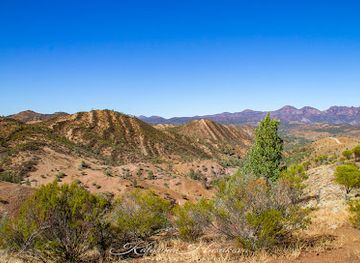
Explore the stunning landscapes and rich biodiversity of Ikara-Flinders Ranges National Park in South Australia, a paradise for adventurers and nature lovers.
-
Hiking area
Alligator Gorge
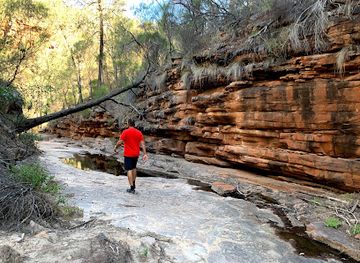
Explore Alligator Gorge, a stunning hiking area in Mount Remarkable National Park, where breathtaking views and unique geological formations await.
-
Caravan Park
Wilpena Park Caravan Park
Experience the breathtaking landscapes and rich heritage of Wilpena Park Caravan Park in the heart of the Flinders Ranges, South Australia.
-
Tourist attraction
Stokes Hill Lookout
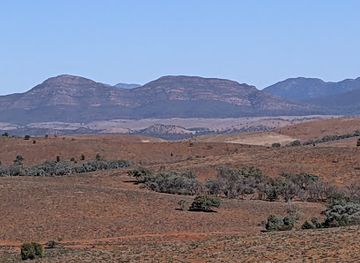
Breathtaking 360° views of the Flinders Ranges. Car accessible. Perfect for sunrise and sunset. A tribute to the Adnyamathanha people.
Best landmarks in Flinders Ranges
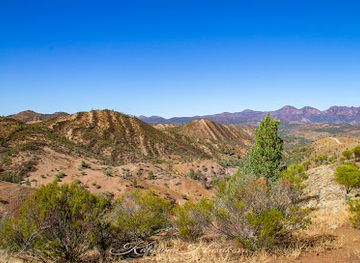
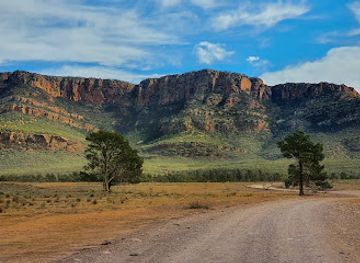
Wilpena Pound, known in Adnyamathanha as Ikara, is the Flinders Ranges' defining natural landmark: a vast, folded basin enclosed by a dramatic arc of mountains rather than a conventional crater. St Mary Peak rises above the national park and is both a prominent summit and a place of cultural significance, so visitors should follow current access guidance. The layered walls and seasonal watercourse of Brachina Gorge form one of the region's clearest geological landmarks, while Bunyeroo Gorge is recognised for its narrow red-rock scenery and elevated viewpoints. In the south, the Pichi Richi Pass and the railway landscape around Quorn mark a historic route through the ranges. Dutchmans Stern is a distinctive ridge overlooking the plains near Quorn, with walking tracks revealing the contrast between mountain and pastoral country. Blinman's former copper workings and heritage buildings recall the northern mining era, while the ruins of Farina, farther north in the broad Flinders outback region, evoke the ambitions and climatic limits of early settlement. Across the landscape, river red gums, dry creek beds and folded ridgelines are landmarks in their own right, changing colour with sun, season and weather.
-
Park
Ikara-Flinders Ranges National Park
Explore the stunning landscapes, rich wildlife, and ancient culture at Ikara-Flinders Ranges National Park, a true gem in South Australia.
-
Hiking area
Alligator Gorge
Discover the breathtaking landscapes and serene beauty of Alligator Gorge, a premier hiking destination in South Australia's Flinders Ranges.
-
Tourist information center
Wilpena Pound Visitor Centre
Explore the Flinders Ranges at Wilpena Pound Visitor Centre, your gateway to breathtaking landscapes, rich culture, and unforgettable experiences.
-
Tourist attraction
Stokes Hill Lookout
Explore the breathtaking vistas of Stokes Hill Lookout, a hidden gem in South Australia showcasing the stunning Flinders Ranges.
Explore Flinders Ranges on the map
Plan your trip on one map. See where the top cities, national parks and sights are, and book hotels and experiences in a few clicks.
Best hotels in Flinders Ranges
Best restaurants in Flinders Ranges
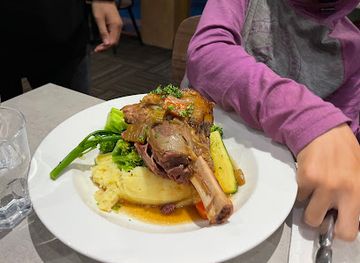
Dining in the Flinders Ranges is shaped by distance, pastoral life and the small settlements that serve travellers rather than by a dense restaurant industry. Quorn, Hawker, Blinman and Parachilna provide the main opportunities for meals, usually through hotel dining rooms, cafés, station accommodation and casual outback kitchens. Menus commonly draw on Australian country staples such as lamb, beef, hearty breakfasts, pies and locally sourced seasonal produce, alongside vegetarian options and familiar café food. Some businesses and station stays use native ingredients, including quandong or bush herbs, but availability varies and these products should not be treated as a single traditional cuisine. Takeaway provisions, fruit, water and snacks are important for days spent in the ranges, since distances between services are considerable. Local pubs remain useful social and dining centres, while accommodation providers often require advance arrangements for evening meals. Travellers with dietary requirements should communicate them ahead of time, particularly when staying at remote stations or wilderness properties.
-
Australian
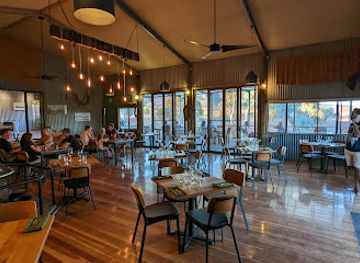
Woolshed Restaurant
Experience authentic Australian cuisine amidst breathtaking landscapes at Woolshed Restaurant in Flinders Ranges.
-
Restaurant
Poddy Dodgers Bar
Discover unique flavors at Poddy Dodgers Bar in Flinders Ranges - where local ingredients meet authentic Australian hospitality.
Best bars in Flinders Ranges
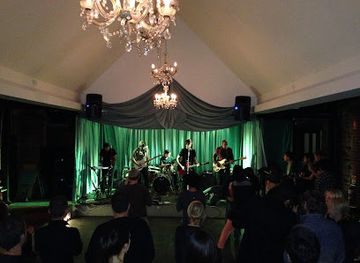
Nightlife in the Flinders Ranges is low-key and closely tied to small-town pubs, station hospitality and the clear inland night sky rather than to nightclubs. Quorn, Hawker, Blinman and Parachilna have the region's most recognisable evening meeting places, generally centred on historic hotels, dining rooms or accommodation venues where a drink can accompany a meal. Some properties offer regional beer, South Australian wine or occasional live music, but schedules and services vary considerably with season and local demand. In remote areas, evening activity may consist of a communal meal, conversation, stargazing or an early start for a dawn walk. Visitors should not assume late opening hours or a taxi network between scattered settlements, and responsible drinking is particularly important when the next journey involves long distances, wildlife-prone roads or unsealed tracks.
-
Bar
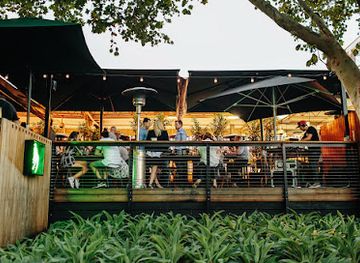
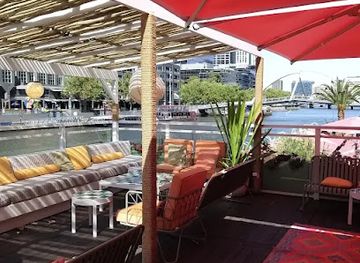
Arbory Bar & Eatery
Discover the vibrant Arbory Bar & Eatery along the Yarra River, where delicious food meets stunning views in the heart of Melbourne.
-
Bar
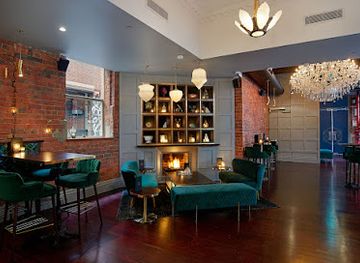
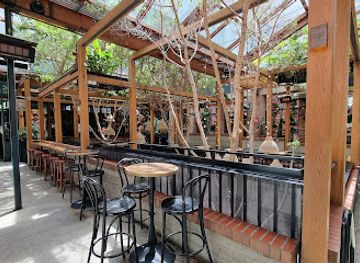
Trinket Bar
Discover Trinket Bar in Melbourne: A lively cocktail haven with delicious pizzas and an unforgettable atmosphere.
-
Bar
AFLOAT
Discover AFLOAT, Melbourne's premier floating bar offering stunning views, delicious food, and a vibrant atmosphere on the Yarra River.
-
Bar
Garden State Hotel
Experience the vibrant fusion of bar, grill, and pub culture at the Garden State Hotel, a must-visit destination in Melbourne's heart.
Best nightclubs in Flinders Ranges
Nightlife in the Flinders Ranges is low-key and closely tied to small-town pubs, station hospitality and the clear inland night sky rather than to nightclubs. Quorn, Hawker, Blinman and Parachilna have the region's most recognisable evening meeting places, generally centred on historic hotels, dining rooms or accommodation venues where a drink can accompany a meal. Some properties offer regional beer, South Australian wine or occasional live music, but schedules and services vary considerably with season and local demand. In remote areas, evening activity may consist of a communal meal, conversation, stargazing or an early start for a dawn walk. Visitors should not assume late opening hours or a taxi network between scattered settlements, and responsible drinking is particularly important when the next journey involves long distances, wildlife-prone roads or unsealed tracks.
-
Pub
Woolshed on Hindley
Discover the lively Woolshed on Hindley in Adelaide, a perfect blend of great food, drinks, and entertainment in a vibrant pub atmosphere.
-
Disco club
Club Retro
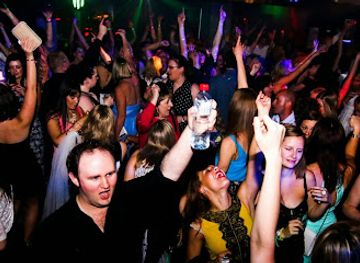
Discover the electrifying nightlife at Club Retro, a premier disco club in Melbourne offering great music, delicious burgers, and a vibrant atmosphere.
-
Event venue
The Jade
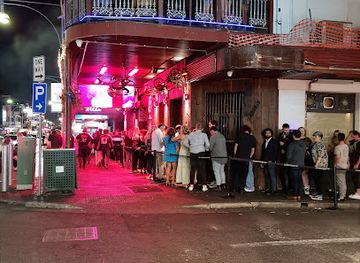
Discover Adelaide's dynamic nightlife at The Jade, where live music, great food, and a vibrant atmosphere await you.
-
 Motel
MotelHawker Hotel Motel
Unwind at Hawker Hotel Motel, your comfortable retreat in the heart of South Australia's Flinders Ranges, offering delicious meals and cozy accommodations.
Best shops in Flinders Ranges
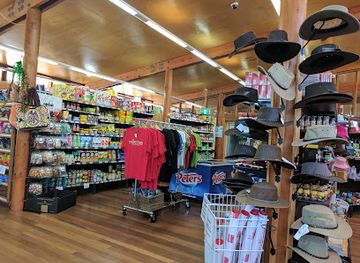
Shopping in the Flinders Ranges is practical, local and closely connected to regional identity rather than centred on large retail precincts. Quorn and Hawker have the broadest selection of galleries, small shops, books, produced goods and supplies for travellers, while Blinman and Parachilna offer more limited outlets associated with accommodation, heritage and local craft. Art galleries and visitor centres may feature paintings and photography inspired by the ranges, as well as Aboriginal art obtained through appropriate cultural and commercial channels. Useful regional purchases include preserves, station-made products, local honey where available, books on geology or Aboriginal culture, and durable outdoor supplies. Farmers' markets and seasonal produce events are not guaranteed throughout the year, so check locally rather than planning around an assumed market day. Visitors should buy cultural products respectfully and avoid collecting fossils, stones, plants or historic objects from the landscape; properly sold local goods make better souvenirs than anything removed from the ranges.
-
Hotel
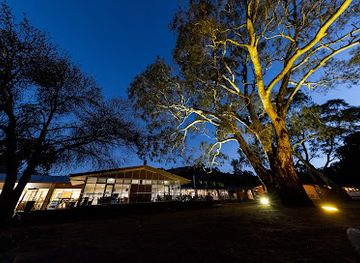
Wilpena Pound Resort
Experience the breathtaking beauty and adventure at Wilpena Pound Resort in the Flinders Ranges, where nature and comfort meet.
-
Cafe
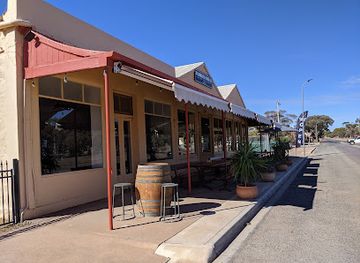
Flinders Food Co
Experience the best of local flavors at Flinders Food Co, a delightful café in the heart of Hawker, South Australia.
-
General store
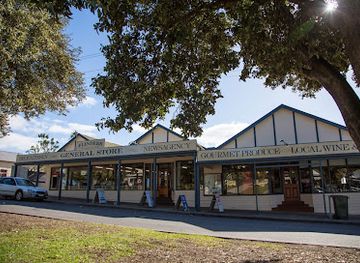
Flinders General Store
Discover Flinders General Store: your one-stop shop for gourmet groceries, fresh produce, and delightful coffee in Victoria's charming coastal village.
-
Park
Ikara-Flinders Ranges National Park
Experience the breathtaking landscapes and rich heritage of Ikara-Flinders Ranges National Park, a natural wonder in South Australia.
Get your free copy of our complete guide to Flinders Ranges, delivered straight to you.
Everything on this page, from attractions and restaurants to essentials and local phrases, in one PDF you can read offline, print or share.
Already have an account? Sign in
Your Flinders Ranges guide is ready.
We'll send it to · Not you? Sign out

Getting your guide ready…
We are putting together a fresh copy of the Flinders Ranges guide. This can take up to a minute.
This can take a few moments. If your browser asks, choose Allow so the download can start. You'll find the guide in your Downloads folder.
Nothing happened? Download it again
Sorry, the guide is taking longer than usual. Please try again in a minute, or get it by email instead.
Flinders Ranges essentials
Currency and Payment
Safety
Emergency Situations
Do's and Don'ts
Local Tips
From Eve
Local phrases worth knowing
You don't need to get them perfect. A few words go a long way, and locals appreciate the effort.
Basics
| English | Local | Say it |
|---|---|---|
| Hello | G'day | [g'day] |
| Goodbye | See ya | [see ya] |
| Yes | Yep | [yep] |
| No | Nah | [nah] |
| Please/You're welcome | No worries | [no worries] |
| Thank you | Cheers | [cheers] |
| Excuse me/Sorry | Sorry | [sorry] |
| How are you? | How ya going? | [how ya going] |
| Fine. And you? | Good, and you? | [good, and you] |
| Do you speak English? | Do ya speak English? | [do ya speak English] |
| I don't understand | I don't get it | [I don't get it] |
Eating & Drinking
| English | Local | Say it |
|---|---|---|
| I'd like to see the menu, please | Can I see the menu, please? | [can I see the menu, please] |
| I don't eat meat | I’m a vegetarian | [I’m a vegetarian] |
| Cheers! | Cheers! | [cheers] |
| I would like to pay, please | Can I get the bill, please? | [can I get the bill, please] |
Emergencies
| English | Local | Say it |
|---|---|---|
| Help! | Help! | [help] |
| Go away! | Leave me alone! | [leave me alone] |
| Call the Police! | Call the cops! | [call the cops] |
| Call a doctor! | Get a doctor! | [get a doctor] |
| I'm lost | I'm a bit lost | [I'm a bit lost] |
| I'm ill | I'm not feeling well | [I'm not feeling well] |
Shopping
| English | Local | Say it |
|---|---|---|
| I'd like to buy... | I want to buy... | [I want to buy] |
| I'm just looking | Just browsing | [just browsing] |
| How much is it? | How much is this? | [how much is this] |
| That's too expensive | That's a bit pricey | [that's a bit pricey] |
| Can you lower the price? | Can you do a better price? | [can you do a better price] |
Time & Numbers
| English | Local | Say it |
|---|---|---|
| What time is it? | What’s the time? | [what’s the time] |
| It's one o'clock | It’s one o’clock | [it’s one o’clock] |
| Half past (10) | Half past ten | [half past ten] |
| Morning | Morning | [morning] |
| Afternoon | Arvo | [arvo] |
| Evening | Evening | [evening] |
| Yesterday | Yesterday | [yesterday] |
| Today | Today | [today] |
| Tomorrow | Tomorrow | [tomorrow] |
| 1 | One | [one] |
| 2 | Two | [two] |
| 3 | Three | [three] |
| 4 | Four | [four] |
| 5 | Five | [five] |
| 6 | Six | [six] |
| 7 | Seven | [seven] |
| 8 | Eight | [eight] |
| 9 | Nine | [nine] |
| 10 | Ten | [ten] |
Transport & Directions
| English | Local | Say it |
|---|---|---|
| Where's a/the...? | Where’s the...? | [where’s the] |
| What's the address? | What’s the address? | [what’s the address] |
| Can you show me (on the map)? | Can you show me on the map? | [can you show me on the map] |
| When's the next (bus)? | When’s the next bus? | [when’s the next bus] |
| A ticket (to ....) | A ticket to... | [a ticket to] |
History of Flinders Ranges
Adnyamathanha Country and Ancient Cultural Connections
The Flinders Ranges are the traditional lands of the Adnyamathanha people, whose name is commonly translated as referring to the people of the rocky ranges. Cultural knowledge connects mountains, watercourses, animals, plants and significant places through stories and responsibilities that remain living traditions rather than simply historical memories. Archaeological evidence records a long Aboriginal presence in the ranges, including occupation of rock shelters and use of seasonal resources. Modern visitors encounter this heritage through place names, interpretation and cultural tourism, although some sites are sensitive and should not be entered, photographed or discussed beyond the guidance provided by Traditional Owners.
Ancient Geological Landscapes
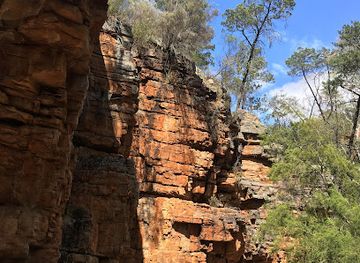
The ranges preserve a geological record extending hundreds of millions of years, including strata associated with the Ediacaran period, when some of the earliest complex life forms appeared. Uplift, folding, erosion and the movement of ancient seas created the visible ridges, fossil-bearing rocks and deeply cut gorges that define the region today. The exposed geology in places such as Brachina Gorge has made the Flinders Ranges important to earth scientists, while the scale and colour of the formations give travellers a direct sense of the region's deep environmental history.
European Exploration and Naming, 1802–1840s
Matthew Flinders observed and named the Flinders Ranges during his 1802 voyage along the South Australian coast, although his expedition did not travel through the full inland range. Later expeditions, including those associated with Edward John Eyre, improved European knowledge of the interior and its water sources. These journeys opened the way for pastoral expansion, but they also brought disease, dispossession and disruption to Aboriginal communities. The names placed on maps during this period therefore represent only one layer of a much older cultural landscape.
Pastoral Expansion in the Nineteenth Century
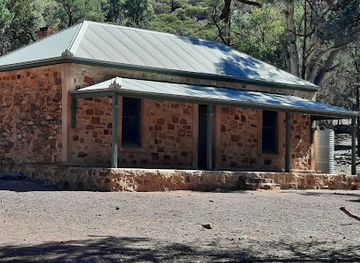
Sheep grazing expanded into the Flinders Ranges during the nineteenth century, encouraged by the demand for wool and the search for new pastoral country beyond the settled districts. Stations developed around scarce springs and creeks, and wool, stock and supplies moved across difficult terrain by track and pack transport. Stone homesteads, yards, wells and ruins remain reminders of this era. Pastoral life continues in parts of the region, but it has always been constrained by highly variable rainfall, drought, heat and the limited carrying capacity of the country.
Copper Mining at Blinman
Copper was discovered near Blinman in the 1860s, leading to a period of mining activity and settlement in the northern Flinders Ranges. The field never achieved the scale of the major copper districts elsewhere in South Australia, yet it shaped Blinman's streetscape, employment and regional connections. Shafts, workings and heritage buildings reflect the hopes and difficulties of remote mining, where transport costs, fluctuating metal prices and water shortages were persistent challenges. Blinman today retains a strong association with this short but important chapter in the ranges' economic history.
Railways, Quorn and Inland Transport
Railway development transformed the southern Flinders Ranges in the late nineteenth and early twentieth centuries. Quorn became an important junction and service centre, linking routes through the Pichi Richi Pass with lines reaching farther north and into the interior. Rail transport reduced the isolation of pastoral districts and carried wool, livestock, supplies and passengers, although routes and strategic importance changed over time. Railway heritage remains especially visible around Quorn and the Pichi Richi corridor, where preserved infrastructure and heritage operations help explain how the ranges were connected to South Australia's wider economy.
Conservation and the Modern Outback Economy
During the twentieth century, parts of the Flinders Ranges increasingly became valued for their scenery, geology, wildlife and scientific importance as well as for grazing. The establishment and expansion of protected areas, including the national park around Wilpena Pound, helped conserve major landscapes while creating a foundation for tourism. Contemporary livelihoods combine pastoralism, accommodation, guiding, heritage interpretation and land management. This shift has not erased older histories: Aboriginal cultural authority, pastoral use, mining remains and railway heritage all continue to shape how the region is understood and visited.
Flinders Ranges in Photos
Browse through our photo collection highlighting the charm and character of the destination.
Neighbouring regions of Flinders Ranges
The closest regions to Flinders Ranges, if you have time for more than one.
-

-

-

-

-


Swipe for more regions
Explore more

Explore more of Australia
Discover the diverse landscapes, vibrant cities, and unique wildlife of Australia, a captivating destination offering endless adventures and unforgettable experiences.
Explore Australia