

Free Great Ocean Road Travel Guide & Mobile App
Explore Great Ocean Road with free travel guides. Discover regional history, expert tips, proposed trips, and audio guides on web or mobile app.


Explore Victoria’s Great Ocean Road for surf beaches, Otway rainforest, coastal towns and the limestone cliffs of the Shipwreck Coast.
Read more about Great Ocean Road
When is the best time to visit Great Ocean Road?
Best: December–February · 23–24°C| Month | High (°C) | Rainfall (mm) |
|---|---|---|
| January (best) | 23 | 40 |
| February (best) | 24 | 35 |
| March | 22 | 35 |
| April | 20 | 45 |
| May | 18 | 45 |
| June | 15 | 50 |
| July | 14 | 45 |
| August | 16 | 45 |
| September | 18 | 40 |
| October | 20 | 40 |
| November | 22 | 40 |
| December (best) | 23 | 40 |
Getting to and around Great Ocean Road
How to get there
Transportation
Destinations in Great Ocean Road
Resorts, valleys and scenic spots worth a trip of their own.

Swipe for more destinations
Best attractions in Great Ocean Road
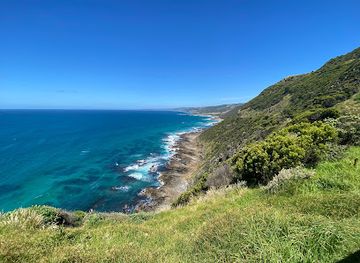
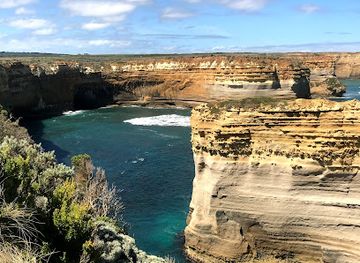
The Great Ocean Road’s attractions unfold across several distinct landscapes rather than around one central town. Torquay and Jan Juc introduce the route through surf beaches, board-riding culture and coastal walking, while Bells Beach is an important viewing point for experienced surfers rather than a casual swimming beach. Around Lorne and Aireys Inlet, beaches and headlands sit close to forested hills, with walking routes and waterfalls leading into the Great Otway National Park. Apollo Bay provides access to beaches, hinterland drives and the wetter forests of the Otways, where fern gullies and tall eucalypts create a marked contrast with the open coast. West of Cape Otway, the Port Campbell National Park contains the region’s most famous coastal scenery, including the Twelve Apostles, Loch Ard Gorge, London Bridge and The Grotto. Lookouts, short walks and longer coastal trails reveal cliffs, stacks and arches shaped by erosion. Wildlife watching, heritage interpretation, photography and scenic driving are central activities, but distances, weather and limited rural services mean that the attractions are best explored in stages.
-
Scenic spot
Twelve Apostles
Experience the breathtaking beauty of the Twelve Apostles, a must-see coastal wonder along Australia's Great Ocean Road.
-
National park
Port Campbell National Park
Experience the breathtaking beauty of Port Campbell National Park, featuring iconic rock formations and stunning coastal scenery along the Great Ocean Road.
-
Tourist attraction
Loch Ard Gorge
Experience the breathtaking cliffs and azure waters of Loch Ard Gorge, a must-visit destination along Australia's famous Great Ocean Road.
-
Chocolate factory
Great Ocean Road Chocolaterie & Ice Creamery
Explore the Great Ocean Road Chocolaterie & Ice Creamery for a sweet journey filled with artisanal chocolates, creamy ice creams, and delightful experiences.
Best landmarks in Great Ocean Road
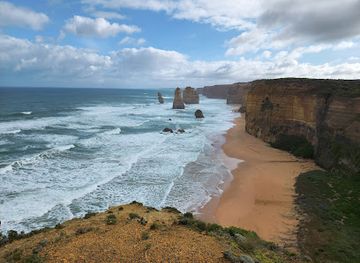
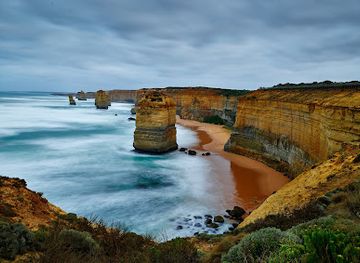
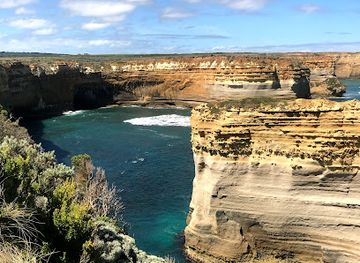
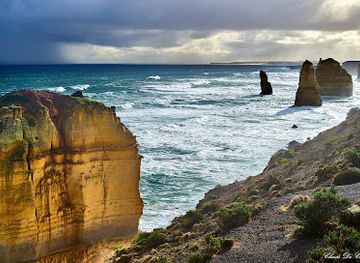
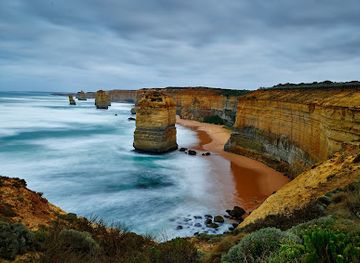
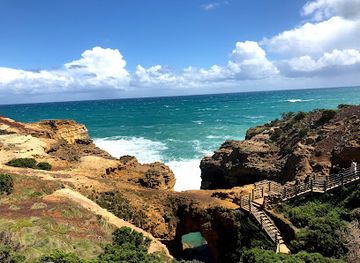
The Twelve Apostles are the defining natural landmark of the Great Ocean Road, a group of limestone stacks standing offshore along the Port Campbell coast and gradually altered by wave erosion. Their significance lies not only in their appearance but in the way they demonstrate the continuing geological reshaping of the Southern Ocean shoreline. Loch Ard Gorge, named after the 1878 shipwreck, combines high cliffs, beaches and maritime history, while London Bridge and The Grotto show different stages of coastal erosion. At the eastern end, Bells Beach is a landmark of Australian surf culture and a powerful natural amphitheatre, although its exposed water is not suitable for inexperienced swimmers. The Lorne Great Ocean Road memorial arch marks the route’s public identity and its association with returned-soldier construction. Cape Otway Lighthouse, on the broader Otway coast, is another important maritime landmark, linked to the hazardous approaches to Bass Strait. The forested ridges and valleys of the Great Otway National Park provide a complementary inland landmark landscape, replacing open cliffs with tall trees, fern-filled gullies and rushing streams.
-
Tourist attraction
Twelve Apostles
Explore the breathtaking Twelve Apostles, iconic limestone stacks along the Great Ocean Road, showcasing nature's artistry and beauty.
-
Tourist attraction
Port Campbell National Park
Explore the breathtaking landscapes of Port Campbell National Park, home to iconic rock formations and diverse wildlife along Victoria's stunning coastline.
-
Tourist attraction
Loch Ard Gorge
Experience the breathtaking beauty of Loch Ard Gorge in Port Campbell National Park, where dramatic cliffs meet the Southern Ocean's sparkling waters.
-
Tourist attraction
Great Ocean Road Chocolaterie & Ice Creamery
Discover the Great Ocean Road Chocolaterie & Ice Creamery, where chocolate dreams come true amidst breathtaking coastal views.
Explore Great Ocean Road on the map
Plan your trip on one map. See where the top cities, national parks and sights are, and book hotels and experiences in a few clicks.
Best hotels in Great Ocean Road
Best restaurants in Great Ocean Road
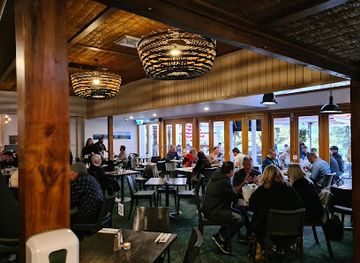
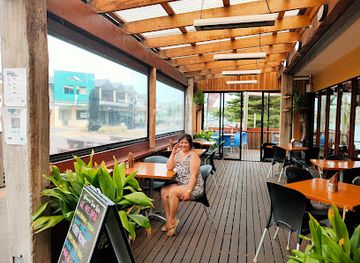
Dining along the Great Ocean Road reflects both the coast and the pastoral country behind it. Torquay has the broadest choice of cafés, casual restaurants and food associated with a busy surf town, while Lorne and Apollo Bay offer cafés, bakeries, pubs and restaurants suited to beach visitors and overnight travellers. Seafood is a natural feature of coastal menus, although availability and local sourcing vary, and regional producers also supply dairy, fruit, vegetables, meat, bread and small-batch products. Around the Otways, country cafés, farm-linked outlets and rural pubs provide a practical way to encounter local produce without expecting a single signature dish. Port Campbell’s dining scene is compact and geared towards visitors exploring the national park, with options ranging from takeaway food to sit-down meals. Markets and farm-gate opportunities can be seasonal, so visitors should check local arrangements rather than assume that every producer or market operates year-round. Booking ahead is sensible in smaller towns during school holidays and summer weekends.
-
 Restaurant
Great Ocean Road Brewhouse
Experience local craft beers and delicious cuisine at Great Ocean Road Brewhouse in Apollo Bay—your gateway to coastal culinary delights.
-
Restaurant
Apollo Bay Hotel
Discover the perfect blend of comfort and local flavor at Apollo Bay Hotel - your gateway to an unforgettable Great Ocean Road adventure.
-
Restaurant
12 Rocks Beach Bar Cafe
Experience coastal dining at its finest at 12 Rocks Beach Bar Cafe in Port Campbell – where stunning views meet delightful cuisine.
-
Restaurant
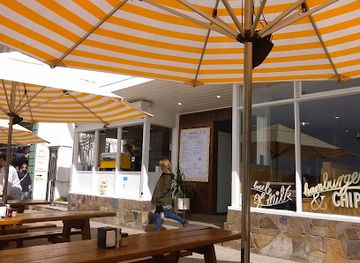
The Bottle of Milk
Discover delicious breakfast delights and refreshing coffee at The Bottle of Milk in Lorne - where taste meets breathtaking coastal views.
Best bars in Great Ocean Road
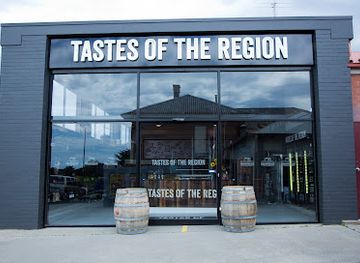
Evenings on the Great Ocean Road are generally quiet and sociable rather than centred on large nightclubs. Torquay has the widest choice of pubs, casual bars and venues connected with surf-town dining, while Lorne and Apollo Bay offer hotel bars, restaurants and occasional live music in a more compact setting. In smaller communities, historic-style pubs and local hotel bars often provide the main evening meeting places, with atmosphere changing according to the season and visitor numbers. Port Campbell is primarily an early-evening base for people visiting the national park, and its nightlife is limited compared with Melbourne or larger regional cities. Some breweries, cellar doors and food venues may operate in the wider region, but opening arrangements can be seasonal and transport between them is not always convenient. A designated driver or pre-arranged transport is important on rural roads, where distances, wildlife and limited late-night services make improvised travel unwise.
-
Bar
Great Ocean Road Brewhouse
Experience the flavors of the Great Ocean Road at Great Ocean Road Brewhouse, where craft beer meets delicious cuisine in a stunning coastal setting.
-
Pub
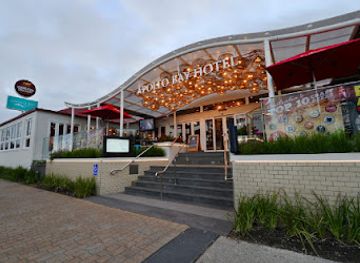
Apollo Bay Hotel
Discover the heart of Apollo Bay at the Apollo Bay Hotel, where coastal charm meets delightful dining and refreshing drinks.
-
Tourist attraction
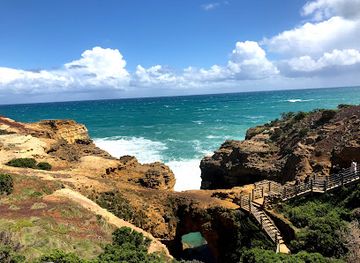
The Grotto
Experience the enchanting natural wonder of The Grotto in Port Campbell National Park, where stunning landscapes and unique geological formations await.
-
Bar
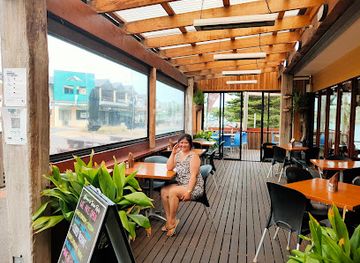
12 Rocks Beach Bar Cafe
Discover the perfect blend of stunning ocean views and delightful cuisine at 12 Rocks Beach Bar Cafe in Port Campbell.

Best nightclubs in Great Ocean Road
Evenings on the Great Ocean Road are generally quiet and sociable rather than centred on large nightclubs. Torquay has the widest choice of pubs, casual bars and venues connected with surf-town dining, while Lorne and Apollo Bay offer hotel bars, restaurants and occasional live music in a more compact setting. In smaller communities, historic-style pubs and local hotel bars often provide the main evening meeting places, with atmosphere changing according to the season and visitor numbers. Port Campbell is primarily an early-evening base for people visiting the national park, and its nightlife is limited compared with Melbourne or larger regional cities. Some breweries, cellar doors and food venues may operate in the wider region, but opening arrangements can be seasonal and transport between them is not always convenient. A designated driver or pre-arranged transport is important on rural roads, where distances, wildlife and limited late-night services make improvised travel unwise.
-
Bar
Great Ocean Road Brewhouse
Discover the ultimate brewery experience at Great Ocean Road Brewhouse in Apollo Bay, where local craft beers and delicious food create unforgettable memories.
-
Pub
Apollo Bay Hotel
Discover the Apollo Bay Hotel - a cozy pub, restaurant, and hotel on the Great Ocean Road, offering local flavors and stunning coastal views.
-
Tourist attraction
The Grotto
Explore The Grotto in Victoria, a stunning natural attraction showcasing breathtaking ocean views and unique geological formations.
-
Bar
12 Rocks Beach Bar Cafe
Experience exquisite coastal dining at 12 Rocks Beach Bar Cafe in Port Campbell, where fresh flavors meet stunning ocean views.

Best shops in Great Ocean Road
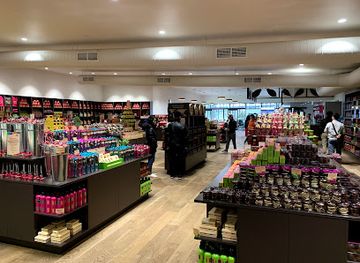
Shopping along the Great Ocean Road is concentrated in the coastal towns rather than in one major retail centre. Torquay has the strongest surf-oriented identity, with shops selling boards, clothing and beach equipment alongside cafés, galleries and independent retailers. Lorne and Apollo Bay combine small fashion, gift, book, art and craft shops with everyday services for residents and visitors, while Port Campbell is focused on practical supplies, local souvenirs and goods for travellers exploring the national park. Regional produce is a more meaningful purchase than generic memorabilia: look for local foods, preserves, wine from nearby Victorian districts, artisan goods, artwork and products connected with the coast or Otways. Farm-gate outlets and community markets can offer seasonal fruit, vegetables and handmade items, but their schedules vary. Larger supermarkets and a wider range of services are more readily available in the principal towns and nearby Warrnambool, outside the route’s central coastal section, so stock up before heading into remote forest or cliff areas.
-
Chocolate factory
Great Ocean Road Chocolaterie & Ice Creamery
Discover the sweet side of the Great Ocean Road at this artisan chocolaterie, where fine chocolates and creamy ice creams await.
-
Restaurant
Great Ocean Road Brewhouse
Experience the best of local craft brews and delicious cuisine at Great Ocean Road Brewhouse, a true gem along Australia's scenic coast.
-
Cafe
12 Rocks Beach Bar Cafe
Discover the perfect blend of stunning ocean views and delightful Australian cuisine at 12 Rocks Beach Bar Cafe in Port Campbell.
-
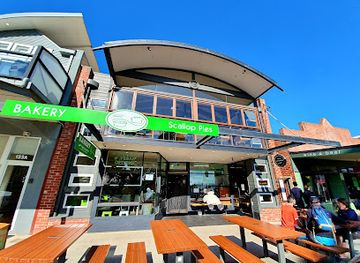
Bakery
Apollo Bay Bakery
Discover the flavors of Apollo Bay at Apollo Bay Bakery, a coastal gem known for its fresh pastries, hearty breakfasts, and welcoming atmosphere.
Get your free copy of our complete guide to Great Ocean Road, delivered straight to you.
Everything on this page, from attractions and restaurants to essentials and local phrases, in one PDF you can read offline, print or share.
Already have an account? Sign in
Your Great Ocean Road guide is ready.
We'll send it to · Not you? Sign out

Getting your guide ready…
We are putting together a fresh copy of the Great Ocean Road guide. This can take up to a minute.
This can take a few moments. If your browser asks, choose Allow so the download can start. You'll find the guide in your Downloads folder.
Nothing happened? Download it again
Sorry, the guide is taking longer than usual. Please try again in a minute, or get it by email instead.
Great Ocean Road essentials
Currency and Payment
Safety
Emergency Situations
Do's and Don'ts
Local Tips
From Eve
Local phrases worth knowing
You don't need to get them perfect. A few words go a long way, and locals appreciate the effort.
Basics
| English | Local | Say it |
|---|---|---|
| Hello | G'day | [g'day] |
| Goodbye | See ya | [see ya] |
| Yes | Yeah | [yeh] |
| No | Nah | [nah] |
| Please/You're welcome | No worries | [no worries] |
| Thank you | Cheers | [cheers] |
| Excuse me/Sorry | Sorry mate | [sorry mate] |
| How are you? | How's it going? | [how's it going?] |
| Fine. And you? | Good, you? | [good, you?] |
| Do you speak English? | Can ya speak English? | [can ya speak English?] |
| I don't understand | I don't get it | [I don't get it] |
Eating & Drinking
| English | Local | Say it |
|---|---|---|
| I'd like to see the menu, please | Can I see the menu, please? | [can I see the menu, please?] |
| I don't eat meat | I’m a vegetarian | [I'm a vegetarian] |
| Cheers! | Cheers! | [cheers] |
| I would like to pay, please | Can I get the bill, please? | [can I get the bill, please?] |
Emergencies
| English | Local | Say it |
|---|---|---|
| Help! | Help! | [help] |
| Go away! | Get lost! | [get lost] |
| Call the Police! | Call the cops! | [call the cops] |
| Call a doctor! | Get a doctor! | [get a doctor] |
| I'm lost | I'm lost | [I'm lost] |
| I'm ill | I'm not feeling well | [I'm not feeling well] |
Shopping
| English | Local | Say it |
|---|---|---|
| I'd like to buy... | I want to buy... | [I want to buy...] |
| I'm just looking | Just browsing, thanks | [just browsing, thanks] |
| How much is it? | How much is this? | [how much is this?] |
| That's too expensive | That's a bit steep | [that's a bit steep] |
| Can you lower the price? | Can ya do a better price? | [can ya do a better price?] |
Time & Numbers
| English | Local | Say it |
|---|---|---|
| What time is it? | What’s the time? | [what's the time?] |
| It's one o'clock | It's one o'clock | [it's one o'clock] |
| Half past (10) | Half past ten | [half past ten] |
| Morning | Morning | [morning] |
| Afternoon | Arvo | [arvo] |
| Evening | Evening | [evening] |
| Yesterday | Yesterday | [yesterday] |
| Today | Today | [today] |
| Tomorrow | Tomorrow | [tomorrow] |
| 1 | One | [one] |
| 2 | Two | [two] |
| 3 | Three | [three] |
| 4 | Four | [four] |
| 5 | Five | [five] |
| 6 | Six | [six] |
| 7 | Seven | [seven] |
| 8 | Eight | [eight] |
| 9 | Nine | [nine] |
| 10 | Ten | [ten] |
Transport & Directions
| English | Local | Say it |
|---|---|---|
| Where's a/the...? | Where's the...? | [where's the...?] |
| What's the address? | What's the address? | [what's the address?] |
| Can you show me (on the map)? | Can you show me on the map? | [can you show me on the map?] |
| When's the next (bus)? | When's the next bus? | [when's the next bus?] |
| A ticket (to ....) | A ticket to ... | [a ticket to ...] |
History of Great Ocean Road
Eastern Maar and Wadawurrung Country
The coastline and hinterland of the Great Ocean Road lie across the traditional lands of the Eastern Maar and Wadawurrung peoples. Aboriginal communities have maintained enduring connections with the coast, rivers, forests and grasslands for thousands of years, using and caring for varied environments and passing knowledge through generations. Shell middens, cultural landscapes and continuing community connections form part of this deeper history, much of which is not represented by conventional roadside monuments. Visitors should treat cultural places and natural areas respectfully and follow any guidance provided by Traditional Owner organisations and park authorities.
European Exploration and Coastal Settlement
European navigators charted parts of the southern Victorian coast during the late eighteenth and early nineteenth centuries, but the exposed shoreline remained difficult to access by land. In the nineteenth century, pastoral expansion, timber cutting, fishing and small coastal settlements developed around parts of the Otways and the western coast. The sea was an important route, but reefs, cliffs and unpredictable weather made maritime travel hazardous. The region’s later identity as a touring destination grew from these earlier economic activities and from its long association with shipping and shipwrecks.
Timber, Pastoralism and the Otway Hinterland
The Great Otway Ranges supported a substantial timber industry during the nineteenth and early twentieth centuries. Forests were felled for construction timber, sleepers and fuel, while pastoral activity expanded in more accessible country around the coast and inland valleys. Timber towns and mills appeared and declined as resources, transport links and markets changed. Remnants of this history survive in forest tracks, former settlement sites, local museums and the shape of roads that cross the ranges. Conservation of the Otways later became increasingly important as the value of the forests for water, wildlife and recreation was recognised.
The Great Ocean Road, 1919–1932
Much of the Great Ocean Road was built by returned soldiers after the First World War. Work began in 1919 and proceeded in difficult conditions through steep forest, gullies and coastal terrain, using manual labour and relatively simple equipment. The road connected communities that had previously relied heavily on sea travel or rough inland tracks, while also serving as a memorial to those who had served. Different sections opened at different times, and the route was completed through to the western end near Allansford in the early 1930s. Its engineering and memorial significance remain central to the region’s identity.
Shipwreck Coast and Maritime Memory
The coastline west of Cape Otway is widely known as the Shipwreck Coast because reefs, reefs and offshore rock formations, strong currents and severe weather caused many wrecks. The wreck of the Loch Ard in 1878, near the gorge that bears its name, became one of the best-known local stories, although it represents only part of a much broader maritime history. Memorials, museum displays, place names and protected coastal formations preserve this connection. The same geological and oceanographic conditions that endangered ships have produced the cliffs, stacks and arches now associated with the region.
From Working Coast to Touring Landscape
After the road opened, improved motor transport gradually changed the relationship between Melbourne and the western coastal settlements. Surfing, beach holidays, guesthouses and scenic touring expanded, particularly around Torquay, Lorne and Apollo Bay. The declaration of national parks and other protected areas helped conserve the Otways and the spectacular limestone coast while providing a framework for walking, wildlife observation and interpretation. Tourism now sits alongside farming, fishing, forestry and local services, and the region continues to balance heavy visitor use with the protection of fragile cliffs, beaches, forests and marine habitats.
Surf Culture and Contemporary Regional Identity
Torquay and nearby beaches became important centres of Australian surf culture during the twentieth century, supported by local surf clubs, board riding and the growth of Australian surf-equipment companies. Bells Beach, although exposed and unsuitable for casual swimming, became internationally recognised through major surf competition and its powerful waves. More broadly, the Great Ocean Road’s contemporary identity combines surf culture, Aboriginal heritage, environmental conservation, food production and scenic travel. These strands are visible in museums, visitor centres, community events, protected landscapes and the working towns along the route.
Great Ocean Road in Photos
Browse through our photo collection highlighting the charm and character of the destination.
Neighbouring regions of Great Ocean Road
The closest regions to Great Ocean Road, if you have time for more than one.
-

-

-

-

-


Swipe for more regions
Explore more

Explore more of Australia
Discover the diverse landscapes, vibrant cities, and unique wildlife of Australia, a captivating destination offering endless adventures and unforgettable experiences.
Explore Australia