

Mornington Peninsula, Australia Travel Guide
Mornington Peninsula: Experience the perfect blend of coastal charm, natural beauty, and culinary delights in one of Australia's most picturesque destinations.
Nestled in the southeastern part of Australia, the Mornington Peninsula is a picturesque escape known for its stunning coastal views and tranquil landscapes. This destination offers a unique blend of natural beauty, mouth-watering cuisine, and outdoor adventure, making it a must-visit for tourists seeking both relaxation and excitement. Begin your journey with a visit to the pristine beaches that line the peninsula. Whether you want to swim, surf, or simply bask in the sun, there are numerous spots to choose from, each offering its own charm. The seaside villages like Sorrento and Portsea provide a quaint backdrop with boutique shops and local eateries where you can enjoy fresh seafood. For those who love nature, the Mornington Peninsula offers a variety of outdoor activities. Explore the scenic walking trails at the Mornington Peninsula National Park, or unwind in the natural hot springs at the Peninsula Hot Springs. Wine enthusiasts will be delighted by the region's world-class vineyards and wineries, where they can indulge in wine tasting sessions and gourmet dining experiences. Don't miss the opportunity to visit Arthur's Seat, the highest point on the peninsula, offering panoramic views of the surrounding area. The Enchanted Adventure Garden is another highlight, perfect for families with its mazes, gardens, and adventure activities. Whether you're here for a weekend getaway or an extended holiday, the Mornington Peninsula has something for everyone.

Know before you go
Hi, I'm Eve. Here are a few practical things to know before exploring Mornington Peninsula.
- Visit during the shoulder seasons (spring or autumn) to avoid the summer crowds and enjoy milder weather.
- Book accommodation in advance, especially during peak seasons, to secure the best options.
- Don't forget to pack sunscreen and a hat, as the Australian sun can be very strong.
- Explore local markets for fresh produce and unique souvenirs.
- Consider renting a car to explore the peninsula at your own pace.
Explore Mornington Peninsula: Things to Do, Places to Eat, Hotels & More
Handpicked recommendations for top attractions, local dining, accommodations, and more

Top Attractions & Sightseeing in Mornington Peninsula
Top-rated picks
Best Attractions

Peninsula Hot Springs
Discover geothermal bliss at Peninsula Hot Springs: natural mineral waters, spa experiences, and tranquil escapes on the Mornington Peninsula.

Royal Botanic Gardens Cranbourne
Discover Australia's native flora and landscapes at the Royal Botanic Gardens Cranbourne, a unique and beautiful garden just outside Melbourne.

Arthurs Seat Eagle - Base Station
Soar above the Mornington Peninsula and experience breathtaking panoramic views from the Arthurs Seat Eagle gondola lift. A must-see attraction!

Enchanted Adventure
Experience the magic of Enchanted Adventure in Victoria—where thrilling rides and stunning gardens create unforgettable family memories.

Best landmarks in Mornington Peninsula
Top-rated picks
Best Landmarks

Peninsula Hot Springs
Experience ultimate relaxation at Peninsula Hot Springs, Australia's premier destination for thermal baths and wellness treatments in a stunning natural setting.
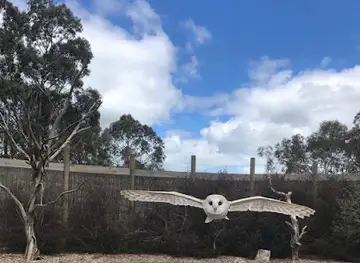
Moonlit Sanctuary Wildlife Conservation Park
Explore Moonlit Sanctuary Wildlife Conservation Park, a premier destination for wildlife encounters and conservation in Victoria, Australia.

Arthurs Seat Eagle - Base Station
Discover breathtaking views and an unforgettable journey at Arthurs Seat Eagle, the premier mountain cable car experience in Mornington Peninsula.

Enchanted Adventure
Experience unforgettable adventures at Enchanted Adventure, a top theme park in Arthurs Seat, offering fun for the whole family amidst stunning natural beauty.

Best restaurants in Mornington Peninsula
Top-rated picks
Best Restaurants

DOC Pizza & Mozzarella Bar Delicatessen
Experience authentic Italian cuisine at DOC Pizza & Mozzarella Bar in Mornington – where every bite feels like a trip to Italy.

YOMG Mornington
Experience gourmet burgers and delightful frozen yogurt at YOMG Mornington – a must-visit culinary gem on the beautiful Mornington Peninsula.
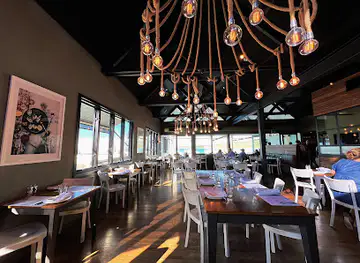
The Rocks Mornington
Discover exquisite seafood dining at The Rocks Mornington, where stunning views meet culinary excellence on Victoria's picturesque coast.
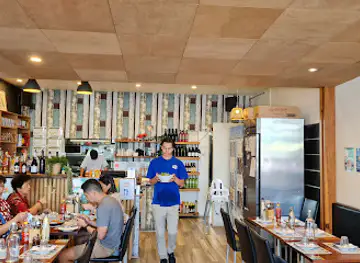
Le Feu Mornington
Discover the exquisite fusion of Vietnamese and French cuisine at Le Feu Mornington - a culinary delight in Victoria's coastal paradise.

Best bars in Mornington Peninsula
Top-rated picks
Best Bars

The Rocks Mornington
Discover fresh seafood and creative cocktails against stunning coastal views at The Rocks Mornington – a must-visit dining destination.

TWOBAYS Brewing Co - Brewery Mornington Peninsula
Experience Gluten-Free Craft Beers at TWOBAYS Brewing Co - A Unique Brewery in Mornington Peninsula.

Kirks on the Esplanade
Savor delicious dishes at Kirks on the Esplanade, where stunning views and vibrant atmosphere meet extraordinary culinary experiences in Mornington.
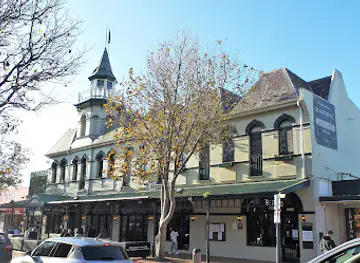
Grand Hotel Mornington
Discover the Grand Hotel Mornington, a vibrant pub offering delicious dining, lively entertainment, and a warm atmosphere in the heart of Victoria's coastal gem.

Best nightclubs in Mornington Peninsula
Top-rated picks
Best Nightclubs

Grand Hotel Mornington
Experience the best of nightlife and dining at the Grand Hotel Mornington, where vibrant atmosphere meets delicious cuisine in Victoria.

The Deck Est.2013
Experience the vibrant atmosphere at The Deck Est.2013 in Frankston, where great food, drinks, and entertainment await every visitor.

Gods Kitchen
Discover Gods Kitchen in Mornington, a lively bar and restaurant offering delicious food and captivating live music for a perfect night out.

RYE RSL
Discover the vibrant community spirit of Rye RSL – where great food, entertainment, and local camaraderie come together in a welcoming atmosphere.

Best shops in Mornington Peninsula
Top-rated picks
Best Shops

Mornington Central
Experience the best of shopping and dining at Mornington Central, a vibrant hub in Victoria's Mornington Peninsula.

Tyabb Packing House Antiques
Explore the enchanting world of vintage treasures at Tyabb Packing House Antiques, a must-visit for collectors and history enthusiasts.

Bentons Square Shopping Centre
Discover Bentons Square Shopping Centre: A vibrant retail hub in Mornington with diverse shops, dining options, and community events.

HomeCo. Peninsula
Discover HomeCo. Peninsula, a dynamic shopping mall in Mornington, offering a diverse range of stores and delightful dining options for an unforgettable retail experience.

Explore Mornington Peninsula on the Map
A handpicked selection of must-see spots in Mornington Peninsula, mapped for you.
Mornington Peninsula Essentials
-
Mornington Peninsula is located south of Melbourne in Victoria, Australia. The closest airport is Melbourne Tullamarine Airport, approximately 110 kilometers away. From Melbourne, you can drive to Mornington Peninsula via the M1 and Peninsula Link (M11), which takes around 1.5 hours. Alternatively, you can take a train from Melbourne to Frankston and then a bus to various parts of the peninsula. During peak seasons, ferries also operate between Sorrento on the peninsula and Queenscliff on the Bellarine Peninsula.
-
The Mornington Peninsula is best explored by car for maximum flexibility, as public transportation options are limited outside the main towns. There are local bus services connecting major towns, but service frequency can be low. Taxis and rideshare services like Uber are available but may be less frequent in remote areas. Bicycle rentals are also popular for short distances and scenic routes.
-
The official currency is the Australian Dollar (AUD). Credit and debit cards are widely accepted in most establishments, including restaurants, hotels, and shops. ATMs are readily available in major towns, but it's advisable to carry some cash for smaller, rural areas or markets that may not accept cards.
-
Mornington Peninsula is generally a safe destination for tourists. However, it is advisable to take standard precautions such as not leaving valuables in your car, especially at beach car parks, which can be targets for theft. Avoid isolated areas at night and always be aware of your surroundings. There are no specific high-crime areas targeting tourists, but being vigilant is always wise.
-
In case of an emergency, dial 000 for police, fire, or medical assistance. The Mornington Peninsula has several medical facilities, including hospitals in Frankston and Rosebud. Pharmacies are available in most towns for minor health issues. It is advisable to have travel insurance that covers medical emergencies.
-
Fashion: Do dress casually, as the peninsula has a relaxed atmosphere, but bring a jacket for cooler evenings. Don't wear beachwear away from the beaches. Religion: Do respect any local customs if visiting places of worship, although the area is predominantly secular. Public Transport: Do be courteous to drivers and fellow passengers. Don't expect frequent services, especially on weekends and holidays. Greetings: Do greet people with a friendly 'hello' or 'hi.' Australians are generally informal. Eating & Drinking: Do try local wines and seafood. Don't forget to tip, although it is not mandatory, it is appreciated for good service.
-
To experience Mornington Peninsula like a local, visit the farmers' markets for fresh produce and homemade goods. Engage with locals at community events and festivals, which are frequent throughout the year. Don't miss the hot springs in Rye for a relaxing soak. For a unique experience, take a walk along the coastal trails such as the Bushrangers Bay Track, offering stunning views and local wildlife sightings.
When is the best time to visit Mornington Peninsula?
Useful Local Phrases for Mornington Peninsula
You don't need to speak the language perfectly. Even learning a few simple words can make conversations warmer—and locals usually appreciate the effort.
— Eve

Here are the phrases I use most often in Mornington Peninsula. Try a few—you'll be surprised how far they go! 😊
❤️
-
- HelloG'day
[guh-day] - GoodbyeSee ya
[see yah] - YesYeah
[yeh] - NoNah
[nah] - Please/You're welcomeNo worries
[no wuh-ries] - Thank youCheers
[cheers] - Excuse me/SorrySorry mate
[sorry mate] - How are you?How's it going?
[how's it goin'] - Fine. And you?Good, you?
[good, you?] - Do you speak English?Do ya speak English?
[do ya speak English?] - I don't understandI don't get it
[I don't get it]
- HelloG'day
-
- I'd like to see the menu, pleaseCan I see the menu, mate?
[can I see the menu, mate?] - I don't eat meatI'm a vegetarian
[I'm a vege-tarian] - Cheers!Cheers!
[cheers!] - I would like to pay, pleaseCan I get the bill, please?
[can I get the bill, please?]
- I'd like to see the menu, pleaseCan I see the menu, mate?
-
- Help!Help!
[help!] - Go away!Leave me alone!
[leave me alone!] - Call the Police!Ring the cops!
[ring the cops!] - Call a doctor!Get a doctor!
[get a doctor!] - I'm lostI'm a bit lost
[I'm a bit lost] - I'm illI'm not feeling well
[I'm not feelin' well]
- Help!Help!
-
- I'd like to buy...I wanna buy...
[I wanna buy...] - I'm just lookingJust having a look
[just havin' a look] - How much is it?How much is this?
[how much is this?] - That's too expensiveThat's a bit pricey
[that's a bit pricey] - Can you lower the price?Can ya do a better price?
[can ya do a better price?]
- I'd like to buy...I wanna buy...
-
- What time is it?What’s the time?
[what's the time?] - It's one o'clockIt's one o'clock
[it's one o'clock] - Half past (10)Half past ten
[half past ten] - MorningMorning
[morning] - AfternoonArvo
[arvo] - EveningEvening
[evening] - YesterdayYesterday
[yesterday] - TodayToday
[today] - TomorrowTomorrow
[tomorrow] - 1One
[one] - 2Two
[two] - 3Three
[three] - 4Four
[four] - 5Five
[five] - 6Six
[six] - 7Seven
[seven] - 8Eight
[eight] - 9Nine
[nine] - 10Ten
[ten]
- What time is it?What’s the time?
-
- Where's a/the...?Where's the...?
[where's the...?] - What's the address?What's the address?
[what's the address?] - Can you show me (on the map)?Can ya show me on the map?
[can ya show me on the map?] - When's the next (bus)?When's the next bus?
[when's the next bus?] - A ticket (to ....)A ticket to ...
[a ticket to ...]
- Where's a/the...?Where's the...?
History of Mornington Peninsula
-
The Mornington Peninsula is traditionally the land of the Boon Wurrung people, who have lived in the region for thousands of years. Their deep connection to the land is evident through numerous archaeological sites, including shell middens, tool-making sites, and rock art. These sites offer a glimpse into the rich cultural practices and sustainable living of the Boon Wurrung people.
-
European settlement on the Mornington Peninsula began in the early 19th century. In 1803, Lieutenant David Collins attempted to establish a penal colony at Sullivan Bay near present-day Sorrento. Although the settlement was short-lived, it marked the beginning of European interest in the area. The fertile land and strategic location soon attracted settlers and farmers, leading to the development of towns and infrastructure.
-
The Mornington Peninsula's coastal location has made it a significant site for maritime history. The Cape Schanck Lighthouse, built in 1859, is one of the region's most iconic landmarks. The peninsula's treacherous waters saw numerous shipwrecks, including the famous wreck of the SS Cheviot in 1887. These maritime events have contributed to the area's rich nautical heritage.
-
The Mornington Peninsula is renowned for its wine and agricultural produce. The cool maritime climate and fertile soil create ideal conditions for viticulture. The first vineyards were planted in the late 19th century, and the region has since developed into one of Australia's premier wine-producing areas. The Mornington Peninsula is also known for its fresh produce, including strawberries, cherries, and olives.
-
During World War II, the Mornington Peninsula played a crucial role in Australia's coastal defense strategy. Fort Nepean, located at the tip of the peninsula, was a key military installation. It was here that the first Allied shots of the war were fired, targeting a German freighter attempting to escape Port Phillip Bay. The fort's tunnels and gun emplacements are now a popular tourist attraction, offering insights into the area's military past.
-
Tourism on the Mornington Peninsula began to flourish in the early 20th century, with the development of seaside resorts and holiday homes. The area's natural beauty, including pristine beaches, rugged coastline, and serene hinterland, attracted visitors from Melbourne and beyond. The establishment of the Peninsula Hot Springs in the early 2000s further boosted the region's appeal as a wellness and relaxation destination.
Neighbouring Regions of Mornington Peninsula
The closest regions to Mornington Peninsula, if you have time for more than one.

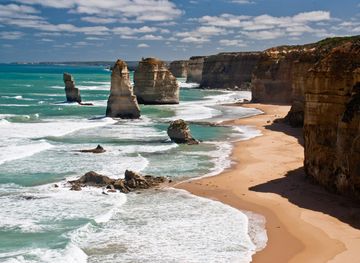
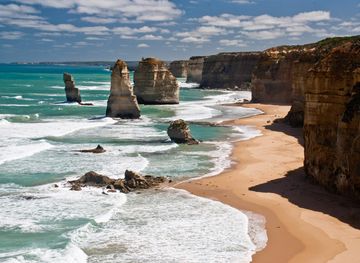


Your all‑in‑one travel companion app
Explore expert travel guides, compare and book tours, experiences, hotels, and more—all from the palm of your hand. Download now for seamless trip planning wherever your wanderlust takes you.


Explore More of Australia

Looking beyond Mornington Peninsula? Discover Australia for broader travel guides, local hot-spots, and regional highlights.
Explore AustraliaMornington Peninsula in Photos
Browse through our photo collection highlighting the charm and character of the destination.


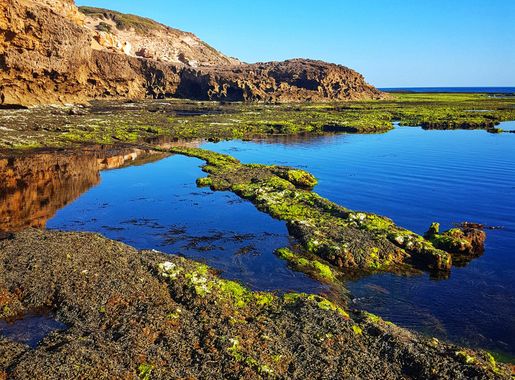


Mornington Peninsula: Coastal Charm and Natural Beauty
Nestled in the southeastern part of Australia, the Mornington Peninsula is a picturesque escape known for its stunning coastal views and tranquil landscapes. This destination offers a unique blend of natural beauty, mouth-watering cuisine, and outdoor adventure, making it a must-visit for tourists seeking both relaxation and excitement. Begin your journey with a visit to the pristine beaches that line the peninsula. Whether you want to swim, surf, or simply bask in the sun, there are numerous spots to choose from, each offering its own charm. The seaside villages like Sorrento and Portsea provide a quaint backdrop with boutique shops and local eateries where you can enjoy fresh seafood. For those who love nature, the Mornington Peninsula offers a variety of outdoor activities. Explore the scenic walking trails at the Mornington Peninsula National Park, or unwind in the natural hot springs at the Peninsula Hot Springs. Wine enthusiasts will be delighted by the region's world-class vineyards and wineries, where they can indulge in wine tasting sessions and gourmet dining experiences. Don't miss the opportunity to visit Arthur's Seat, the highest point on the peninsula, offering panoramic views of the surrounding area. The Enchanted Adventure Garden is another highlight, perfect for families with its mazes, gardens, and adventure activities. Whether you're here for a weekend getaway or an extended holiday, the Mornington Peninsula has something for everyone.