

Free Eastern Victoria Travel Guide & Mobile App
Explore Eastern Victoria with free travel guides. Discover regional history, expert tips, proposed trips, and audio guides on web or mobile app.


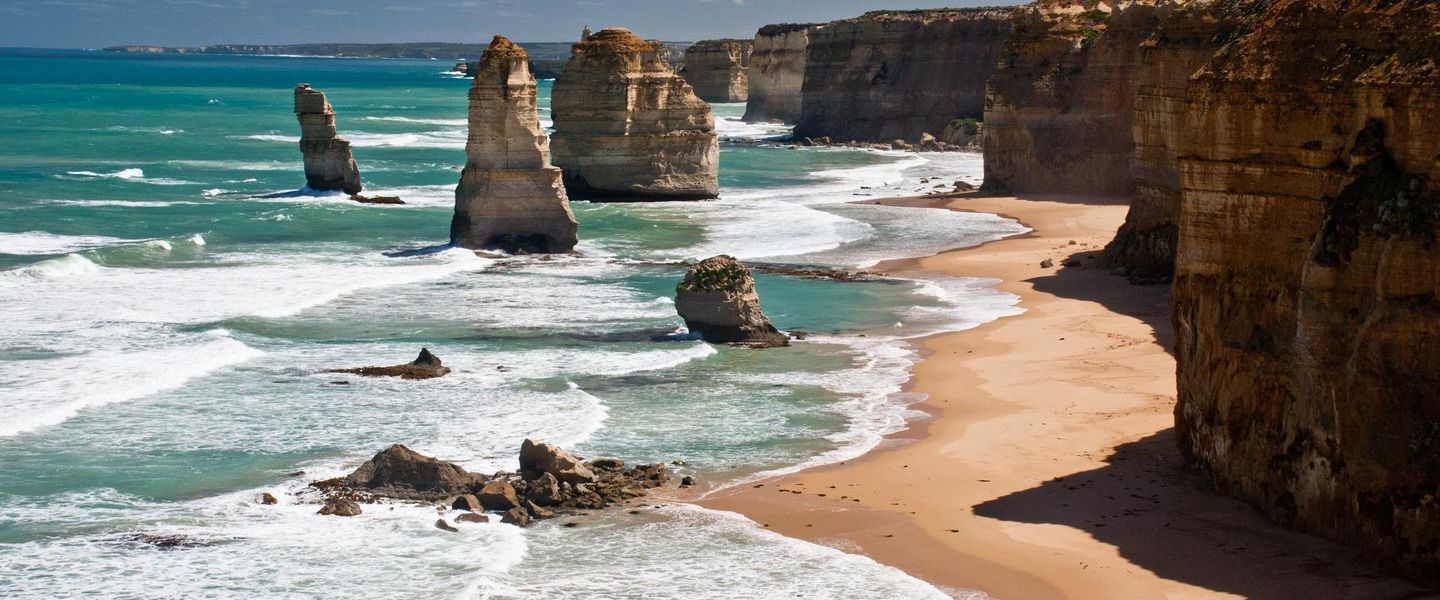


Explore Eastern Victoria for Gippsland Lakes, coastal towns, rainforest, national parks, regional food and long-distance scenic drives.
Read more about Eastern Victoria
When is the best time to visit Eastern Victoria?
Best: December–February · 24–26°C| Month | High (°C) | Rainfall (mm) |
|---|---|---|
| January (best) | 26 | 45 |
| February (best) | 26 | 40 |
| March | 24 | 45 |
| April | 20 | 51 |
| May | 17 | 55 |
| June | 14 | 60 |
| July | 14 | 55 |
| August | 15 | 60 |
| September | 18 | 61 |
| October | 20 | 60 |
| November | 22 | 55 |
| December (best) | 24 | 50 |
Getting to and around Eastern Victoria
How to get there
Transportation
Top city travel guides in Eastern Victoria
The cities of Eastern Victoria, and the easiest places to base yourself.

Swipe for more cities
Destinations in Eastern Victoria
Resorts, valleys and scenic spots worth a trip of their own.

Swipe for more destinations
Best attractions in Eastern Victoria
Eastern Victoria’s attractions are shaped more by landscape and distance than by a single concentrated city centre. Wilsons Promontory National Park offers beaches, granite headlands, heathland and forest walks at the southern end of Gippsland, while Tarra-Bulga National Park protects cool temperate rainforest and fern-filled valleys inland. Around the Gippsland Lakes, visitors can explore wetlands, waterways and coastal dunes, with Sale Common providing an accessible setting for birdwatching and nature walks. Lakes Entrance and Paynesville are useful bases for boating and exploring the lake system, while Metung has a quieter village and waterfront character. In East Gippsland, Buchan Caves introduces a limestone landscape beneath the forest, and Croajingolong National Park extends along a largely undeveloped section of coast near Mallacoota. Regional museums, galleries, historic streets and agricultural attractions in Sale, Bairnsdale, Warragul and Traralgon add cultural context, while the Great Southern Rail Trail and other shared paths provide options for cycling and walking. The variety lies in moving between farms, estuaries, rainforest, open ocean and forested river valleys rather than treating the region as one uniform destination.
-
Zoo
Werribee Open Range Zoo
Experience the thrill of an African safari without leaving Victoria at Werribee Open Range Zoo, a premier wildlife attraction showcasing diverse species.
-
Wildlife Sanctuary
Healesville Sanctuary (Zoos Victoria)
Explore Australia's unique wildlife at Healesville Sanctuary, where conservation meets adventure in the heart of Victoria's lush landscapes.
-
Historical landmark
Memorial Arch at Eastern View
Explore the Memorial Arch at Eastern View, a historical landmark along the Great Ocean Road, celebrating heritage and offering breathtaking coastal views.
-
Tourist attraction
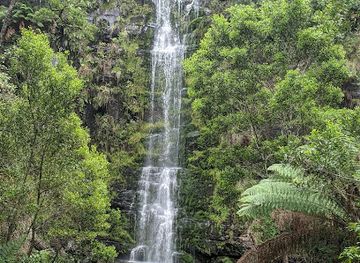
Erskine Falls
Experience the breathtaking Erskine Falls, a stunning waterfall in Victoria's Great Otway National Park, perfect for adventurers and nature lovers alike.

Best landmarks in Eastern Victoria
The Gippsland Lakes and Ninety Mile Beach form Eastern Victoria’s defining geographical landmark, a long barrier-coast system separating inland lagoons from Bass Strait. At Lakes Entrance, the channels and bridges around the town express the close relationship between settlement, boating and the sea. Wilsons Promontory’s granite headlands and broad beaches provide some of the most recognisable scenery in southern Gippsland, while Tarra-Bulga National Park’s rainforest gullies represent the region’s wetter inland forests. Sale Swing Bridge, a historic movable bridge over the Latrobe River, records the engineering history of Gippsland’s waterways and transport network. Further east, Buchan Caves are notable for their limestone formations and underground chambers, and Mallacoota Inlet is a distinctive landscape of water, forest and coastal heath. Historic civic and commercial buildings in Sale, Bairnsdale and other established towns add human scale to the region, reflecting the pastoral, administrative and trading networks that shaped eastern Victoria.
-
Scenic spot
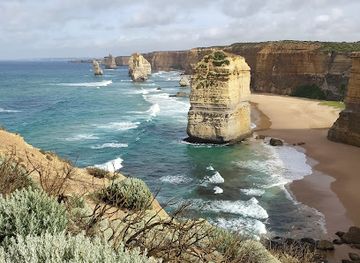
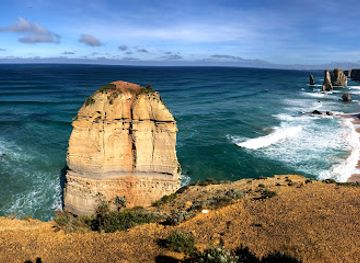
Twelve Apostles
Explore the iconic Twelve Apostles, magnificent limestone stacks along the Great Ocean Road, offering breathtaking views and rich natural beauty.
-
Observation deck
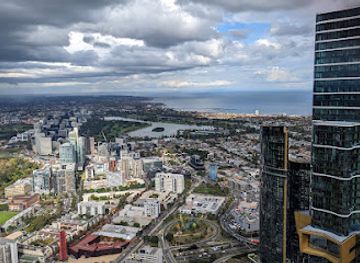
Melbourne Skydeck
Experience Melbourne like never before from the heights of the Skydeck, where breathtaking views and unforgettable moments await.
-
War memorial
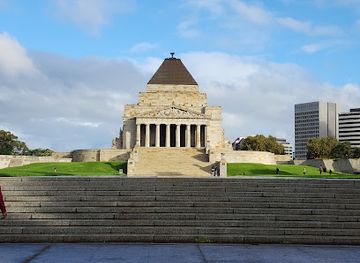
Shrine of Remembrance
Explore the Shrine of Remembrance in Melbourne, a majestic war memorial dedicated to honoring the heroes of Australia's military history.
-
Museum
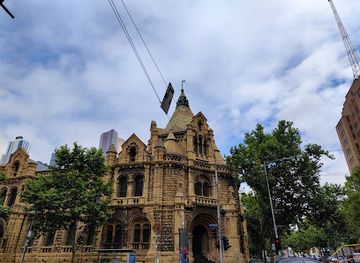
Old Melbourne Gaol
Explore the haunting history of the Old Melbourne Gaol, a fascinating museum that delves into crime and punishment in Australia's past.
Explore Eastern Victoria on the map
Plan your trip on one map. See where the top cities, national parks and sights are, and book hotels and experiences in a few clicks.
Best hotels in Eastern Victoria
Best restaurants in Eastern Victoria
Dining in Eastern Victoria reflects Gippsland’s agricultural strength and its long coast. Dairy products, beef, lamb, seasonal vegetables, berries, apples and other orchard produce appear in farm shops, cafés, pubs and regional restaurants, while the Gippsland Lakes and coastal towns provide access to locally caught seafood where available. Lakes Entrance, Metung, Paynesville, Mallacoota and other waterfront settlements tend towards relaxed seafood meals, cafés and contemporary Australian menus, whereas Warragul, Sale, Bairnsdale and Traralgon offer broader dining choices for residents and travellers. Country pubs remain important social and dining hubs, often serving substantial meals, and independent bakeries are useful stops on long drives. Farmers’ markets and cellar-door businesses provide ways to sample the region’s produce, including wine from Gippsland vineyards. Menus and availability can be seasonal, particularly in smaller communities, so remote dining requires more planning than in Melbourne and may involve travelling during daylight between towns.
-
Restaurant
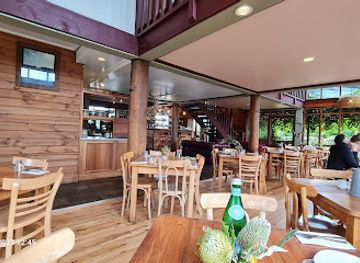
The Perch at Lavers Hill
Discover culinary delights at The Perch at Lavers Hill along the Great Ocean Road—where local flavors meet breathtaking scenery.
-
Restaurant
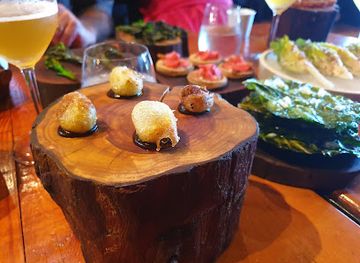
O.MY Restaurant
Experience culinary excellence at O.MY Restaurant in Beaconsfield – where innovative dishes meet local flavors in a charming setting.
-
Restaurant
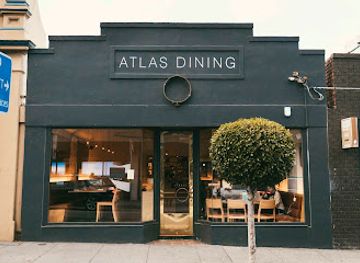
Atlas Dining
Discover Atlas Dining in South Yarra: A unique restaurant offering ever-changing global flavors through seasonal menus crafted with local ingredients.
-
Cafe
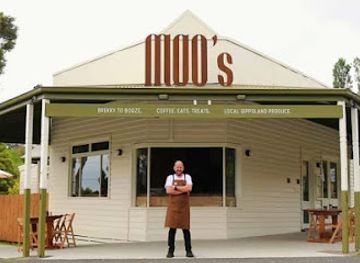
Moo's at Meeniyan
Discover the delightful flavors of Moo's at Meeniyan - your perfect café destination for breakfast and coffee in Victoria.
Best bars in Eastern Victoria
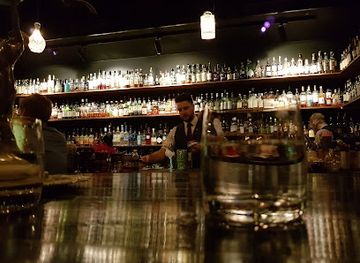
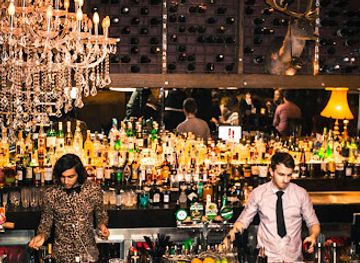
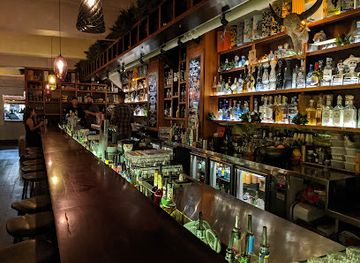
Evening life in Eastern Victoria is generally centred on pubs, restaurants, cafés and small live-music venues rather than a large nightclub scene. Traralgon, Sale, Bairnsdale and Warragul have the broadest choice of bars and evening restaurants, while Lakes Entrance, Metung, Paynesville and Mallacoota offer a more seasonal coastal rhythm, with waterfront dining and relaxed hotel bars particularly active during holiday periods. Traditional pubs remain important meeting places across inland towns, and some regional breweries and wineries provide tasting experiences during daytime or early evening hours. Smaller settlements may have limited late-night transport and venues can close earlier than visitors expect, especially outside summer. Check current arrangements locally rather than relying on assumptions about opening times, and treat nightlife as one part of a wider regional stay that may also include stargazing, evening walks and community events.
-
Bar
Boilermaker House
Discover the ultimate bar experience at Boilermaker House, where craft beer meets innovative cocktails in Melbourne's vibrant nightlife.
-
Cocktail bar
Eau De Vie Melbourne
Discover Eau De Vie Melbourne, a cocktail bar and restaurant where innovative drinks and gourmet cuisine create an unforgettable dining experience.
-
Cocktail bar
State of Grace
Discover State of Grace, Melbourne's premier cocktail bar, offering a chic atmosphere, innovative cocktails, and delicious dining options for every occasion.
-
Bar
Curtin House
Discover the charm of Melbourne at Curtin House, a historic bar offering stunning views and a vibrant atmosphere in the city's heart.

Best nightclubs in Eastern Victoria
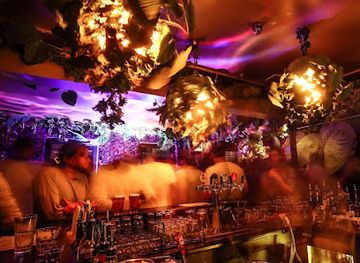
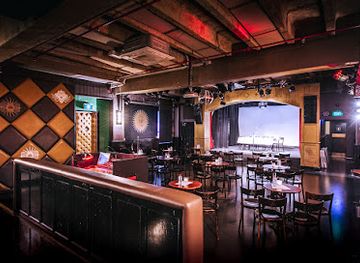
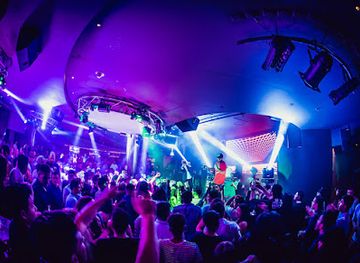
Evening life in Eastern Victoria is generally centred on pubs, restaurants, cafés and small live-music venues rather than a large nightclub scene. Traralgon, Sale, Bairnsdale and Warragul have the broadest choice of bars and evening restaurants, while Lakes Entrance, Metung, Paynesville and Mallacoota offer a more seasonal coastal rhythm, with waterfront dining and relaxed hotel bars particularly active during holiday periods. Traditional pubs remain important meeting places across inland towns, and some regional breweries and wineries provide tasting experiences during daytime or early evening hours. Smaller settlements may have limited late-night transport and venues can close earlier than visitors expect, especially outside summer. Check current arrangements locally rather than relying on assumptions about opening times, and treat nightlife as one part of a wider regional stay that may also include stargazing, evening walks and community events.
-
Night club
The Carlton Club
Discover the ultimate nightlife experience at The Carlton Club in Melbourne, where exquisite dining meets vibrant dancing and unforgettable events.
-
Disco club
The Toff
Experience Melbourne's vibrant nightlife at The Toff, a lively disco club and cocktail bar offering live music and unforgettable events.
-
Disco club
New Guernica
Experience the vibrant nightlife of Melbourne at New Guernica, a premier disco club in Collingwood featuring eclectic beats and a lively atmosphere.
-
Disco club
Level 3 Nightclubs
Dive into Melbourne's nightlife at Level 3 Nightclubs, where energy meets elegance in a premier disco club experience.
Best shops in Eastern Victoria
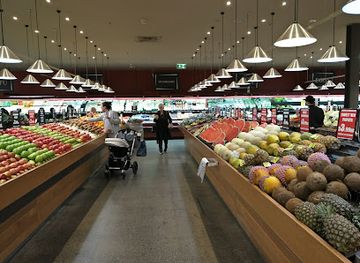
Shopping in Eastern Victoria is dispersed among regional high streets, small coastal centres, farm shops, galleries and seasonal markets. Warragul, Traralgon, Sale and Bairnsdale provide the broadest everyday choice, including supermarkets, independent retailers, books, clothing, homewares and cafés. Smaller places such as Metung, Paynesville, Lakes Entrance and Mallacoota focus more on practical supplies, gifts, art, local design and holiday goods than on extensive retail districts. Farmers’ markets and roadside stalls are good places to look for Gippsland dairy products, fruit, vegetables, preserves, baked goods and wine, although produce and market schedules vary through the year. Galleries and craft shops may feature ceramics, textiles, jewellery, paintings and woodwork inspired by the coast and forests. Useful souvenirs include regional food products, locally made crafts and books about Aboriginal culture, natural history or Gippsland’s rural and maritime past; visitors should buy Aboriginal artwork and cultural products through reputable, properly identified sellers.
-
Shopping mall
Chadstone - The Fashion Capital
Experience ultimate shopping and dining at Chadstone - The Fashion Capital, Australia's premier destination for fashion and lifestyle.
-
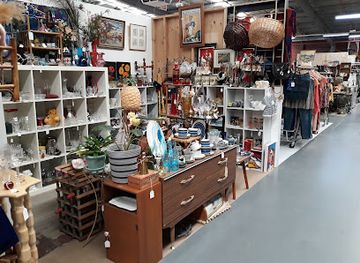
Antique store
Castlemaine Vintage Bazaar
Immerse yourself in nostalgia at Castlemaine Vintage Bazaar, a treasure trove of antiques and vintage finds in Castlemaine, Victoria.
-
 Self-catering accommodation
Prom Coast Holiday Lodge
Experience the serene beauty of Fish Creek at Prom Coast Holiday Lodge, your perfect self-catering getaway near Wilson Promontory.
-
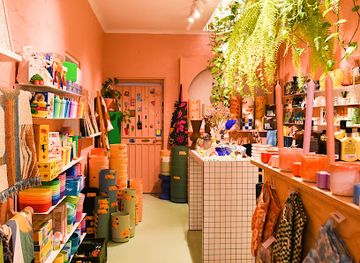
Gift shop
Pinky's
Discover an eclectic array of unique gifts at Pinky's in Preston, Victoria. Perfect for souvenirs and special occasions.
Get your free copy of our complete guide to Eastern Victoria, delivered straight to you.
Everything on this page, from attractions and restaurants to essentials and local phrases, in one PDF you can read offline, print or share.
Already have an account? Sign in
Your Eastern Victoria guide is ready.
We'll send it to · Not you? Sign out

Getting your guide ready…
We are putting together a fresh copy of the Eastern Victoria guide. This can take up to a minute.
This can take a few moments. If your browser asks, choose Allow so the download can start. You'll find the guide in your Downloads folder.
Nothing happened? Download it again
Sorry, the guide is taking longer than usual. Please try again in a minute, or get it by email instead.
Eastern Victoria essentials
Currency and Payment
Safety
Emergency Situations
Do's and Don'ts
Local Tips
From Eve
Local phrases worth knowing
You don't need to get them perfect. A few words go a long way, and locals appreciate the effort.
Basics
| English | Local | Say it |
|---|---|---|
| Hello | G'day | [guh-day] |
| Goodbye | See ya | [see yah] |
| Yes | Yep | [yehp] |
| No | Nah | [nah] |
| Please/You're welcome | No worries | [noh wuh-ries] |
| Thank you | Cheers | [cheers] |
| Excuse me/Sorry | Sorry mate | [sor-ree mate] |
| How are you? | How ya going? | [how yah going] |
| Fine. And you? | Good as gold. You? | [guhd az gold. You?] |
| Do you speak English? | Do ya speak English? | [do ya speak English] |
| I don't understand | I don’t get it | [I don’t get it] |
Eating & Drinking
| English | Local | Say it |
|---|---|---|
| I'd like to see the menu, please | Can I have a look at the menu? | [can I hav a look at the menu?] |
| I don't eat meat | I’m a vegetarian | [I’m a vege-tarian] |
| Cheers! | Cheers! | [cheers] |
| I would like to pay, please | Can I get the bill, please? | [can I get the bill, please?] |
Emergencies
| English | Local | Say it |
|---|---|---|
| Help! | Help! | [help] |
| Go away! | Get lost! | [get lost] |
| Call the Police! | Call the coppers! | [call the cop-pers] |
| Call a doctor! | Get a doctor! | [get a doctor] |
| I'm lost | I’m lost | [I’m lost] |
| I'm ill | I’m not feeling well | [I’m not feeling well] |
Shopping
| English | Local | Say it |
|---|---|---|
| I'd like to buy... | I want to buy... | [I want to buy] |
| I'm just looking | Just browsing, thanks | [just browsing, thanks] |
| How much is it? | What’s the price? | [what’s the price?] |
| That's too expensive | That’s a bit rich | [that’s a bit rich] |
| Can you lower the price? | Can ya do a better price? | [can ya do a better price?] |
Time & Numbers
| English | Local | Say it |
|---|---|---|
| What time is it? | What’s the time? | [what’s the time?] |
| It's one o'clock | It’s one o’clock | [it’s one o’clock] |
| Half past (10) | Half past ten | [half past ten] |
| Morning | Morning | [morning] |
| Afternoon | Arvo | [arvo] |
| Evening | Evening | [evening] |
| Yesterday | Yesterday | [yesterday] |
| Today | Today | [today] |
| Tomorrow | Tomorrow | [tomorrow] |
| 1 | One | [one] |
| 2 | Two | [two] |
| 3 | Three | [three] |
| 4 | Four | [four] |
| 5 | Five | [five] |
| 6 | Six | [six] |
| 7 | Seven | [seven] |
| 8 | Eight | [eight] |
| 9 | Nine | [nine] |
| 10 | Ten | [ten] |
Transport & Directions
| English | Local | Say it |
|---|---|---|
| Where's a/the...? | Where’s the...? | [where’s the...?] |
| What's the address? | What’s the address? | [what’s the address?] |
| Can you show me (on the map)? | Can ya show me on the map? | [can ya show me on the map?] |
| When's the next (bus)? | When’s the next bus? | [when’s the next bus?] |
| A ticket (to ....) | A ticket to... | [a ticket to...] |
History of Eastern Victoria
Gunaikurnai and Bidhawal Country
Eastern Victoria has been Aboriginal Country for thousands of generations. Much of Gippsland, including the Gippsland Lakes and inland river valleys, is associated with the five clans of the Gunaikurnai people, while Bidhawal Country extends across the far east around the coastal forests and Mallacoota area. Stone resources, waterways, wetlands, forests and coastal environments supported rich patterns of movement and exchange. European settlement profoundly disrupted these societies through dispossession, violence and restrictions, but Aboriginal communities remain active custodians, cultural authorities and contributors to the region’s contemporary identity.
Pastoral Expansion and European Settlement
European pastoralists entered Gippsland during the nineteenth century, establishing stations and routes through country that was initially difficult to cross. Sheep, cattle and later dairy farming transformed the cleared districts around places such as Warragul, Sale and Bairnsdale. The expansion was accompanied by conflict with Gunaikurnai communities and the creation of colonial institutions. Towns developed as service centres, administrative bases and markets, while rivers and low-lying wetlands influenced settlement patterns and transport.
Gold, Timber and Regional Transport
Gold discoveries in Gippsland during the nineteenth century brought prospectors, commerce and new routes into the interior, although the region’s economy became more enduringly associated with timber, agriculture and pastoralism. Forests supplied sawmills and construction materials, while improving roads, river navigation and railways connected inland settlements with Melbourne and coastal ports. The railway reached Gippsland progressively during the late nineteenth and early twentieth centuries, strengthening towns such as Traralgon, Sale and Bairnsdale as regional centres.
The Gippsland Lakes and Maritime Trade
The Gippsland Lakes were central to the development of eastern Victoria. Rivers carried timber, agricultural produce and other goods towards the lagoons, while steamers and coastal vessels connected settlements before modern roads became dominant. The opening of a permanent entrance to Bass Strait near Lakes Entrance in the late nineteenth century altered navigation, fishing and the town’s economic future. Although the lakes later became a major recreation and tourism destination, commercial fishing and working waterways remain part of their history.
Drainage, Irrigation and the Changing Gippsland Landscape
Low-lying areas around the Gippsland Lakes and Sale were reshaped through drainage channels, levees and water-management works intended to make wetlands more usable for farming and transport. The Sale Common and the network of waterways around the Thomson and Latrobe rivers preserve evidence of this engineered landscape. These projects supported agriculture and settlement but also changed wetland ecology. Contemporary management increasingly recognises the importance of balancing farming, flood control, navigation and the health of internationally significant wetlands.
Forestry, Conservation and Modern Regional Change
Forestry remained an important industry across Gippsland and East Gippsland, alongside farming, power generation, fishing and manufacturing. At the same time, conservation movements helped protect forests and coastal environments, leading to parks such as Tarra-Bulga and Croajingolong and the protection of the Gippsland Lakes and other wetlands. Bushfires, floods, drought and changing resource industries have repeatedly altered the region. Today Eastern Victoria combines established rural economies with nature-based tourism, conservation, food production and growing recognition of Aboriginal cultural heritage.
Eastern Victoria in Photos
Browse through our photo collection highlighting the charm and character of the destination.
Neighbouring regions of Eastern Victoria
The closest regions to Eastern Victoria, if you have time for more than one.
-

-

-

-

-


Swipe for more regions
Explore more

Explore more of Australia
Discover the diverse landscapes, vibrant cities, and unique wildlife of Australia, a captivating destination offering endless adventures and unforgettable experiences.
Explore Australia